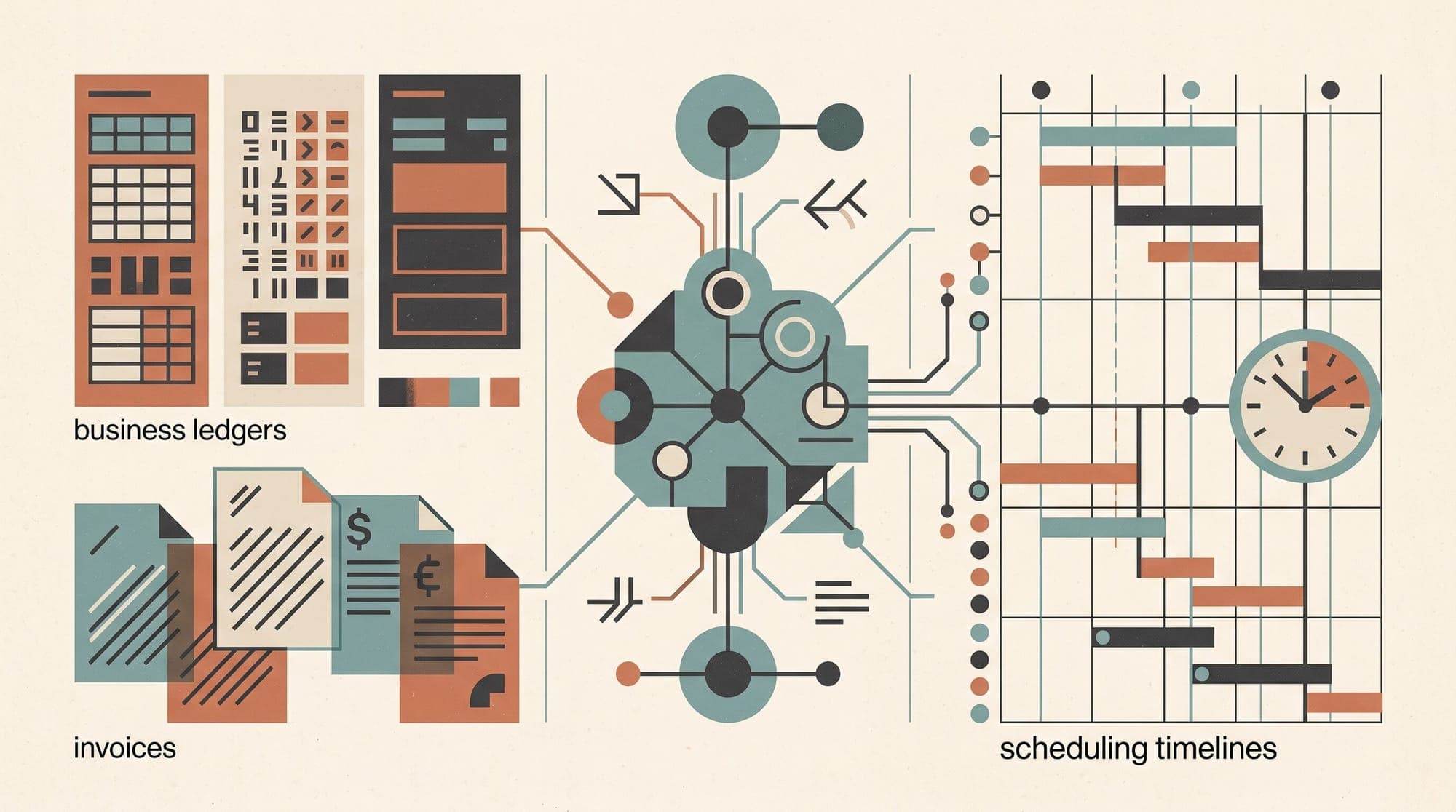
Small-business CRM platform HoneyBook has rolled out an official integration for Anthropic's Claude built on the Model Context Protocol (MCP). The connector exposes structured customer records, project timelines, and billing systems to conversational AI agents, allowing service professionals to run client workflows through natural language interfaces.
While large enterprises have increasingly deployed autonomous AI agents into core enterprise resource planning systems, smaller operators face structural gaps. According to McKinsey's State of AI survey, nearly 50 percent of companies generating over $5 billion in revenue have moved AI past the pilot phase into operational production, compared to 29 percent of companies earning under $100 million.

Exposing Business Context Over MCP
The HoneyBook MCP connector exposes CRM endpoints to any client environment supporting the open MCP specification, with Anthropic's Claude serving as the initial primary interface. Rather than switching between fragmented billing apps, email clients, and scheduling calendars, users can query active pipeline state directly.
The tool interface supports both read and write operations across standard CRM entities:
- Pipeline Reconciliation: Users can query stale leads, outstanding deliverables, and client response statuses to flag forgotten follow-ups.
- Contract and Proposal Generation: Claude can pull client details, populate dynamic templates, and draft formal agreements.
- Invoicing and Payment Operations: The model can generate invoices, issue payment reminders for past-due accounts, and create ad-hoc billing requests.
- Lifecycle Tracking: Project milestone dates and status labels can be updated automatically based on conversational summaries of client meetings.
Sandboxed Execution and Data Privacy
Connecting sensitive operational ledgers to hosted LLM providers raises data governance concerns. HoneyBook implements an ephemeral execution boundary: each MCP tool call runs within an isolated sandbox environment that is purged immediately after session termination.
This architecture prevents long-term caching of proprietary financial documents, customer contact details, or transaction histories within third-party model context buffers. Granular permission controls also restrict which data subsets are exposed to the agent runtime during specific queries.