Subscribe
Topic

AI Research

Research where AI makes new scientific and mathematical progress. Recent stories cover Claude optimizing quantum circuits and designing proteins, an AI machine-checked proof of a prime-gaps theorem, OpenAI's Astra on open math problems, and Terence Tao's caution.

Articles

1-5
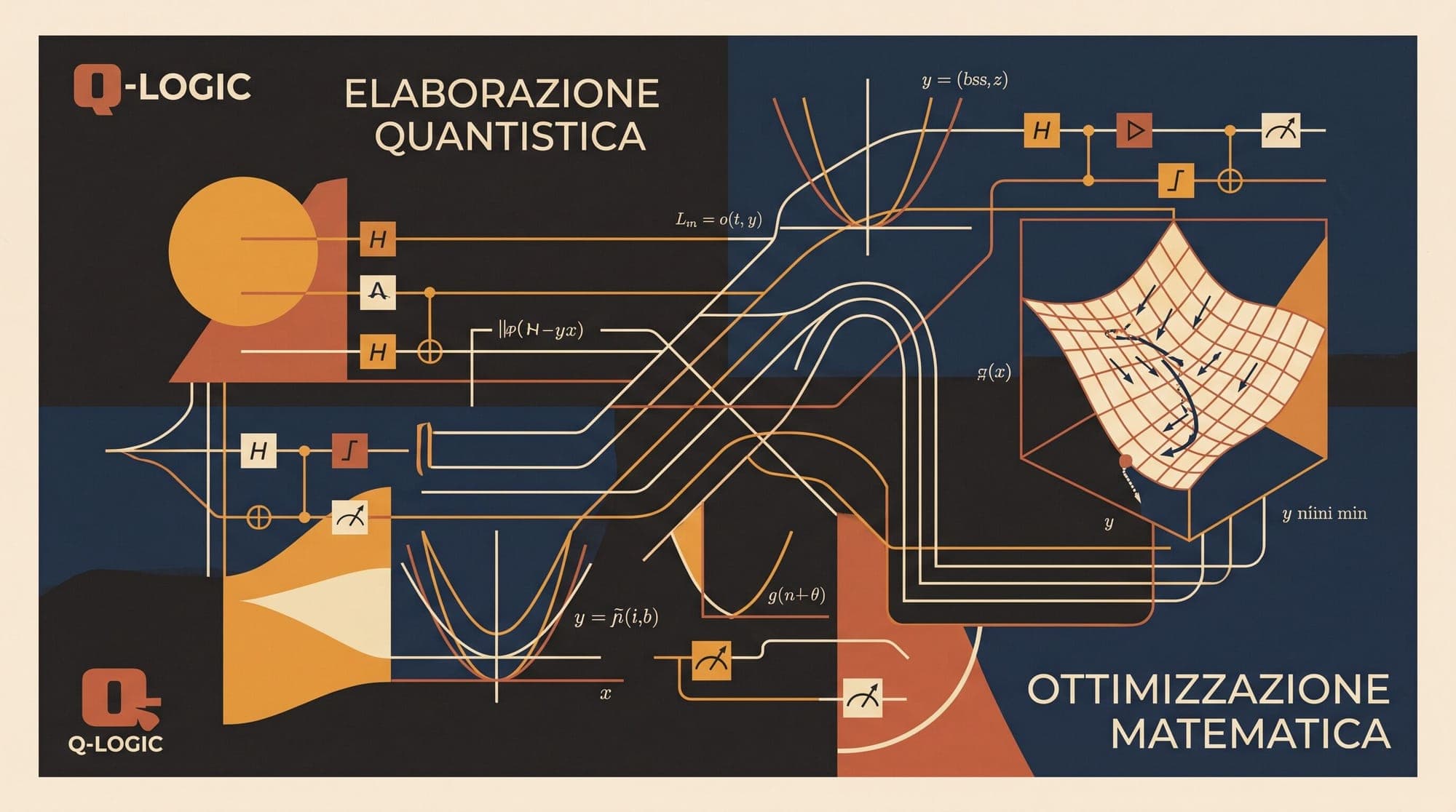
  1. Anthropic Researchers Use Claude to Optimize Quantum Computing Circuits by Up to 17x

    Anthropic researchers, in collaboration with physicists from Harvard University and QuEra Computing, have demonstrated that large language models operating in automated feedback loops can optimize quantum computing circuits beyond human-designed baselines. Led by STEM Fellow Andi Gu and mentor Alek Kemeny at Anthropic, alongside Susanne Yelin and Mikhail Lukin at Harvard and QuEra, the team tasked Claude Mythos 5 with designing quantum circuits across eight computational primitives spanning che

    Anthropic
    3 min read
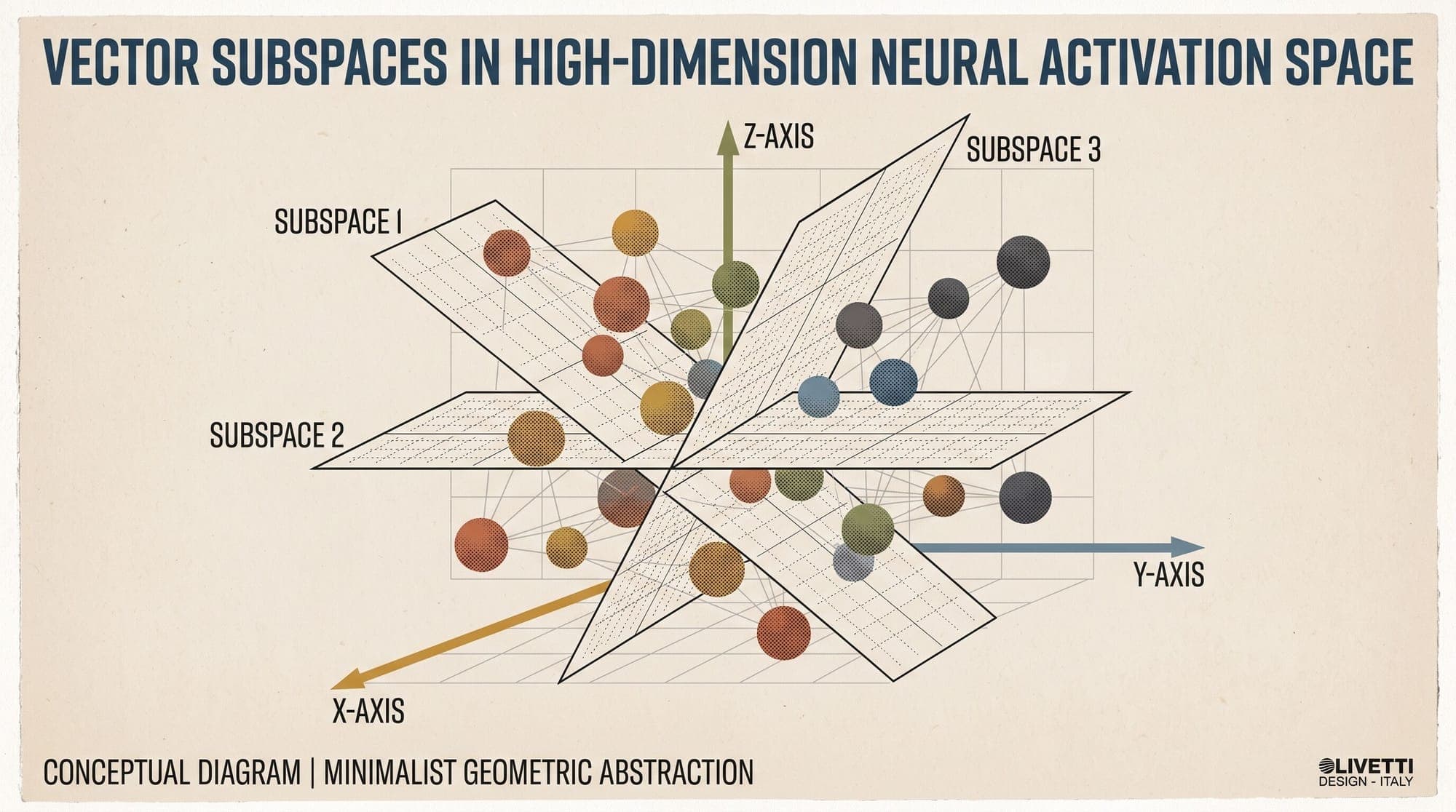
  2. The Linear Representation Hypothesis in Large Language Models: How Neural Geometry Organizes Concepts, Latent Truth, and Steerable Features

    The Linear Representation Hypothesis in Large Language Models: How Neural Geometry Organizes Concepts, Latent Truth, and Steerable Features Deep neural networks are composed of alternating non-linear activation functions, multi-head attention operations, and high-dimensional matrix projections. Despite this architectural non-linearity, empirical research across mechanistic interpretability reveals a striking geometric regularity: within the intermediate representation spaces of large language m

    LLM
    8 min read
  3. Terence Tao Warns AI-Driven Proof Abundance Risks Mathematical Comprehension Crisis

    In a paper prepared for the 2026 International Congress of Mathematicians, mathematician Terence Tao argues that artificial intelligence will force a restructuring of mathematical research practices, publication criteria, and education. The essay, released on arXiv (2608.16753), outlines how the transition from proof scarcity to proof abundance creates operational and epistemological challenges distinct from earlier debates over automated theorem proving. Tao frames the incoming disruption agai

    AI Research
    2 min read
  4. OpenAI says Astra solved ten open math problems for about $2,000

    OpenAI has named its next major model, Astra, by publishing ten mathematical results it says were generated by an internal version of the system. The company released a technical paper, reasoning walkthroughs and Lean certificates that allow the formal proofs to be checked by software. The more important part of the announcement is not the count. AI-generated mathematics has produced enough false starts that a headline number alone is weak evidence. OpenAI's decision to publish machine-checkabl

    OpenAI
    2 min read