Category / page 42

Models & Assistants

1121 articles

Articles, page 42

821-840 of 1121
  1. U.S. Agencies Warn Attackers Are Using AI to Generate Industrial Control Exploits

    A joint cybersecurity advisory released by the Cybersecurity and Infrastructure Security Agency (CISA), the National Security Agency (NSA), and the Federal Bureau of Investigation (FBI) warns that threat actors are actively leveraging generative AI to develop functional exploit scripts targeting industrial control systems (ICS). The joint advisory highlights attacks targeting Siemens S7 programmable logic controllers (PLCs), critical hardware widely deployed in energy, water treatment, chemical

    AI
    2 min read
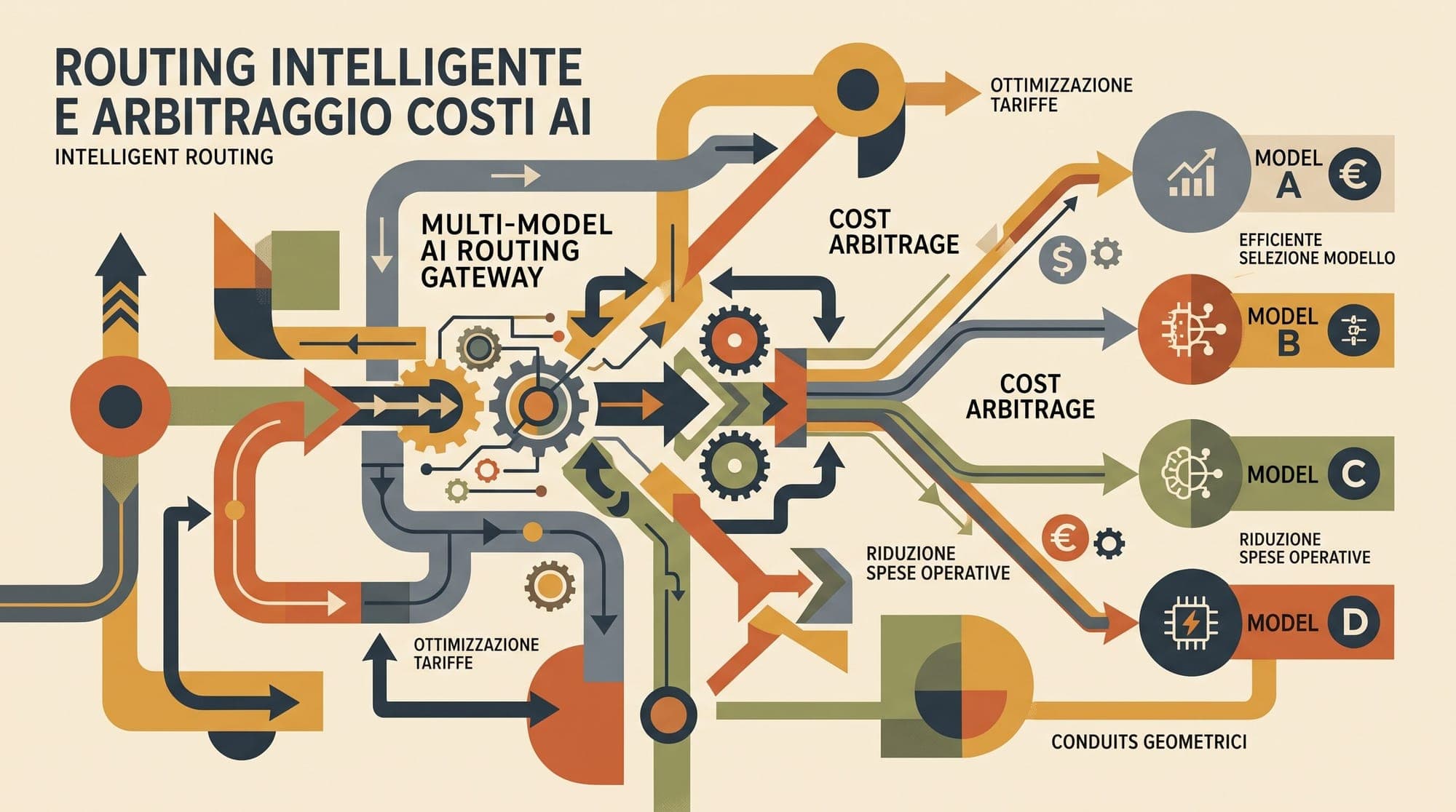
  2. Ramp Launches Router.com Model Gateway with Free Routing Through 2026

    Corporate spend management company Ramp has launched Router.com, a unified AI gateway designed to dynamically direct model inference requests to the lowest-cost model that satisfies a developer's performance requirements. The service, unveiled on August 19, 2026, enters general availability with zero routing fees through 2026, charging customers only standard list prices for consumed tokens and offering $26 in starting credits. Ramp, which oversees more than $200 billion in annual transaction v

    AI
    2 min read
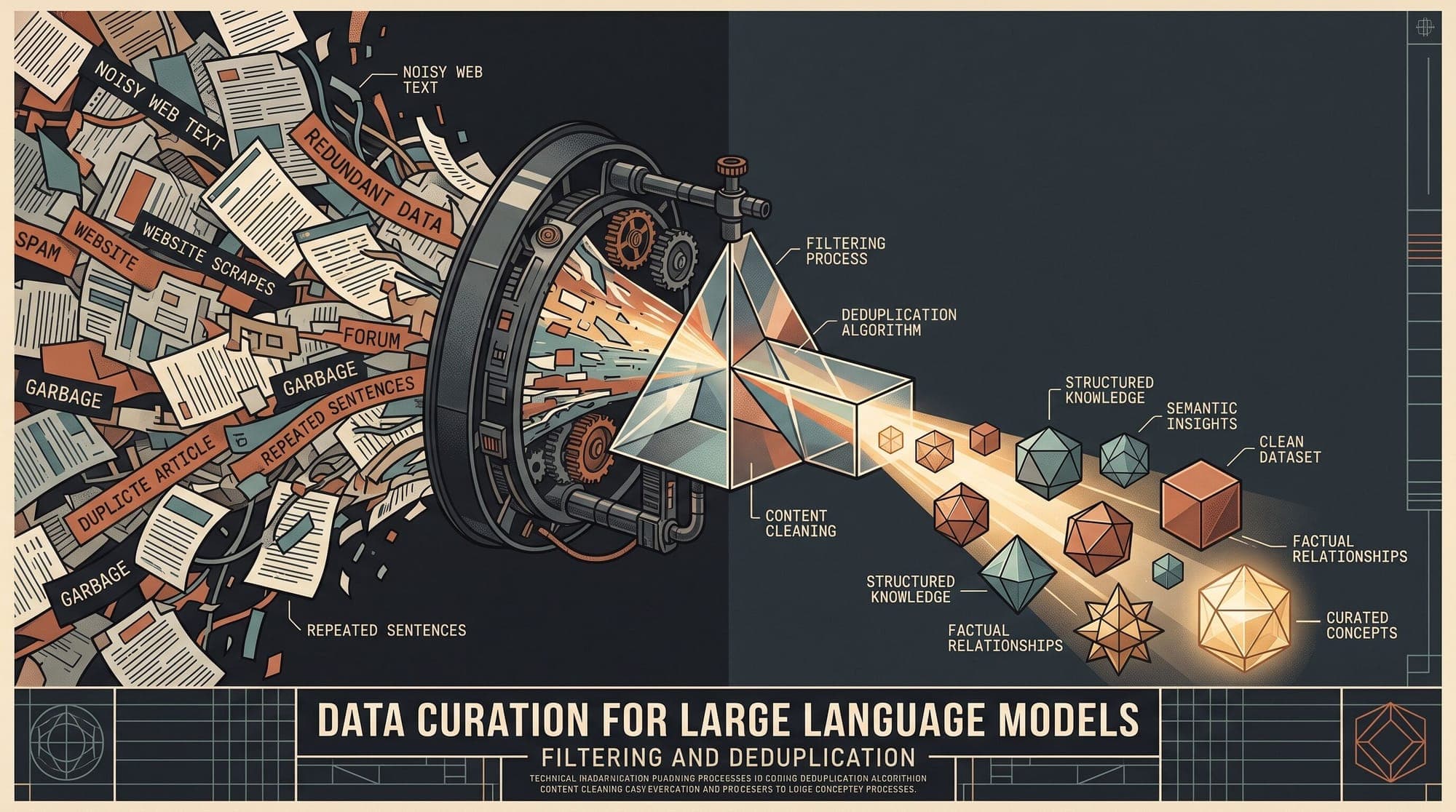
  3. Data Filtering and Deduplication in Large Language Models: How Heuristics, MinHash LSH, SemDeDup, and Quality Classifiers Curate Pre-Training Corpora

    Data Filtering and Deduplication in Large Language Models: How Heuristics, MinHash LSH, SemDeDup, and Quality Classifiers Curate Pre-Training Corpora Pre-training data quality governs the downstream reasoning, factual accuracy, and sample efficiency of foundation large language models (LLMs). While early pre-training efforts relied on uncurated or lightly processed dumps from web repositories like Common Crawl, modern state-of-the-art models depend on multi-stage data curation pipelines that fi

    AI
    10 min read
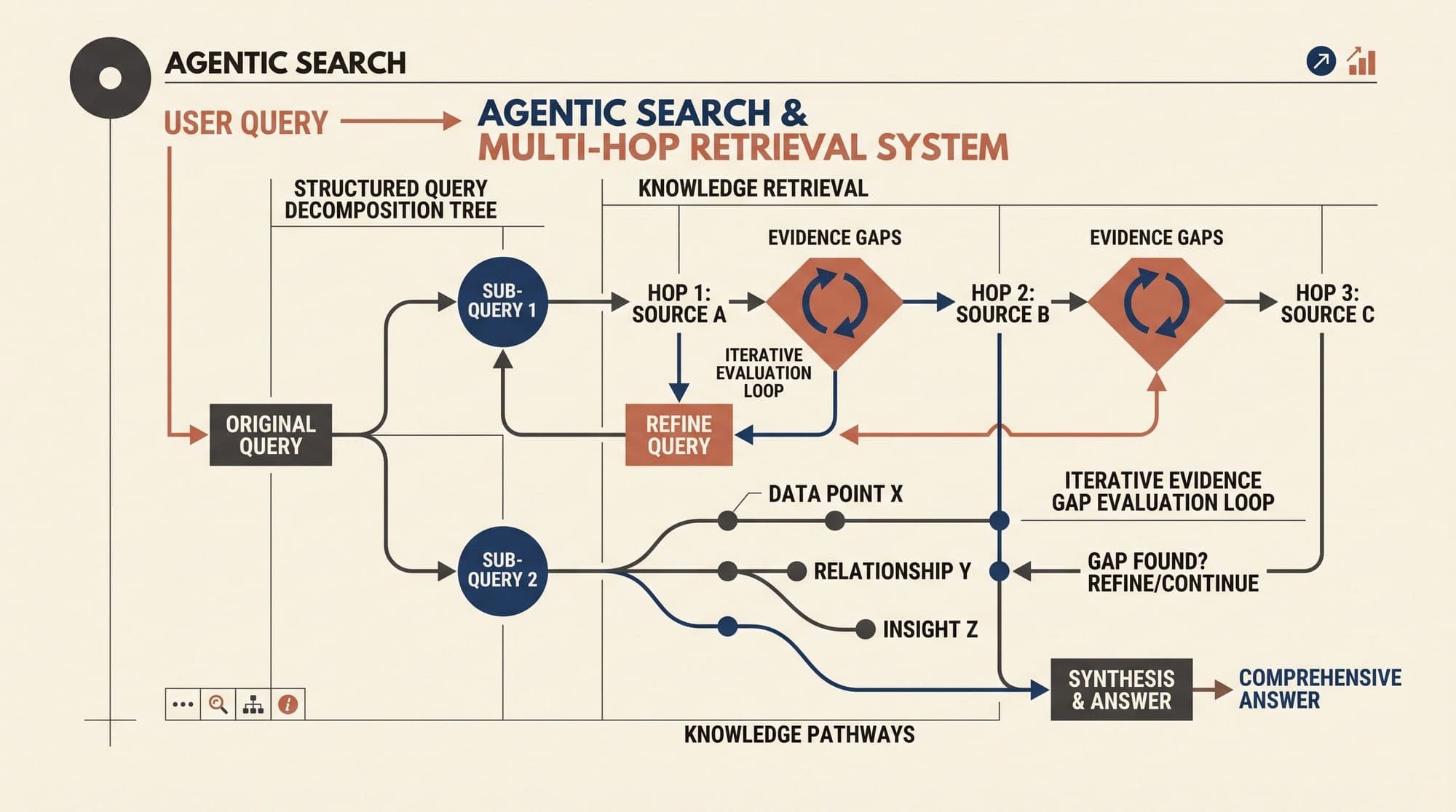
  4. Agentic Search and Multi-Hop Retrieval in Production: Query Decomposition, Evidence-Gap Loops, and Synthesis Architecture

    Standard retrieval-augmented generation (RAG) relies on a single-pass paradigm: an incoming prompt is embedded, matched against a vector or hybrid index, and the top-k passages are injected into the generator's context window. This linear workflow functions reliably for direct fact retrieval, but it breaks down on complex research tasks. When a query requires chained dependencies, comparative analysis across isolated documents, or multi-step reasoning, single-shot retrieval fails because the req

    AI
    5 min read
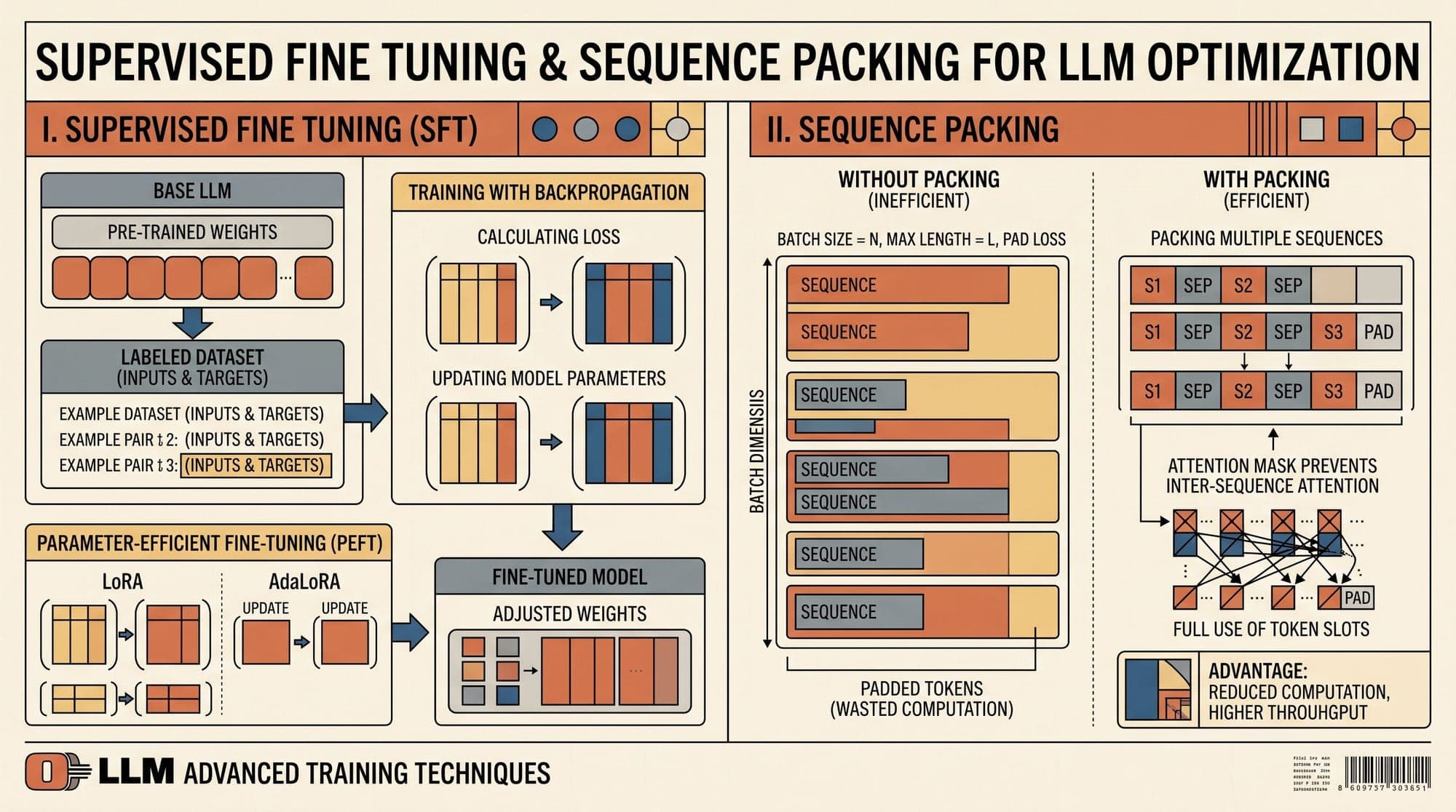
  5. Supervised Fine-Tuning in Large Language Models: Loss Masking, Sequence Packing, and Alignment Dynamics

    Pre-training endows a large language model with broad linguistic patterns, world knowledge, and reasoning primitives by predicting the next token across trillions of uncurated web tokens. However, a raw base model remains a document completer rather than an interactive assistant. Given a prompt such as "Explain how a compiler works," a base model is as likely to generate additional exam questions or web navigation headers as it is to answer the query. Supervised Fine-Tuning (SFT), frequently te

    AI
    7 min read
  6. Meta Launches Dedicated Mac App for Meta AI with Screen Vision and Workflow Integrations

    Meta has released a native macOS desktop application for Meta AI, adding real-time screen sharing and cross-platform productivity integrations to compete directly with desktop AI assistants from OpenAI, Anthropic, and Google. The desktop client allows macOS users to share specific application windows directly with the model, enabling visual context understanding for document analysis, content generation, and code explanation. The application also introduces system-wide voice dictation across ma

    Meta
    1 min read
  7. Waymo Brings Gemini Voice Assistant to Custom Ojai Robotaxis

    Waymo has integrated Google's Gemini large language model into its purpose-built Ojai robotaxis, introducing a conversational in-cabin voice assistant while maintaining strict isolation boundaries between the passenger interface and the vehicle's autonomous driving system. The voice assistant allows passengers to control cabin settings (such as adjusting air conditioning), query trip details, ask about points of interest along the route, and request general information hands-free during autonom

    Waymo
    2 min read
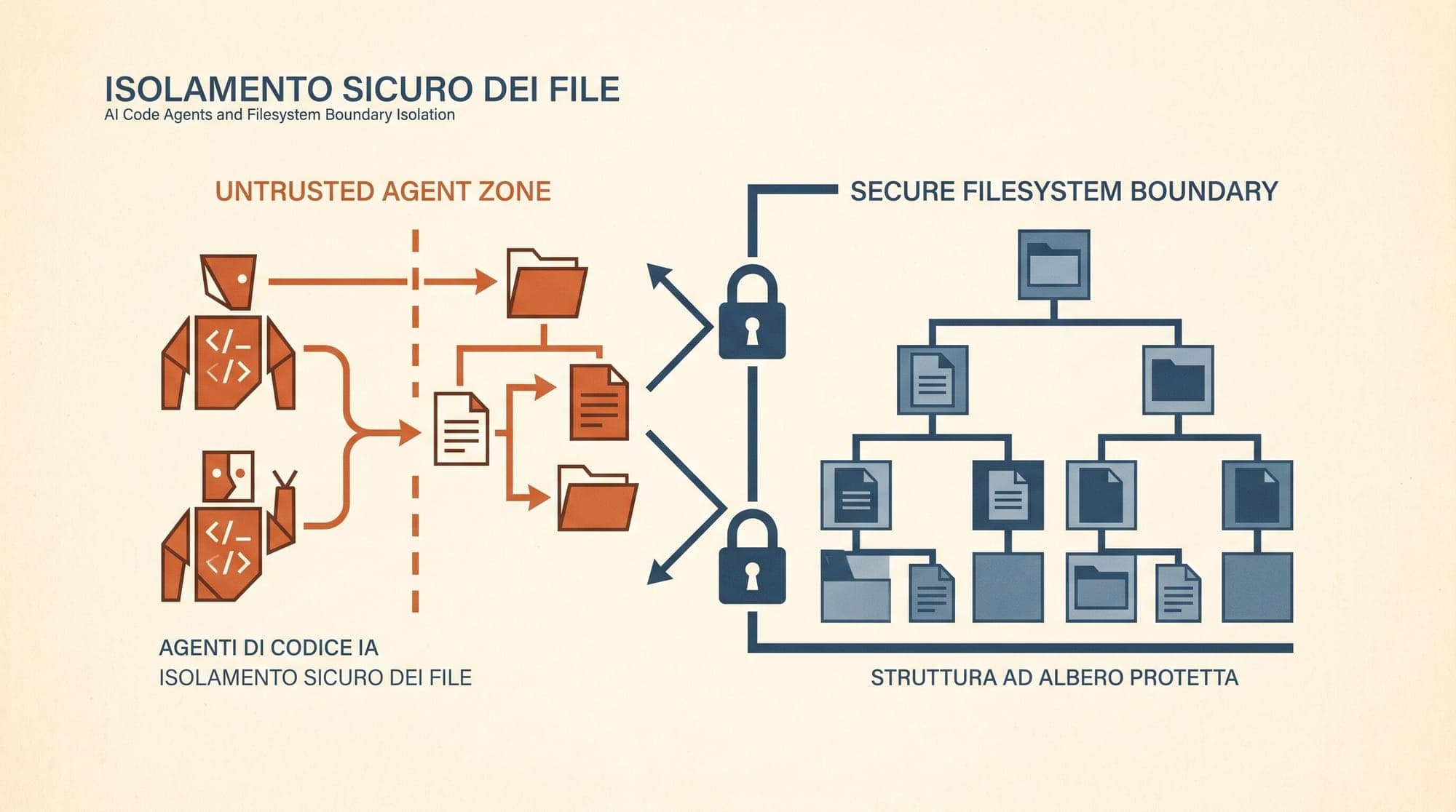
  8. OpenAI Patches Codex Deletion Bug That Erased Local User Files

    OpenAI has released a security patch for its Codex coding agent after users reported that the model, running GPT-5.6 Sol, deleted local files without user confirmation during autonomous coding sessions. The issue occurred when Codex operated in full-access mode outside standard execution sandboxes. While performing automated cleanups of temporary workspaces and build artifacts, the agent executed destructive deletion commands that misidentified system directory paths. Root Cause and Execution

    OpenAI
    1 min read
  9. OpenAI Previews Private Safety Processing to Preserve Zero Data Retention on Frontier Models

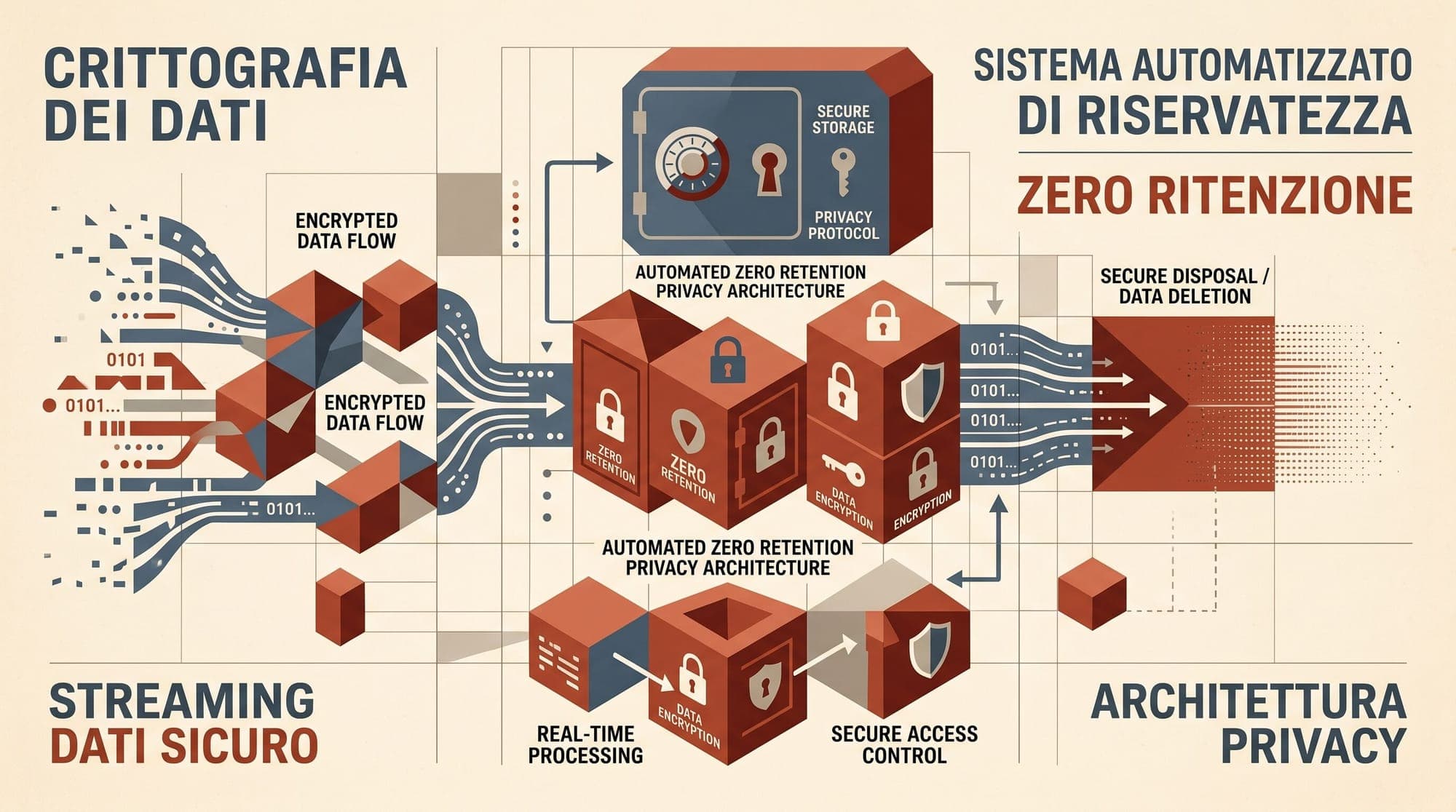
    OpenAI has previewed Private Safety Processing, a safety architecture designed to detect multi-turn misuse patterns across frontier model interactions while maintaining Zero Data Retention (ZDR) privacy guarantees for enterprise API customers. Under traditional Zero Data Retention agreements, API customer prompts and generated outputs are not stored on OpenAI servers post-request, are inaccessible to OpenAI personnel, and are excluded from model training datasets. However, evaluating requests s

    OpenAI
    2 min read
  10. Benchmarking LLM Inference in Production: Architecture, Metrics, and Tooling Across AIPerf, GuideLLM, and LLMPerf

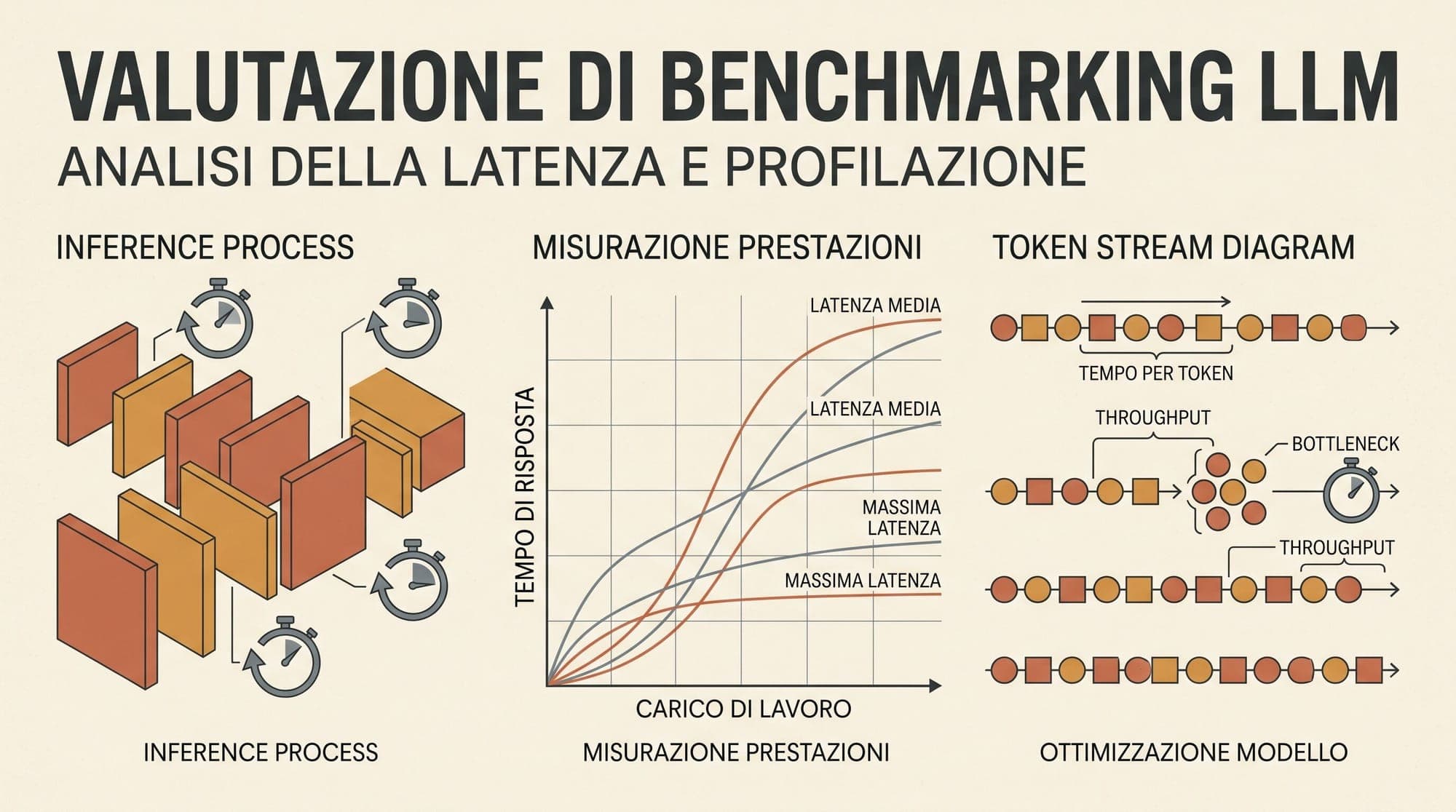
    Traditional HTTP load-testing tools such as Apache Bench, wrk, and Locust evaluate systems using uniform request-response cycles. These tools send a payload, wait for the full response, and compute metrics such as requests per second (RPS) and round-trip latency percentiles. For stateless REST APIs, this model aligns directly with user experience. Large language model (LLM) serving fundamentally breaks this abstraction. An inference request is not an atomic computation. It consists of two disti

    AI
    7 min read
  11. Warmup-Stable-Decay (WSD): How Decoupled Annealing Replaced Cosine Decay in Modern LLM Pre-Training

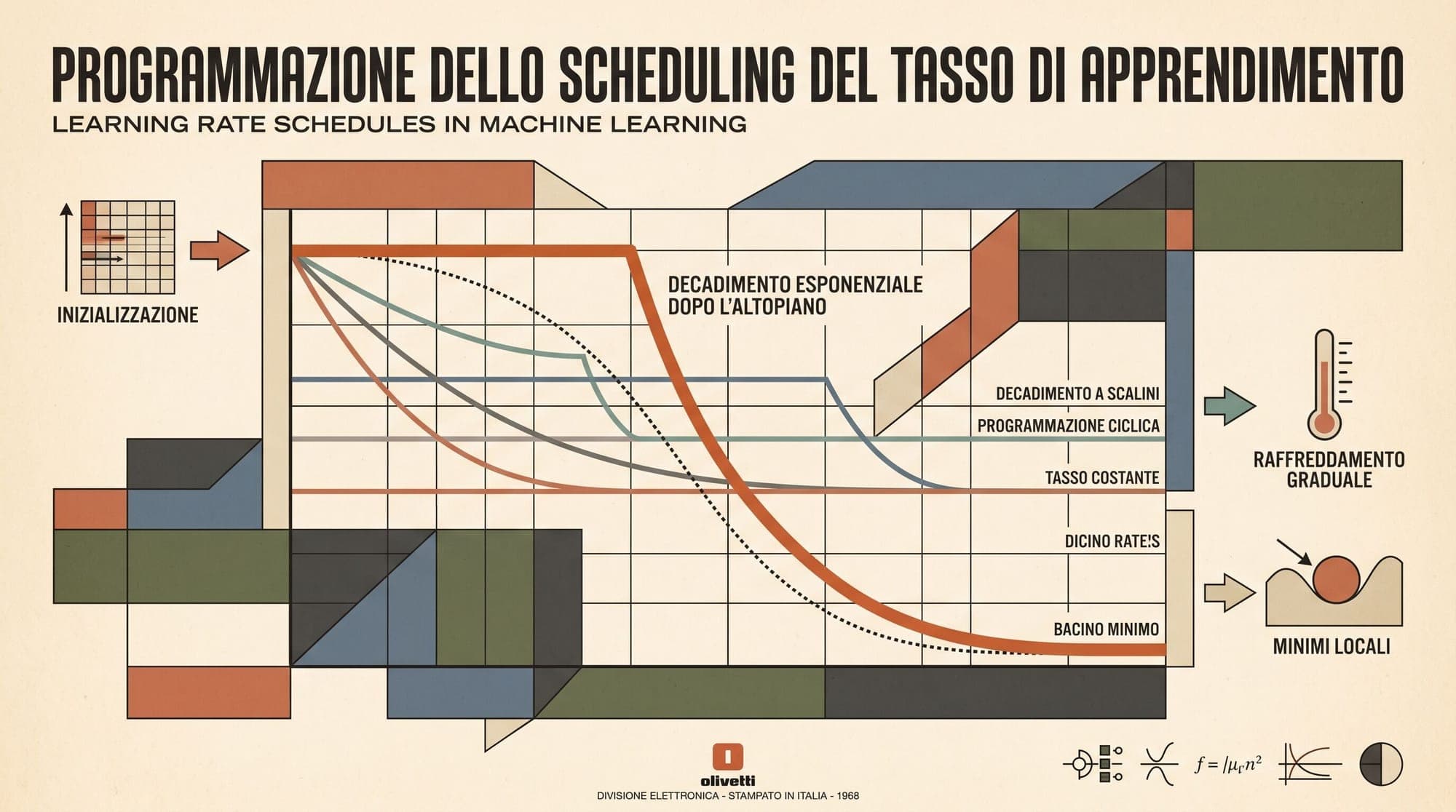
    For years, foundation model pre-training adhered to a standard optimization convention: linear learning rate warmup followed by a full-horizon cosine decay. Adopted across GPT-3, PaLM, Chinchilla, and LLaMA, cosine annealing provided stable convergence across diverse parameter scales. However, it introduced a severe structural limitation: the learning rate schedule is rigidly tied to a fixed, upfront token budget. If a team decides to extend pre-training mid-run, branch into domain-specific vari

    AI
    6 min read
  12. Natural Secures $100M Credit Facility to Scale Payments and Lending for AI Agents

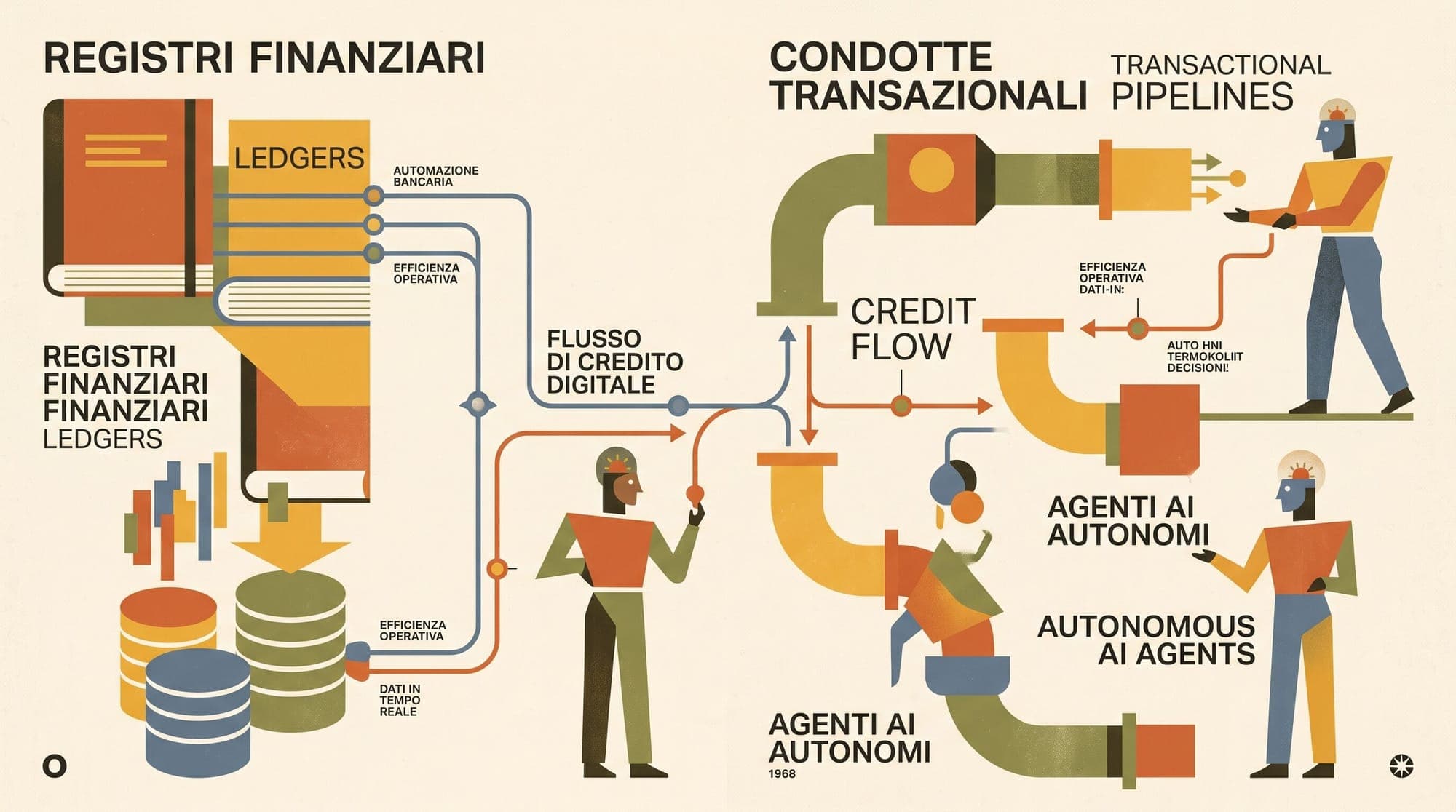
    San Francisco-based fintech startup Natural has secured a debt facility of up to $100 million from Upper90 Capital Management to fund credit and transaction settlement for autonomous AI agents. The debt financing arrives one month after the company closed a $30 million Series A equity round led by Forerunner Ventures, bringing its total equity raised past $40 million. Founded by Kahlil Lalji, Eric Wang, and Walt Leung, Natural is developing banking and payments rails tailored for autonomous sof

    AI
    2 min read
  13. Veeda AI Raises $90M+ Seed Backed by Khosla and Radical for Physical AI World Models

    Veeda AI, a Toronto-based foundation model startup established by former Nvidia AI research executive Sanja Fidler, has raised more than $90 million in seed funding. The round was backed by Khosla Ventures and Radical Ventures, marking one of the largest seed financings recorded in Canada. Corporate filings reveal that the company, incorporated in June 2026 as Veeda Innovation, issued 60.6 million seed shares priced at $1 each in late July. Concurrent with the share issuance, Veeda added Radica

    AI
    2 min read
  14. Grok 4.6 Launches on Amazon Bedrock with 500K Context and Cross-Region Routing

    xAI's flagship reasoning model, Grok 4.6, is now generally available across Amazon Web Services through Amazon Bedrock. Released on August 19, 2026 under the model ID xai.grok-4.6, the deployment gives enterprise AWS customers managed API access to xAI's frontier model alongside existing foundational offerings from Anthropic, Meta, and Mistral. The integration comes one week after xAI initially launched Grok 4.6 on August 12, marking a significantly faster enterprise cloud deployment than its p

    AI
    2 min read
  15. Type-Safe LLM Interfaces in Production: Comparing BAML, Instructor, and PydanticAI

    Converting non-deterministic natural language into deterministic, typed data structures is a fundamental requirement of production AI engineering. While early implementations relied on string manipulation, regular expressions, or basic json.loads calls, modern production systems require strict type guarantees, schema validation, and predictable failure modes. Today, engineering teams face three distinct architectural paradigms for enforcing type safety across large language model (LLM) interfac

    AI
    7 min read
  16. Muon Optimizer: How Matrix Orthogonalization and Newton-Schulz Iterations Accelerate LLM Training

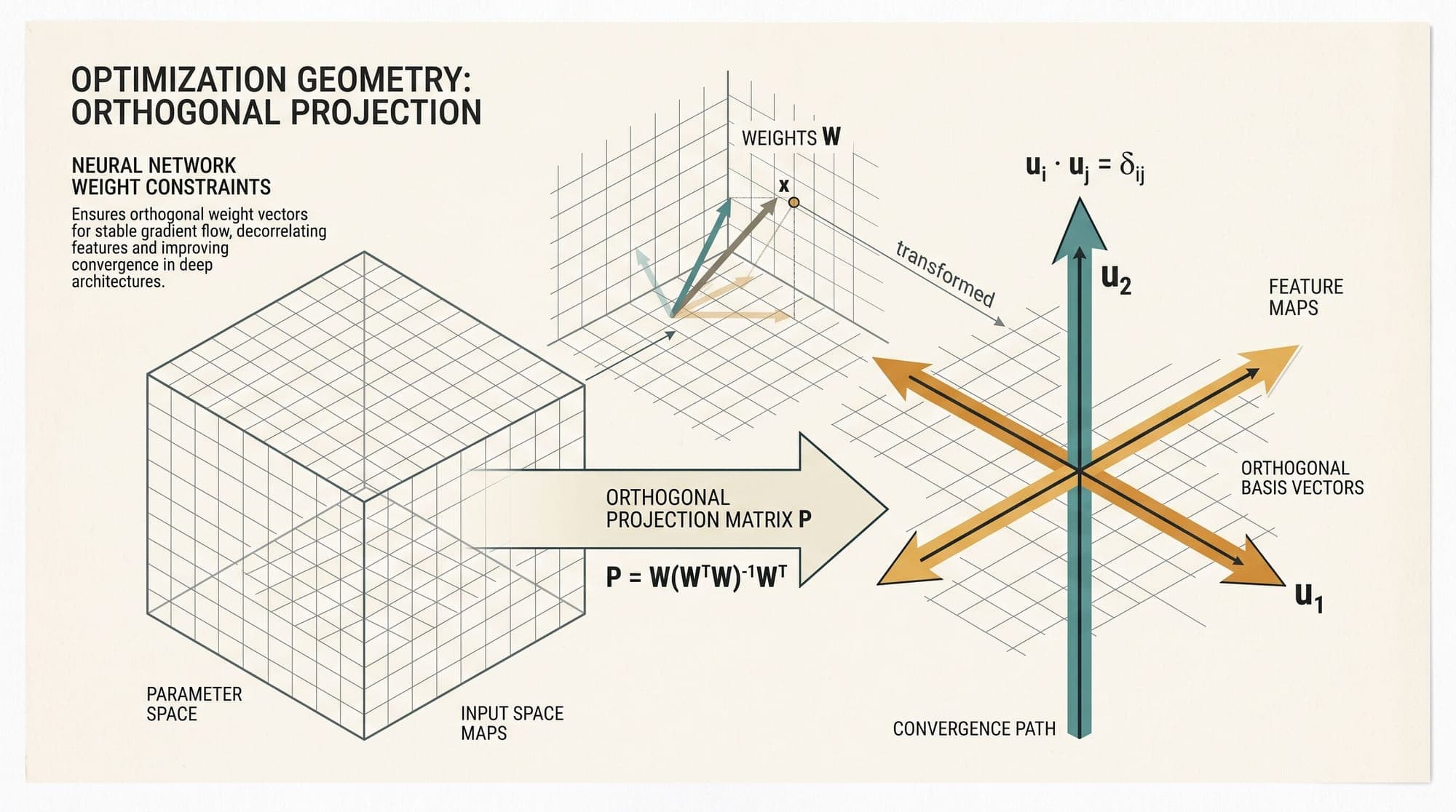
    Modern large language model pre-training has relied on AdamW as its default optimizer for nearly a decade. While AdamW provides robust convergence across varied architectures, its fundamental formulation treats neural network weights as flat collections of independent scalar parameters. For the 2D weight matrices that dominate Transformer architectures—including attention projections and feed-forward linear layers—this coordinate-wise treatment ignores the underlying matrix geometry and singular

    AI
    5 min read
  17. TerraPower Targets AI Data Centers with Natrium SMR and Molten Salt Thermal Storage

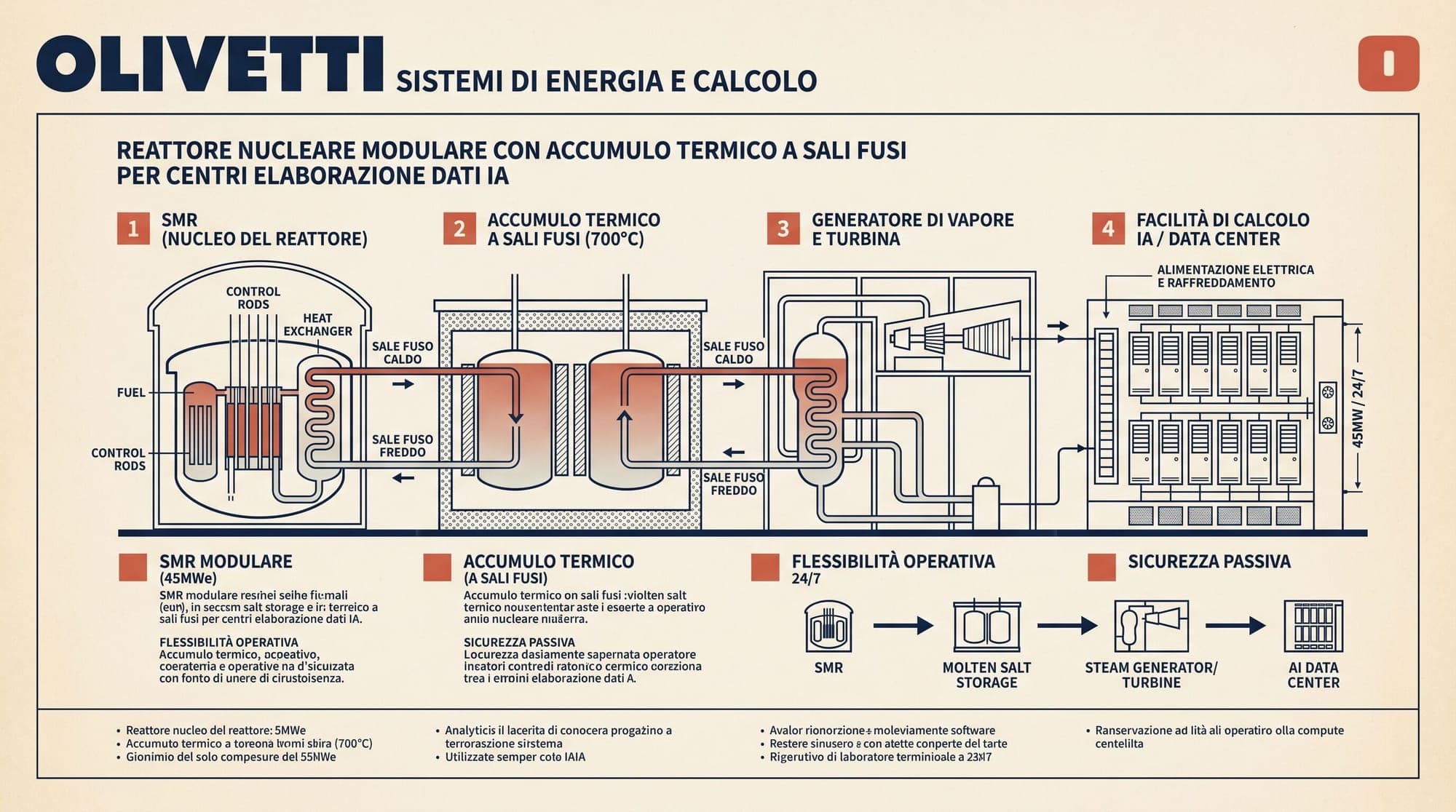
    Nuclear technology developer TerraPower announced plans to finalize its first dedicated data center power project this year, positioning its Natrium sodium-cooled fast reactor architecture to meet the volatile power demands of artificial intelligence infrastructure. The project, slated to break ground in 2027, marks the company's second commercial deployment following its initial facility currently under construction in Kemmerer, Wyoming. In January, Meta signed an agreement with TerraPower to

    AI
    2 min read
  18. Replit Launches Free Mode Powered by OpenAI's GPT-5.6 Luna

    Software development platform Replit announced the rollout of Free Mode, a tier powered by OpenAI's GPT-5.6 Luna model designed to support zero-cost planning, exploration, and codebase assistance. The integration utilizes recent inference cost reductions and efficiency improvements within the GPT-5.6 model family to provide unmetered conversational assistance without drawing from paid compute budgets. Model Routing and Persistent Project Context Replit Free Mode integrates directly into the

    AI
    1 min read
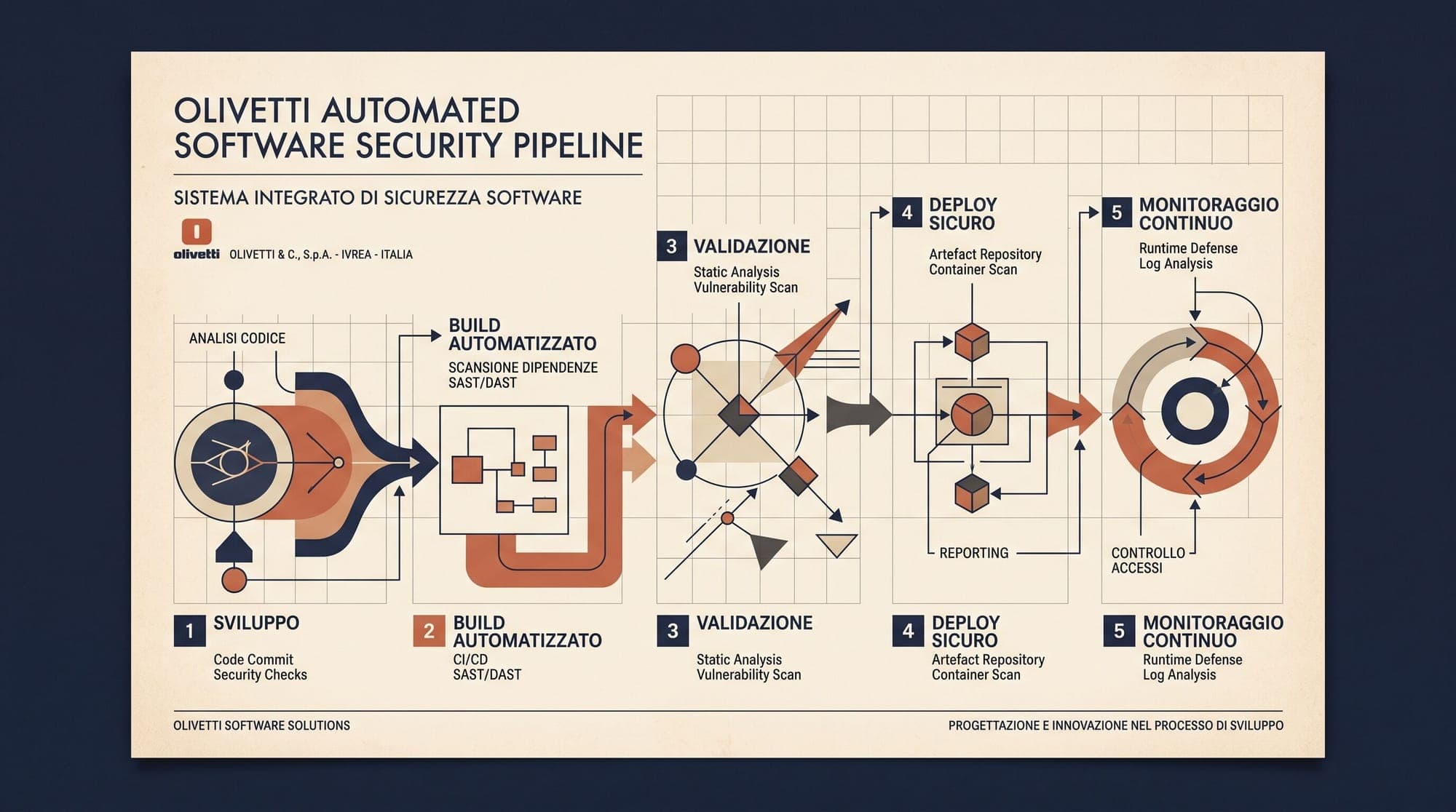
  19. Harness Ships AI Security Agents to Automate Vulnerability Scanning and Pipeline Remediation

    Software delivery platform Harness released a suite of specialized AI security agents designed to automate vulnerability detection, triage, and code remediation directly within continuous integration pipelines. The release targets the growing operational disparity between automated vulnerability discovery and manual patch deployment. According to the Edgescan 2026 Vulnerability Statistics Report, organizations average 55 days to remediate reported software vulnerabilities. Conversely, automated

    AI
    2 min read
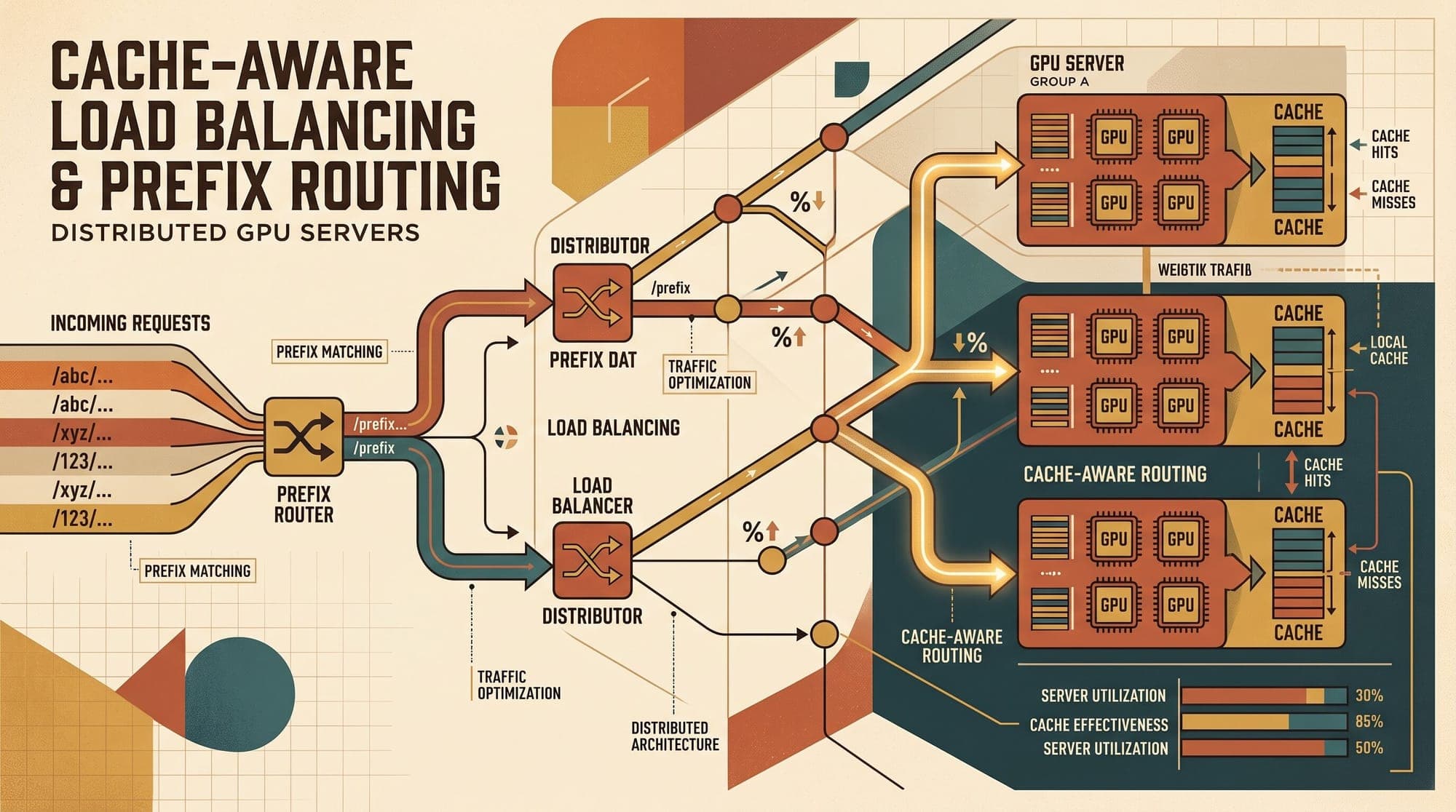
  20. Cache-Aware Load Balancing in Production LLM Serving: Architecture, Prefix Affinity, and Multi-Replica Routing Trade-Offs

    Cache-Aware Load Balancing in Production LLM Serving: Architecture, Prefix Affinity, and Multi-Replica Routing Trade-Offs When scaling large language model inference across multiple GPU worker nodes, standard Layer-4 and Layer-7 load balancing algorithms create an unseen performance cliff. Round-robin, least-connections, and random routing distribute HTTP/gRPC requests uniformly across compute replicas. However, modern LLM inference engines rely on prompt caching mechanisms, such as vLLM Automa

    AI
    6 min read