
Software development platform Replit announced the rollout of Free Mode, a tier powered by OpenAI's GPT-5.6 Luna model designed to support zero-cost planning, exploration, and codebase assistance.
The integration utilizes recent inference cost reductions and efficiency improvements within the GPT-5.6 model family to provide unmetered conversational assistance without drawing from paid compute budgets.

Model Routing and Persistent Project Context
Replit Free Mode integrates directly into the platform's development environment, granting the underlying model access to workspace file trees, repository context, and active configurations. Users can request code explanations, refactoring suggestions, and architectural planning without incurring token fees.
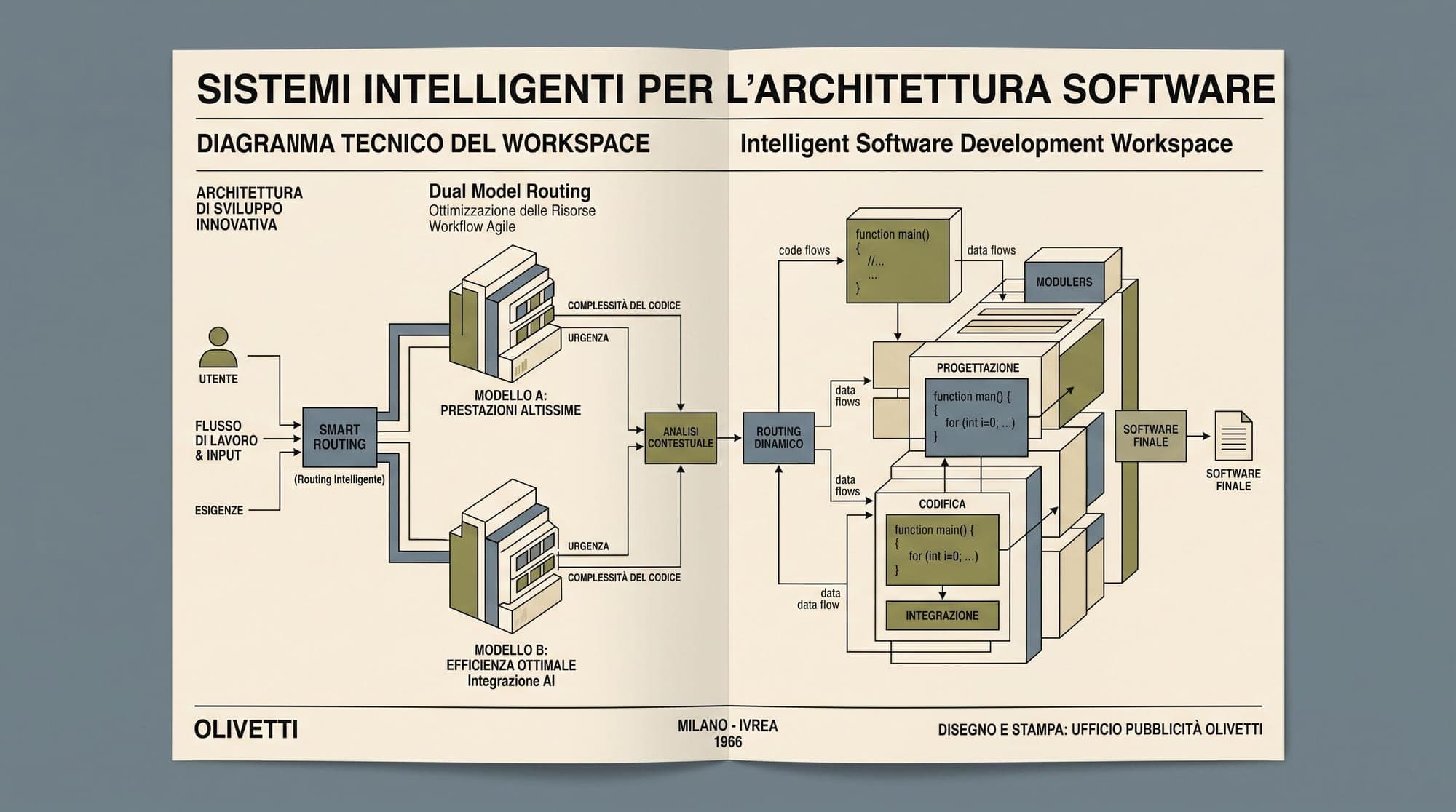
To balance speed, operational cost, and reasoning depth, the environment implements a dynamic routing architecture:
- Interactive Queries: Routine analysis, code suggestions, and planning tasks are processed by GPT-5.6 Luna.
- Complex Reasoning Escalation: When tasks require multi-step refactoring, intricate bug isolation, or deep logical verification, queries route to GPT-5.6 Sol.
- Context Preservation: The development session maintains full project state across model transitions, returning to GPT-5.6 Luna once complex tasks conclude.
Inference Economics and Access
The deployment reflects a broader industry transition toward tiered model orchestration in developer tooling. By delegating high-volume exploratory interactions to lightweight models like GPT-5.6 Luna while reserving higher-tier reasoning models for execution phases, platforms can lower per-seat operational overhead.
According to Replit and OpenAI, the approach aims to eliminate token anxiety during early-stage prototyping, allowing developers to shape software architectures before committing compute resources in Build Mode.



