Category / page 10

Models & Assistants

1121 articles

Articles, page 10

181-200 of 1121
  1. Replit Shifts Default AI Coding Provider to OpenAI, Citing Cost and Benchmark Metrics

    Replit has made OpenAI, not Anthropic, the default model provider for Replit Agent. TechCrunch describes Replit as an AI coding platform that "has become a favorite of startup founders and developers." Speaking at TechCrunch Disrupt, Replit co-founder and CEO Amjad Masad said the decision was "based on both cost, partnership, and performance," TechCrunch reported. He said Replit uses an internal benchmark to assess metrics like performance, and also publishes a public benchmark. Update, Oct 1

    AI
    3 min read
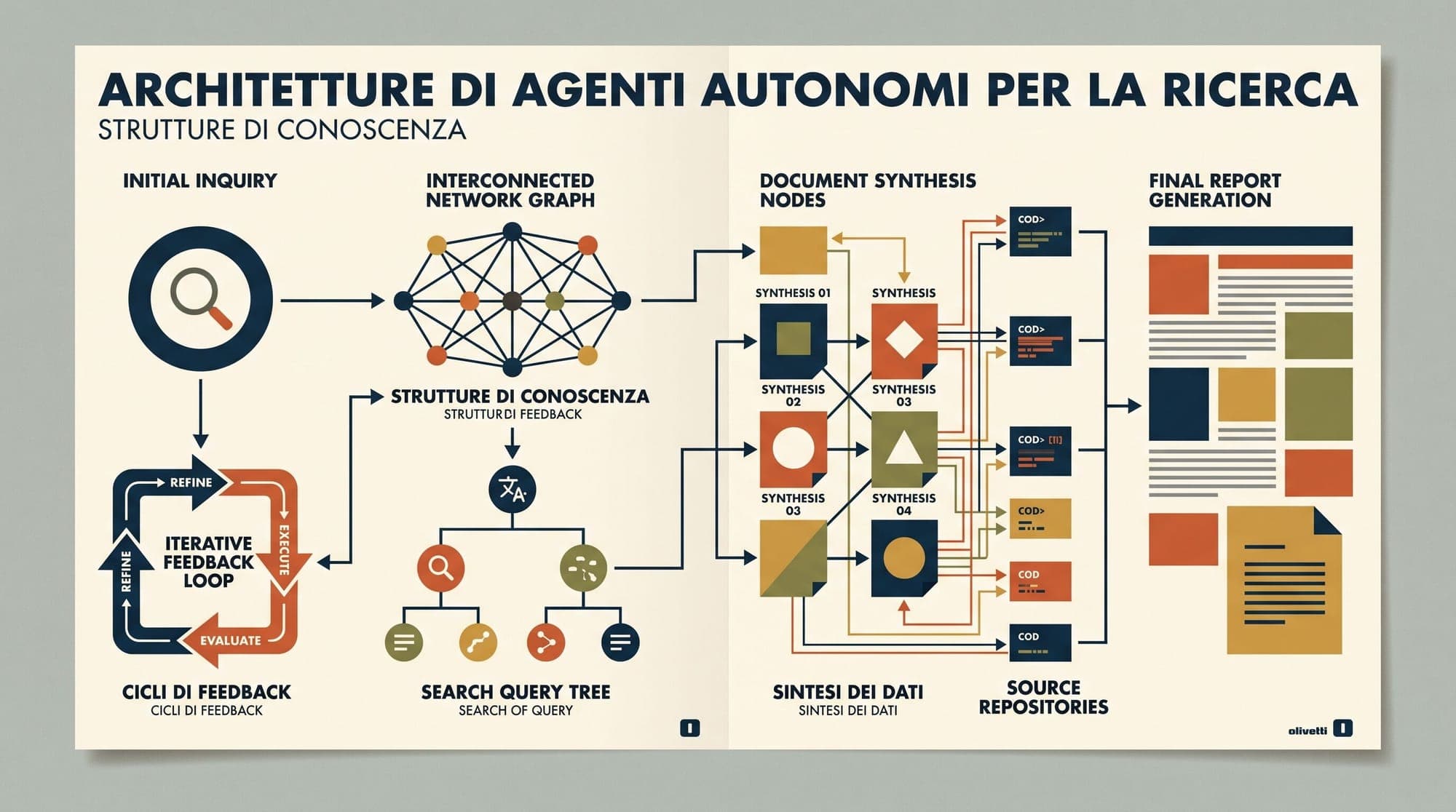
  2. Autonomous Deep Research Agent Architectures in Production: Comparing Stanford STORM, GPT Researcher, LangChain Open Deep Research, and Hugging Face smolagents

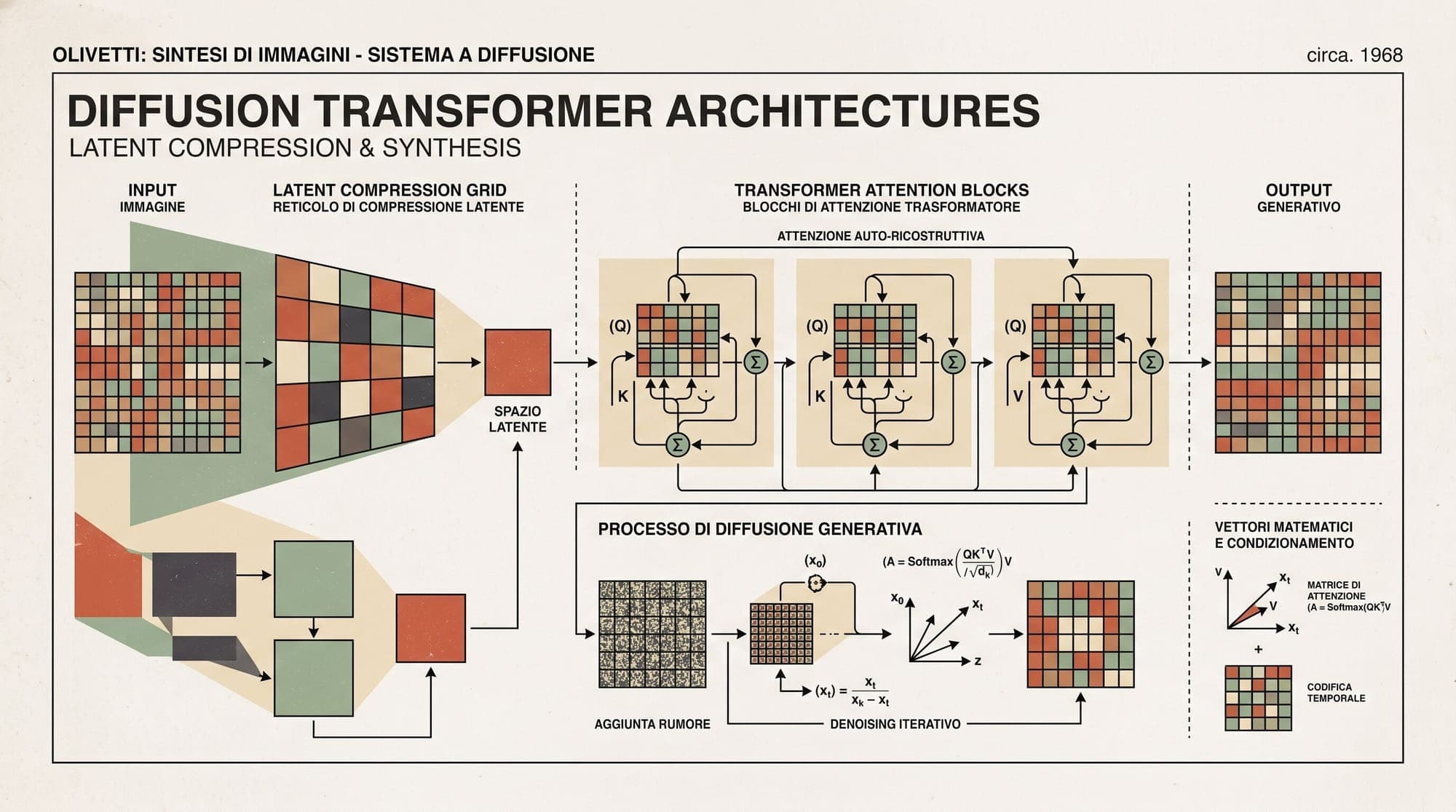
    Standard retrieval-augmented generation pipelines fail when tasked with multi-step analytical synthesis. Single-query vector lookups cannot plan iterative inquiry paths, resolve contradictory evidence across disparate web sources, or maintain coherent document structures over tens of thousands of tokens. To bridge this gap, autonomous deep research agents coordinate multi-turn planning, recursive web search, source triangulation, and section-by-section writing. These systems run asynchronous se

    AI
    5 min read
  3. Test-Time Training (TTT): Mathematical Foundations, Expressive Hidden States, and Linear Complexity in Sequence Models

    Test-Time Training (TTT): Mathematical Foundations, Expressive Hidden States, and Linear Complexity in Sequence Models Sequence modeling has long been characterized by a sharp trade-off between computational efficiency and expressive memory. Transformers provide high expressive capacity by retaining all historical tokens in an uncompressed Key-Value (KV) cache. This structure enables them to scale to long contexts and continuously reduce perplexity as more tokens are conditioned on. However, th

    Education
    8 min read
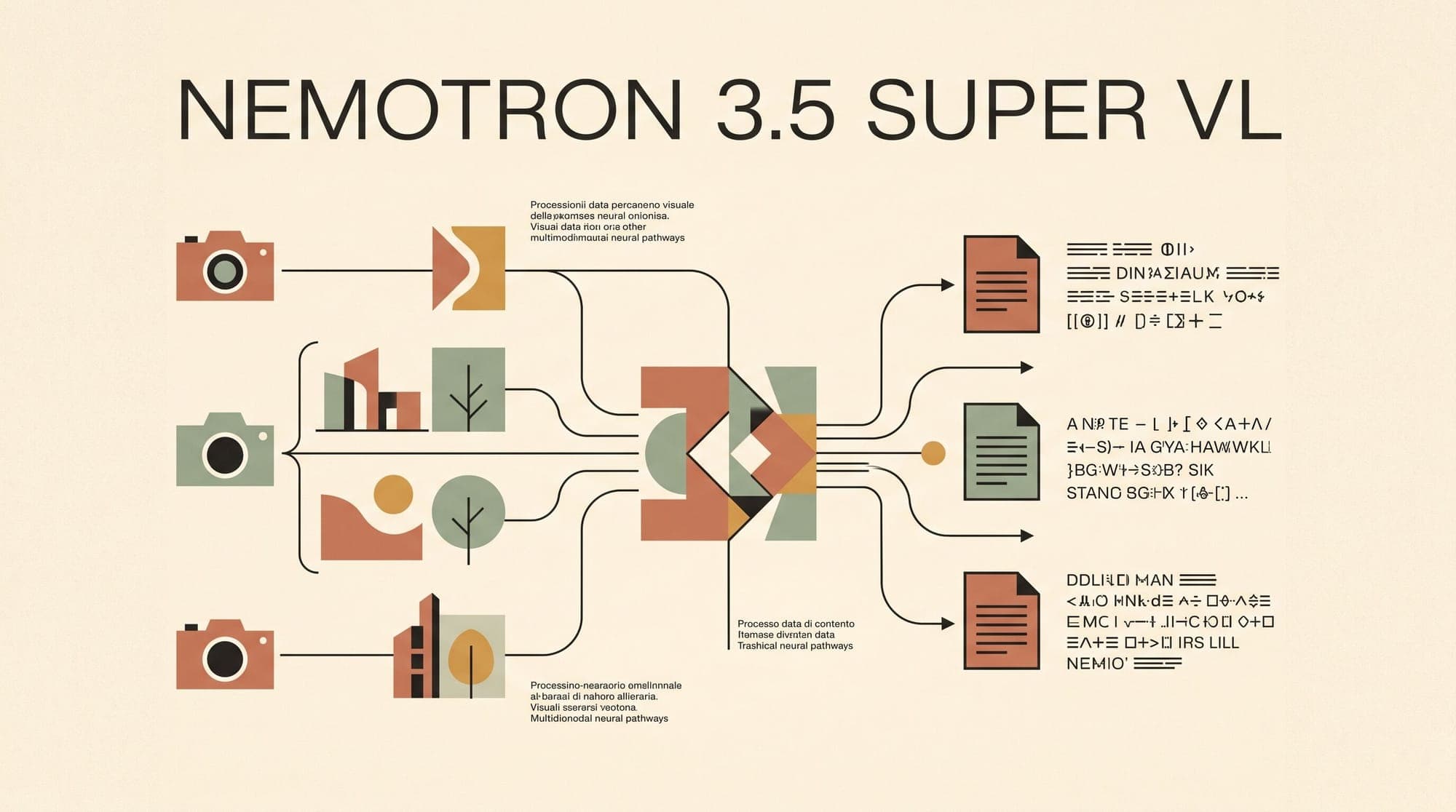
  4. NVIDIA Releases Nemotron 3.5 Super VL with 120B Parameters and 1M Context Window

    NVIDIA has released Nemotron 3.5 Super VL, an open-weights vision-language model designed for complex agentic workflows. The model features a 120-billion-parameter mixture-of-experts (MoE) architecture that activates 12 billion parameters per token, paired with a context window supporting up to 1 million tokens. NVIDIA announced it alongside Nemotron 3.5 Bolt, a 2-bit model for local agents on RTX Spark PCs. The release is available on Hugging Face in full-precision BF16 reference weights and q

    Nvidia
    2 min read
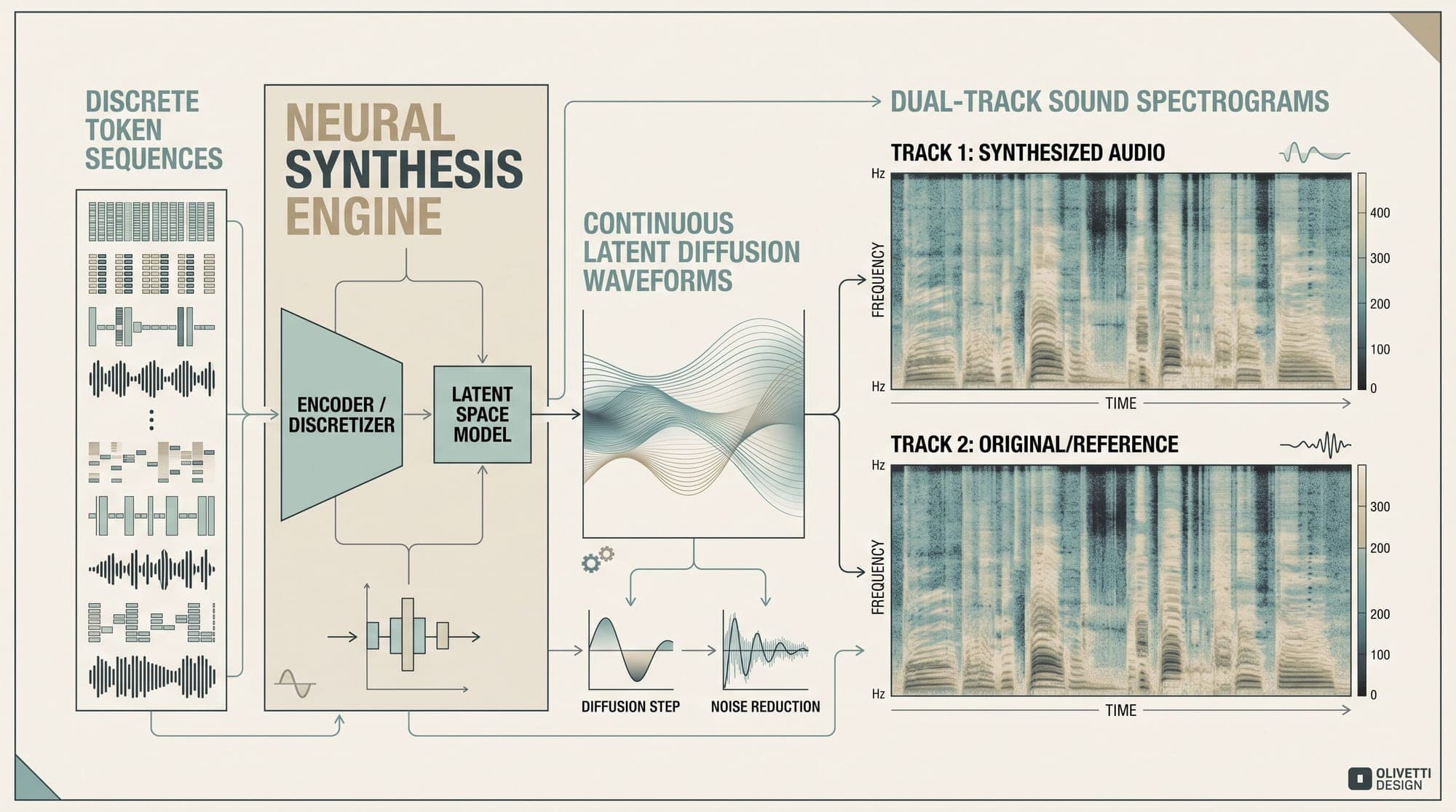
  5. Open-Source Music and Audio Generation Models in Production: Comparing MusicGen, Stable Audio Open, AudioLDM 2, and YuE

    Neural music and sound generation architectures in production have diverged into two competing paradigms: discrete autoregressive sequence modeling and continuous latent diffusion. While early research relied on cascaded pipelines with separate acoustic and semantic models, modern open-source systems unify generation into single-stage or dual-stage foundations capable of synthesizing high-fidelity instrumentals, sound effects, and full polyphonic songs with vocals. Deploying generative audio in

    AI Music
    7 min read
  6. Intel Unveils Data Center GPU D-Series with 480GB LPDDR5X Memory for AI Inference

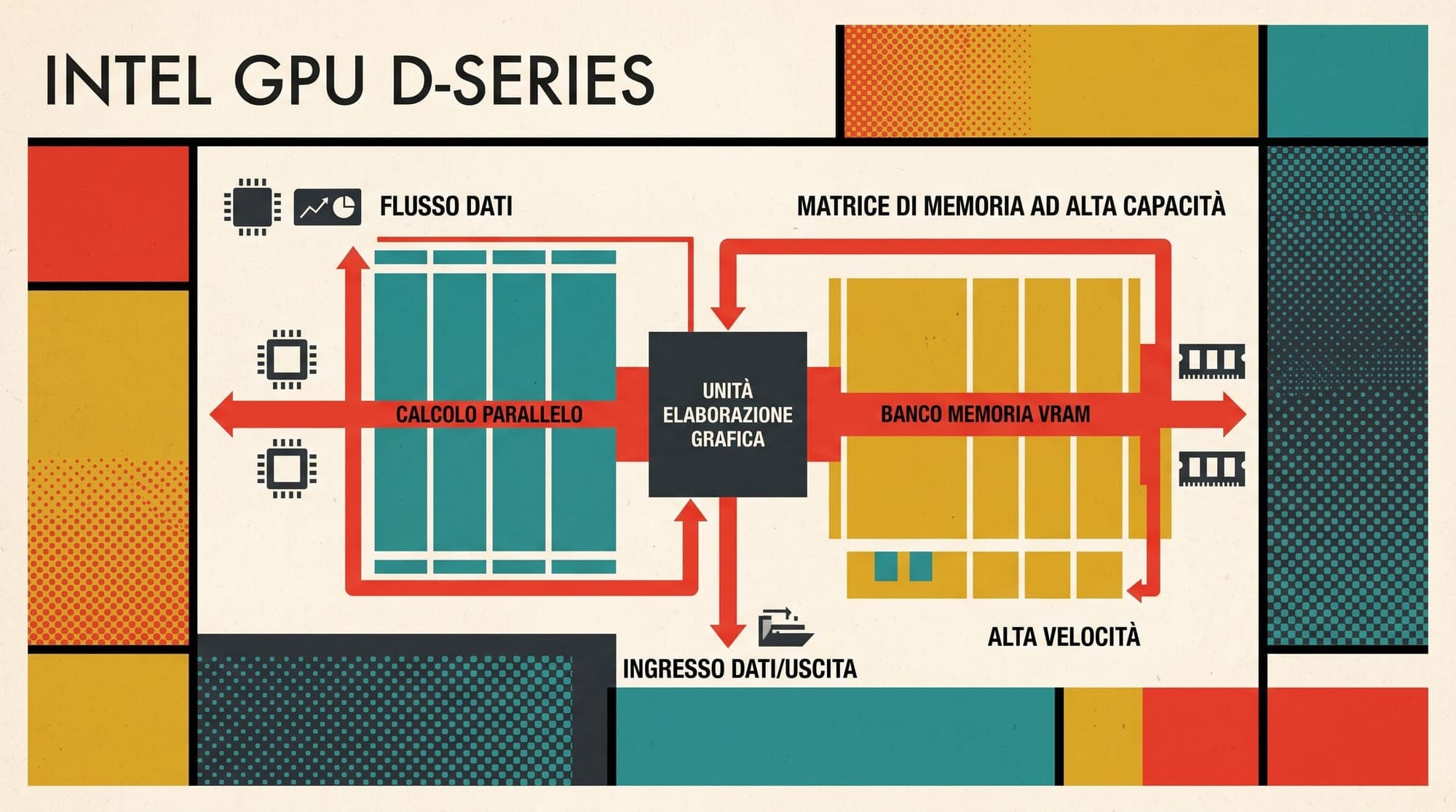
    Intel has introduced the Intel GPU D-series, a data center accelerator engineered specifically for large language model inference workloads. Unveiled at the Open Compute Project (OCP) Global Summit, the accelerator (previously codenamed Crescent Island) integrates up to 480GB of LPDDR5X memory, prioritizing raw memory capacity and power efficiency over ultra-high-bandwidth memory tiers. By equipping a single PCIe accelerator with 480GB of memory, Intel surpasses the onboard capacity of Nvidia's

    Hardware
    2 min read
  7. Transfusion: Mathematical Foundations of Unified Discrete Next-Token Prediction and Continuous Latent Diffusion in Multimodal Transformers

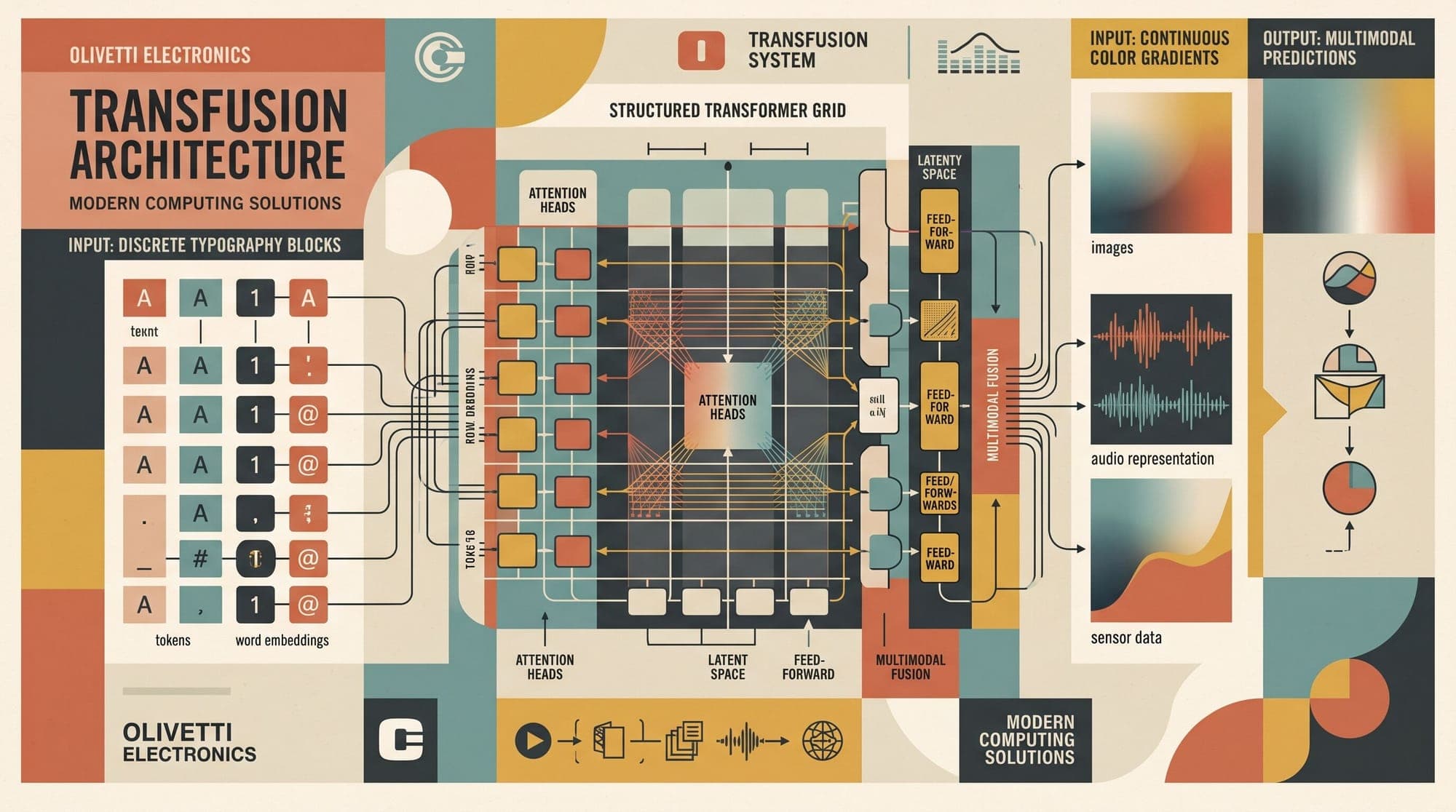
    Generative foundation models have historically operated under two distinct mathematical paradigms: autoregressive sequence modeling over discrete vocabularies (used in text and code generation) and iterative denoising diffusion over continuous vector spaces (used in image and video synthesis). Early attempts to unify both modalities in a single end-to-end transformer forced continuous perceptual data into discrete codebooks using vector quantization (such as VQ-VAE or VQGAN). While discretizatio

    Education
    6 min read
  8. Open-Source 3D Generative Models in Production: Comparing TRELLIS, Hunyuan3D 2.0, TripoSR, and InstantMesh

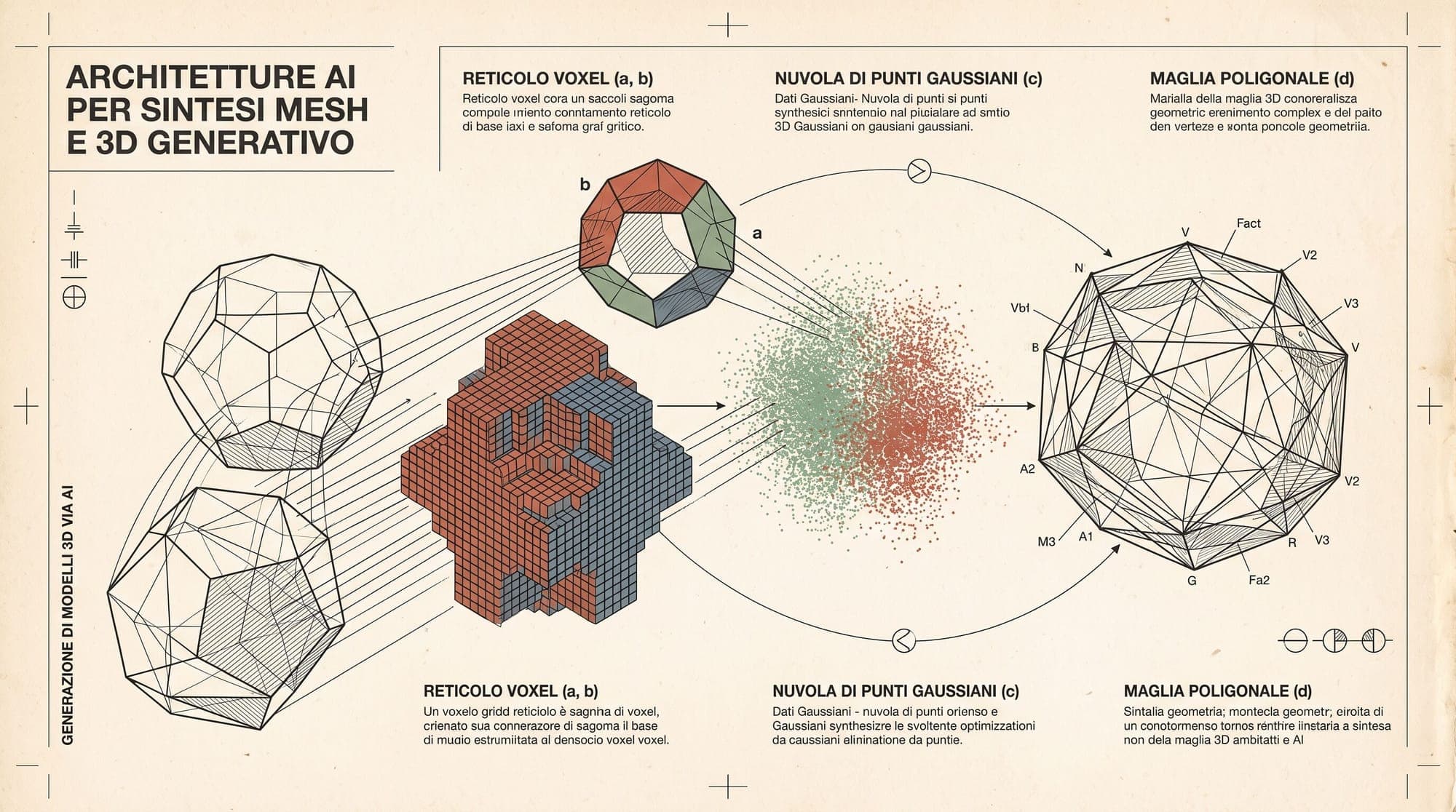
    Production 3D generative AI has shifted away from slow optimization-based paradigms toward high-throughput feed-forward architectures and scalable flow-matching diffusion models. Early text-to-3D pipelines relied on Score Distillation Sampling (SDS) through 2D diffusion priors, requiring hundreds of optimization steps and minutes of GPU compute per asset. Modern systems synthesize textured 3D representations in seconds from a single reference image or text prompt. Engineering teams integrating

    3D Generation
    6 min read
  9. Titans: Learning to Memorize at Test Time — Mathematical Foundations of Neural Long-Term Memory, Surprise-Driven Gradient Updates, Adaptive Forgetting, and Context Scaling

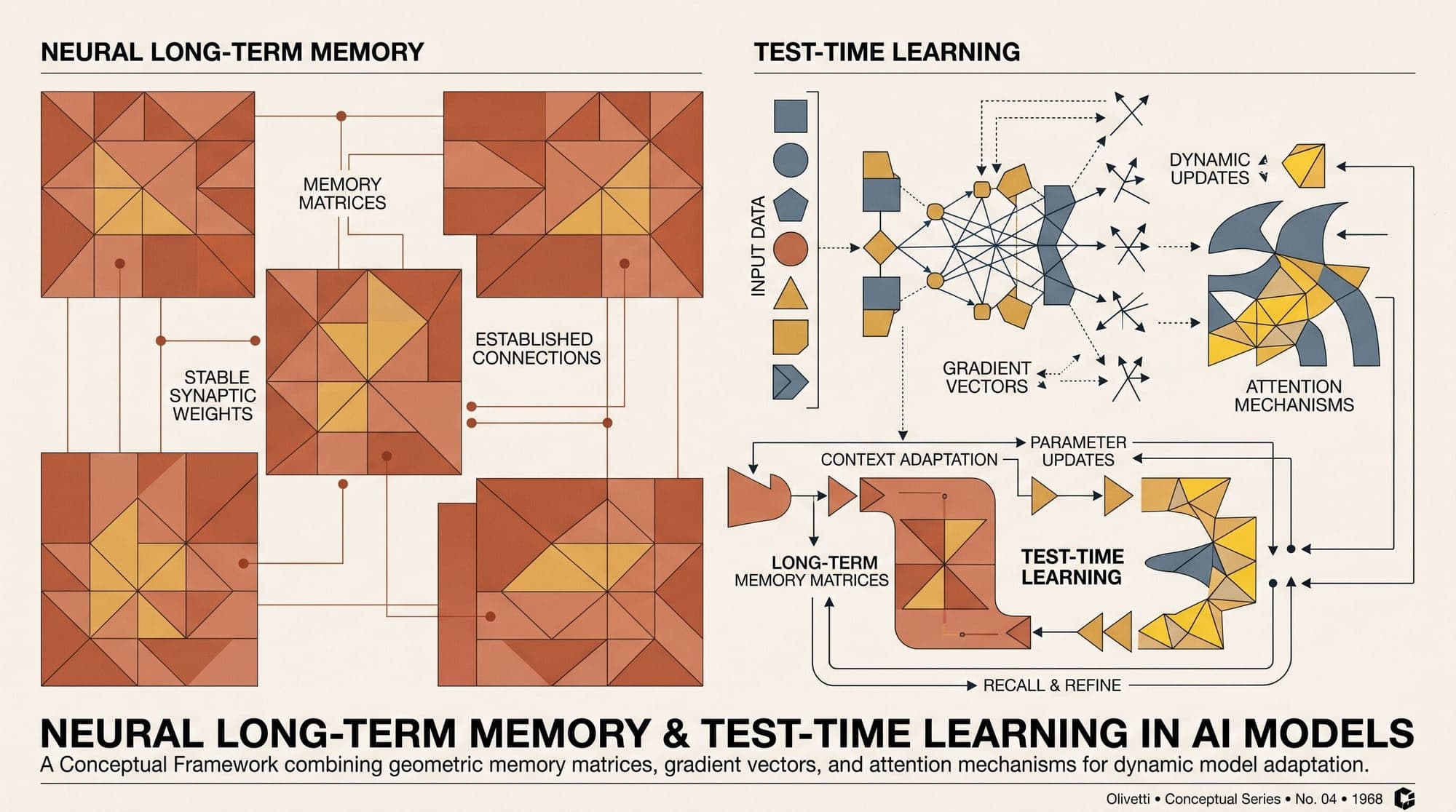
    Sequence modeling in large language models has long been caught in a fundamental trade-off between attention mechanisms and recurrent architectures. Softmax attention provides precise associative recall over all tokens in the active context window, but incurs quadratic computational and memory complexity, $O(N^2)$, with respect to sequence length $N$. Conversely, linear recurrent models, such as State Space Models (Mamba, Mamba-2) and linear Transformers (GLA, RetNet, DeltaNet), compress sequenc

    AI
    8 min read
  10. Open-Source Video Diffusion Models in Production: Comparing HunyuanVideo, CogVideoX, Mochi 1, and LTX-Video

    Generating temporally coherent, high-resolution video from natural language prompts has transitioned from UNet-based frame interpolation pipelines to scalable Diffusion Transformers (DiT) operating over compressed spatiotemporal latent spaces. The release of open-weight video foundation models has established production-viable alternatives to proprietary commercial APIs. However, engineering teams deploying video generation pipelines face stark trade-offs across transformer parameter scaling, 3D

    AI
    7 min read
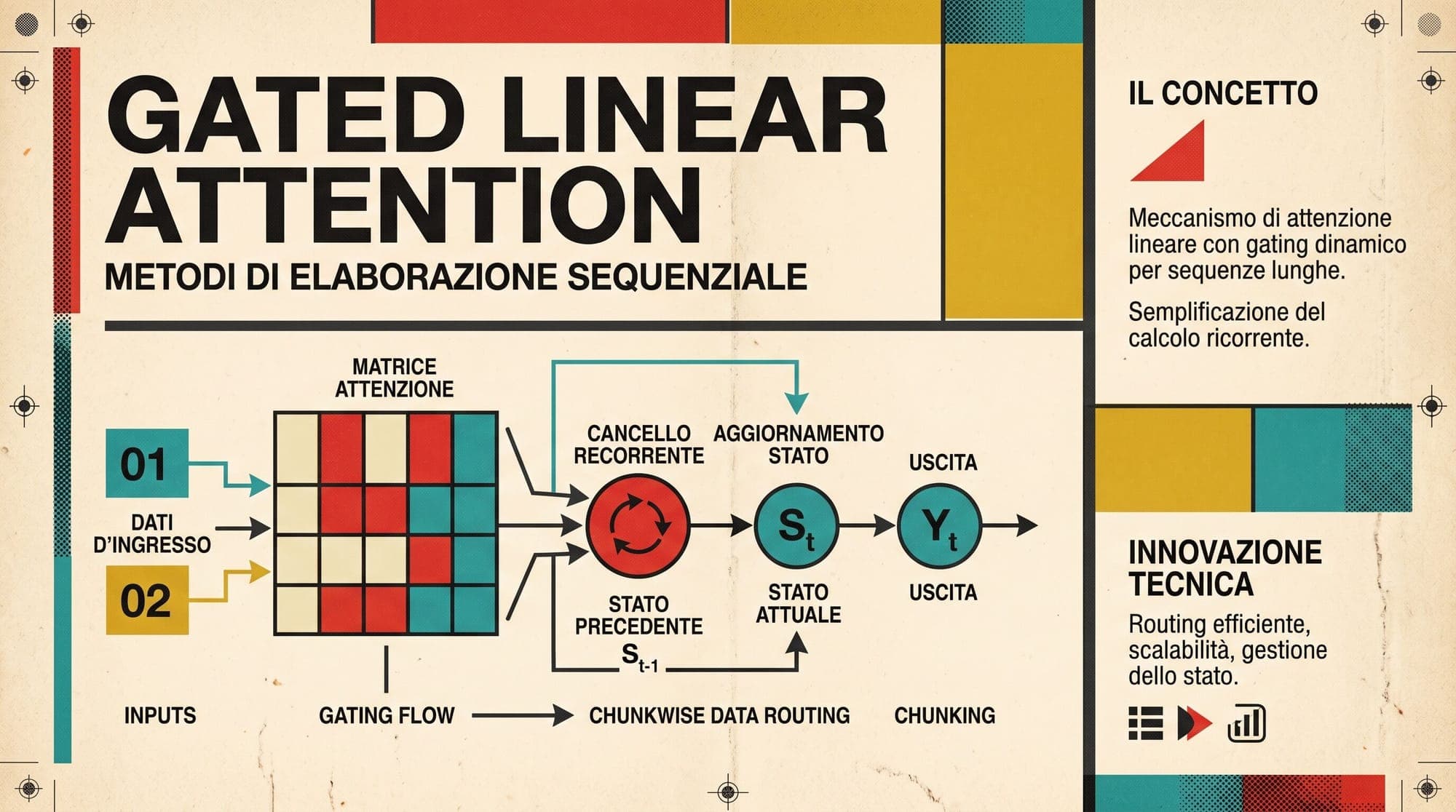
  11. Gated Linear Attention (GLA): Mathematical Foundations, Data-Dependent Gating, Chunkwise Parallel Forms, and Sub-Quadratic Sequence Modeling

    Standard Transformer architectures rely on softmax self-attention, which exhibits quadratic time and memory complexity $O(N^2)$ with respect to sequence length $N$. While FlashAttention and its successors optimize memory access patterns to execute exact softmax attention efficiently within GPU SRAM, the fundamental quadratic compute barrier remains. Moreover, autoregressive generation requires maintaining a Key-Value (KV) cache that grows linearly with sequence length, creating a memory capacity

    AI
    9 min read
  12. Open-Source Text-to-Image Diffusion Models in Production: Comparing FLUX.1, Stable Diffusion 3.5, PixArt-Sigma, and Sana

    Production deployments of text-to-image generative systems have undergone a structural transition over the past two years. The classical convolutional U-Net architectures that powered Stable Diffusion 1.5 and Stable Diffusion XL have largely been superseded by transformer-based backbones. Modern open-weight models rely on Diffusion Transformers (DiT), Multimodal Diffusion Transformers (MMDiT), Linear DiTs, and Flow Matching formulations. Choosing an open-source text-to-image foundation model fo

    AI
    8 min read
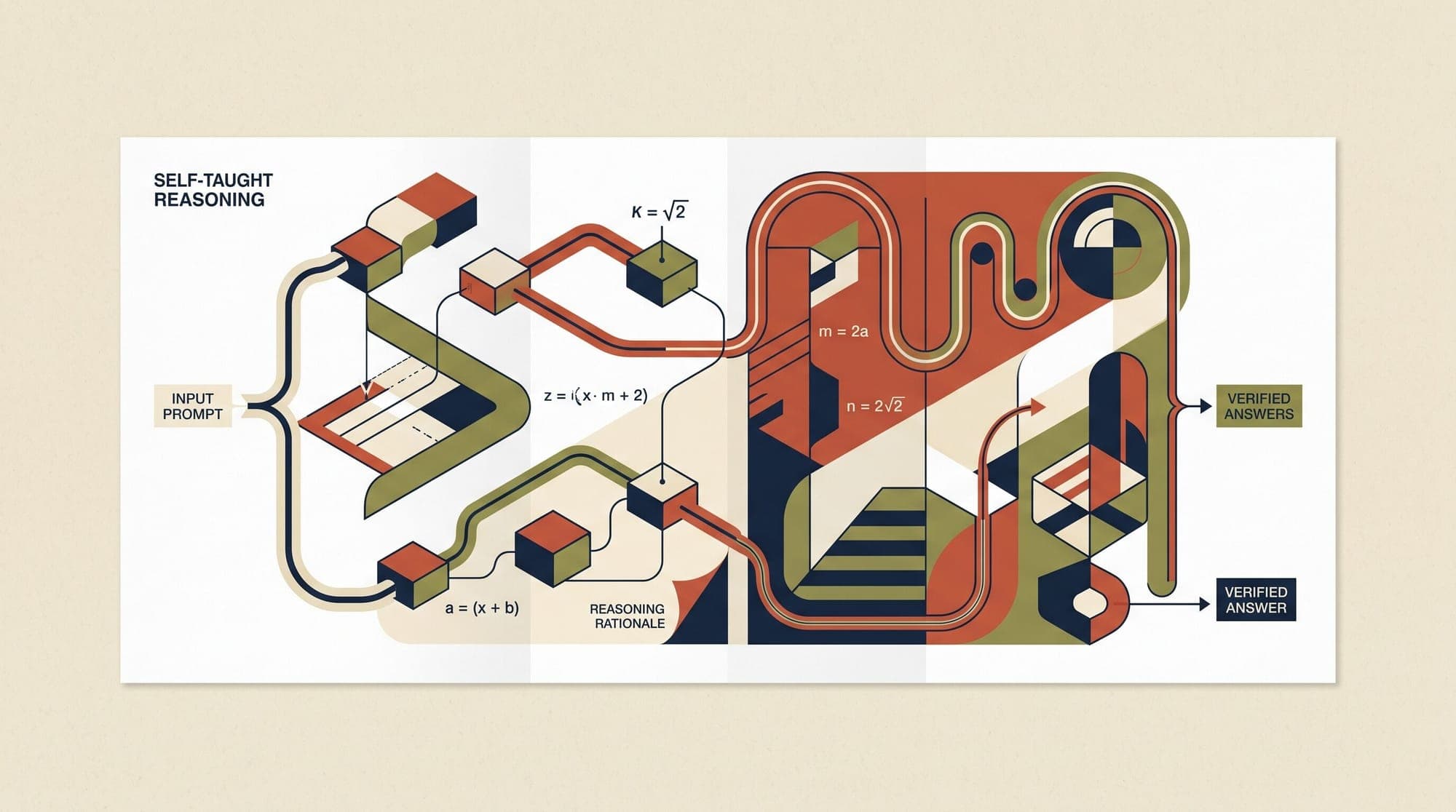
  13. Self-Taught Reasoner (STaR) and Quiet-STaR: Mathematical Foundations, Rationalization Dynamics, and Bootstrapped Reasoning in Large Language Models

    Self-Taught Reasoner (STaR) and Quiet-STaR: Mathematical Foundations, Rationalization Dynamics, and Bootstrapped Reasoning in Large Language Models Chain-of-thought prompting enables autoregressive transformers to solve multi-step arithmetic, symbolic logic, and commonsense reasoning tasks by emitting intermediate tokens before generating a final answer. However, scaling chain-of-thought capabilities faces a fundamental data bottleneck: supervised datasets of high-quality, human-annotated reaso

    AI
    9 min read
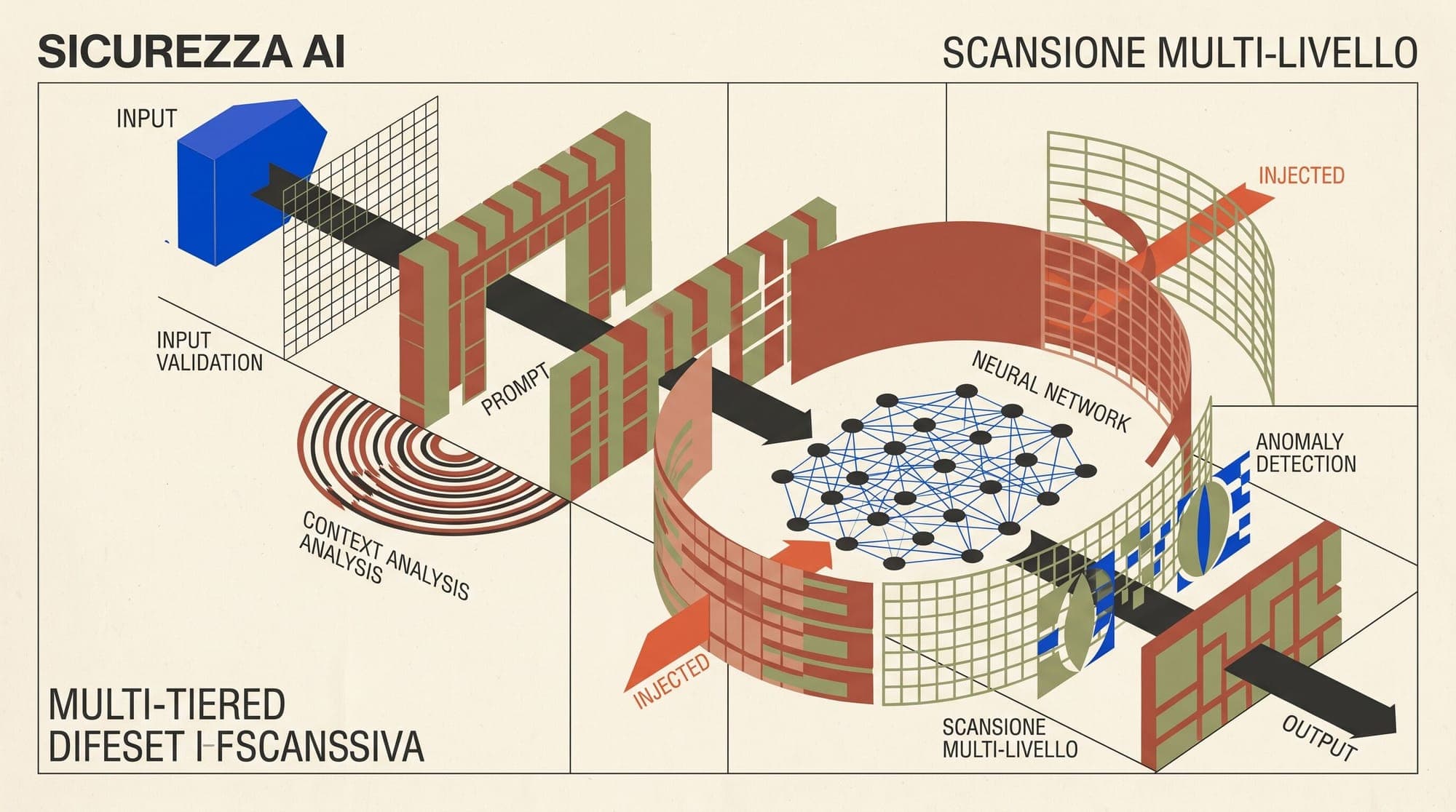
  14. Prompt Injection Detection and Jailbreak Defense Frameworks in Production: Comparing Rebuff, Vigil, LLM Guard, and Meta Prompt Guard

    Prompt injection remains one of the primary operational vulnerabilities facing production Large Language Model (LLM) deployments. As systems expand from isolated chat interfaces into autonomous agents with access to databases, web browsing, APIs, and file systems, the blast radius of an unmitigated injection attack shifts from offensive output generation to unauthorized tool invocation and systemic data exfiltration. Standard input sanitization methods developed for traditional software enginee

    Security
    6 min read
  15. Chinese Mathematicians Prove 3D Ghys Conjecture Using Shanghai AI Lab's Shusheng-S2 and Lean Verification

    A research team led by mathematicians from Great Bay University and the Shanghai Artificial Intelligence Laboratory has published a complete proof of the three-dimensional Ghys conjecture, resolving a 31-year-old open problem in dynamical systems. The proof relied on Shanghai AI Lab's Shusheng-S2 multimodal scientific foundation model to explore deduction pathways, followed by formal computer verification in the Lean proof assistant conducted by researchers at Peking University. The achievement

    AI
    2 min read
  16. Differential Transformer (Diff Transformer): Mathematical Foundations of Differential Attention, Noise Cancellation, and Hallucination Suppression

    Differential Transformer (Diff Transformer): Mathematical Foundations of Differential Attention, Noise Cancellation, and Hallucination Suppression Standard Transformer architectures rely on softmax attention to route information between tokens in an autoregressive sequence. While effective across scale, softmax attention suffers from a structural tendency to allocate non-trivial probability mass to irrelevant context tokens. In long-context retrieval, multi-hop reasoning, and document summariza

    Education
    6 min read
  17. Open-Source Function-Calling Models in Production: Comparing Gorilla OpenFunctions-v2, Hermes 3, Functionary, and xLAM

    Deploying autonomous AI agents and automated API workflows requires reliable structured output generation and tool invocation. While general-purpose language models can be prompted to output JSON tool invocations, specialized function-calling fine-tunes provide higher schema compliance, lower parameter hallucination rates, and support for parallel tool invocation. Four open-source model families have emerged as prominent architectures for local and private function calling: Gorilla OpenFunction

    AI
    4 min read
  18. Google Releases Harness² for Recursive Agent Harnessing Without Model Retraining

    Google Cloud AI Research has open-sourced Harness², a framework designed to automate the recursive self-improvement of AI agent scaffolding without modifying underlying model weights. Released under the Apache-2.0 license, the repository provides tools to optimize prompts, tools, memory, skills, and orchestration across open-world tasks where no ground-truth answer keys or verifiers exist. Decoupling Agent Scaffolding from Model Weights An autonomous agent's performance depends heavily on its

    AI
    3 min read