Category / page 9

Coding & Agents

352 articles

Articles, page 9

161-180 of 352
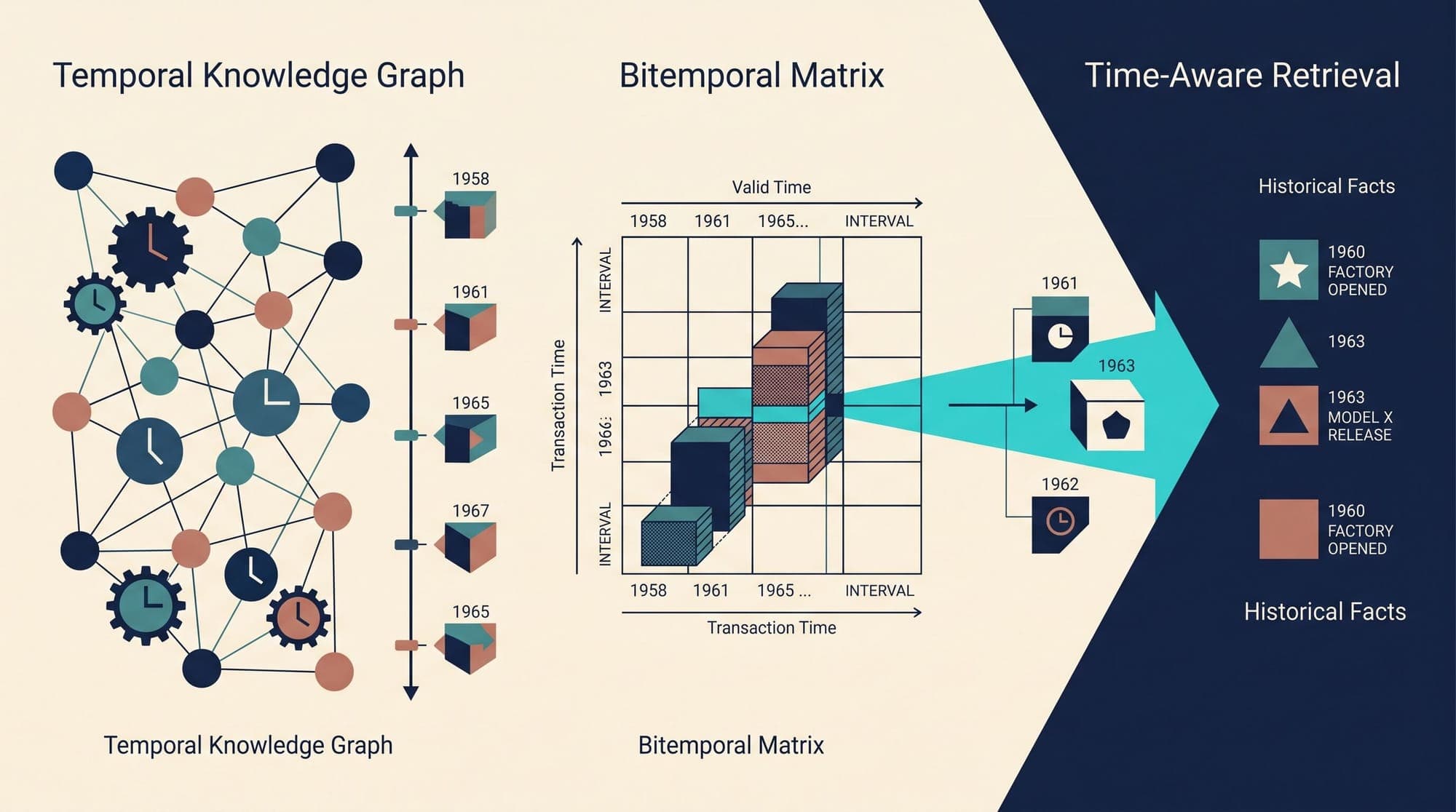
  1. Temporal Knowledge Graphs in Production RAG: Bitemporal Schemas, Dynamic Entity Resolution, and Point-in-Time Context Retrieval

    Temporal Knowledge Graphs in Production RAG: Bitemporal Schemas, Dynamic Entity Resolution, and Point-in-Time Context Retrieval Standard Retrieval-Augmented Generation (RAG) pipelines operate on a flat assumption: facts retrieved from a vector database or static knowledge graph are treated as timeless truths. When an enterprise corpus contains documents spanning multiple quarters or years, this timeless representation breaks down. Information changes: executives step down, compliance policies a
    Analysis
    6 min read
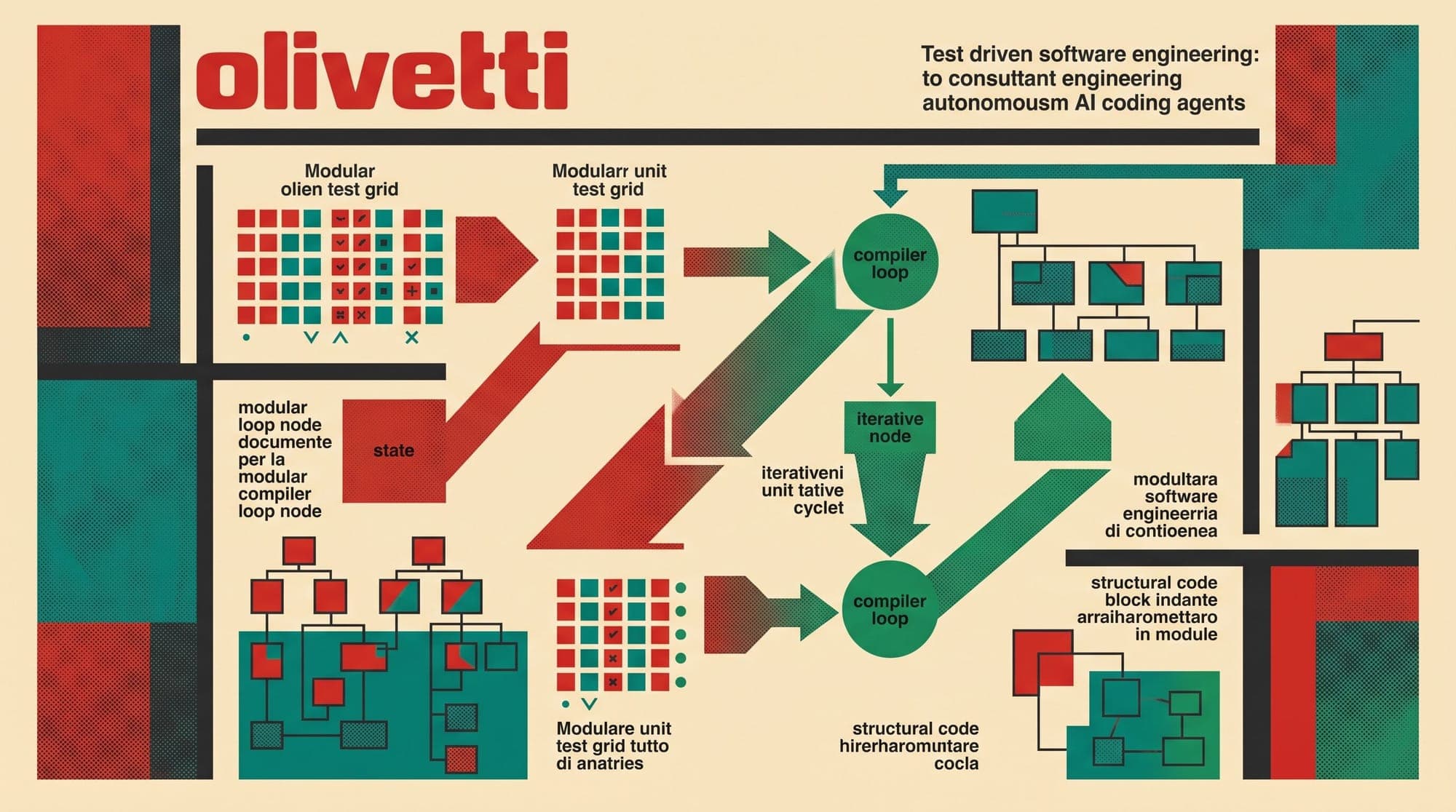
  2. Test-Driven Development in AI Coding Agents: Architecture, Reproduction Harnesses, and Execution-Guided Verification

    Autonomous coding agents face a fundamental structural limitation when operating in open-loop, single-turn, or ungrounded generative modes: without dynamic feedback from runtime execution, large language models generate syntactically plausible code that frequently fails subtle interface contracts, breaks existing edge cases, or introduces silent regressions. While early benchmark evaluations relied heavily on zero-shot or few-shot code completion, modern production coding architectures such as S

    AI
    5 min read
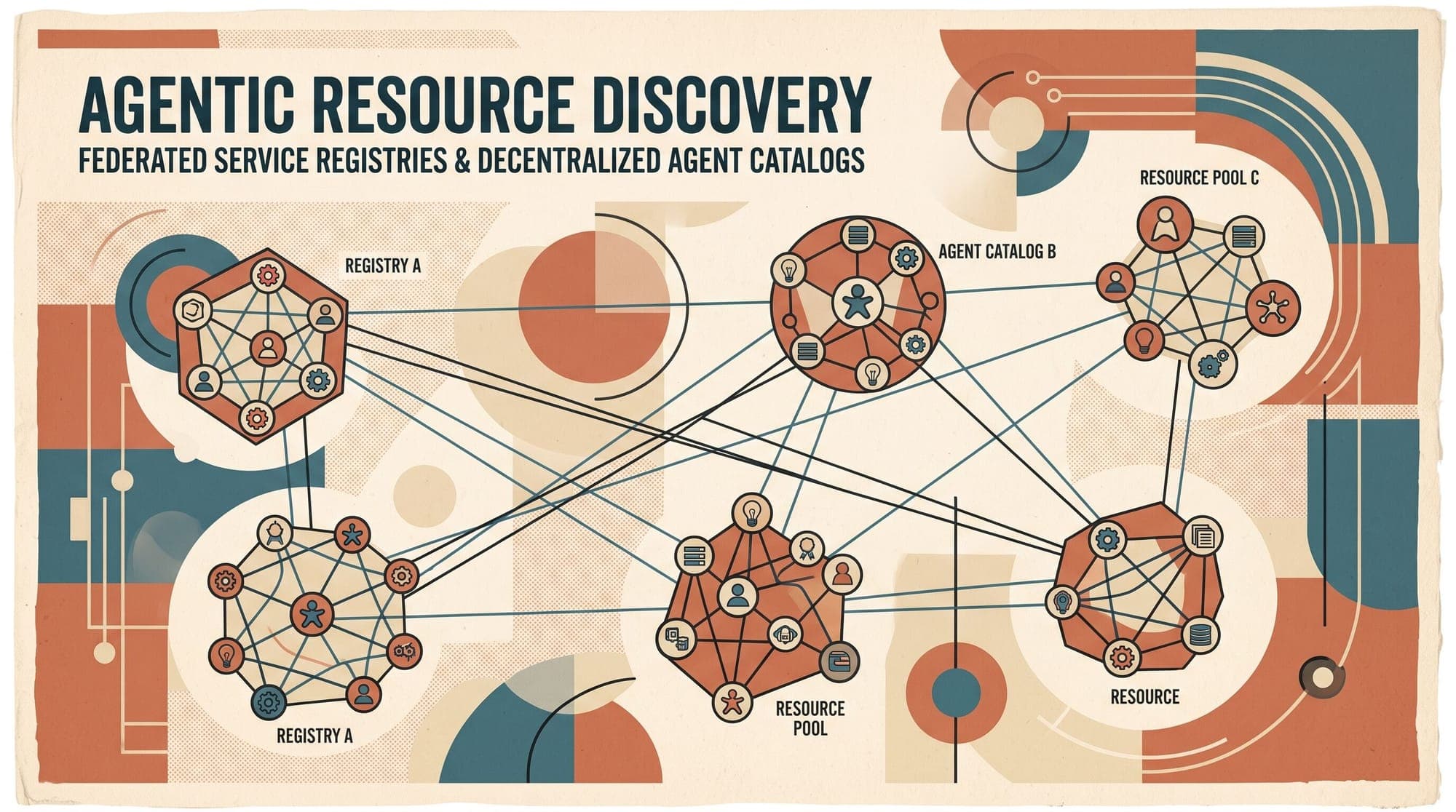
  3. AWS Backs Open Agentic Resource Discovery Specification for Agent Registry Federation

    Amazon Web Services announced support for the Agentic Resource Discovery (ARD) open specification, detailing how the federation standard will integrate with AWS Agent Registry, its managed catalog for AI agents, tools, and skills currently in preview within Amazon Bedrock AgentCore. The alignment targets cross-platform discovery across heterogeneous enterprise stacks. While AWS Agent Registry provides centralized indexing and access controls within an AWS environment, real-world deployments fre

    AWS
    2 min read
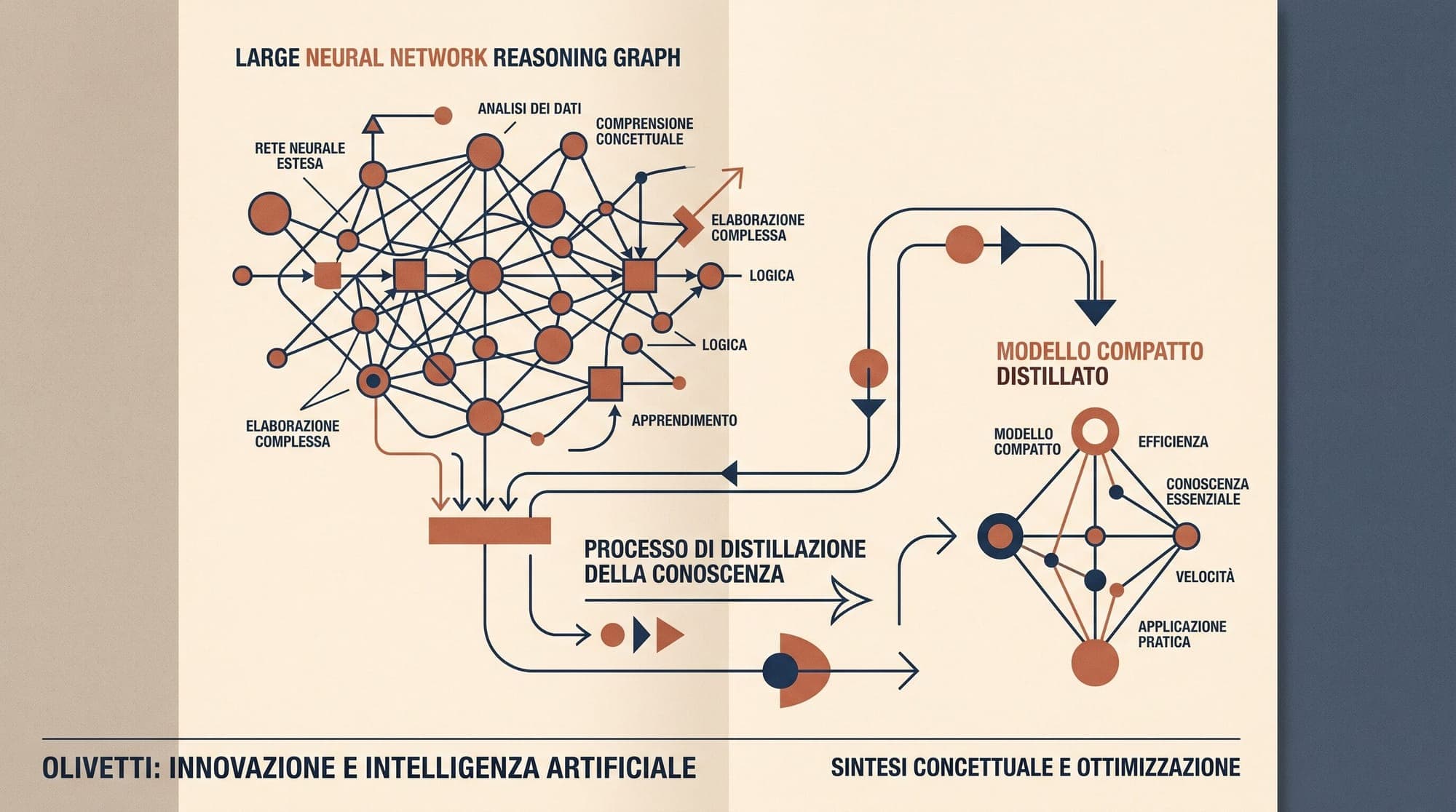
  4. Reasoning Model Distillation in Production: Trajectory Curation, Thinking-Token Formatting, Over-Thinking Mitigation, and Student RL Alignment

    Reasoning Model Distillation in Production: Trajectory Curation, Thinking-Token Formatting, Over-Thinking Mitigation, and Student RL Alignment Distilling frontier reasoning models into compact language models has emerged as one of the most effective strategies for deploying low-latency, cost-efficient inference pipelines. Rather than training small models purely on input-output answer pairs, reasoning distillation transfers the intermediate exploration, backtracking, and verification trajectori

    LLM
    5 min read
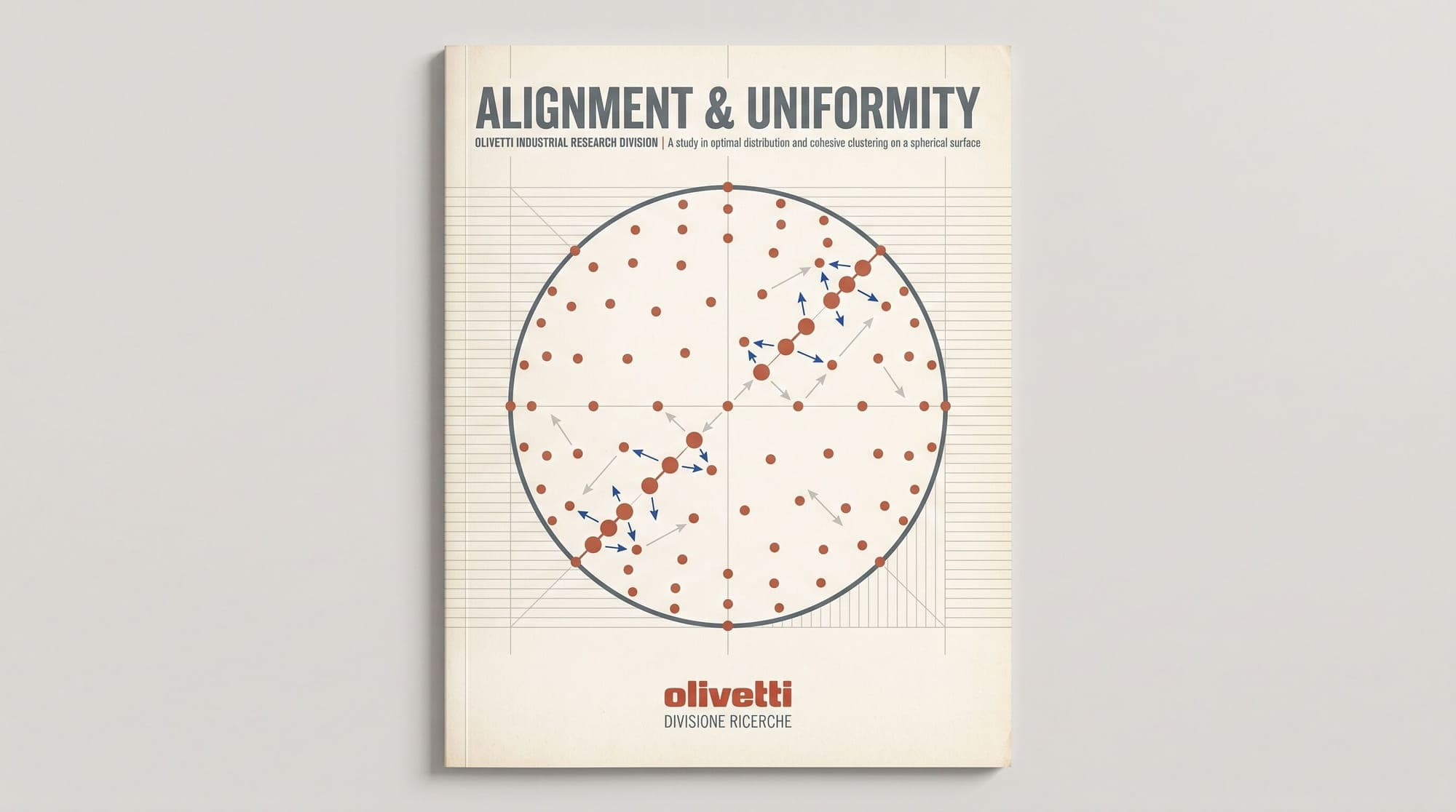
  5. Alignment and Uniformity on the Hypersphere: How Geometric Losses Govern Contrastive Representation Learning

    Alignment and Uniformity on the Hypersphere: The Geometric Foundations of Contrastive Representation Learning Contrastive representation learning serves as the foundational objective behind modern neural embeddings, powering dense retrieval systems, visual-language models such as CLIP, and metric learning pipelines. While early literature justified contrastive learning through the InfoMax principle (maximizing mutual information between augmented views), theoretical and empirical analyses have

    Machine Learning
    11 min read
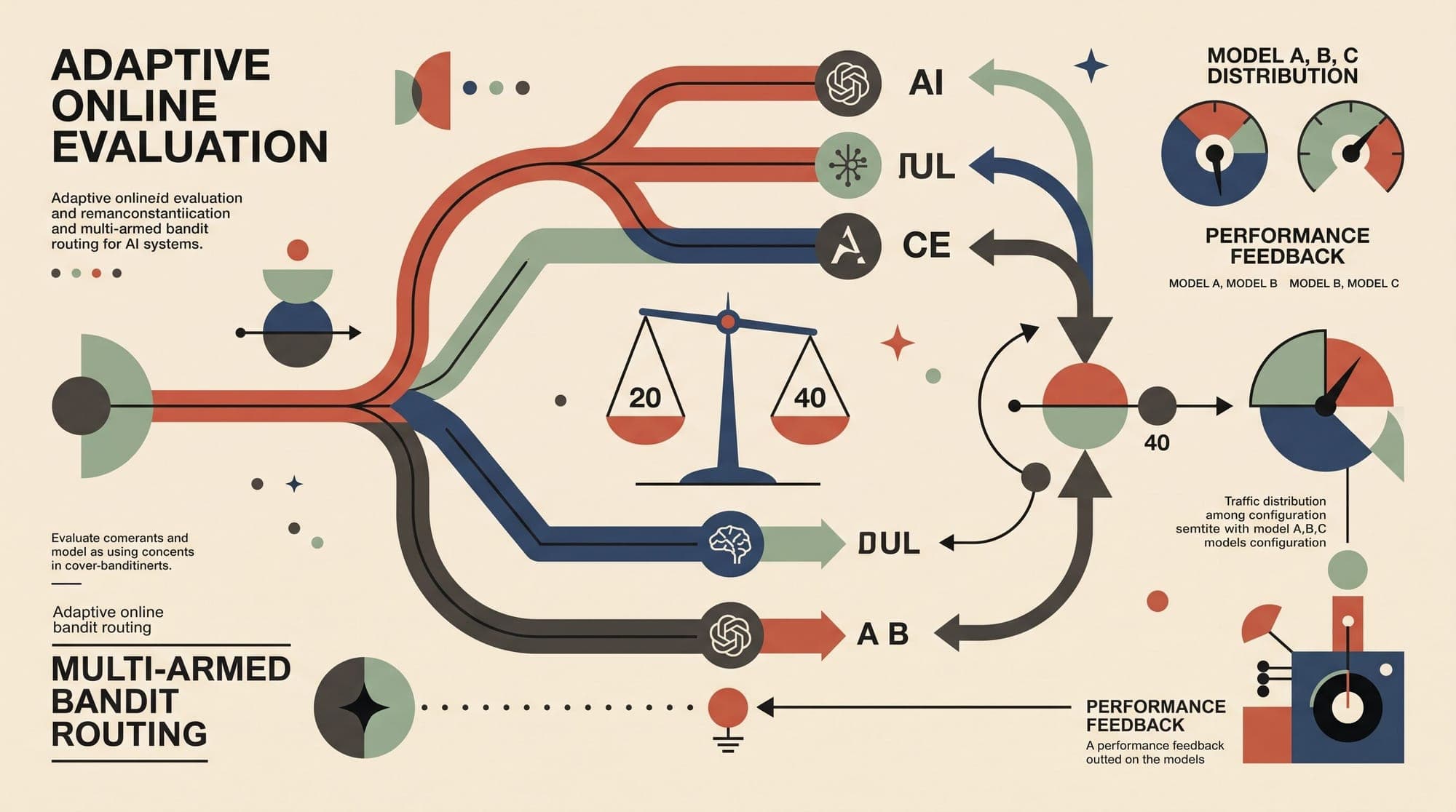
  6. Online Evaluation and Multi-Armed Bandit Routing in Production LLM Systems: Interleaving, Counterfactual Estimation, and Adaptive Traffic Allocation

    Online Evaluation and Multi-Armed Bandit Routing in Production LLM Systems: Interleaving, Counterfactual Estimation, and Adaptive Traffic Allocation Static offline benchmarks such as MMLU, HumanEval, and synthetic LLM-as-a-judge evaluation pipelines have become standard fixtures in modern AI development. However, production engineering teams frequently observe that offline benchmark improvements fail to translate into tangible user satisfaction or business outcomes. Static evaluation suites suf

    AI
    12 min read
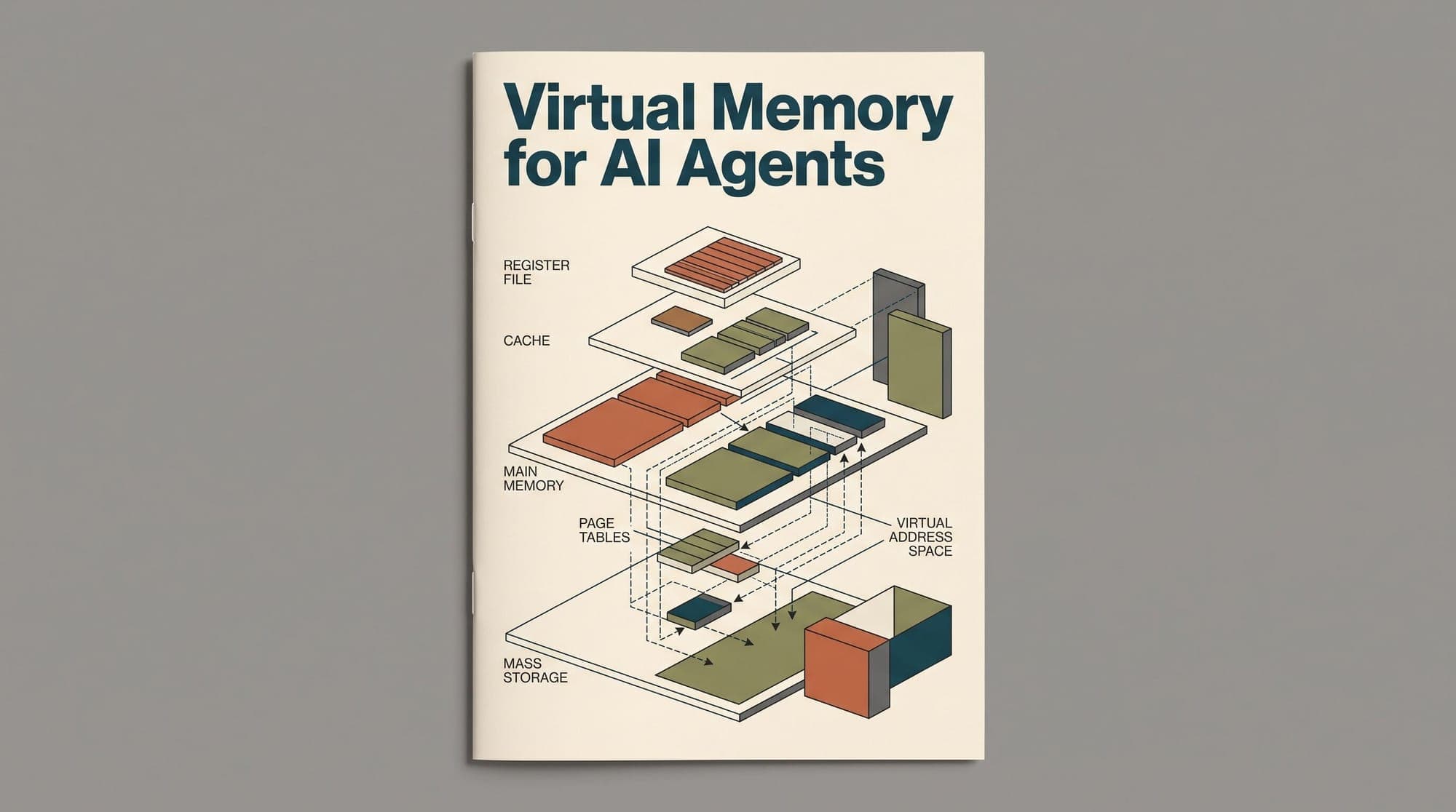
  7. Virtual Memory for AI Agents in Production: Context Window Paging, Working Set Estimation, and Hierarchical Storage Architectures

    Virtual Memory for AI Agents in Production: Context Window Paging, Working Set Estimation, and Hierarchical Storage Architectures As autonomous AI agents shift from single-turn chat interactions to long-horizon workflows spanning days, weeks, or millions of execution steps, managing context has become the primary operational bottleneck. While modern foundation models support nominal context windows ranging from 128k to over 1M tokens, treating the active context window as an unbounded append-on

    AI
    9 min read
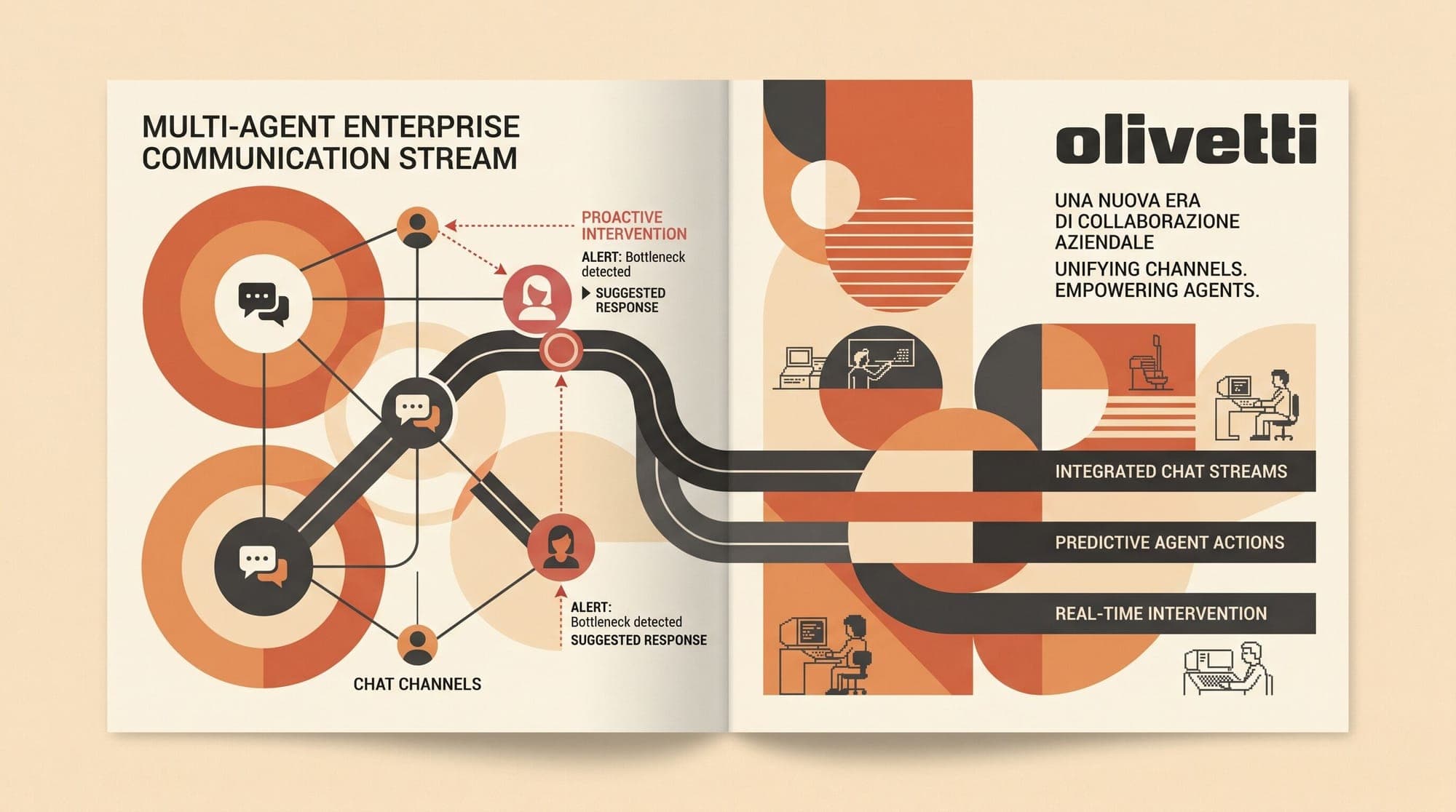
  8. Anthropic Updates Claude Tag in Slack to Ingest Full Channel Context for Unprompted Interventions

    Anthropic has rolled out a major architecture update to Claude Tag, its enterprise agent embedded inside Slack workspaces. The update shifts the agent from evaluating isolated chat messages to processing complete conversation histories and multi-turn channel state, allowing the model to determine autonomously when to intervene in team discussions without explicit user mentions. According to internal evaluation data shared by Anthropic, eliminating single-message evaluation in favor of full-cont

    Anthropic
    2 min read
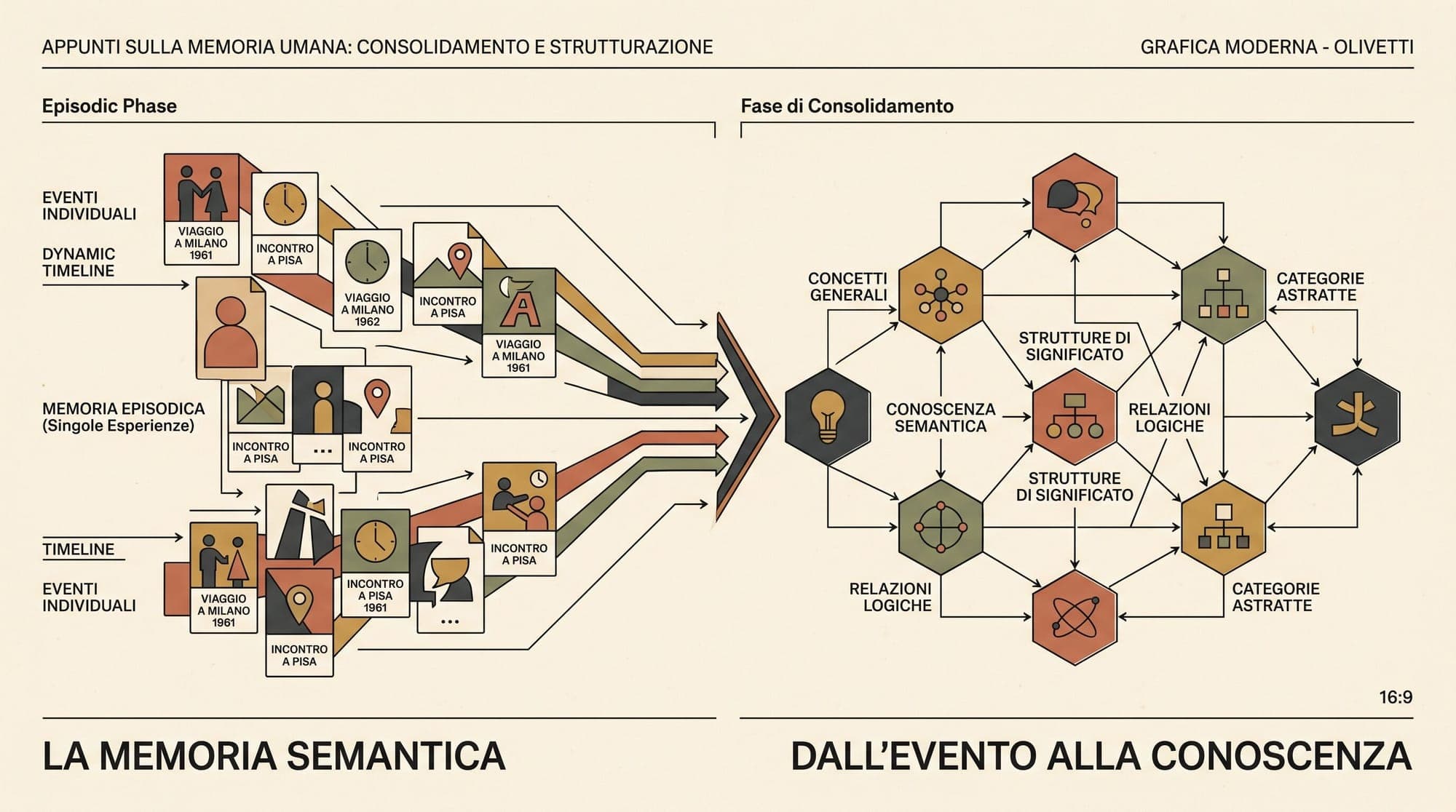
  9. Semantic Memory Consolidation in Production AI Agents: Architecture, Episodic Decay Curves, and Procedural Knowledge Distillation

    Long-running autonomous AI agents accumulate hundreds of interaction turns, tool executions, and environment observations across extended deployments. Naive implementations store these raw episodic traces directly in vector databases, retrieving past interactions via dense semantic similarity. In production, this append-only strategy degrades quickly: retrieval queries surface outdated facts, contradictory state assertions pollute prompt context, and the agent fails to extract generalizable prob

    AI
    7 min read
  10. ByteDance Consolidates TRAE and Coze into Doubao, Readies 'Doubao Work' Enterprise Brand

    ByteDance has initiated an internal organizational restructuring to consolidate its enterprise AI developer tools and agent platforms under the Doubao ecosystem. The company is merging the teams and technologies behind its AI programming suite TRAE and agent-building platform Coze into Doubao, preparing to launch a unified enterprise AI suite branded "Doubao Work." The restructuring concentrates disparate AI tools into a single corporate pillar to compete against domestic rivals, notably Tencen

    ByteDance
    2 min read
  11. Hierarchical Tree-Organized Retrieval (RAPTOR) in Production RAG: Recursive Summarization, Gaussian Mixture Clustering, and Cross-Scale Querying

    Standard retrieval-augmented generation (RAG) architectures operate on flat document chunks. Corpora are split into fixed token windows (typically 256 to 1024 tokens), mapped into vector space via dense embedding models, and queried through approximate nearest neighbor (ANN) search. While this setup efficiently resolves localized factual lookups ("What is the termination clause in contract X?"), it systematically fails on thematic synthesis, cross-document comparison, and high-level aggregation

    RAG
    7 min read
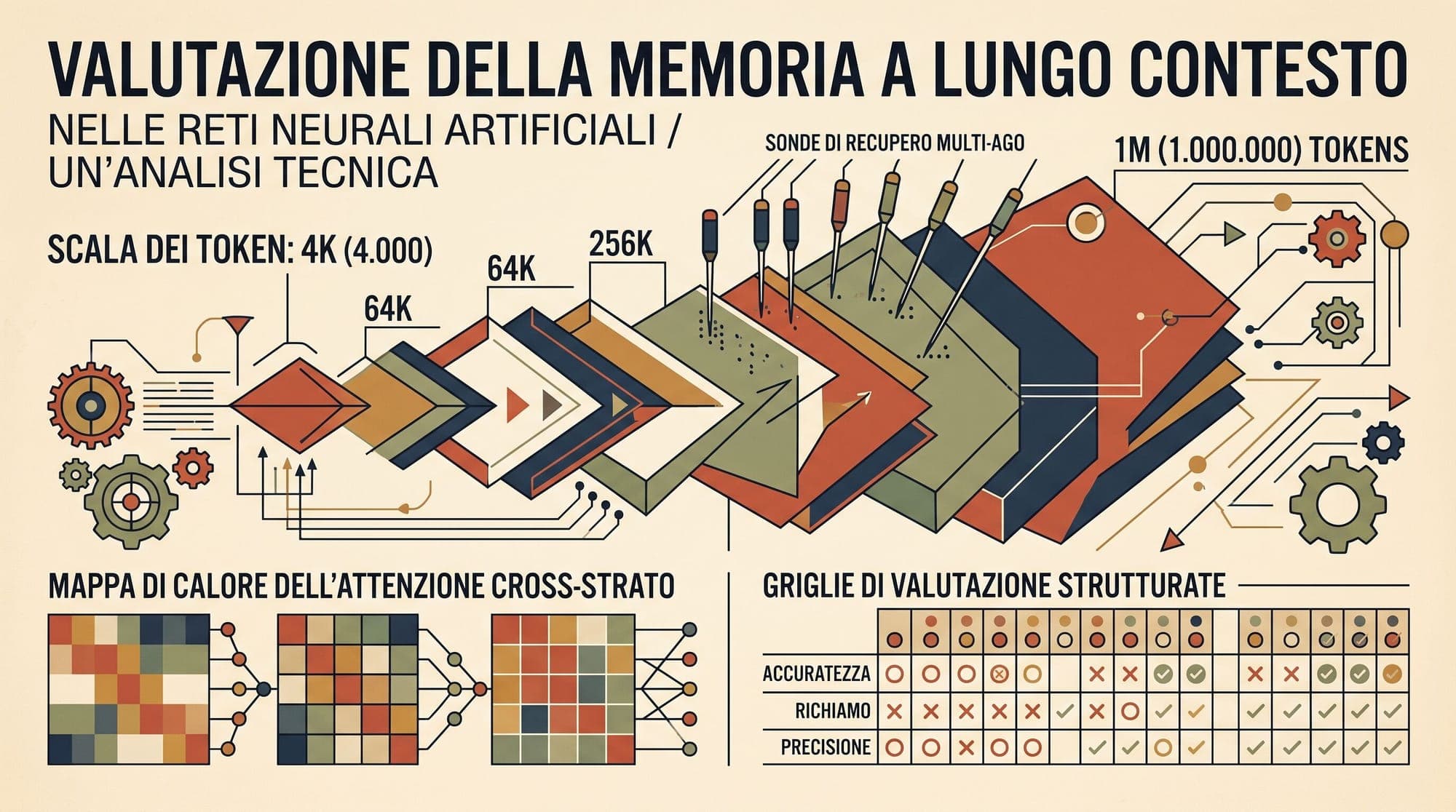
  12. Long-Context Evaluation in Production: Why Synthetic Needles Fail, Multi-Hop Stress Testing, and Benchmarking Effective Context Size

    Frontier model providers frequently market sequence lengths spanning 128K, 1M, or 2M tokens. However, engineering teams deploying these models in production environments for codebase refactoring, multi-turn agent execution, or complex document analysis regularly observe severe retrieval failures and reasoning breakdowns well before hitting context boundaries. The primary culprit behind this disconnect is the widespread reliance on vanilla Needle In A Haystack (NIAH) evaluations. While standard

    AI
    6 min read
  13. Tabular RAG in Production: Table Serialization, Row-Column Chunking, NL-to-SQL Hybridization, and Dense Entity Linking

    Tabular RAG in Production: Table Serialization, Row-Column Chunking, NL-to-SQL Hybridization, and Dense Entity Linking Standard Retrieval-Augmented Generation (RAG) architectures excel when indexing unstructured prose. Dense semantic embeddings, recursive character chunking, and bi-encoder vector similarity match user queries against passages that follow linear syntactic structures. However, when these pipelines encounter tabular data (such as financial statements, medical registries, inventory

    AI
    7 min read
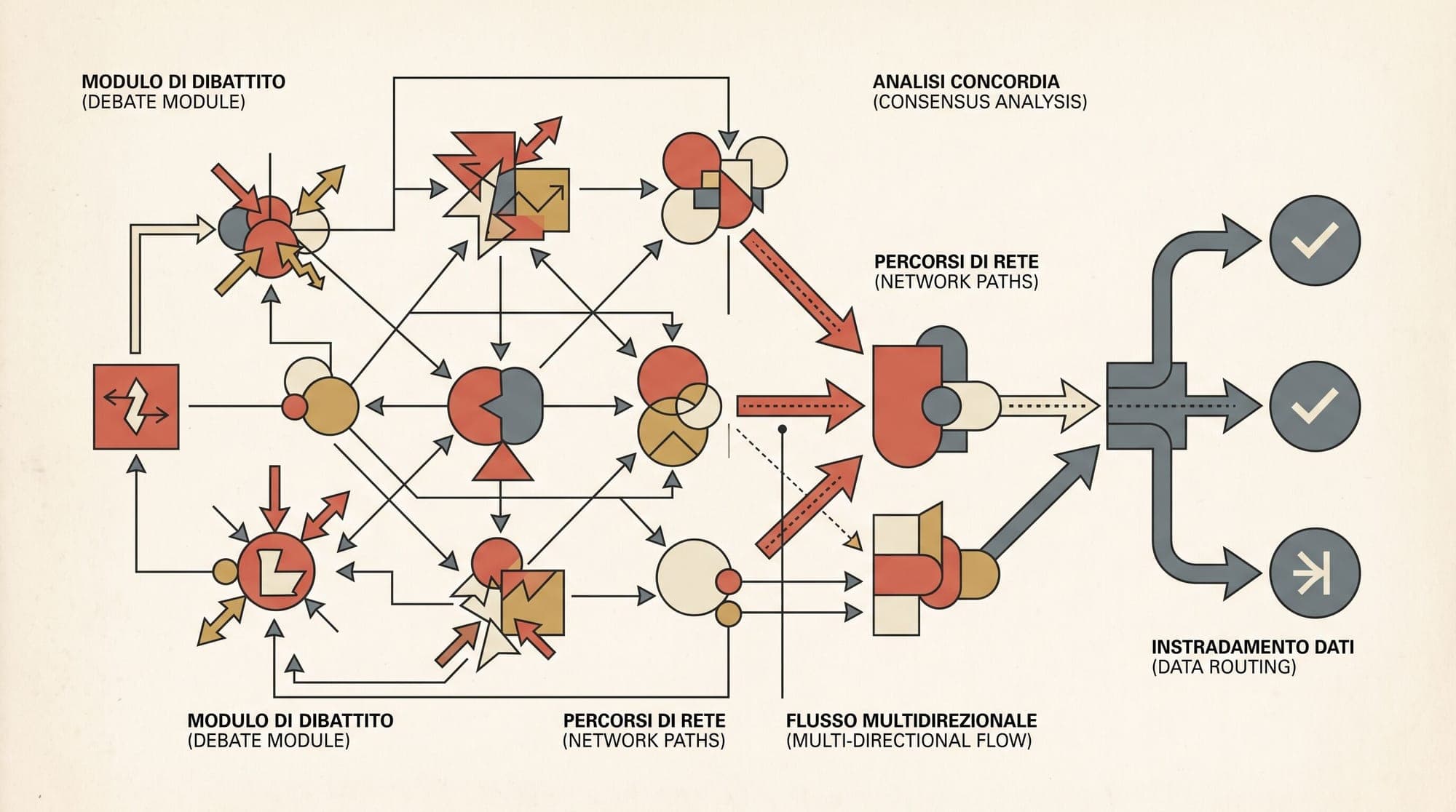
  14. Multi-Agent Debate and Consensus Protocols in Production: Topologies, Stopping Criteria, and Error Cascade Prevention

    Single-model inference pipelines face severe structural limits when handling high-stakes reasoning, multi-step code synthesis, and mission-critical verification. While techniques like self-consistency decoding sample multiple independent trajectories from a single model to find majority consensus, they fail when the underlying model exhibits systemic bias or correlated hallucinations. When an LLM harbors a flawed premise, sampling ten independent stochastic paths frequently yields ten variations

    AI
    7 min read
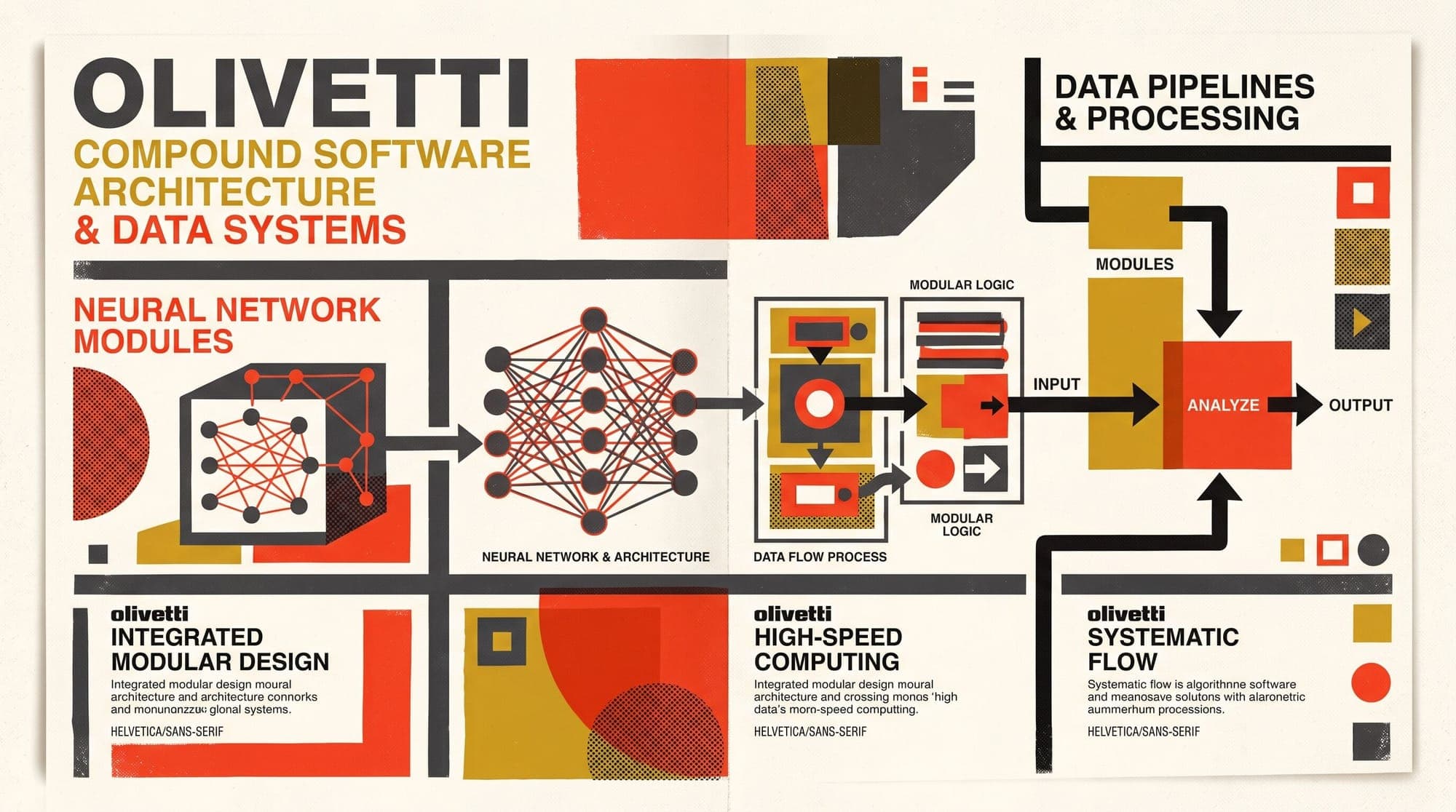
  15. Compound AI Systems in Production: Architecture, Co-Optimization, and Error Cascades

    Compound AI Systems in Production: Architecture, Co-Optimization, and Error Cascades For the first two years following the release of GPT-4, enterprise AI development focused almost exclusively on model-centric scaling: upgrading to larger parameter checkpoints, expanding prompt context windows, and tuning system prompts. However, production deployments quickly revealed a fundamental constraint: single, monolithic foundation models exhibit diminishing returns on high-complexity, multi-step task

    AI
    7 min read
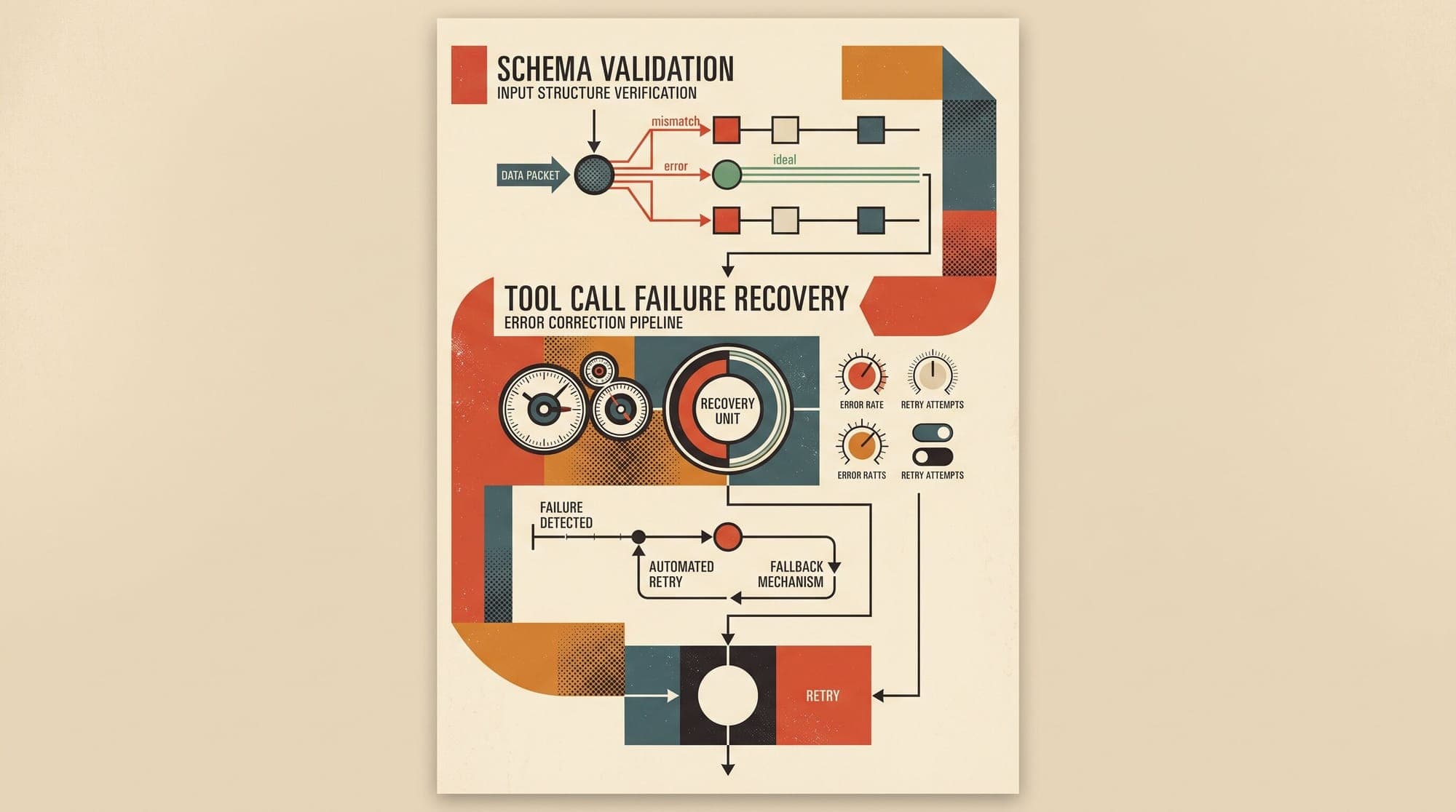
  16. Tool-Call Failure Recovery in Production AI Agents: Syntactic Repair, Schema Coercion, Parameter Inoculation, and Dynamic Fallback Architectures

    Tool-Call Failure Recovery in Production AI Agents: Syntactic Repair, Schema Coercion, Parameter Inoculation, and Dynamic Fallback Architectures Autonomous language model agents operate by interleaving natural language reasoning traces with structured tool invocations. However, when deployed in multi-turn production environments, raw tool calling exhibits significant fragility. Empirical studies from benchmark suites such as $\tau$-bench (arXiv:2406.12045) and the Berkeley Function Calling Lead

    Agents
    8 min read
  17. Vector Compression in Production Search: Comparing SQ, PQ, and RaBitQ Architecture, Recall Retention, and Memory Economics

    In production Retrieval-Augmented Generation (RAG) systems and enterprise search platforms, storing raw floating-point embedding vectors in RAM quickly encounters hard hardware limits. A dataset of 100 million 1536-dimensional embeddings stored in FP32 requires over 614 GB of high-speed memory solely for vector coordinates, before accounting for index graph structures like HNSW or DiskANN. To scale similarity search to billions of vectors while keeping indices memory-resident, production vector

    AI
    4 min read
  18. Context Structuring and Attention Placement in Long-Context LLMs: Mitigating Position Bias, Attention Dispersion, and Information Loss in Production

    Context Structuring and Attention Placement in Long-Context LLMs: Mitigating Position Bias, Attention Dispersion, and Information Loss in Production Modern foundation models support context windows ranging from 128,000 to over 2,000,000 tokens. Serving runtimes and API gateways routinely process entire codebases, multi-year financial statements, and sprawling legal filings in a single inference call. However, supporting a nominal sequence length does not guarantee that a transformer can effecti

    Architecture
    8 min read
  19. Continuous Evaluation and Golden Dataset Curation in Production LLM Systems: Architecture, Log Mining, Synthetic Perturbation, and Semantic Drift Quality Gates

    Continuous Evaluation and Golden Dataset Curation in Production LLM Systems: Architecture, Log Mining, Synthetic Perturbation, and Semantic Drift Quality Gates In production machine learning systems, offline benchmarks suffer from rapid entropy. While engineering teams frequently launch LLM applications backed by static test suites (curated CSVs of 50 to 100 sample prompts, academic benchmarks like MMLU, or synthetic question-answer pairs), these static datasets fail to predict real-world produ

    AI
    7 min read
  20. Prompt Caching Across Cloud LLM Providers: Architecture, TTL Lifecycles, and Economic Break-Even for Anthropic, OpenAI, Gemini, and DeepSeek

    The primary latency and computational bottleneck in large language model inference is the prefill phase. When an application submits a request containing thousands of tokens of static system instructions, OpenAPI tool schemas, few-shot demonstrations, and retrieved document context, the inference server must process all input tokens through every transformer layer before generating the first output token. In high-concurrency production environments, repeating this full forward pass across identi

    LLM
    8 min read