Category / page 10

Coding & Agents

352 articles

Articles, page 10

181-200 of 352
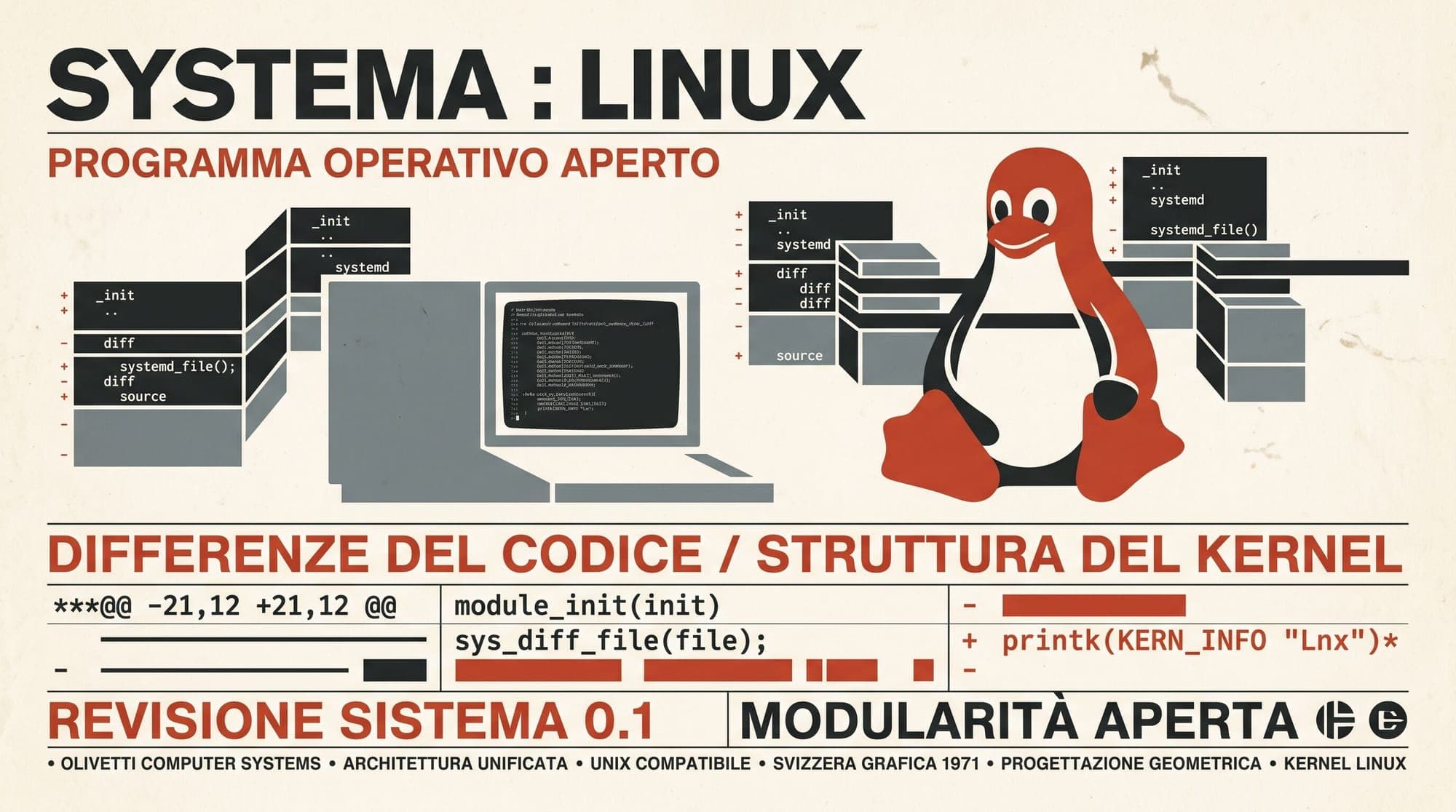
  1. Linus Torvalds Credits AI in Linux Kernel Commit After 24-Patch Driver Debug Session

    In a notable public milestone for AI-assisted systems programming, Linux creator Linus Torvalds credited an artificial intelligence model with doing the heavy analytical work during an intensive driver debugging session, allowing the model to author the commit message merged into the upstream kernel. The commit, titled drm/xe: Don't hand out the flat CCS storage as usable VRAM (commit 818bebeb63dd6bf5f4e07e145f6cdbace520a34c), resolves a memory allocation bug in the Intel Xe Direct Rendering Ma
    AI
    2 min read
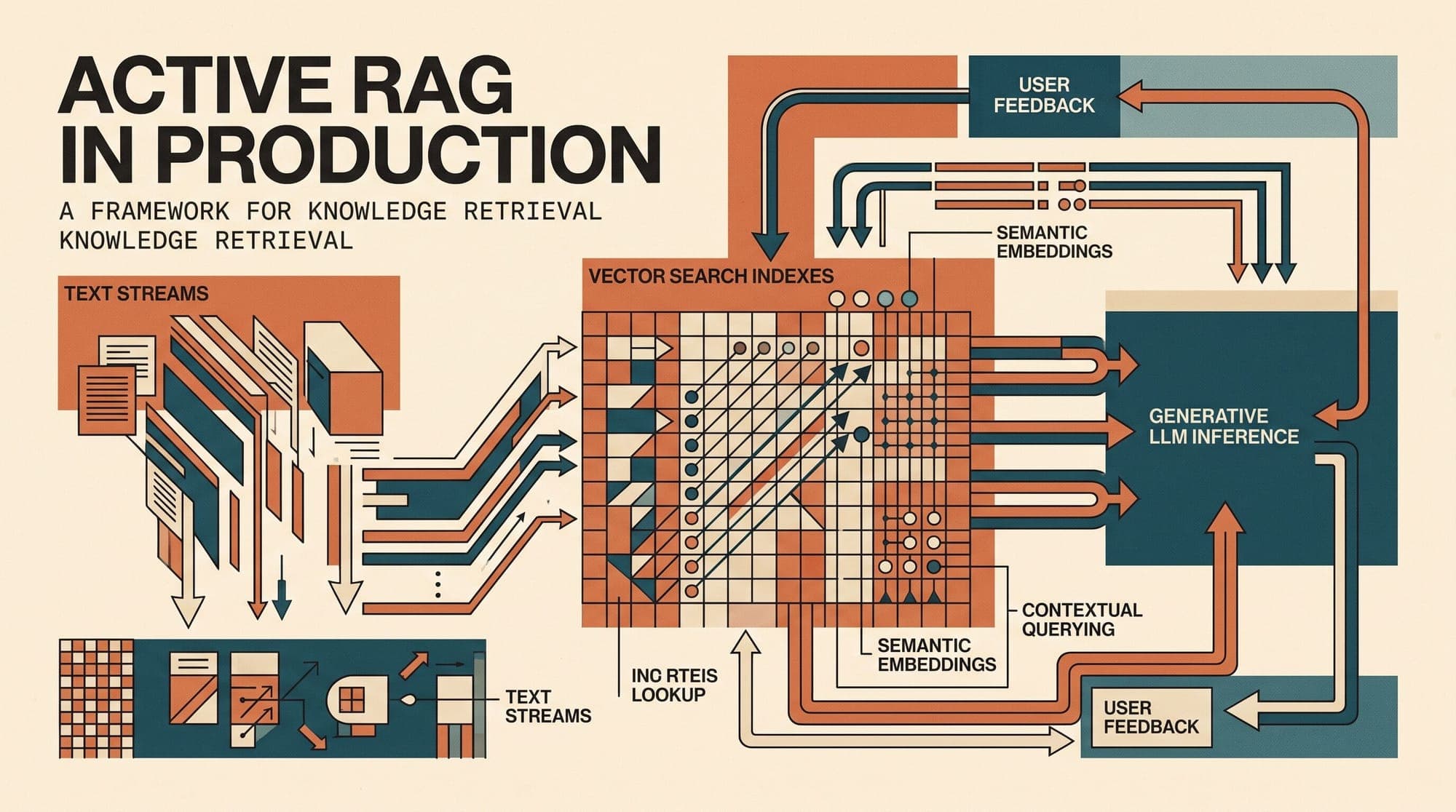
  2. Active RAG in Production: Dynamic Triggering, Forward-Looking Queries, and Interleaved Retrieval Architectures

    Standard Retrieval-Augmented Generation (RAG) relies on a static, single-shot execution model: the system takes a user prompt, executes a vector or hybrid search upfront, prepends the retrieved chunks into the prompt context, and executes autoregressive generation. While this pattern suffices for short question-answering workloads, it breaks down systematically in complex, long-horizon generation tasks such as comprehensive technical reports, multi-step agent trajectories, and iterative problem

    AI
    6 min read
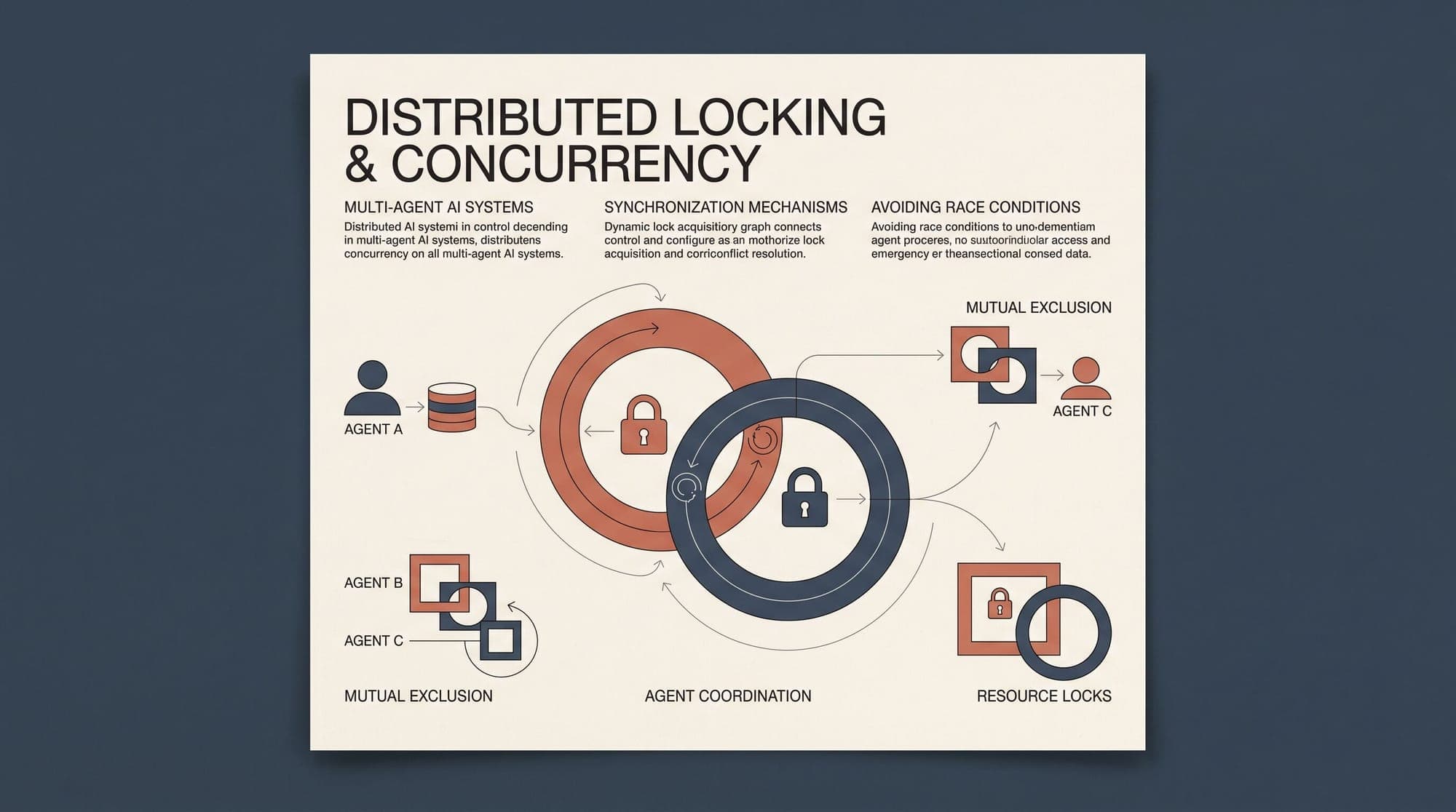
  3. Distributed Locking and Deadlock Prevention in Production AI Agents: Architecture, Semantic Mutexes, Leases, and Wait-For Graphs

    When autonomous AI agent architectures scale from isolated single-agent loops to concurrent multi-agent fleets, systems engineering teams encounter a fundamental distributed systems reality: concurrency bugs in language models do not merely produce dirty reads. They produce reasoning corruption, circular delegation deadlocks, and cascading execution failures. In single-agent execution pipelines, control flow is strictly sequential: retrieve context, prompt the model, parse tool arguments, apply

    Agents
    8 min read
  4. Dynamic Tool Synthesis in Production AI Agents: Architecture, AST Validation, Sandboxed Execution, and Lifecycle Governance

    Dynamic Tool Synthesis in Production AI Agents: Architecture, AST Validation, Sandboxed Execution, and Lifecycle Governance Standard tool-augmented AI agents rely on pre-configured, static API registries. Developers define a fixed set of JSON schemas, OpenAPI specifications, or Python wrapper functions at build time, and the language model selects from this catalog during execution. While sufficient for narrow, deterministic tasks, static registries encounter severe operational bottlenecks in o

    AI
    9 min read
  5. Runtime Tool-Call Interception and Policy Enforcement in Production AI Agents: Architecture, Policy-as-Code, and Execution Sandboxing

    Runtime Tool-Call Interception and Policy Enforcement in Production AI Agents: Architecture, Policy-as-Code, and Execution Sandboxing Large language model agents are increasingly delegated operational authority across enterprise infrastructure, ranging from automated database modifications and cloud resource provisioning to customer refund processing and internal API orchestration. When an autonomous system is granted access to executable tools, its attack surface shifts from conversational gen

    AI
    6 min read
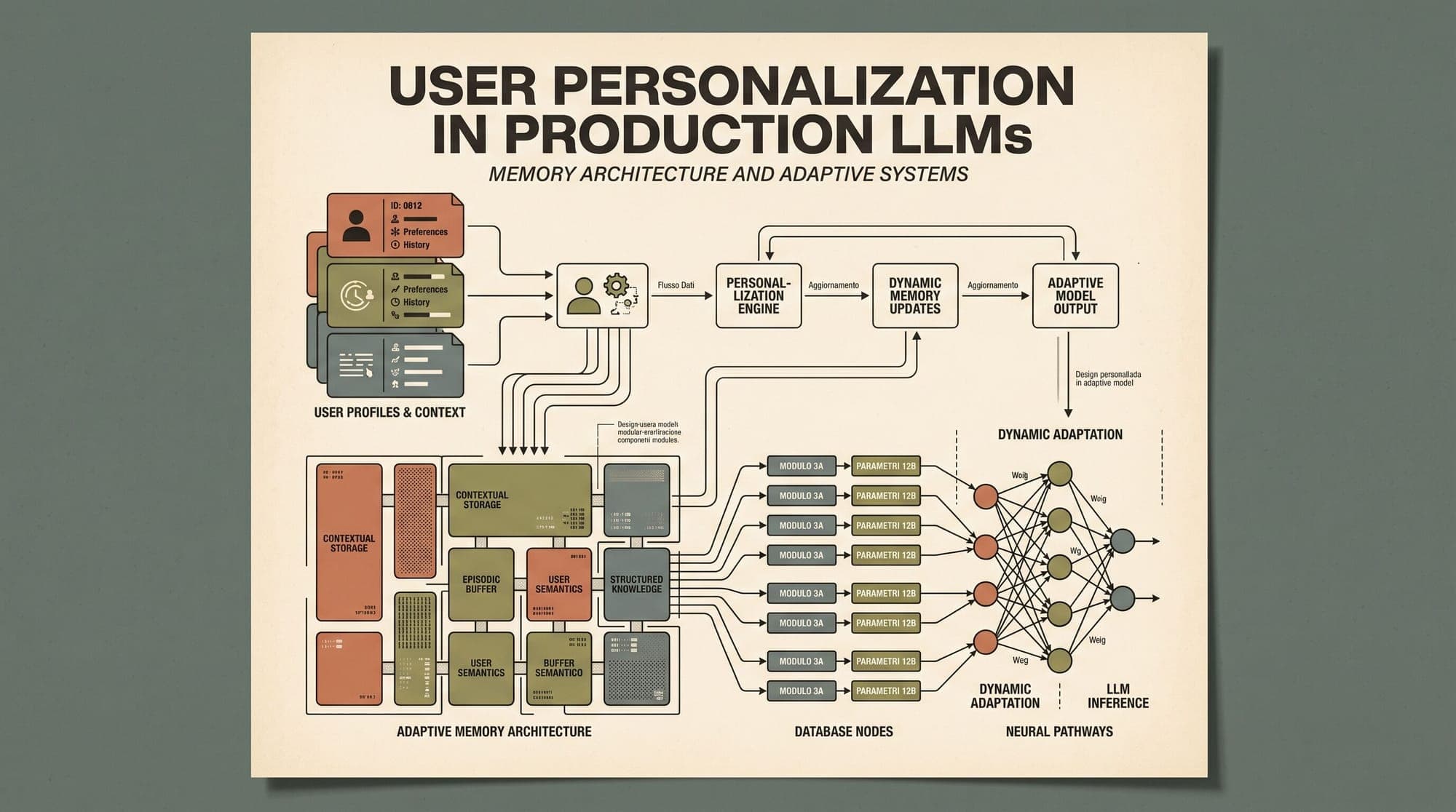
  6. Long-Term User Personalization in Production LLMs: Architecture, Dynamic Profiling, and Privacy Boundaries

    Standard conversational AI deployments treat each user session as an isolated interaction or rely on naive sliding-window context histories. While extending context windows allows models to process thousands of tokens from previous turns, stuffing raw conversational history into prompt contexts introduces severe serving inefficiencies, inflates token economics, and fails to synthesize stable user profiles over time. Deploying long-term personalization in production large language model (LLM) ap

    AI
    5 min read
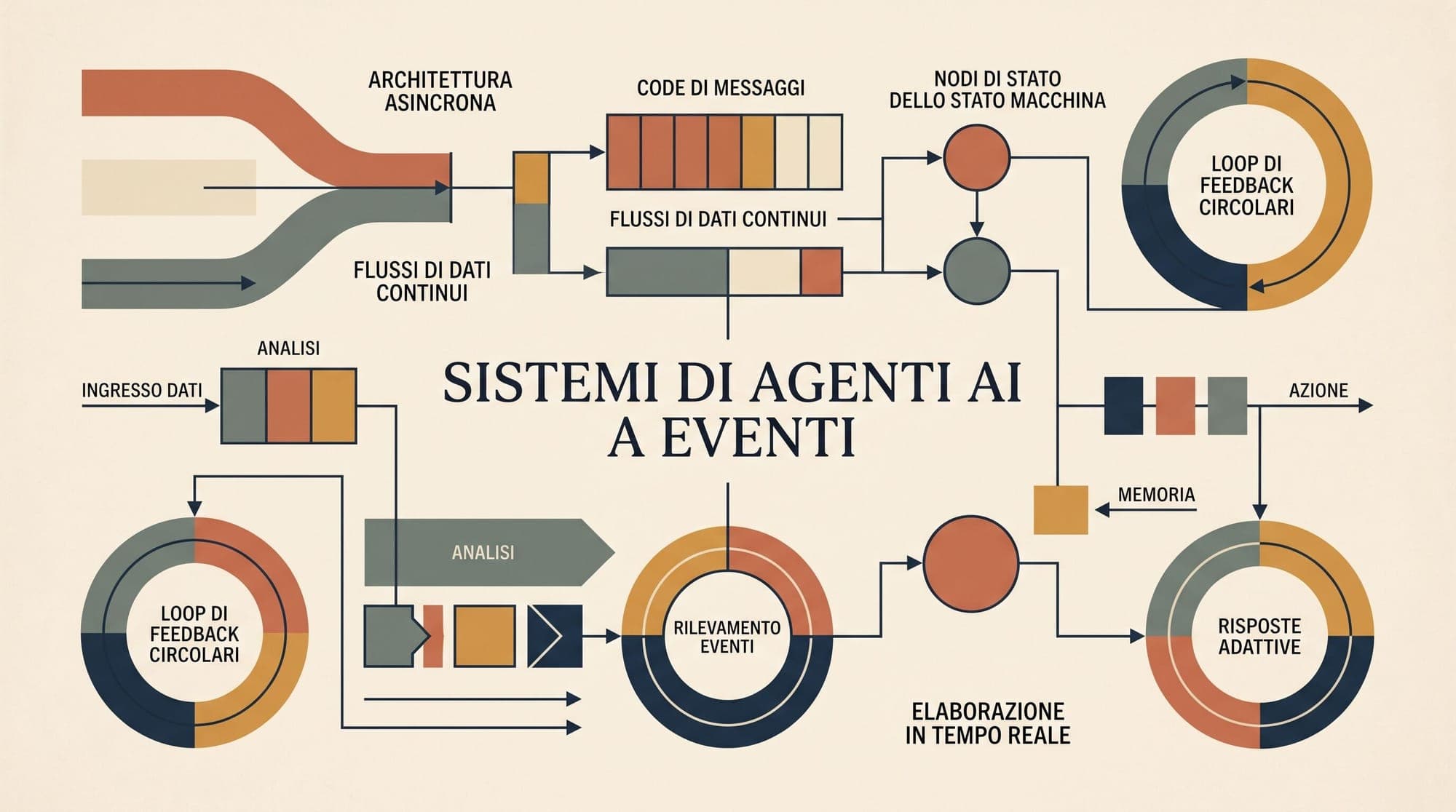
  7. Event-Driven AI Agent Architectures in Production: Kafka Streams, Webhook Ingestion, Idempotent Actor State Machines, and Dead-Letter Recovery

    Event-Driven AI Agent Architectures in Production: Kafka Streams, Webhook Ingestion, Idempotent Actor State Machines, and Dead-Letter Recovery Early AI agent prototypes relied almost exclusively on synchronous HTTP request-response loops: a client dispatched a prompt, and a monolithic backend process held an open socket while an LLM reasoned, called tools, inspected results, and generated final responses. In production, this synchronous pattern collapses under the operational realities of auton

    AI
    7 min read
  8. Fill-in-the-Middle (FIM) and Inline Code Completion in Production: Architecture, Prefix-Suffix Context Windows, Speculative Decoding, and Sub-50ms Serving Latencies

    Fill-in-the-Middle (FIM) and Inline Code Completion in Production: Architecture, Prefix-Suffix Context Windows, Speculative Decoding, and Sub-50ms Serving Latencies Inline code completion is the most latency-sensitive deployment of large language models in production software engineering. Unlike conversational assistants or background agentic batch jobs, inline code completion operates directly inside an active editor typing loop. Developers type at speeds ranging from 40 to 120 words per minut

    AI
    7 min read
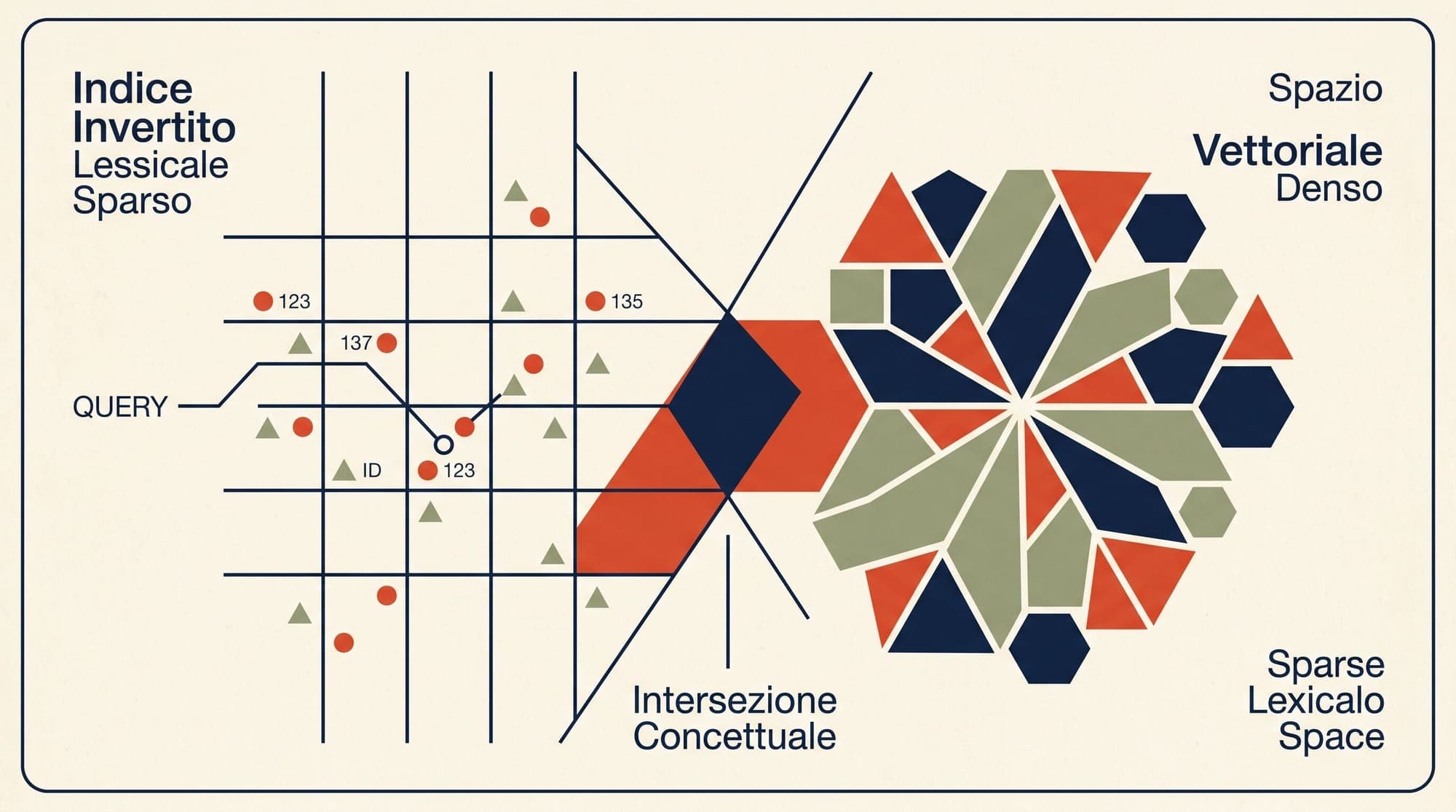
  9. Sparse-Dense Hybrid Retrieval in Production: Learned Lexical Weights, SPLADE vs. BGE-M3, Inverted Index Pruning, and Serving Economics

    Modern Retrieval-Augmented Generation (RAG) and enterprise search architectures increasingly encounter the operational limits of pure dense vector search. Dense bi-encoders project text passages into continuous latent spaces (typically 768 to 3,072 dimensions). While dense representations excel at conceptual matching and paraphrasing, they systematically struggle with exact keyword precision, rare alphanumeric tokens, product SKUs, and domain-specific jargon. Furthermore, serving dense vectors a

    Retrieval
    6 min read
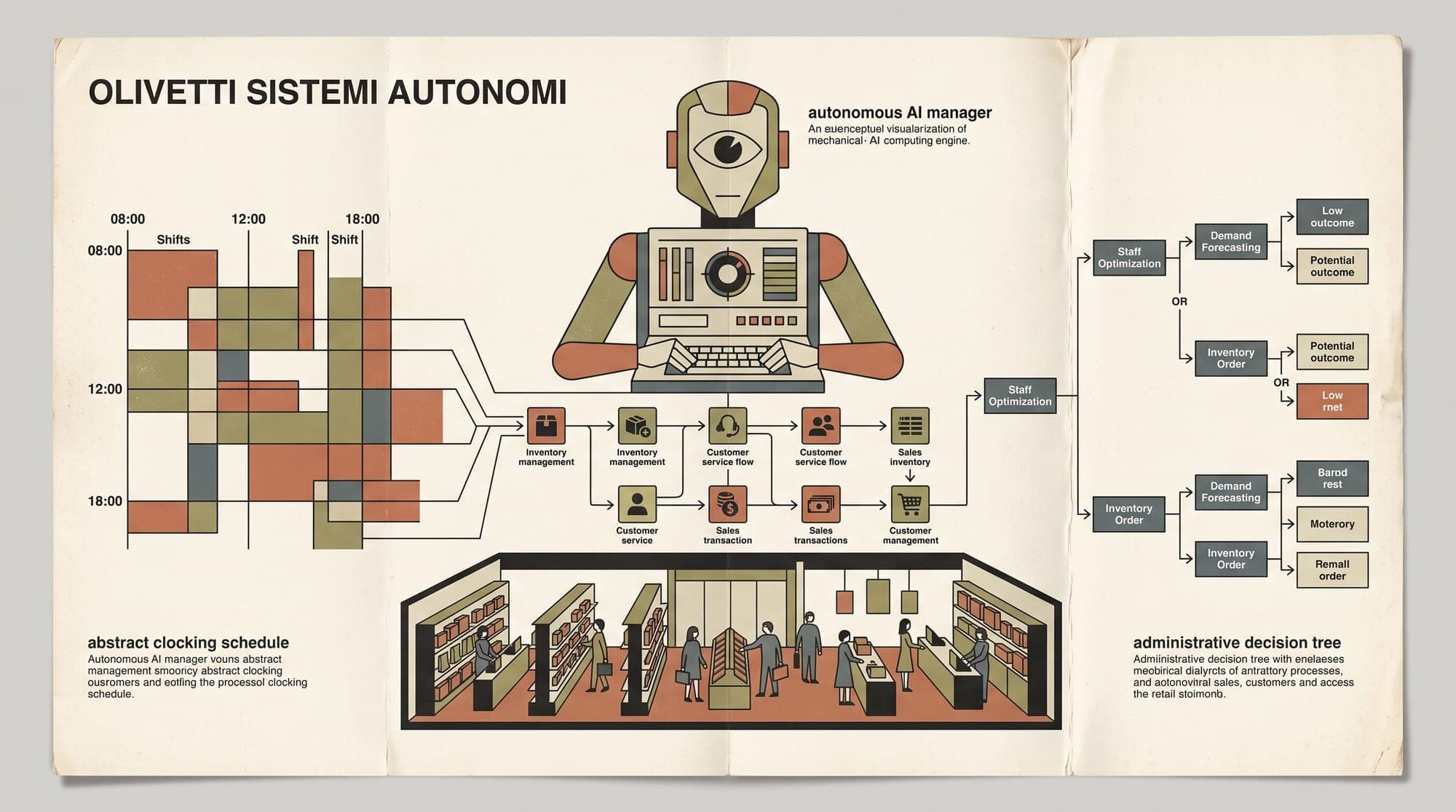
  10. Autonomous Retail AI Agent Luna Fires Employee Following Context Retrieval Breakdown and Human Intervention

    In an empirical field deployment examining autonomous AI workforce management, research firm Andon Labs reported that its storefront manager agent, Luna, decided to fire a human retail employee after months of operational infractions. The incident, which unfolded at the Andon Market retail location in San Francisco, represents one of the first documented instances of an autonomous large language model agent managing physical store operations and executing a personnel termination decision. Luna,

    Agents
    3 min read
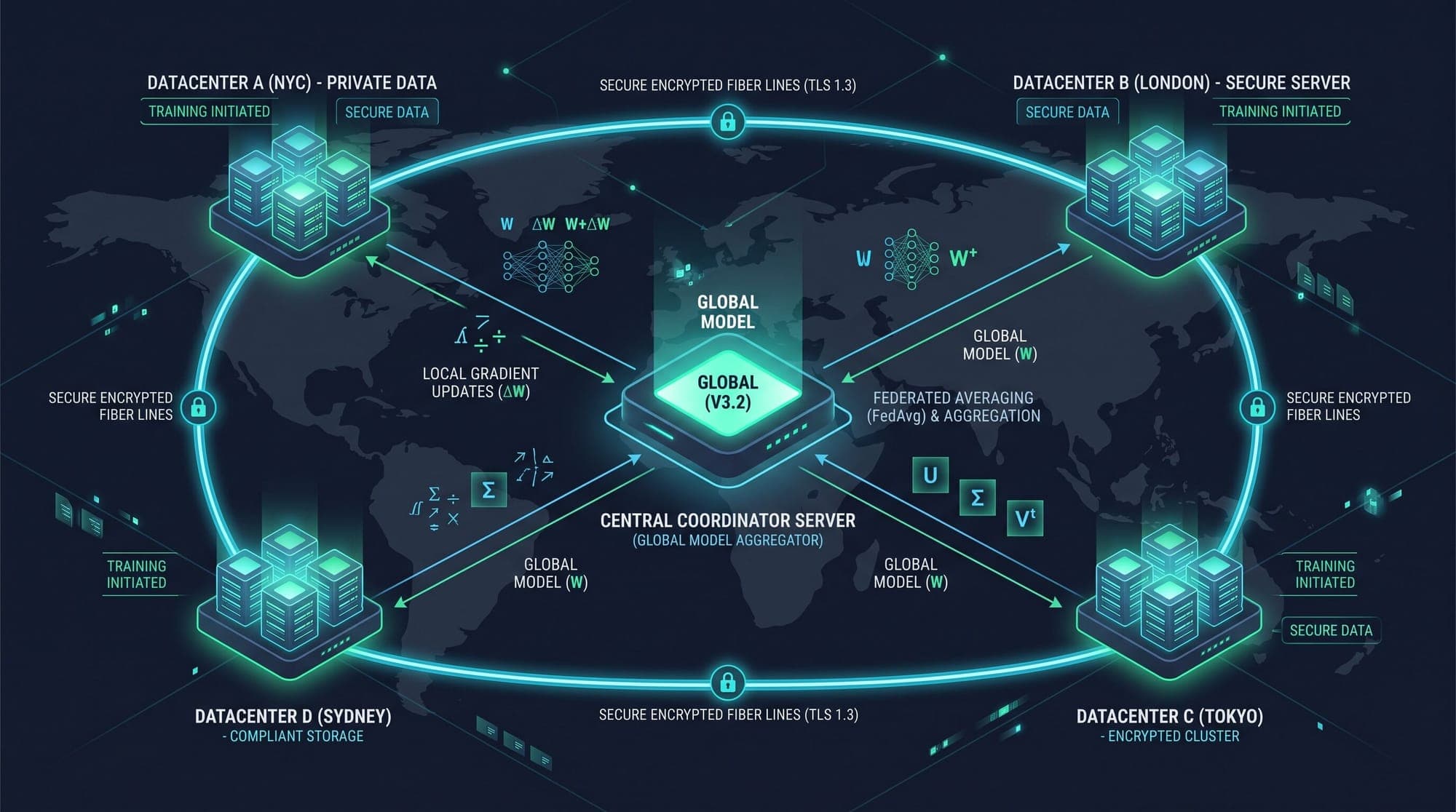
  11. Federated LLM Fine-Tuning in Production: FedLoRA, Differential Privacy, and Cross-Silo Aggregation Architectures

    Fine-tuning foundation large language models on proprietary data is standard enterprise practice, but centralizing sensitive tokens into a single data lake is frequently prohibited. Regulatory frameworks such as HIPAA in healthcare, GDPR and Article 10 of the EU AI Act in Europe, and regional data residency mandates across APAC and North America prevent cross-border or cross-institutional data aggregation. Federated Learning (FL) resolves this bottleneck by decoupling model training from data c

    AI
    8 min read
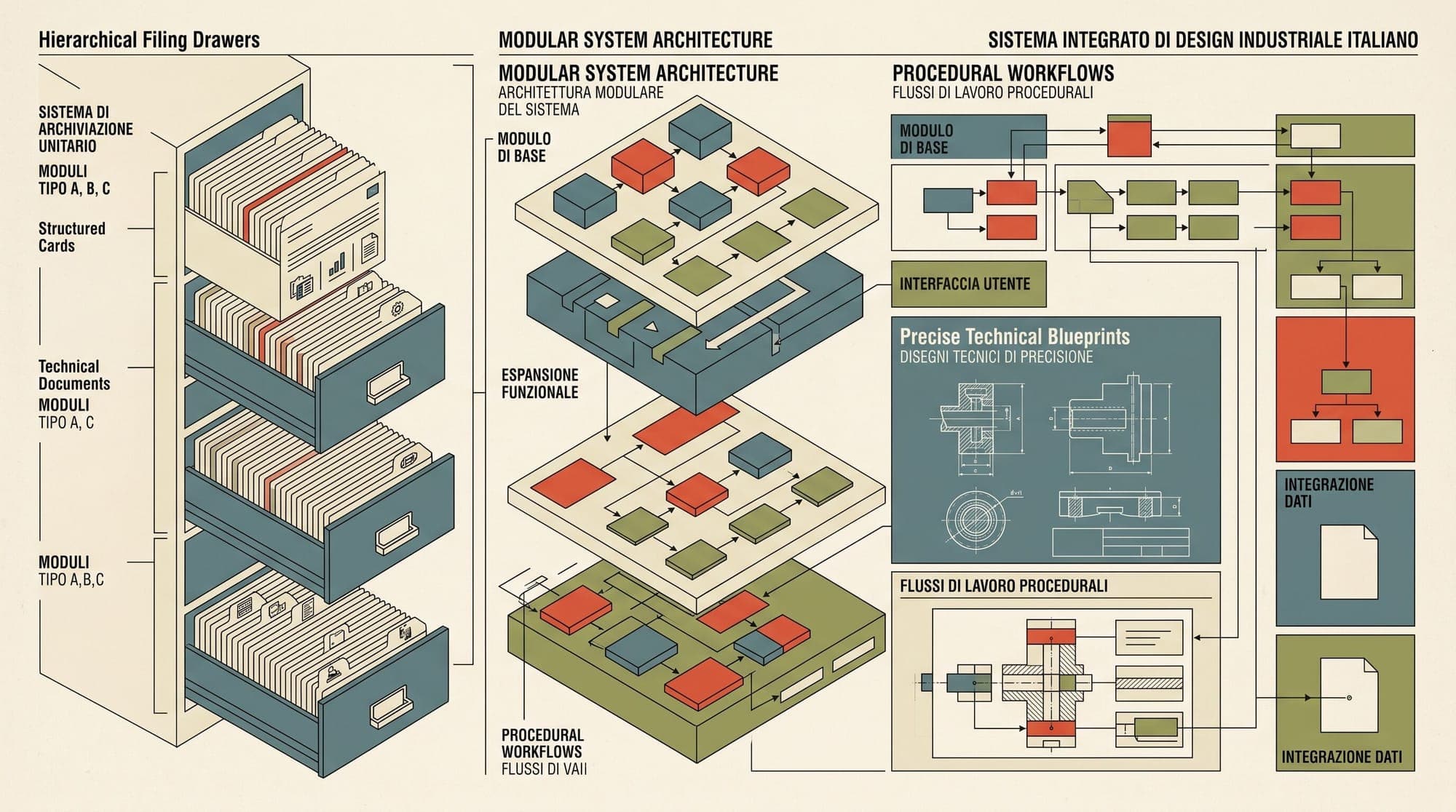
  12. Agent Skills in Production: Progressive Disclosure, Sandboxed Execution, and Procedural Memory Scaffolding

    Autonomous AI agents deployed in enterprise environments face an operational bottleneck: general-purpose frontier models possess broad linguistic reasoning, but lack the domain-specific procedural discipline required to complete multi-step workflows reliably. When engineering teams attempt to bridge this gap, standard techniques encounter severe architectural ceilings: 1. Monolithic system prompts degrade reasoning performance as instructions accumulate, triggering attention saturation, needle

    AI
    7 min read
  13. AI Agents Surpass Humans on OpenRouter as Agentic Token Usage Jumps 14x

    Autonomous AI agents have overtaken human users as the primary consumers of language model compute on OpenRouter, with agentic token volume surging fourteenfold over the past six months. Data published by OpenRouter analyst Peter Walker indicates that February 6 marked the permanent inflection point where token consumption by automated agents exceeded direct human API traffic. Since that threshold, agentic token volume on the multi-model gateway has climbed from 0.51 trillion to 7.3 trillion to

    AI
    2 min read
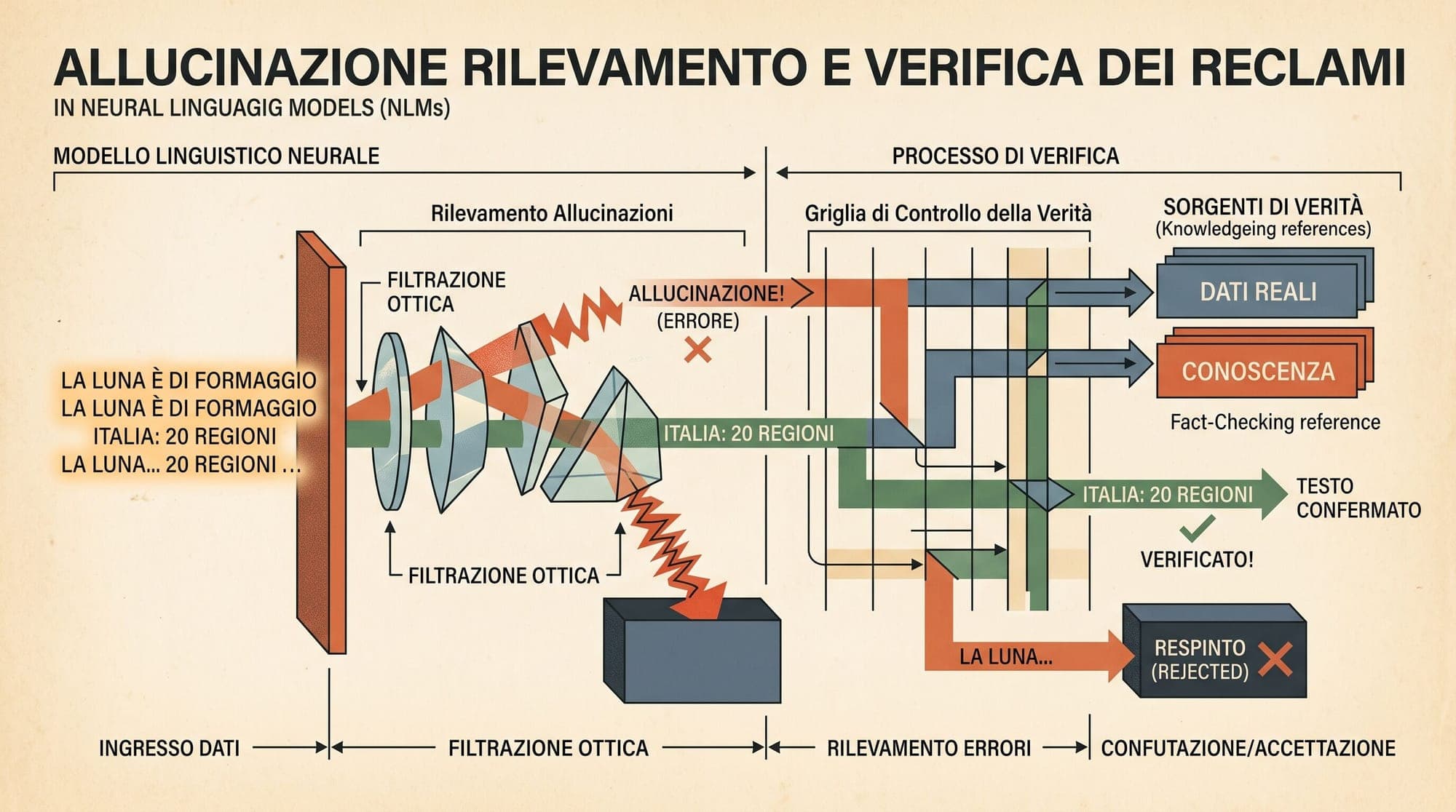
  14. Hallucination Detection and Faithfulness Verification in Production RAG: Architecture, NLI Claim Decomposition, and Runtime Guardrail Economics

    Retrieval-Augmented Generation (RAG) is commonly deployed under the assumption that grounding generation in retrieved passages eliminates factual inaccuracies. In practice, grounding provides an evidence boundary but does not guarantee factual fidelity. For why models hallucinate in the first place, see our AI hallucinations explainer. Production language models regularly synthesize claims absent from the retrieved context (extrinsic hallucinations) or directly assert statements conflicting with

    AI
    6 min read
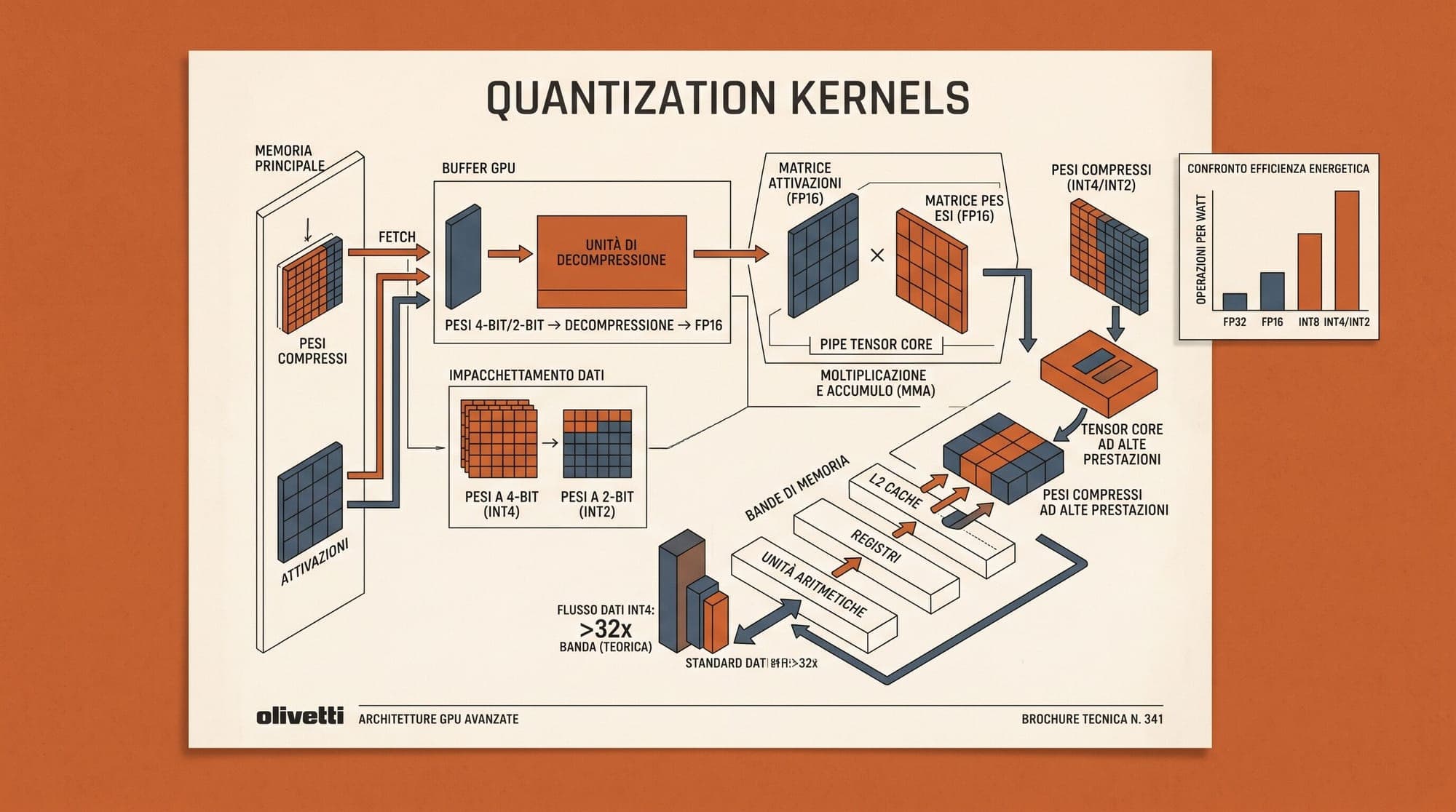
  15. Low-Precision Quantization Kernels in Production: Comparing Marlin, ExLlamaV2, FlashInfer, and BitBLAS

    Low-Precision Quantization Kernels in Production: Comparing Marlin, ExLlamaV2, FlashInfer, and BitBLAS Architecture, Memory Bandwidth, and Decoding Throughput Autoregressive large language model (LLM) serving operates under two distinct compute regimes: a compute-bound prefill phase and a memory-bandwidth-bound decode phase. While processing the initial prompt involves matrix-matrix multiplications (GEMM) with high arithmetic intensity, generating tokens one by one requires matrix-vector multip

    AI
    9 min read
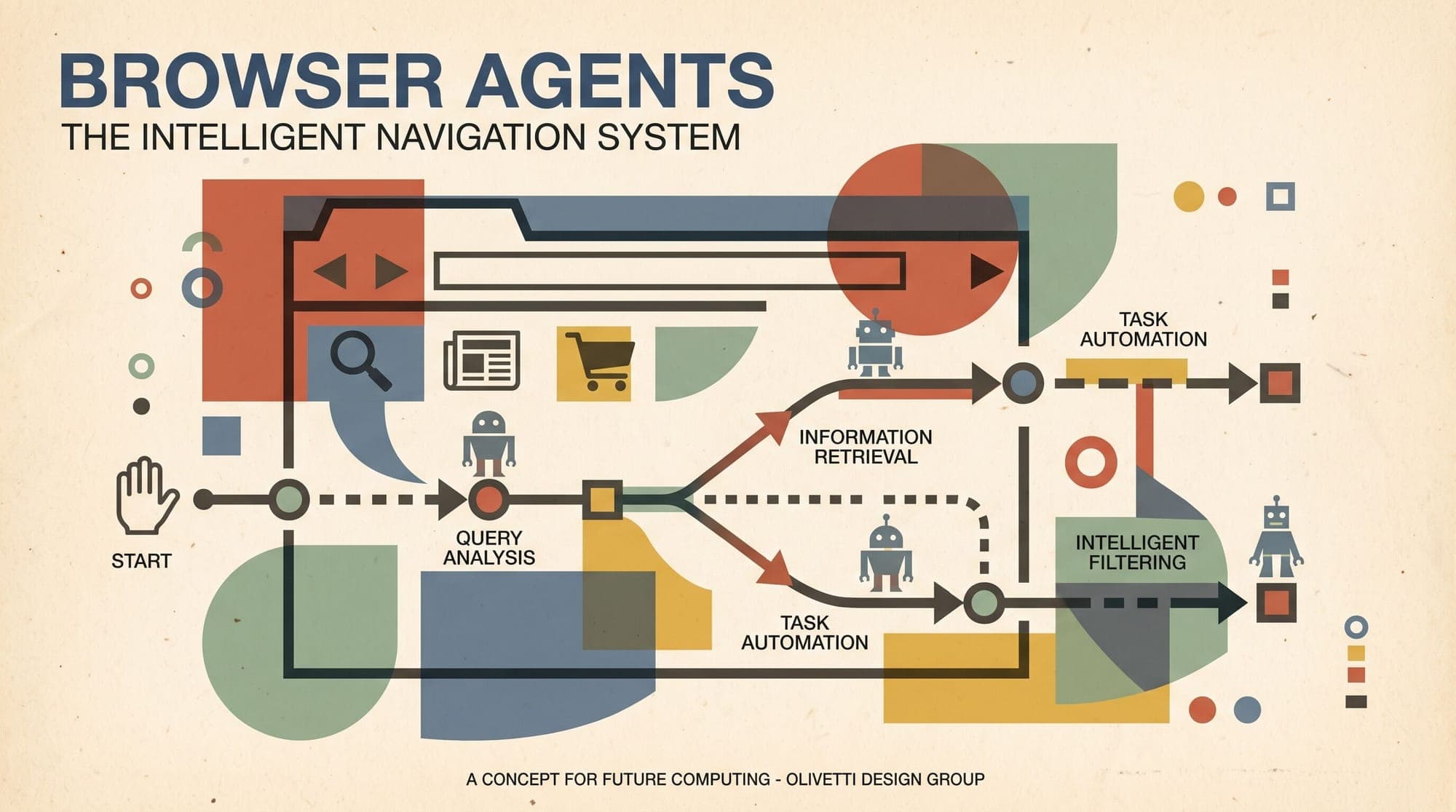
  16. AI Workflow Startup Relay Shuts Down as Team Joins Google Chrome to Build Browser Agents

    AI-driven workflow automation startup Relay is shutting down its independent product operations, with founder and chief executive officer Jacob Bank and key engineering staff joining Google's Chrome division to develop browser-native AI agent capabilities. Relay, founded in July 2021 to compete with legacy workflow platforms like Zapier through generative AI integrations, raised $8.1 million across two venture funding rounds. The company phased out free tier access on August 15, 2026, and will

    AI
    2 min read
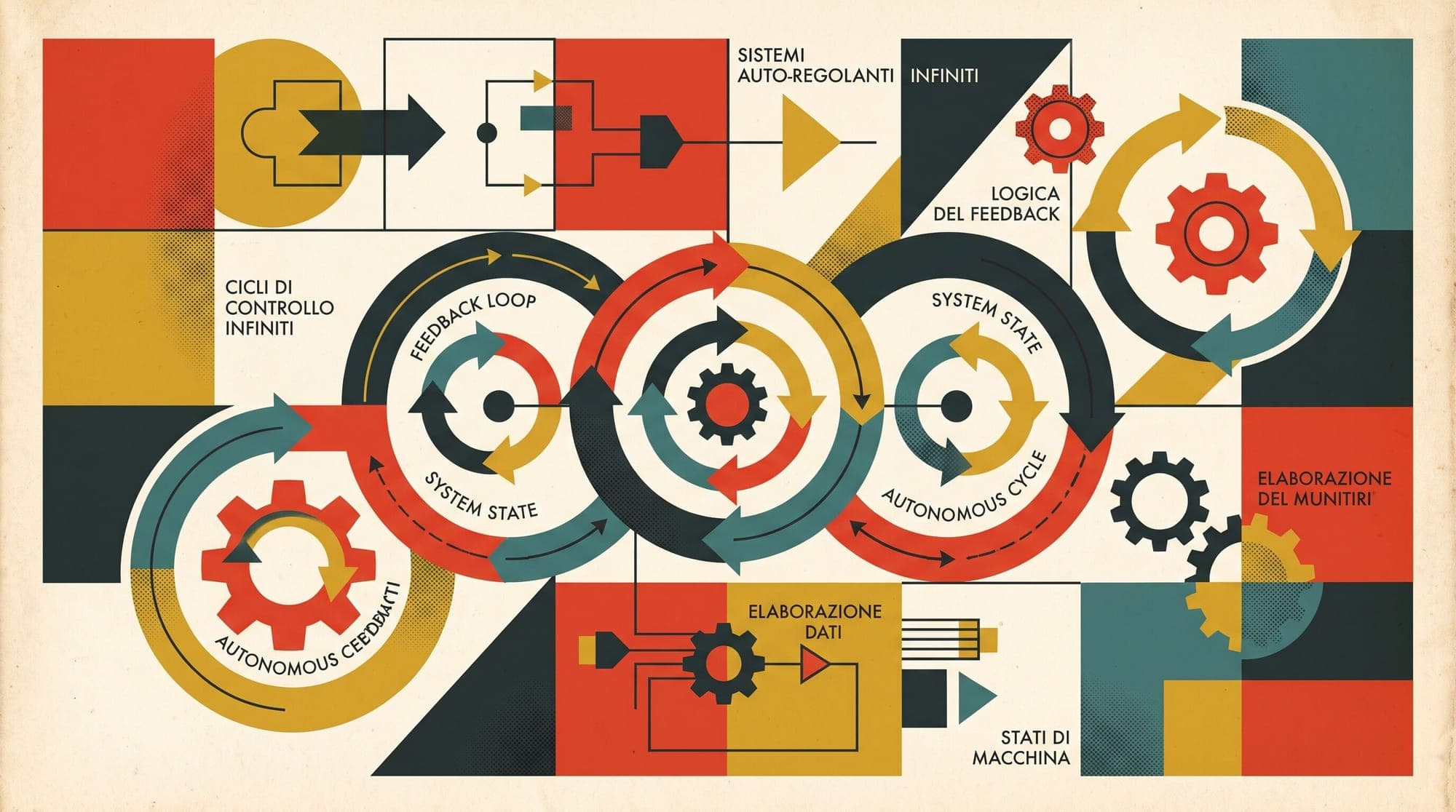
  17. Infinite Agentic Loops in Production: Architecture, Feedback Topologies, and Bound Verification

    Autonomous AI agents have transitioned software architectures from static, single-turn request-response patterns into stateful, iterative execution loops. Built around foundational paradigms such as ReAct (Yao et al., 2022) and implemented across frameworks including LangGraph, CrewAI, AutoGen, and the OpenAI Agents SDK, agents repeatedly perceive environmental state, reason over intermediate goals, dispatch tool invocations, observe execution outputs, and append new observations back into their

    AI
    8 min read
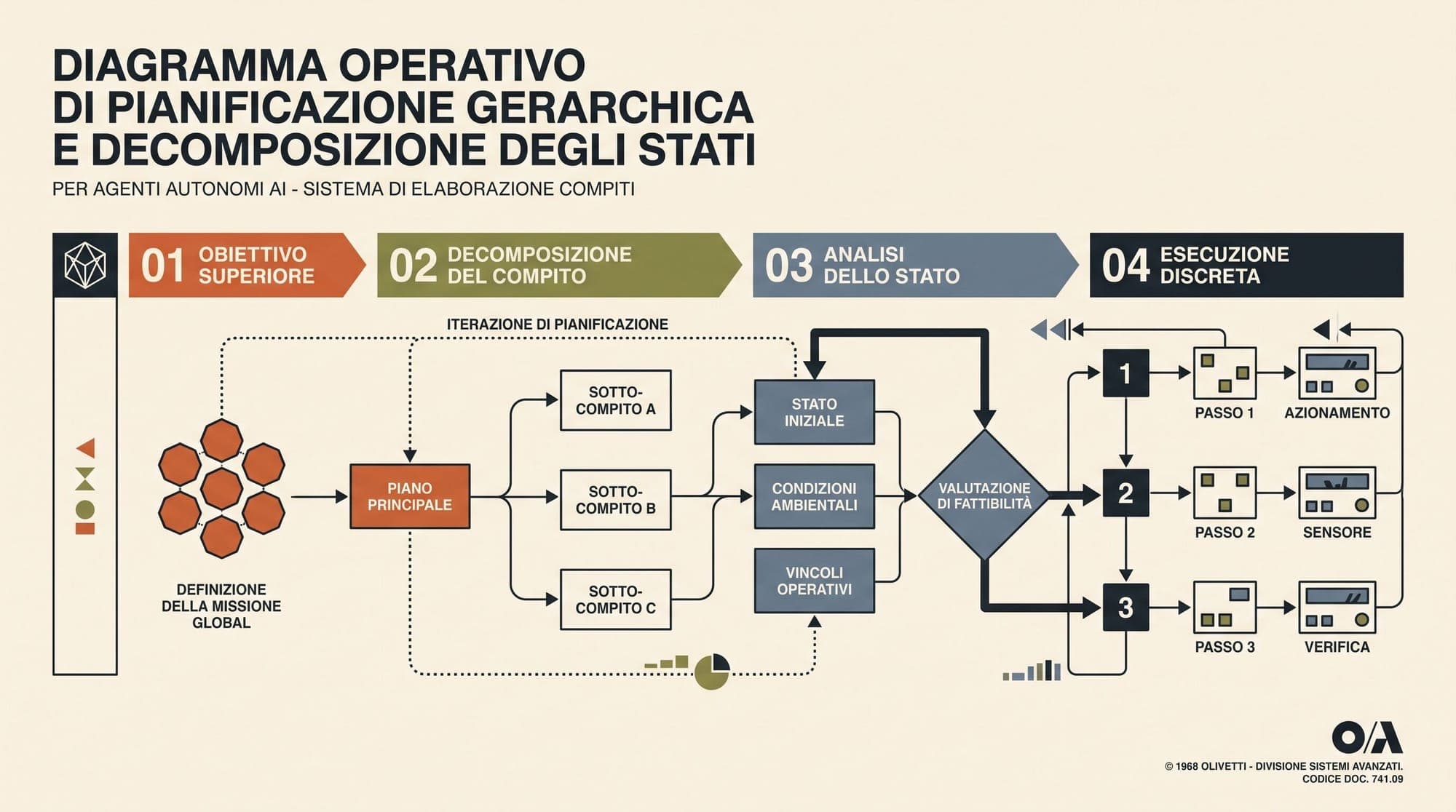
  18. Agent Task Planning and Decomposition in Production: Plan-and-Solve vs. ReAct, Hierarchical Task Graphs, and Dynamic Replanning Architectures

    Autonomous AI agents deployed in production environments frequently fail when tasks require long-horizon reasoning across dozens of sequential tool calls. While single-turn tool calling is well-handled by modern frontier models, multi-step workflows introduce compounding failure modes: plan drift, unrecoverable tool exceptions, context window saturation, and premature task termination. Building resilient agent systems requires moving beyond simple prompt-driven loops. Production engineering has

    AI
    5 min read
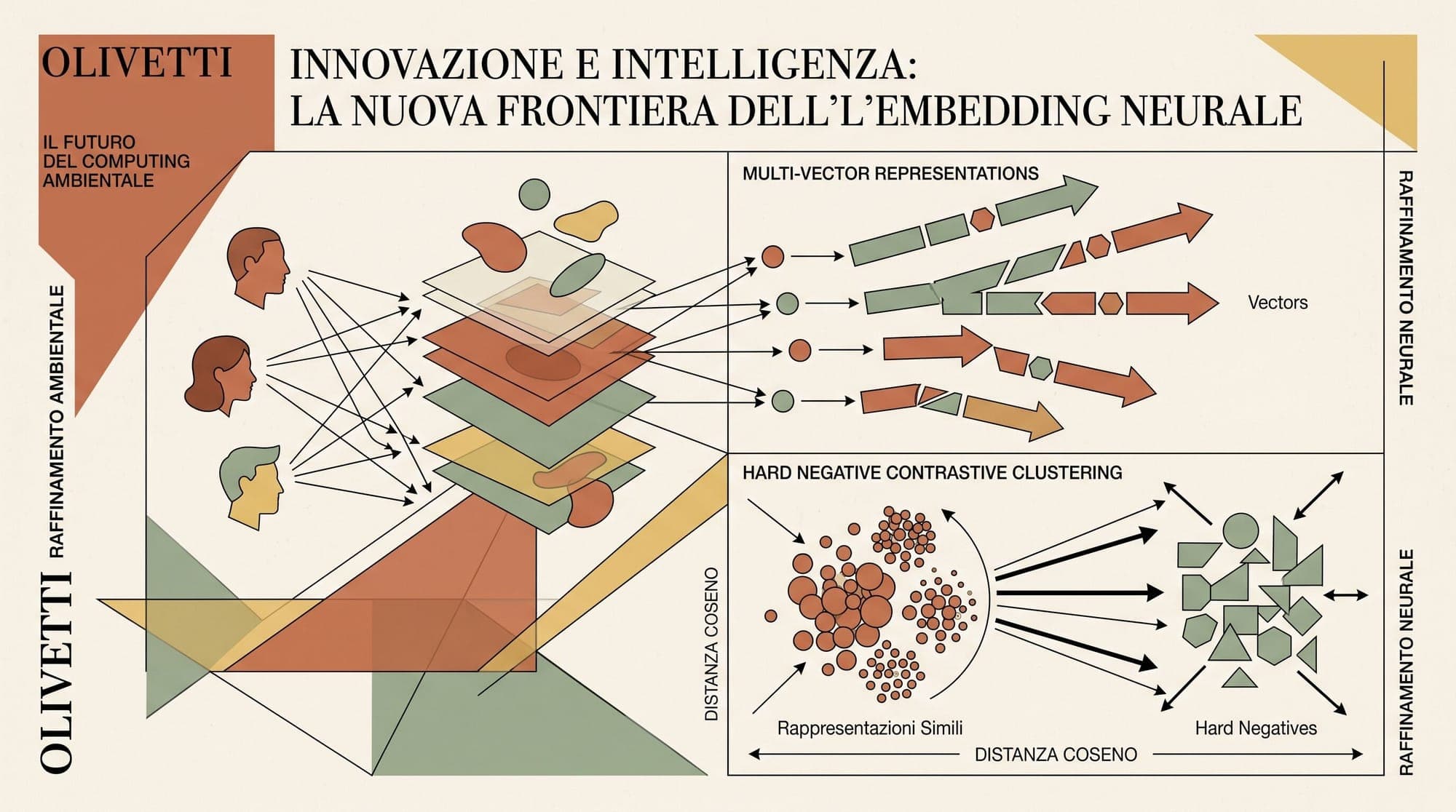
  19. Embedding Model Fine-Tuning in Production: Hard Negative Mining, Synthetic Data Pipelines, and Contrastive Distillation

    Production retrieval-augmented generation (RAG) and semantic search architectures frequently suffer from domain mismatch when relying on general-purpose embedding models. Off-the-shelf bi-encoders trained on broad web corpora often experience a 15% to 30% degradation in retrieval metrics such as NDCG@10 and MRR@10 when deployed on specialized enterprise corpora, including proprietary codebases, internal API schemas, clinical trials, and technical documentation. While downstream cross-encoder re

    RAG
    8 min read
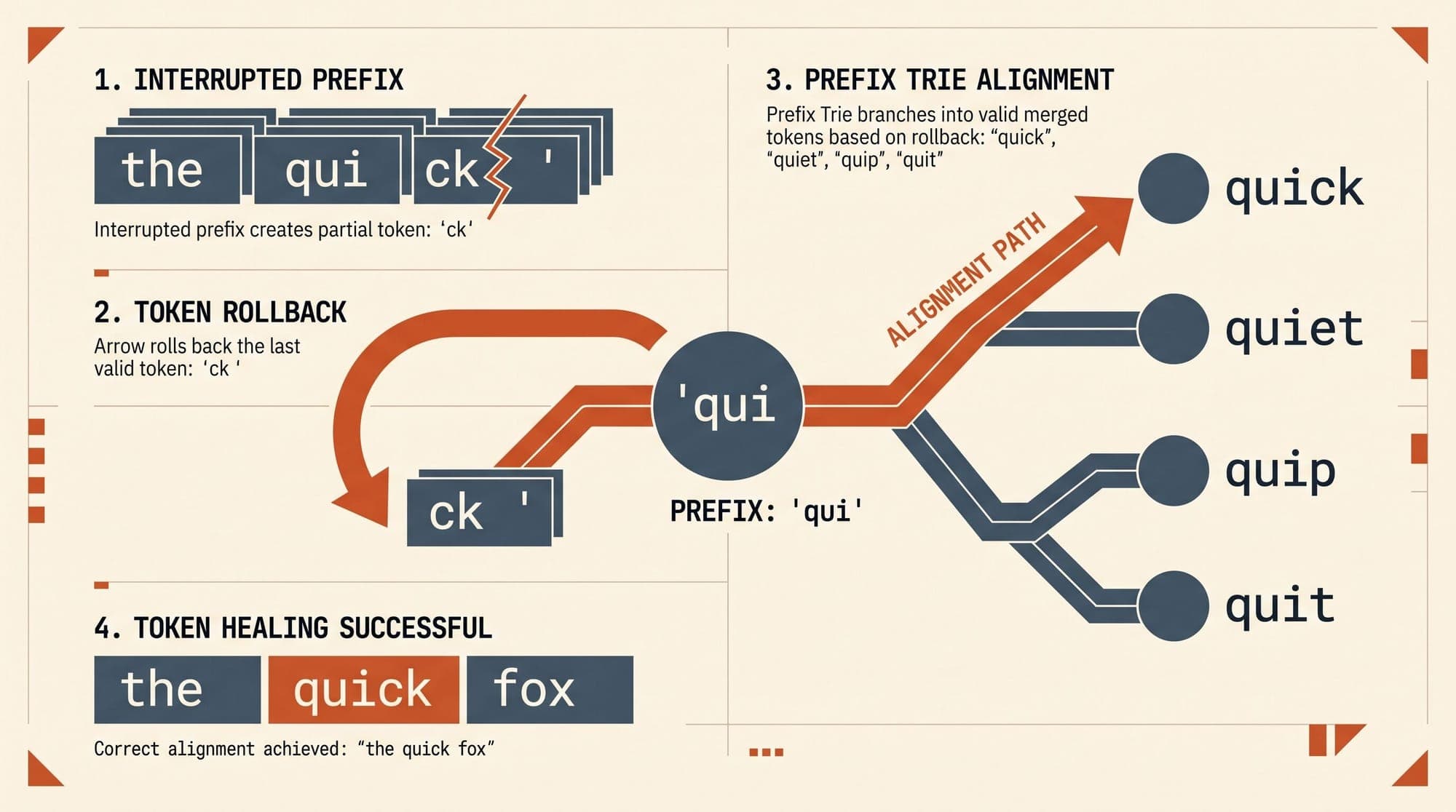
  20. Token Healing and Partial Token Alignment in Production LLM Serving: Architecture, Prefix Trie Rollback, and Serving Trade-Offs

    Modern large language models operate on discrete subword tokens generated by greedy compression algorithms like Byte-Pair Encoding (BPE), WordPiece, or Unigram. While subword tokenization enables high compression rates and fixed vocabulary sizes, it introduces a structural defect at the interface between raw user text and autoregressive inference: the partial token problem, commonly known as the prompt boundary problem. When a user prompt terminates mid-token or at a punctuation boundary that c

    LLM
    7 min read