Subscribe
Topic / page 26

LLM

Articles, page 26

501-520
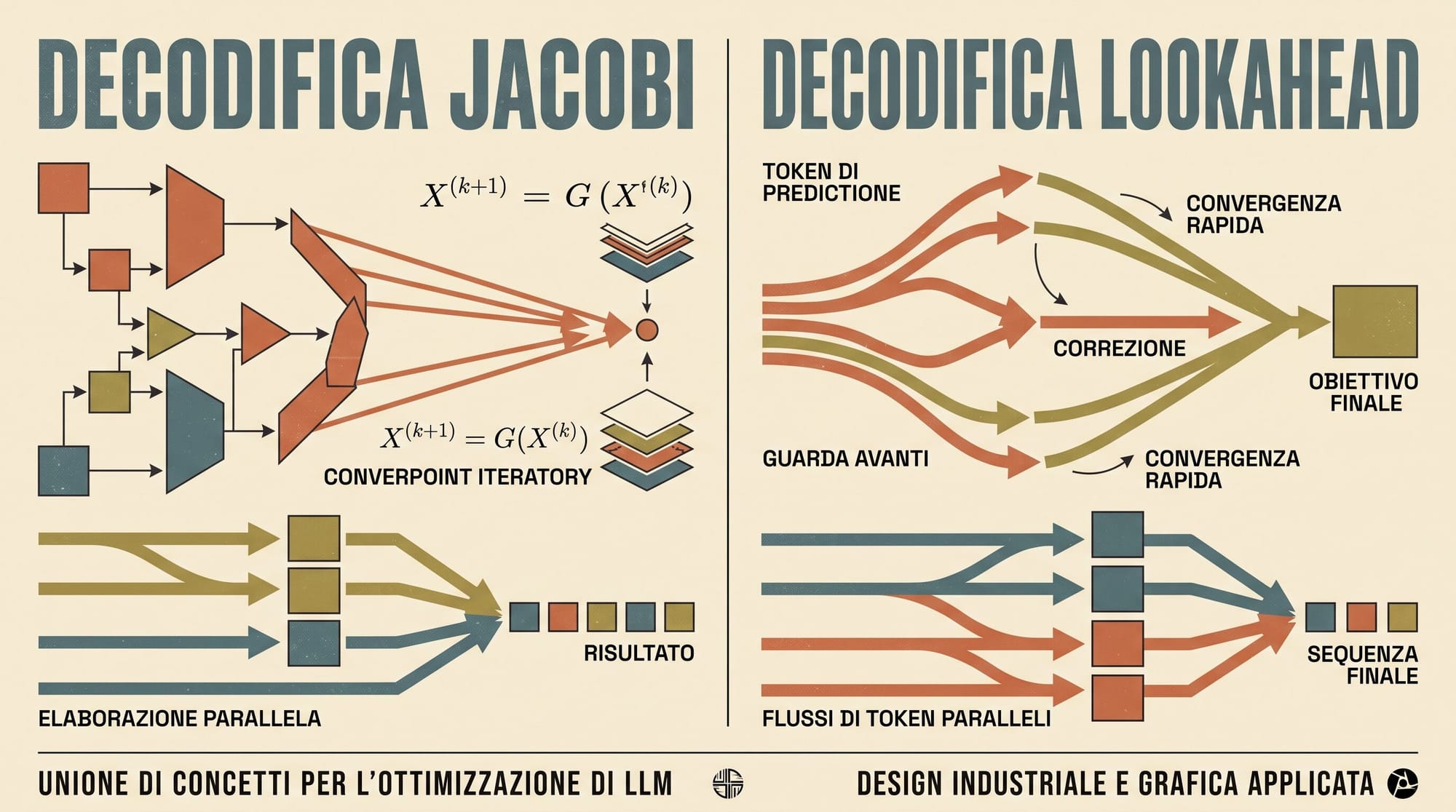
  1. Jacobi and Lookahead Decoding: How Parallel Fixed-Point Iteration Accelerates Autoregressive Inference Without Draft Models

    Standard autoregressive generation in large language models operates as a strictly sequential process. To generate a sequence of $K$ tokens, an inference engine must execute $K$ successive forward passes through the network. In single-request serving regimes (batch size 1), each forward pass is heavily memory-bandwidth bound: the GPU must stream billions of model parameters from High Bandwidth Memory (HBM) into on-chip SRAM to process a single token, leaving tensor compute cores severely underut
    AI
    7 min read
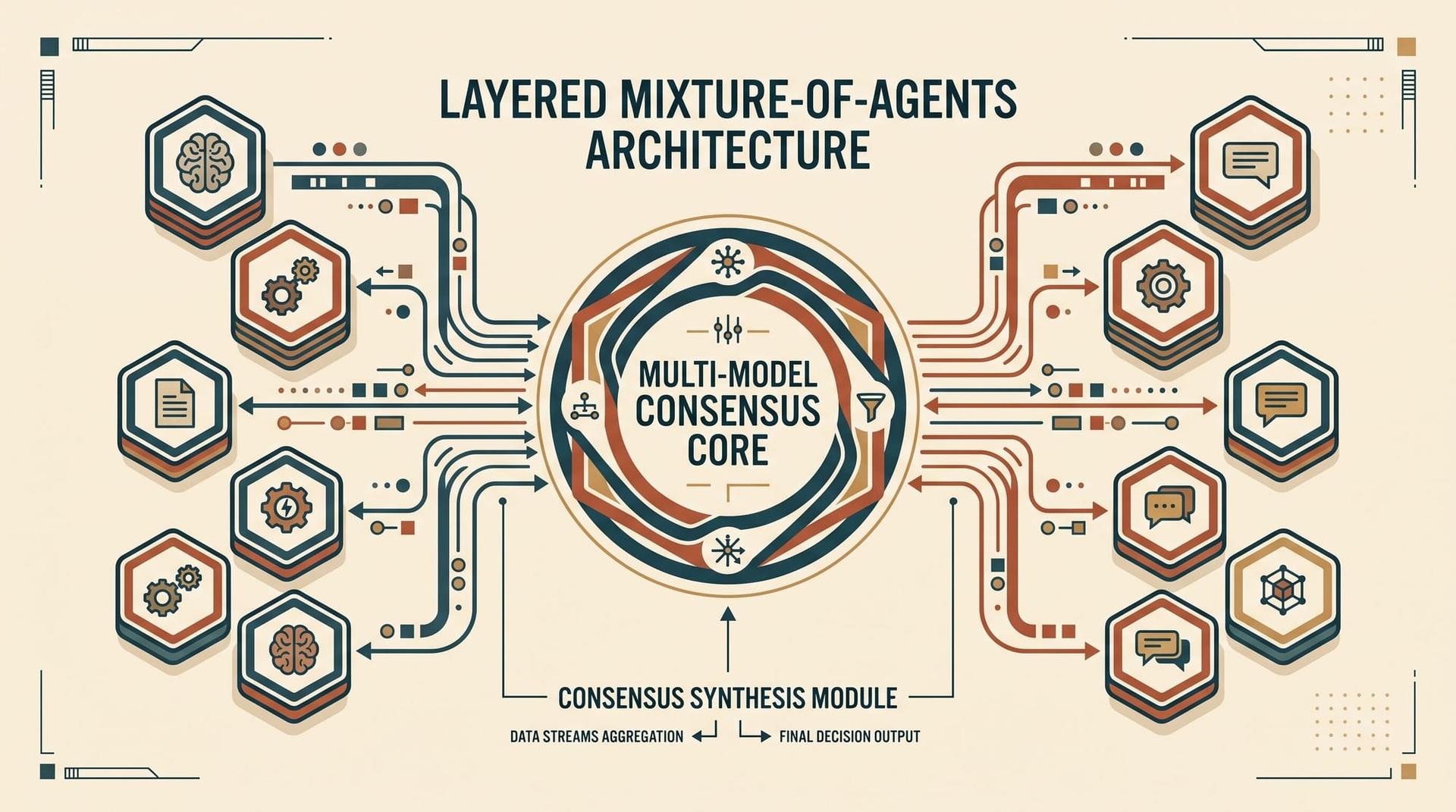
  2. Mixture-of-Agents and Multi-LLM Consensus in Production: Architecture, Layered Synthesis, Latency Budgets, and Cost Trade-Offs

    Single frontier models face physical and economic scaling limits. While model developers continue to scale pre-training compute and post-training reinforcement learning, individual foundation models still exhibit persistent failure modes: domain blind spots, subtle reasoning hallucinations, and inconsistent instruction adherence. To break past the performance ceilings of single models, production engineering teams increasingly deploy multi-model ensemble architectures. The most prominent of the

    AI
    7 min read
  3. Differential Attention in Large Language Models: How Denoising Subtraction Eliminates Attention Noise and Outlier Activations

    In standard transformer architectures, the self-attention mechanism computes pairwise token interactions through the scaled dot-product operator followed by a softmax normalization. While this formulation has underpinned modern large language models, it suffers from an architectural limitation: attention noise. Because the softmax function maps input logits to a strictly positive probability distribution summing to one, it forces probability mass onto irrelevant context tokens. In sequences span

    AI
    6 min read
  4. LLM Output Calibration and Uncertainty Estimation in Production: Token Entropy, Semantic Clustering, and Risk-Controlled Abstention

    Production deployments of large language models frequently fail not because models lack capability, but because they lack reliable uncertainty estimation. Autoregressive language models generate hallucinations with the exact same fluent, assertive cadence as verified ground truth. When an enterprise application relies on downstream actions, database writes, or customer-facing advice, uncalibrated generations introduce severe operational risk. Treating raw token probabilities as calibrated confi

    AI
    6 min read
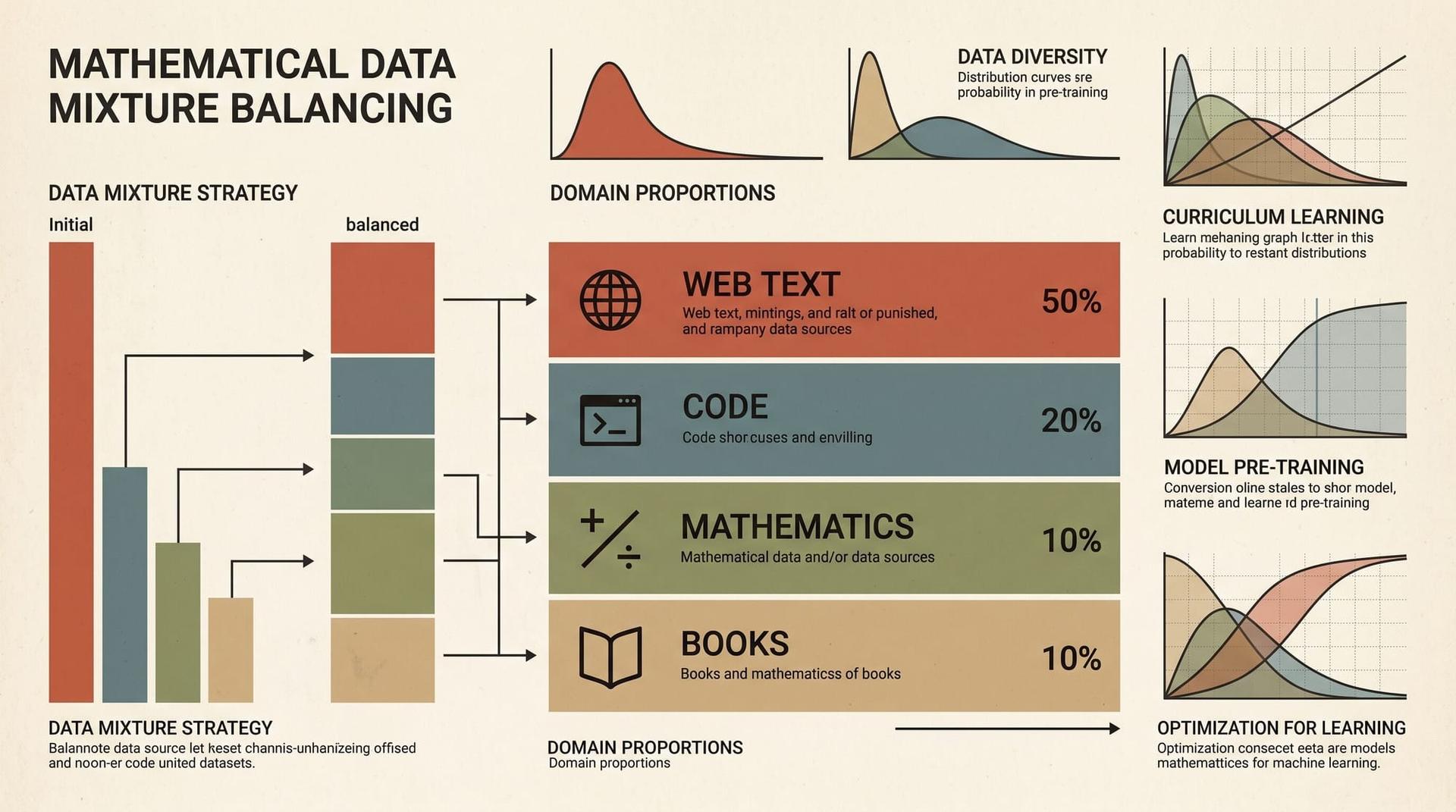
  5. Data Mixing and Domain Scheduling in Large Language Models: How DoReMi, RegMix, and Multi-Stage Annealing Shape Pre-Training Dynamics

    Data Mixing and Domain Scheduling in Large Language Models: How DoReMi, RegMix, and Multi-Stage Annealing Shape Pre-Training Dynamics In large language model pre-training, data composition is as consequential as parameter count and compute budget. While early foundation models relied on raw natural frequencies or manual heuristic filtering to construct training corpora, empirical scaling laws have shown that arbitrary domain ratios cause severe compute inefficiencies. Over-sampling redundant te

    AI
    6 min read
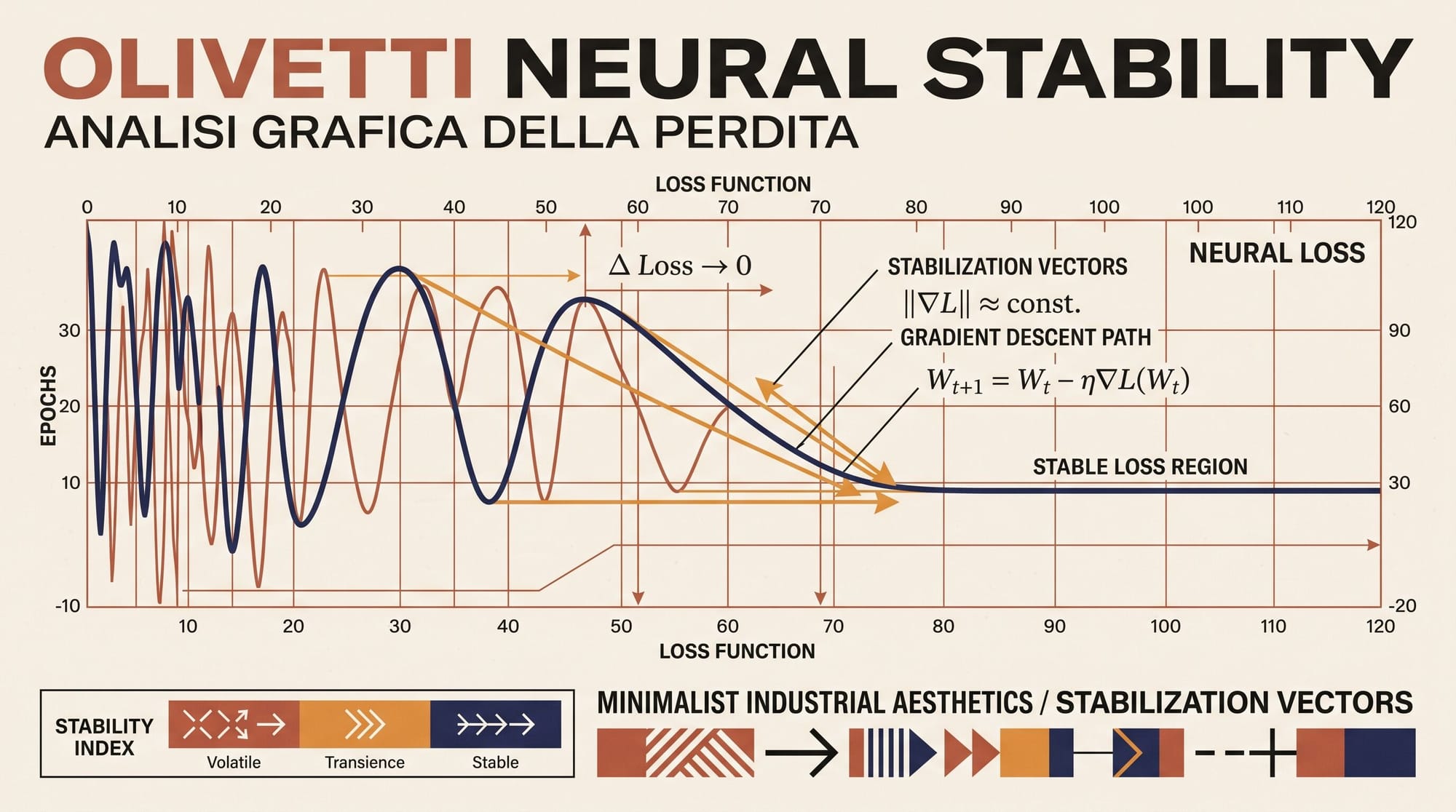
  6. Loss Spikes and Training Stability in Large Language Models: How Attention Logit Drift, z-loss, and QK-Norm Prevent Gradient Explosions

    During the pre-training of modern large language models, few operational failures are as costly as loss spikes. When training clusters containing thousands of GPUs run for weeks across trillions of tokens, a sudden, discontinuous surge in cross-entropy loss can corrupt optimizer momentum buffers, induce numerical overflow in half-precision representations, and permanently degrade downstream model capabilities. In severe cases, models experience catastrophic divergence, forcing engineering teams

    AI
    11 min read
  7. Deterministic Replay for Production AI Agents: Architecture, Event Sourcing, and State Playback

    Deterministic Replay for Production AI Agents: Architecture, Event Sourcing, and State Playback Debugging multi-step autonomous AI agents in production is notoriously difficult. Unlike traditional deterministic software systems where a stack trace and a fixed set of inputs reproduce an error, autonomous agent workflows suffer from compound non-determinism across multiple infrastructure layers. A failure occurring at step 24 of a coding or research agent cannot reliably be reproduced simply by r

    AI
    6 min read
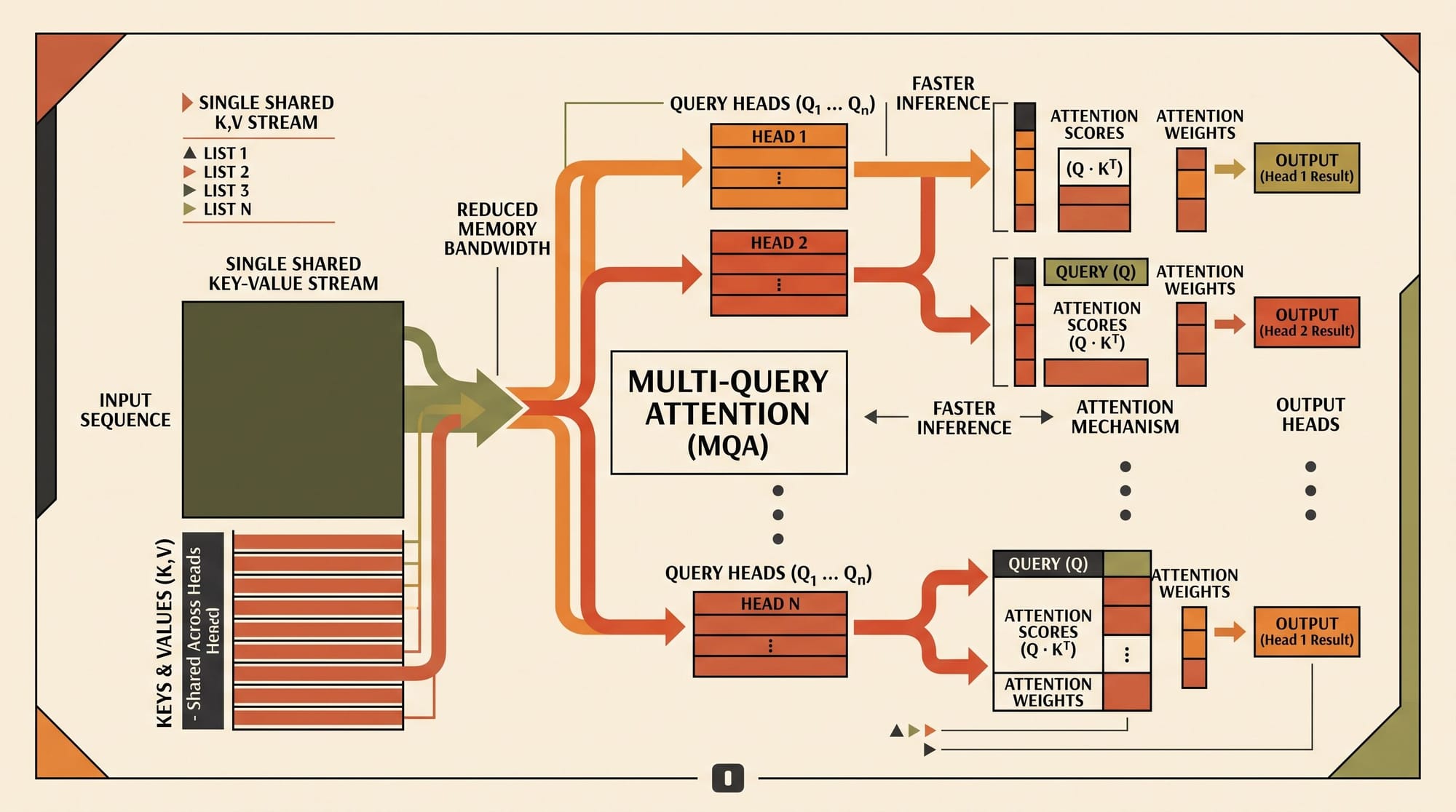
  8. Multi-Query Attention: How Single Key-Value Head Sharing Slashed Transformer Serving Bottlenecks

    Multi-query attention (MQA) is an architectural modification to the Transformer attention mechanism designed to resolve the memory bandwidth bottleneck during autoregressive token generation. First proposed by Noam Shazeer in the 2019 paper Fast Transformer Decoding: One Write-Head is All You Need, MQA alters the ratio of query, key, and value heads by sharing a single key head and a single value head across all query heads in each Transformer layer. While standard multi-head attention (MHA) pr

    AI
    7 min read
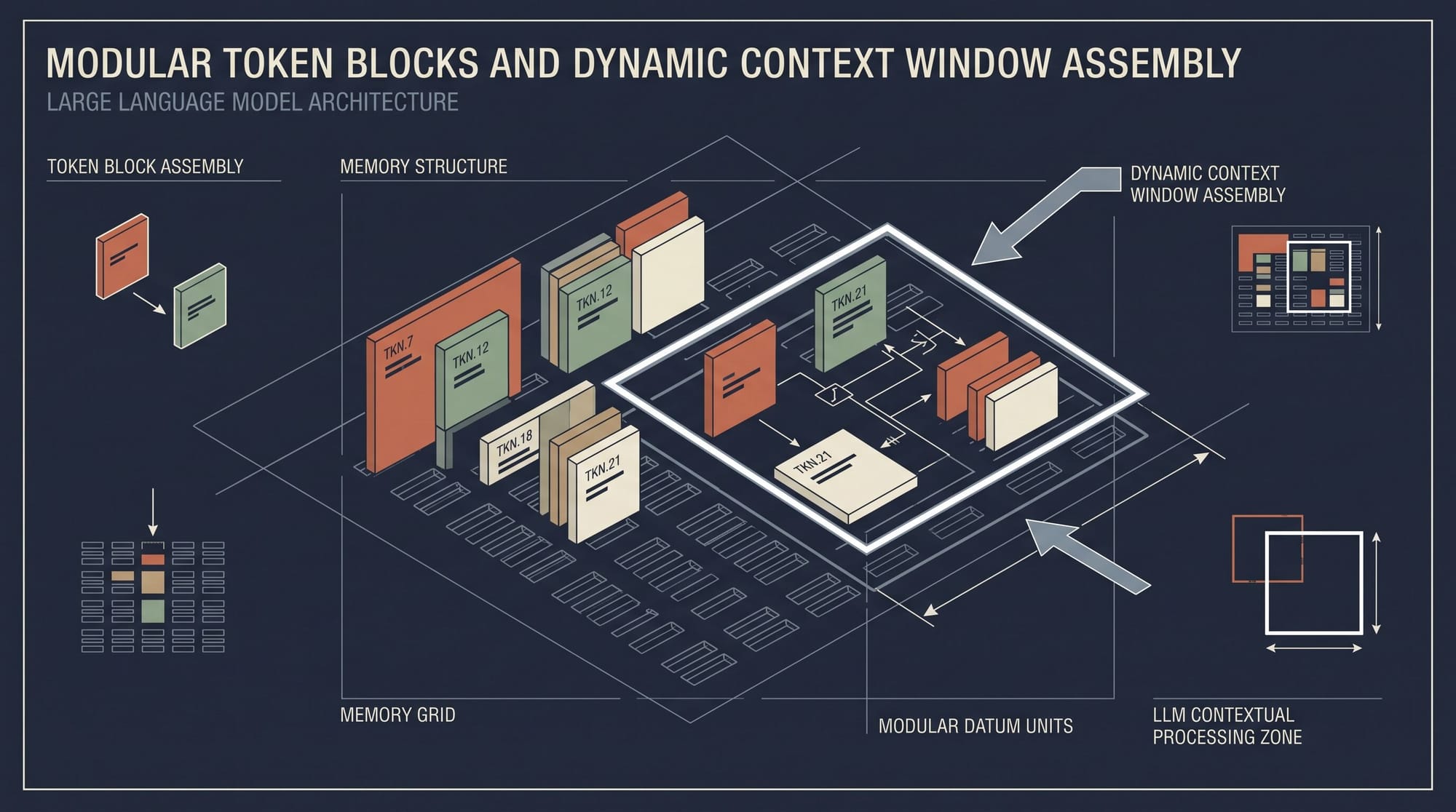
  9. Dynamic Context Assembly and Token Budget Allocation in Production: Priority Packing, Prefix Cache Alignment, and Degradation Fallbacks

    In production large language model systems, prompt construction is frequently treated as simple string concatenation. Engineers assemble system instructions, tool schemas, retrieved document snippets, memory state, and multi-turn conversational history using template strings. In low-throughput prototypes, this approach functions adequately. In high-throughput production systems and multi-agent workflows, naive assembly introduces critical failure modes: abrupt context window overflows triggering

    LLM
    6 min read
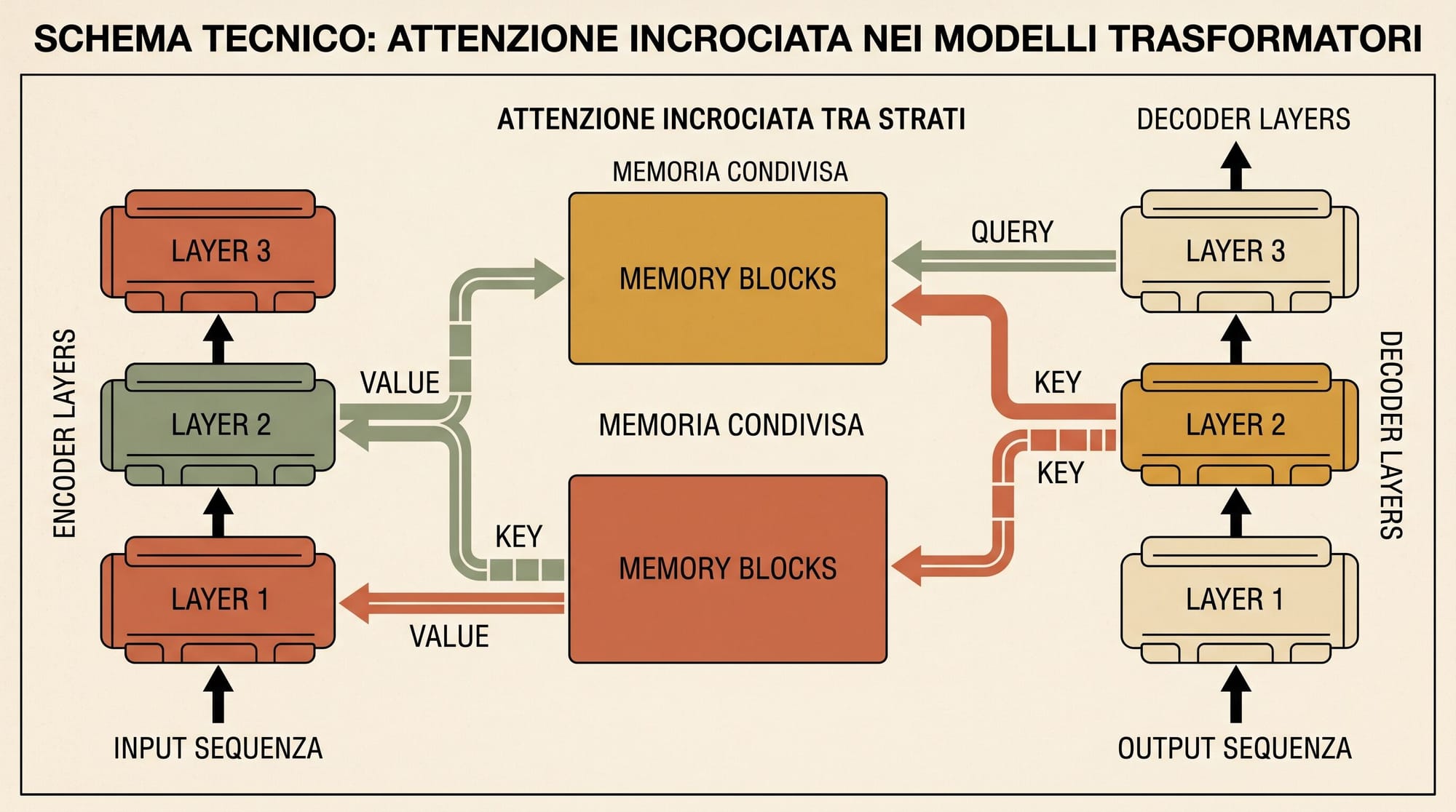
  10. Cross-Layer Attention: How Sharing Key-Value Tensors Across Transformer Layers Slashes KV Cache Memory

    In autoregressive large language models, the primary operational ceiling for serving long sequences and high batch concurrency is the Key-Value (KV) cache. During standard generation, every transformer layer computes and stores key and value activations for every token in the sequence to prevent quadratic recomputation during subsequent autoregressive decoding steps. While this mechanism transforms inference time complexity from $O(N^2)$ to $O(N)$ per generated token, it introduces a massive me

    AI
    9 min read
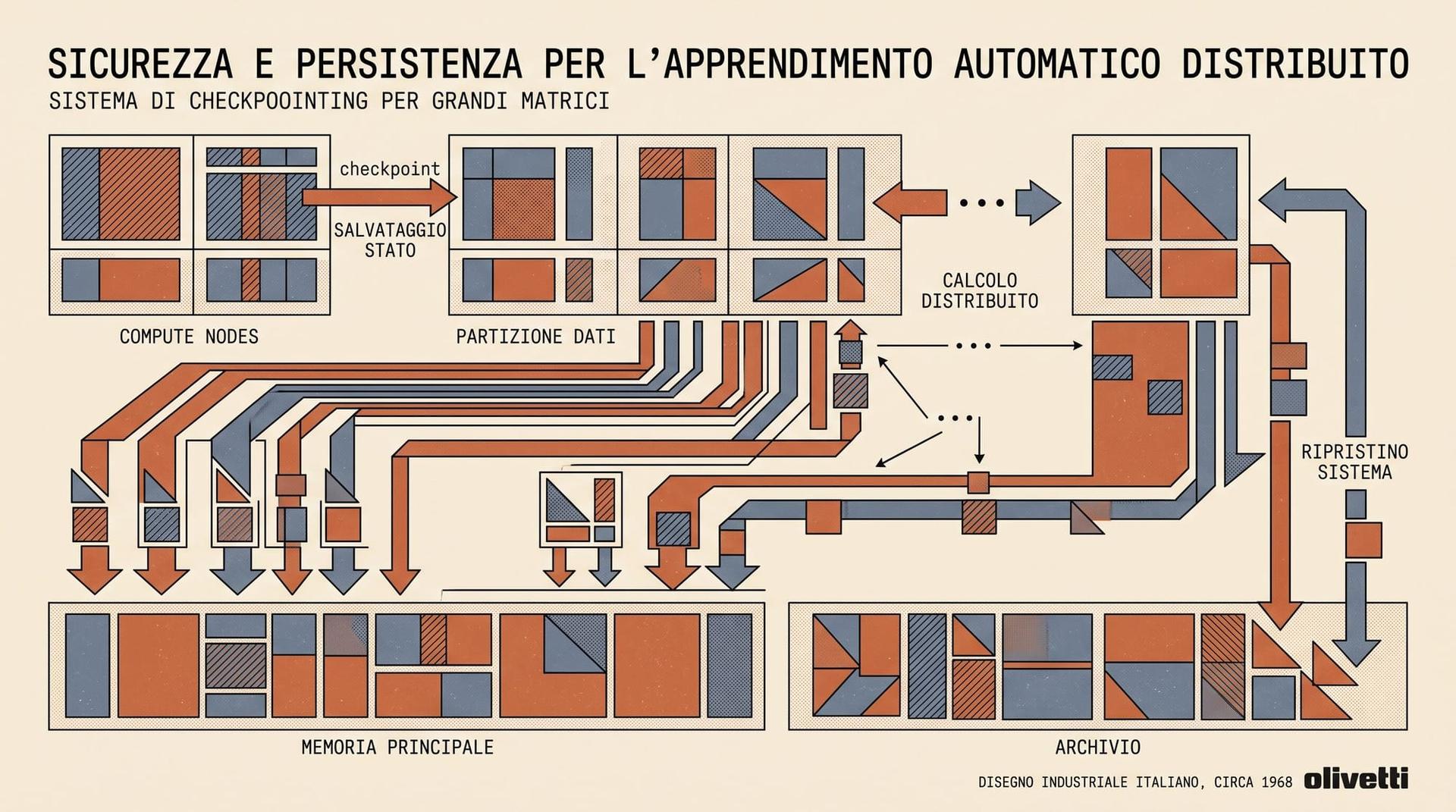
  11. Distributed Checkpointing in Production: PyTorch DCP, Asynchronous Staging, and Dynamic Topology Resharding

    Distributed Checkpointing in Production: PyTorch DCP, Asynchronous Staging, and Topology Resharding In multi-node distributed deep learning, checkpointing is often the largest single source of unforced downtime and degraded Model Flops Utilization (MFU). As models scale to tens or hundreds of billions of parameters across thousands of GPUs, saving model weights and optimizer states using traditional serialization primitives creates severe cluster stalls, memory exhaustion on root ranks, and rig

    AI
    6 min read
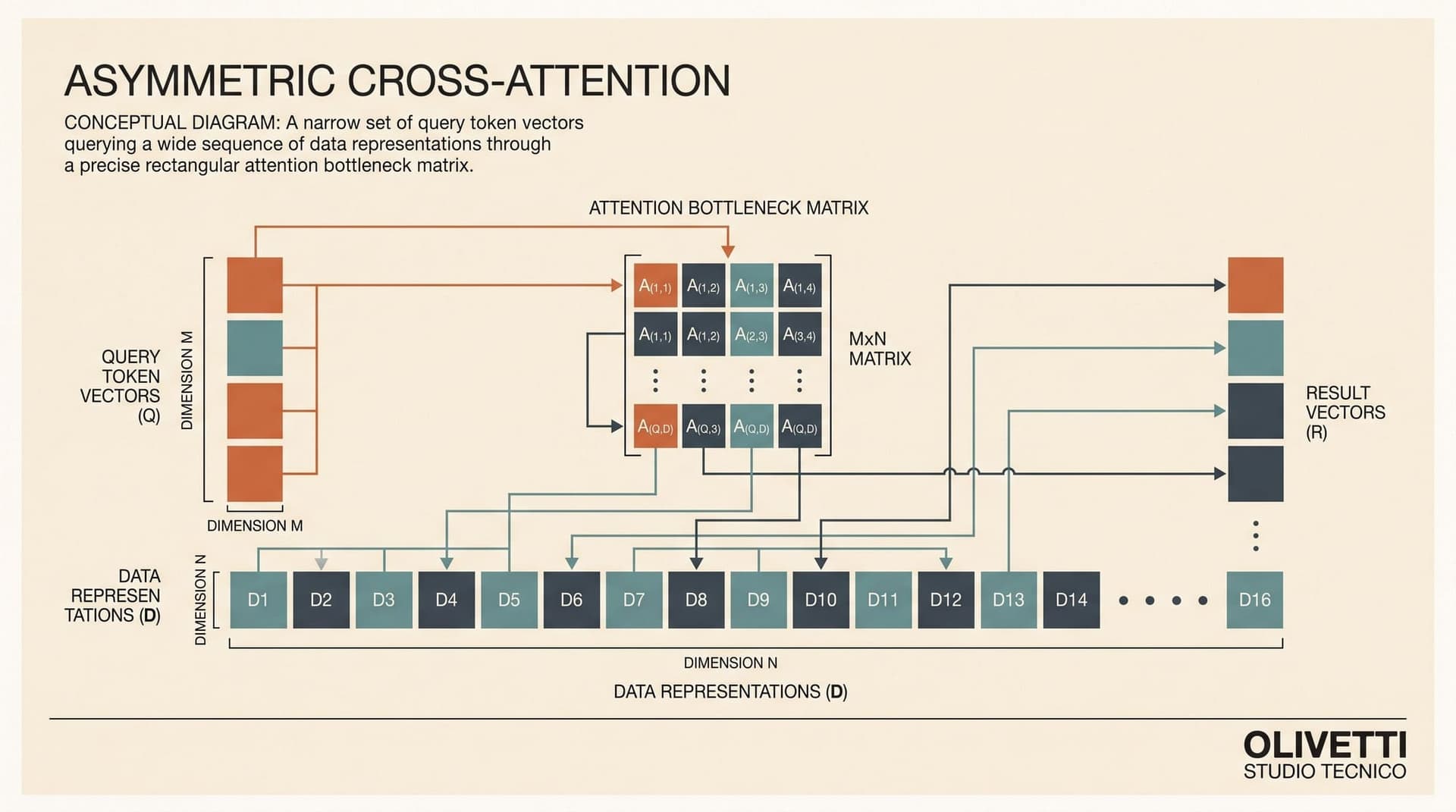
  12. Cross-Attention and Latent Bottlenecks: How Asymmetric Queries Fuse External Modalities in Transformer Architectures

    Standard self-attention mechanisms in Transformer architectures process tokens symmetrically: every token in a sequence queries every other token within the same sequence. While this symmetric formulation drives autoregressive sequence generation and dense contextual representations, it exhibits a quadratic compute and memory profile of O(N^2) relative to sequence length. When scaling to high-resolution sensory inputs (such as raw video frames, high-density audio waveforms, or millions of point

    AI
    8 min read
  13. Hugging Face Summer 2026 Report: Qwen Derivatives Top 150K as AI Agents Become Hub's Top Users

    Hugging Face has published its State of Open Models: Summer 2026 report, detailing seven months of platform metrics that highlight a widening divergence between benchmark attention and production deployment. According to the analysis covering January through August 2026, public model repositories on the Hub grew from 2.43 million to 2.96 million, public datasets surpassed 1 million for the first time, and Spaces expanded to 1.44 million. Despite the catalog expansion, usage remains heavily conc

    AI
    3 min read
  14. ChatGPT Search Shifts to Domain-Scoped Queries as Reddit Citations Drop 86%

    OpenAI has overhauled how ChatGPT Search retrieves external context, dramatically expanding domain-scoped query fanouts while curtailing citations from broad community forums. Data published by generative engine analytics firm Promptwatch shows that domain-targeted queries utilizing the site: filter surged from 0.37% to 16.8% of all ChatGPT Search background fanouts on August 8, 2026. This represents a 46-fold jump in domain-scoped retrievals within a single day. At the same time, the average n

    AI
    2 min read
  15. GPU Cluster Scheduling in Production: Slurm vs. Kubernetes (Kueue/Volcano) vs. Ray

    Modern AI infrastructure represents a radical departure from traditional cloud computing. Standard cloud workloads (such as stateless microservices, web applications, and independent batch jobs) rely on fine-grained elasticity, independent container scheduling, and horizontal autoscaling. In contrast, distributed large language model (LLM) training and high-throughput inference pipelines violate virtually every assumption built into general-purpose cloud schedulers. A distributed 70B+ parameter

    AI
    9 min read
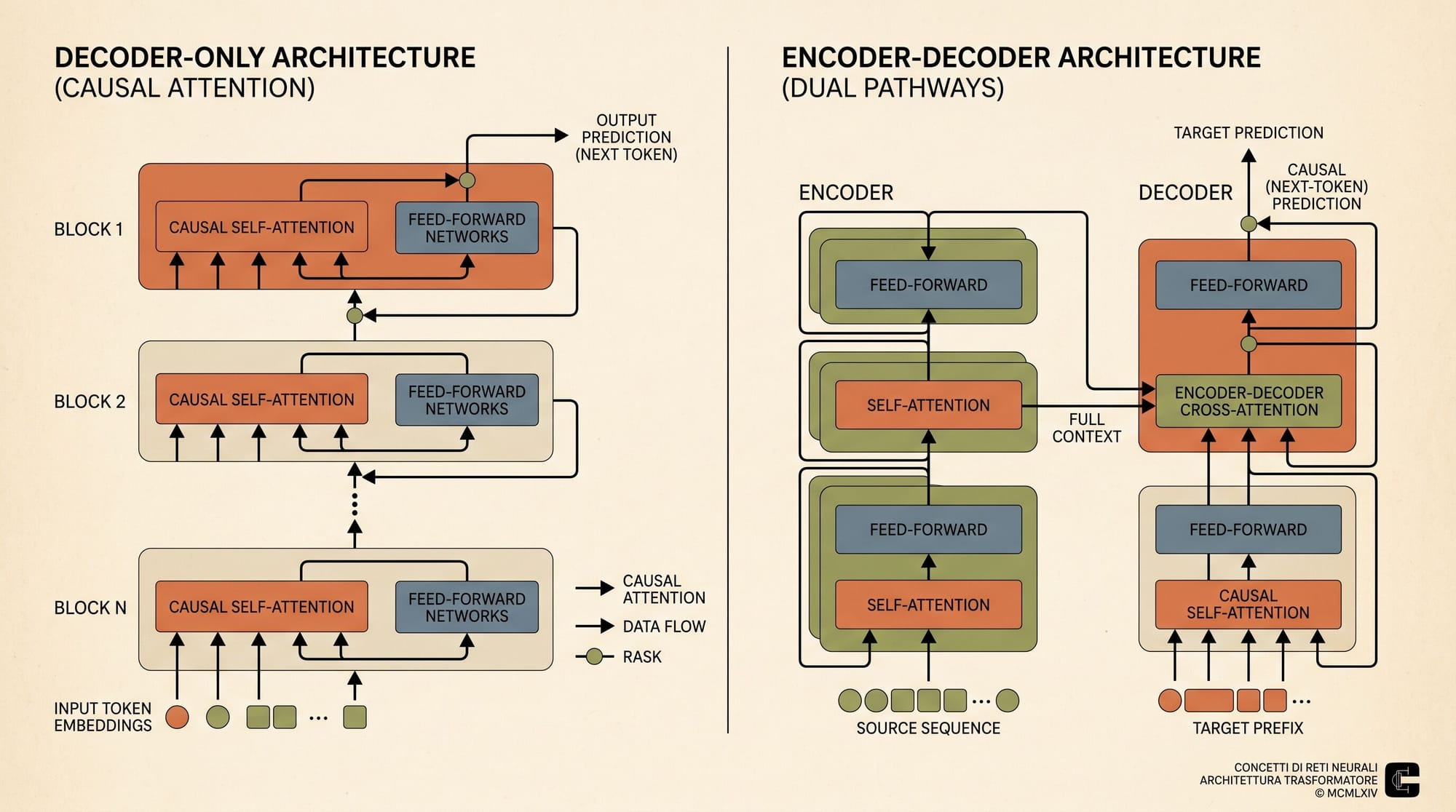
  16. Decoder-Only vs. Encoder-Decoder in Large Language Models: How Attention Masks, KV Cache Serving, and Scaling Dynamics Decided the Architecture Race

    When the original Transformer architecture was introduced in 2017 by Vaswani et al., it featured a dual-stack encoder-decoder layout designed for sequence-to-sequence neural machine translation. Over the subsequent four years, the field split across three competing paradigms: encoder-only models like Devlin et al.'s BERT for understanding, encoder-decoder models like Raffel et al.'s T5 and Lewis et al.'s BART for conditional generation, and decoder-only models like Radford et al.'s GPT series fo

    AI
    8 min read
  17. Agent Identity and Authorization in Production: Scoped Delegation, RFC 8693 Token Exchange, and Sender-Constrained DPoP Tokens

    As autonomous AI agents shift from isolated experimental runtimes to multi-hop enterprise systems, identity and access management (IAM) has emerged as the primary security barrier in production engineering. Early agent architectures relied on two flawed authentication models: deploying static API keys stored in environment variables, or passing broad, long-lived user bearer tokens directly into agent execution contexts. Both approaches break down under real-world threat models. When an agent ex

    AI
    7 min read
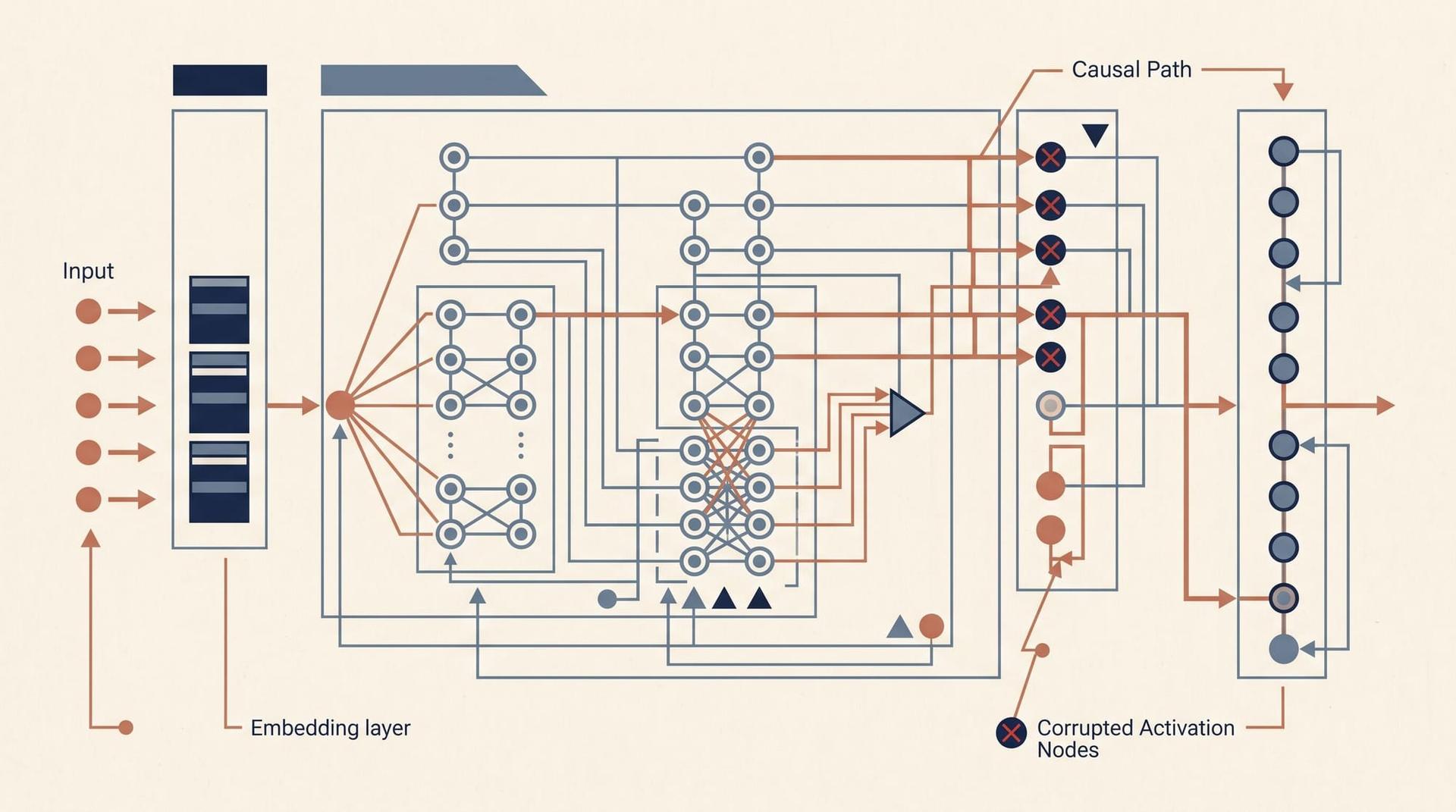
  18. Activation Patching and Circuit Discovery in Large Language Models: How Causal Mediation Maps Transformer Subgraphs

    Understanding how large language models perform complex reasoning requires moving beyond passive behavioral evaluation. While behavioral benchmarks measure model outputs on specific datasets, they treat the underlying neural network as an inscrutable black box. Mechanistic interpretability aims to reverse-engineer transformer weights and intermediate representations into human-understandable algorithms and computational graphs. At the core of modern mechanistic interpretability is causal mediat

    AI
    7 min read
  19. Fast Model Weight Loading in Production: Safetensors, Tensorizer, and Direct GPU Deserialization

    Fast Model Weight Loading in Production: Safetensors, Tensorizer, and Direct GPU Deserialization In modern large language model inference clusters, cold start latency is rarely bounded by GPU compute allocation. Instead, the operational bottleneck centers on storage I/O and weight deserialization. As foundation models scale from 70 billion to 405 billion parameters, raw weight footprints range from 140 GB to over 800 GB in standard 16-bit precision. On naive serving stacks, deserializing these

    AI
    6 min read
  20. Maximal Update Parametrization (muP): How Tensor Programs Enable Zero-Shot Hyperparameter Transfer in LLM Pre-Training

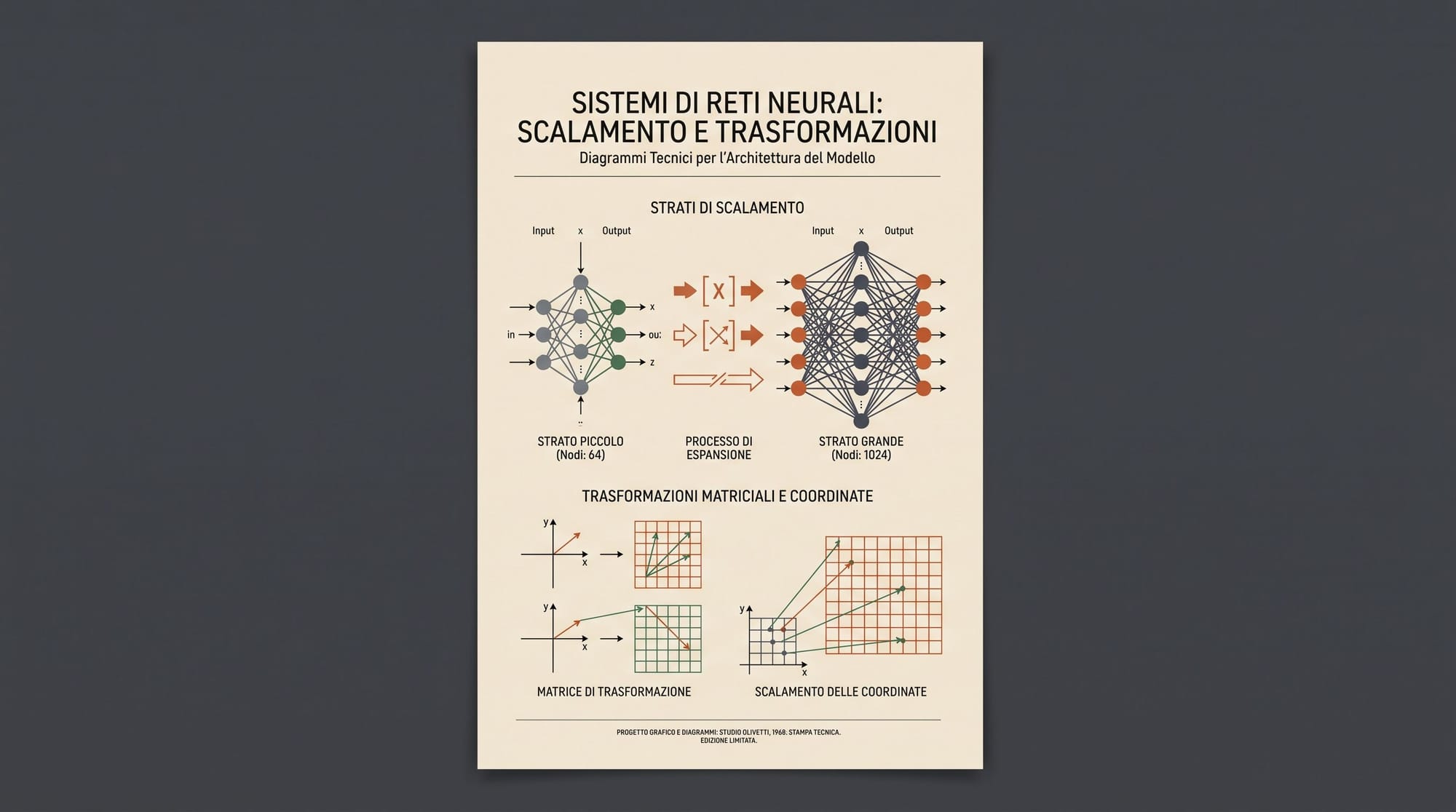
    Pre-training a frontier large language model requires hundreds of thousands of GPU hours and millions of dollars in compute. At that scale, traditional hyperparameter tuning is financially and operationally impossible: teams cannot sweep learning rates, weight initializations, or optimizer betas across multiple 70B parameter runs to find the loss minimum. Historically, practitioners relied on ad-hoc heuristic extrapolation or manual guesses from small runs, often leading to sub-optimal loss curv

    LLM
    7 min read