Subscribe
Topic / page 6

Infrastructure

Articles, page 6

101-120
  1. Inside Ulanqab: How Inner Mongolia Became the 12.5GW Epicenter of China's AI Data Center Boom

    Located approximately 350 kilometers northwest of Beijing, the grassland municipality of Ulanqab in Inner Mongolia has transformed into China's primary hub for artificial intelligence compute infrastructure. Historically recognized for agriculture and mineral extraction, the city now hosts nearly 100 enterprise data centers operating or under active construction, with technology firms pledging an aggregate capacity of 12.5 gigawatts (GW). According to a research note published by Goldman Sachs,

    Infrastructure
    3 min read
  2. Geo-Distributed LLM Inference in Production: Cross-Region Routing, Wide-Area KV Cache Dynamics, and Data Residency Architecture

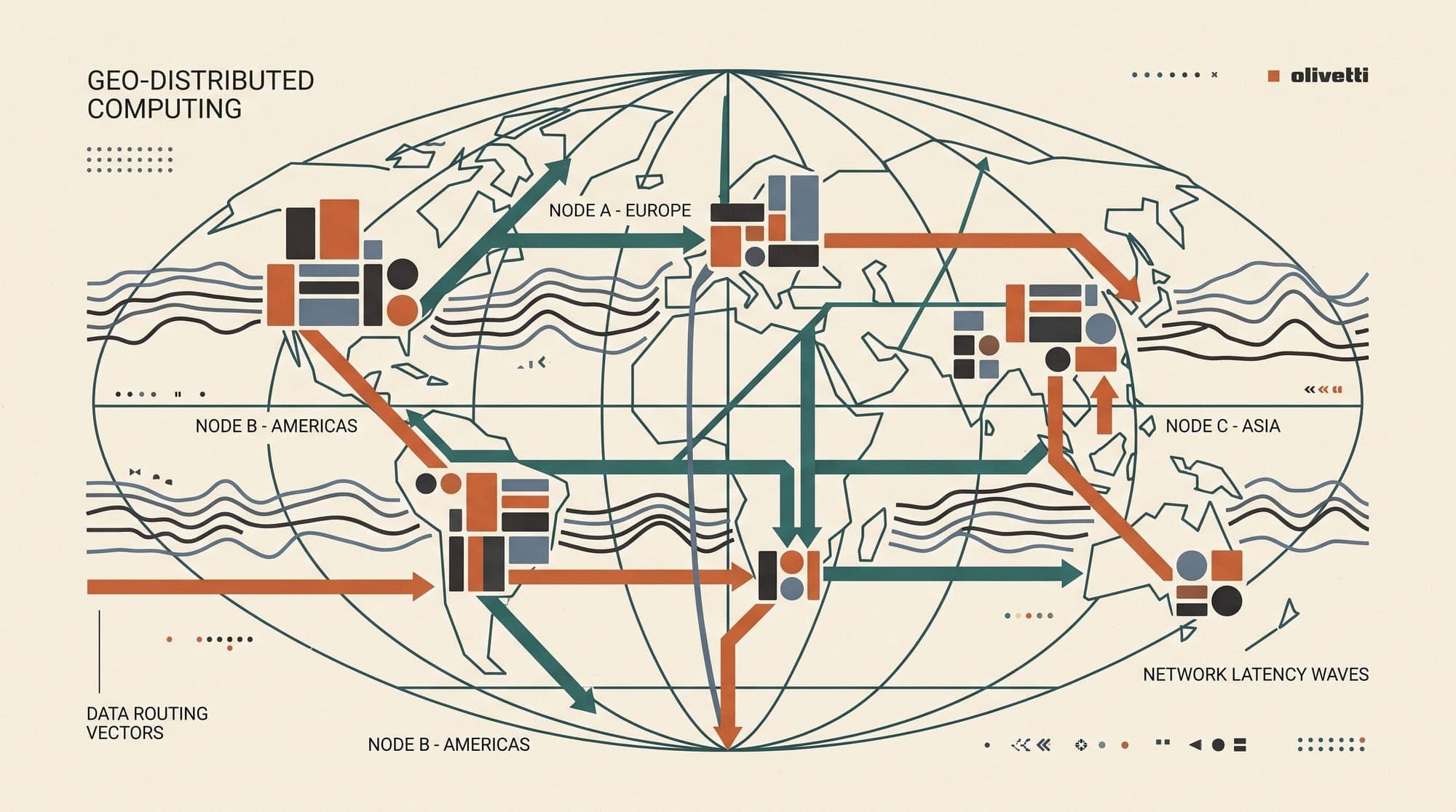
    Serving large language models at enterprise scale quickly encounters geographic constraints. When users, microservices, and autonomous agents are distributed across North America, Europe, and Asia-Pacific, routing all traffic to a single centralized GPU cluster introduces significant wide-area network (WAN) round-trip times (RTT). An interactive request from Singapore to a US-East data center carries 180ms to 240ms of baseline network latency before the GPU executes a single token. However, dis

    AI
    7 min read
  3. Semantic Drift and Data Distribution Monitoring in Production LLM Systems: Embedding Shift Detection, Output Entropy Tracking, and Quality Decay Metrics

    Semantic Drift and Data Distribution Monitoring in Production LLM Systems: Embedding Shift Detection, Output Entropy Tracking, and Quality Decay Metrics Large language model applications rarely fail with loud runtime crashes once deployed. Instead, production systems suffer from silent performance decay caused by data distribution shifts. User queries evolve, real-world domain vocabularies change, retrieval corpora expand, and upstream model providers quietly alter model weights or system promp

    AI
    7 min read
  4. LLM Text Watermarking in Production: Statistical Logit Biasing, Cryptographic Signatures, and Evasion Vectors

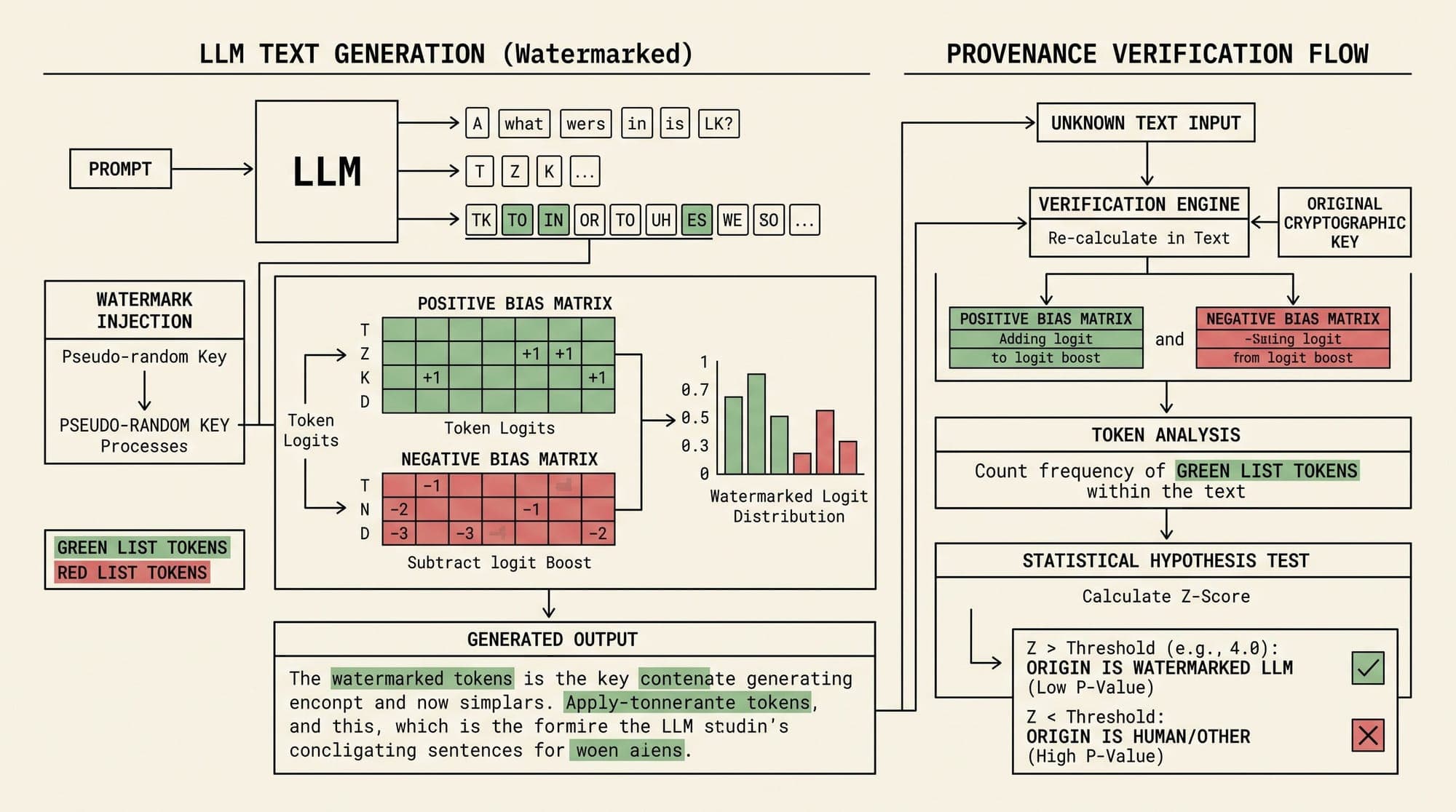
    As regulatory frameworks such as Article 50 of the EU AI Act enforce machine-generated content provenance, text watermarking has transitioned from academic theory to a core component of production LLM serving stacks. Unlike post-hoc classifiers that evaluate perplexity or burstiness and suffer from high false-positive rates on formal or non-native writing, generation-time watermarks embed imperceptible statistical or cryptographic signals directly into the token sampling process. For how those

    AI
    5 min read
  5. Serverless GPU Inference in Production: Cold Starts, GPU Memory Snapshotting, and Weight Paging Architectures

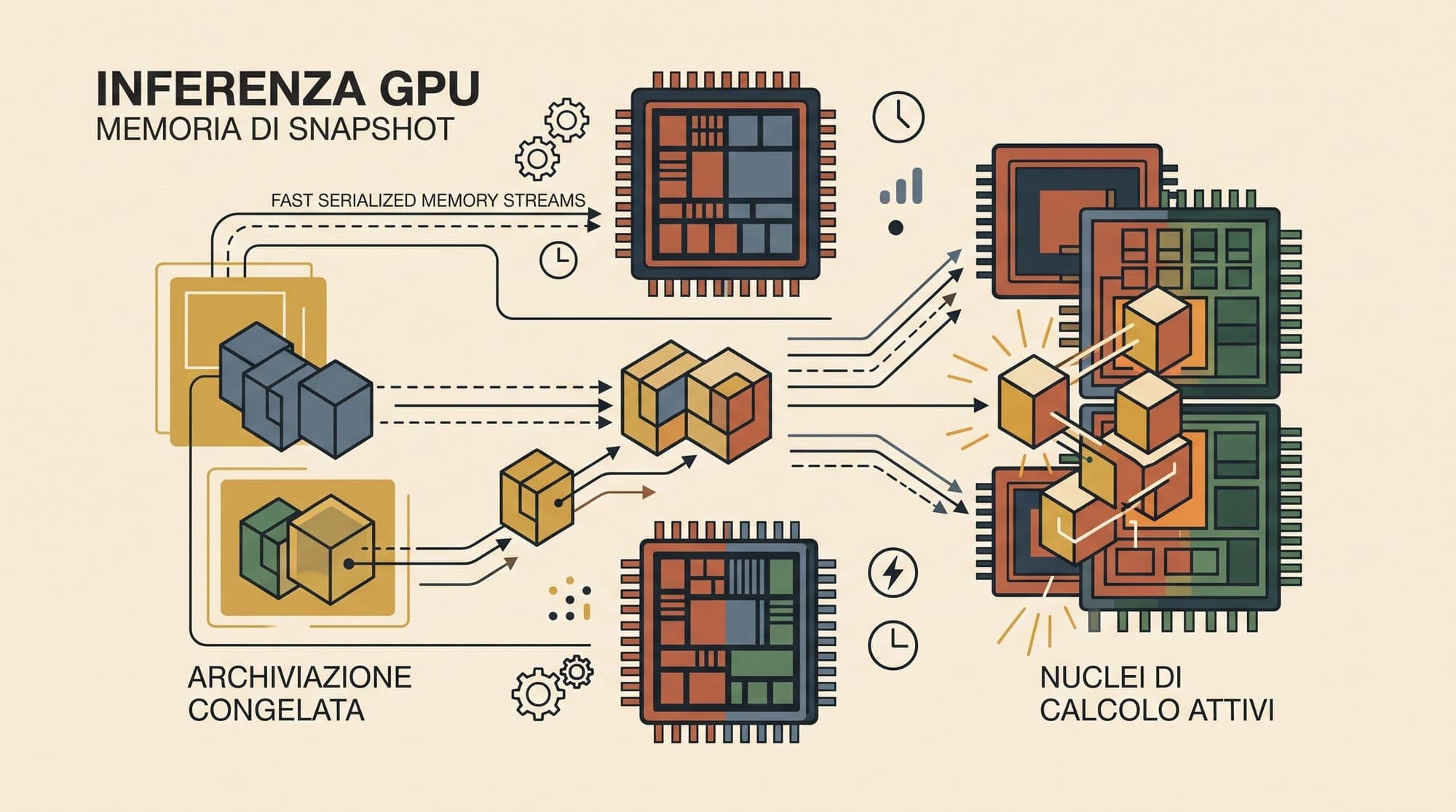
    Serverless GPU Inference in Production: Cold Starts, GPU Memory Snapshotting, and Weight Paging Architectures Deploying large language models on dedicated cloud GPUs creates an uncomfortable financial trade-off: keeping enterprise accelerators such as NVIDIA H100s or A100s warm 24/7 costs thousands of dollars per instance each month, yet scaling instances to zero introduces severe latency penalties. When traffic arrives at a dormant node, a standard inference server cold start can take anywhere

    Infrastructure
    7 min read
  6. Anthropic Bankers Pitch $100B+ Capital Raise at $2T Valuation Ahead of Historic IPO

    Investment banks underwriting Anthropic's planned initial public offering have initiated preliminary discussions with institutional investors and sovereign wealth funds, outlining a potential capital raise exceeding $100 billion at a valuation of up to $2 trillion, according to reporting from The New York Times. If executed at those terms, the flotation would represent the largest public market debut in history, surpassing both Saudi Aramco's $29.4 billion raise in 2019 and SpaceX's $75 billion

    Anthropic
    2 min read
  7. Amazon Hikes Hardware Prices Across Echo, Fire TV, Kindle, and Eero Over AI-Driven Memory Costs

    Amazon has quietly increased retail prices across its first-party consumer hardware lines, raising MSRPs on Echo smart speakers, Fire TV streaming devices, Kindle e-readers, and Eero mesh networking systems to offset rising component costs for memory and storage. The price adjustments reflect how the enterprise artificial intelligence infrastructure buildout is impacting consumer electronics supply chains. Surging hyperscaler demand for high-bandwidth memory (HBM3e and HBM4) alongside high-dens

    Hardware
    2 min read
  8. Anthropic IPO Filing to Cite AI Backlash and Data Center Resistance as Material Risk Factors

    Anthropic is preparing to disclose public backlash against artificial intelligence and community opposition to data center construction as material risk factors in its upcoming initial public offering prospectus, according to reports from CNBC. The San Francisco-based AI laboratory, which recently crossed a $65 billion annualized revenue run rate and is valued near $1 trillion in private transactions, is drafting the S-1 registration statement as it conducts preliminary investor meetings. The d

    AI
    2 min read
  9. Chinese NAND Flash Maker YMTC Files for $4.9B Shanghai STAR Market IPO

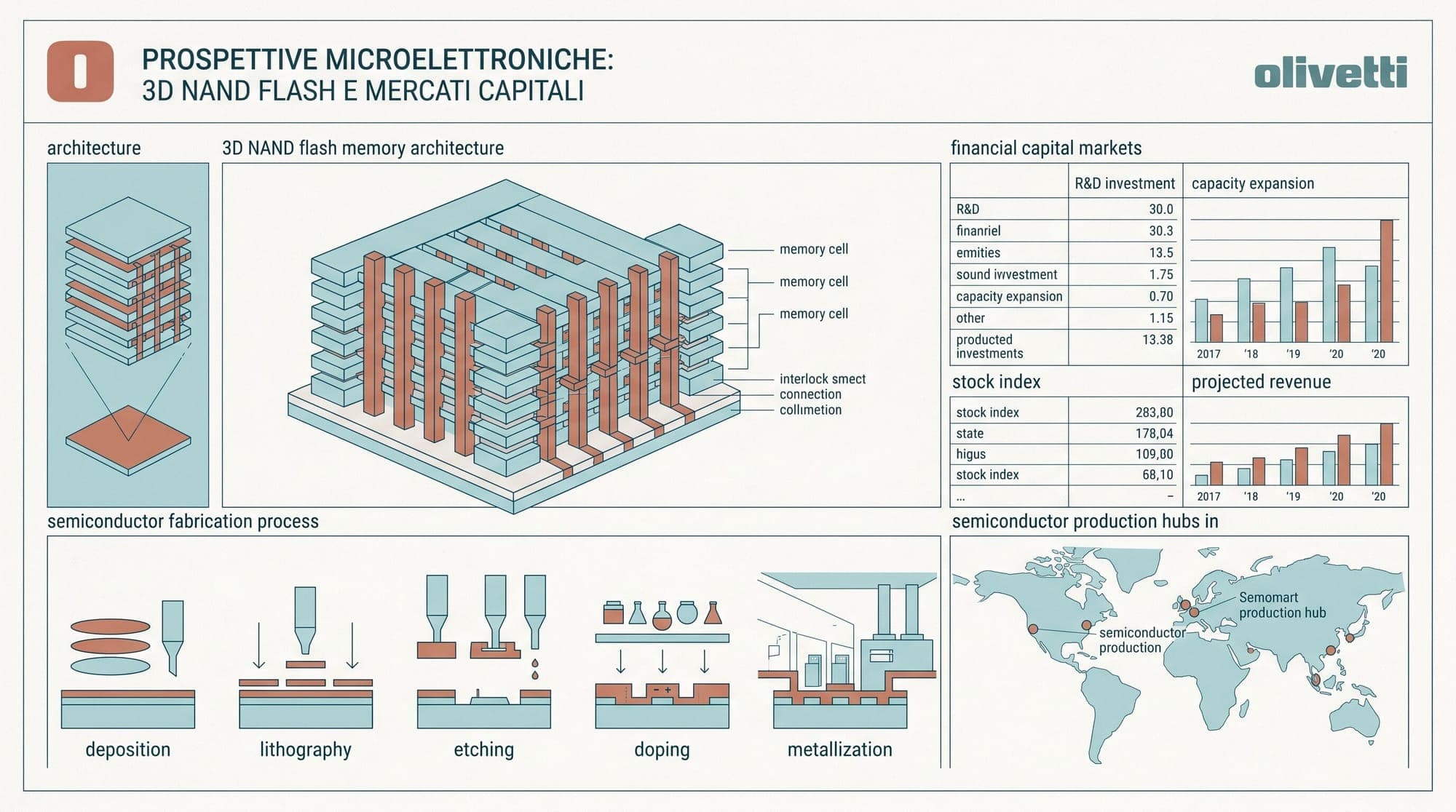
    The Shanghai Stock Exchange has accepted the listing application for Yangtze Memory Technologies Corp (YMTC) and parent entity CCSH Corporation, setting up a 33 billion yuan ($4.9 billion) initial public offering on China's science and technology-focused STAR Market. The offering marks the third-largest float in the history of the STAR Market, trailing only foundry Semiconductor Manufacturing International Corporation (SMIC) and DRAM manufacturer ChangXin Memory Technologies (CXMT). Offering

    Hardware
    1 min read
  10. US Public Opposition to Local AI Data Centers Surges to 75%, Heatmap Survey Finds

    Public opposition to local data center construction in the United States has accelerated sharply over the past twelve months, according to a survey conducted by Heatmap News and Embold Research. The nationwide survey found that 75 percent of American adults now oppose the development of a data center facility near their community, with 61 percent reporting they are strongly opposed. The shift marks a substantial reversal from August 2025, when public sentiment was evenly divided at 43 percent i

    News
    2 min read
  11. Nscale Targets $3 Billion U.S. IPO as Soon as September

    Nscale Targets $3 Billion U.S. IPO as Soon as September Nscale signage during the Nvidia GTC conference in San Jose, California. London-based AI infrastructure startup Nscale is preparing for a U.S. initial public offering that could raise up to $3 billion, according to people familiar with the matter. The offering may launch as early as September, joining a wave of AI data center companies tapping public markets. Goldman Sachs and JPMorgan Chase are leading the IPO process, Bloomberg reporte

    AI
    2 min read
  12. Post-Training RL Frameworks in Production: Comparing verl, OpenRLHF, TRL, and DeepSpeed-Chat Architecture, Distributed Scheduling, and Serving Trade-Offs

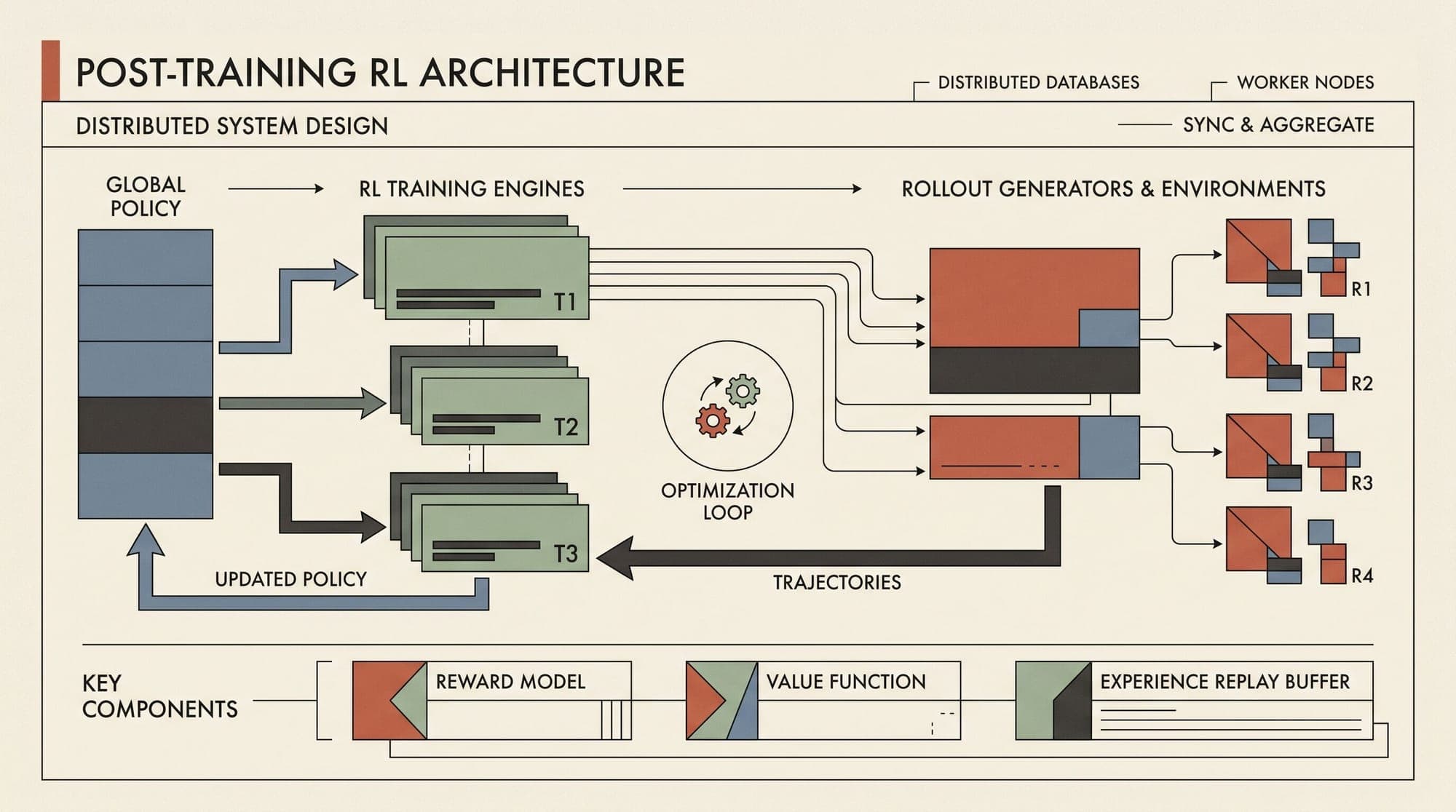
    Post-training reinforcement learning (RL) has replaced standard supervised fine-tuning (SFT) as the primary mechanism for frontier model alignment and reasoning expansion. Whether running classic Proximal Policy Optimization (PPO), Direct Preference Optimization (DPO), Group Relative Policy Optimization (GRPO), or Reinforcement Learning with Verifiable Rewards (RLVR), modern post-training pipelines introduce an execution pattern distinct from standard pre-training: they alternate between high-th

    AI
    8 min read
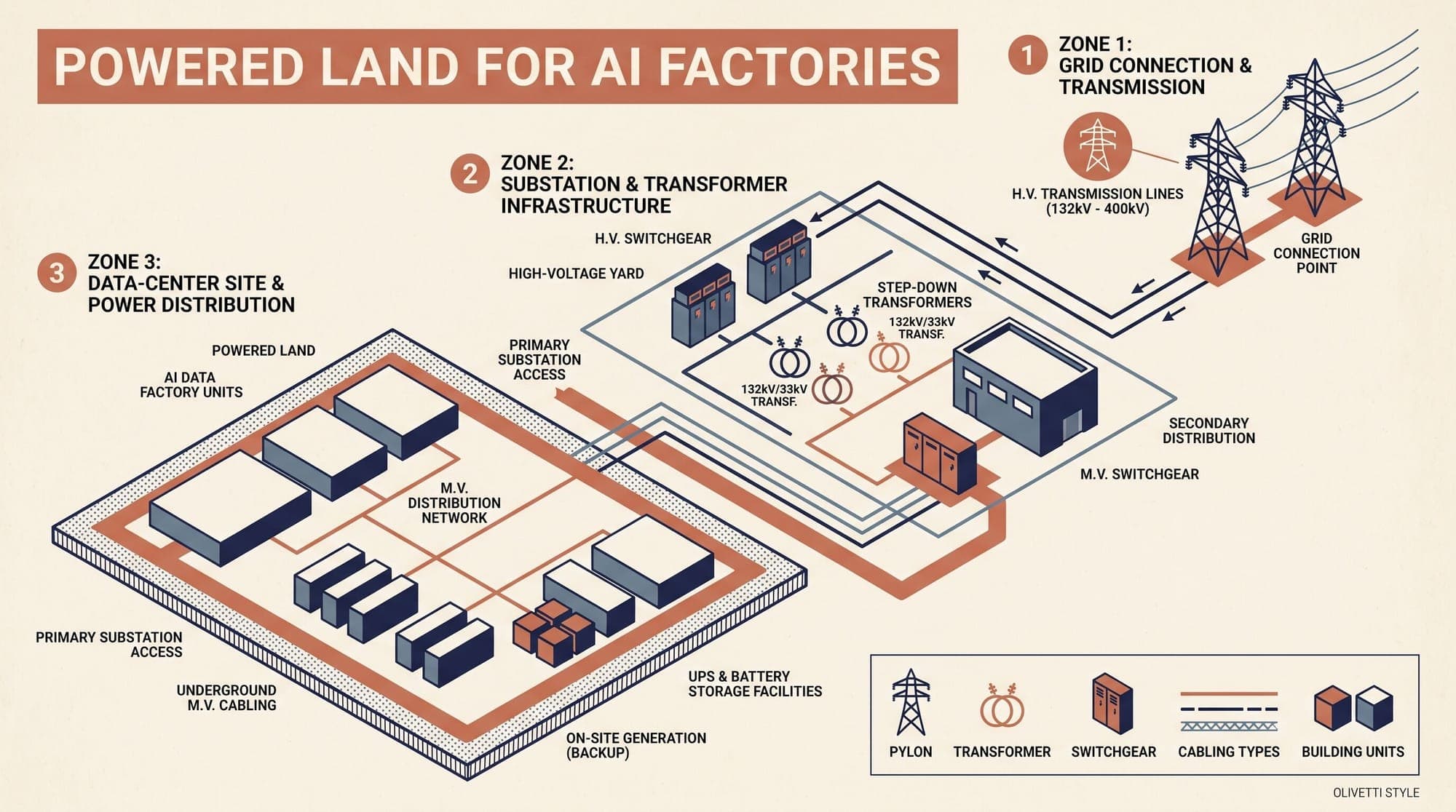
  13. NVIDIA Takes Minority Stake in Cloverleaf Infrastructure to Accelerate AI Factory Site Development

    NVIDIA has taken a minority stake in Cloverleaf Infrastructure, a Houston-based developer of powered data-center sites, as part of a strategic partnership to accelerate the build-out of so-called AI factories. The companies did not disclose the size of the investment or its financial terms. Cloverleaf occupies the powered-land layer of the data-center supply chain. It identifies and prepares sites with grid-connected power, then delivers shovel-ready locations to infrastructure builders and ope

    AI
    2 min read
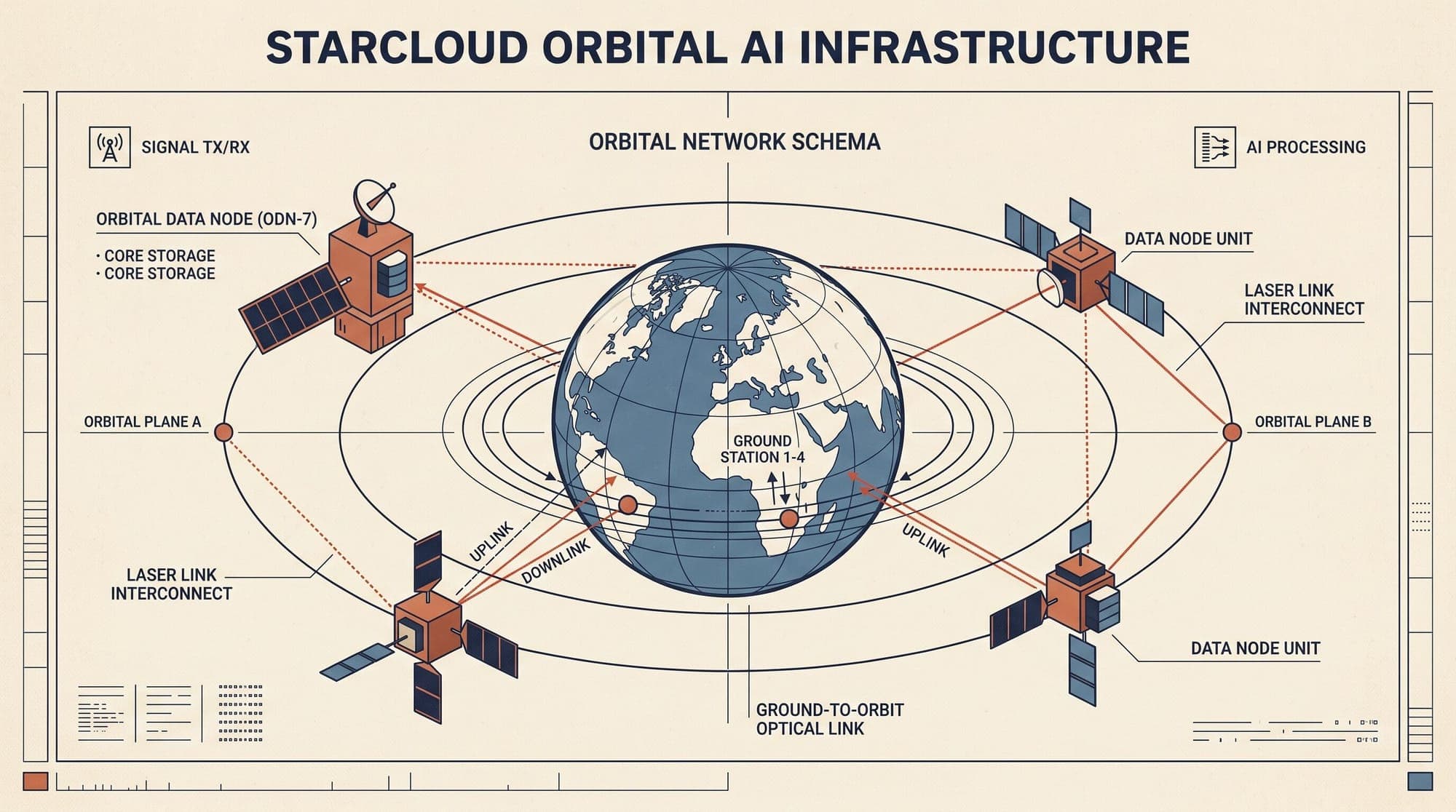
  14. Starcloud Raises $250M Series A Extension at $2.3B Valuation for Orbital AI Data Centers

    Orbital compute startup Starcloud has closed a $250 million Series A extension at a $2.3 billion post-money valuation, more than doubling its valuation from March 2026. The round brings the company's total funding to $450 million since its founding in 2024. The extension was led by Manhattan West, with partner Lauren Selig joining as a board observer. Participating investors include existing backers Benchmark, EQT, Soma, NFX, and 776, alongside new strategic investments from NVIDIA, Cisco Inves

    AI
    2 min read
  15. US Corporate AI Debt Surge Tests Investor Limits as Hyperscalers Issue $220B in 2026 Bonds

    The unprecedented capital requirements of frontier artificial intelligence infrastructure have triggered a record borrowing spree among US technology hyperscalers, testing the absorptive capacity of institutional credit markets. Total corporate debt issuance tied to AI hyperscalers has surpassed $220 billion in 2026 according to data from BNP Paribas, representing an eighteen-fold increase compared to the $12.5 billion issued during the same period in 2025. As mega-cap technology firms repeated

    AI
    2 min read
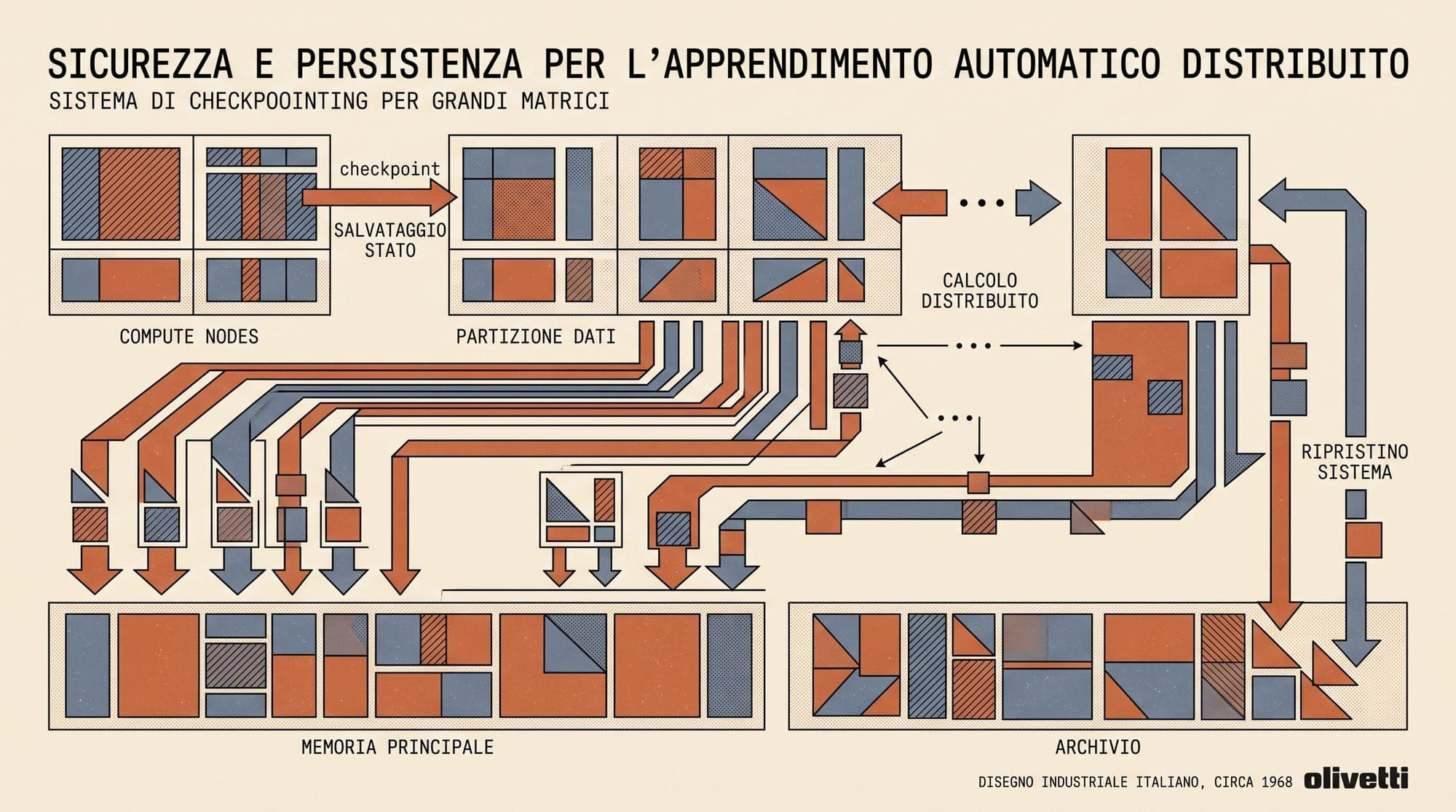
  16. Distributed Checkpointing in Production: PyTorch DCP, Asynchronous Staging, and Dynamic Topology Resharding

    Distributed Checkpointing in Production: PyTorch DCP, Asynchronous Staging, and Topology Resharding In multi-node distributed deep learning, checkpointing is often the largest single source of unforced downtime and degraded Model Flops Utilization (MFU). As models scale to tens or hundreds of billions of parameters across thousands of GPUs, saving model weights and optimizer states using traditional serialization primitives creates severe cluster stalls, memory exhaustion on root ranks, and rig

    AI
    6 min read
  17. GPU Cluster Scheduling in Production: Slurm vs. Kubernetes (Kueue/Volcano) vs. Ray

    Modern AI infrastructure represents a radical departure from traditional cloud computing. Standard cloud workloads (such as stateless microservices, web applications, and independent batch jobs) rely on fine-grained elasticity, independent container scheduling, and horizontal autoscaling. In contrast, distributed large language model (LLM) training and high-throughput inference pipelines violate virtually every assumption built into general-purpose cloud schedulers. A distributed 70B+ parameter

    AI
    9 min read
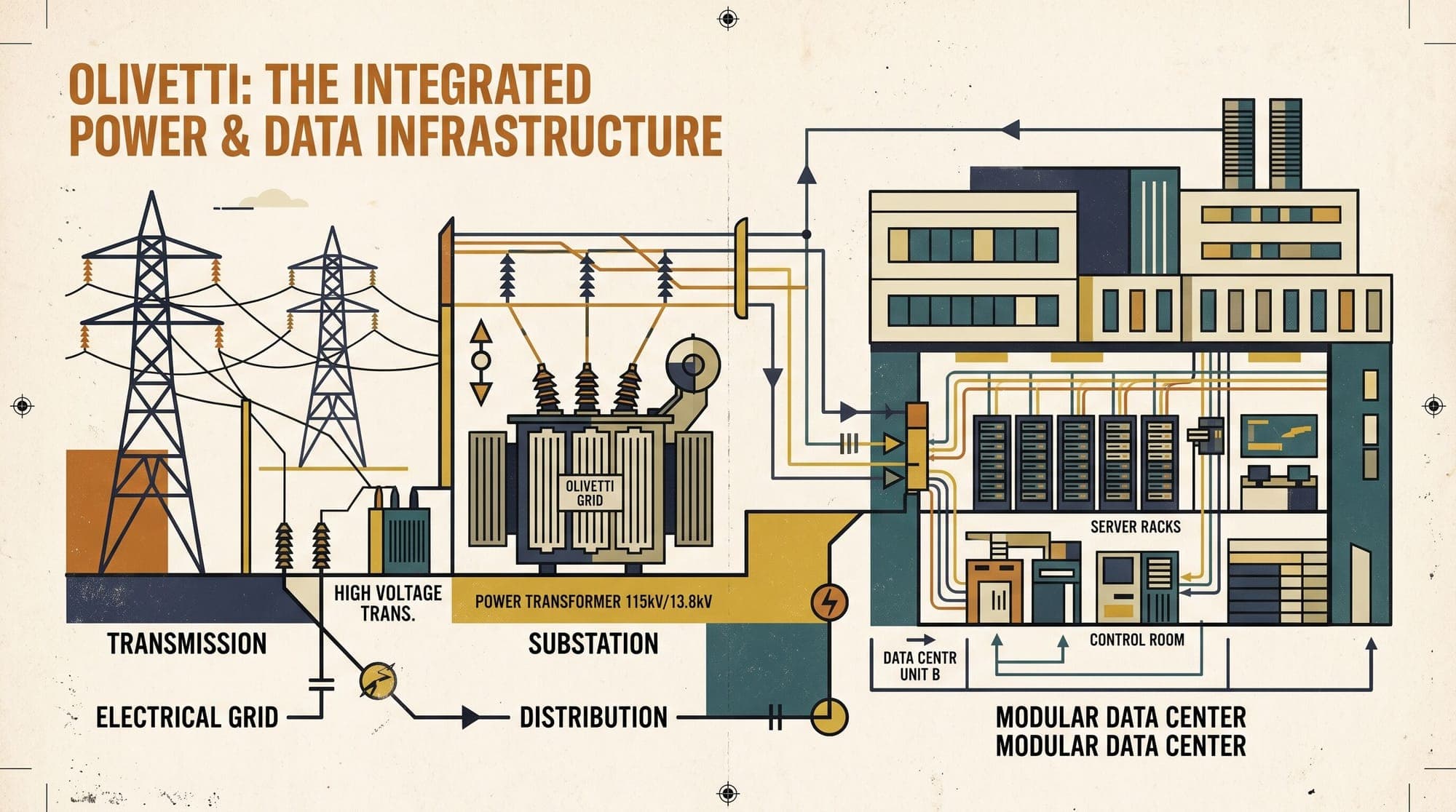
  18. TVA Board Approves Dedicated Data Center Rate Class to Shield Households from AI Compute Costs

    The Board of Directors of the Tennessee Valley Authority (TVA) voted on August 20, 2026, to establish a dedicated wholesale rate class for large data centers. The tariff restructuring is designed to insulate residential consumers and small commercial businesses from the escalating capital expenditures required to expand the power grid for artificial intelligence workloads. Approved during the board's quarterly meeting in Memphis, Tennessee, the package introduces targeted tariffs for facilities

    Infrastructure
    3 min read
  19. Fast Model Weight Loading in Production: Safetensors, Tensorizer, and Direct GPU Deserialization

    Fast Model Weight Loading in Production: Safetensors, Tensorizer, and Direct GPU Deserialization In modern large language model inference clusters, cold start latency is rarely bounded by GPU compute allocation. Instead, the operational bottleneck centers on storage I/O and weight deserialization. As foundation models scale from 70 billion to 405 billion parameters, raw weight footprints range from 140 GB to over 800 GB in standard 16-bit precision. On naive serving stacks, deserializing these

    AI
    6 min read
  20. Pre-Training Data Curation at Trillion-Token Scale: Comparing Datatrove, NeMo Curator, and Data-Juicer 2.0

    Preparing multi-trillion-token corpora for foundation model pre-training has become one of the most resource-intensive infrastructure challenges in modern artificial intelligence. While distributed training frameworks like Megatron-LM and TorchTitan have standardized model parallelism across GPU clusters, the upstream data engineering stack often remains fragmented across ad-hoc scripts, unoptimized Spark jobs, and brittle bash wrappers. Raw web dumps from Common Crawl contain massive quantitie

    AI
    8 min read