Subscribe
Topic / page 2

Architecture

Articles, page 2

21-40
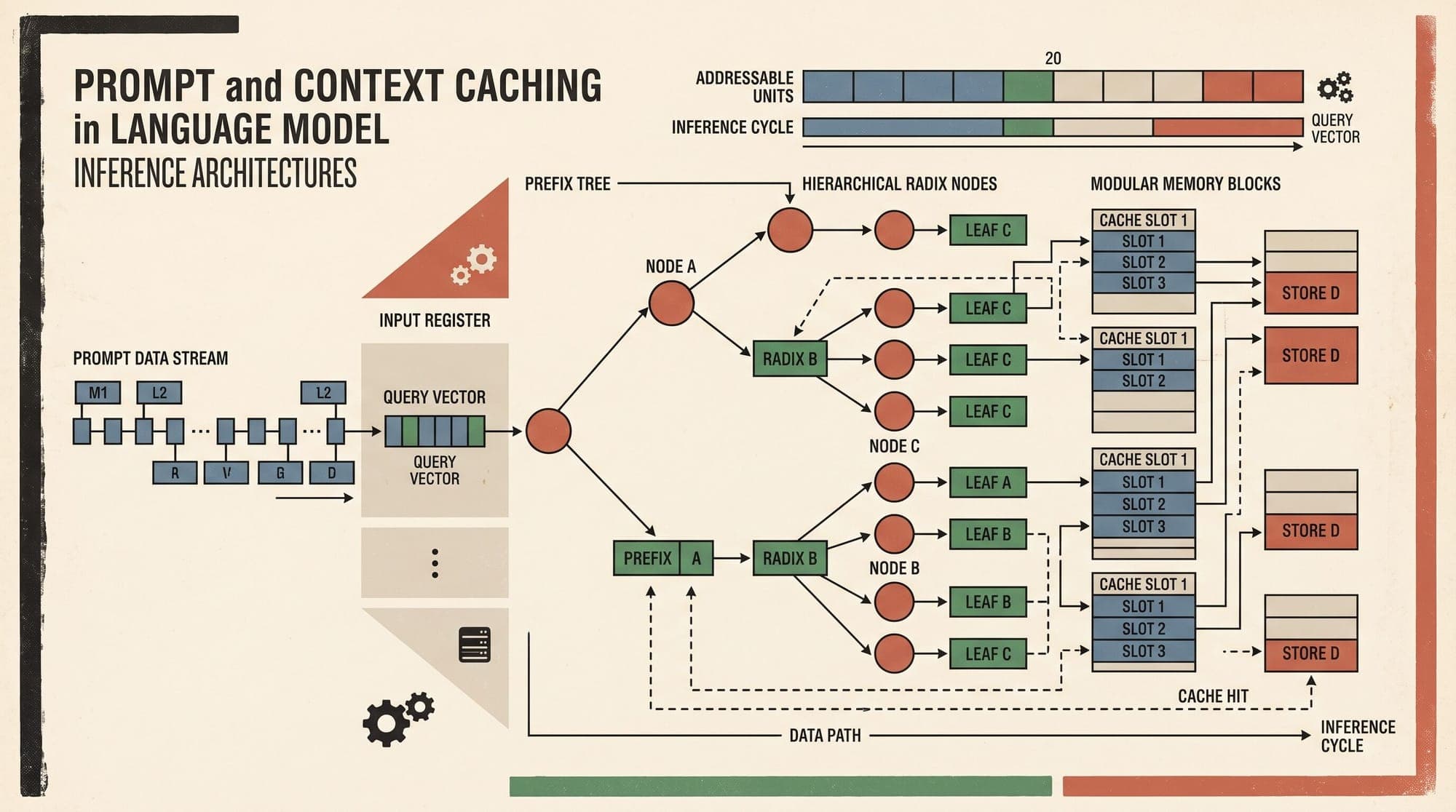
  1. Prompt and Context Caching in Production: Comparing Anthropic, OpenAI, DeepSeek, Google Gemini, and RadixAttention KV Reuse

    Modern LLM serving workloads spend a disproportionate share of computational budget and time-to-first-token (TTFT) latency on prompt prefill. In agentic loops, retrieval-augmented generation (RAG), and multi-turn chat applications, repeated prompts often share 80% to 95% of their token sequences across requests. Without caching, inference engines recompute key-value (KV) attention tensors across every input token on every turn, driving quadratic compute overhead and memory bandwidth saturation.
    AI
    5 min read
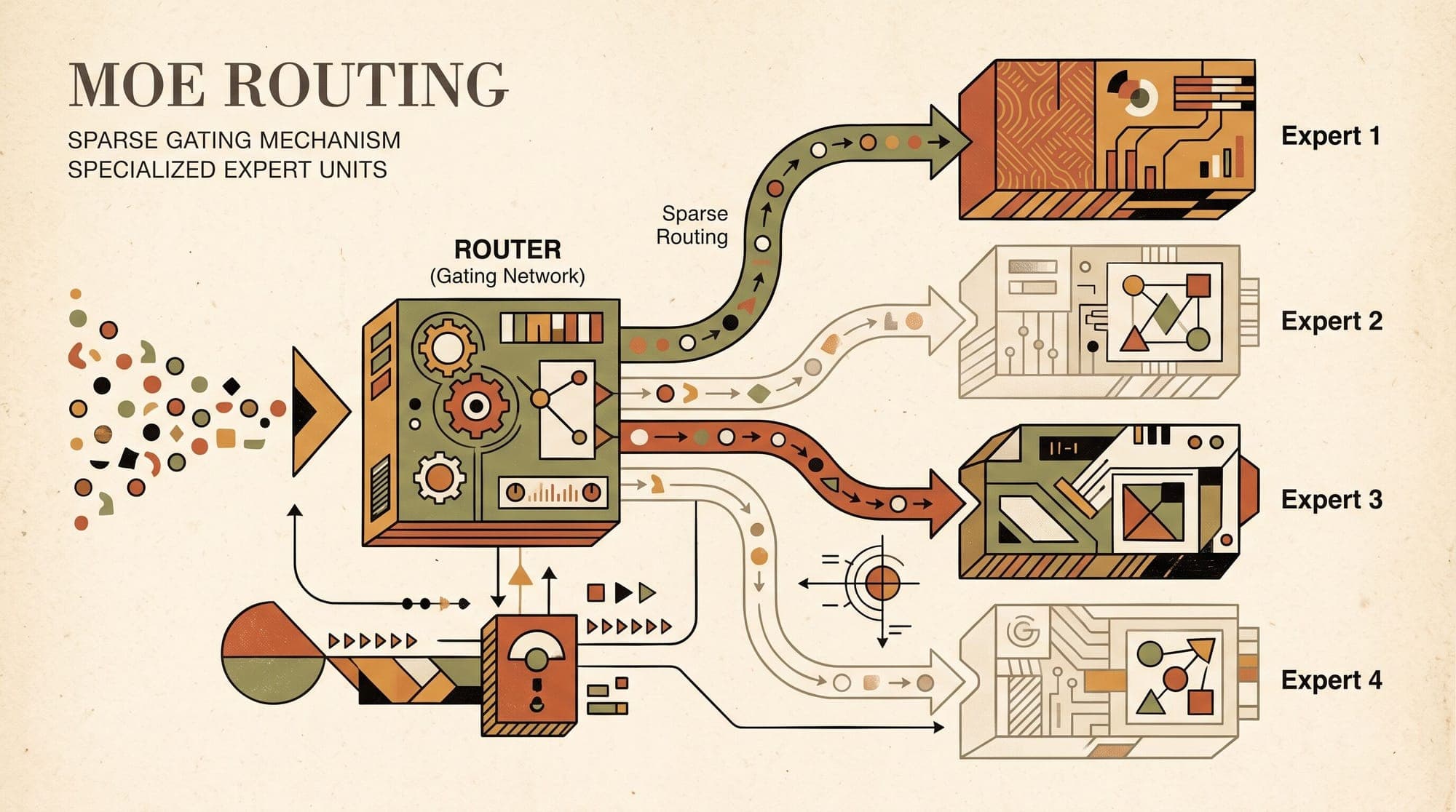
  2. Mixture-of-Experts (MoE) Routing and Load Balancing: Mathematical Foundations of Noisy Top-k Gating, Expert Capacity, Auxiliary Balancing Losses, and Loss-Free Load Balancing

    Mixture-of-Experts (MoE) Routing and Load Balancing: Mathematical Foundations of Noisy Top-k Gating, Expert Capacity, Auxiliary Balancing Losses, and Loss-Free Load Balancing Scaling dense transformer models incurs computational costs that grow proportionally with parameter count. In dense architectures, every token in a sequence activates all feed-forward network (FFN) parameters across every layer. Sparse Mixture-of-Experts (MoE) architectures decouple parameter count from per-token compute b

    AI
    15 min read
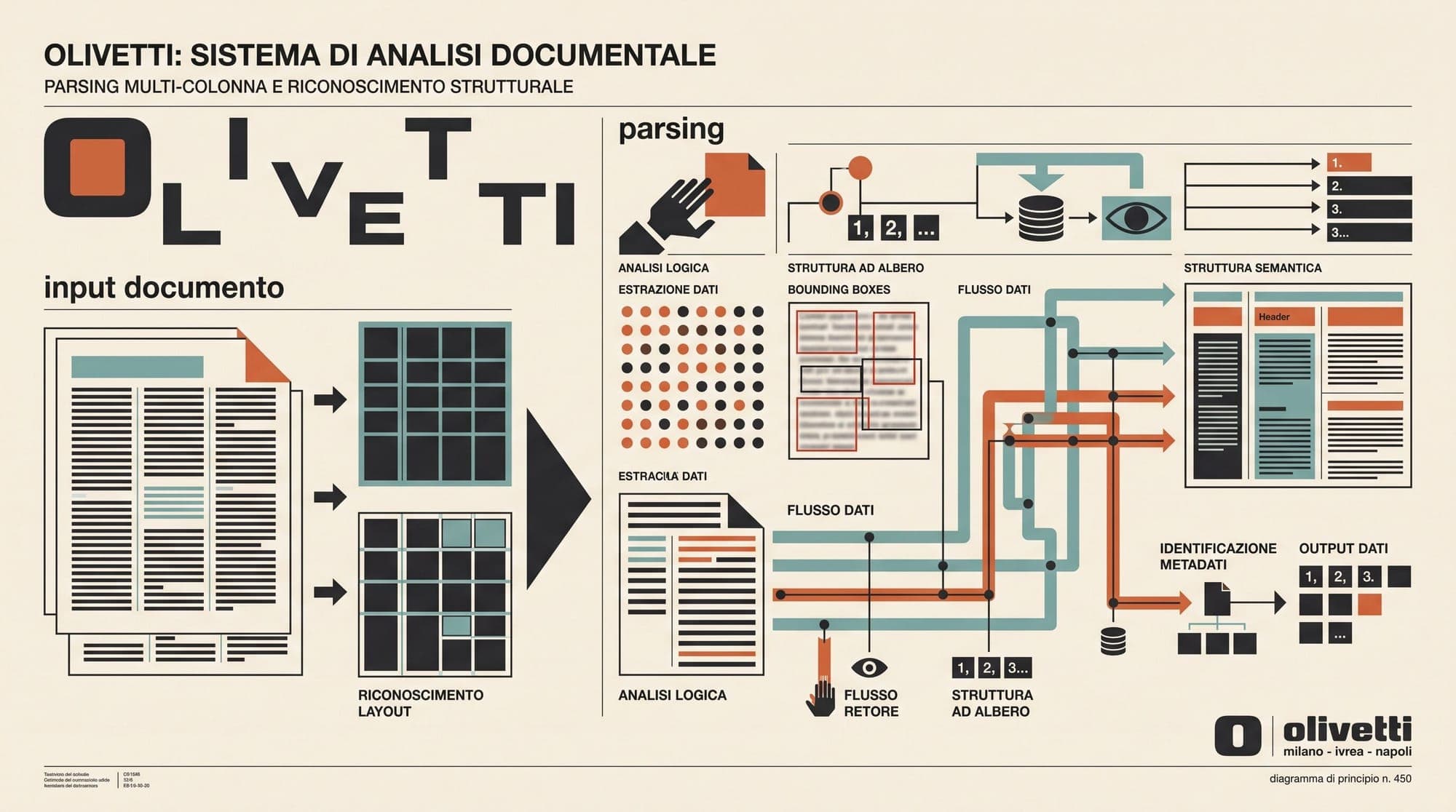
  3. Document Parsing Engines in Production RAG: Comparing Docling, Marker, MinerU, and Unstructured Architecture, Layout Analysis, Table Extraction, and Serving Economics

    Retrieval-Augmented Generation (RAG) systems frequently fail not in their embedding models or vector databases, but at the initial document ingestion layer. When enterprise documents (including financial 10-K filings, clinical trial reports, technical manuals, and multi-column academic papers) are parsed using legacy text scrapers such as basic pypdf or pdfminer, structural semantics are lost. Multi-column reading orders interleave across paragraphs, header and footer noise pollutes vector indic

    AI
    9 min read
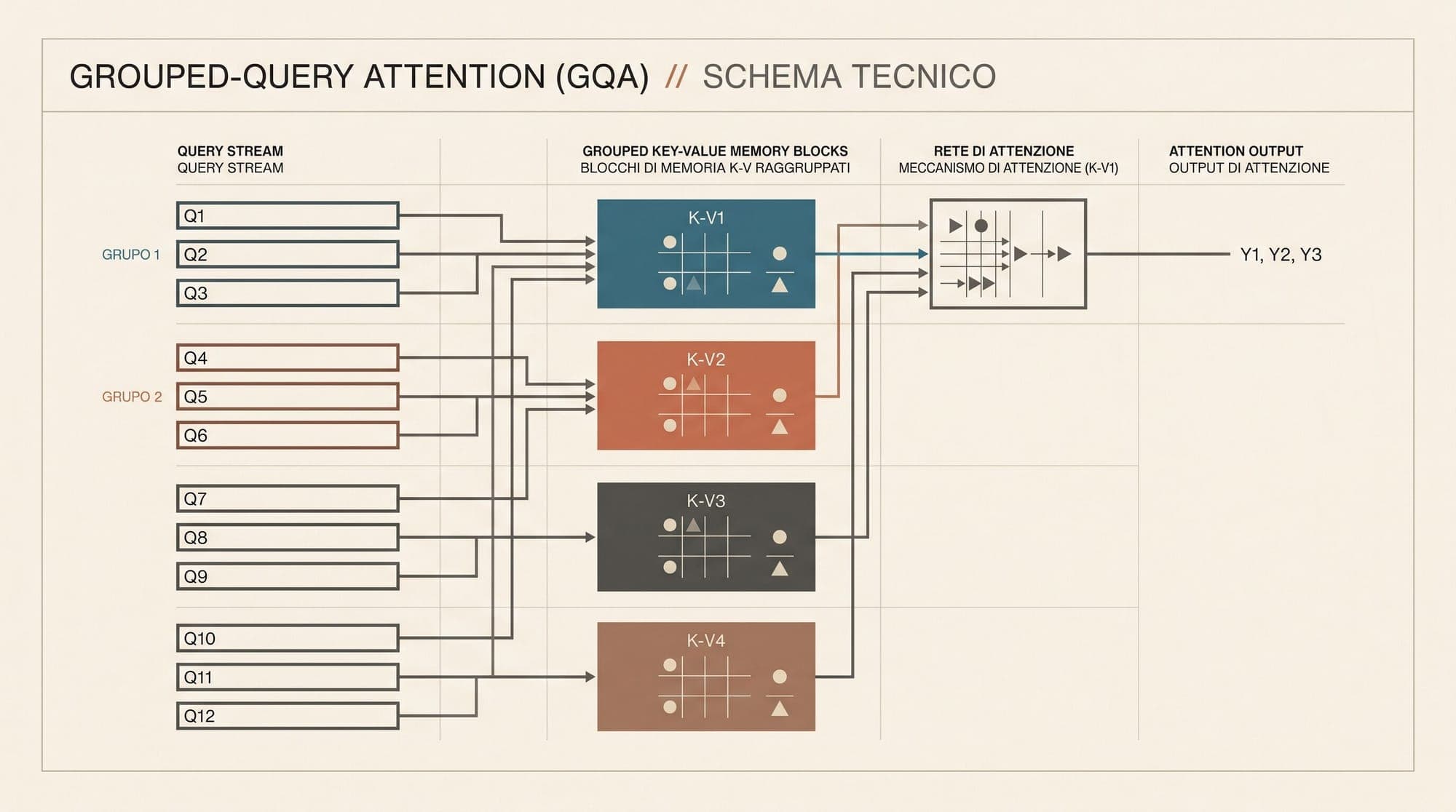
  4. Grouped-Query Attention (GQA) and Multi-Query Attention (MQA): Mathematical Foundations, Arithmetic Intensity, and KV-Cache Scaling Mechanics

    Grouped-Query Attention (GQA) and Multi-Query Attention (MQA): Mathematical Foundations, Arithmetic Intensity, and KV-Cache Scaling Mechanics Autoregressive large language model inference is governed by a fundamental hardware asymmetry. During the initial prompt processing phase (prefill), computation is compute-bound because matrix multiplications process entire sequences in parallel. During sequential token generation (decoding), execution becomes strictly memory-bandwidth bound. For each gen

    AI
    12 min read
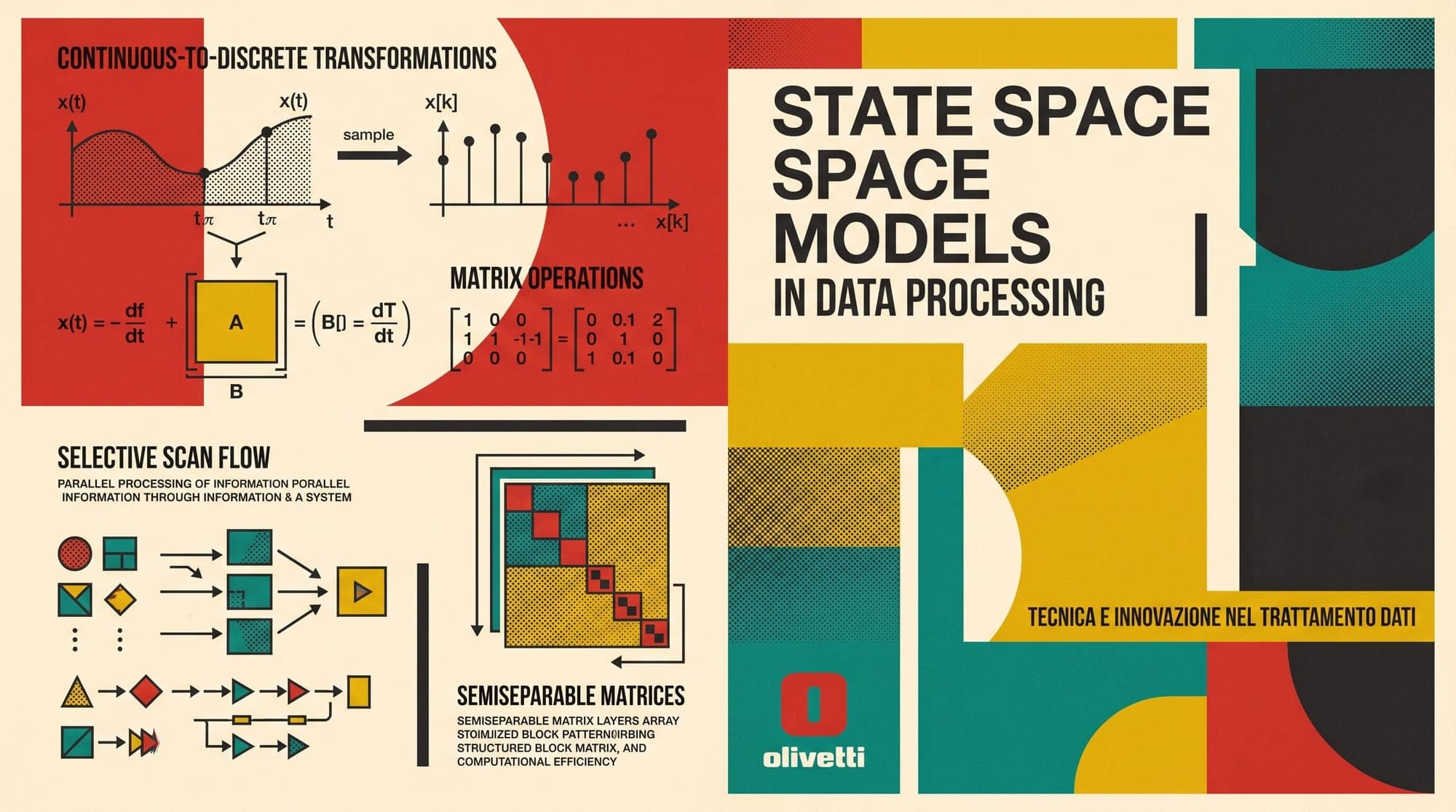
  5. State Space Models (SSMs) and Mamba: Mathematical Foundations of Continuous-Time Discretization, Selective Scan Mechanics, and Structured State Space Duality

    Autoregressive Large Language Models (LLMs) built on the standard Transformer architecture rely on softmax self-attention. While self-attention provides expressive in-context learning and dense token-to-token associative recall, it exhibits fundamental algorithmic scaling limits: prefill compute scales quadratically with sequence length ($O(L^2 d)$), and autoregressive token generation requires maintaining a Key-Value (KV) cache that grows linearly with sequence length ($O(L d)$). At context win

    AI
    12 min read
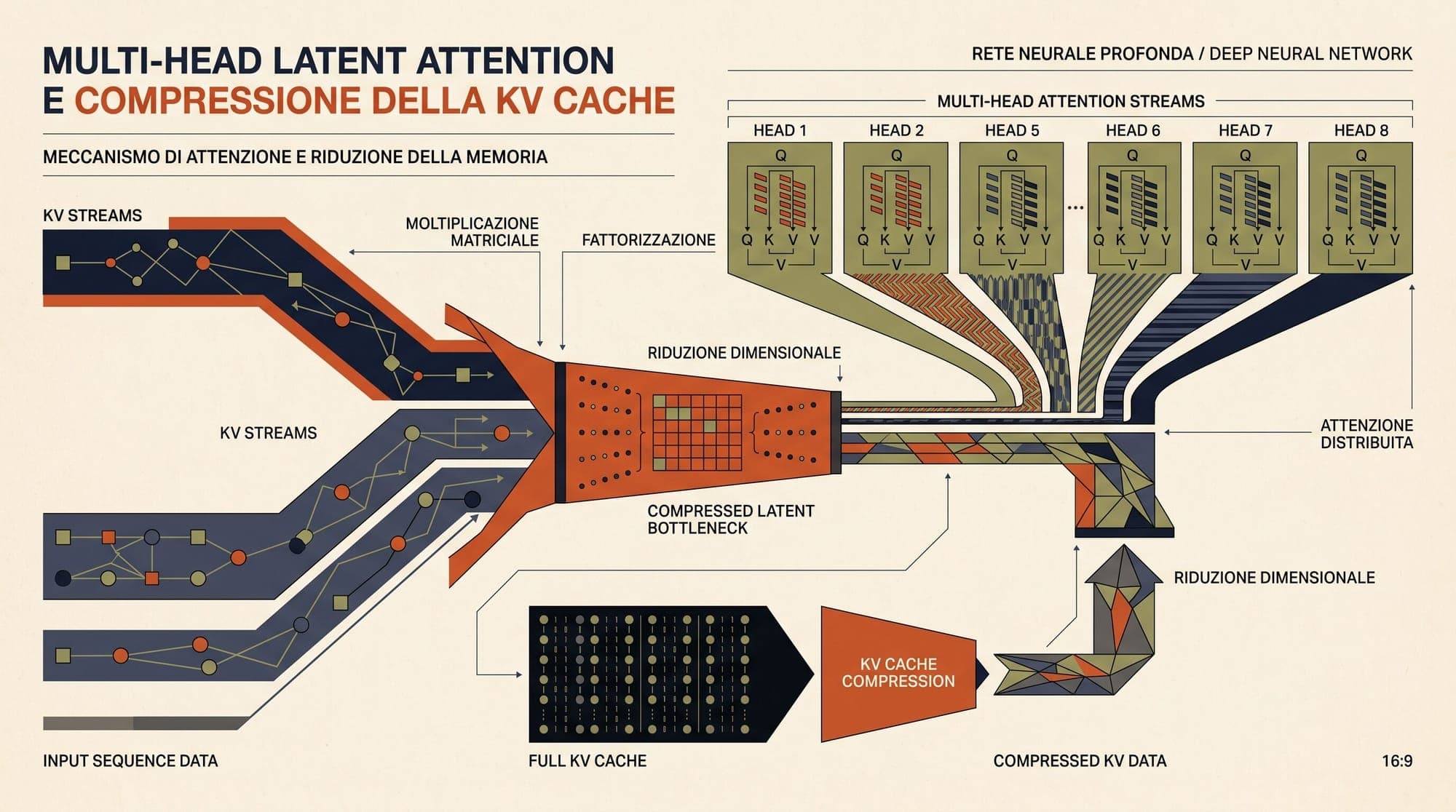
  6. Multi-Head Latent Attention (MLA): Mathematical Foundations, Low-Rank KV Compression, Decoupled RoPE Mechanics, and Matrix Absorption

    Multi-Head Latent Attention (MLA): Mathematical Foundations, Low-Rank KV Compression, Decoupled RoPE Mechanics, and Matrix Absorption Autoregressive inference in large language models is fundamentally constrained by memory bandwidth rather than floating-point computation throughput. During the generation phase, the transformer must load the Key-Value (KV) cache of all prior tokens from high-bandwidth memory (HBM) to on-chip SRAM for every newly generated token. As context lengths scale to hundr

    AI
    12 min read
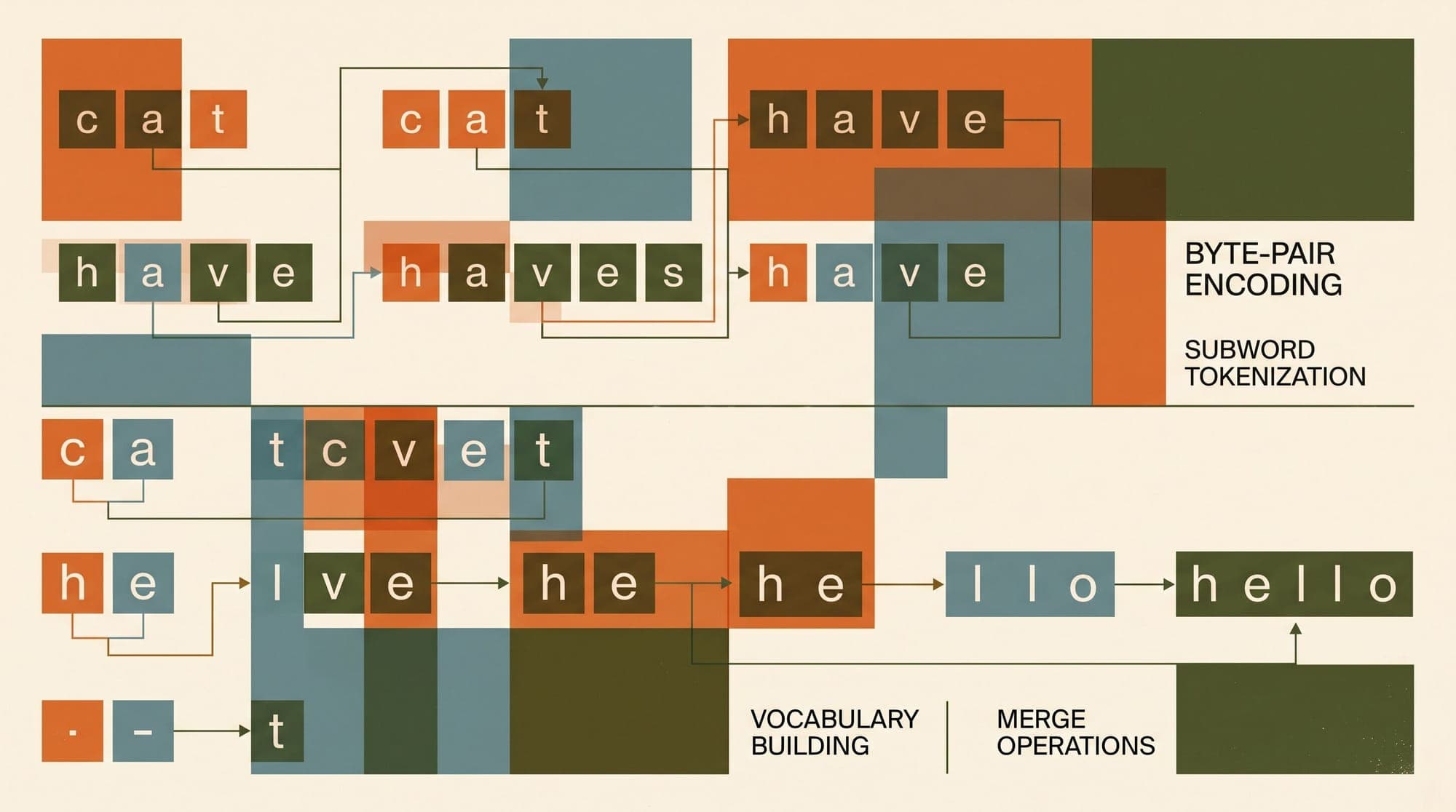
  7. Byte-Pair Encoding (BPE) and Modern Subword Tokenization: Mathematical Foundations, Merge Dynamics, Byte-Level Encodings, and Vocabulary Compression Mechanics

    Tokenization is the discrete boundary interface between raw textual sequences and the continuous vector representations of autoregressive large language models. Before an attention block computes a single inner product or a feed-forward network applies an activation function, an input string must be mapped into an ordered sequence of discrete integer identifiers drawn from a finite vocabulary $V$. The design and mathematical properties of this mapping govern key operational characteristics of l

    AI
    11 min read
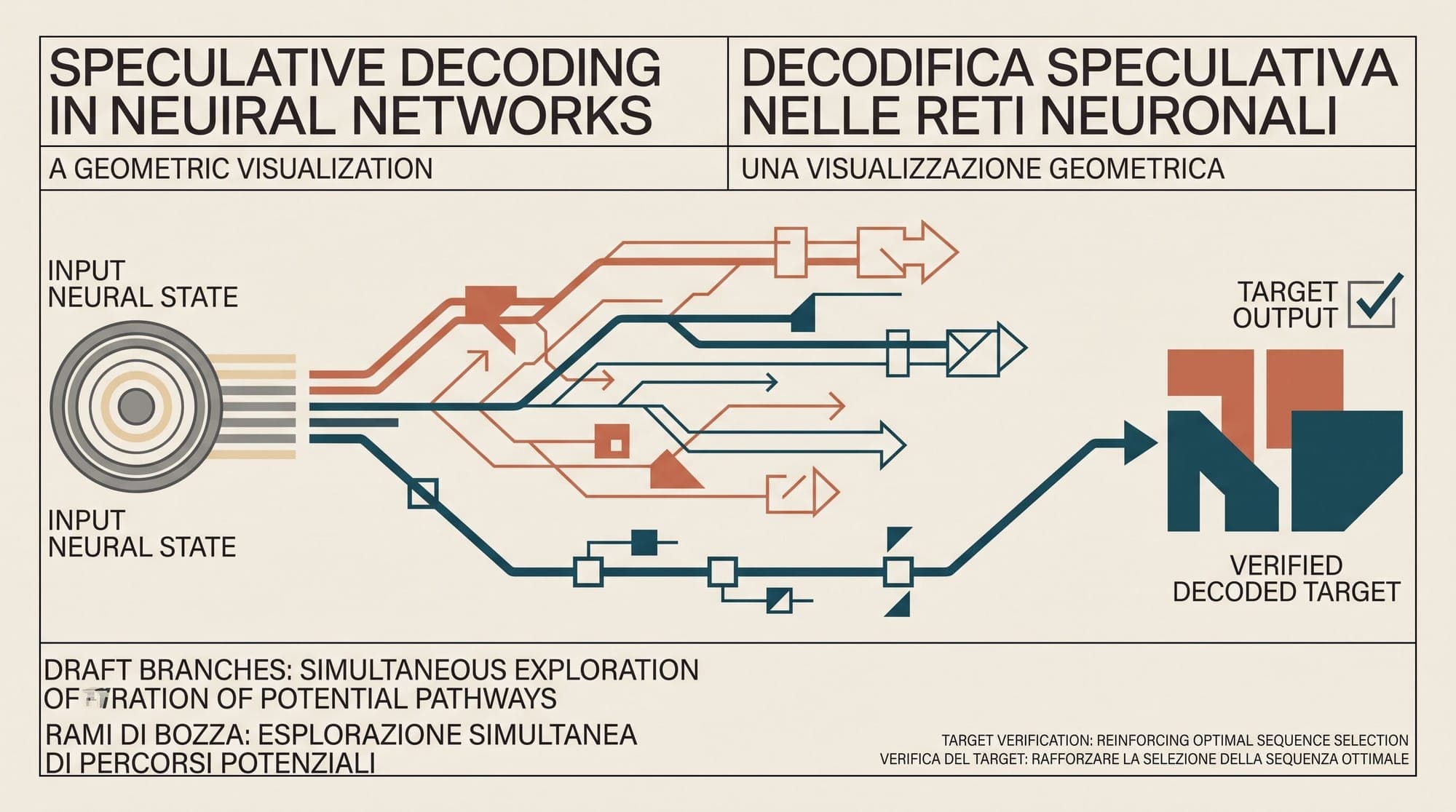
  8. Speculative Decoding: Mathematical Foundations, Distribution Preservation Proofs, Tree-Structured Verification, and Memory-Bandwidth Amortization

    Autoregressive large language model (LLM) generation suffers from an acute hardware efficiency mismatch during inference. While the prefill phase (processing the input prompt) processes tokens in parallel and achieves high arithmetic intensity on modern matrix accelerators, the decode phase (generating text token-by-token) is fundamentally memory-bandwidth bound. At small batch sizes, each generated token requires transferring the model's entire multi-billion-parameter weight matrix from High-Ba

    AI
    13 min read
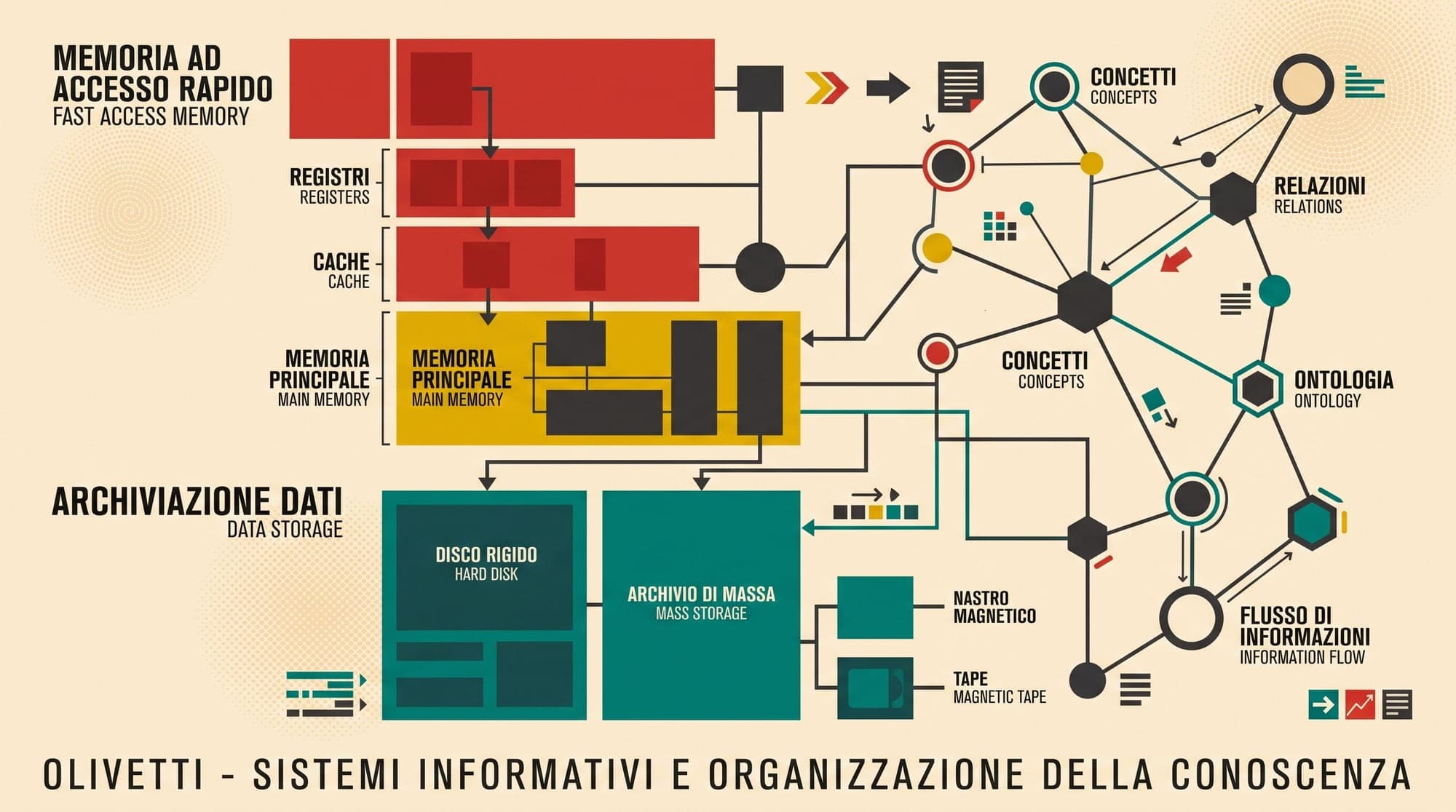
  9. Agent Memory Frameworks in Production: Comparing Mem0, Letta, Zep Graphiti, and Cognee — Architecture, Entity Extraction, Temporal Graph Indexing, and Serving Economics

    Large language model agents deployed in production environments face a fundamental architectural bottleneck: LLM context windows are stateless, ephemeral, and computationally expensive. While context window capacities have expanded to 1M+ tokens in modern frontier models, naive context stuffing (re-injecting unpruned conversational history on every turn) creates severe operational failure modes: quadratic attention compute overhead, high latency, rapid KV cache invalidation, and severe context d

    AI
    9 min read
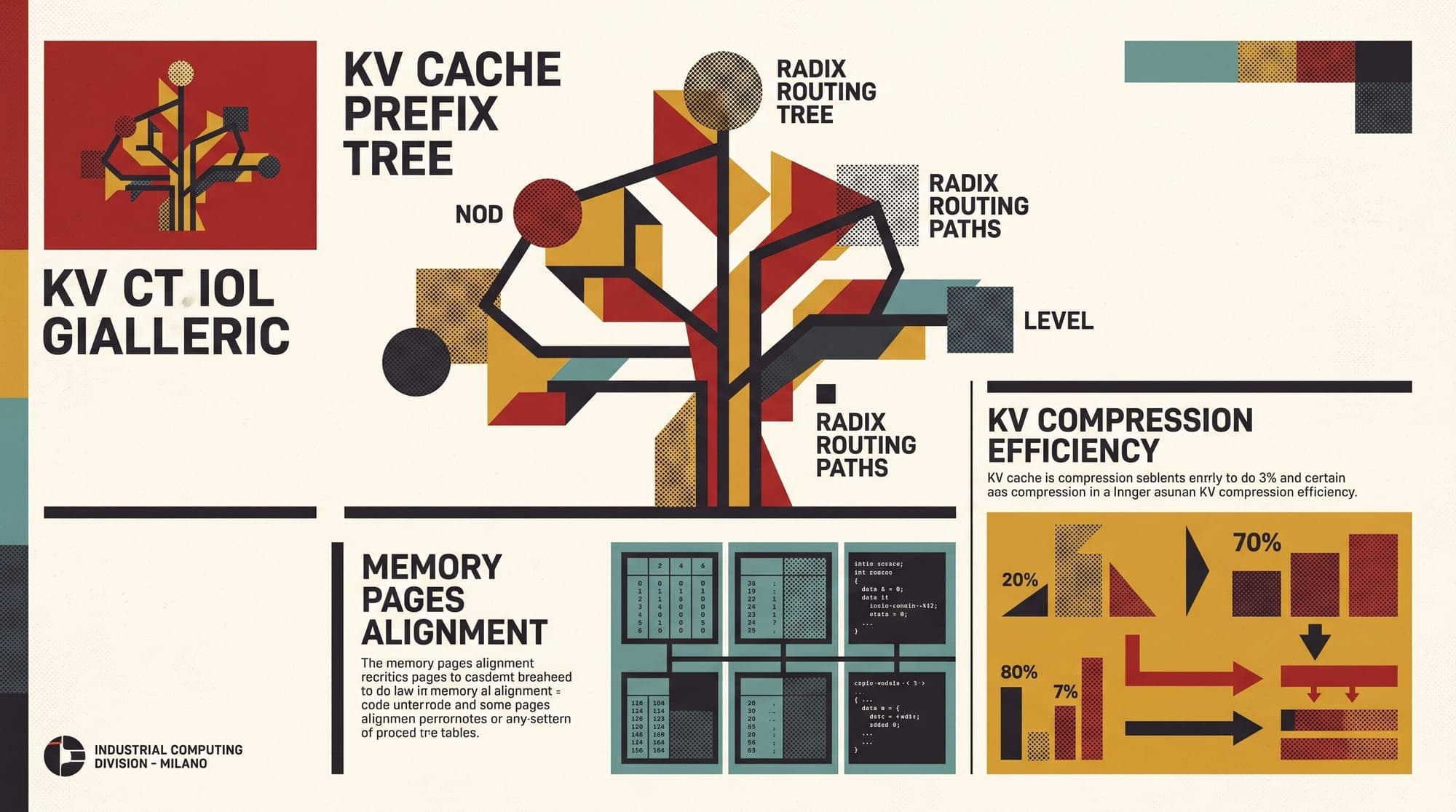
  10. KV Cache Optimization and Prefix Caching in LLM Serving: Comparing RadixAttention, Automatic Prefix Caching, and Static Context Sharing

    Serving large language models in multi-turn conversational agents, complex retrieval-augmented generation (RAG) pipelines, and few-shot reasoning workflows presents a fundamental memory and compute asymmetry. During autoregressive decoding, every newly generated token must attend to all previous tokens in the sequence. To avoid recomputing Key and Value projection matrices at each decoding step, inference engines store intermediate activations in high-bandwidth GPU memory (HBM) as the KV cache.

    AI
    7 min read
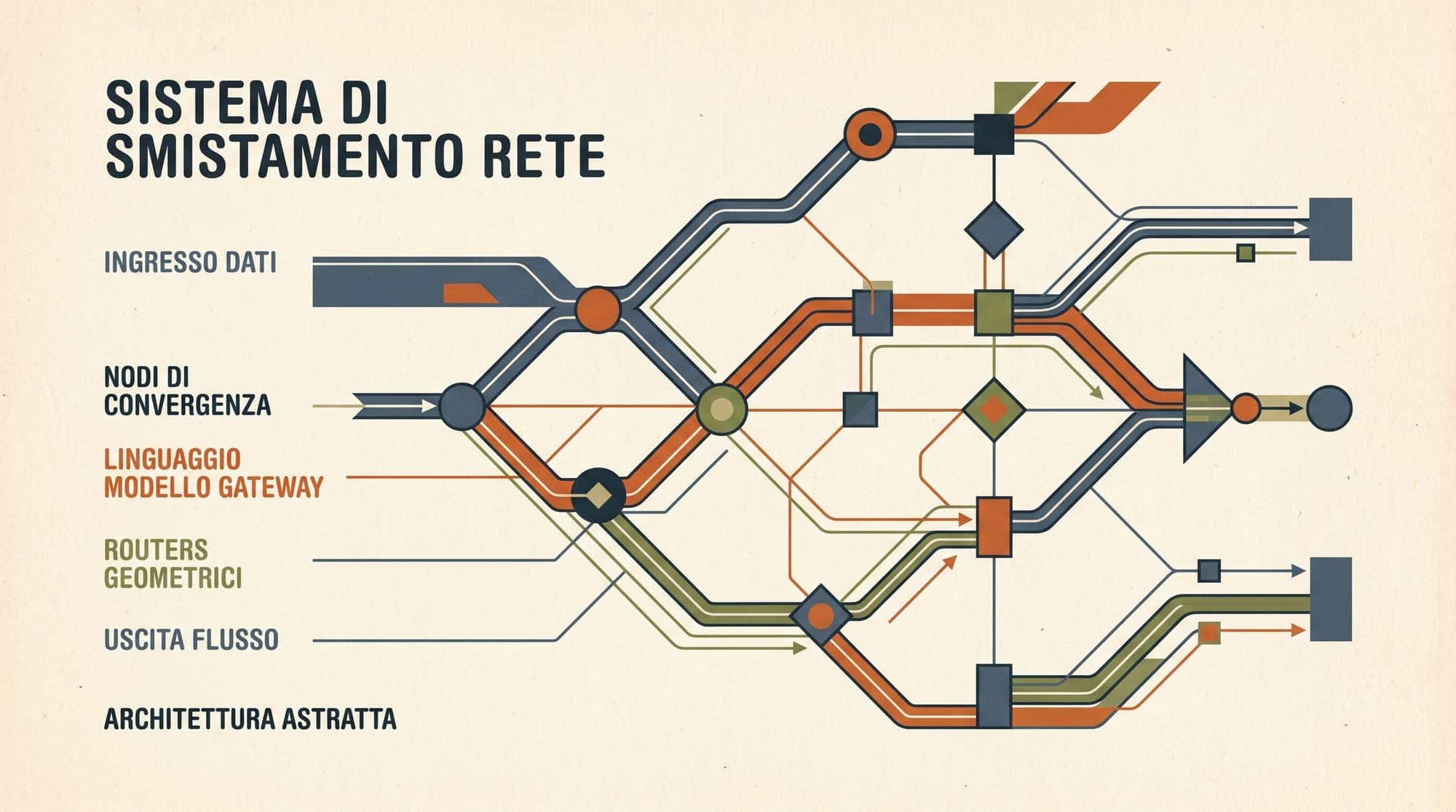
  11. Model Routing and LLM Gateway Architectures in Production: Comparing LiteLLM, Portkey, RouteLLM, and Not Diamond Architecture, Classifier Algorithms, Cascading Fallbacks, and Serving Economics

    Production AI systems rarely rely on a single monolithic language model. As production traffic scales, routing every incoming prompt to a frontier model creates prohibitive compute costs and risks severe provider rate limits. Conversely, standardizing entirely on smaller, lightweight models compromises reasoning depth, domain compliance, and structured extraction quality. To resolve this trade-off, modern AI infrastructure employs a decoupled architectural layer: model gateways and intelligent

    AI
    7 min read
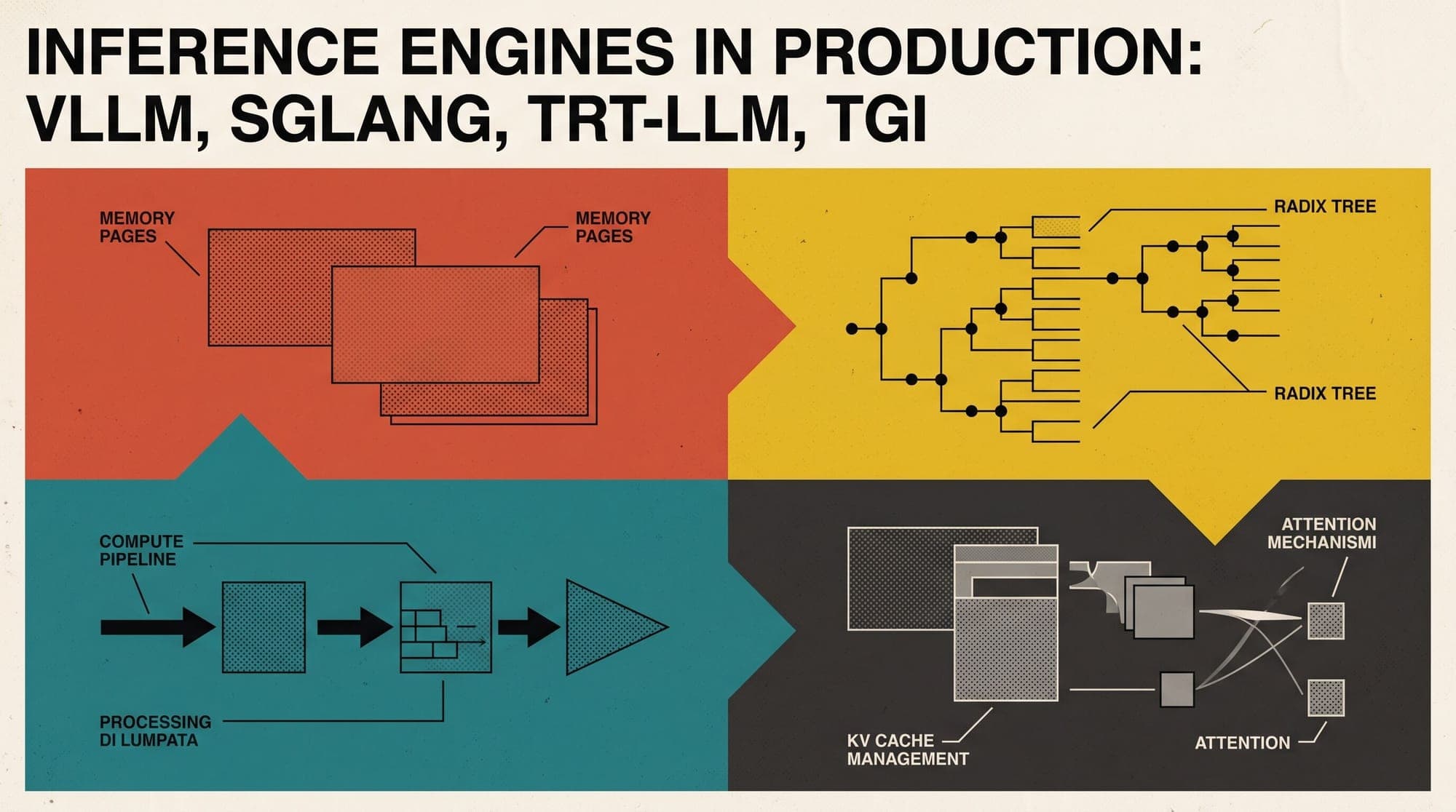
  12. LLM Inference Engines in Production: Comparing vLLM, SGLang, TensorRT-LLM, and TGI Architecture, KV Cache Topologies, Kernel Optimizations, and Serving Economics

    LLM Inference Engines in Production: Comparing vLLM, SGLang, TensorRT-LLM, and TGI Architecture, KV Cache Topologies, Kernel Optimizations, and Serving Economics Serving large language models in enterprise production has evolved beyond naive execution runtimes. As context windows expand to 128k+ tokens and agentic workloads generate complex multi-turn execution graphs, the efficiency of the underlying inference engine dictates both latency Service Level Objectives (SLOs) and hardware infrastruc

    LLM
    7 min read
  13. LLM Gateways in Production: Comparing LiteLLM, Portkey, Kong AI Gateway, and Cloudflare AI Gateway Architecture, Fallback Cascades, and Serving Economics

    As enterprise production architectures scale from single prototype endpoints to multi-model agentic pipelines, coupling application code directly to foundation model provider APIs creates severe operational bottlenecks. Direct client integration leads to fractured telemetry, credential sprawl across microservices, unhandled upstream rate limits, and vendor lock-in. To isolate application logic from downstream provider volatility, engineering teams deploy dedicated LLM gateways. These specialize

    AI
    8 min read
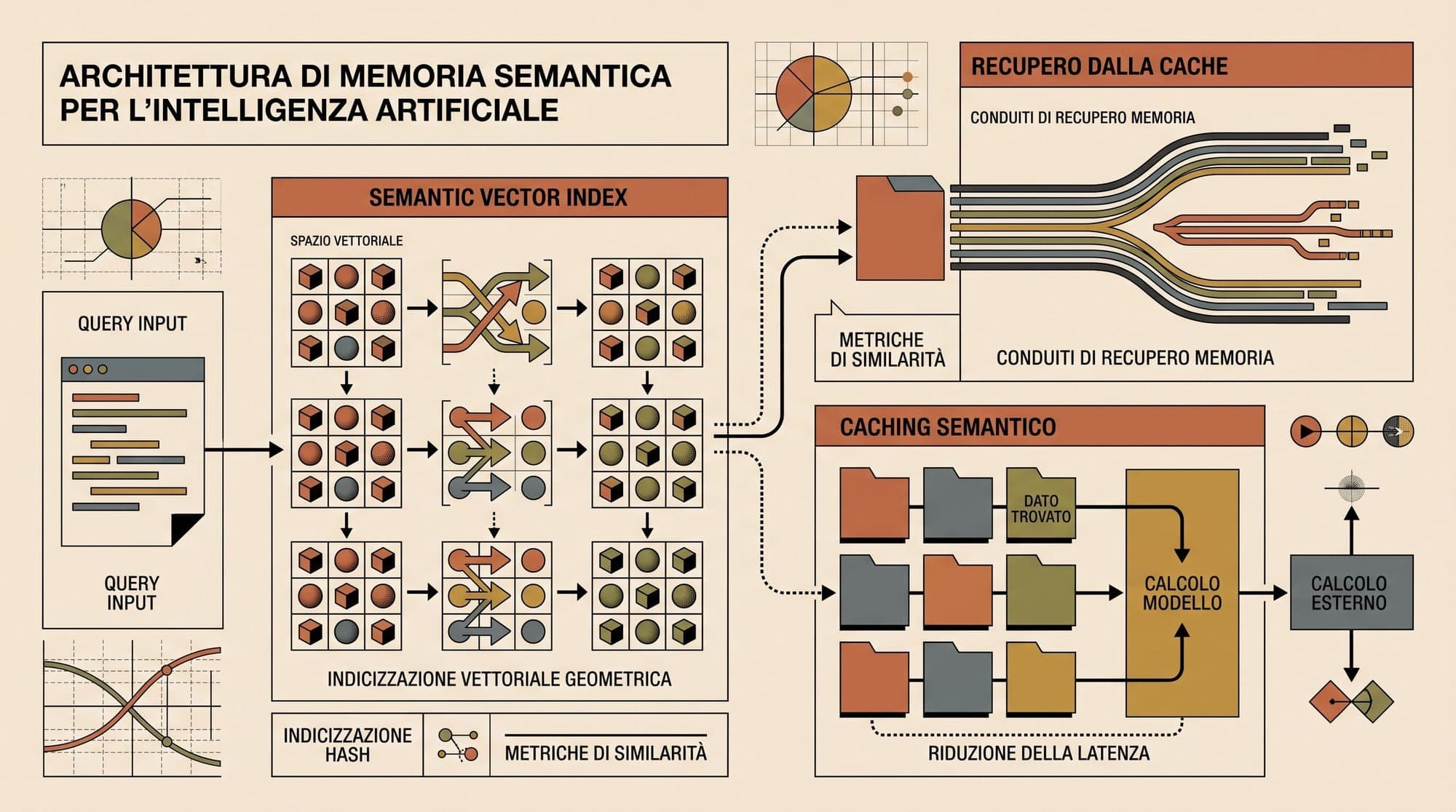
  14. Semantic Caching in Production LLM Systems: Architecture, Approximate Nearest Neighbor Matching, Cross-Encoder Verification, Invalidation Dynamics, and Serving Economics

    Semantic Caching in Production LLM Systems: Architecture, Approximate Nearest Neighbor Matching, Cross-Encoder Verification, Invalidation Dynamics, and Serving Economics Serving large language models at enterprise scale presents severe latency and cost bottlenecks. While frontier reasoning models and deep autoregressive decoders cost between $2.50 and $60.00 per million tokens and incur time-to-first-token (TTFT) delays ranging from 800 milliseconds to several seconds, a substantial fraction of

    AI
    9 min read
  15. Agent Sandbox Architecture in Production: Comparing Firecracker MicroVMs, gVisor, WebAssembly, and Docker Isolation for Untrusted AI Code Execution

    Deploying autonomous AI agents that generate and execute code introduces a critical infrastructure challenge: executing untrusted, model-generated shell commands, Python scripts, and system binaries without compromising the host infrastructure or leaking multi-tenant data. As agentic systems move from single-turn code generation to multi-turn iterative problem solving (such as SWE-bench workflows, automated debugging, and repository refactoring), sandbox requirements have evolved. Sandboxes mus

    AI
    8 min read
  16. Adversarial Jailbreak Defenses in Production LLMs: Input Perturbation, Representation Circuit Breakers, and Guardrail Cascades

    Standard post-training alignment techniques such as Supervised Fine-Tuning (SFT) and Direct Preference Optimization (DPO) instill safety constraints into large language models by shaping token probabilities toward refusal strings. In production environments, however, these surface-level behavioral alignments have proven brittle against systematic adversarial inputs. Gradient-driven token optimization methods such as Greedy Coordinate Gradient (Zou et al., 2023), automated genetic search algorith

    AI
    6 min read
  17. Speech-to-Text Serving in Production: Comparing Faster-Whisper, Moonshine, SenseVoice, and NeMo Canary Architecture, Streaming Latency, and GPU Economics

    In conversational voice AI and real-time agentic workflows, the speech-to-text (STT) layer sets the hard lower bound on system responsiveness. Human conversational cadence expects turn-taking latencies between 200ms and 500ms. When an AI pipeline must accommodate downstream large language model (LLM) time-to-first-token generation (100ms to 250ms) and text-to-speech (TTS) audio synthesis (100ms to 200ms), the automatic speech recognition (ASR) stage cannot exceed 100ms to 150ms of processing ove

    AI
    8 min read
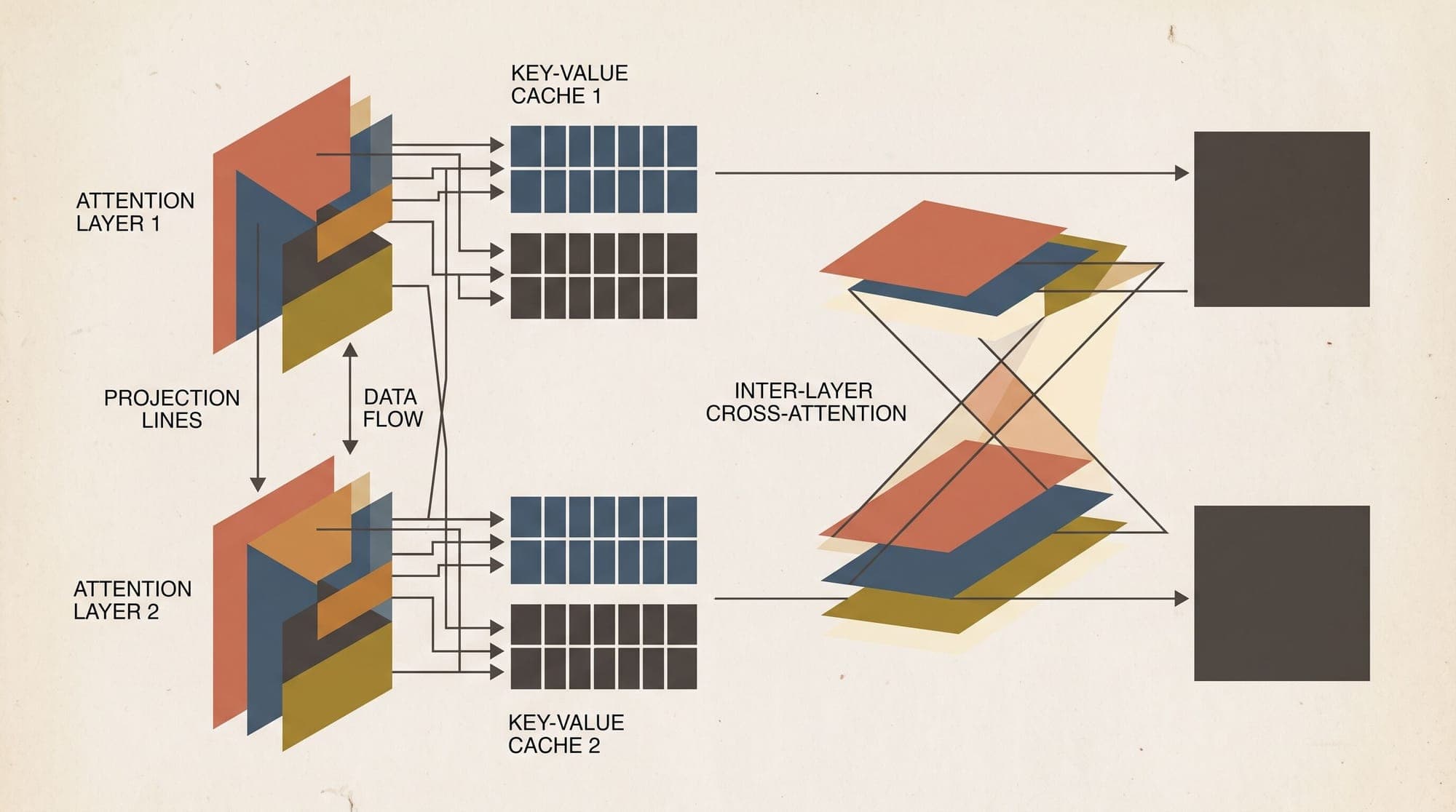
  18. Cross-Model KV Cache Transfer in Production: Architecture, Closed-Form Ridge Projections, and Cascaded Serving Economics

    Modern enterprise LLM serving architectures frequently rely on multi-model pipelines to balance inference cost, generation latency, and output quality. In model routing cascades, lightweight 8B models triage incoming queries and escalate complex reasoning tasks to 70B or MoE models. In speculative decoding pipelines, smaller draft models propose token sequences verified by larger target models. In long-horizon AI agent swarms, sub-agents frequently switch between specialized models across multi-

    LLM
    8 min read
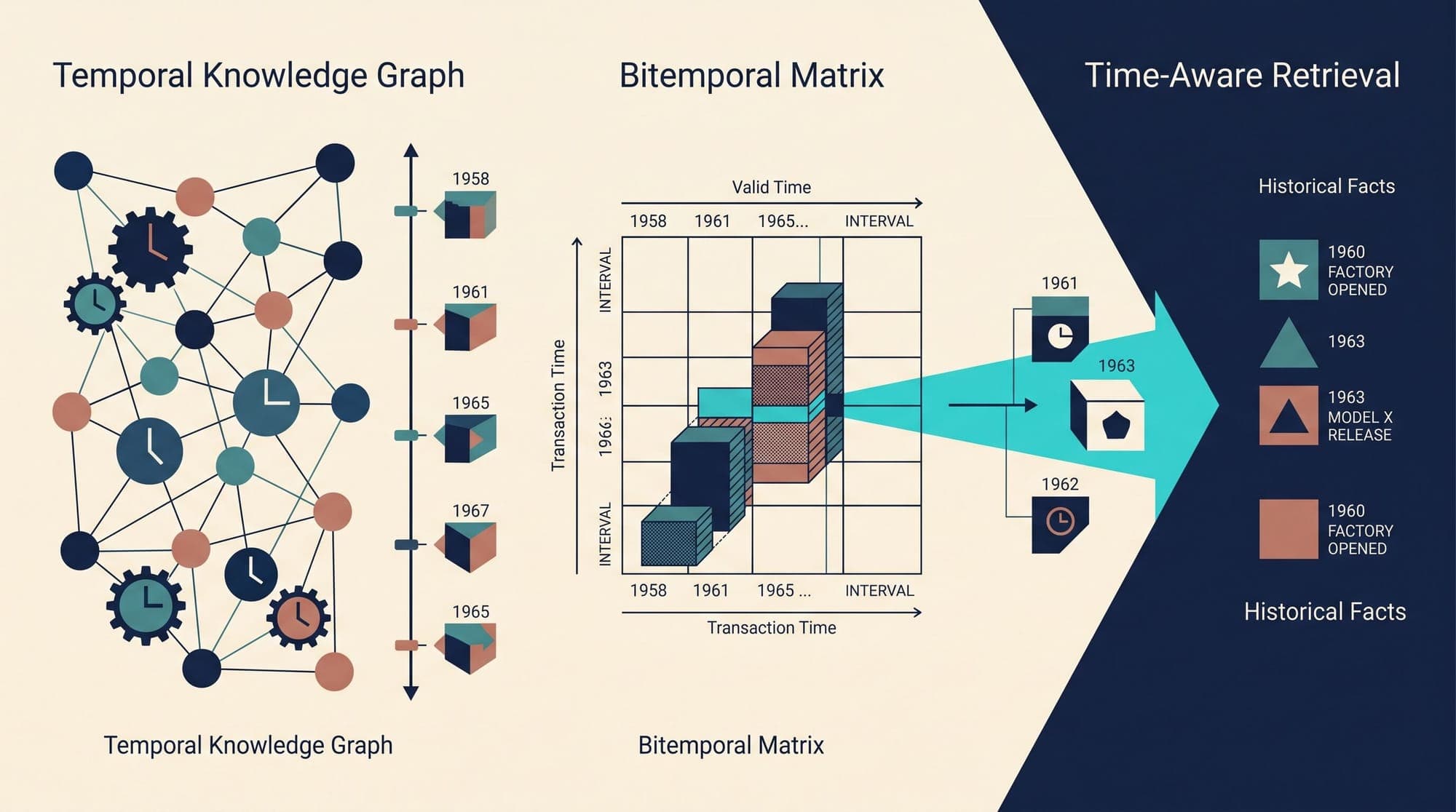
  19. Temporal Knowledge Graphs in Production RAG: Bitemporal Schemas, Dynamic Entity Resolution, and Point-in-Time Context Retrieval

    Temporal Knowledge Graphs in Production RAG: Bitemporal Schemas, Dynamic Entity Resolution, and Point-in-Time Context Retrieval Standard Retrieval-Augmented Generation (RAG) pipelines operate on a flat assumption: facts retrieved from a vector database or static knowledge graph are treated as timeless truths. When an enterprise corpus contains documents spanning multiple quarters or years, this timeless representation breaks down. Information changes: executives step down, compliance policies a

    Analysis
    6 min read