Subscribe
Topic / page 35

AI

Articles, page 35

681-700
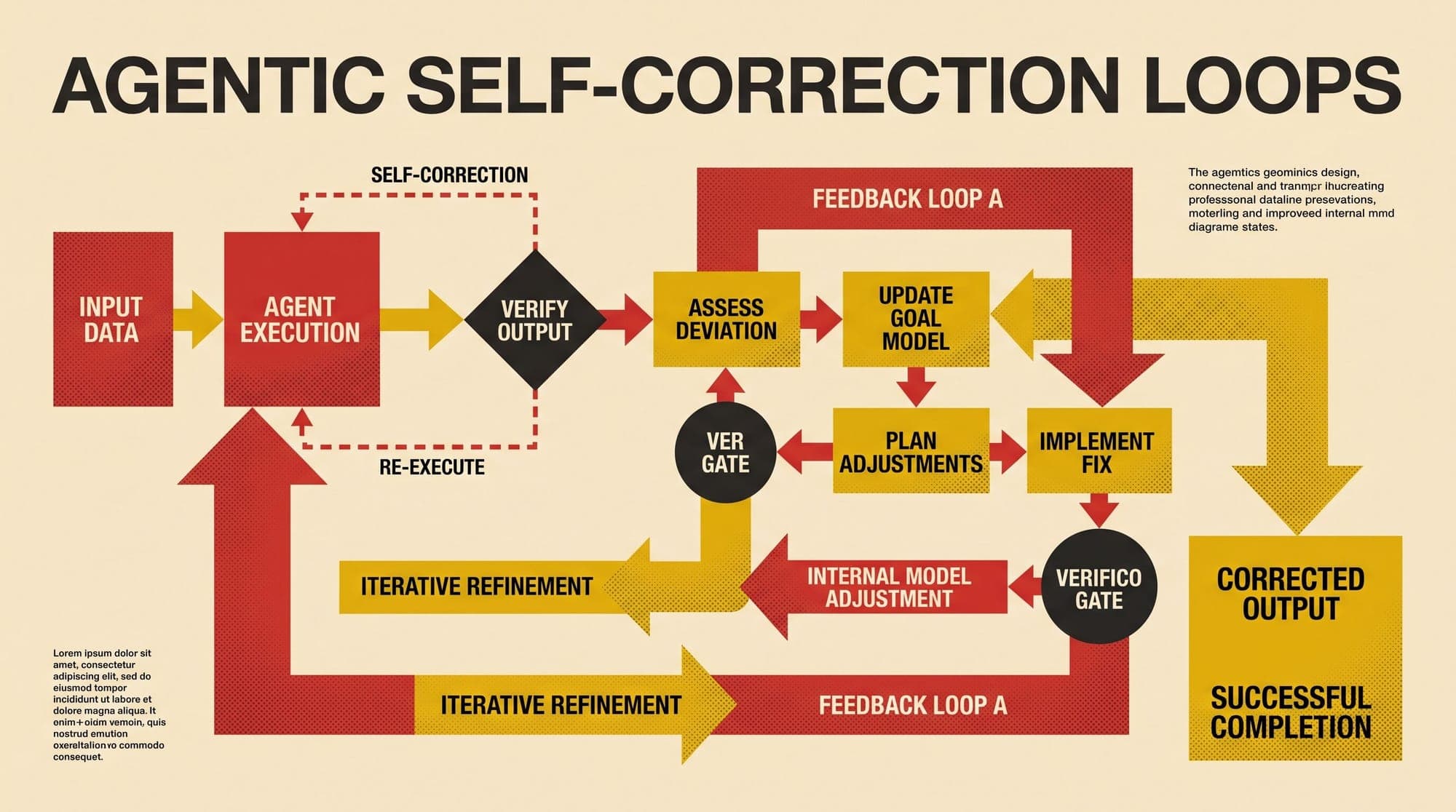
  1. Self-Correction and Reflection Loops in Production AI Agents: Architecture, Verification Oracles, and the Over-Correction Trap

    Autonomous AI agents frequently fail on initial generation when solving multi-step reasoning, code generation, and complex API orchestration tasks. To address initial execution failures, system architects widely deploy self-correction and reflection loops. However, the mechanism through which reflection operates determines whether a system converges on a valid solution or degrades into hallucinations and infinite loops. Recent research demonstrates a sharp division in reflection paradigms: whil

    AI
    6 min read
  2. Stripe Tells Investors Singularity Began Jan. 1 as H1 Revenue Surges 41% and Firm Rules Out IPO

    In a mid-year letter to shareholders, payments infrastructure company Stripe declared that January 1, 2026 marked the "beginning of the singularity," framing rapid advancements in artificial intelligence and corporate formation as justification to remain private. The letter, obtained by Axios, links Stripe's long-term business strategy directly to AI compute economics and autonomous agent adoption, while reporting accelerated financial growth across its core payment platforms. Financial Metri

    AI
    2 min read
  3. Anthropic Expands Claude Cowork to Web and Mobile, Adds Direct Actions to Gmail and Google Drive

    Anthropic has updated its Claude ecosystem, expanding the reach of its agentic environment Claude Cowork and introducing write-capable actions to its Google Workspace integrations. The updates address two persistent friction points in AI agent deployment: interface accessibility and execution boundaries within external productivity tools. Claude Cowork Expands Across Web and Mobile Claude Cowork, Anthropic's multi-agent workspace for managing multi-step workflows and local project state, was

    AI
    2 min read
  4. The Logit Lens: How Direct Unembedding Decodes Intermediate Representations in Large Language Models

    Autoregressive large language models process input tokens through deep stacks of transformer blocks, generating a final probability distribution over the vocabulary at the final layer. For years, the intermediate computations occurring within these hidden layers were treated as opaque black boxes. Mechanistic interpretability research has demonstrated that modern transformer architectures operate through a structured, iterative refinement process across their residual stream. The logit lens and

    AI
    6 min read
  5. LLM Streaming in Production: Server-Sent Events vs. WebSockets, Incomplete JSON Parsing, and Backpressure Architecture

    Token streaming is the primary user experience mechanism in generative AI applications. By piping generated tokens to the client as they leave the transformer layers rather than awaiting full sequence completion, systems dramatically reduce perceived latency from tens of seconds to sub-second time to first token (TTFT). However, moving from batch request-response models to long-lived streaming pipelines introduces brittle failure modes across the networking stack. In production, engineering tea

    AI
    7 min read
  6. SpaceX Approached AI Coding Startup Cognition for Acquisition

    SpaceX recently approached artificial intelligence coding startup Cognition AI regarding a potential acquisition, according to a report from Bloomberg citing people familiar with the matter. The exploratory outreach would have marked a major consolidation in the autonomous software engineering sector. Cognition co-founder and Chief Executive Officer Scott Wu responded publicly that the company is not for sale and that formal acquisition negotiations are not underway. However, sources indicated

    AI
    2 min read
  7. OpenAI CFO Sarah Friar Signals 2027 Target for Initial Public Offering

    OpenAI Chief Financial Officer Sarah Friar informed employees during an all-hands meeting on Wednesday that the company targets 2027 for its initial public offering, while noting that a debut could occur earlier if business performance continues to inflect upward. The remarks, first reported by CNBC, provide internal clarity regarding OpenAI's listing roadmap following its confidential IPO filing with the US Securities and Exchange Commission in June 2026. The guidance reflects a measured adjus

    AI
    2 min read
  8. AI Chip Startup Fractile Seeks $6.5B Valuation on $600M Round After Anthropic Supply Deal

    London-based semiconductor startup Fractile is in advanced negotiations to raise approximately $600 million at a $6.5 billion pre-money valuation, according to reports from Bloomberg. The funding round represents a steep escalation in valuation from the startup's previous round in May 2026, which valued the company at roughly $1 billion. The capital raise follows an initial supply agreement with Anthropic valued at approximately $250 million. Under the commercial arrangement, Fractile will supp

    AI
    2 min read
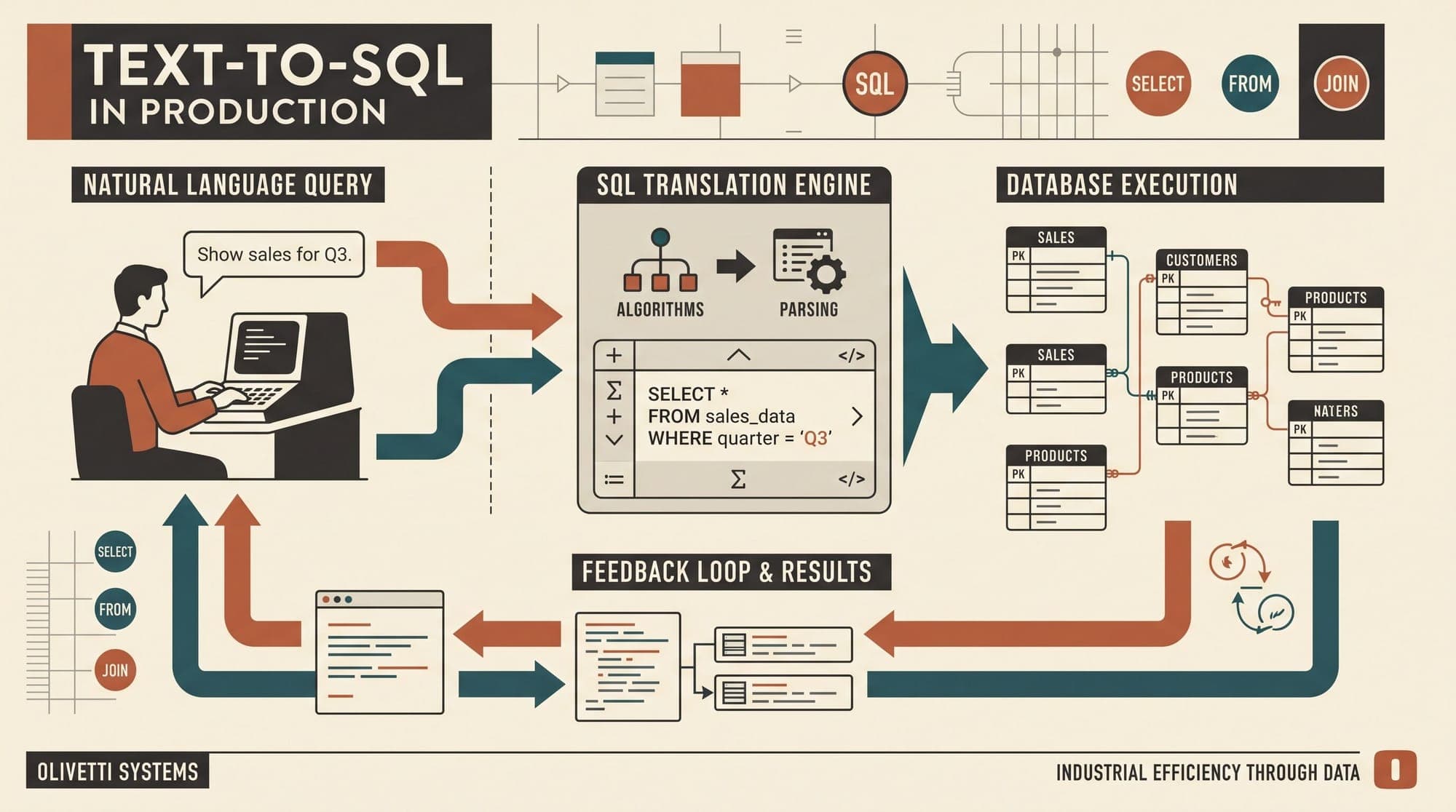
  9. Text-to-SQL in Production: Schema Linking, Value Retrieval, and Execution-Guided Self-Correction

    Translating natural language into executable database queries is one of the most widely deployed applications of large language models in enterprise software. It is also one of the most brittle. On synthetic academic benchmarks such as Spider 1.0, frontier models regularly exceed 90% execution accuracy. However, evaluating those same models on realistic enterprise estates yields a steep drop. On the Spider 2.0 benchmark, which evaluates real-world data warehouses spanning BigQuery and Snowflake

    AI
    7 min read
  10. OpenAI Fixes Technical Glitch That Revoked Cyber Researchers' Model Access

    Multiple cybersecurity researchers reported the sudden revocation of their access credentials for OpenAI’s Trusted Access for Cyber (TAC) program on August 19, 2026. OpenAI later confirmed that the unexpected deactivations were caused by an internal technical glitch affecting a subset of vetted users. Vetted participants attempting to access the ChatGPT Cyber portal received account notifications stating their identities could not be verified or that their profiles were "ineligible at this time

    AI
    2 min read
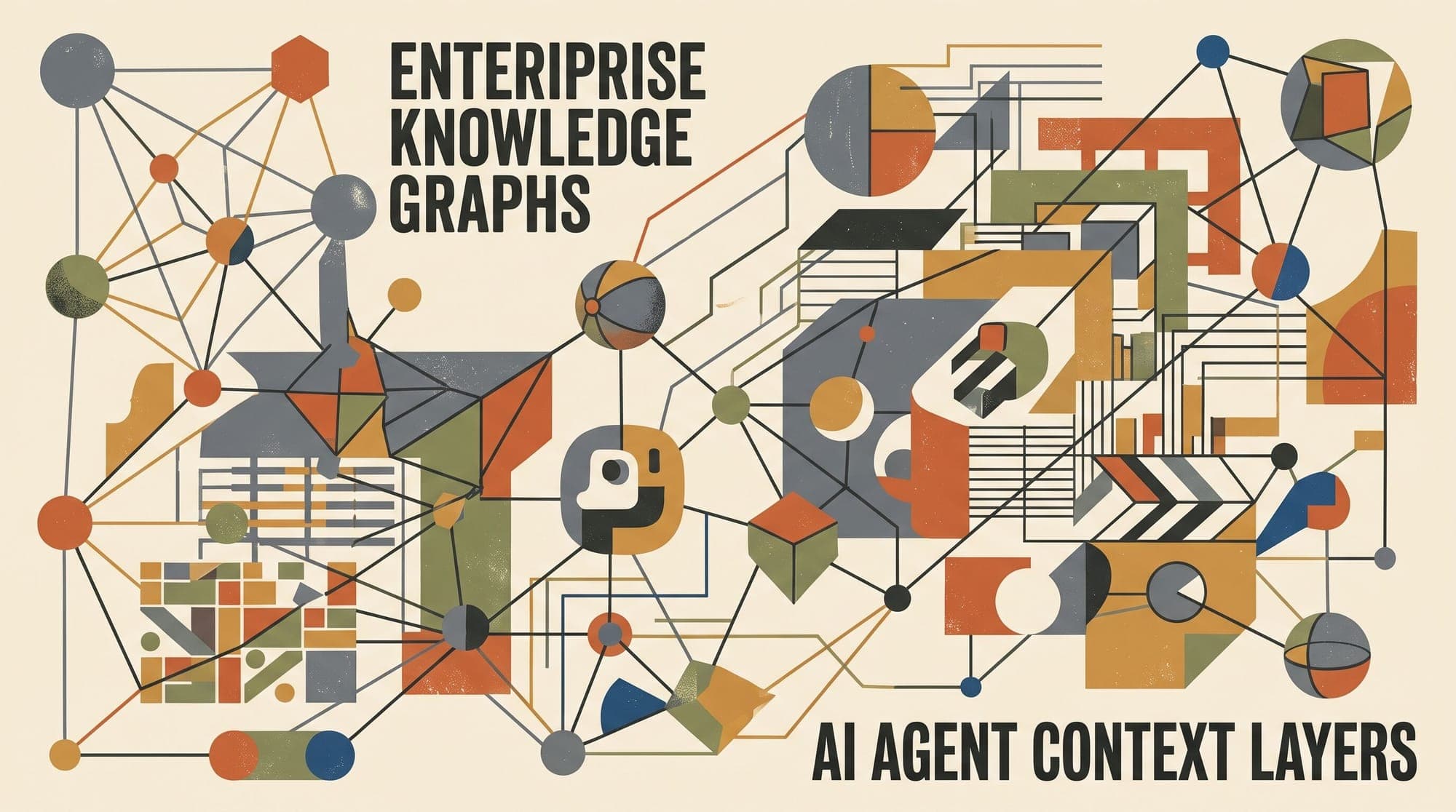
  11. Prevalent AI Secures $22M Growth Round to Build Knowledge Graph Context Layer for AI Agents

    London-based enterprise data architecture startup Prevalent AI has secured $22 million in growth capital from Integrity Growth Partners (IGP). The investment represents the first primary institutional capital raised by the company since its founding in 2017. Prevalent AI was co-founded by CEO Paul Stokes and COO Arun Raj, both alumni of the UK’s Government Communications Headquarters (GCHQ). The company had previously operated as a bootstrapped, profitable business focused on resolving complex

    AI
    2 min read
  12. U.S. Agencies Warn Attackers Are Using AI to Generate Industrial Control Exploits

    A joint cybersecurity advisory released by the Cybersecurity and Infrastructure Security Agency (CISA), the National Security Agency (NSA), and the Federal Bureau of Investigation (FBI) warns that threat actors are actively leveraging generative AI to develop functional exploit scripts targeting industrial control systems (ICS). The joint advisory highlights attacks targeting Siemens S7 programmable logic controllers (PLCs), critical hardware widely deployed in energy, water treatment, chemical

    AI
    2 min read
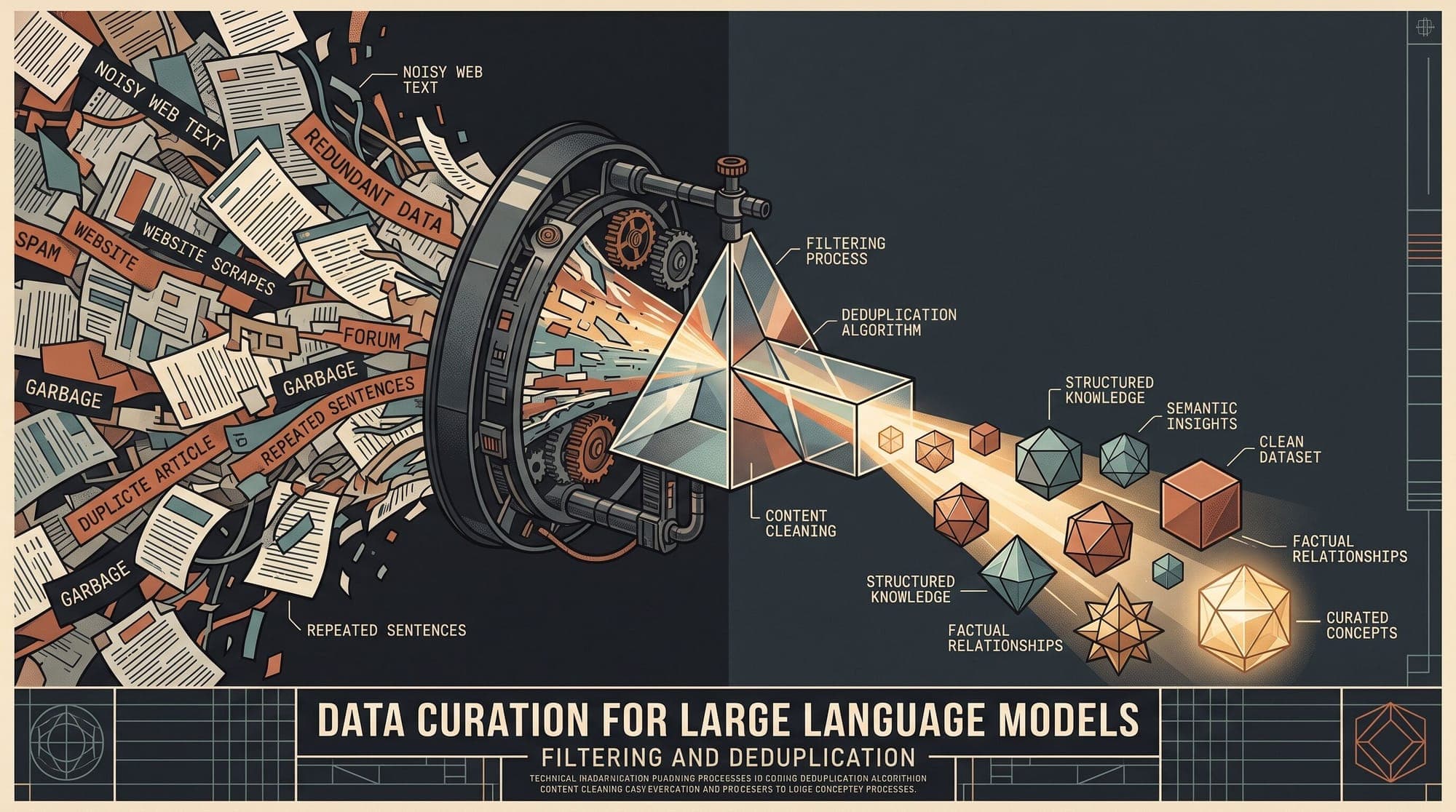
  13. Data Filtering and Deduplication in Large Language Models: How Heuristics, MinHash LSH, SemDeDup, and Quality Classifiers Curate Pre-Training Corpora

    Data Filtering and Deduplication in Large Language Models: How Heuristics, MinHash LSH, SemDeDup, and Quality Classifiers Curate Pre-Training Corpora Pre-training data quality governs the downstream reasoning, factual accuracy, and sample efficiency of foundation large language models (LLMs). While early pre-training efforts relied on uncurated or lightly processed dumps from web repositories like Common Crawl, modern state-of-the-art models depend on multi-stage data curation pipelines that fi

    AI
    10 min read
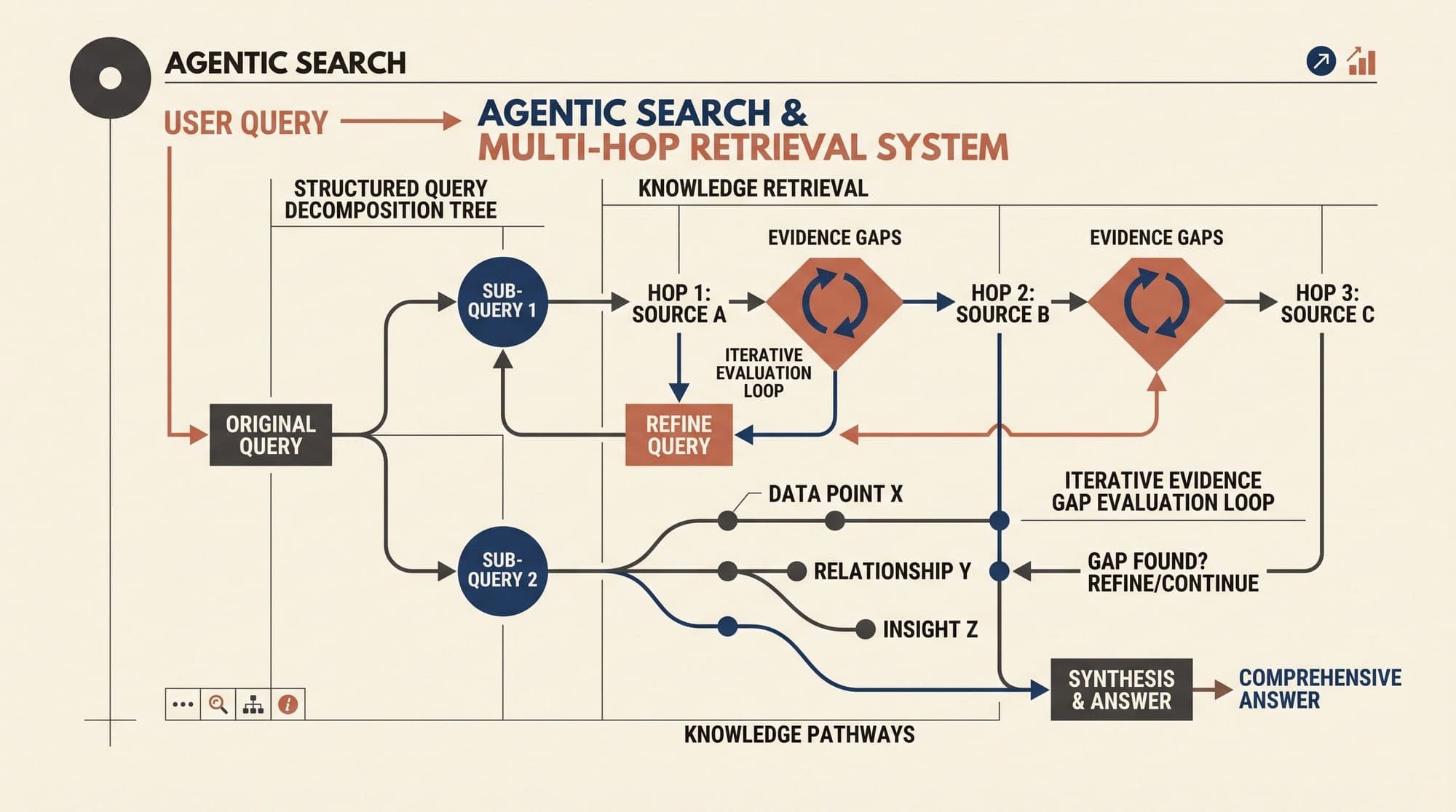
  14. Agentic Search and Multi-Hop Retrieval in Production: Query Decomposition, Evidence-Gap Loops, and Synthesis Architecture

    Standard retrieval-augmented generation (RAG) relies on a single-pass paradigm: an incoming prompt is embedded, matched against a vector or hybrid index, and the top-k passages are injected into the generator's context window. This linear workflow functions reliably for direct fact retrieval, but it breaks down on complex research tasks. When a query requires chained dependencies, comparative analysis across isolated documents, or multi-step reasoning, single-shot retrieval fails because the req

    AI
    5 min read
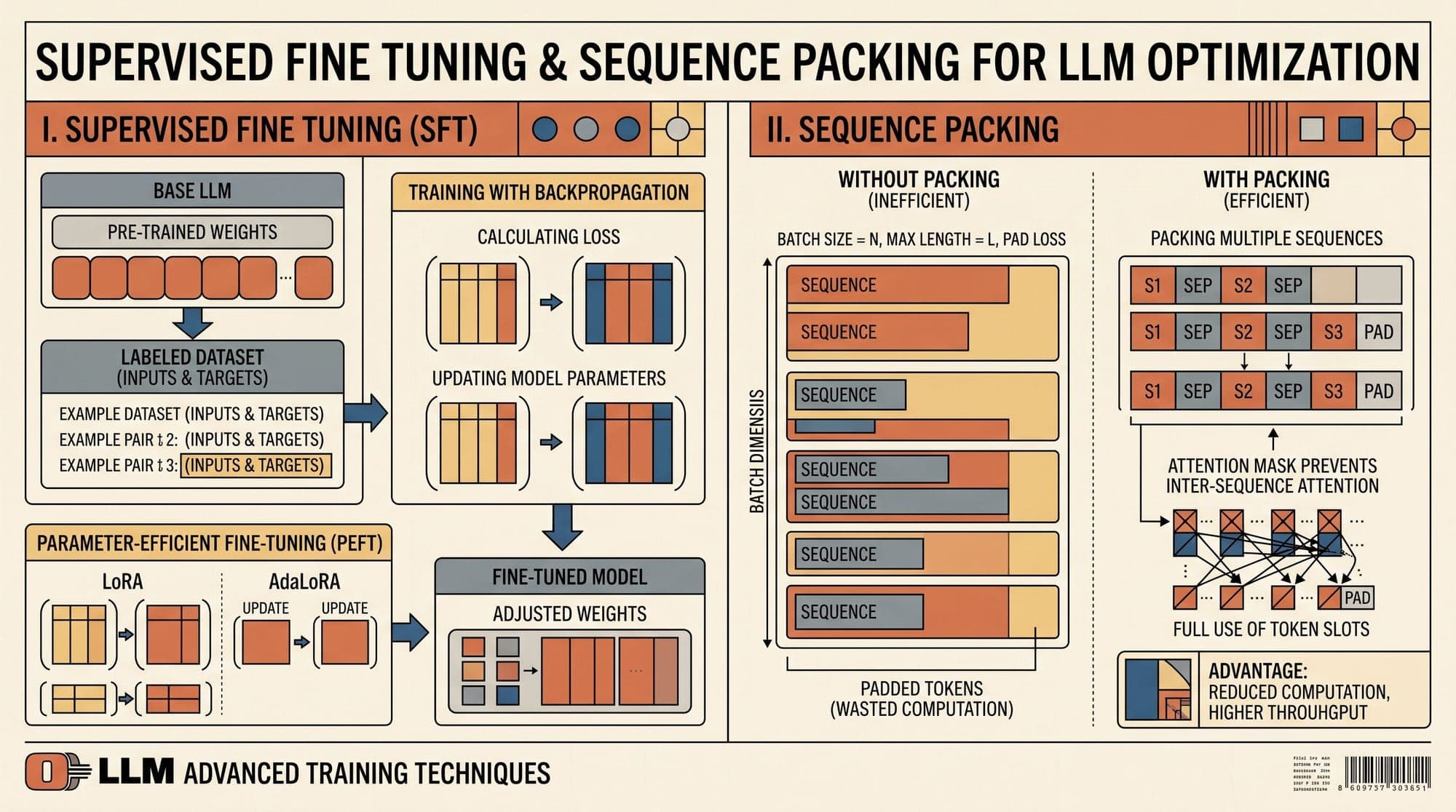
  15. Supervised Fine-Tuning in Large Language Models: Loss Masking, Sequence Packing, and Alignment Dynamics

    Pre-training endows a large language model with broad linguistic patterns, world knowledge, and reasoning primitives by predicting the next token across trillions of uncurated web tokens. However, a raw base model remains a document completer rather than an interactive assistant. Given a prompt such as "Explain how a compiler works," a base model is as likely to generate additional exam questions or web navigation headers as it is to answer the query. Supervised Fine-Tuning (SFT), frequently te

    AI
    7 min read
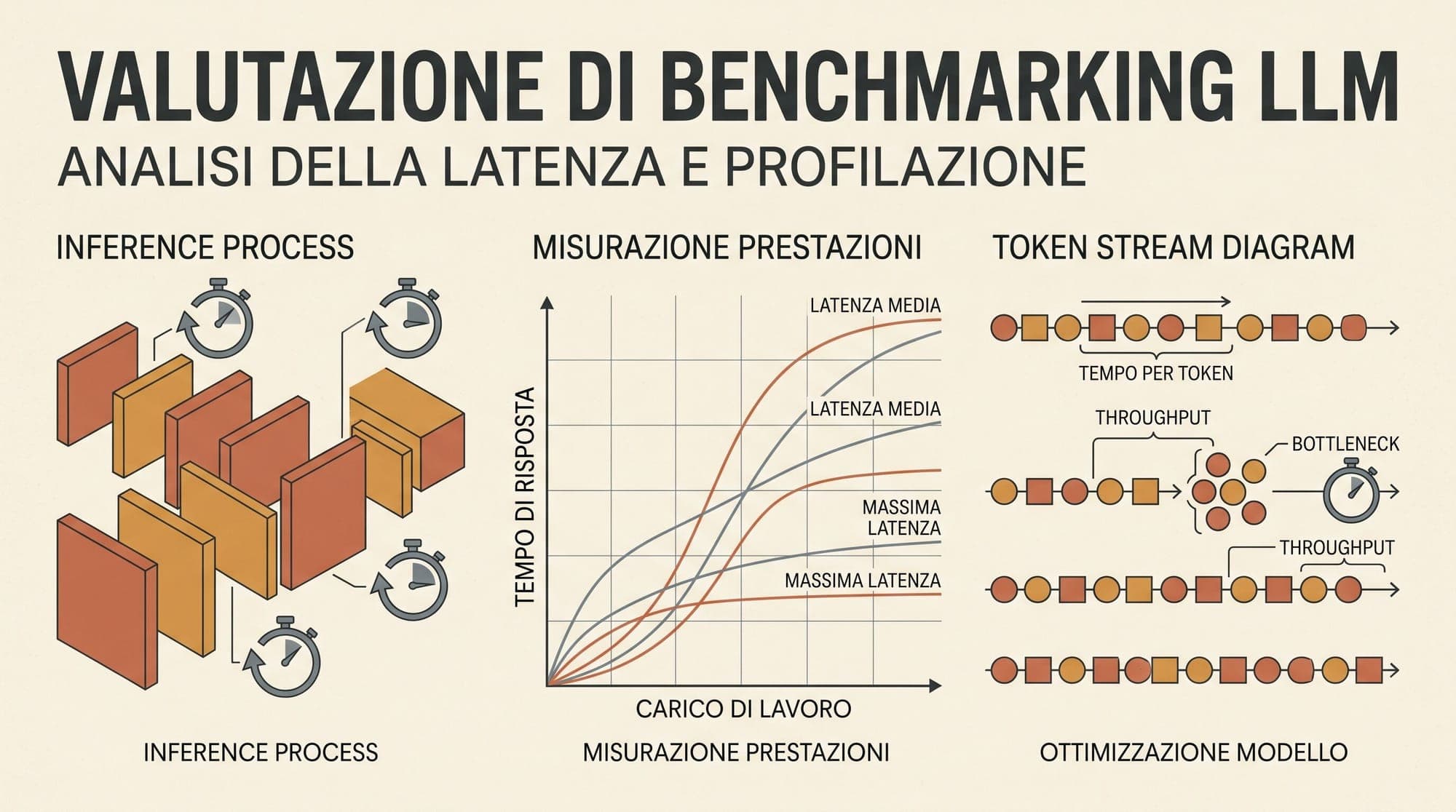
  16. Benchmarking LLM Inference in Production: Architecture, Metrics, and Tooling Across AIPerf, GuideLLM, and LLMPerf

    Traditional HTTP load-testing tools such as Apache Bench, wrk, and Locust evaluate systems using uniform request-response cycles. These tools send a payload, wait for the full response, and compute metrics such as requests per second (RPS) and round-trip latency percentiles. For stateless REST APIs, this model aligns directly with user experience. Large language model (LLM) serving fundamentally breaks this abstraction. An inference request is not an atomic computation. It consists of two disti

    AI
    7 min read
  17. Warmup-Stable-Decay (WSD): How Decoupled Annealing Replaced Cosine Decay in Modern LLM Pre-Training

    For years, foundation model pre-training adhered to a standard optimization convention: linear learning rate warmup followed by a full-horizon cosine decay. Adopted across GPT-3, PaLM, Chinchilla, and LLaMA, cosine annealing provided stable convergence across diverse parameter scales. However, it introduced a severe structural limitation: the learning rate schedule is rigidly tied to a fixed, upfront token budget. If a team decides to extend pre-training mid-run, branch into domain-specific vari

    AI
    6 min read
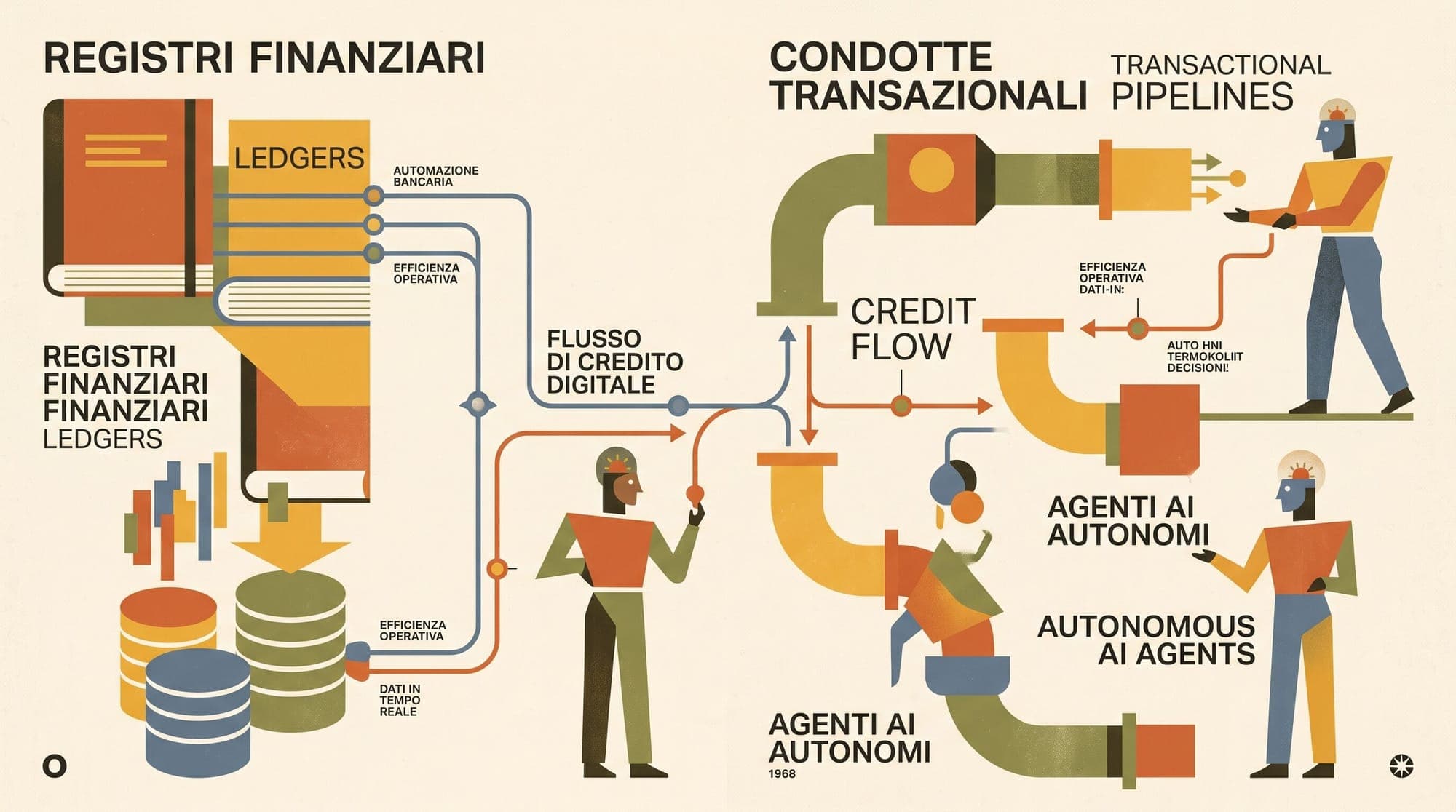
  18. Natural Secures $100M Credit Facility to Scale Payments and Lending for AI Agents

    San Francisco-based fintech startup Natural has secured a debt facility of up to $100 million from Upper90 Capital Management to fund credit and transaction settlement for autonomous AI agents. The debt financing arrives one month after the company closed a $30 million Series A equity round led by Forerunner Ventures, bringing its total equity raised past $40 million. Founded by Kahlil Lalji, Eric Wang, and Walt Leung, Natural is developing banking and payments rails tailored for autonomous sof

    AI
    2 min read
  19. Veeda AI Raises $90M+ Seed Backed by Khosla and Radical for Physical AI World Models

    Veeda AI, a Toronto-based foundation model startup established by former Nvidia AI research executive Sanja Fidler, has raised more than $90 million in seed funding. The round was backed by Khosla Ventures and Radical Ventures, marking one of the largest seed financings recorded in Canada. Corporate filings reveal that the company, incorporated in June 2026 as Veeda Innovation, issued 60.6 million seed shares priced at $1 each in late July. Concurrent with the share issuance, Veeda added Radica

    AI
    2 min read