Subscribe
Topic / page 36

AI

Articles, page 36

701-720
  1. Grok 4.6 Launches on Amazon Bedrock with 500K Context and Cross-Region Routing

    xAI's flagship reasoning model, Grok 4.6, is now generally available across Amazon Web Services through Amazon Bedrock. Released on August 19, 2026 under the model ID xai.grok-4.6, the deployment gives enterprise AWS customers managed API access to xAI's frontier model alongside existing foundational offerings from Anthropic, Meta, and Mistral. The integration comes one week after xAI initially launched Grok 4.6 on August 12, marking a significantly faster enterprise cloud deployment than its p

    AI
    2 min read
  2. Type-Safe LLM Interfaces in Production: Comparing BAML, Instructor, and PydanticAI

    Converting non-deterministic natural language into deterministic, typed data structures is a fundamental requirement of production AI engineering. While early implementations relied on string manipulation, regular expressions, or basic json.loads calls, modern production systems require strict type guarantees, schema validation, and predictable failure modes. Today, engineering teams face three distinct architectural paradigms for enforcing type safety across large language model (LLM) interfac

    AI
    7 min read
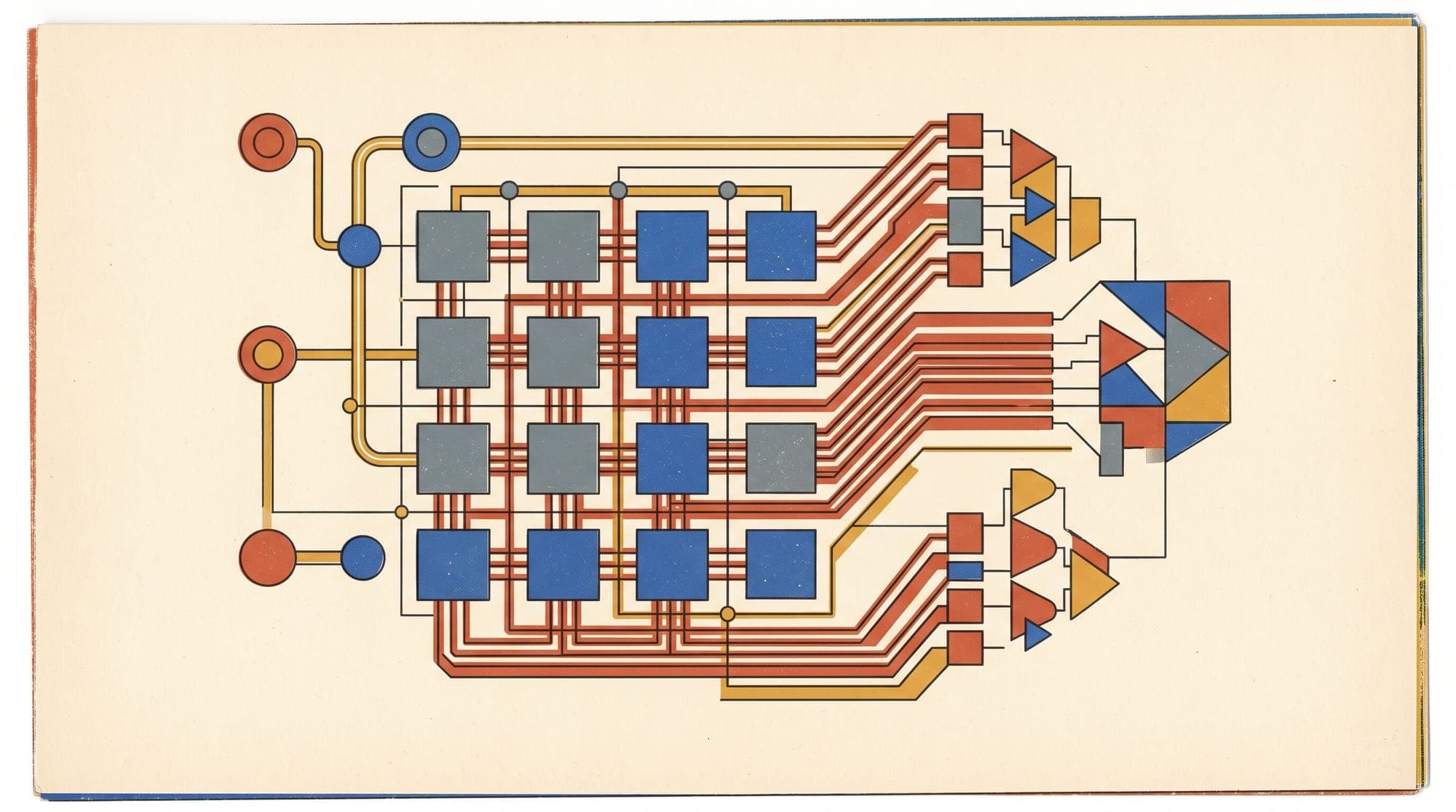
  3. Muon Optimizer: How Matrix Orthogonalization and Newton-Schulz Iterations Accelerate LLM Training

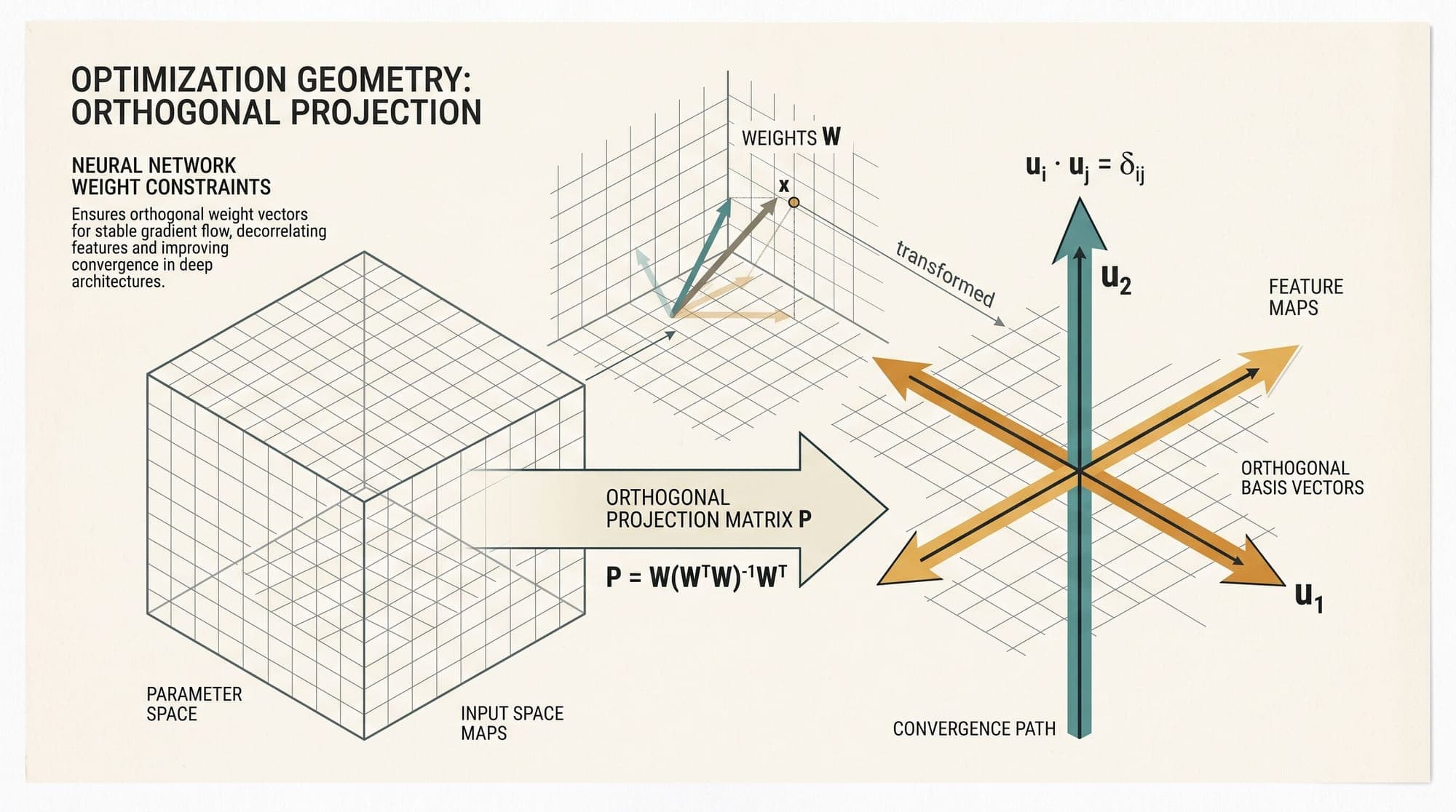
    Modern large language model pre-training has relied on AdamW as its default optimizer for nearly a decade. While AdamW provides robust convergence across varied architectures, its fundamental formulation treats neural network weights as flat collections of independent scalar parameters. For the 2D weight matrices that dominate Transformer architectures—including attention projections and feed-forward linear layers—this coordinate-wise treatment ignores the underlying matrix geometry and singular

    AI
    5 min read
  4. TerraPower Targets AI Data Centers with Natrium SMR and Molten Salt Thermal Storage

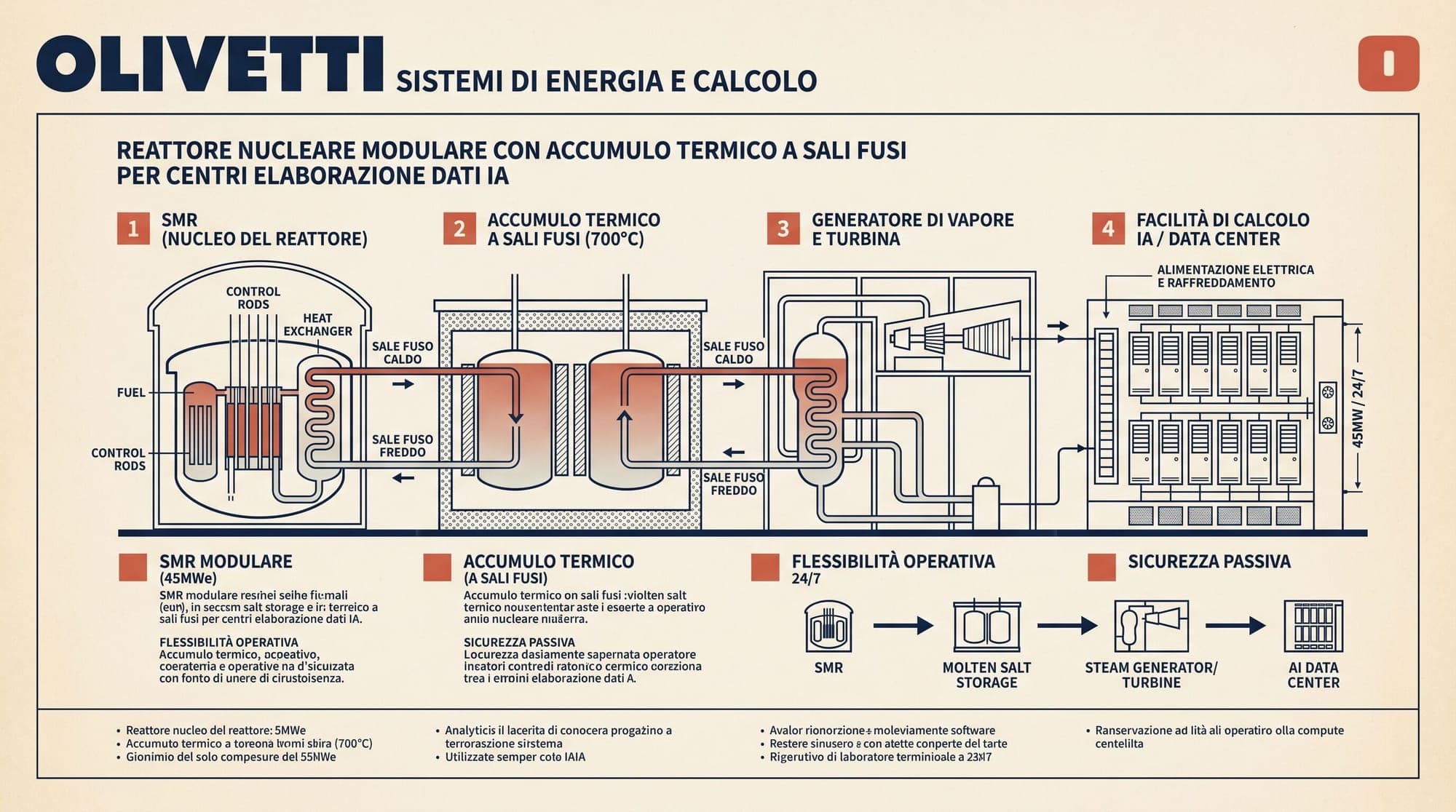
    Nuclear technology developer TerraPower announced plans to finalize its first dedicated data center power project this year, positioning its Natrium sodium-cooled fast reactor architecture to meet the volatile power demands of artificial intelligence infrastructure. The project, slated to break ground in 2027, marks the company's second commercial deployment following its initial facility currently under construction in Kemmerer, Wyoming. In January, Meta signed an agreement with TerraPower to

    AI
    2 min read
  5. Replit Launches Free Mode Powered by OpenAI's GPT-5.6 Luna

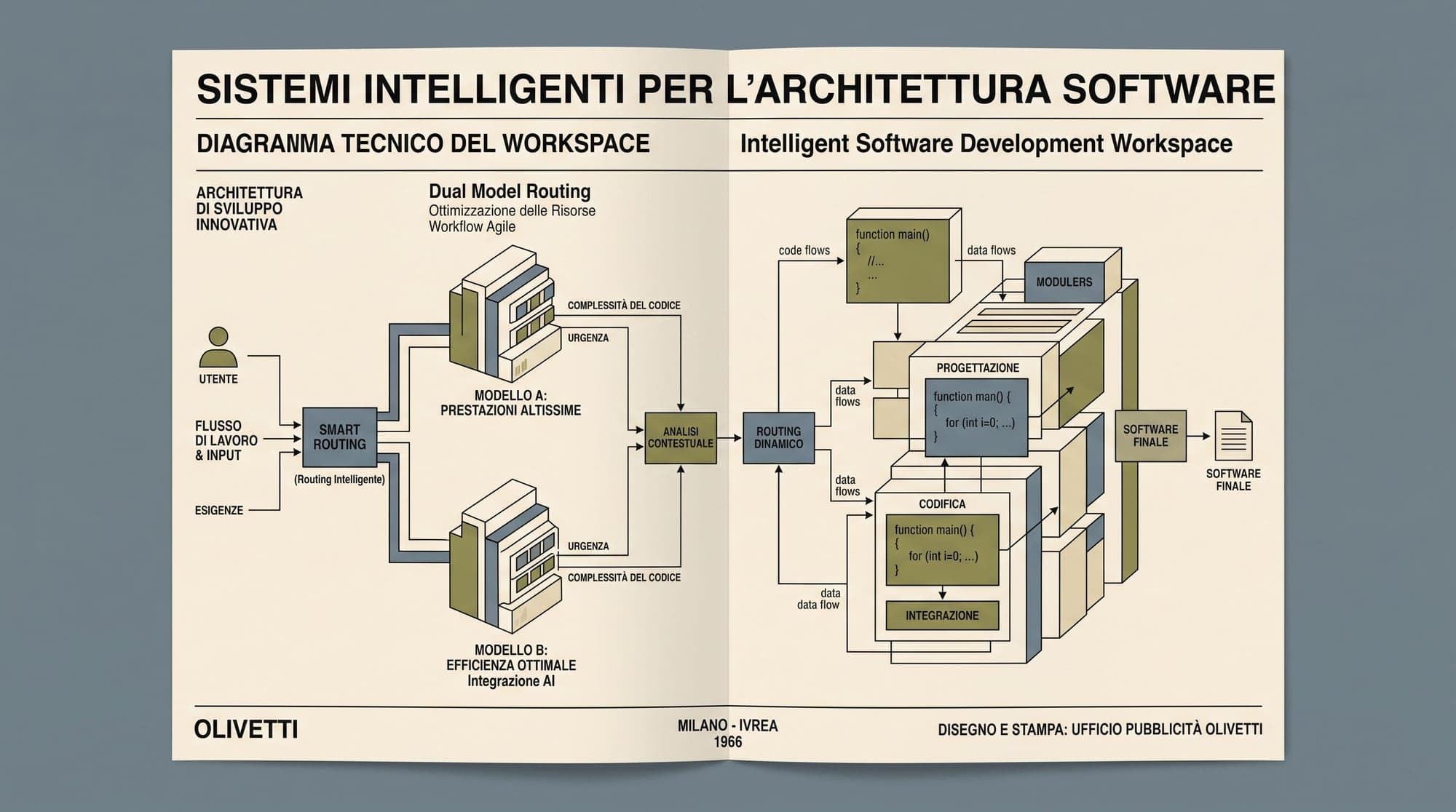
    Software development platform Replit announced the rollout of Free Mode, a tier powered by OpenAI's GPT-5.6 Luna model designed to support zero-cost planning, exploration, and codebase assistance. The integration utilizes recent inference cost reductions and efficiency improvements within the GPT-5.6 model family to provide unmetered conversational assistance without drawing from paid compute budgets. Model Routing and Persistent Project Context Replit Free Mode integrates directly into the

    AI
    1 min read
  6. Harness Ships AI Security Agents to Automate Vulnerability Scanning and Pipeline Remediation

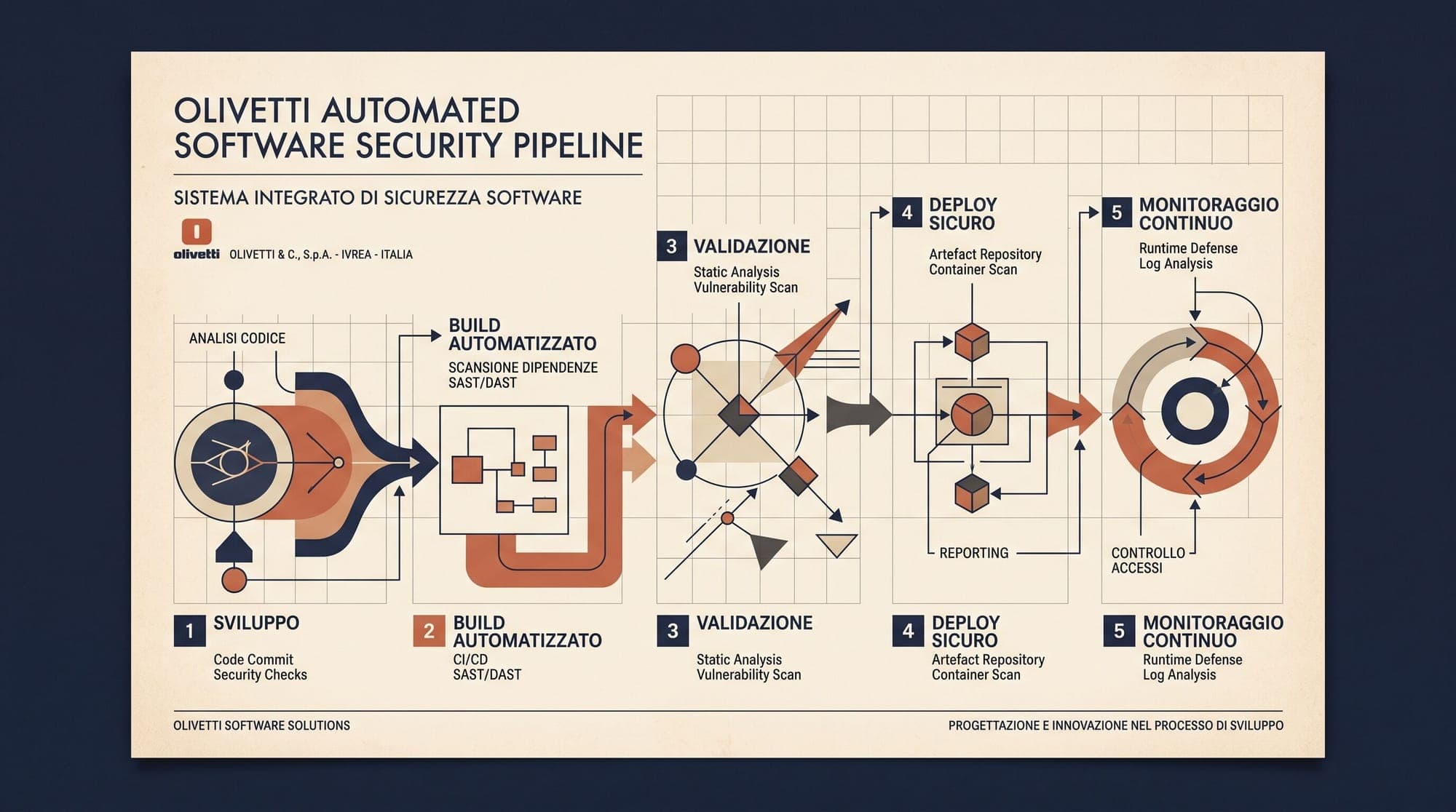
    Software delivery platform Harness released a suite of specialized AI security agents designed to automate vulnerability detection, triage, and code remediation directly within continuous integration pipelines. The release targets the growing operational disparity between automated vulnerability discovery and manual patch deployment. According to the Edgescan 2026 Vulnerability Statistics Report, organizations average 55 days to remediate reported software vulnerabilities. Conversely, automated

    AI
    2 min read
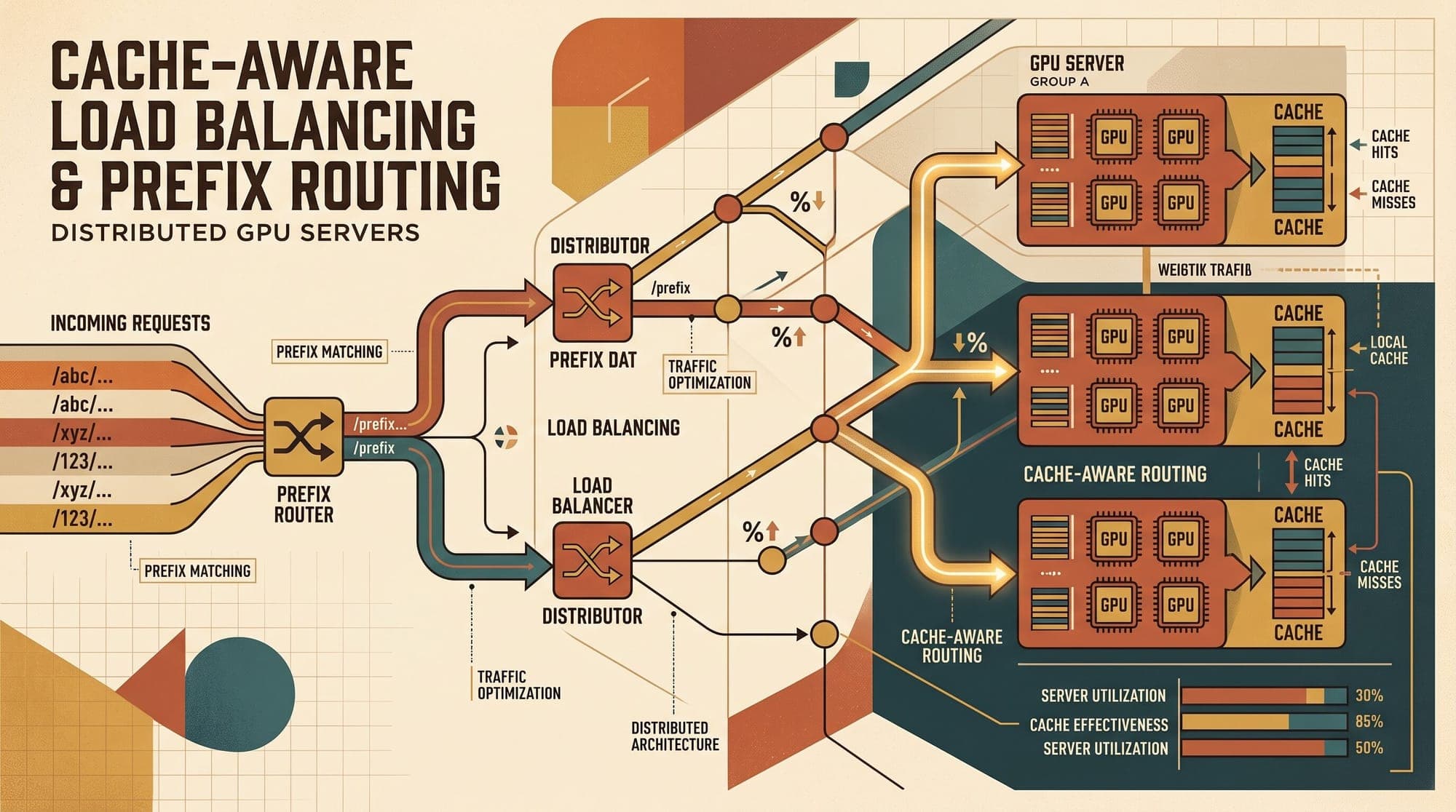
  7. Cache-Aware Load Balancing in Production LLM Serving: Architecture, Prefix Affinity, and Multi-Replica Routing Trade-Offs

    Cache-Aware Load Balancing in Production LLM Serving: Architecture, Prefix Affinity, and Multi-Replica Routing Trade-Offs When scaling large language model inference across multiple GPU worker nodes, standard Layer-4 and Layer-7 load balancing algorithms create an unseen performance cliff. Round-robin, least-connections, and random routing distribute HTTP/gRPC requests uniformly across compute replicas. However, modern LLM inference engines rely on prompt caching mechanisms, such as vLLM Automa

    AI
    6 min read
  8. SwiGLU and Gated Linear Units: How Bilinear Gating Replaced Standard FFNs in Modern LLMs

    Every modern open-weight and frontier large language model, from Meta's LLaMA 3 and Mistral to Alibaba's Qwen 2.5 and DeepSeek-V3, has abandoned the standard two-layer Feed-Forward Network (FFN) originally introduced in the 2017 Transformer architecture. In its place, model architectures have converged almost universally on Gated Linear Units (GLU), specifically the Swish-Gated Linear Unit (SwiGLU). While the original Transformer relied on standard non-linear activations like ReLU or Gaussian E

    AI
    6 min read
  9. Nvidia Acts as Matchmaker for Nordic Datacenter Capacity to Ease AI Compute Bottlenecks

    Nvidia is directly brokering compute infrastructure deals by connecting enterprise customers holding graphics processing units with datacenter operators in the Nordic region that possess available power, cooling, and floor capacity, according to reporting by CNBC. The matchmaking initiative reflects Nvidia's efforts to mitigate severe power grid bottlenecks in North America and Western Europe that threaten to stall AI cluster deployments. By pairing hardware buyers directly with site operators

    AI
    2 min read
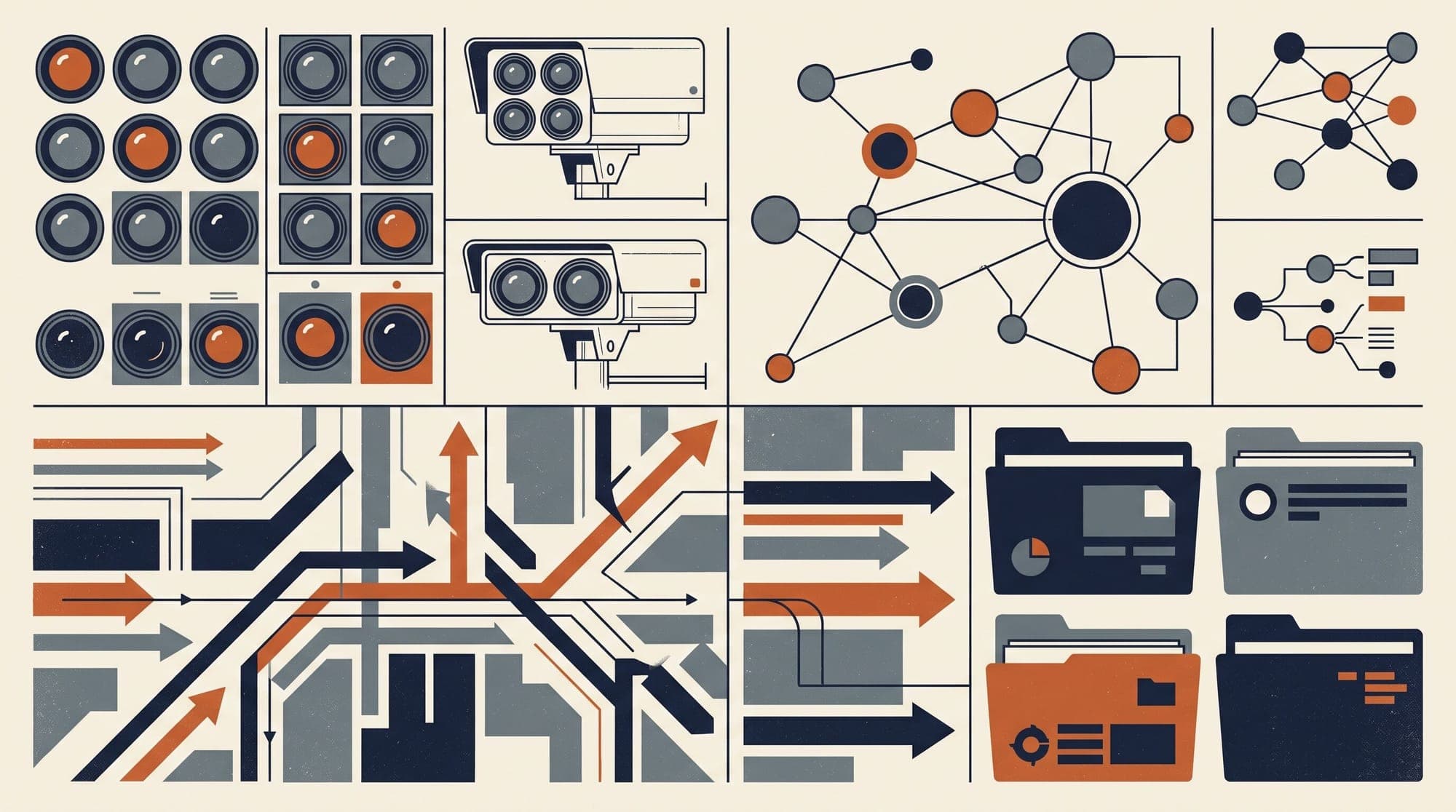
  10. Leaked Flock Safety Code Exposes OS Investigate AI System for Police Surveillance

    A technical analysis of client-side code exposed on Flock Safety's login portals has revealed OS Investigate, an unannounced artificial intelligence platform designed to track individuals and analyze vehicular travel patterns across police departments nationwide. The findings, first reported by WIRED and verified by independent security researchers, detail an AI-driven investigative system that links automated license plate reader (ALPR) networks with police databases and commercial records. Fl

    AI
    2 min read
  11. Marvell Issues Google $12.2B Stock Warrant in Custom AI Silicon Deal

    Marvell Technology has granted Alphabet's Google a warrant to purchase up to 58.9 million shares of common stock at an exercise price of $206.58 per share, establishing an equity arrangement valued at up to $12.18 billion. The agreement expands the companies' partnership to co-develop custom artificial intelligence silicon, specialized networking, and next-generation datacenter infrastructure. Following the announcement, Marvell shares rose more than 11% in premarket trading, while primary cust

    AI
    2 min read
  12. Cloud Browser Infrastructure for AI Agents: Architecture, Anti-Bot Bypassing, Session State, and Fleet Scaling

    Autonomous AI agents require interactive web environments to navigate single-page applications, authenticate across complex portals, fill multi-step forms, and extract dynamic client-rendered data. However, running headless browsers at scale introduces severe operational bottlenecks. Ephemeral container instances (such as Docker containers or AWS Lambda functions) frequently suffer from cold starts, memory leaks, fingerprint leakage, and instant IP blacklisting by bot-detection networks. To sol

    AI
    6 min read
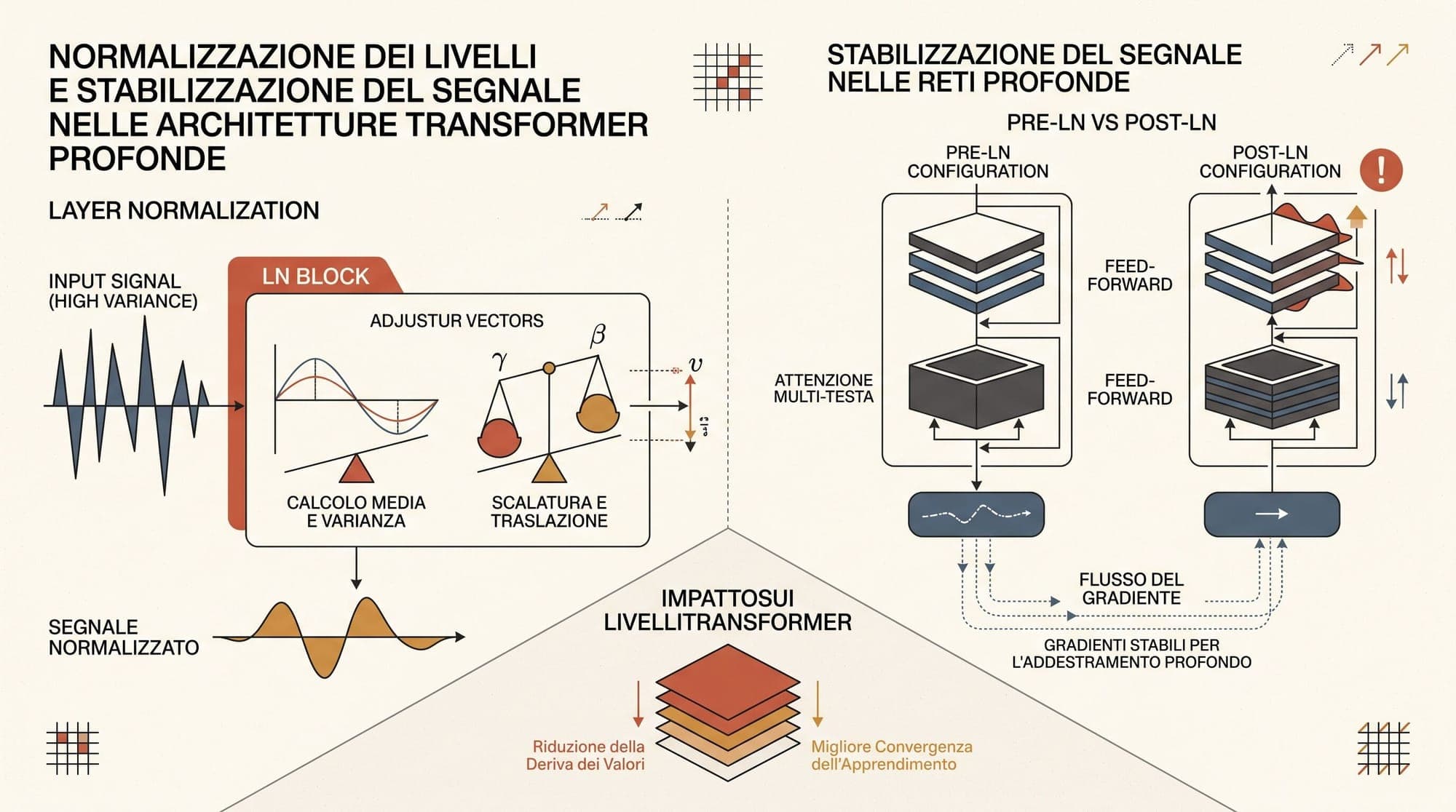
  13. Layer Normalization and RMSNorm in Large Language Models: How Pre-LN, Scaling Invariance, and QK-Norm Stabilize Deep Transformers

    Training deep autoregressive Transformers requires maintaining numerical stability across dozens or hundreds of stacked attention and feed-forward blocks. As models scale from 7 billion to hundreds of billions of parameters, uncontrolled variance growth along the residual stream or unbounded attention logits can trigger catastrophic loss spikes, gradient underflow, or numerical divergence. Normalization layers act as the primary stabilizing mechanism in modern Large Language Models (LLMs). Whil

    AI
    8 min read
  14. Liquid AI Releases Quantization-Aware Distilled Q4_0 Checkpoints for LFM2.5 Models

    Liquid AI has released Quantization-Aware Distillation (QAD) Q4_0 GGUF checkpoints for its LFM2.5 model series, allowing edge runtimes to execute 4-bit quantized non-transformer architectures without the accuracy degradation typically associated with standard post-training quantization (PTQ). The release covers four models in the LFM2.5 family: LFM2.5-230M, LFM2.5-350M, LFM2.5-1.2B-Instruct, and LFM2.5-2.6B. The checkpoints are packaged in the standard GGUF format and run across llama.cpp and c

    AI
    2 min read
  15. Palo Alto Networks Enlists Anthropic, OpenAI, and OT Vendors for Critical Infrastructure Defense

    Palo Alto Networks has introduced the Frontier AI Critical Defense Program, a coordinated security initiative uniting frontier AI research labs, enterprise software vendors, and industrial control systems providers to protect critical infrastructure from automated vulnerability exploitation. The program includes participation from Anthropic, OpenAI, industrial automation and operational technology (OT) manufacturers Mitsubishi Electric and Axis Communications, healthcare and finance risk-sharin

    AI
    2 min read
  16. Long-Context LLMs vs. RAG in Production: Break-Even Economics, Attention Degradation, and Hybrid Architectures

    The emergence of production models supporting context windows of 1 million tokens or more, including Google Gemini 1.5 Pro, Anthropic Claude 3.5 Sonnet, and OpenAI GPT-4o, has disrupted conventional enterprise retrieval architectures. For several years, Retrieval-Augmented Generation (RAG) served as the mandatory workaround for strict context limits, forcing engineering teams to build chunking pipelines, embedding indices, and vector database infrastructures. With massive context windows and th

    AI
    6 min read
  17. Oracle Health Adds Automated Coding, Dictation, and Chart Review to Clinical AI Agent

    Oracle Health has expanded the capabilities of its Clinical AI Agent in the United States, introducing automated professional fee coding, real-time clinician-controlled dictation, and AI-assisted chart review. The release marks a deliberate expansion beyond ambient clinical documentation into revenue cycle workflows and structured electronic health record retrieval. The update builds on Oracle's ambient listening platform, which transcribes patient encounters and synthesizes clinical notes. By

    AI
    2 min read
  18. On-Device LLM Inference in Production: Architecture, Runtimes, and Hardware Constraints

    Deploying generative language models directly onto edge devices such as smartphones, laptops, embedded systems, and browser sandboxes marks a fundamental shift in AI systems engineering. Moving inference from centralized GPU clusters to client silicon eliminates cloud API costs, cuts network latency to zero, guarantees data privacy by keeping user inputs local, and enables offline functionality. However, executing modern autoregressive models on resource-constrained client hardware presents str

    AI
    7 min read
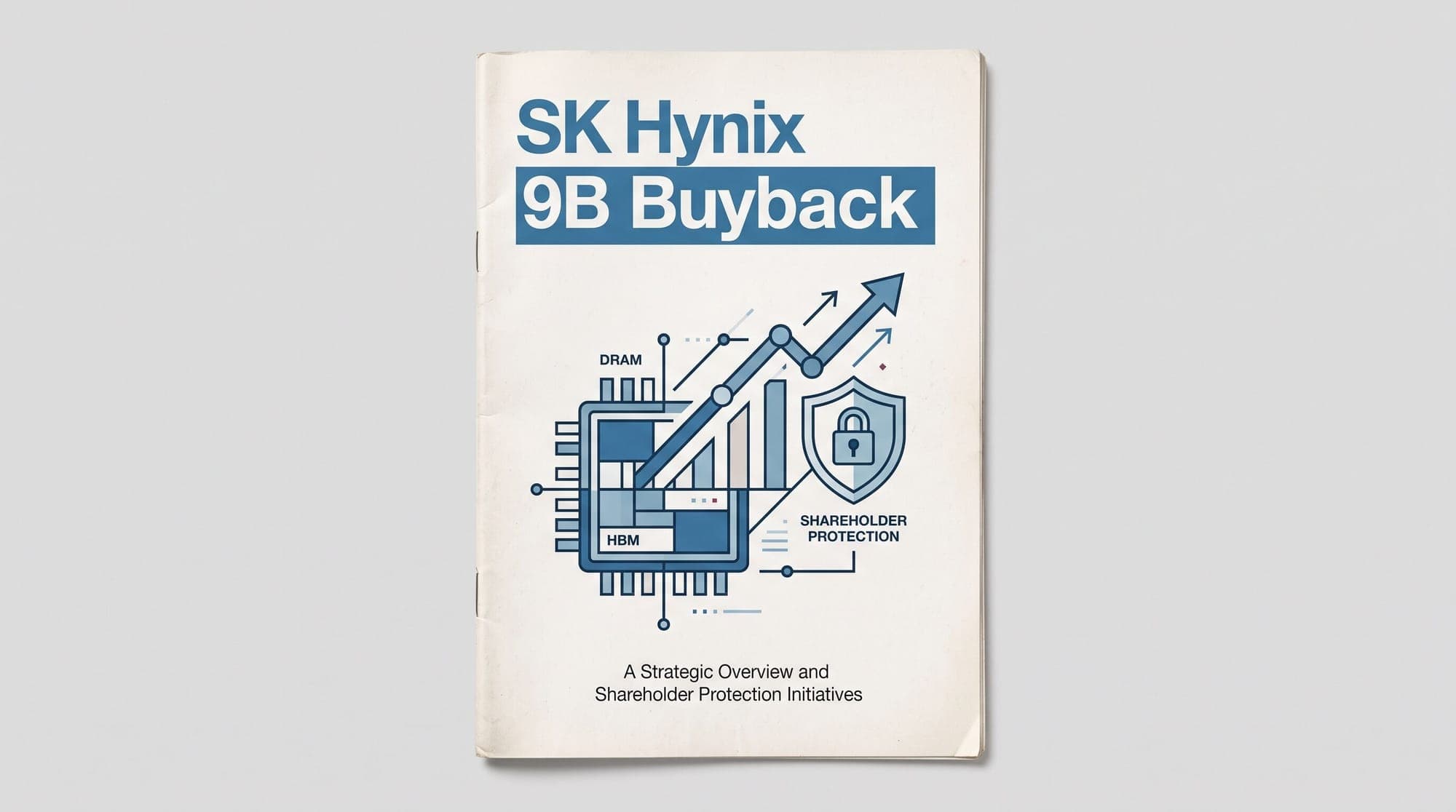
  19. SK Hynix Announces $29 Billion Share Buyback to Calm AI Spending Worries

    SK Hynix announced Wednesday it will buy back and cancel 40 trillion won ($28.61 billion) worth of treasury shares, allocating more than 50 percent of free cash flow generated between 2025 and 2027 to shareholder returns. The buyback, to be executed between August 20 and November 19, represents roughly 24 million shares. The company also said it would pursue an expansion of its total shareholder return target from the previous "within 50 percent of cumulative FCF" to "over 50 percent of cumulat

    AI
    1 min read
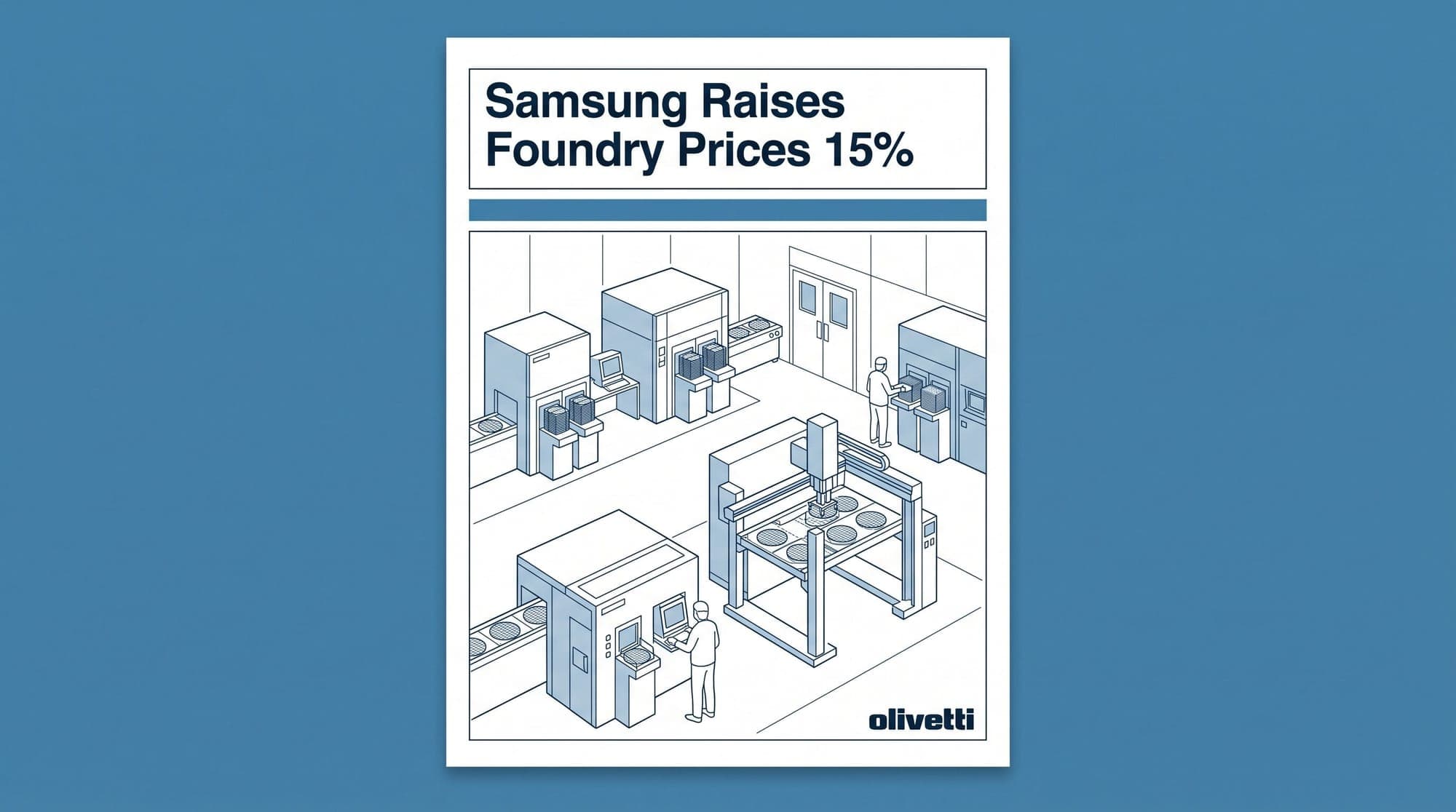
  20. Samsung Raises 4nm and 5nm Foundry Prices up to 15% on AI Chip Demand

    Samsung Electronics has raised prices for its most advanced contract chipmaking services by up to 15 percent for new orders, according to two sources familiar with the matter, as demand for AI chips tightens capacity at the South Korean foundry. The increases apply to Samsung's 4-nanometer SF4 and 5-nanometer SF5 process nodes. Prices for SF4 wafers rose 10 to 15 percent for customers in China and the United States from the previous month, while customers in Taiwan saw increases of 5 to 10 perc

    AI
    1 min read