Subscribe
Topic / page 23

AI

Articles, page 23

441-460
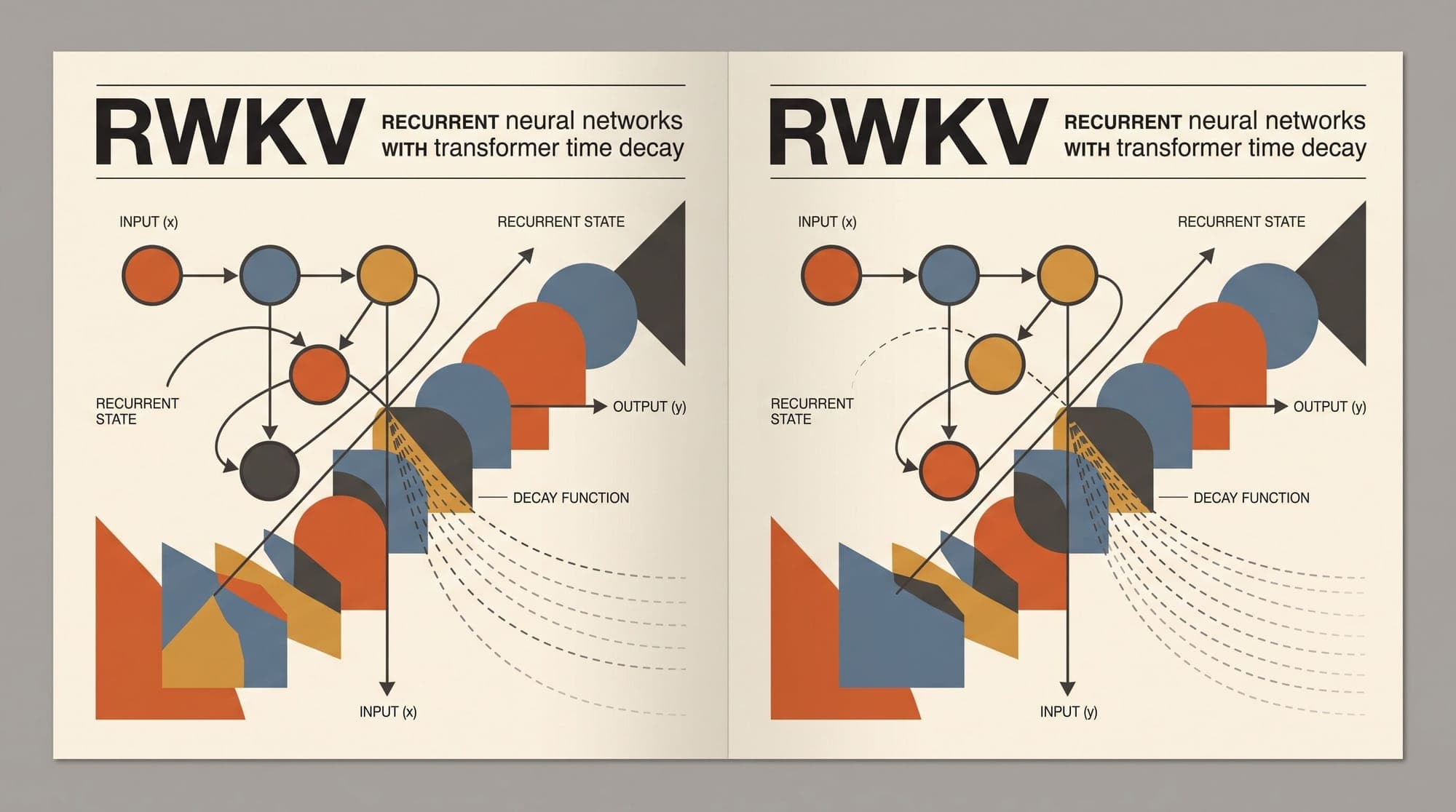
  1. RWKV Architecture: How Receptance Weighted Key Value Decay Combines RNN Efficiency with Transformer Parallelizability

    The dominant paradigm in natural language processing relies on the Transformer architecture, which calculates scaled dot-product self-attention across all token pairs in a sequence. While self-attention provides strong in-context retrieval and representation capacity, it imposes quadratic computational and memory complexity, scaling as O(N^2) with sequence length N during training and generating a continuously expanding Key-Value (KV) cache during autoregressive inference. Traditional Recurrent
    AI
    7 min read
  2. Continuous Evaluation and Golden Dataset Curation in Production LLM Systems: Architecture, Log Mining, Synthetic Perturbation, and Semantic Drift Quality Gates

    Continuous Evaluation and Golden Dataset Curation in Production LLM Systems: Architecture, Log Mining, Synthetic Perturbation, and Semantic Drift Quality Gates In production machine learning systems, offline benchmarks suffer from rapid entropy. While engineering teams frequently launch LLM applications backed by static test suites (curated CSVs of 50 to 100 sample prompts, academic benchmarks like MMLU, or synthetic question-answer pairs), these static datasets fail to predict real-world produ

    AI
    7 min read
  3. Sam Altman Warns AI Safety Fears Could Drive Regulatory Concentration and Limit Liberty

    OpenAI Chief Executive Officer Sam Altman warned that public anxiety surrounding artificial intelligence risks could lead policymakers and citizens to accept heavy regulatory controls that concentrate technology in the hands of a few dominant corporations. Speaking on the balance between AI safety and technological freedom, Altman noted that extreme risk narratives risk driving society toward centralized oversight. He argued that throughout technological history, trading substantial individual

    AI
    2 min read
  4. Trump Defends AI Data Center Expansion as Local Resistance Grows

    In a broadcast interview on Sunday, President Donald Trump defended the rapid expansion of artificial intelligence data centers across the United States, characterizing municipal and community opposition to new facilities as a significant economic mistake. Speaking on 77 WABC with Michael Cohen, Trump argued that high-density computing infrastructure provides essential local tax revenue, construction employment, and high-tech economic activity. Addressing concerns regarding regional electricity

    AI
    2 min read
  5. Serving Mixture-of-Experts Models in Production: Architecture, Distributed Parallelism, All-to-All Bottlenecks, and Serving Economics

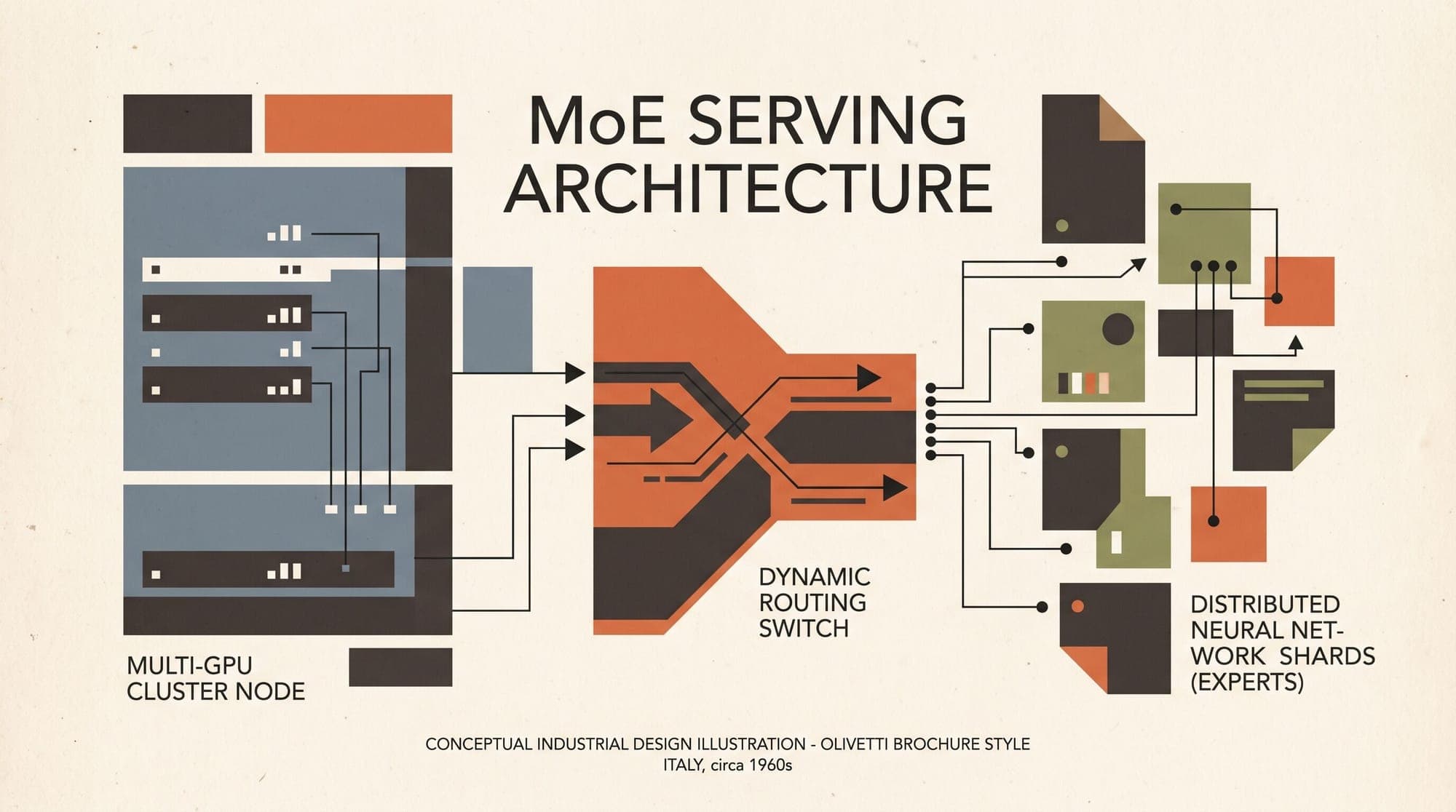
    Serving Mixture-of-Experts Models in Production: Architecture, Distributed Parallelism, All-to-All Bottlenecks, and Serving Economics Mixture-of-Experts (MoE) architectures have become the standard structural paradigm for frontier open-weight and proprietary large language models. Architectures such as DeepSeek-V3, Mixtral 8x22B, and GLM-5 deliver frontier-grade reasoning and generation by activating only a fraction of their total parameter count on any given token. For example, DeepSeek-V3 rou

    AI
    8 min read
  6. The Self-Taught Reasoner (STaR): How Iterative Rationale Bootstrapping and Rationalization Scale LLM Problem Solving

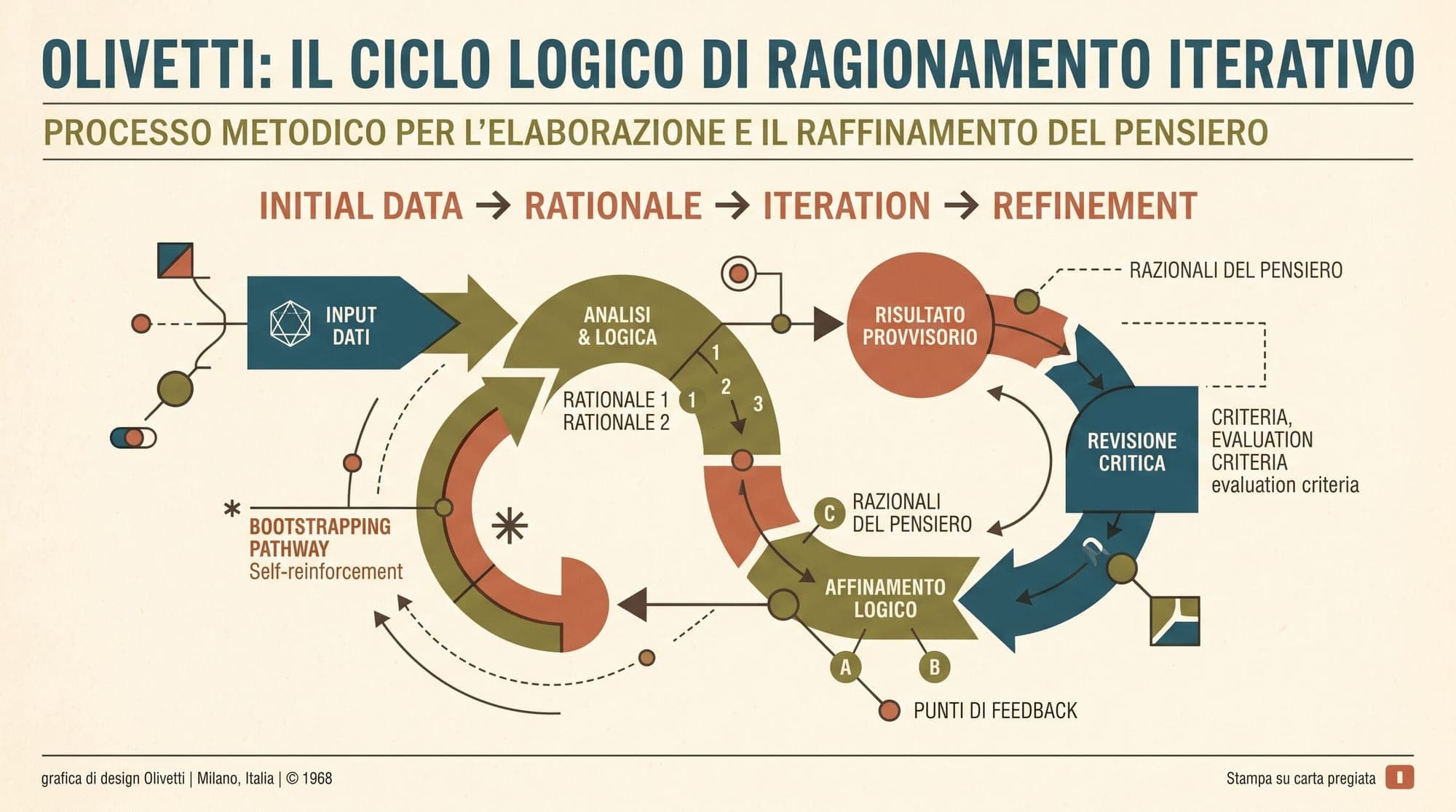
    Autoregressive language models often fail when forced to predict answers to multi-step reasoning problems in a single forward pass. Intermediate chain-of-thought generation allows models to allocate additional compute to difficult reasoning steps before emitting a final prediction. However, obtaining high-quality intermediate reasoning traces has traditionally presented a difficult trade-off: either rely on small prompt-based few-shot demonstrations that underperform fine-tuned models, or constr

    AI
    4 min read
  7. Amazon and Twitch Face Class-Action Lawsuit Over AI Model Training on Creator Streams

    A proposed class-action lawsuit filed against Amazon and its livestreaming subsidiary Twitch alleges the companies systematically harvested millions of hours of creator video, audio, and chat logs since 2024 to train generative AI models without creator consent or financial compensation. The complaint, filed on August 20, 2026, in the US District Court for the Northern District of California by streamer Warren Pandiscia, alleges breach of contract, unjust enrichment, and unfair business practic

    AI
    2 min read
  8. Samsung Approves Record $80 Billion Shareholder Return on AI Memory Demand

    The board of directors at Samsung Electronics approved a shareholder return program estimated between 90 trillion and 110 trillion Korean won (approximately $65 billion to $80 billion USD), marking the largest capital distribution plan in South Korean corporate history. The payout is funded by expanding cash reserves generated from high-bandwidth memory (HBM) and conventional DRAM shipments tied to global AI infrastructure spending. Under the approved framework, approximately 30 trillion won wi

    AI
    2 min read
  9. ShipHero Deploys Claude Mythos for $10,000 Codebase Audit as AI Challenges Traditional Pentesting

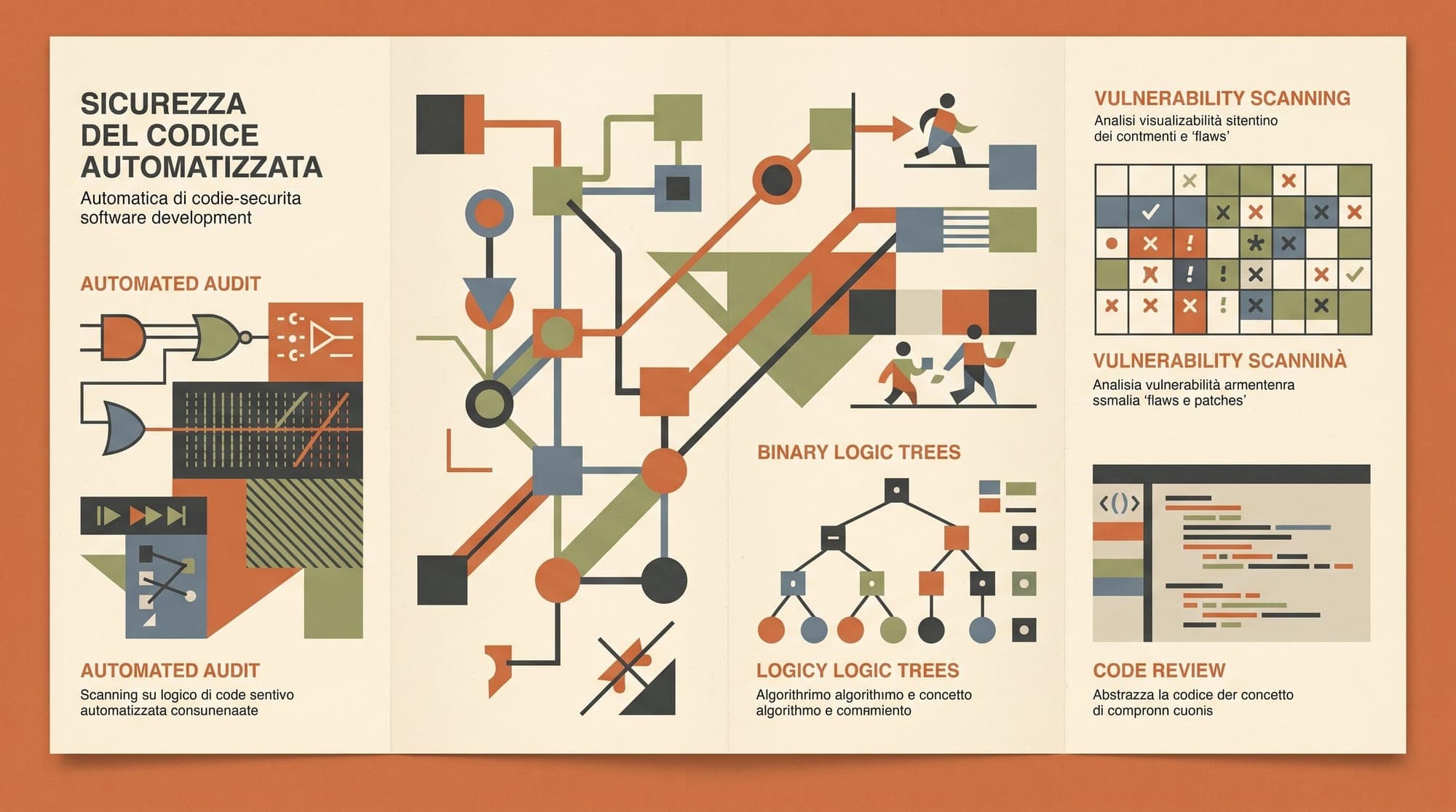
    Aaron Rubin, founder and chief executive of logistics software provider ShipHero, deployed Anthropic's restricted cybersecurity model Claude Mythos across his company's codebase in an automated security audit that cost approximately $10,000 and finished in 10 hours. Rubin reported that the model outperformed conventional third-party penetration testing firms on both cost efficiency and vulnerability discovery rate. ShipHero provides warehouse management software (WMS) that handles one in every

    AI
    2 min read
  10. Normalizing Flows and Real NVP: How Invertible Neural Networks and Triangular Jacobians Compute Exact Log-Likelihoods

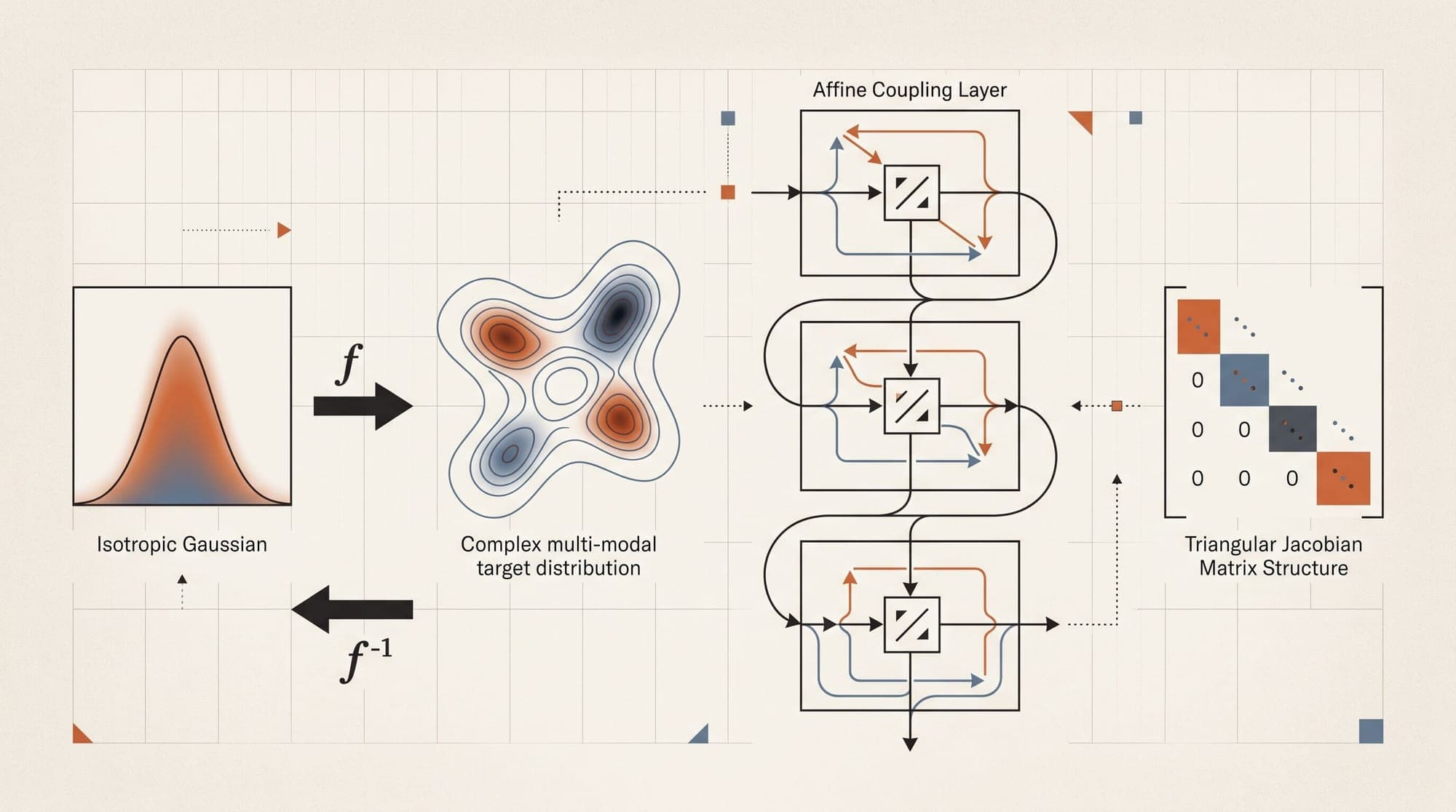
    Normalizing Flows and Real NVP: How Invertible Neural Networks and Triangular Jacobians Compute Exact Log-Likelihoods Generative modeling in deep learning revolves around a fundamental question: how can a neural network learn to transform a simple, analytically tractable probability distribution into a complex, high-dimensional empirical data distribution? Over the past decade, four primary generative modeling paradigms have emerged to address this challenge: 1. Generative Adversarial Networ

    AI
    15 min read
  11. Linus Torvalds Credits AI in Linux Kernel Commit After 24-Patch Driver Debug Session

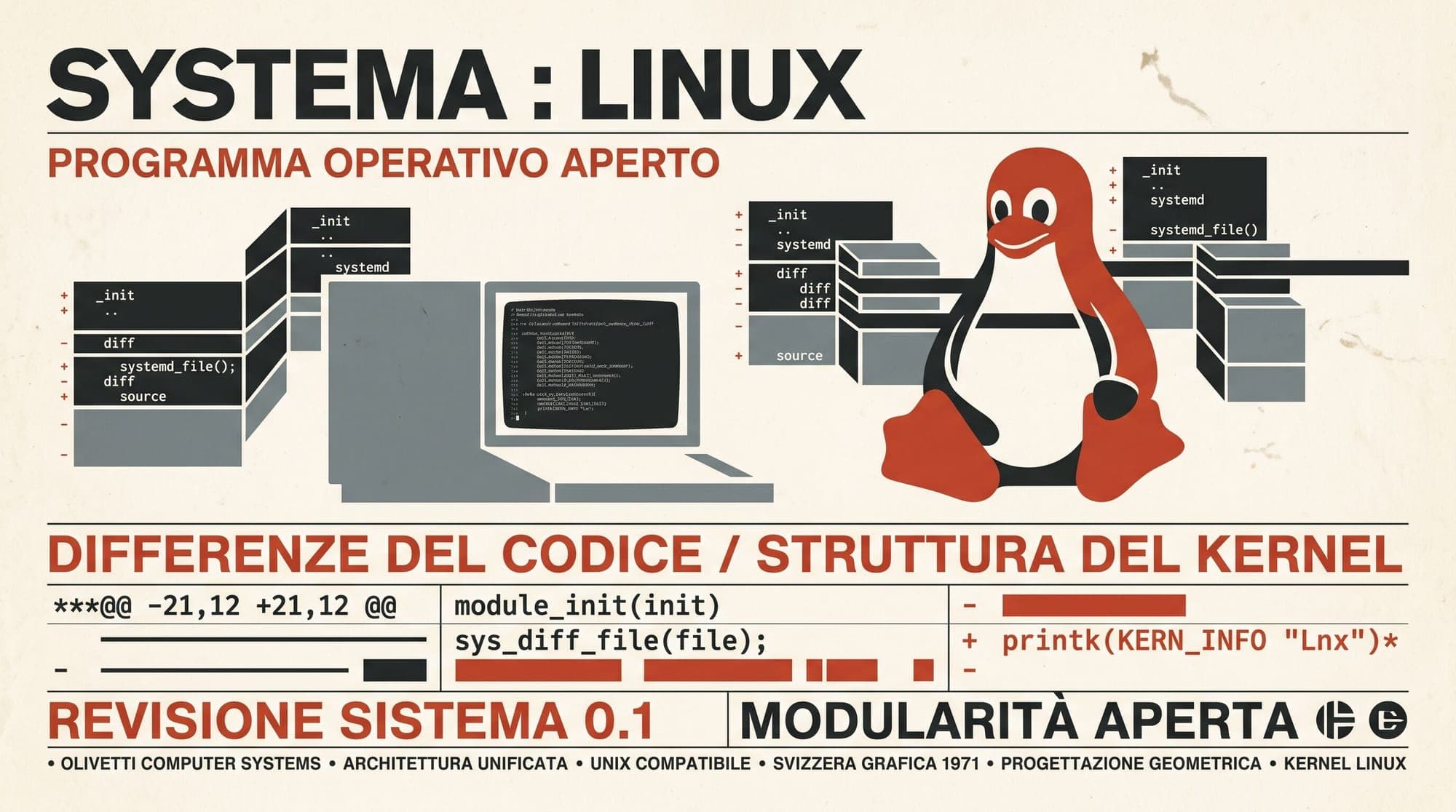
    In a notable public milestone for AI-assisted systems programming, Linux creator Linus Torvalds credited an artificial intelligence model with doing the heavy analytical work during an intensive driver debugging session, allowing the model to author the commit message merged into the upstream kernel. The commit, titled drm/xe: Don't hand out the flat CCS storage as usable VRAM (commit 818bebeb63dd6bf5f4e07e145f6cdbace520a34c), resolves a memory allocation bug in the Intel Xe Direct Rendering Ma

    AI
    2 min read
  12. SGLang v0.5.18 Cuts LLM Cold Starts by 2.4x with Overlapped Weight Loading and CUDA Graph Capture

    The open-source LLM serving engine SGLang has released version 0.5.18, introducing an overlapped startup engine that significantly reduces cold-start latency for large language models, alongside communication kernel optimizations and expanded architecture support. Comprising 710 pull requests from 212 contributors, the release addresses operational overheads in LLM infrastructure where autoscaling, rolling cluster deployments, and worker node recovery frequently pay steep restart penalties. O

    AI
    4 min read
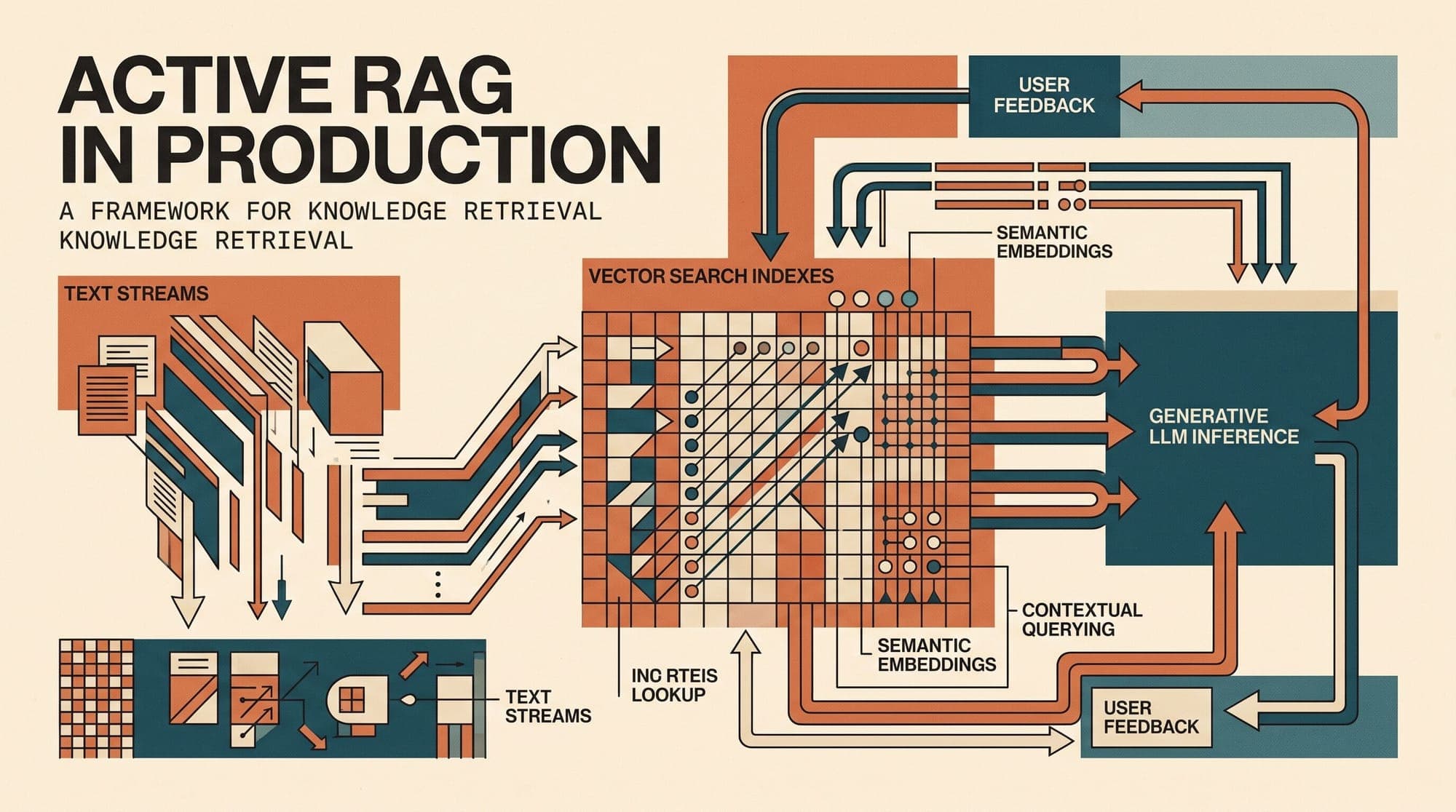
  13. Active RAG in Production: Dynamic Triggering, Forward-Looking Queries, and Interleaved Retrieval Architectures

    Standard Retrieval-Augmented Generation (RAG) relies on a static, single-shot execution model: the system takes a user prompt, executes a vector or hybrid search upfront, prepends the retrieved chunks into the prompt context, and executes autoregressive generation. While this pattern suffices for short question-answering workloads, it breaks down systematically in complex, long-horizon generation tasks such as comprehensive technical reports, multi-step agent trajectories, and iterative problem

    AI
    6 min read
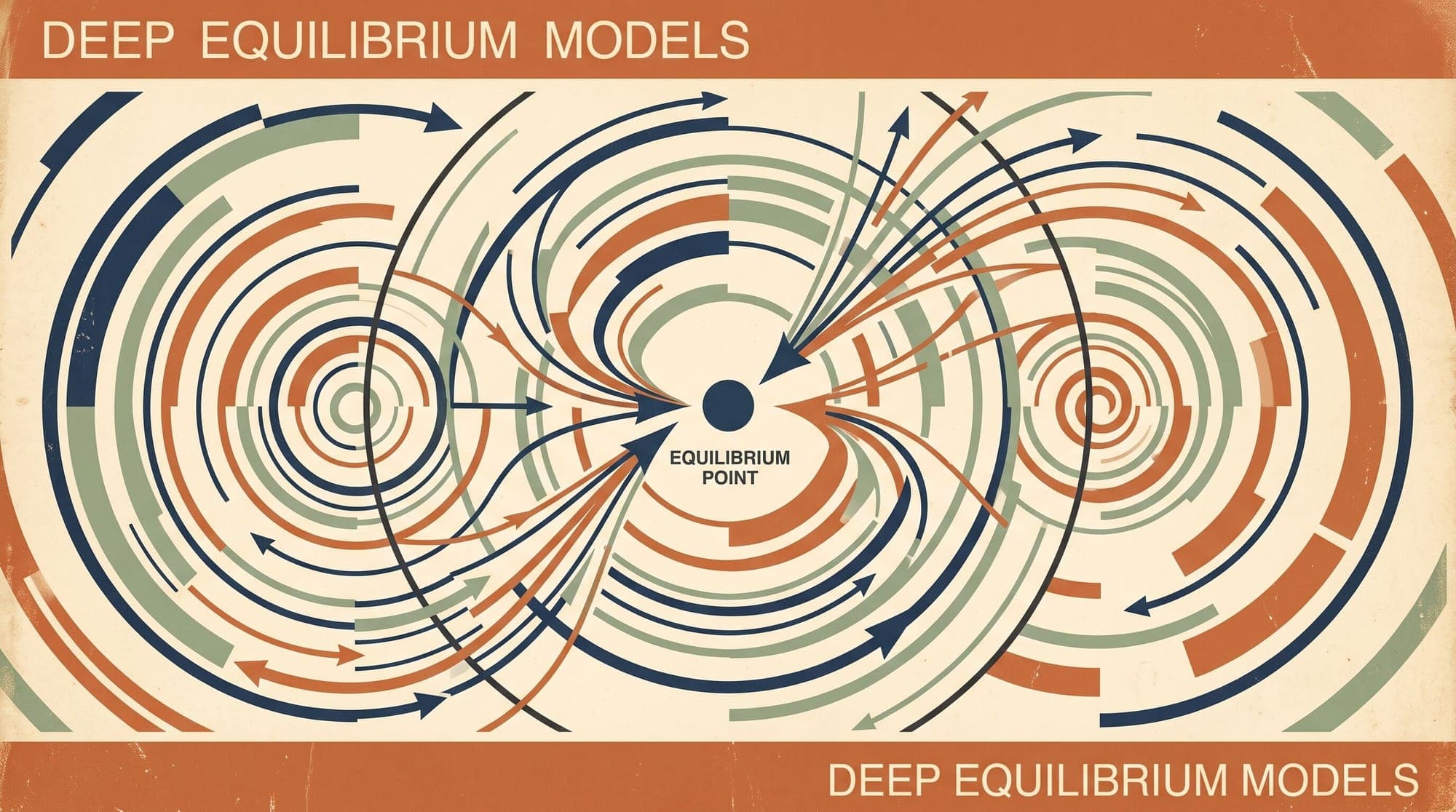
  14. Deep Equilibrium Models: How Implicit Layers and Root-Finding Eliminate Activation Memory in Deep Learning

    Deep Equilibrium Models: How Implicit Layers and Root-Finding Eliminate Activation Memory in Deep Learning Deep neural networks derive their expressive capacity from composition. In conventional architectures, depth is explicit: an input vector is transformed sequentially through a chain of $L$ discrete layers, each parameterized by dedicated weights. While effective, this paradigm creates a fundamental computational dependency where training memory scales linearly with network depth ($O(L)$) b

    AI
    9 min read
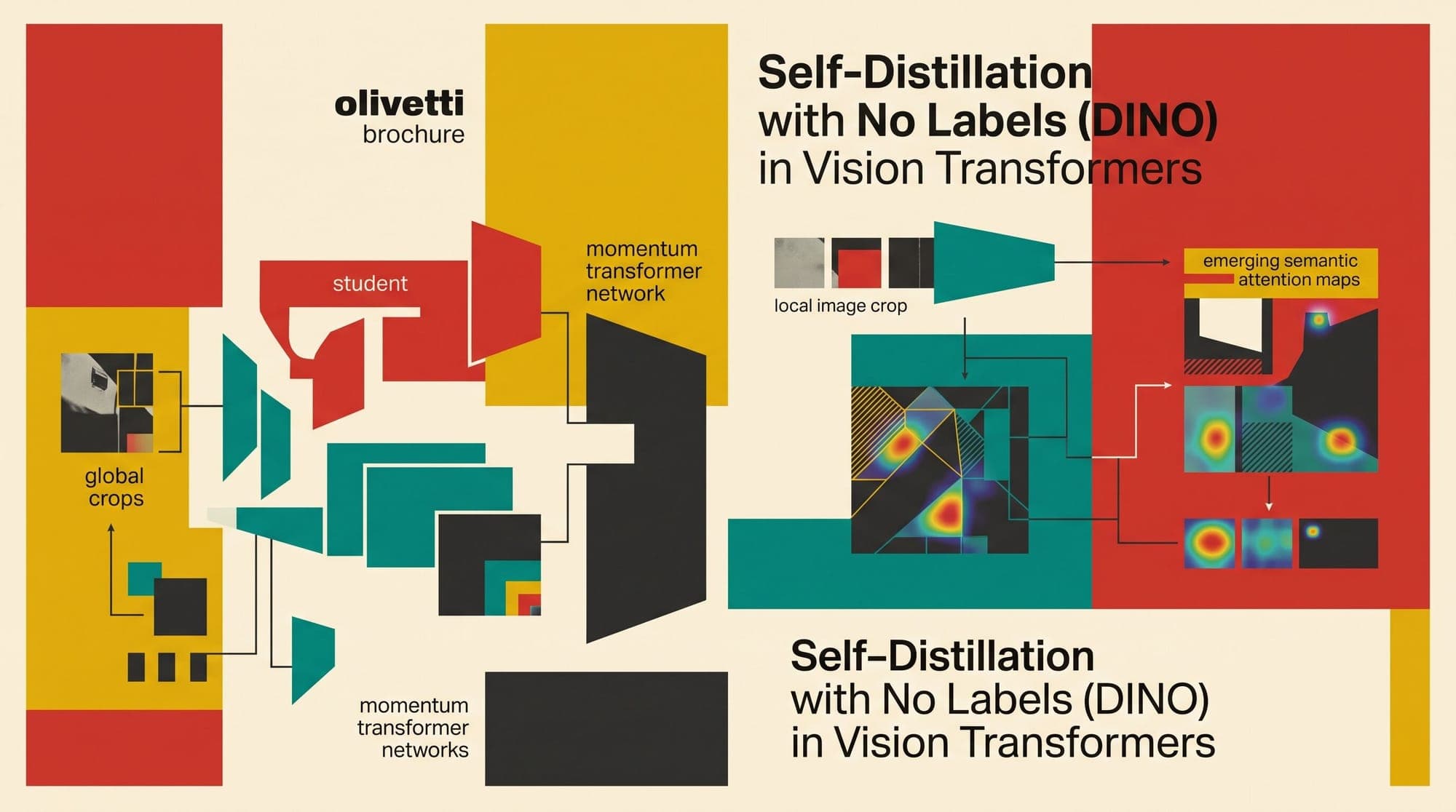
  15. Self-Distillation with No Labels (DINO): How Momentum Teachers, Centering, and Sharpening Emerge Semantic Attention in Vision Transformers

    Self-Distillation with No Labels (DINO): How Momentum Teachers, Centering, and Sharpening Emerge Semantic Attention in Vision Transformers When the Vision Transformer (ViT) was introduced by Dosovitskiy et al. in 2020, standard wisdom suggested that transformers required massive supervised corpora (such as JFT-300M) to overcome their lack of convolutional inductive biases. Unlike Convolutional Neural Networks (CNNs), which bake translation equivariance and local receptive fields directly into t

    AI
    8 min read
  16. Dynamic Tool Synthesis in Production AI Agents: Architecture, AST Validation, Sandboxed Execution, and Lifecycle Governance

    Dynamic Tool Synthesis in Production AI Agents: Architecture, AST Validation, Sandboxed Execution, and Lifecycle Governance Standard tool-augmented AI agents rely on pre-configured, static API registries. Developers define a fixed set of JSON schemas, OpenAPI specifications, or Python wrapper functions at build time, and the language model selects from this catalog during execution. While sufficient for narrow, deterministic tasks, static registries encounter severe operational bottlenecks in o

    AI
    9 min read
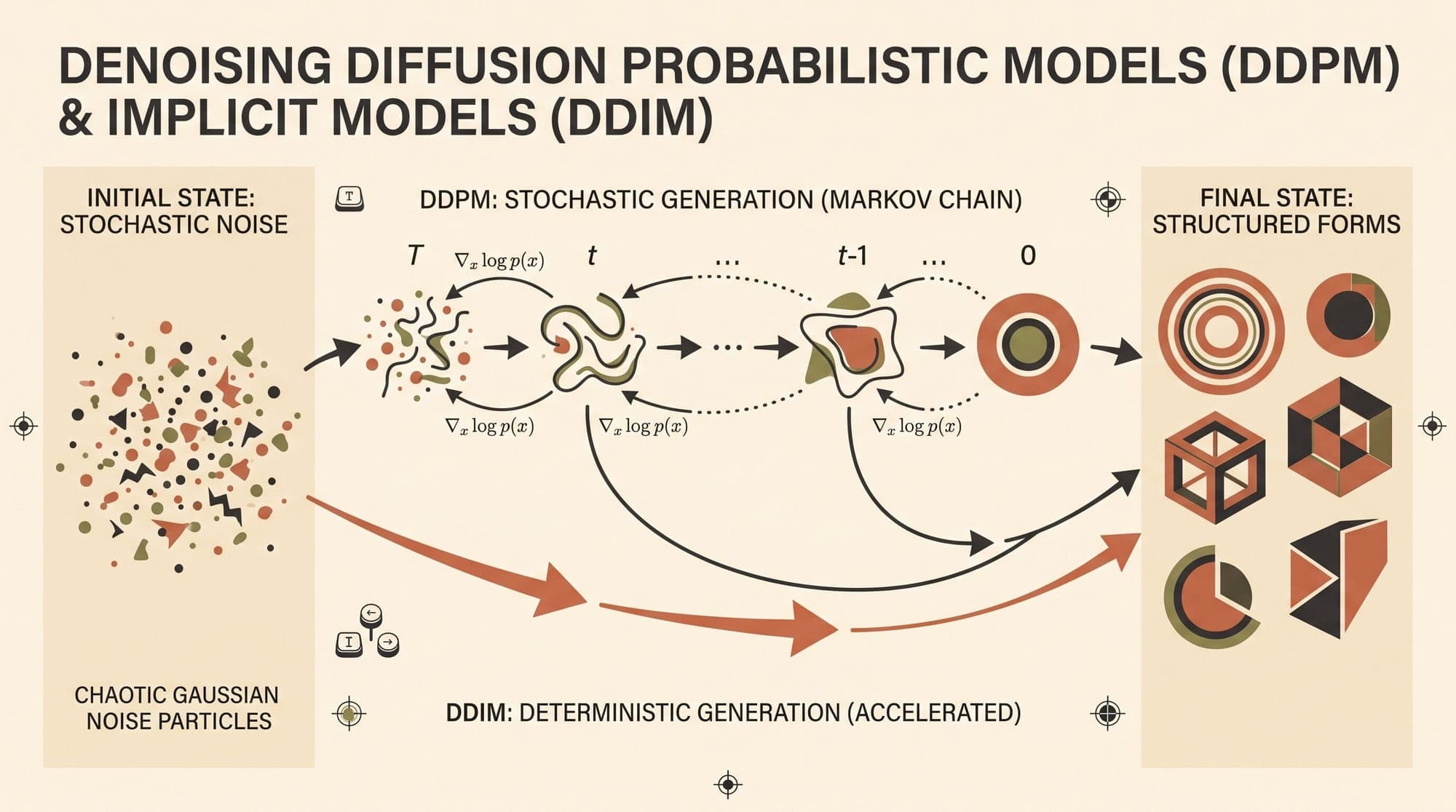
  17. Denoising Diffusion Probabilistic Models and DDIM: Mathematical Foundations, Variance Schedules, and Fast Deterministic Sampling

    Generative modeling in continuous state spaces underwent a fundamental transformation with the formulation of Denoising Diffusion Probabilistic Models (DDPM) by Ho et al. (2020), building on the non-equilibrium thermodynamics foundations established by Sohl-Dickstein et al. (2015). Prior to diffusion models, deep generative synthesis was dominated by Generative Adversarial Networks (GANs), which suffered from training instability and mode collapse, and Variational Autoencoders (VAEs), which ofte

    AI
    11 min read
  18. Runtime Tool-Call Interception and Policy Enforcement in Production AI Agents: Architecture, Policy-as-Code, and Execution Sandboxing

    Runtime Tool-Call Interception and Policy Enforcement in Production AI Agents: Architecture, Policy-as-Code, and Execution Sandboxing Large language model agents are increasingly delegated operational authority across enterprise infrastructure, ranging from automated database modifications and cloud resource provisioning to customer refund processing and internal API orchestration. When an autonomous system is granted access to executable tools, its attack surface shifts from conversational gen

    AI
    6 min read
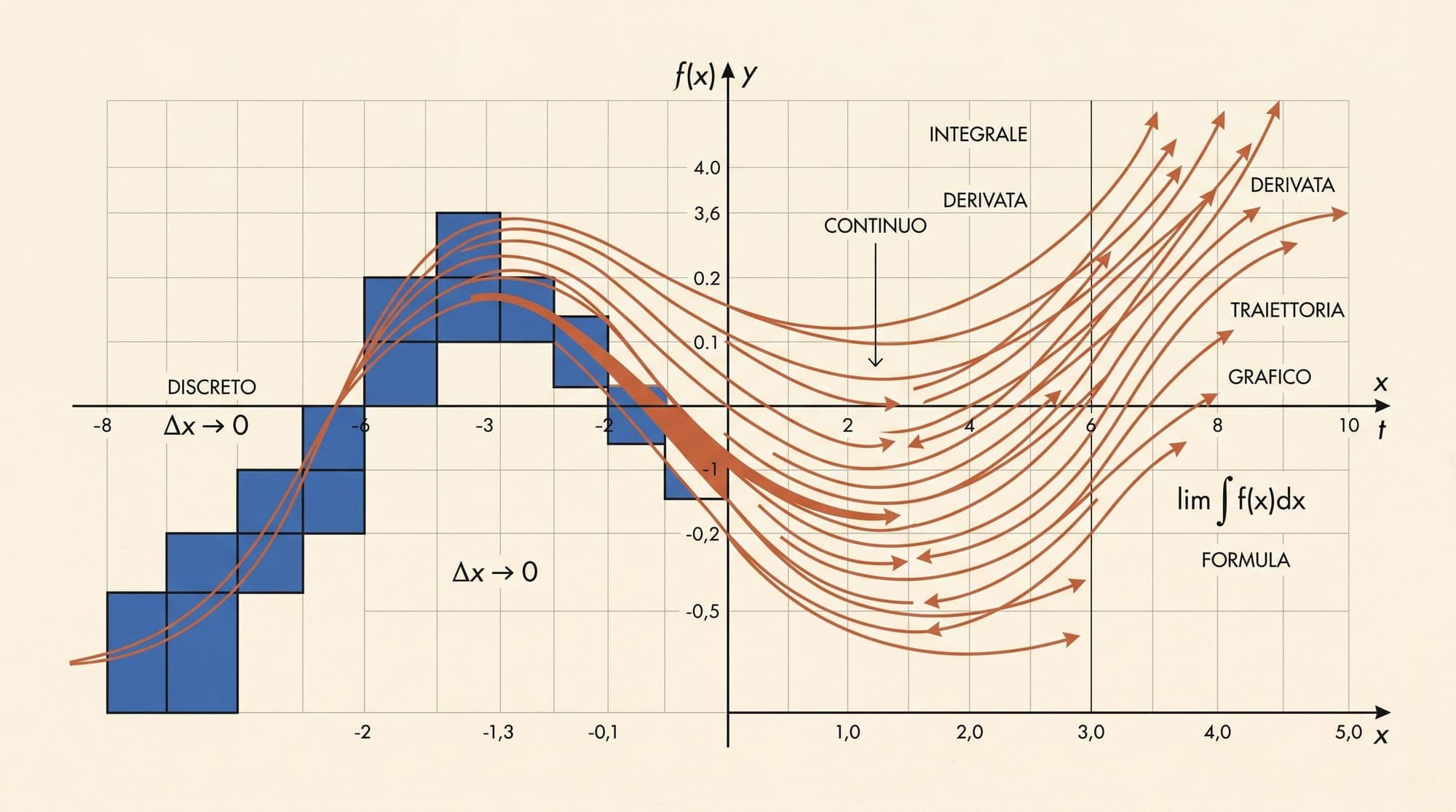
  19. Neural Ordinary Differential Equations: How Continuous-Depth Dynamics and Adjoint Sensitivity Solve the Memory Bottleneck in Deep Learning

    Neural Ordinary Differential Equations: How Continuous-Depth Dynamics and Adjoint Sensitivity Solve the Memory Bottleneck in Deep Learning Deep neural networks are traditionally structured as a discrete sequence of layers. An input tensor passes through layer after layer, transforming its representation at fixed, integer time steps. In standard architectures like Residual Networks (ResNets), each successive block computes an additive update: h_{t+1} = h_t + f(h_t, \theta_t) In 2018, researche

    AI
    7 min read