Research / page 16

Research

470 articles

Articles, page 16

301-320 of 470
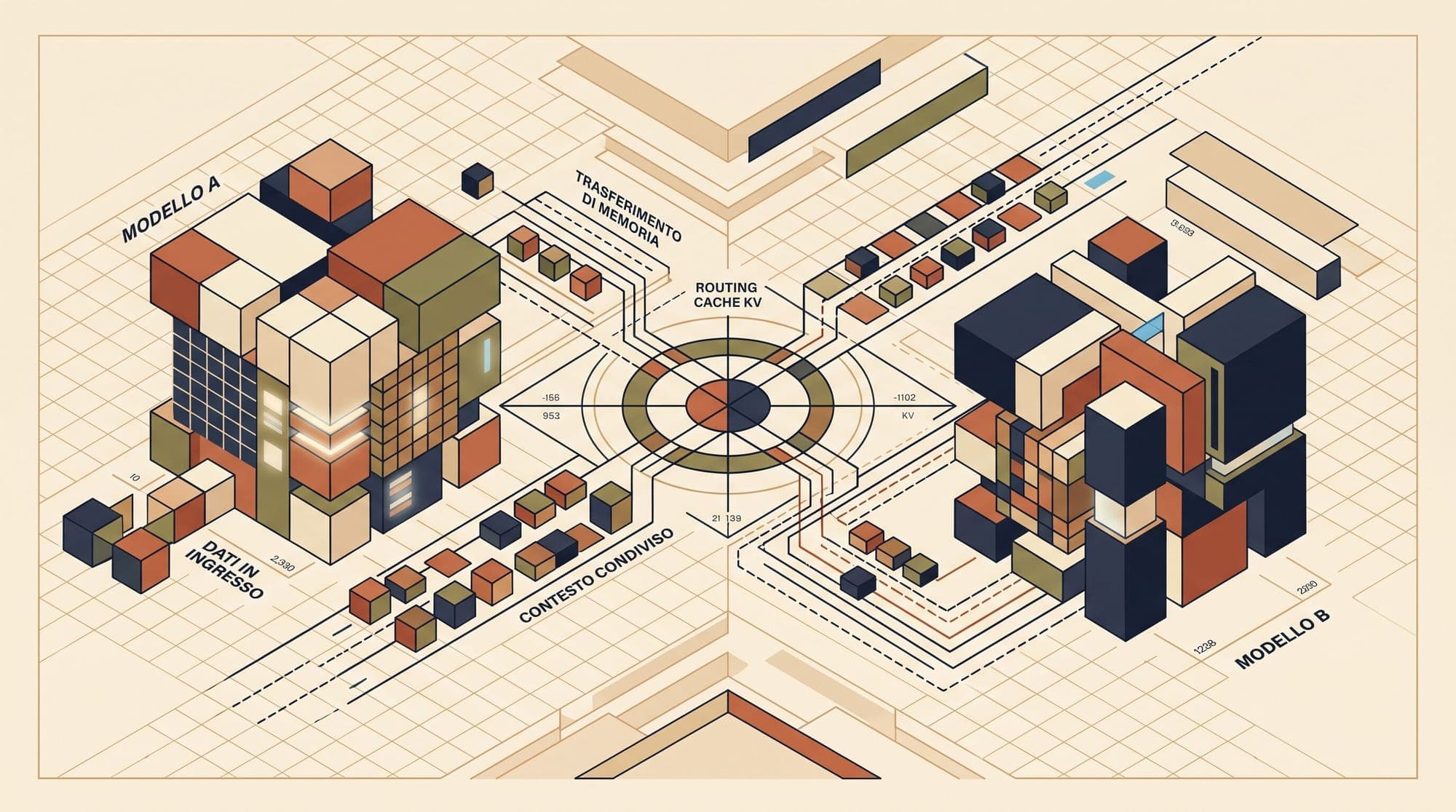
  1. NVIDIA Researchers Map Cross-Model KV Caches via Linear Ridge Regression to Accelerate Model Cascading Up to 25x

    In multi-agent systems and tiered model cascades, routing requests across different model sizes is a standard architecture for balancing inference cost and generation quality. However, switching models mid-session has historically imposed a severe compute tax: because each neural architecture maintains its own distinct internal representations, the receiving model cannot read the key-value (KV) states generated by the previous model. The target model must recompute the entire conversation histor
    AI
    4 min read
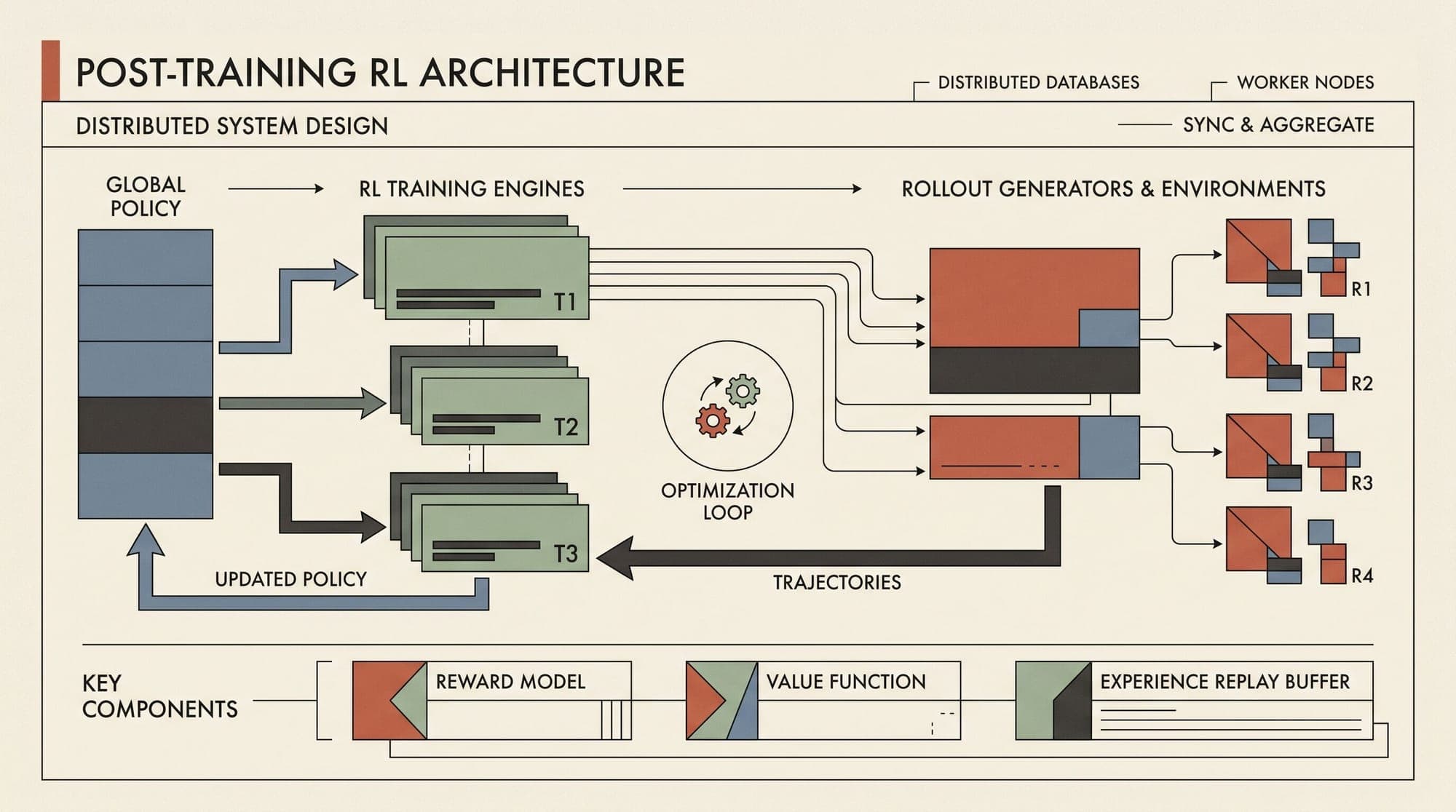
  2. Post-Training RL Frameworks in Production: Comparing verl, OpenRLHF, TRL, and DeepSpeed-Chat Architecture, Distributed Scheduling, and Serving Trade-Offs

    Post-training reinforcement learning (RL) has replaced standard supervised fine-tuning (SFT) as the primary mechanism for frontier model alignment and reasoning expansion. Whether running classic Proximal Policy Optimization (PPO), Direct Preference Optimization (DPO), Group Relative Policy Optimization (GRPO), or Reinforcement Learning with Verifiable Rewards (RLVR), modern post-training pipelines introduce an execution pattern distinct from standard pre-training: they alternate between high-th

    AI
    8 min read
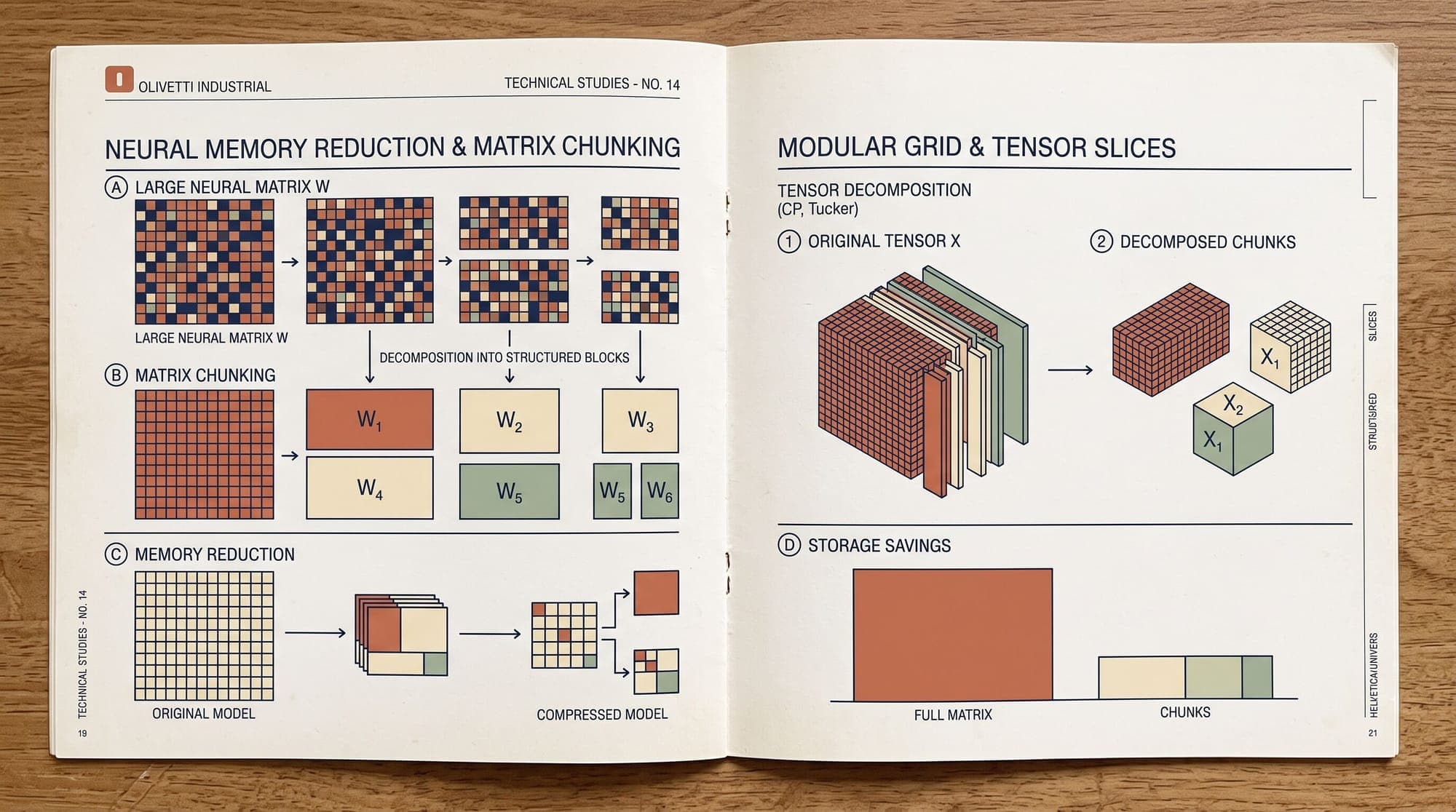
  3. Chunked and Fused Cross-Entropy: How Online Logit Tiling Slashes Large-Vocabulary VRAM Bottlenecks in LLM Training

    Chunked and Fused Cross-Entropy: How Online Logit Tiling Slashes Large-Vocabulary VRAM Bottlenecks in LLM Training As frontier large language models have scaled, tokenizer vocabularies have expanded substantially. Where early architectures such as LLaMA and Mistral relied on 32,000 subword tokens, contemporary models routinely employ vocabularies of 128,256 tokens (Llama 3), 152,064 tokens (Qwen 2.5), and 256,000 tokens (Gemma 2). Larger vocabularies compress text more densely, improve multilin

    AI
    7 min read
  4. Asynchronous Batch Inference in Production: Architecture, Queue Scheduling, and Cost Arbitrage

    Asynchronous Batch Inference in Production: Architecture, Queue Scheduling, and Cost Arbitrage Interactive AI applications require low Time-to-First-Token (TTFT) and high inter-token generation speed to maintain responsive user experiences. Achieving sub-second latency targets forces infrastructure teams to overprovision GPU capacity to absorb peak demand spikes. However, non-interactive production workloads (such as historical document processing, embedding generation, nightly model evaluation

    LLM
    7 min read
  5. Emergent Outlier Features in Large Language Models: Why Hidden Dimension Spikes Arise at Scale and How They Reshape Quantization

    Emergent Outlier Features in Large Language Models: Why Hidden Dimension Spikes Arise at Scale and How They Reshape Quantization When language models scale past approximately 6.7 billion parameters, their internal representations undergo a sharp qualitative phase transition. In smaller models (125M to 2.7B parameters), hidden state activations remain relatively compact, bounded within predictable normal distributions across all embedding dimensions. However, as demonstrated by Dettmers et al. (

    AI
    8 min read
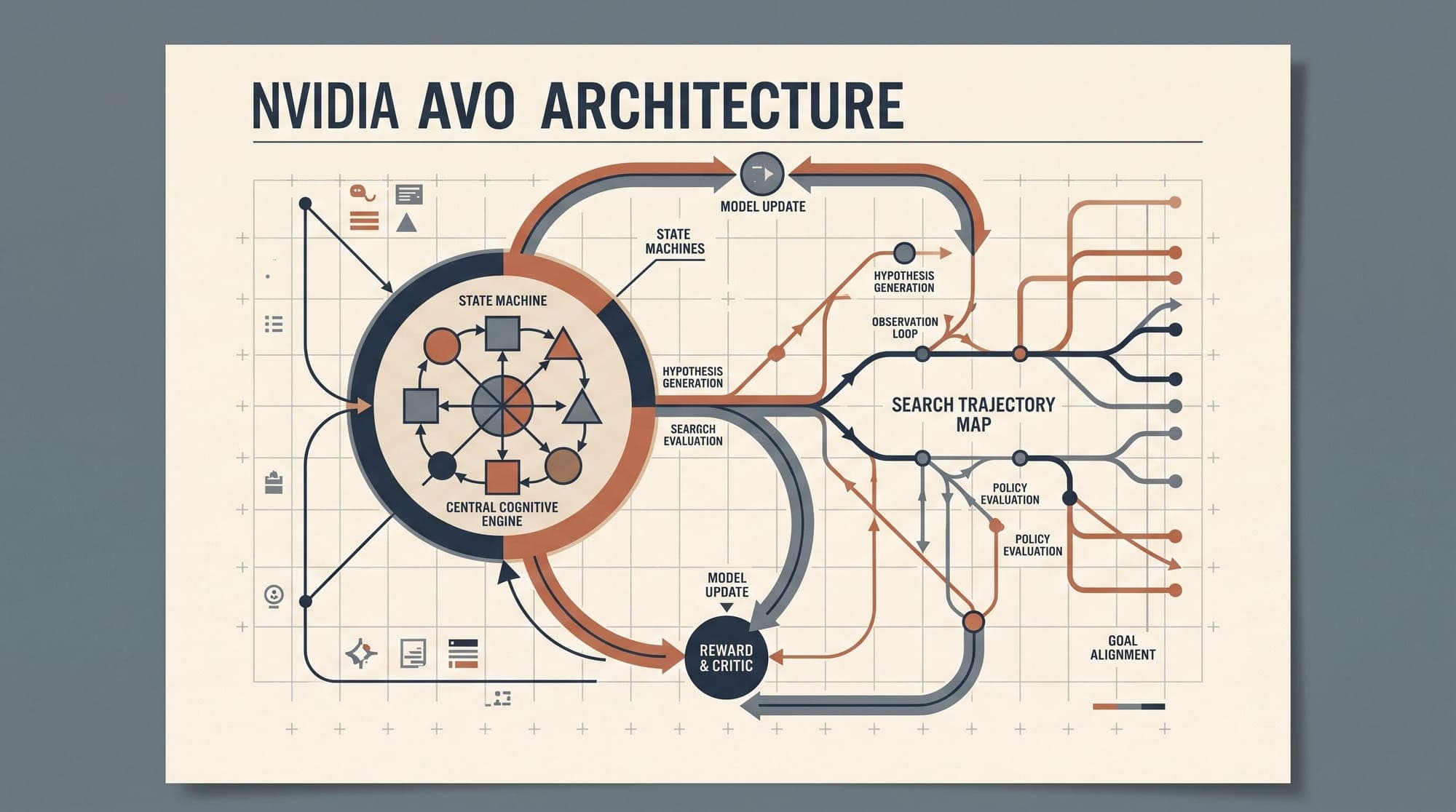
  6. NVIDIA AVO Achieves 100% on ARC-AGI-3 with Claude Opus 5

    NVIDIA Research has published details on Agentic Variation Operators (AVO), a general-purpose autonomous agent architecture designed to sustain long-horizon engineering and reasoning workflows. In benchmark evaluations on ARC-AGI-3, an interactive reasoning suite that tests fluid intelligence without instructions or stated goals, AVO scored 100.00 Relative Human Action Efficiency (RHAE) across all 25 public-set environments and 183 levels using Anthropic's Claude Opus 5. The result highlights a

    AI
    3 min read
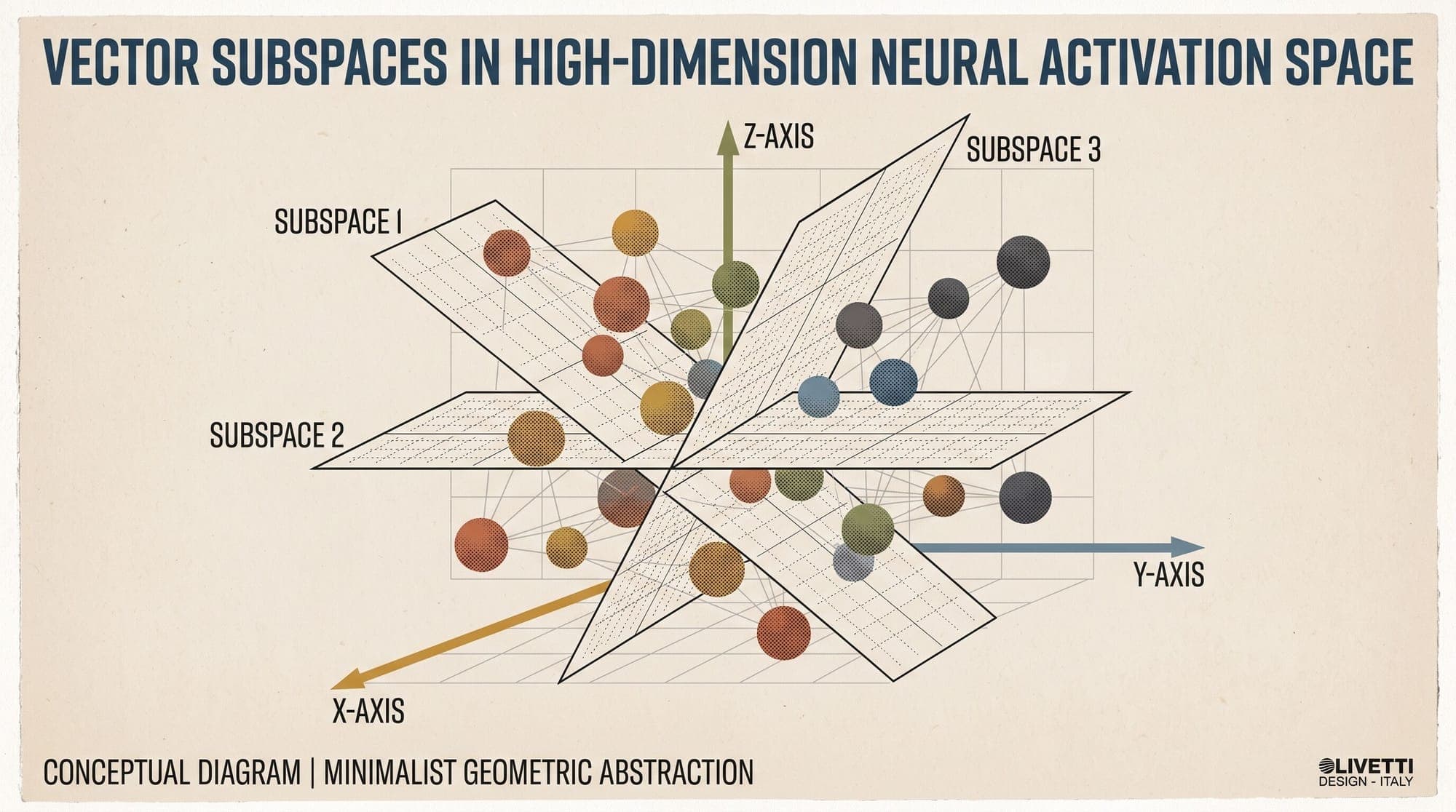
  7. The Linear Representation Hypothesis in Large Language Models: How Neural Geometry Organizes Concepts, Latent Truth, and Steerable Features

    The Linear Representation Hypothesis in Large Language Models: How Neural Geometry Organizes Concepts, Latent Truth, and Steerable Features Deep neural networks are composed of alternating non-linear activation functions, multi-head attention operations, and high-dimensional matrix projections. Despite this architectural non-linearity, empirical research across mechanistic interpretability reveals a striking geometric regularity: within the intermediate representation spaces of large language m

    LLM
    8 min read
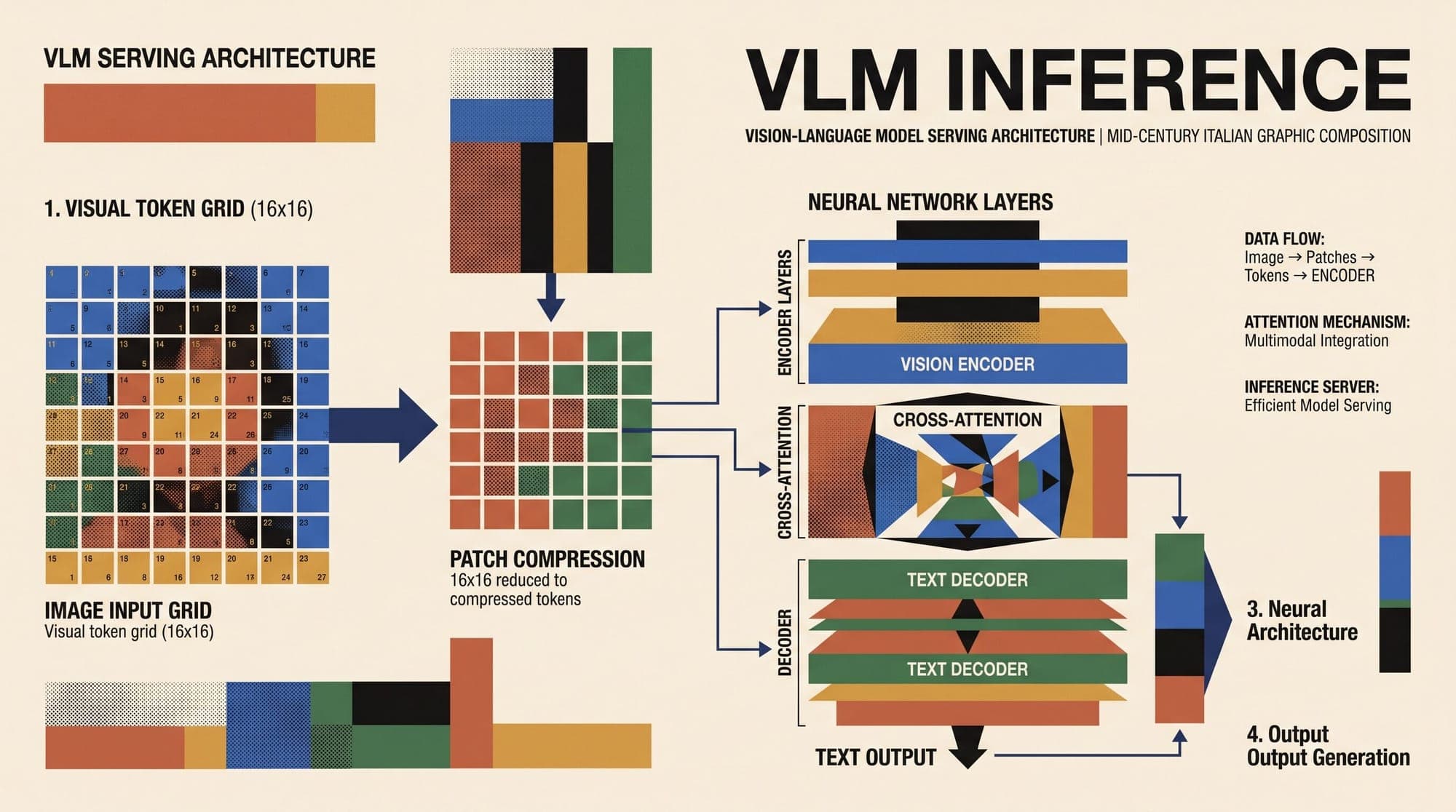
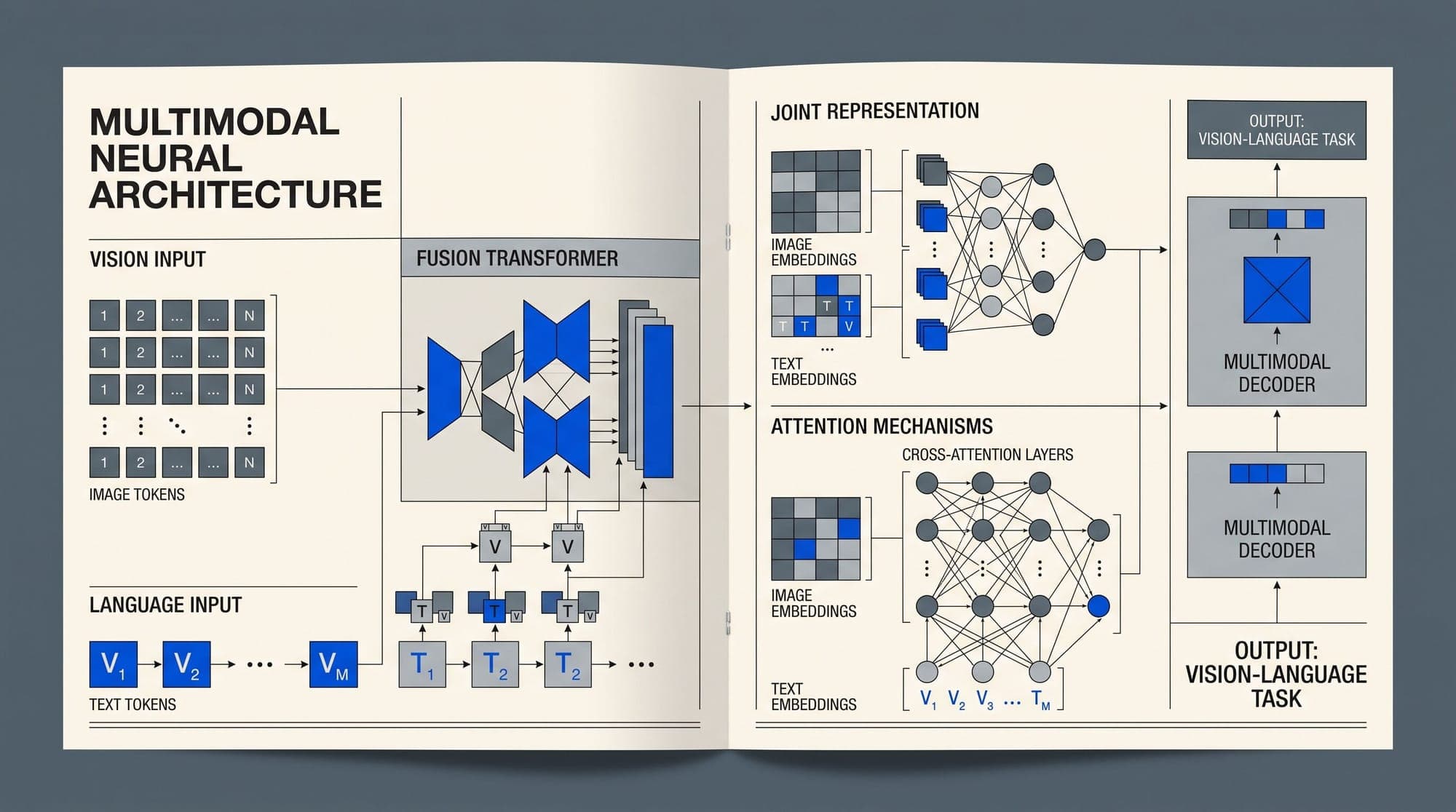
  8. Vision-Language Model Serving in Production: Visual Token Pruning, Encoder Caching, Dynamic Resolution, and Inference Economics

    Deploying Vision-Language Models (VLMs) into high-concurrency production environments introduces a distinct set of systems bottlenecks that text-only large language models do not exhibit. While text models ingest prompts with compact token densities, visual inputs require processing high-dimensional pixel arrays through vision encoders, expanding a single image into hundreds or thousands of visual tokens before autoregressive generation begins. In production architectures running models such as

    AI
    8 min read
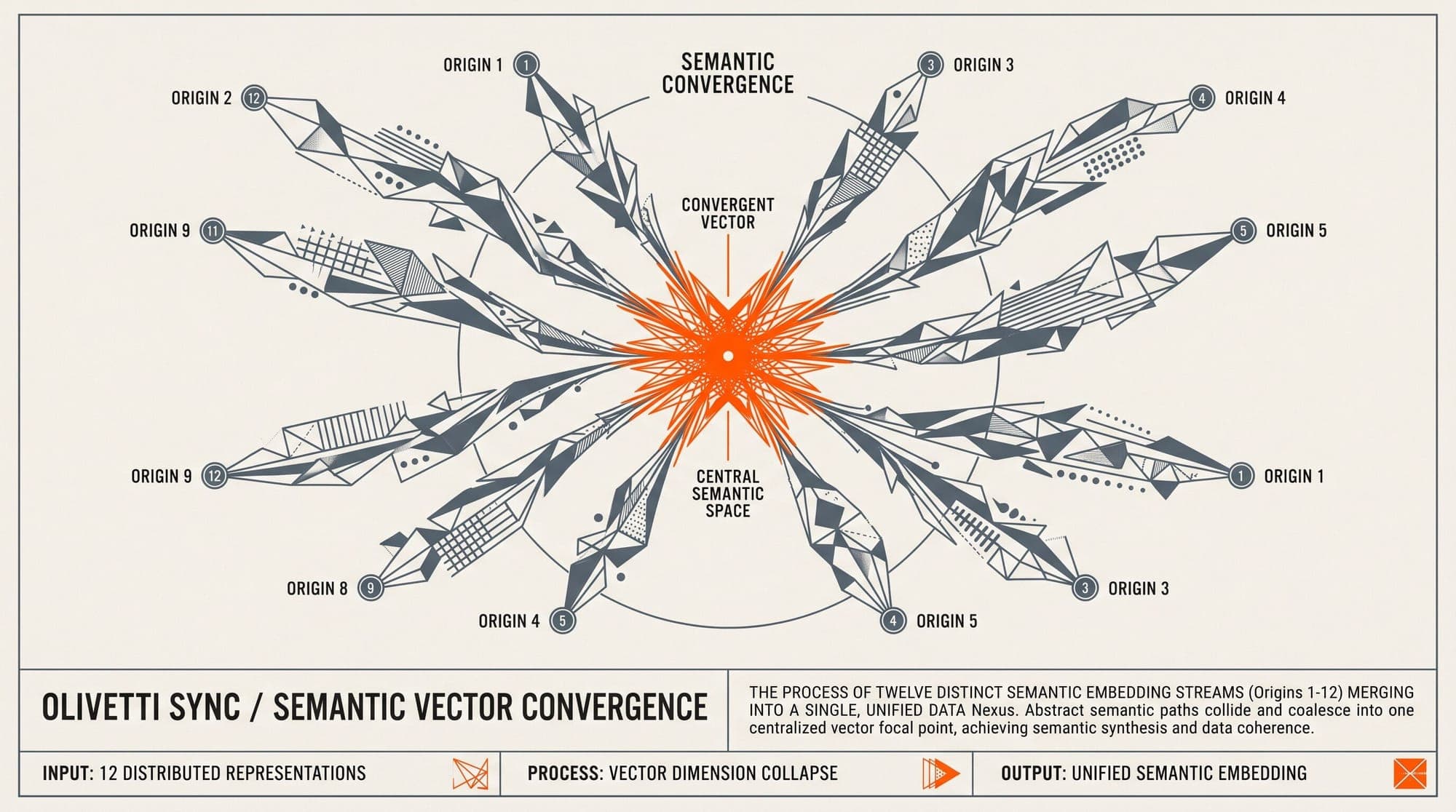
  9. Duke Study Finds Creative Output Across Frontier LLMs Is Converging Toward Semantic Monoculture

    A longitudinal study by researchers at Duke University has documented a measurable decline in output diversity across major large language model families. Tracking 69 foundation model checkpoints released between March 2023 and July 2026, the researchers found that generative responses to open-ended creative and ideation prompts are increasingly converging toward semantic uniformity across competing providers. The paper, titled Are LLMs becoming similarly creative? Evidence from three years of

    AI
    2 min read
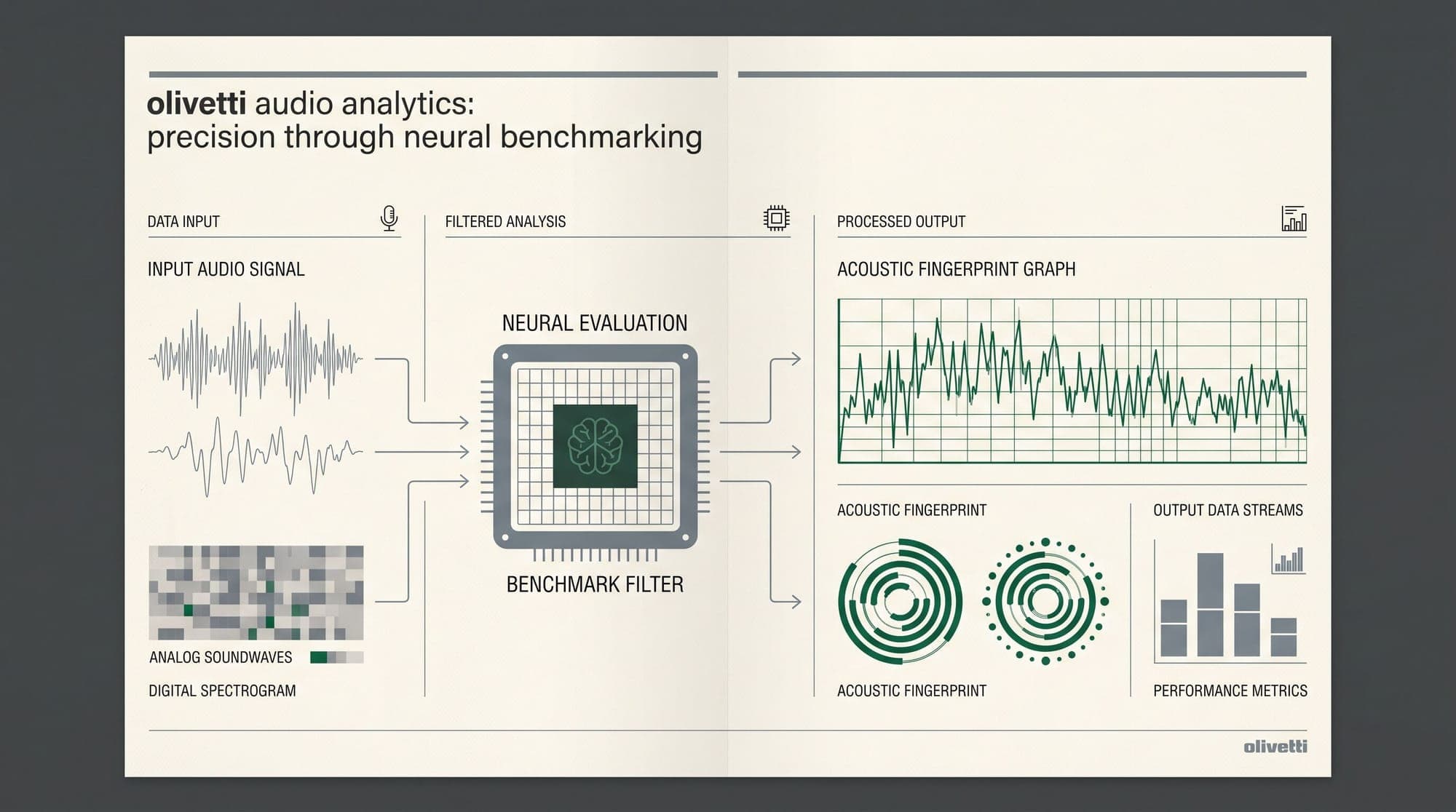
  10. Study Exposes Benchmark Overfitting and Acoustic Leakage in Speech Recognition Models

    A joint empirical study by researchers from Hugging Face and Hume AI has uncovered evidence that top-ranking automatic speech recognition (ASR) models frequently exhibit benchmark optimization, commonly referred to as "benchmaxxing." The findings demonstrate that models often achieve low word error rates on public leaderboards by memorizing test-set reference anomalies and responding to subtle acoustic channel signatures rather than generalizing audio transcription. Evaluating 11 open-source sp

    AI
    2 min read
  11. DeepSeek Releases DeepSeek-V4-Flash-Vision-Exp with Multimodal Tool Calling and Files API

    DeepSeek has expanded its flagship lightweight model with the release of DeepSeek-V4-Flash-Vision-Exp, an experimental multimodal variant that adds visual comprehension and document parsing to its API platform. The release bridges the gap between DeepSeek's high-throughput text architecture and vision-centric agent workflows. According to DeepSeek, the experimental model retains the text reasoning, agentic tool-use capabilities, and world knowledge of the base DeepSeek-V4-Flash checkpoint while

    AI
    2 min read
  12. Auxiliary-Loss-Free Load Balancing in Mixture-of-Experts: How Dynamic Bias Adjustments Eliminate Gradient Conflict and Routing Collapse

    Sparse Mixture-of-Experts (MoE) architectures decouple parameter count from per-token compute cost by activating only a small subset of feed-forward network (FFN) parameters for any given token. While dense transformers evaluate every parameter across all sequence positions, MoE models route tokens dynamically to specialized sub-networks, enabling parameter scaling to hundreds of billions or trillions of parameters at the inference and training cost of much smaller dense models. However, condit

    AI
    9 min read
  13. Google DeepMind Outlines 15-Year Game AI Arc and EVE Online Research Sandbox

    Google DeepMind has detailed its 15-year trajectory of game-based artificial intelligence research, outlining how milestones from arcade reinforcement learning to modern multimodal models have culminated in an experimental research program inside the persistent virtual universe of EVE Online. The retrospective connects early breakthroughs in discrete, fully observable games to the frontier challenges currently facing autonomous systems: long-horizon planning, non-stationary multi-agent dynamics

    AI
    3 min read
  14. The Residual Stream in Transformers: How Linear Additive State, Subspace Projections, and Layer Accumulation Power Modern LLMs

    In standard descriptions of transformer architectures, multi-head attention and feedforward networks receive the vast majority of analytical focus. However, the operational backbone coordinating these sublayers is the residual stream. First introduced in convolutional computer vision models by He et al. (2016) to mitigate vanishing gradients in deep networks, residual skip connections operate in large language models as a persistent, high-dimensional linear communication bus. Rather than proces

    AI
    6 min read
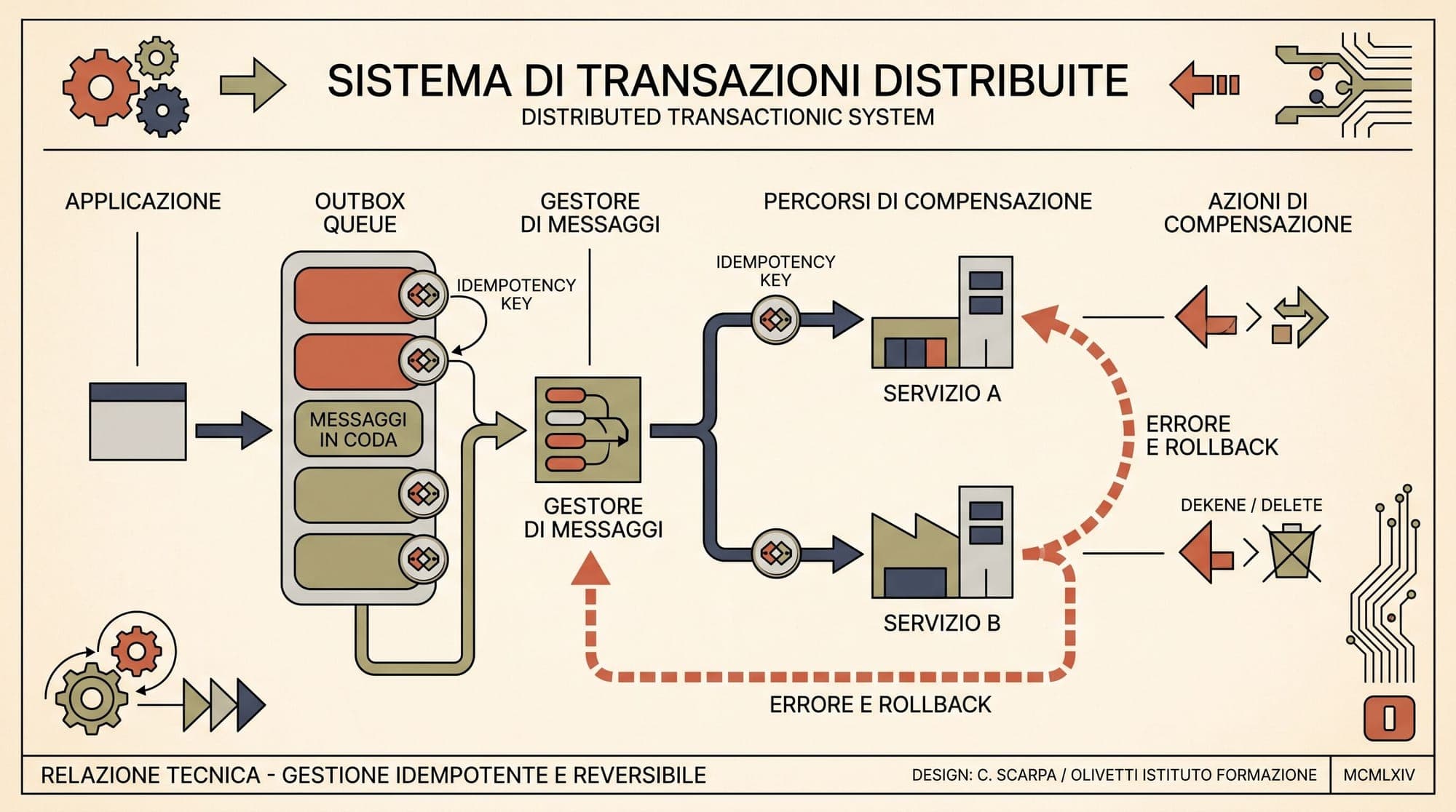
  15. Idempotency and Side-Effect Safety in Production AI Agents: Transactional Outboxes, Distributed Sagas, and Compensating Actions

    Autonomous AI agents interacting with real-world infrastructure frequently execute irreversible side-effects: charging payment methods, provisioning cloud servers, sending external webhooks, and modifying production databases. While traditional microservices rely on deterministic business logic and predictable retry policies, Large Language Model (LLM) agents operate probabilistically. An agent faced with a transient network drop, an HTTP 504 Gateway Timeout, or context window compaction can re-

    AI
    7 min read
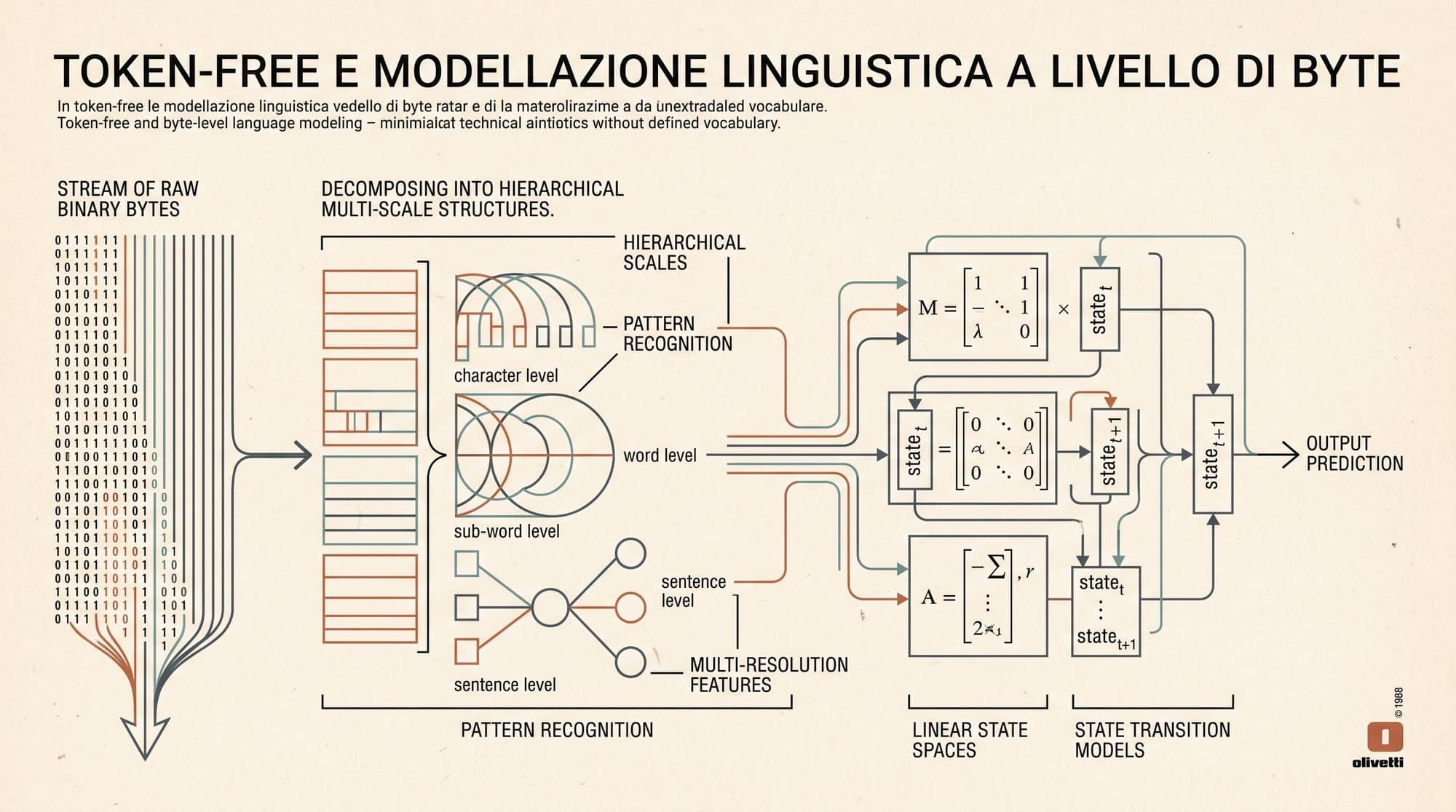
  16. Token-Free and Byte-Level Language Models: How Hierarchical Patching, MegaByte, and MambaByte Eliminate Tokenizer Bottlenecks

    Modern large language models universally rely on subword tokenizers such as Byte-Pair Encoding (BPE), WordPiece, and Unigram algorithms. These tokenizers compress text into discrete integer IDs from a fixed vocabulary, typically spanning 32,000 to 256,000 entries. By collapsing three to five characters into a single token, tokenizers reduce sequence length ($L$), making quadratic $O(L^2)$ self-attention computationally tractable. However, subword tokenization introduces systemic architectural l

    AI
    7 min read
  17. PII Redaction and Reversible Tokenization in Production LLM Systems: Architecture, NER Latency, and Streaming De-Anonymization

    In enterprise production environments, forwarding unsanitized prompt payloads to third-party model providers or logging raw agent execution traces exposes organizations to severe regulatory liability. Under frameworks such as GDPR Article 4(1), the HIPAA Safe Harbor standard, and the California Privacy Rights Act (CPRA), personally identifiable information (PII) including patient health identifiers, Social Security numbers, credit card data, full names, and personal email addresses cannot be tra

    AI
    7 min read
  18. Weight Initialization in Large Language Models: How Variance Scaling, Residual Multipliers, and DeepNorm Stabilize Deep Transformer Pre-Training

    Weight Initialization in Large Language Models: How Variance Scaling, Residual Multipliers, and DeepNorm Stabilize Deep Transformer Pre-Training In deep transformer architectures, weight initialization is the primary determinant of whether a trillion-token pre-training run converges smoothly or diverges during the first thousand steps. When training networks with 80 to 120 layers (such as Llama 3 70B, GPT-4, or deep mixture-of-experts models), naive application of classical Gaussian or uniform

    AI
    10 min read
  19. Speculative RAG in Production: Architecture, Multi-Perspective Sampling, and Draft Verification Trade-Offs

    Standard Retrieval-Augmented Generation (RAG) pipelines face an escalating trade-off between retrieval recall and inference latency. To ensure sufficient coverage for ambiguous or complex knowledge-intensive queries, production systems commonly ingest between 10 and 20 candidate passages per query. However, concatenating large document sets directly into the prompt context of a large language model introduces severe bottlenecks: quadratic attention scaling during the prefill phase, elevated Time

    Architecture
    7 min read
  20. OpenAI Adds Native Alpha Transparency to GPT-Image-2 API

    OpenAI has added native transparent background generation to its GPT-Image-2 model via the developer API, enabling direct creation of PNG images with integrated alpha channels. The feature bypasses post-processing segmentation pipelines, allowing developers to generate isolated visual assets directly during the synthesis step. Direct Alpha Generation vs. Post-Processing Traditional visual asset pipelines rely on secondary background-removal models, such as semantic segmentation masks or matti

    AI
    2 min read