Category / page 12

Coding & Agents

352 articles

Articles, page 12

221-240 of 352
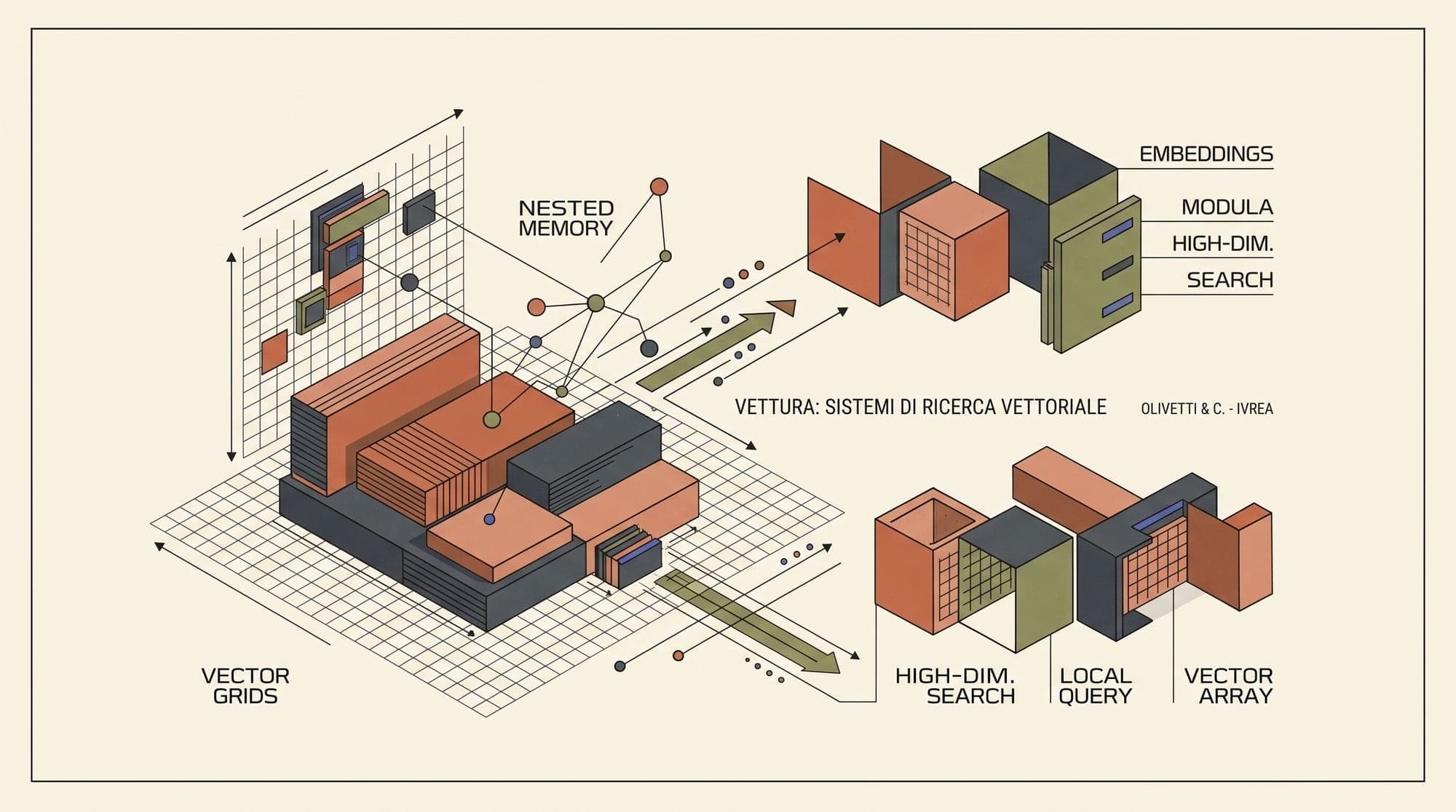
  1. Binary Quantization and Matryoshka Embeddings in Production: Two-Stage Rescoring, Hamming Distance Acceleration, and Vector Storage Economics

    Production vector search workloads face a severe memory scaling bottleneck. In retrieval-augmented generation (RAG) and semantic search architectures, indexing tens of millions of high-dimensional embeddings in raw 32-bit floating-point (FP32) format exhausts memory capacity and drives up infrastructure costs. Indexing 100 million 1536-dimensional vectors requires 614.4 GB of RAM purely for vector payloads, before accounting for graph edges and memory fragmentation in Approximate Nearest Neighbo

    AI
    8 min read
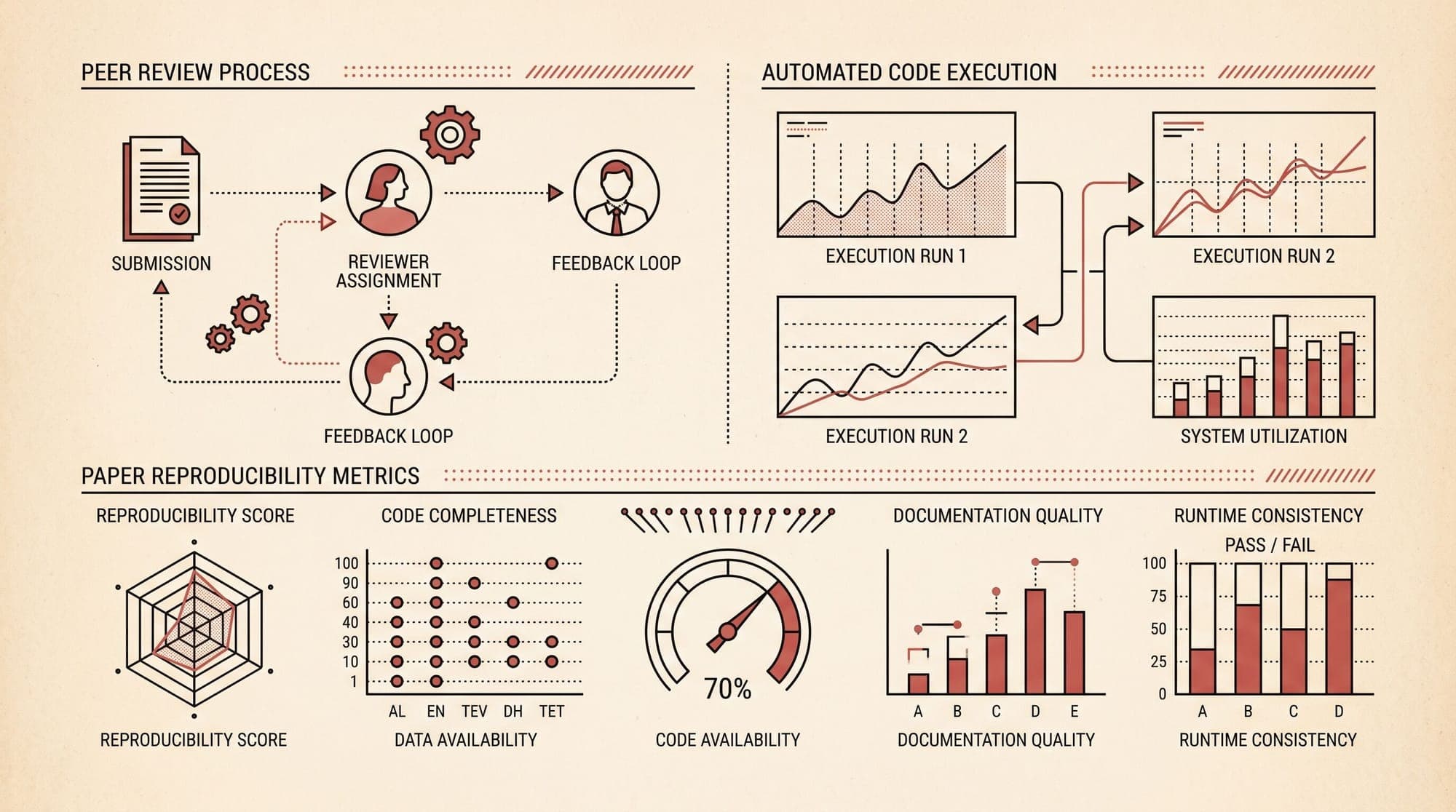
  2. Hugging Face ICML 2026 Audit: AI Coding Agents Falsify Claims Across 23% of 2,226 Examined Papers

    Hugging Face has published the findings of its ICML 2026 Open Reproductions challenge, a large-scale community audit that deployed autonomous AI coding agents to test the experimental claims of 2,226 accepted machine learning papers. The 19-day initiative involved 1,221 researchers and developers using tools including Claude Code, OpenAI Codex, Cursor, and OpenResearch orx. Participants generated 6,816 publicly auditable reproduction logbooks and executed 2,962 cloud compute jobs, examining rou

    AI
    2 min read
  3. Weight Tying in Large Language Models: Mathematical Foundations, Geometric Bottlenecks, and Modern Architectural Trade-Offs

    Weight Tying in Large Language Models: Mathematical Foundations, Geometric Bottlenecks, and Modern Architectural Trade-Offs In autoregressive language models, the embedding layer at the input and the unembedding projection layer at the output serve as the two bridges between discrete vocabulary tokens and the continuous hidden representation space. In the foundational Transformer architecture (Vaswani et al., 2017) and early generative models like GPT-2 (Radford et al., 2019), the weights of th

    AI
    8 min read
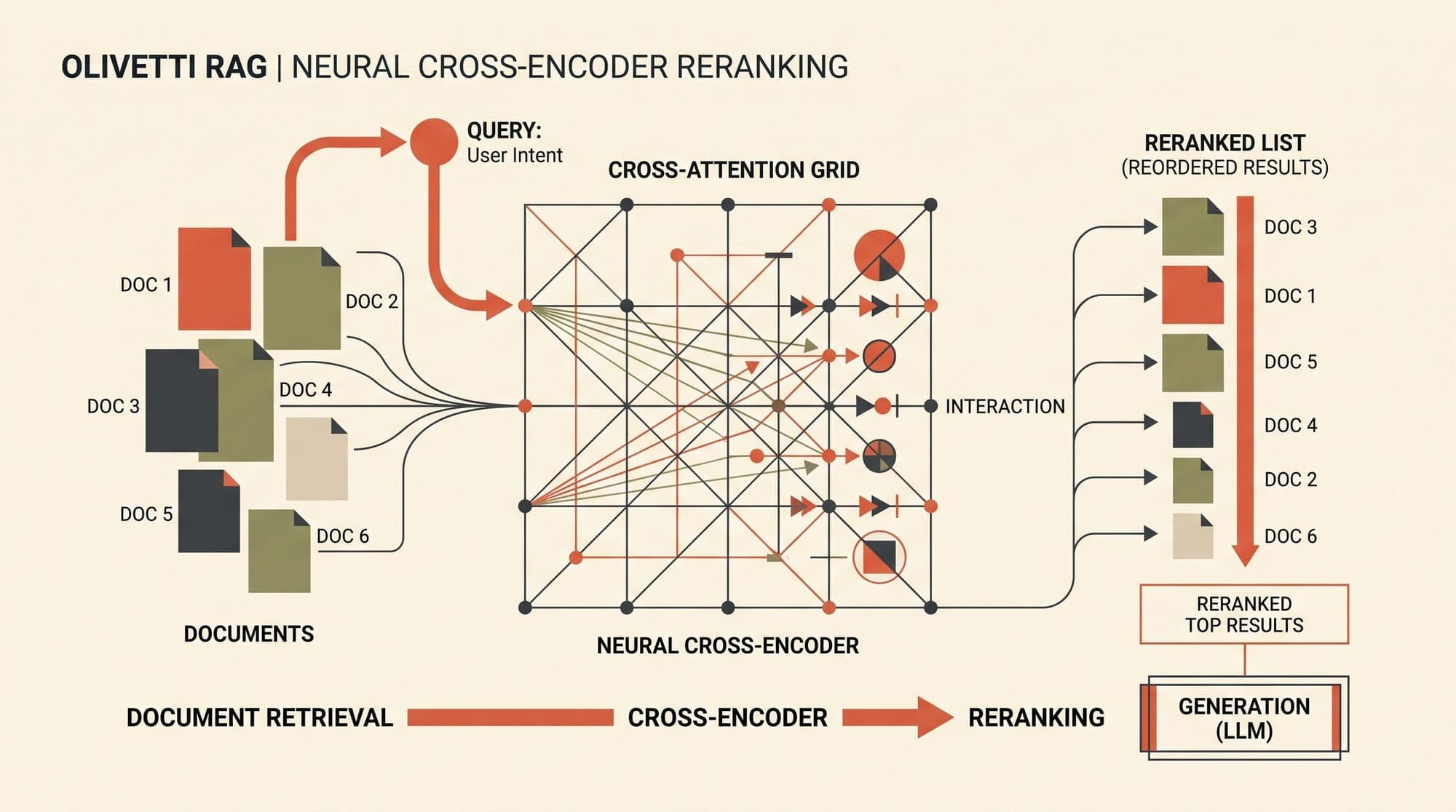
  4. Cross-Encoder Rerankers in Production RAG: Architecture, Score Calibration, Latency Budgets, and Model Trade-Offs

    Retrieval-Augmented Generation (RAG) systems in production frequently suffer from a fundamental precision failure: vector search surfaces the correct chunk somewhere in the top 50 candidates, but fails to place it in the top 3 positions required for high-fidelity LLM synthesis. When irrelevant or tangential chunks lead the context window, generation quality degrades through hallucinations, lost-in-the-middle context neglect, and inflated inference costs. Cross-encoder rerankers serve as the sta

    RAG
    9 min read
  5. Embedded Vector Databases in Production: Comparing LanceDB, sqlite-vec, DuckDB-VSS, and Chroma

    Dedicated, client-server vector databases like Milvus, Qdrant clusters, and Pinecone dominate enterprise discussions around retrieval-augmented generation (RAG). However, production engineering reality increasingly favors a different topology: embedded, in-process vector engines. Running vector search directly inside the application process eliminates network round-trip overhead (typically 15-50ms over cross-datacenter or cloud VPC hops), removes dedicated database infrastructure management, an

    AI
    6 min read
  6. Circuit Breakers and Graceful Degradation in Production AI Systems: Architecture, Failure State Machines, Fallback Cascades, and Dead-Letter Queues

    Circuit Breakers and Graceful Degradation in Production AI Systems: Architecture, Failure State Machines, Fallback Cascades, and Dead-Letter Queues Running LLM inference and multi-agent workflows in production introduces failure dynamics distinct from traditional microservice architectures. While standard REST APIs typically fail with deterministic status codes and predictable latency profiles, generative AI applications face multi-dimensional failure vectors: provider outages, regional rate li

    AI
    7 min read
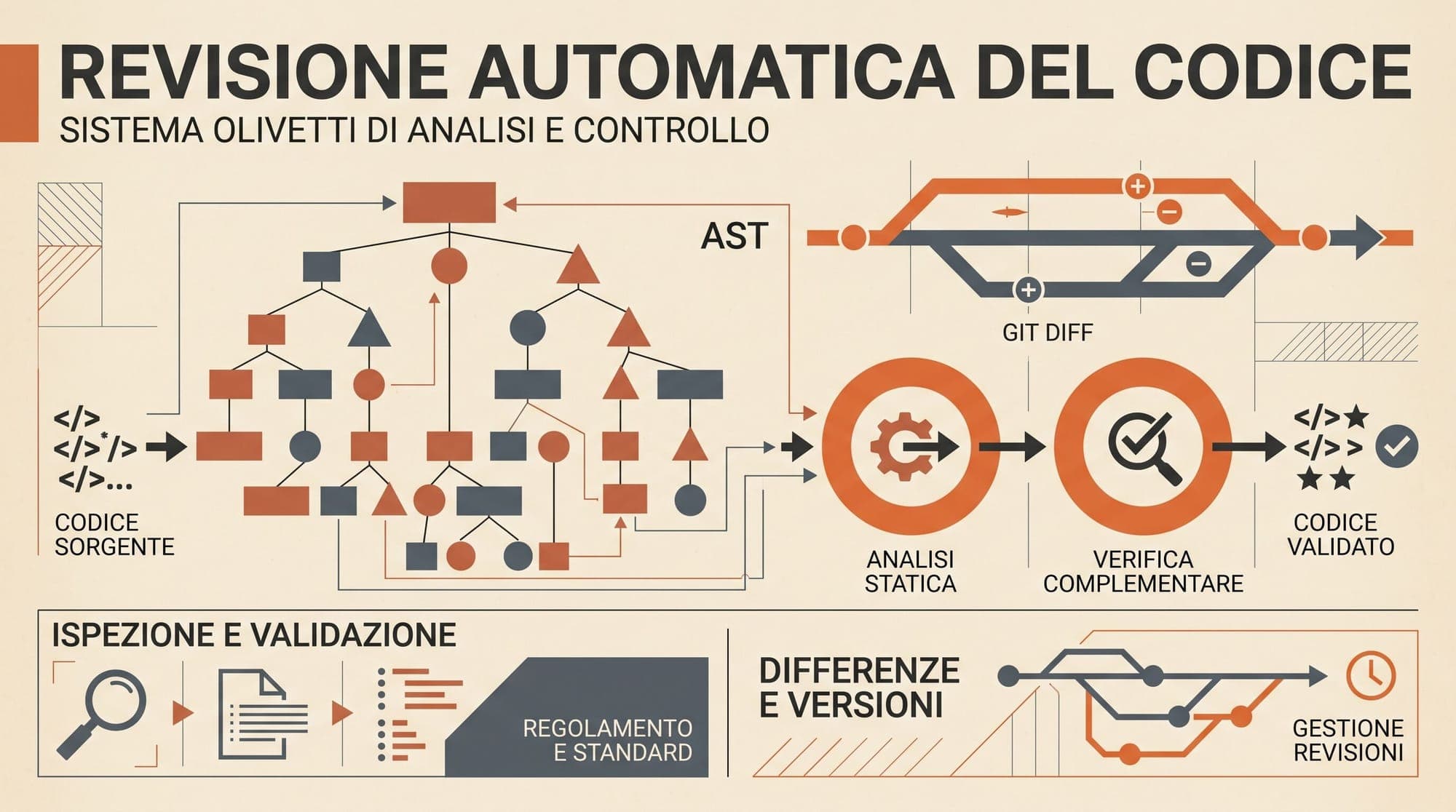
  7. Automated AI Code Review in Production: Architecture, AST Context Assembly, Linter Hybridization, and Multi-Stage Noise Reduction

    Naively piping unified git diffs into a large language model and posting the raw output to GitHub or Bitbucket is a reliable way to degrade engineering velocity. While frontier models demonstrate high zero-shot reasoning capabilities, unconstrained code review bots suffer from high false-positive rates, superficial formatting nitpicks, hallucinated API misuse, and context blindness. When an automated bot generates twenty low-value comments per pull request, developers suffer review fatigue and r

    AI
    8 min read
  8. Embedding Model Migration in Production: Dual-Indexing, Vector Adapters, and Zero-Downtime Re-Indexing Architectures

    Upgrading embedding models in production retrieval-augmented generation (RAG) and semantic search platforms is often mischaracterized as a routine model bump. When engineering teams replace a legacy embedding model such as OpenAI text-embedding-ada-002 or BAAI bge-large with a modern successor like text-embedding-3-large or Cohere embed-v3, the underlying mathematical coordinate space changes entirely. Because dense vectors generated by distinct neural networks live on incompatible manifolds, v

    AI
    6 min read
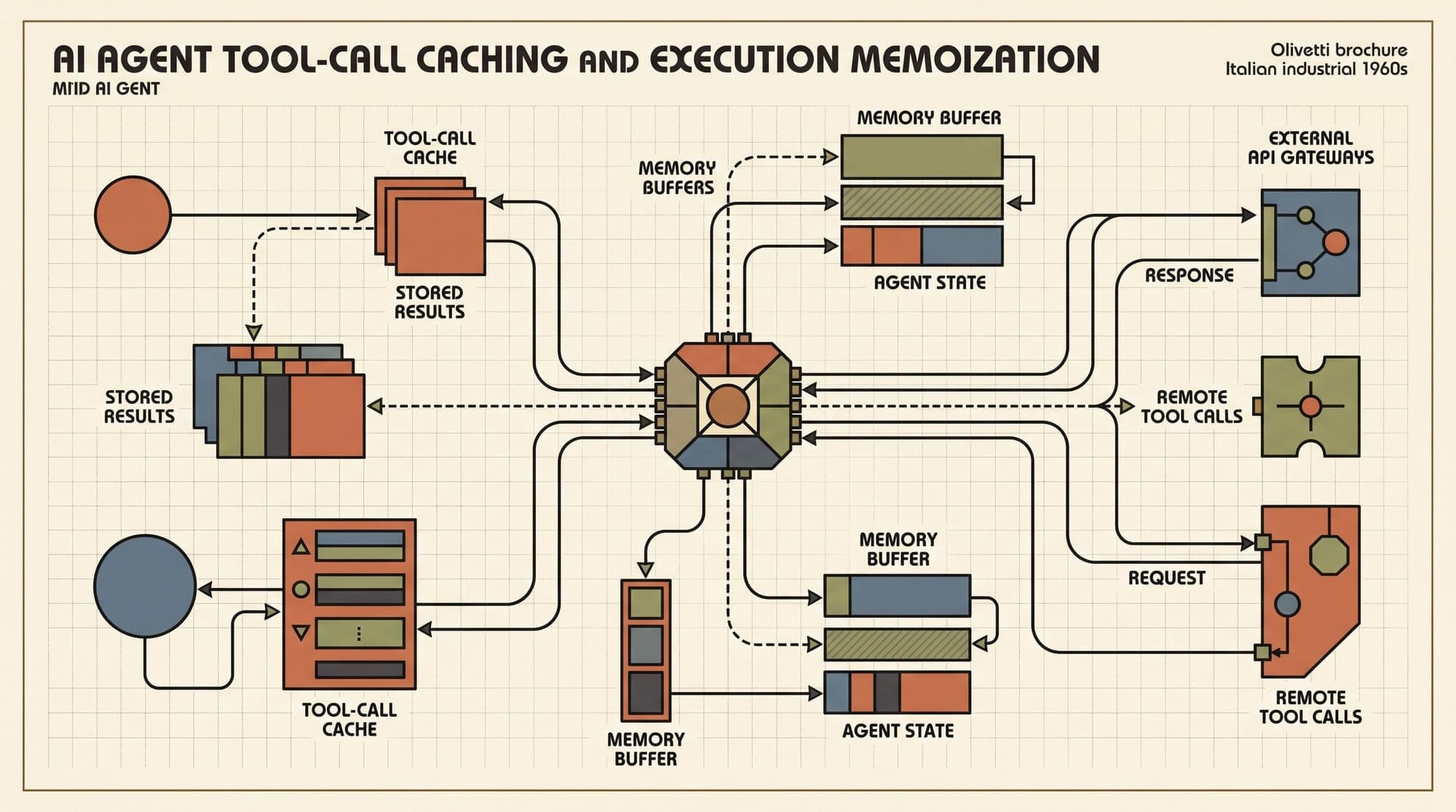
  9. Tool-Call Caching in Production AI Agents: Architecture, State Invalidation, and Latency Economics

    In multi-turn agentic architectures such as ReAct, plan-and-solve swarms, and autonomous coding runtimes, large language models spend significant time waiting on external tool execution. While prompt caching and prefix KV-cache reuse have reduced inference costs for repeated prompt contexts, they do not optimize the downstream execution layer. When an agent queries a database, scrapes a webpage, executes a sandboxed bash command, or retrieves embeddings, external tool latency frequently accounts

    AI
    6 min read
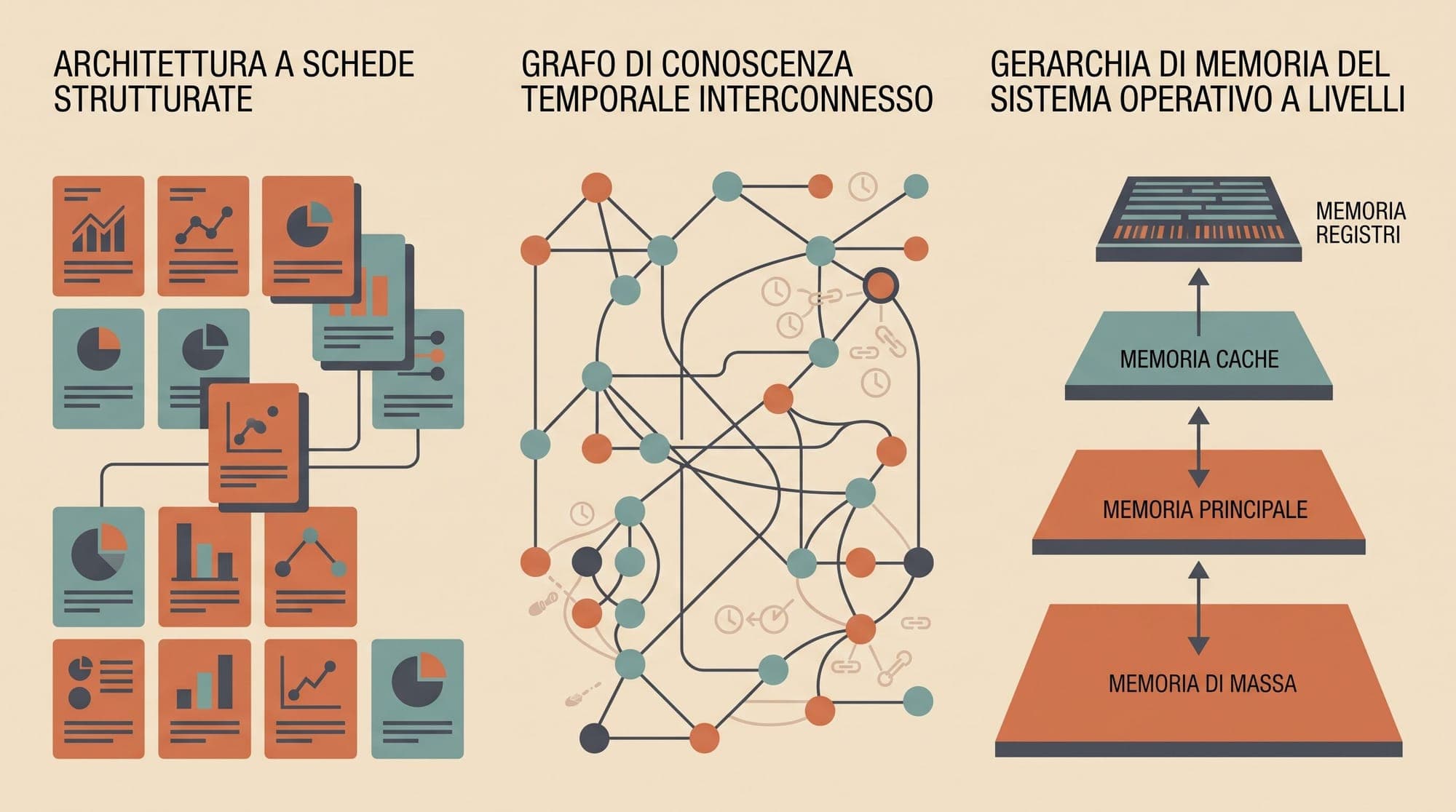
  10. Agent Memory Engines in Production: Comparing Mem0, Zep, and Letta Architecture, Graph Stores, and Retrieval Latency

    Large language models are inherently stateless functions. Every invocation begins with an empty memory register, relying entirely on the tokens packed into its context window. In production multi-turn applications, naive context management strategies quickly collapse: appending raw conversational logs inflates inference costs and eventually hits hard context limits, while standard semantic vector search (retrieval-augmented generation) lacks temporal awareness, treats contradictions blindly, and

    AI
    7 min read
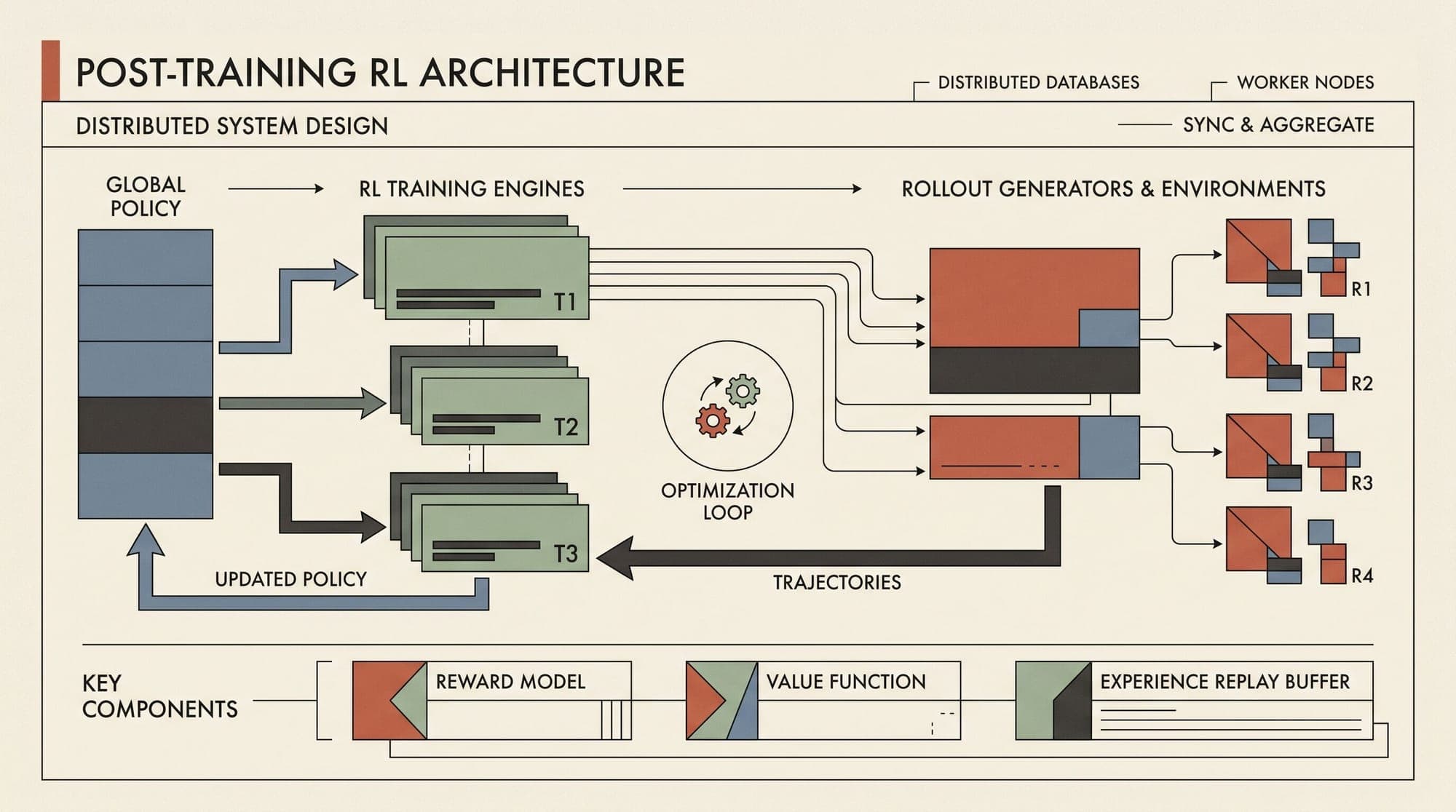
  11. Post-Training RL Frameworks in Production: Comparing verl, OpenRLHF, TRL, and DeepSpeed-Chat Architecture, Distributed Scheduling, and Serving Trade-Offs

    Post-training reinforcement learning (RL) has replaced standard supervised fine-tuning (SFT) as the primary mechanism for frontier model alignment and reasoning expansion. Whether running classic Proximal Policy Optimization (PPO), Direct Preference Optimization (DPO), Group Relative Policy Optimization (GRPO), or Reinforcement Learning with Verifiable Rewards (RLVR), modern post-training pipelines introduce an execution pattern distinct from standard pre-training: they alternate between high-th

    AI
    8 min read
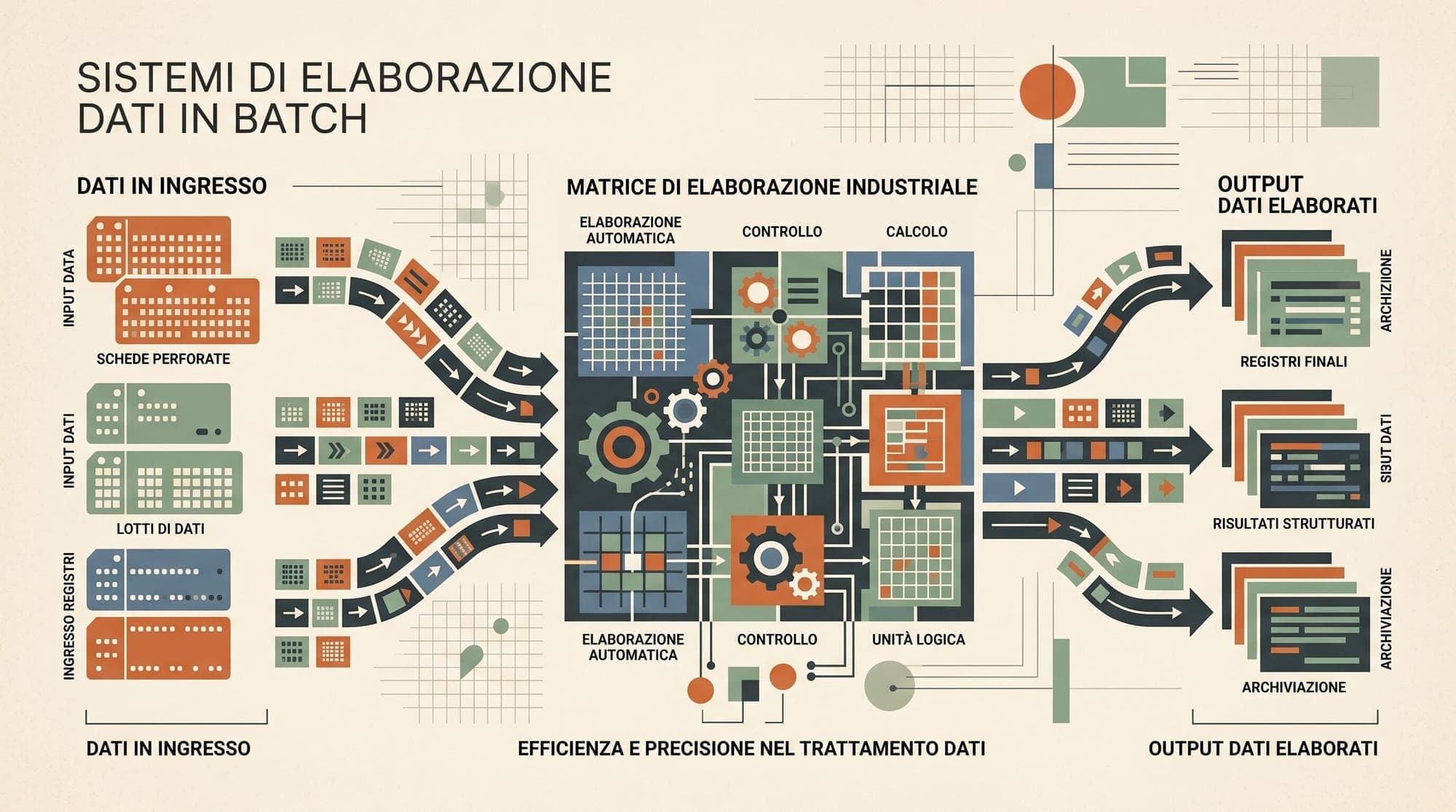
  12. Asynchronous Batch Inference in Production: Architecture, Queue Scheduling, and Cost Arbitrage

    Asynchronous Batch Inference in Production: Architecture, Queue Scheduling, and Cost Arbitrage Interactive AI applications require low Time-to-First-Token (TTFT) and high inter-token generation speed to maintain responsive user experiences. Achieving sub-second latency targets forces infrastructure teams to overprovision GPU capacity to absorb peak demand spikes. However, non-interactive production workloads (such as historical document processing, embedding generation, nightly model evaluation

    LLM
    7 min read
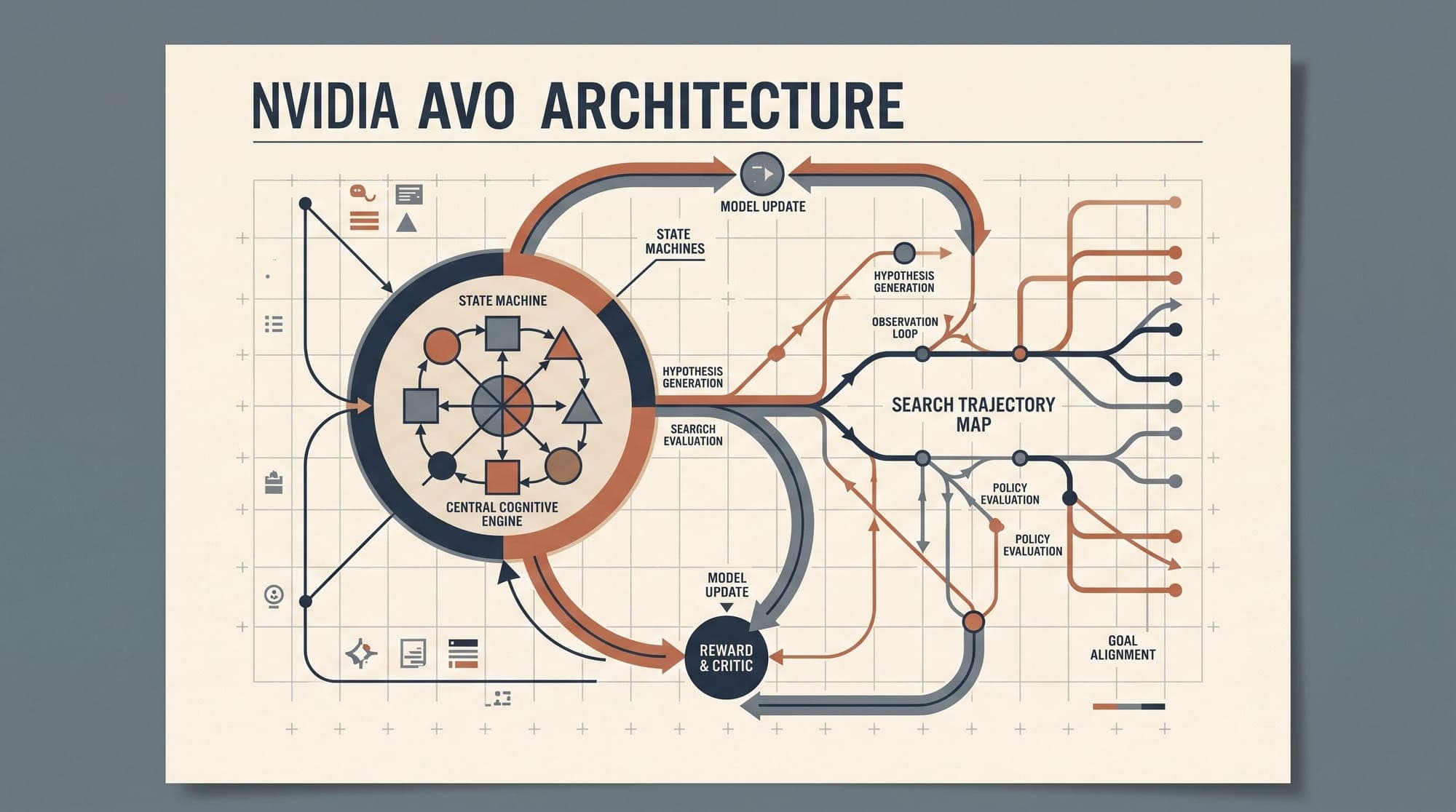
  13. NVIDIA AVO Achieves 100% on ARC-AGI-3 with Claude Opus 5

    NVIDIA Research has published details on Agentic Variation Operators (AVO), a general-purpose autonomous agent architecture designed to sustain long-horizon engineering and reasoning workflows. In benchmark evaluations on ARC-AGI-3, an interactive reasoning suite that tests fluid intelligence without instructions or stated goals, AVO scored 100.00 Relative Human Action Efficiency (RHAE) across all 25 public-set environments and 183 levels using Anthropic's Claude Opus 5. The result highlights a

    AI
    3 min read
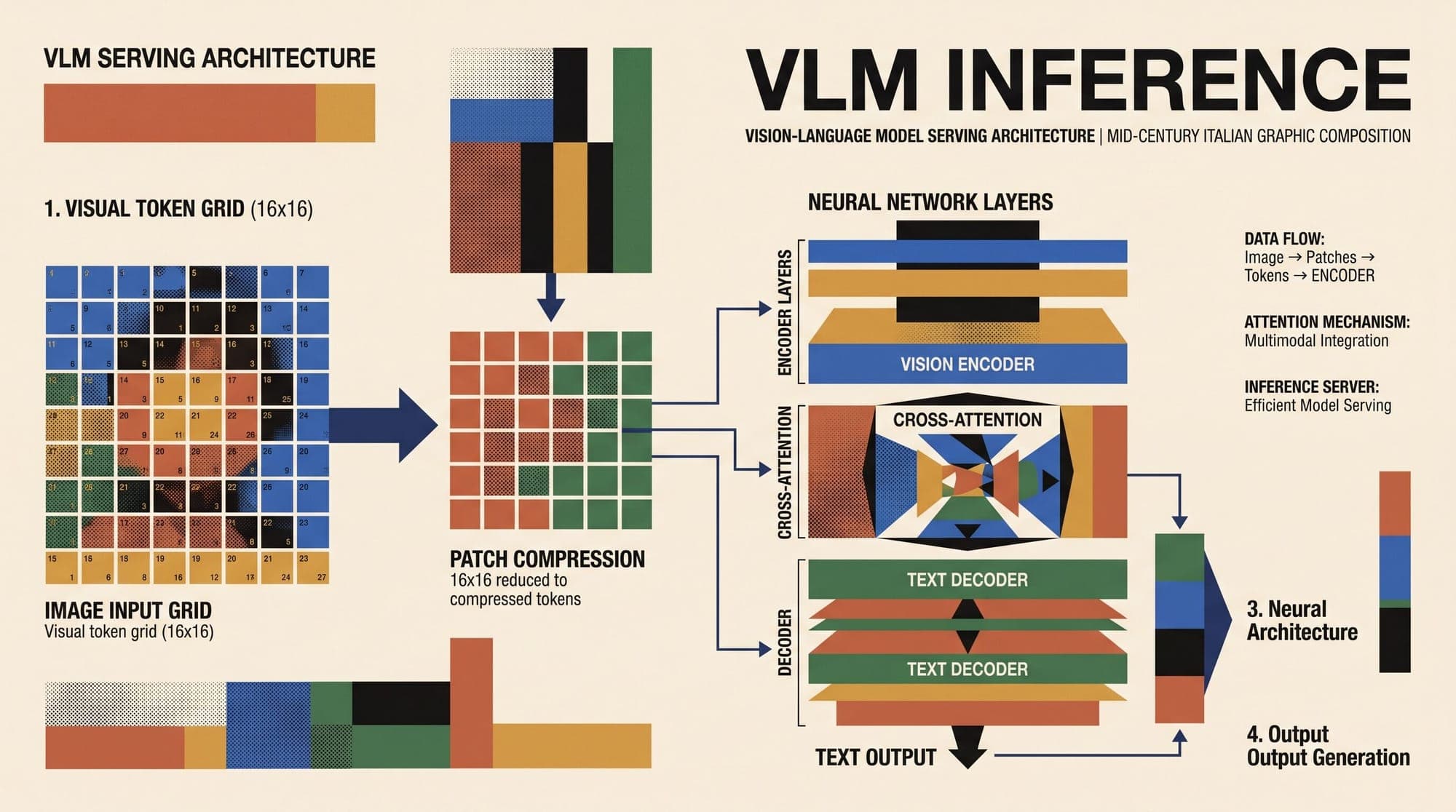
  14. Vision-Language Model Serving in Production: Visual Token Pruning, Encoder Caching, Dynamic Resolution, and Inference Economics

    Deploying Vision-Language Models (VLMs) into high-concurrency production environments introduces a distinct set of systems bottlenecks that text-only large language models do not exhibit. While text models ingest prompts with compact token densities, visual inputs require processing high-dimensional pixel arrays through vision encoders, expanding a single image into hundreds or thousands of visual tokens before autoregressive generation begins. In production architectures running models such as

    AI
    8 min read
  15. Google DeepMind Outlines 15-Year Game AI Arc and EVE Online Research Sandbox

    Google DeepMind has detailed its 15-year trajectory of game-based artificial intelligence research, outlining how milestones from arcade reinforcement learning to modern multimodal models have culminated in an experimental research program inside the persistent virtual universe of EVE Online. The retrospective connects early breakthroughs in discrete, fully observable games to the frontier challenges currently facing autonomous systems: long-horizon planning, non-stationary multi-agent dynamics

    AI
    3 min read
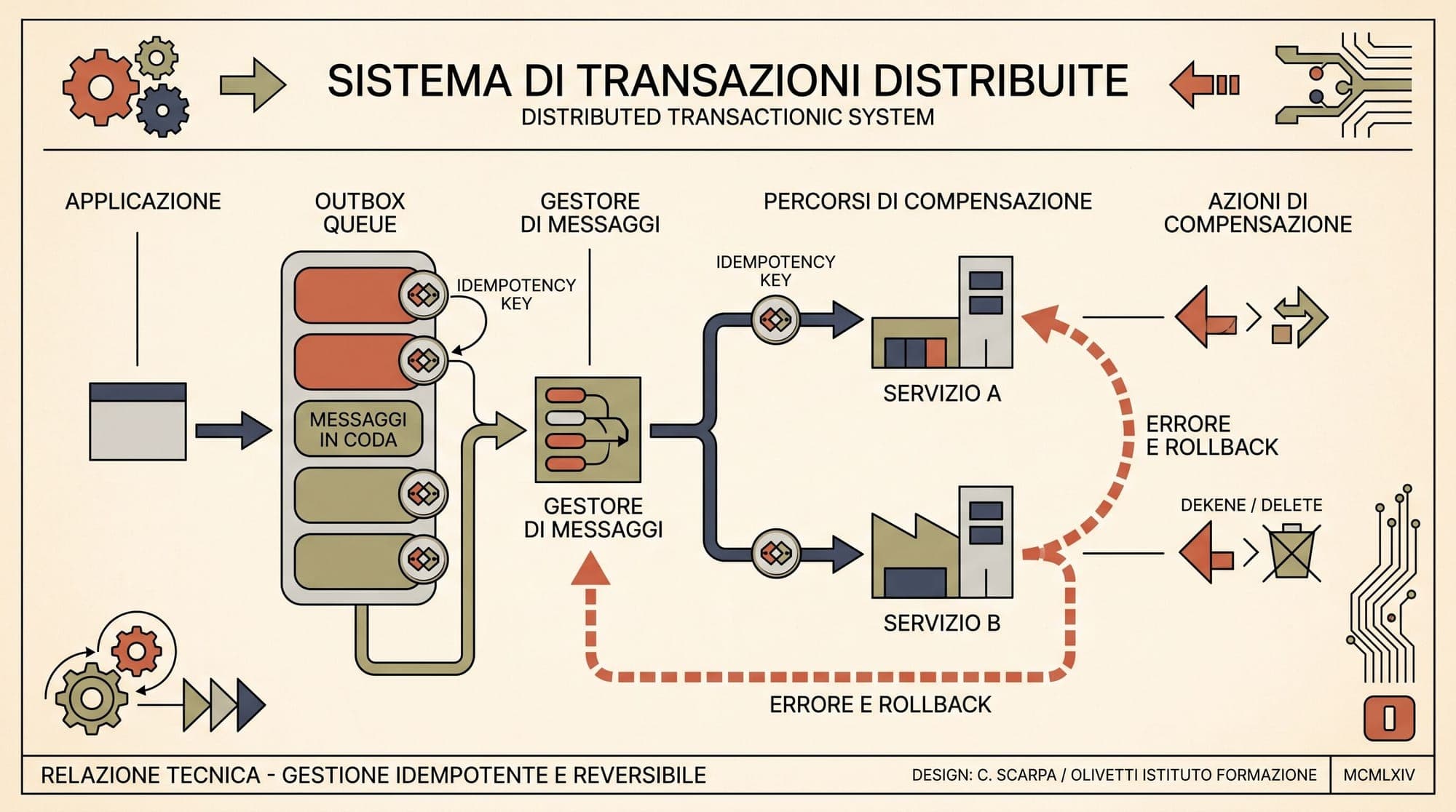
  16. Idempotency and Side-Effect Safety in Production AI Agents: Transactional Outboxes, Distributed Sagas, and Compensating Actions

    Autonomous AI agents interacting with real-world infrastructure frequently execute irreversible side-effects: charging payment methods, provisioning cloud servers, sending external webhooks, and modifying production databases. While traditional microservices rely on deterministic business logic and predictable retry policies, Large Language Model (LLM) agents operate probabilistically. An agent faced with a transient network drop, an HTTP 504 Gateway Timeout, or context window compaction can re-

    AI
    7 min read
  17. PII Redaction and Reversible Tokenization in Production LLM Systems: Architecture, NER Latency, and Streaming De-Anonymization

    In enterprise production environments, forwarding unsanitized prompt payloads to third-party model providers or logging raw agent execution traces exposes organizations to severe regulatory liability. Under frameworks such as GDPR Article 4(1), the HIPAA Safe Harbor standard, and the California Privacy Rights Act (CPRA), personally identifiable information (PII) including patient health identifiers, Social Security numbers, credit card data, full names, and personal email addresses cannot be tra

    AI
    7 min read
  18. Speculative RAG in Production: Architecture, Multi-Perspective Sampling, and Draft Verification Trade-Offs

    Standard Retrieval-Augmented Generation (RAG) pipelines face an escalating trade-off between retrieval recall and inference latency. To ensure sufficient coverage for ambiguous or complex knowledge-intensive queries, production systems commonly ingest between 10 and 20 candidate passages per query. However, concatenating large document sets directly into the prompt context of a large language model introduces severe bottlenecks: quadratic attention scaling during the prefill phase, elevated Time

    Architecture
    7 min read
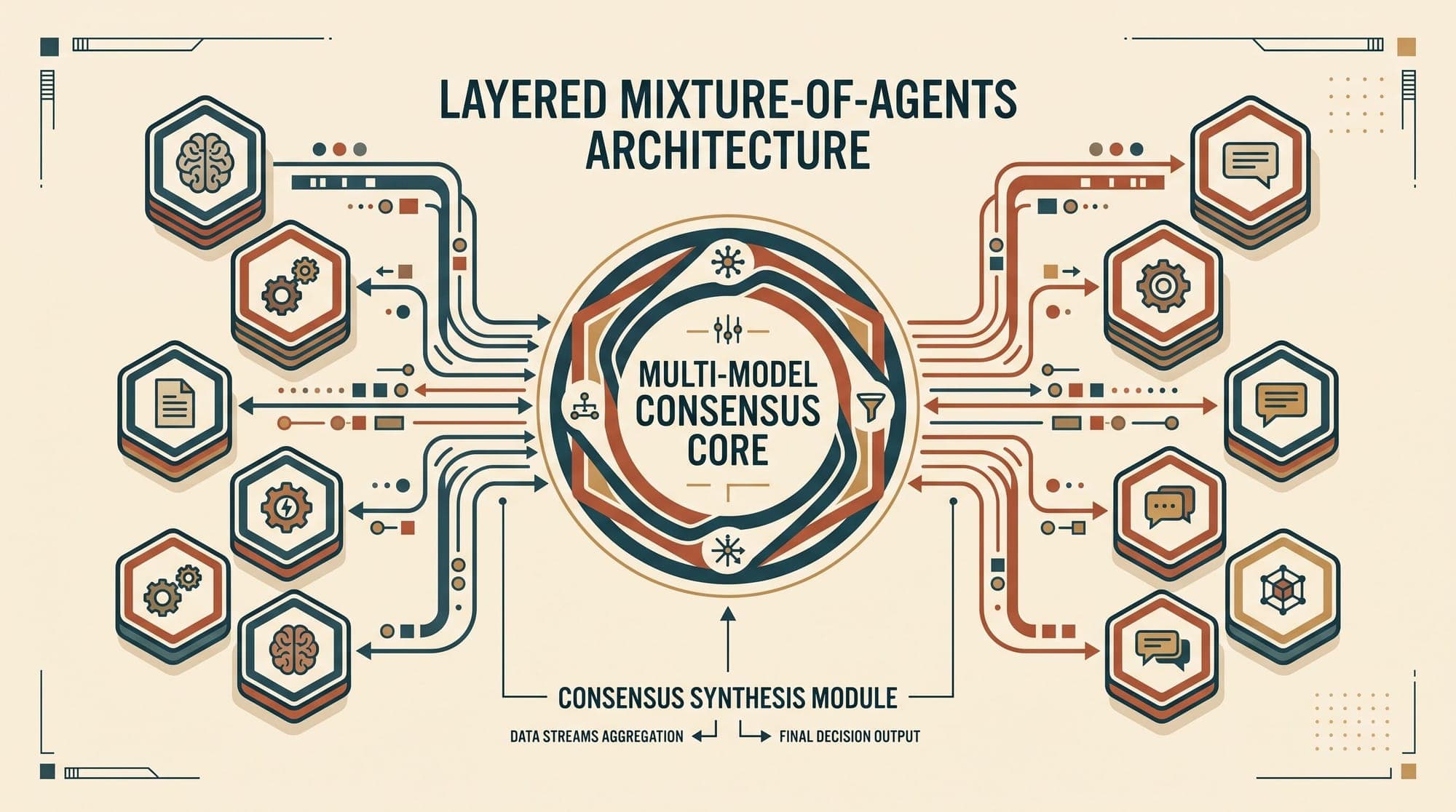
  19. Mixture-of-Agents and Multi-LLM Consensus in Production: Architecture, Layered Synthesis, Latency Budgets, and Cost Trade-Offs

    Single frontier models face physical and economic scaling limits. While model developers continue to scale pre-training compute and post-training reinforcement learning, individual foundation models still exhibit persistent failure modes: domain blind spots, subtle reasoning hallucinations, and inconsistent instruction adherence. To break past the performance ceilings of single models, production engineering teams increasingly deploy multi-model ensemble architectures. The most prominent of the

    AI
    7 min read
  20. LLM Output Calibration and Uncertainty Estimation in Production: Token Entropy, Semantic Clustering, and Risk-Controlled Abstention

    Production deployments of large language models frequently fail not because models lack capability, but because they lack reliable uncertainty estimation. Autoregressive language models generate hallucinations with the exact same fluent, assertive cadence as verified ground truth. When an enterprise application relies on downstream actions, database writes, or customer-facing advice, uncalibrated generations introduce severe operational risk. Treating raw token probabilities as calibrated confi

    AI
    6 min read