Category / page 11

Coding & Agents

352 articles

Articles, page 11

201-220 of 352
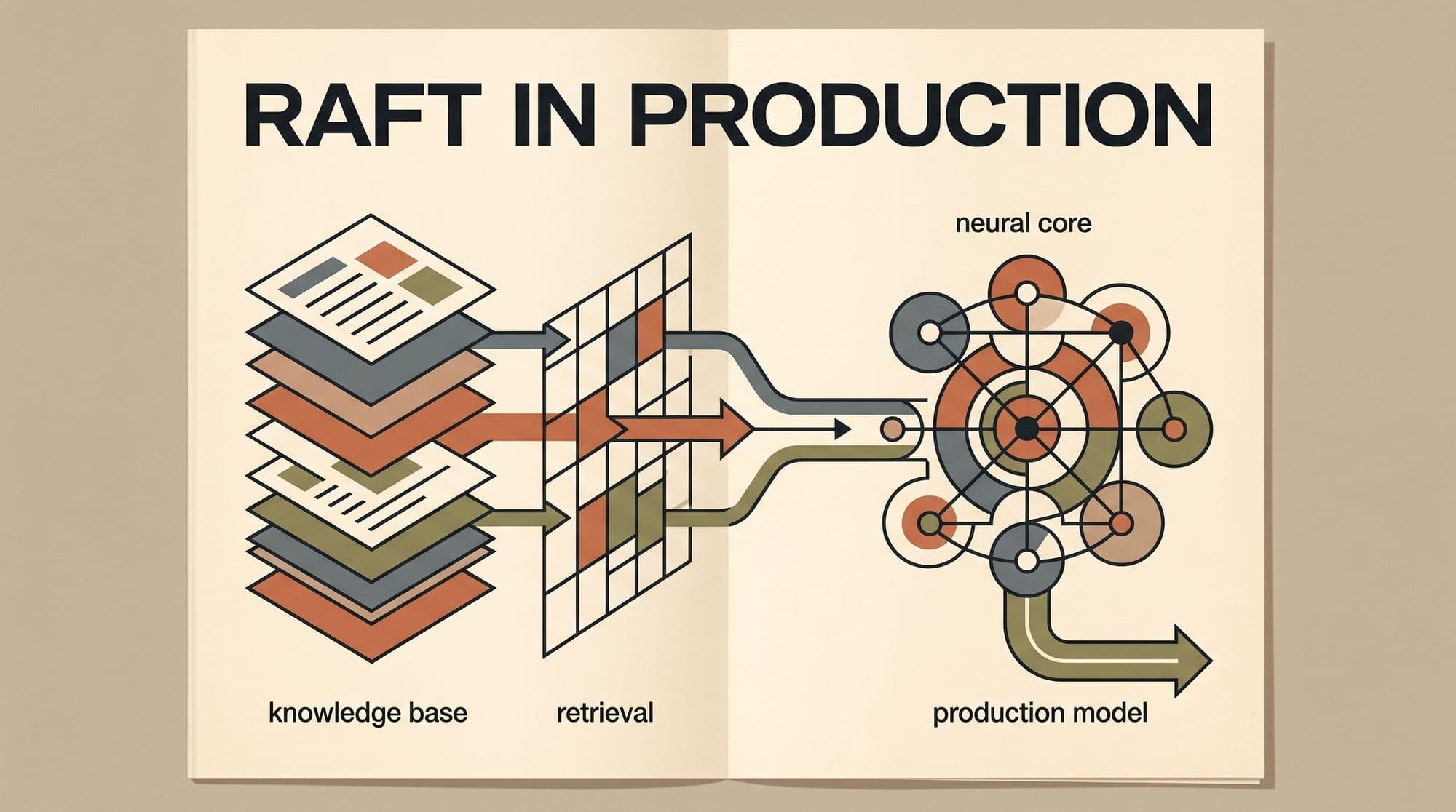
  1. Retrieval-Augmented Fine-Tuning (RAFT) in Production: Architecture, Synthetic Distractor Pipelines, and Evaluation

    Standard approaches to enterprise domain adaptation typically force a choice between two paradigms: Supervised Fine-Tuning (SFT) or Retrieval-Augmented Generation (RAG). SFT bakes domain knowledge directly into model weights, functioning like a closed-book exam. When facts change or precise source attribution is required, SFT models often hallucinate or fail to incorporate updated context. Conversely, standard RAG operates like an open-book exam without prior preparation. The base model reads re
    AI
    5 min read
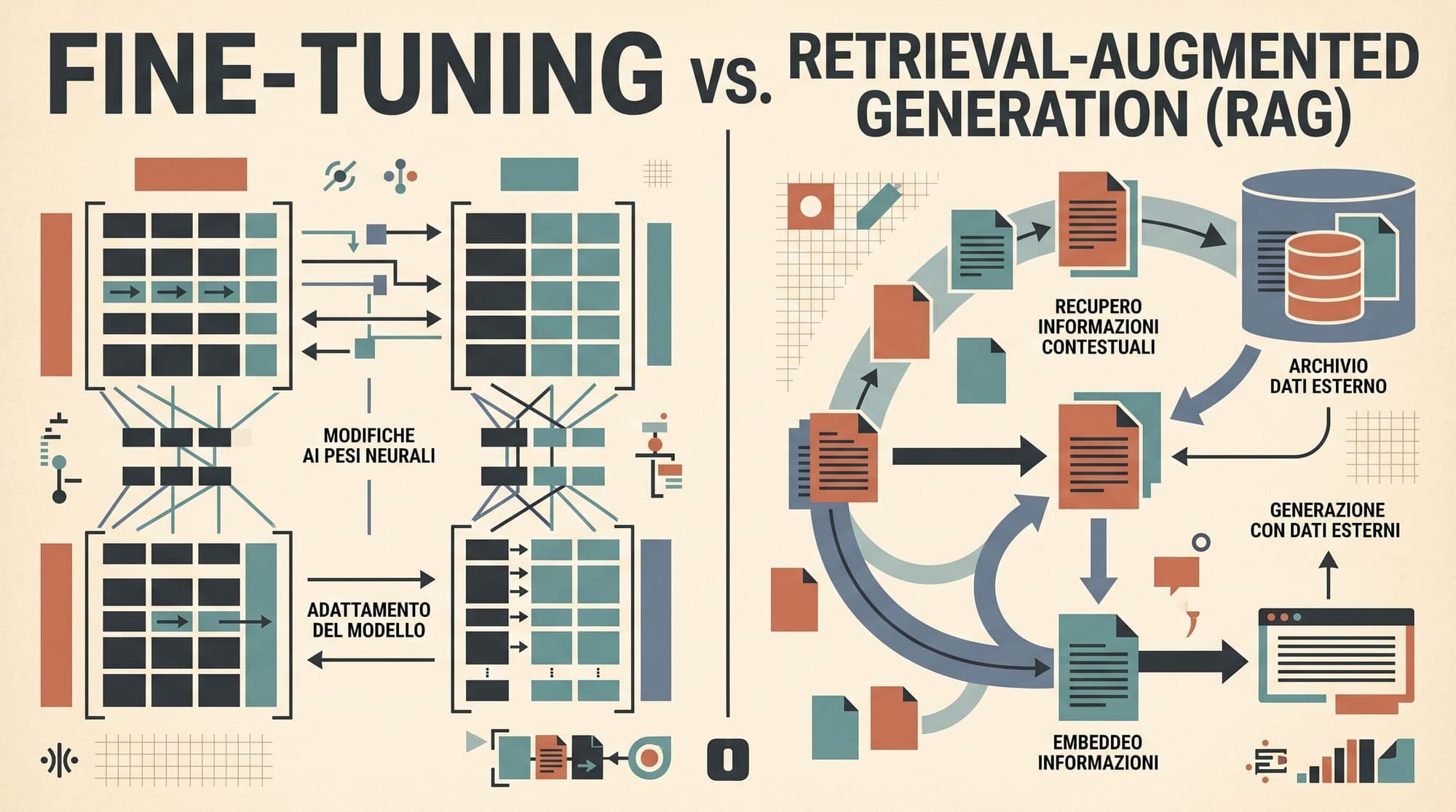
  2. Fine-Tuning vs. RAG in Production: Knowledge Injection, Task Adaptation, Latency Economics, and Hybrid Architecture Trade-Offs

    Fine-Tuning vs. RAG in Production: Knowledge Injection, Task Adaptation, Latency Economics, and Hybrid Architecture Trade-Offs When adapting large language models to domain-specific enterprise workloads, engineering teams face a fundamental architectural choice: modify the model's parametric weights via fine-tuning, or supply dynamic context at inference time via Retrieval-Augmented Generation (RAG). While early discussions often framed this decision as a binary trade-off, empirical evaluation

    AI
    6 min read
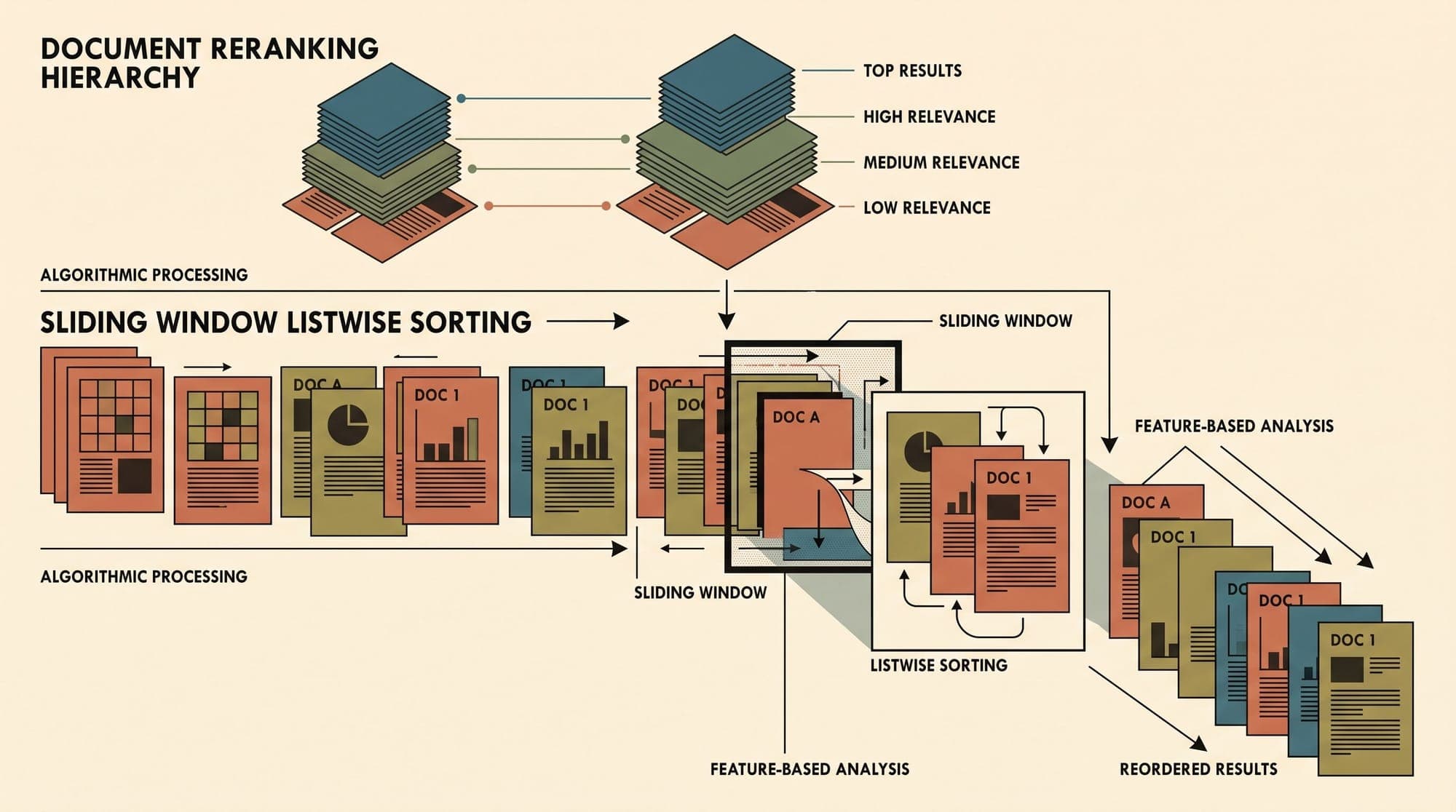
  3. Listwise Reranking in Production: Comparing Pointwise, Pairwise, and Listwise LLM Architectures, Sliding-Window Permutations, and Serving Economics

    Information retrieval systems in production Retrieval-Augmented Generation (RAG) and enterprise search have transitioned through multiple reranking paradigms. While first-stage retrieval (dense vector embeddings and sparse lexical BM25/SPLADE) retrieves candidate sets of 50 to 200 documents in under 20 milliseconds, the precision of downstream generation depends heavily on the reranking stage. Traditional neural rerankers evaluate candidates through pointwise scoring or pairwise classification.

    Information Retrieval
    5 min read
  4. Enterprises Curb AI Agent Autonomy Amid 40% Project Cancellation Projections

    Enterprises deploying agentic artificial intelligence are shifting architectures away from open-ended autonomy toward bounded, verifiable execution as projects encounter governance, security, and financial bottlenecks in production environments. Data from industry research firms highlights a widening divergence between model capability and operational control. According to projections from Gartner, more than 40% of current agentic AI initiatives are projected to be canceled by the end of 2027.

    AI
    2 min read
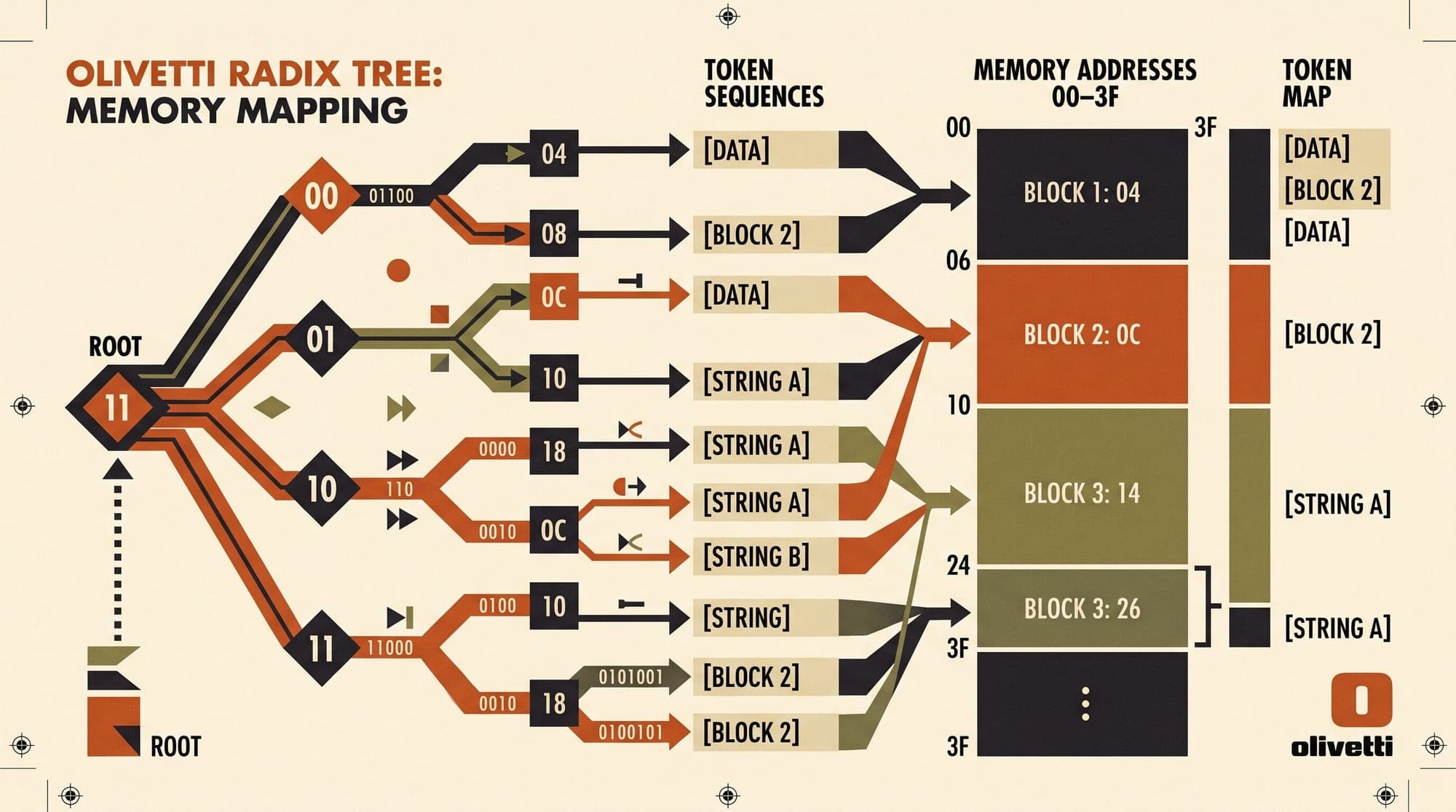
  5. Prefix-Tree KV Cache Management in Production: RadixAttention, Tree-Structured LRU Eviction, and Token-Level Sharing in SGLang and vLLM

    Prefix-Tree KV Cache Management in Production: RadixAttention, Tree-Structured LRU Eviction, and Token-Level Sharing in SGLang and vLLM Autoregressive large language model inference is heavily constrained by memory bandwidth and the computational overhead of the prefill phase. For workloads such as multi-turn conversations, autonomous agent tool loops, few-shot prompt evaluations, and tree-search decoding, consecutive requests often share substantial token prefixes. In a standard multi-turn ses

    AI
    7 min read
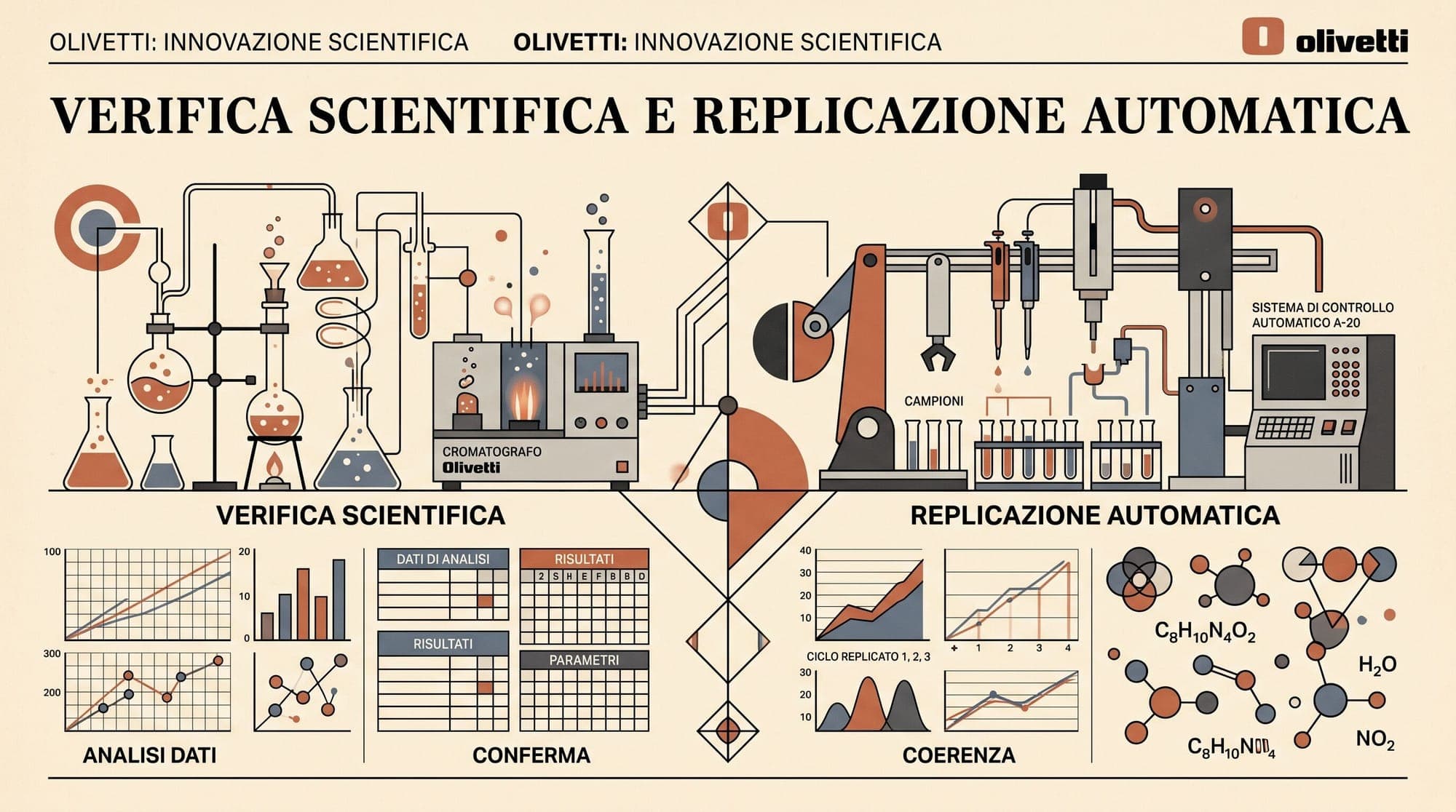
  6. Inherent Releases Faraday: 27B Scientific Agent Outperforms Frontier Models on Paper Replication

    London-based AI research startup Inherent has released Faraday, an autonomous AI agent engineered to independently reproduce published scientific research without prior exposure to target solutions. Founded by former Google DeepMind researchers Louis Kirsch, Kaloyan Aleksiev, Tantum Collins, and Edward Hughes, the lab launched Faraday weeks after securing a $50 million seed round. According to benchmark results published by the lab, Faraday outperformed significantly larger frontier systems, in

    AI
    2 min read
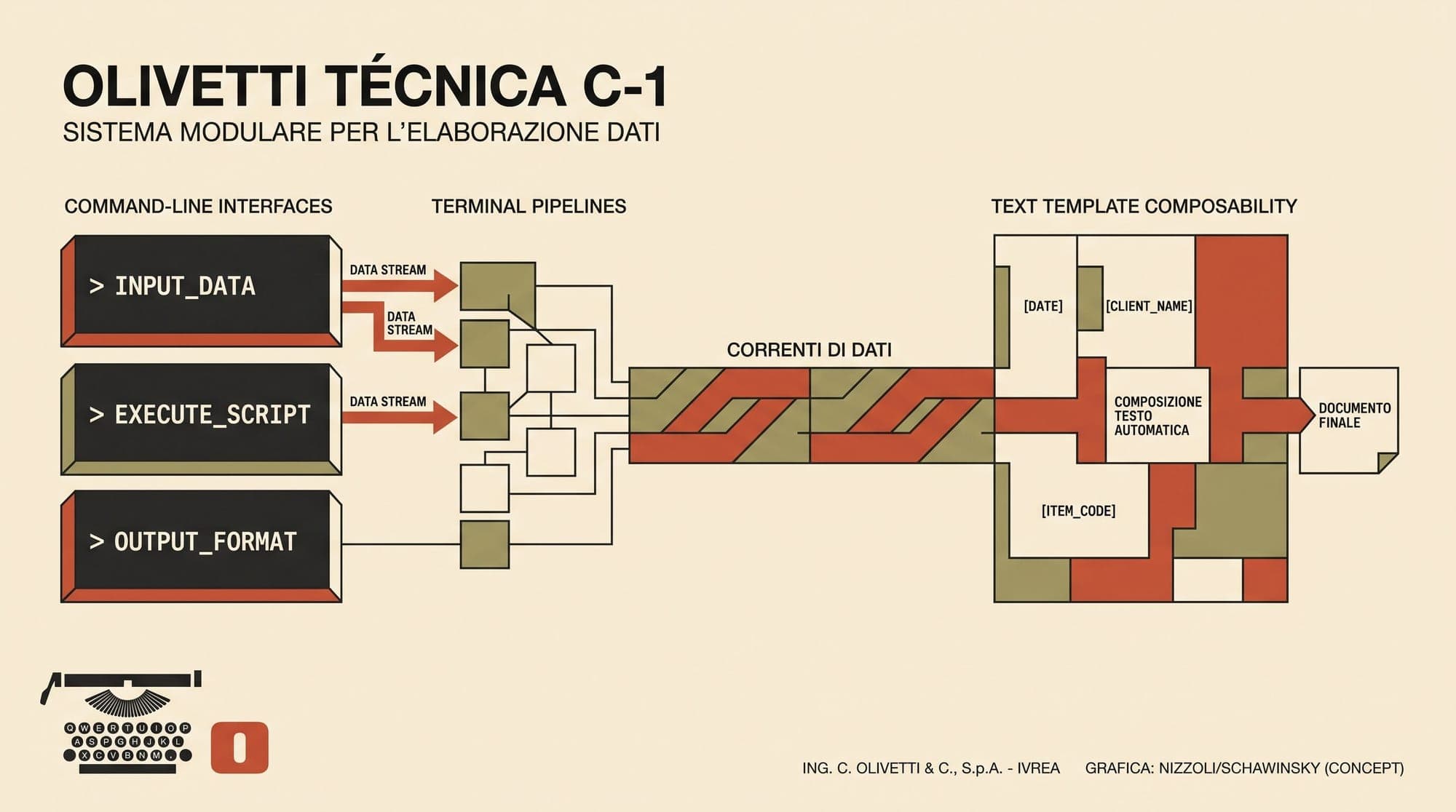
  7. LLM 0.33 Adds Template Chaining, Per-Call Embedding Keys, and Server Tool Logging

    Simon Willison has released llm 0.33, an update to the open-source command-line tool and Python library for interacting with large language models. The release introduces template composition, stateless per-call embedding credentials, and server-side tool execution visibility in logs, alongside an upgrade to the OpenAI Python 3.x client and httpx2. Template Composition and Parameter Decoupling The primary workflow enhancement in version 0.33 is the ability to repeat the -t or --template flag

    Tooling
    2 min read
  8. GPU Cluster Storage in Production: GPUDirect Storage, NVMe-oF, Parallel File Systems, and Checkpointing Throughput

    Training frontier large language models and serving hundred-billion parameter checkpoints places extreme demands on storage subsystems. While compute clusters frequently deploy thousands of GPUs connected via high-bandwidth interconnects like NVLink and InfiniBand, storage architectures often become severe bottlenecks during two critical operational phases: distributed checkpointing and cold-start model weight loading. A standard 70-billion parameter model in BF16 precision generates approximat

    AI
    7 min read
  9. Embedding Inversion in Production RAG: Architecture, Reconstruction Risks, and Vector Defense Strategies

    In enterprise Retrieval-Augmented Generation (RAG) pipelines, architecture teams frequently treat dense vector embeddings as an opaque, pseudo-anonymized representation of proprietary data. The underlying assumption has been that projecting raw text into high-dimensional geometric spaces (such as 768-, 1024-, or 1536-dimensional float vectors) acts as a one-way mathematical hash. Under this assumption, vector databases like Pinecone, Qdrant, Milvus, and pgvector are often deployed with weaker ac

    AI
    5 min read
  10. Google Previews CodeMender: DeepMind-Engineered AI Agent for Automated Vulnerability Remediation

    Google Cloud has made CodeMender, an autonomous AI code security agent developed with Google DeepMind, available in public preview on the Gemini Enterprise Agent Platform. The tool is designed to scan software codebases, verify discovered security flaws through simulated exploits in isolated sandboxes, and automatically generate tested code patches. CodeMender represents an operational shift from passive static analysis to autonomous remediation. Rather than delivering raw alerts to developers,

    AI
    2 min read
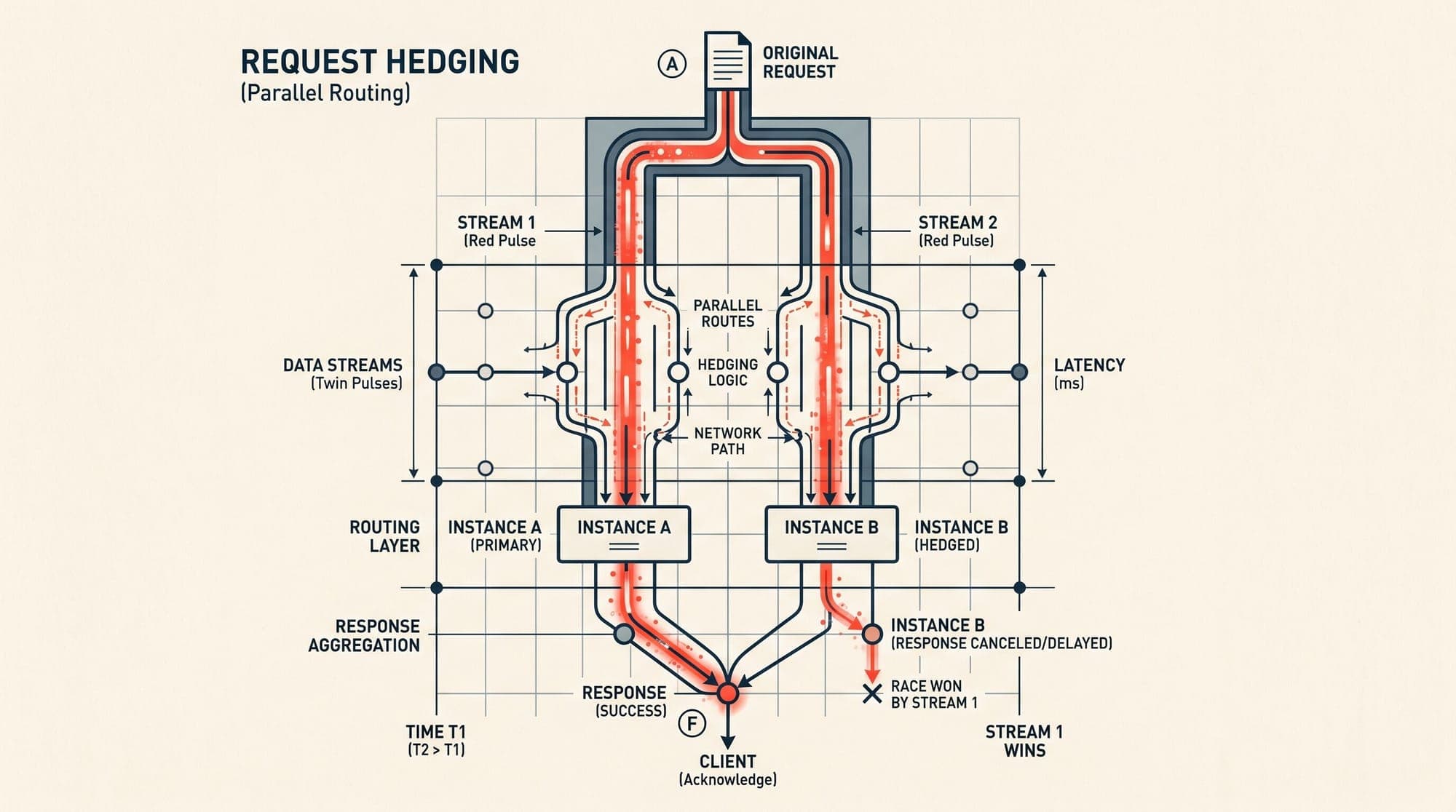
  11. Request Hedging in Production LLM Serving: Architecture, Tail-Latency Mitigation, and Cancellation Protocols

    In distributed computing, tail latency—the 95th, 99th, and 99.9th percentiles—dictates overall user experience, service-level agreements (SLAs), and multi-step agent execution reliability. While median response times (P50) in large language model (LLM) serving often appear acceptable, tail latencies frequently degrade by 4x to 10x. In multi-turn chat applications, real-time voice agents, and multi-agent DAG pipelines, a single straggler request stalls entire execution chains. Request hedging, a

    LLM
    8 min read
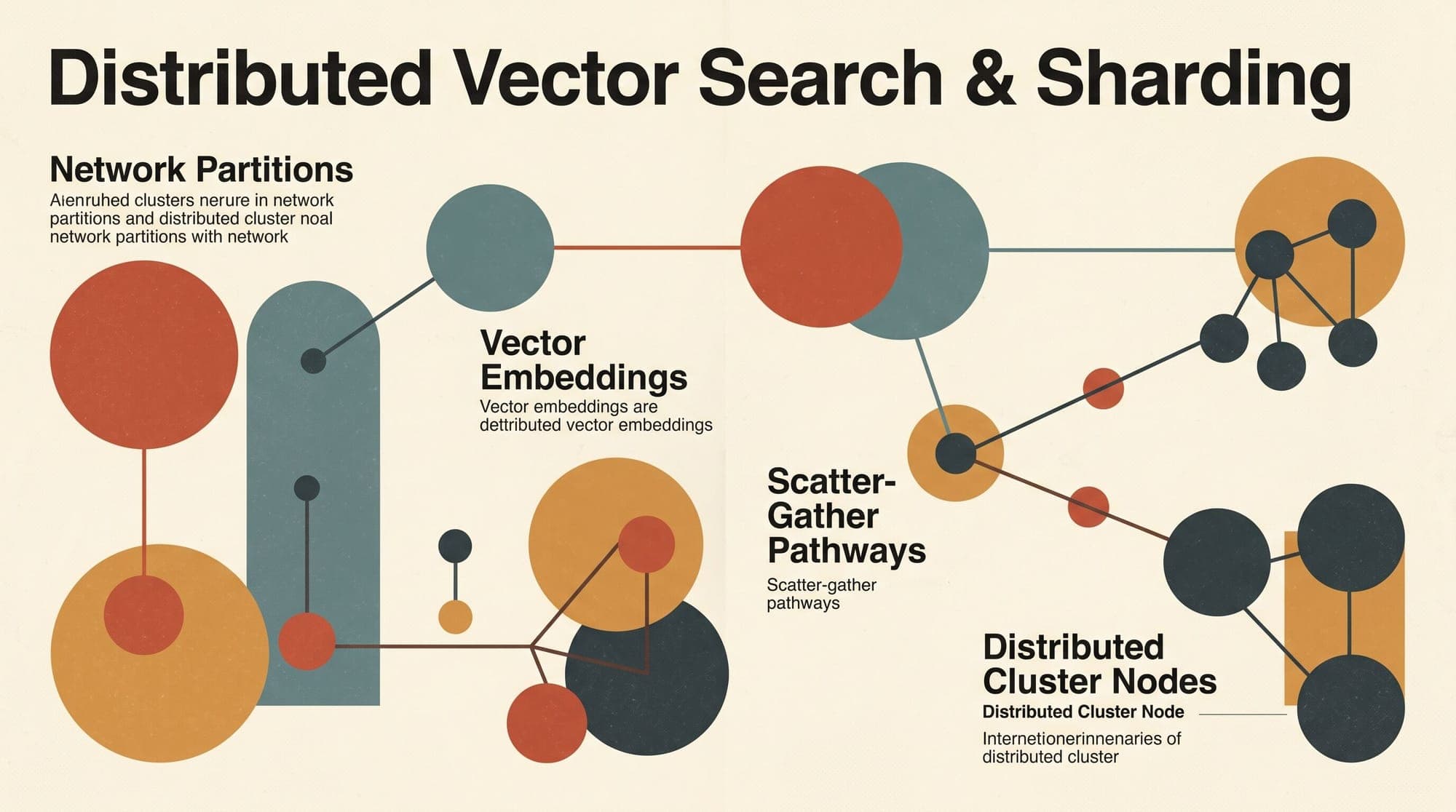
  12. Distributed Vector Search and Sharding Architecture in Production: Horizontal Partitioning, Scatter-Gather Tail Latency, Filter-Aware Routing, and Dynamic Rebalancing

    Scaling vector search beyond tens of millions of high-dimensional embeddings inevitably hits a physical boundary: the single-node memory wall. Because graph-based approximate nearest neighbor (ANN) algorithms such as Hierarchical Navigable Small World (HNSW) require random memory access patterns across graph vertices and high-dimensional vectors, keeping embeddings and index structures in RAM is critical for sub-20ms query latencies. A collection of 100 million 1,536-dimensional float32 vectors

    Vector Search
    8 min read
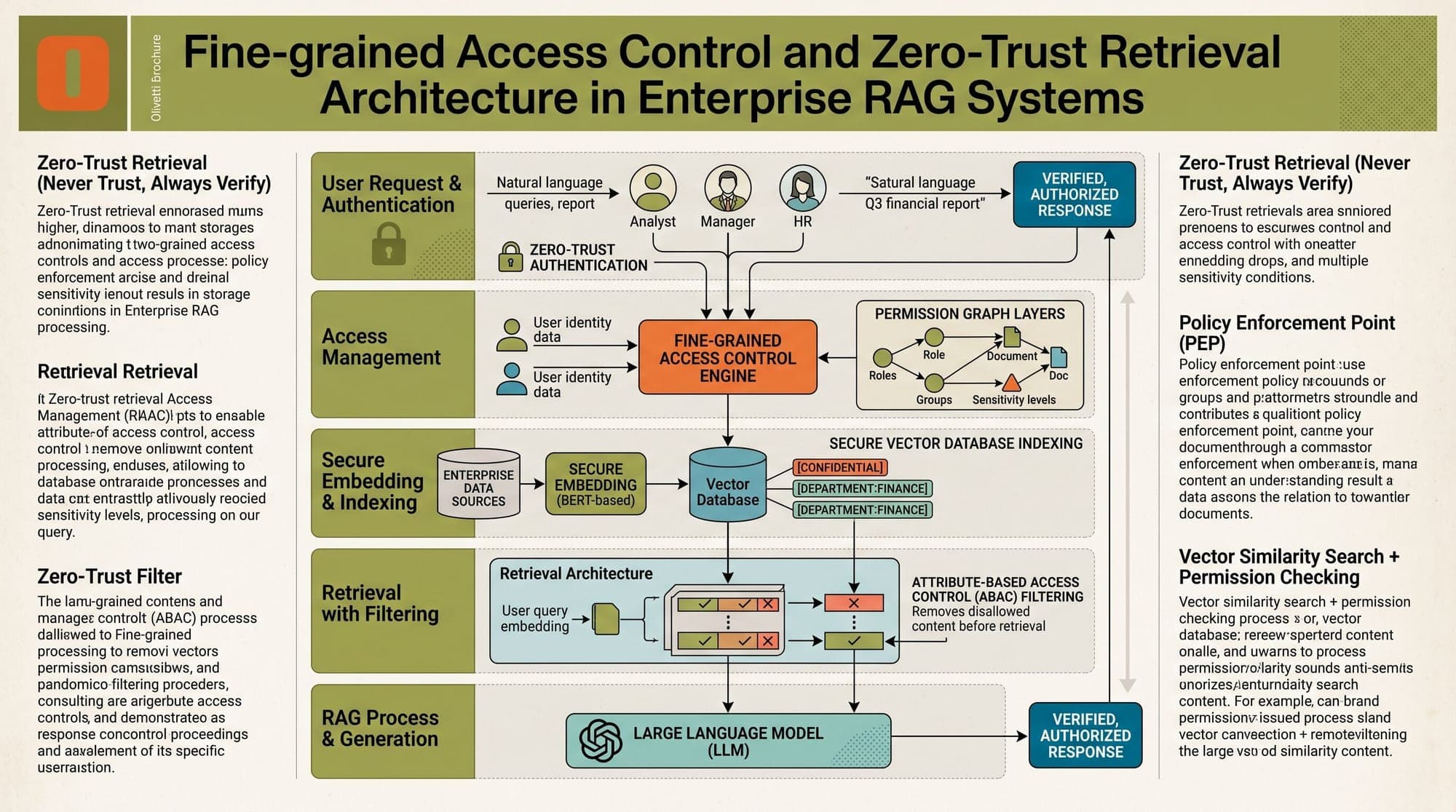
  13. Fine-Grained Access Control in Enterprise RAG: Pre-Filtering vs. Post-Filtering, Zanzibar ReBAC Models, and Zero-Trust Retrieval Architecture

    Deploying Retrieval-Augmented Generation (RAG) across enterprise knowledge repositories introduces a security boundary that simple vector search was never designed to enforce. In corporate environments spanning Google Workspace, Microsoft SharePoint, Notion, Confluence, and internal ticket systems, access permissions are dynamic, hierarchical, and deeply nested. Attempting to enforce security at the prompt generation layer by instructing language models to ignore unauthorized context is fundame

    RAG
    6 min read
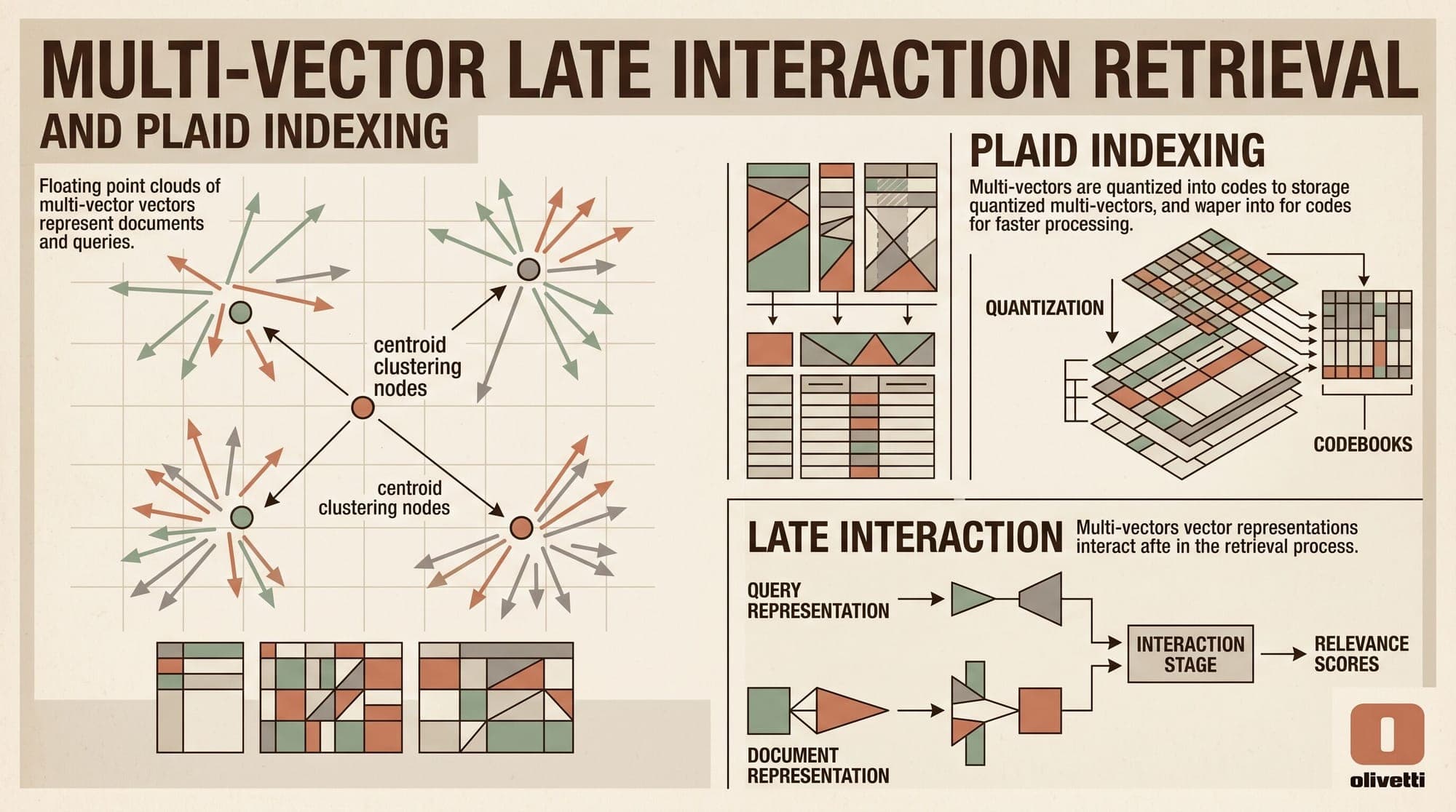
  14. Multi-Vector Late Interaction in Production: PLAID Indexing, Residual Compression, and Serving Architectures

    Multi-Vector Late Interaction in Production: PLAID Indexing, Residual Compression, and Serving Architectures Dense single-vector embeddings and cross-encoder rerankers represent the two traditional extremes of neural information retrieval. Single-vector models collapse entire documents into a single dense representation (typically 768 to 3,072 dimensions), losing token-level nuance, lexical precision, and localized facts. Cross-encoders preserve token interactions across the entire input sequen

    AI
    7 min read
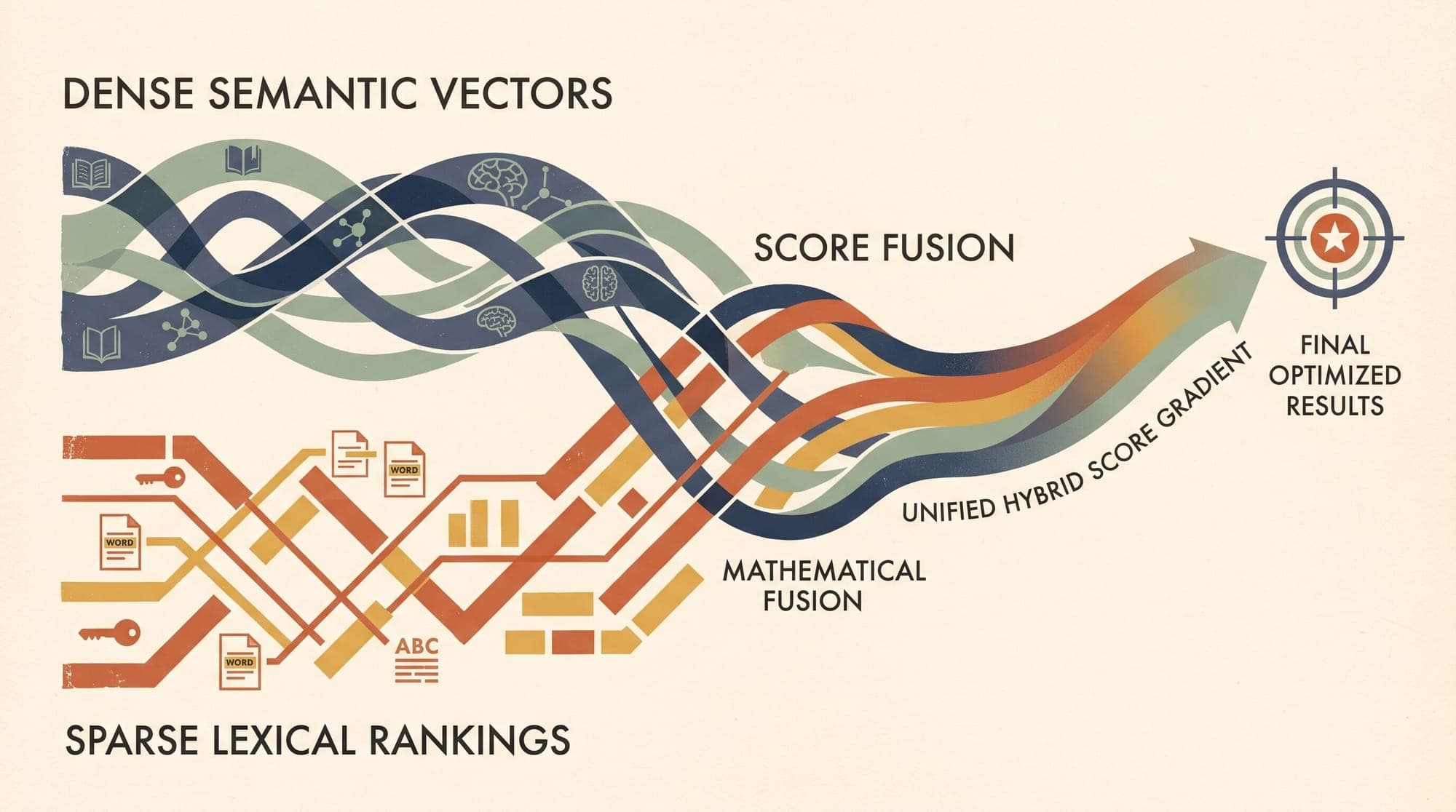
  15. Hybrid Search Score Fusion in Production: Reciprocal Rank Fusion vs. Relative Score Fusion vs. Distribution-Based Score Fusion

    Combining lexical search and dense vector retrieval is the standard architecture for modern enterprise retrieval-augmented generation (RAG). Lexical algorithms like BM25 excel at exact token matching, code identifiers, and acronyms, while dense embeddings capture semantic context and paraphrased intent. However, merging these two disparate retrieval streams into a single, coherent ranking presents a fundamental mathematical challenge: lexical engines and vector indices operate in completely inc

    Search
    7 min read
  16. Demystifying Agent Skills: Empirical Study of 8,000+ Runs Shows Procedural Anchoring Beats Knowledge Injection

    A multi-institution study from researchers at Princeton University, UC San Diego, and collaborating labs provides the first large-scale empirical analysis of how "skills" (modular instruction packages loaded at inference time) alter autonomous AI agent trajectories. Analyzing 8,135 experimental trials across diverse model architectures, benchmarks, and agent harnesses, the authors establish that skills improve task completion primarily by acting as procedural anchors rather than by injecting mis

    AI
    2 min read
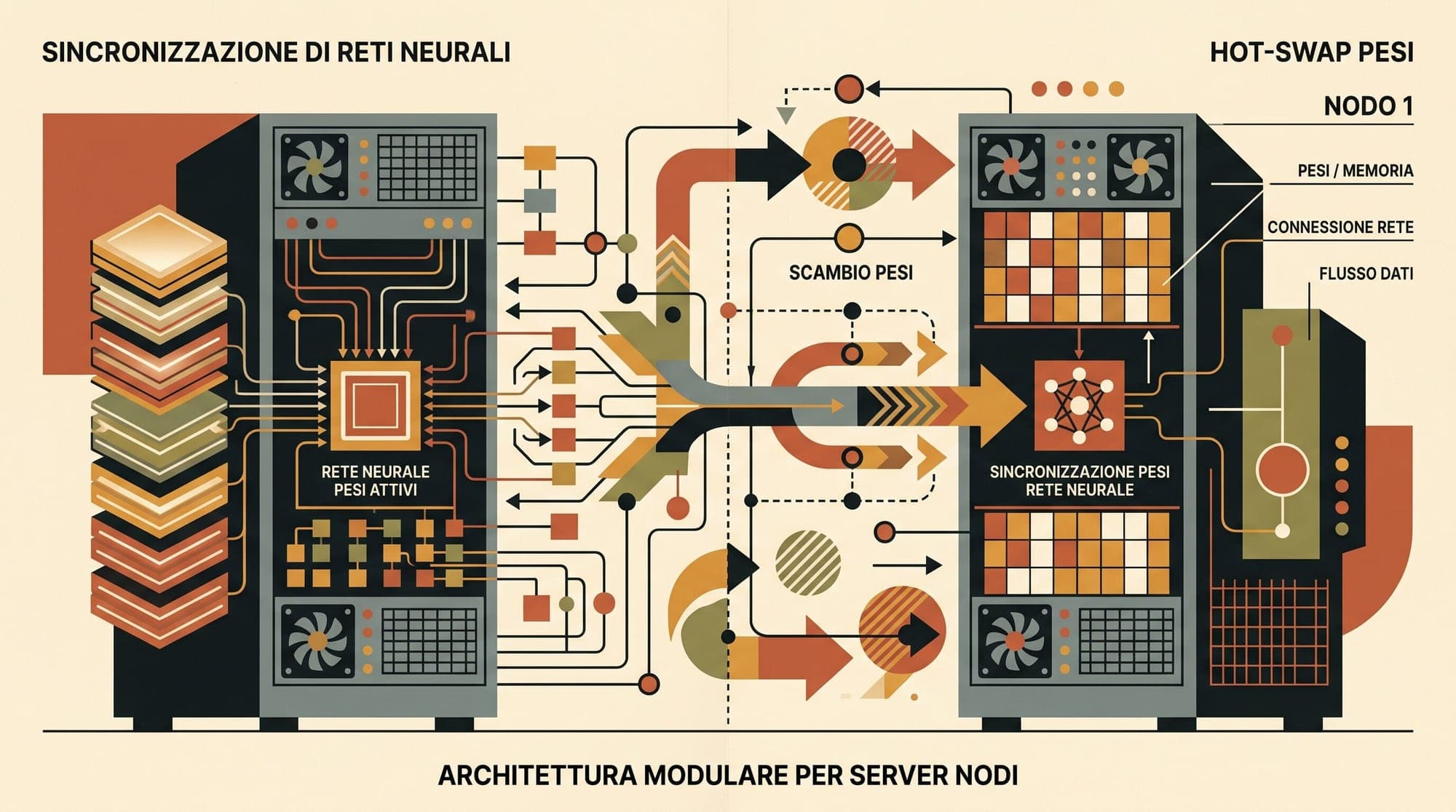
  17. Zero-Downtime Model Updates in Production LLM Serving: In-Place Weight Transfer, CUDA IPC vs. NCCL Syncing, and Traffic Draining Architectures

    Zero-Downtime Model Updates in Production LLM Serving: In-Place Weight Transfer, CUDA IPC vs. NCCL Syncing, and Traffic Draining Architectures In high-throughput LLM serving infrastructure, updating model checkpoints presents a severe operational dilemma. Traditional microservice deployment patterns such as blue-green deployments or rolling pod restarts fail to scale economically when applied to multi-GPU LLM clusters. Tearing down a serving instance to load a newly fine-tuned checkpoint or pol

    AI
    6 min read
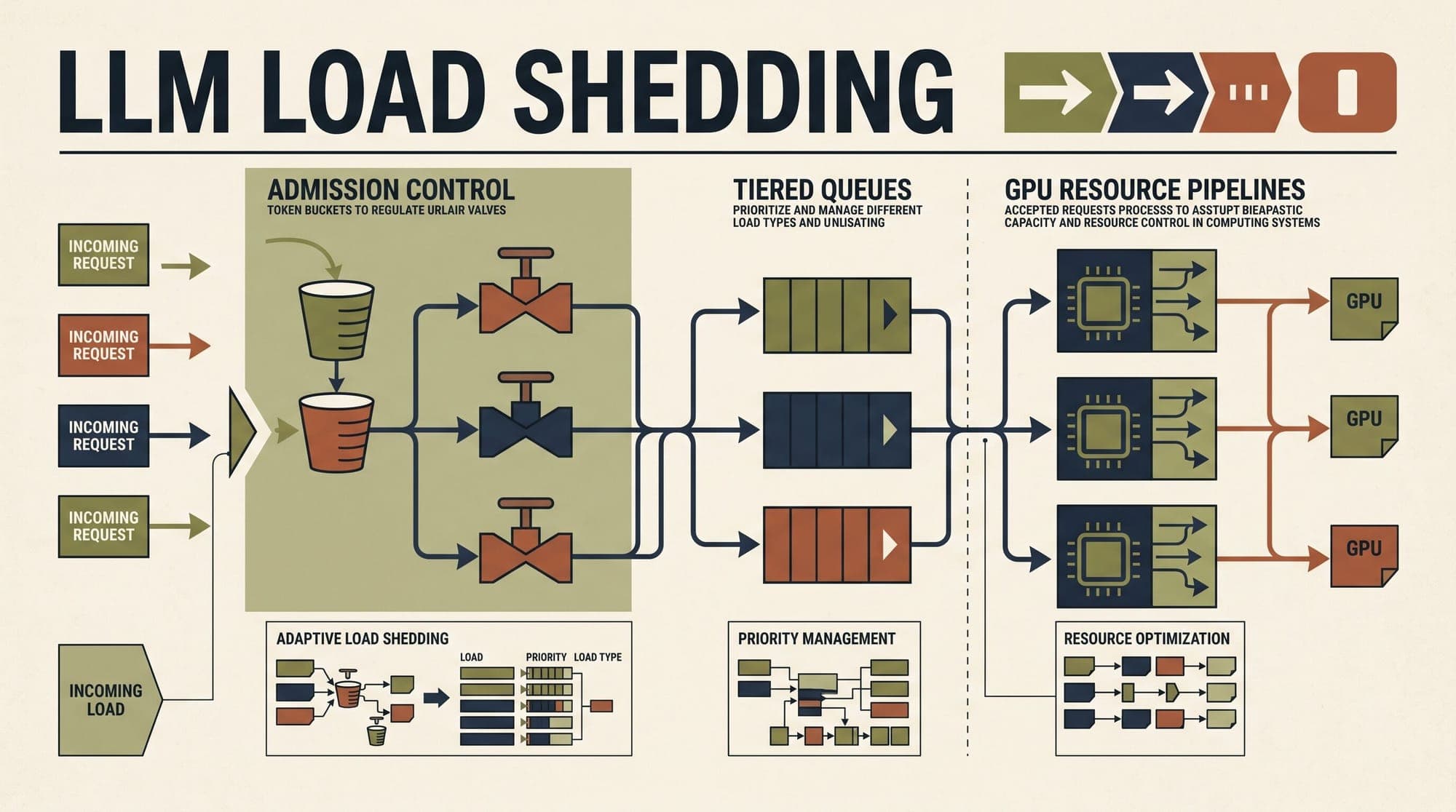
  18. LLM Load Shedding and Overload Control in Production: Adaptive Admission, Preemption Economics, and Graceful Degradation

    LLM Load Shedding and Overload Control in Production: Adaptive Admission, Preemption Economics, and Graceful Degradation Standard web services rely on well-established overload protection patterns: reverse proxies monitor CPU utilization, memory thresholds, or static queue depths and reject excess HTTP requests with 429 Too Many Requests or 503 Service Unavailable status codes. When applied naively to Large Language Model (LLM) serving infrastructure, these conventional heuristics fail catastro

    LLM
    9 min read
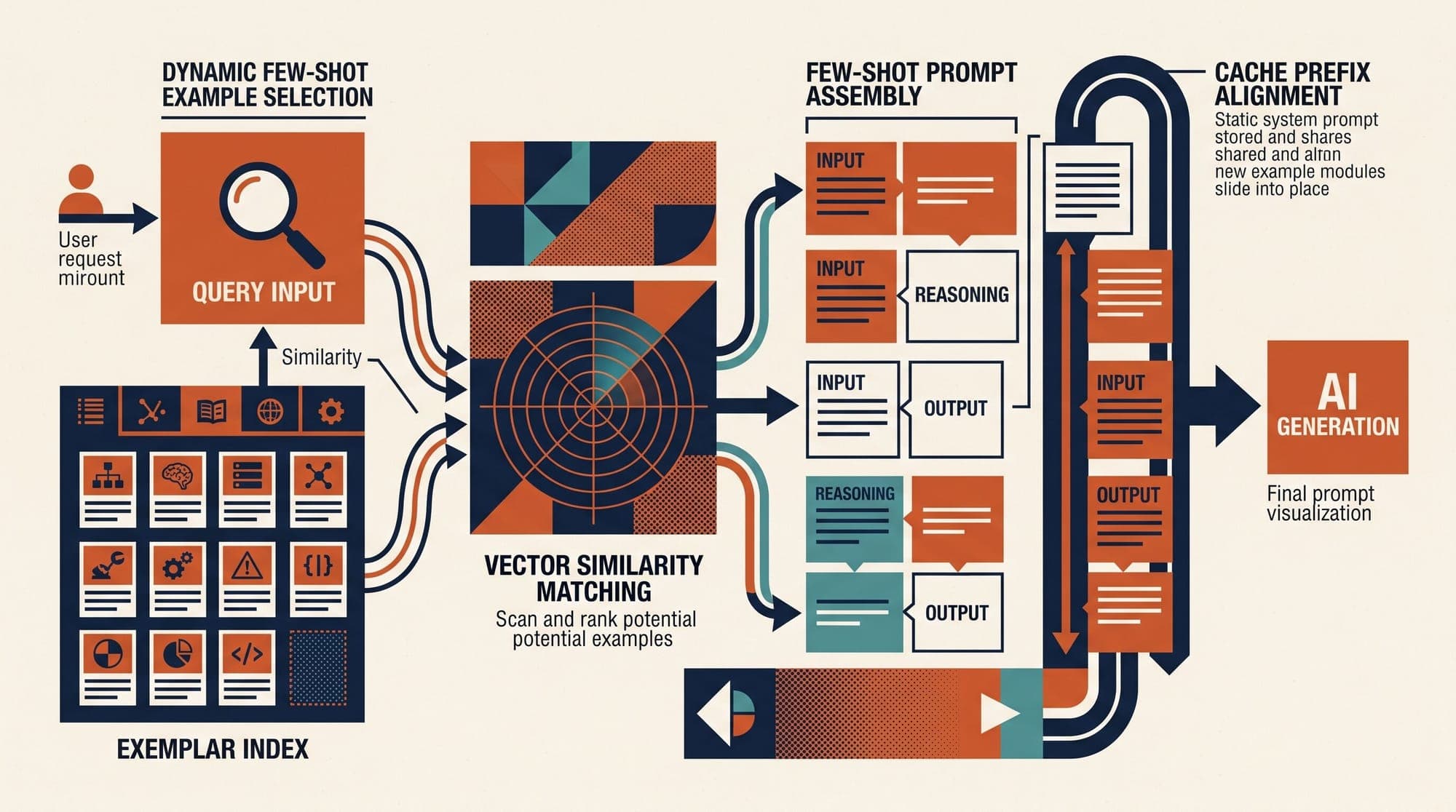
  19. Dynamic Few-Shot Example Selection in Production: Semantic Retrieval, Diversity Reranking, and Cache-Aligned Prompt Architectures

    In-context learning (ICL) remains one of the most practical mechanisms for steering large language models on specialized tasks, structured output parsing, domain-specific classification, and API tool calling. While zero-shot prompts rely entirely on the model's parametric memory, few-shot prompting provides concrete input-output demonstrations that anchor the model's generation trajectory. In enterprise production environments, however, static few-shot prompting quickly hits operational limits.

    AI
    9 min read
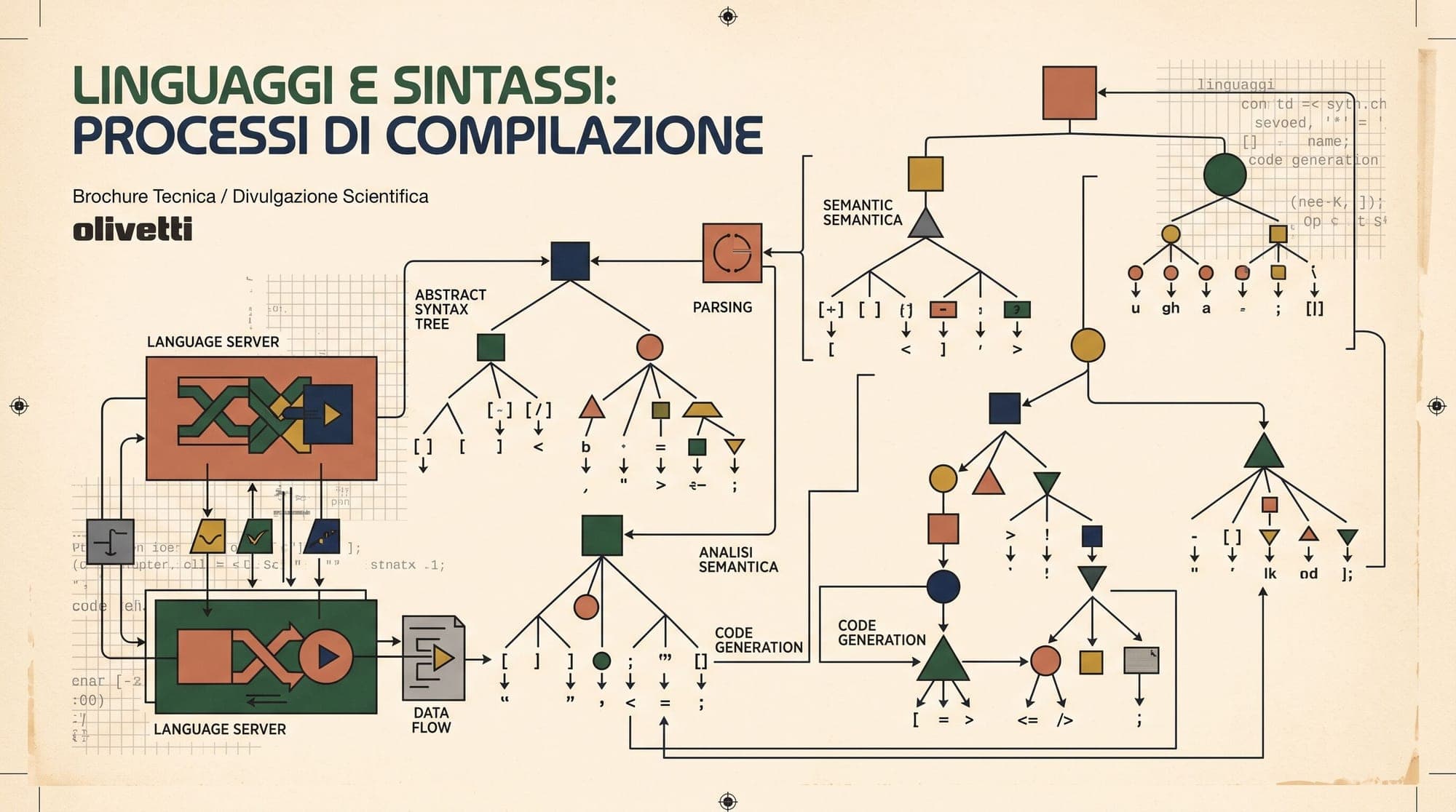
  20. Language Server Protocol (LSP) in AI Coding Agents: Architecture, Symbol Indexing, and Compiler Diagnostic Feedback Loops

    Language Server Protocol (LSP) in AI Coding Agents: Architecture, Symbol Indexing, and Compiler Diagnostic Feedback Loops Autonomous coding agents frequently fail at multi-file refactoring and codebase navigation when relying solely on string-matching heuristics or raw file ingestion. Text-based search tools such as ripgrep locate literal tokens but cannot resolve type hierarchies, overloaded function names, or cross-module call graphs. In contrast, feeding entire directories into large languag

    AI
    5 min read