Subscribe
Topic / page 31

LLM

Articles, page 31

601-620
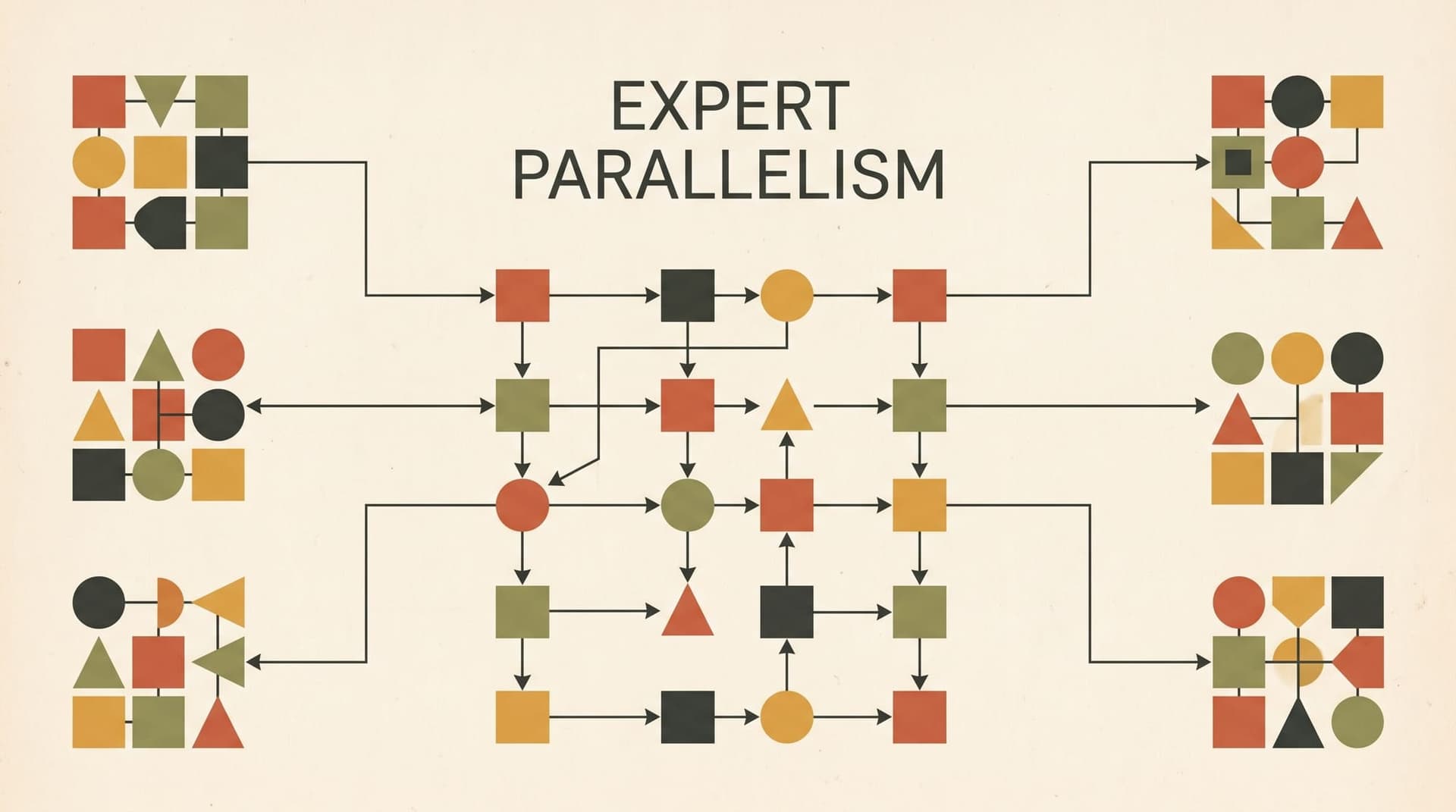
  1. Expert Parallelism in Large Language Models: How All-to-All Token Dispatch, Capacity Factors, and Parallel Folding Scale MoE Architectures

    Expert Parallelism in Large Language Models: How All-to-All Token Dispatch, Capacity Factors, and Parallel Folding Scale MoE Architectures Scaling dense Large Language Models (LLMs) requires activating every parameter in the network for every token in a sequence. While techniques like Tensor Parallelism, Pipeline Parallelism, and Fully Sharded Data Parallelism distribute billions of dense parameters across clusters, computational cost scales linearly with parameter count. Mixture-of-Experts (Mo
    AI
    9 min read
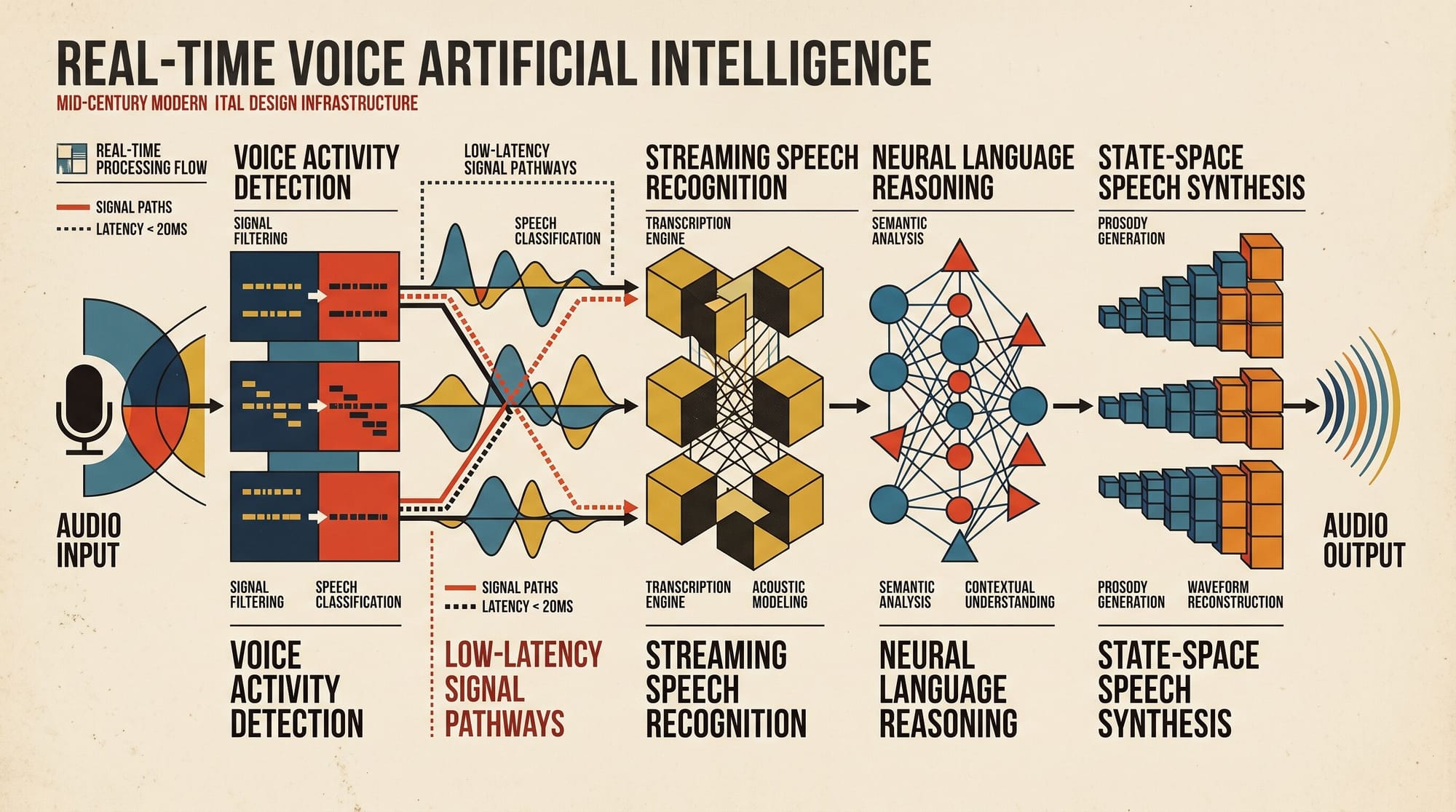
  2. Real-Time Voice Agent Architecture: WebRTC, Cascaded Pipelines vs. Native Speech-to-Speech, and Sub-500ms Latency Budgets

    Building production-grade real-time voice AI systems requires engineering around a strict physical constraint: human conversational cadence. In natural human dialogue, the typical gap between turns ranges from 200 to 300 milliseconds. When an interactive voice agent incurs a total round-trip latency above 700 milliseconds, users perceive the interaction as sluggish. When latency exceeds 1,000 milliseconds, conversational dynamics collapse into frequent interruptions, speech collisions, and awkwa

    AI
    6 min read
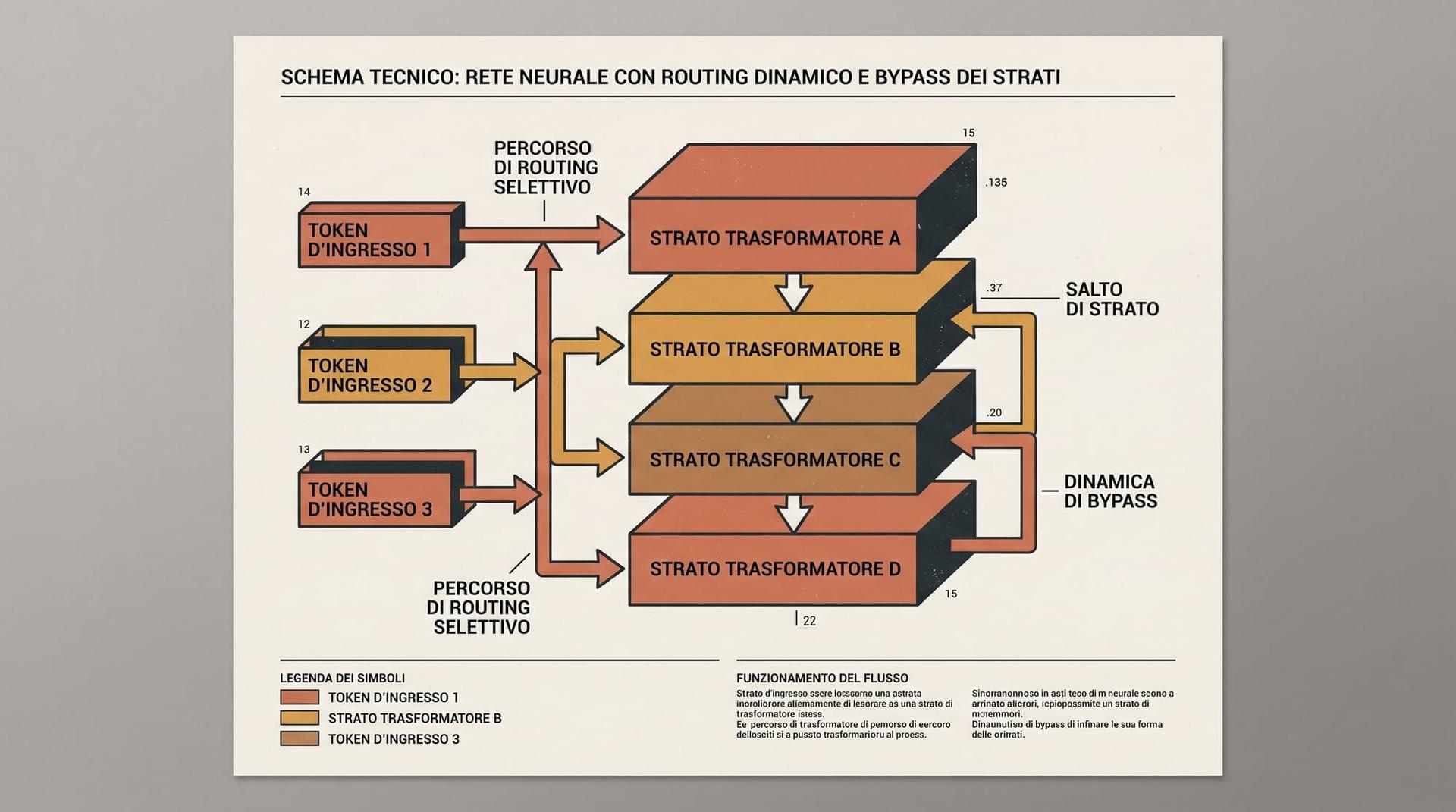
  3. Mixture-of-Depths: How Dynamic Compute Allocation and Layer Skipping Scale LLM Efficiency

    Standard transformer architectures allocate a uniform computational budget to every token in a sequence. Regardless of whether a model is processing a predictable punctuation mark, a common grammatical connective, or a mathematically dense reasoning step, every token undergoes an identical sequence of matrix multiplications across every multi-head attention and multilayer perceptron (MLP) block throughout the network's depth. This static compute distribution is computationally inefficient. Whil

    AI
    6 min read
  4. Defending AI Agents Against Indirect Prompt Injection: Dual-LLM Architectures, Privilege Boundaries, and Information Flow Control

    Autonomous AI agents are increasingly entrusted with system privileges, including terminal execution, API invocation, internal database queries, and automated communications. As agents transition from isolated conversational sandboxes to interconnected tools, they encounter an inherent architectural vulnerability: indirect prompt injection (IPI). When an agent reads untrusted data from the web, an inbound email, an enterprise ticketing system, or a database record, any instructions embedded wit

    AI
    7 min read
  5. Durable Execution for AI Agents: Architecture, State Checkpointing, and Failure Recovery

    Autonomous AI agents deployed in production environments frequently fail due to infrastructural instability rather than model reasoning flaws. Standard agent control loops, often structured as in-memory while-loops operating on transient servers or containerized pods, lack persistence across network blips, pod evictions, process restarts, or rate-limit timeouts. When an unhandled process failure occurs mid-task, standard agent architectures restart from scratch. This introduces three severe oper

    AI
    6 min read
  6. FlashDecoding: How Sequence Partitioning Solved the Memory Bandwidth Bottleneck in LLM Generation

    FlashDecoding: How Sequence Partitioning Solved the Memory Bandwidth Bottleneck in LLM Generation In large language model serving, execution divides into two distinct operational regimes: prompt prefill and autoregressive token generation (decoding). While FlashAttention transformed prefill throughput by eliminating High Bandwidth Memory (HBM) round-trips for intermediate attention matrices, standard FlashAttention algorithms encounter a severe hardware utilization bottleneck during decoding.

    AI
    7 min read
  7. Z.ai Opens GLM-5.3 API Access at $1.40/$4.40 per Million Tokens with Prompt Caching

    Chinese foundation model developer Z.ai (Zhipu AI) has opened public API access to GLM-5.3, offering developers direct endpoint integration following the model's initial release. The company kept base token rates aligned with the prior generation while introducing discounted prompt caching. GLM-5.3 is priced at $1.40 per million input tokens and $4.40 per million output tokens on the Z.ai platform. For workloads utilizing prompt caching, cached input tokens are billed at $0.26 per million, an 8

    LLM
    2 min read
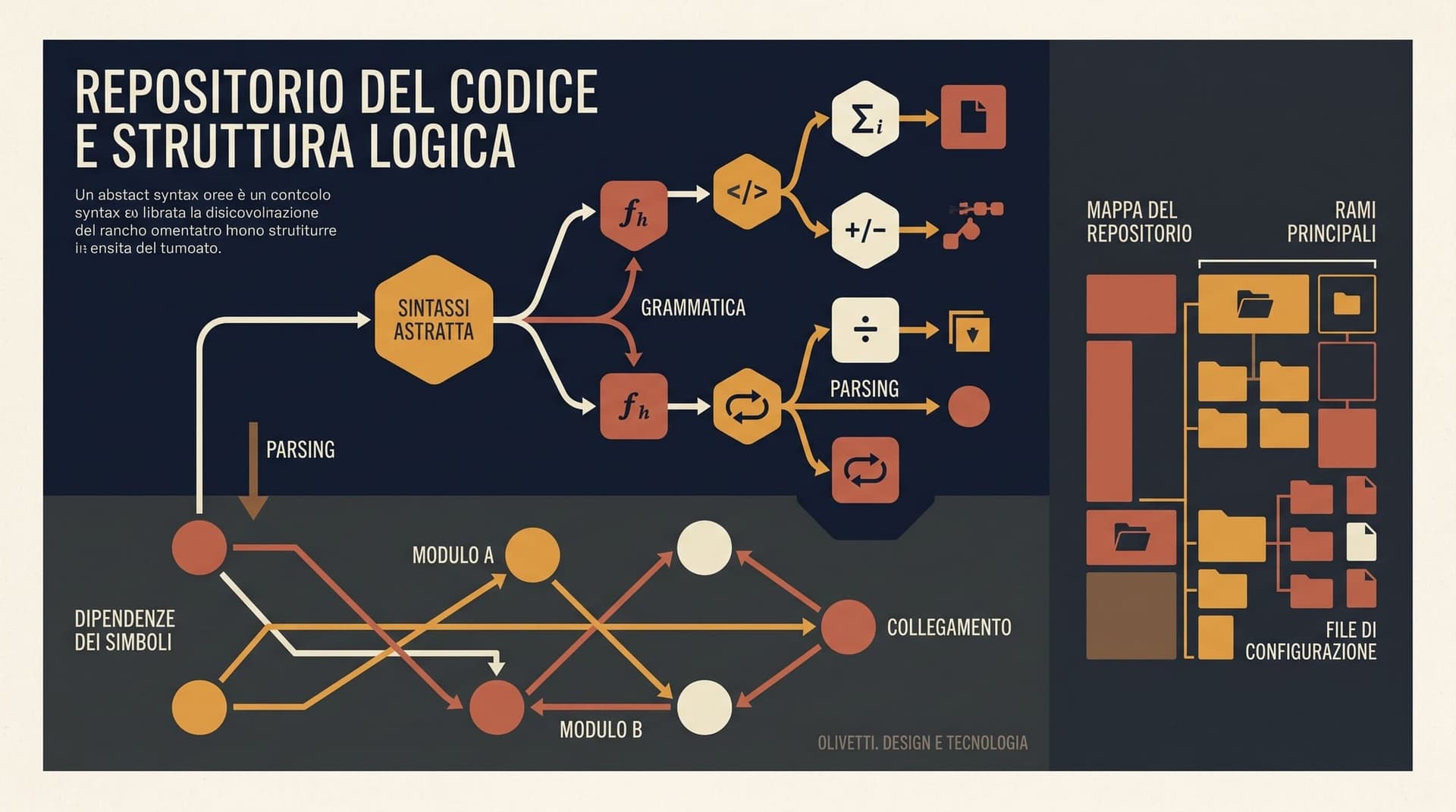
  8. Codebase Context Engineering for AI Agents: Repo Maps, AST Indexing, and Retrieval Architectures

    Modern software repositories routinely contain hundreds of thousands or millions of lines of source code. A medium-sized production project with 500 files and 100,000 lines of code typically spans 3 million to 5 million tokens. While frontier models have expanded context windows to 200,000 tokens or more, stuffing an entire repository into a prompt remains fundamentally impractical. Beyond exponential inference costs and KV cache memory bloat, long-context attention suffers from severe retrieval

    AI
    6 min read
  9. FP8 Mixed-Precision Training: Formats, Scaling Recipes, and Fine-Grained GEMMs

    FP8 Mixed-Precision Training: Formats, Scaling Recipes, and Fine-Grained GEMMs Training frontier large language models requires navigating harsh memory bandwidth and compute boundaries. For years, 16-bit formats such as IEEE FP16 and Brain Floating Point (BF16) served as the standard arithmetic precision for deep learning workloads. While BF16 provided sufficient dynamic range to prevent gradient underflow without manual loss scaling, training clusters still spent substantial time bounded by me

    AI
    8 min read
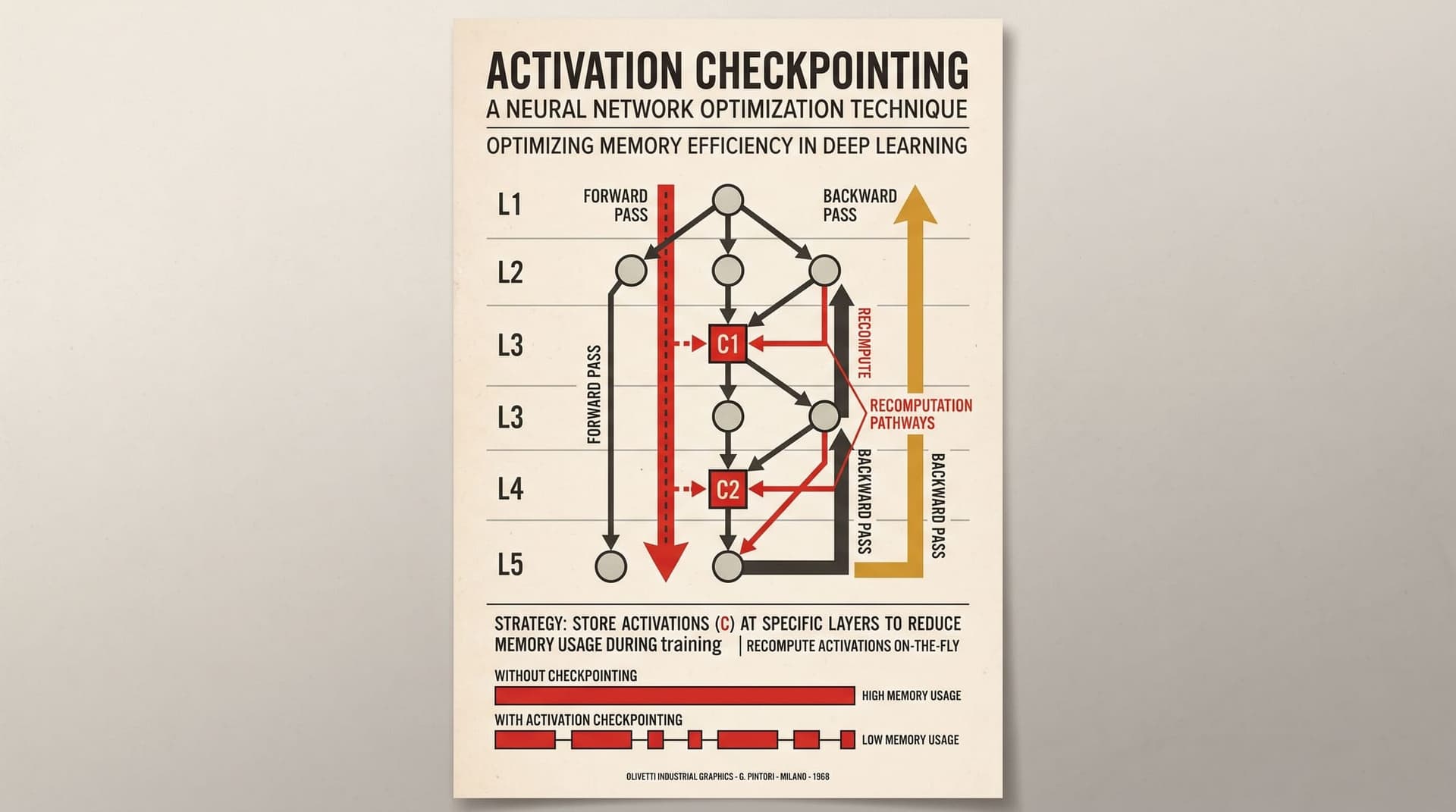
  10. Activation Checkpointing in Large Language Models: How Selective Recomputation Eliminates Memory Bottlenecks

    Large language model pre-training and fine-tuning are fundamentally constrained by GPU memory (VRAM). While distributed techniques such as Fully Sharded Data Parallel (FSDP), ZeRO, and Tensor Parallelism successfully shard model parameters, optimizer states, and gradients across hundreds or thousands of GPUs, activation memory presents a distinct scaling bottleneck. During the forward pass of a transformer model, intermediate tensor outputs must be preserved in GPU memory so that backpropagatio

    AI
    8 min read
  11. Cerebras Unveils CS-4 Rack-Scale System Powered by Three WSE-3 Turbo Chips and Nexus Architecture

    Cerebras Unveils CS-4 Rack-Scale System Powered by Three WSE-3 Turbo Chips and Nexus Architecture Cerebras Systems has announced the CS-4, a rack-scale AI accelerator system designed around three of its next-generation Wafer Scale Engine 3 Turbo (WSE-3 Turbo) chips and a modular hardware architecture dubbed Nexus. Cerebras confirmed that initial customer shipments for the CS-4 are scheduled to begin in the current quarter. The new system marks a structural shift from Cerebras's single-wafer CS

    Hardware
    2 min read
  12. AI FinOps: Cutting LLM Inference Costs by 30-60% Through Model Tiering, Caching, and GPU Optimization

    AI FinOps: Cutting LLM Inference Costs by 30-60% Through Model Tiering, Caching, and GPU Optimization Inference costs have become the second-largest line item in enterprise AI budgets, trailing only talent spend according to RapidData's State of Enterprise AI 2026. This shift represents a fundamental inversion from the 2021-2023 era when training dominated AI expenditure. The compounding nature of serving costs—accumulating every hour as long as users hit the API—means that even modest producti

    AI
    4 min read
  13. Sequence Parallelism in Large Language Models: How Megatron-SP, DeepSpeed Ulysses, and RingAttention Distribute Long Contexts

    Sequence Parallelism in Large Language Models: How Megatron-SP, DeepSpeed Ulysses, and RingAttention Distribute Long Contexts Training and serving frontier large language models on context windows spanning hundreds of thousands to millions of tokens introduces a fundamental memory barrier. While model parameters can be distributed across GPUs using Tensor Parallelism (TP) or Fully Sharded Data Parallelism (FSDP / ZeRO), activation memory scales directly with sequence length $S$. For sequence le

    AI
    9 min read
  14. GLM-5.3 Scores 60 on Artificial Analysis Intelligence Index, Matching Kimi K3

    Independent AI evaluation platform Artificial Analysis has published its benchmark results for Z.ai's GLM-5.3, awarding the reasoning model a score of 60 on its Intelligence Index v4.1.1. The result places GLM-5.3 level with Moonshot AI's Kimi K3 and three points behind frontier leader Claude Opus 5 (63). The evaluation tested GLM-5.3 at its maximum reasoning effort configuration across a nine-part battery that measures agentic tool execution, terminal coding, graduate-level scientific problem-

    AI
    2 min read
  15. Block Open-Sources Berd: Apache 2.0 Desktop Workspace for Multi-Model AI Agents

    Block has open-sourced Berd, an Apache 2.0-licensed desktop application designed to serve as a unified workspace for managing AI agents across different foundation models, toolsets, and execution harnesses. Originally built for internal use across Square, Cash App, and Tidal, the desktop client reached version 0.6.2 on August 18, 2026, with builds available for macOS, Windows, and Linux. The release addresses growing operational fragmentation as developers juggle specialized agent environments

    AI
    2 min read
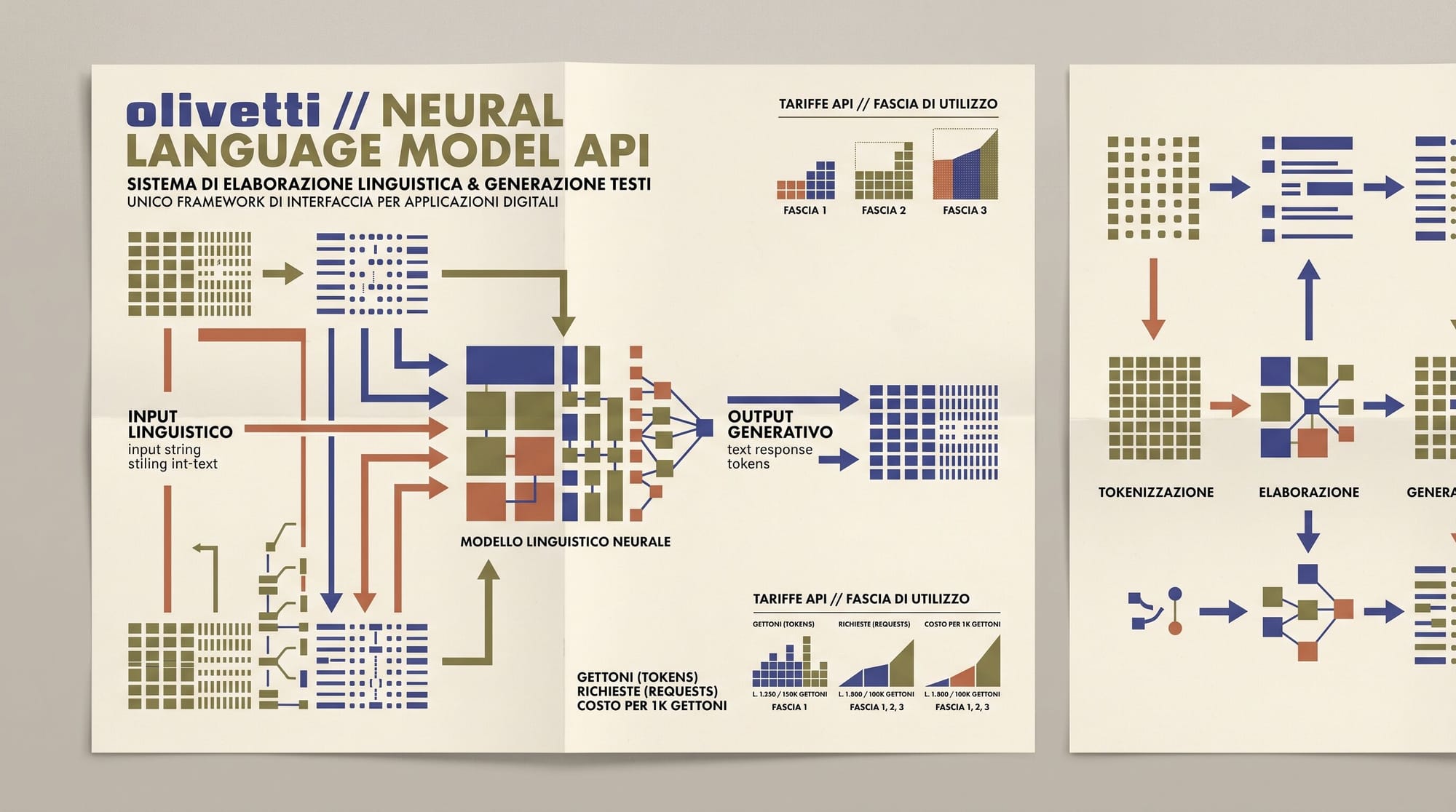
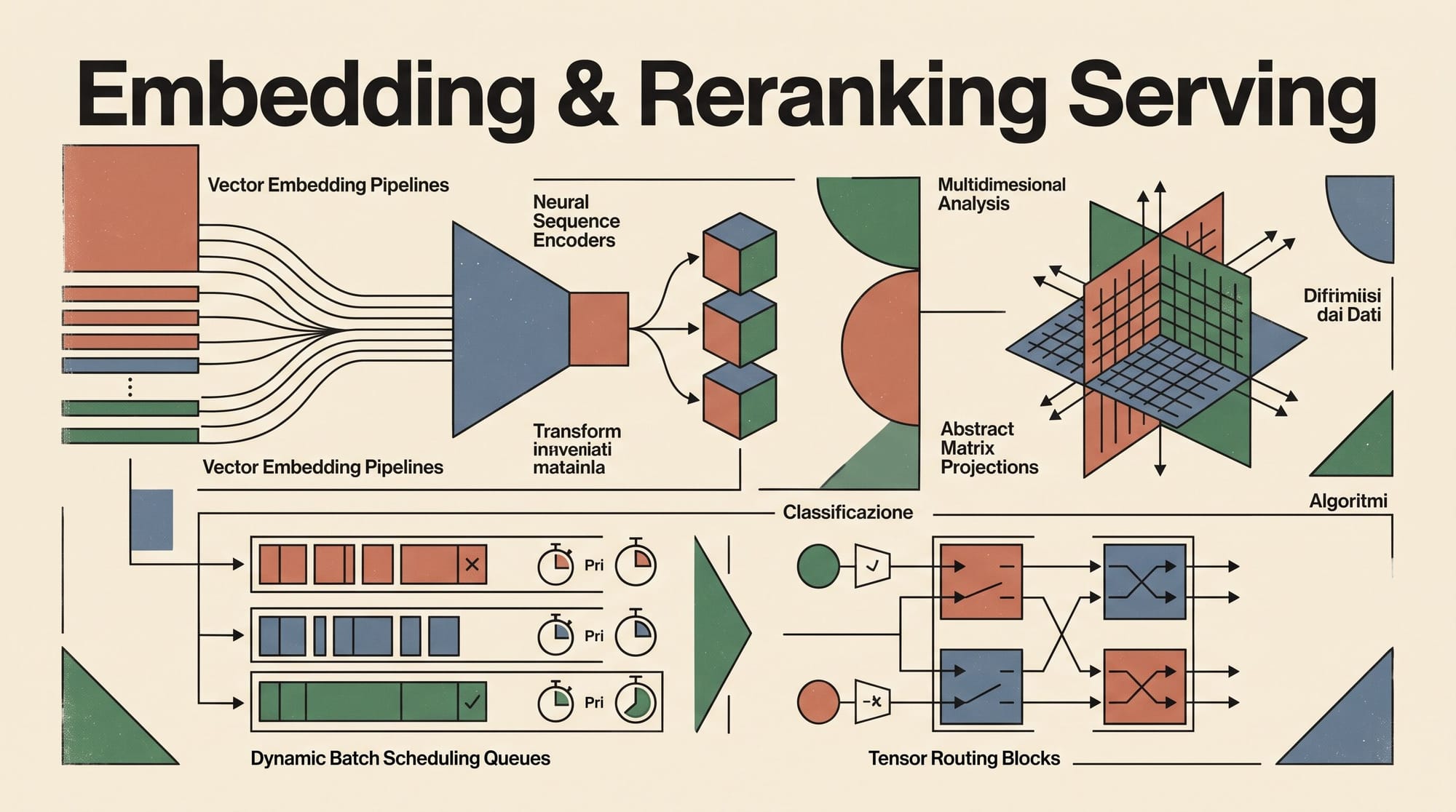
  16. Self-Hosted Embedding and Reranking Serving in Production: TEI vs. Infinity vs. vLLM Architecture, Dynamic Batching, and Serving Economics

    While generative large language models dominate inference infrastructure discussions, vector embeddings and cross-encoder rerankers handle order-of-magnitude higher request volumes in production retrieval-augmented generation (RAG) and search pipelines. Serving embedding and reranking models presents fundamentally different computational characteristics than auto-regressive text generation. Without auto-regressive token generation loops or key-value (KV) cache state management, the primary engin

    AI
    5 min read
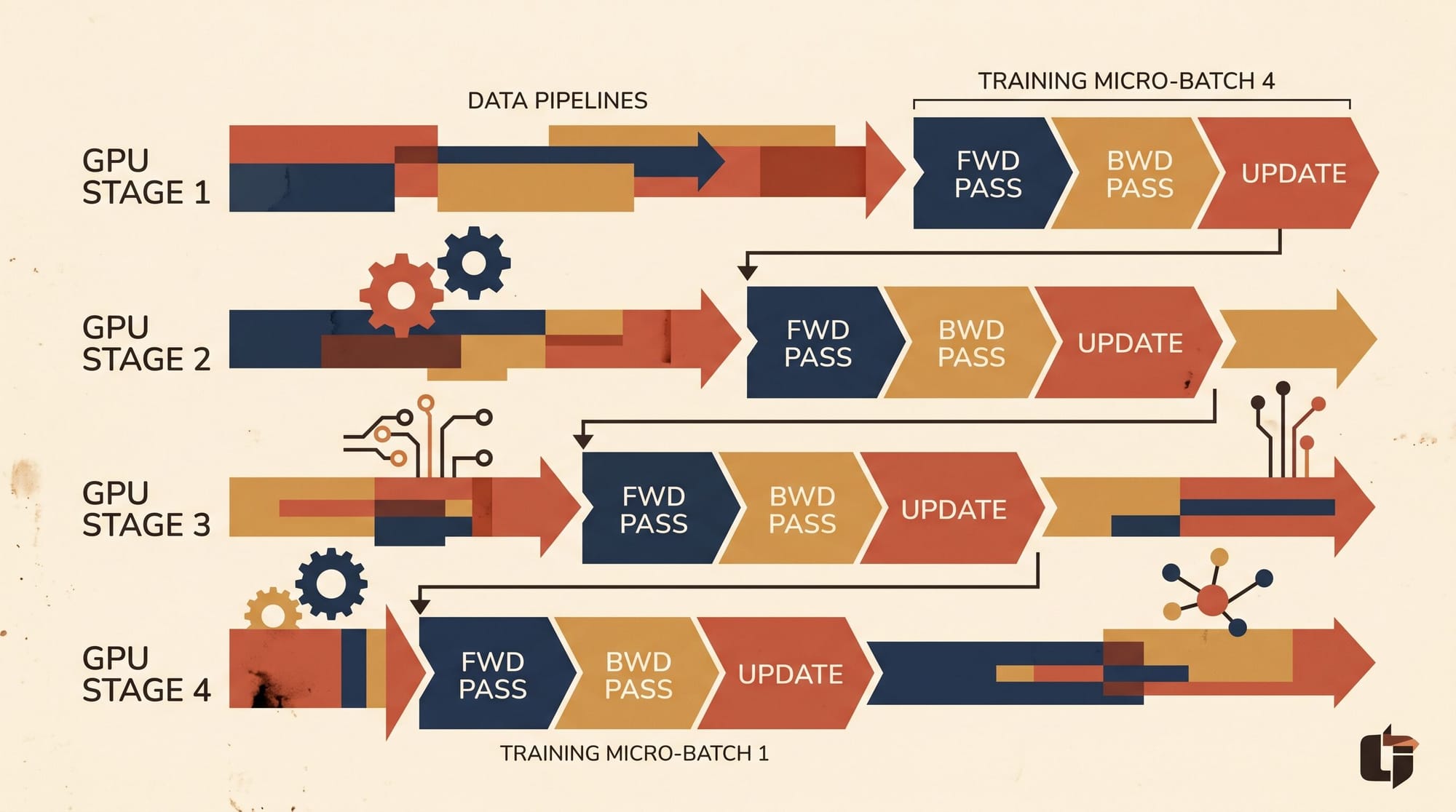
  17. Pipeline Parallelism in Large Language Models: How GPipe, 1F1B Scheduling, and Interleaving Tame Memory and Bubbles

    Training frontier large language models with tens or hundreds of billions of parameters exceeds the physical memory capacity of any individual GPU. While intra-node sharding strategies such as Tensor Parallelism partition individual matrix multiplications across accelerators over high-speed NVLink interconnects, scaling across multi-node clusters encounters strict hardware boundaries. Tensor Parallelism requires multiple collective All-Reduce communications per transformer layer. Across standar

    AI
    6 min read
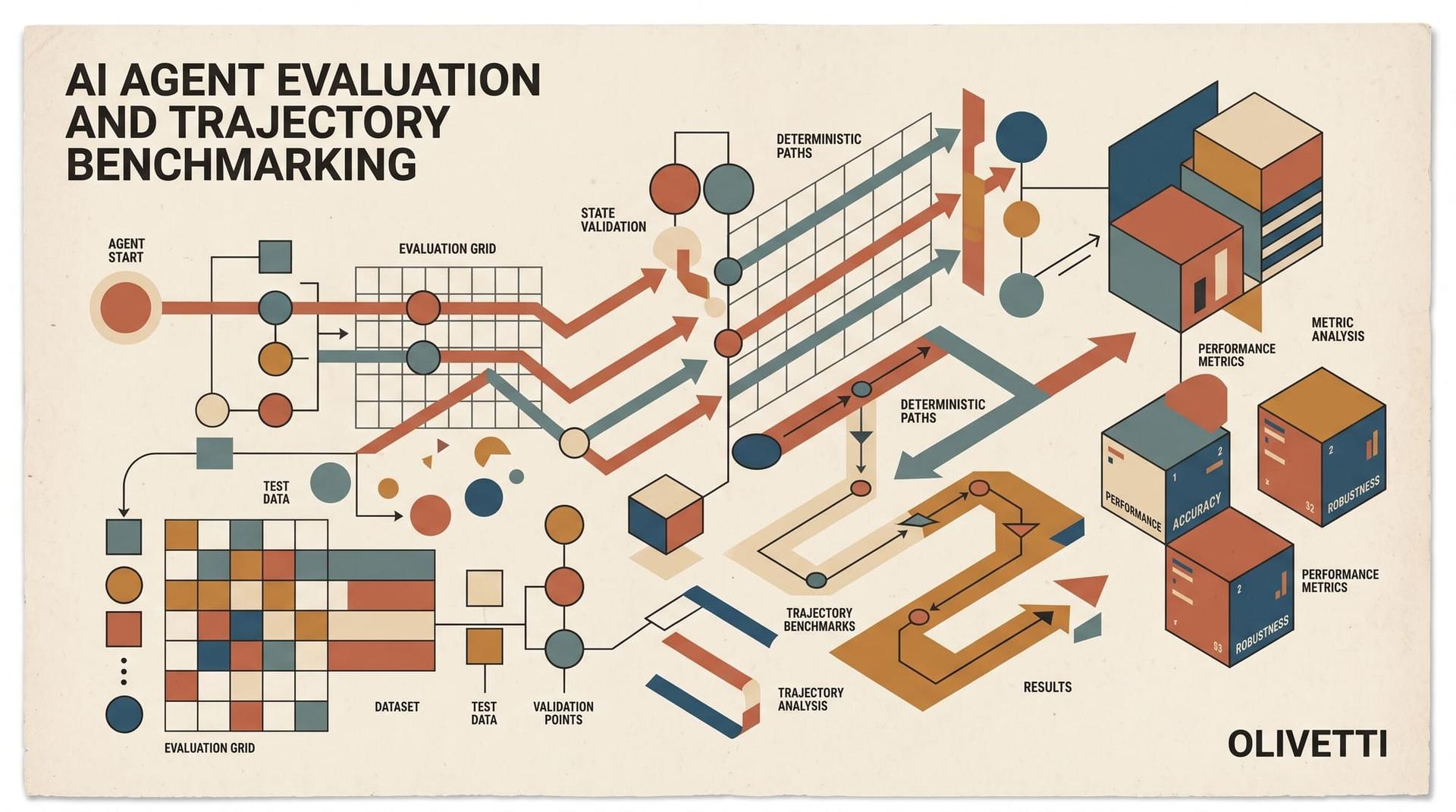
  18. AI Agent Evaluation in Production: Trajectory Benchmarks, Sandbox Harnesses, and Flakiness Mitigation

    Evaluating standard large language models relies on static input-output pairs: a fixed prompt produces a completion that an automated script compares against reference strings or grades with a calibrated judge. Autonomous AI agents break this paradigm completely. An agent executes a multi-step trajectory consisting of planning, tool invocation, environment state observation, error recovery, and variable-length decision loops. Evaluating an agent requires testing not just the final string output,

    Agents
    5 min read
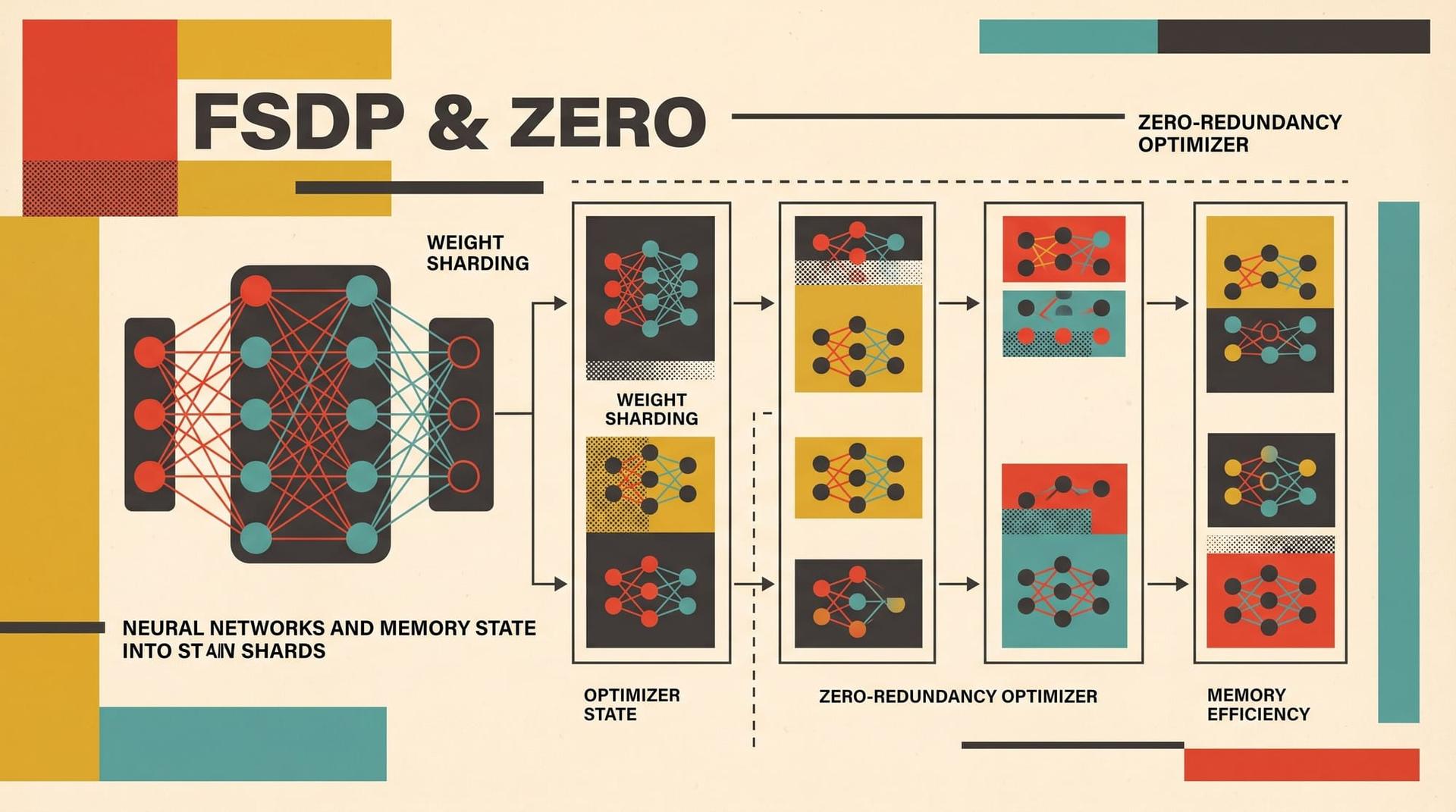
  19. Fully Sharded Data Parallel (FSDP) and ZeRO: How Memory Sharding Eliminates Redundant Model States in Distributed Training

    Fully Sharded Data Parallel (FSDP) and ZeRO: How Memory Sharding Eliminates Redundant Model States in Distributed Training Training large language models across distributed GPU clusters introduces a fundamental memory bottleneck. In traditional Distributed Data Parallel (DDP) setups, every GPU maintains an identical copy of model weights, optimizer states, and gradients while processing independent data batches. As models scale from billions to hundreds of billions of parameters, static model s

    AI
    6 min read
  20. Tensor Parallelism in Large Language Models: How Megatron-LM Partitions Multi-Layer Perceptrons and Attention Heads

    Tensor Parallelism in Large Language Models: How Megatron-LM Partitions Multi-Layer Perceptrons and Attention Heads Training and serving modern large language models requires navigating severe hardware memory and compute constraints. While standard Distributed Data Parallelism (DDP) replicates the entire model across multiple accelerators, modern frontier architectures containing tens or hundreds of billions of parameters exceed the physical memory capacity of any single GPU. Even with 80 GB o

    AI
    9 min read