Distributed Training3 articles

Distributed Training

Articles

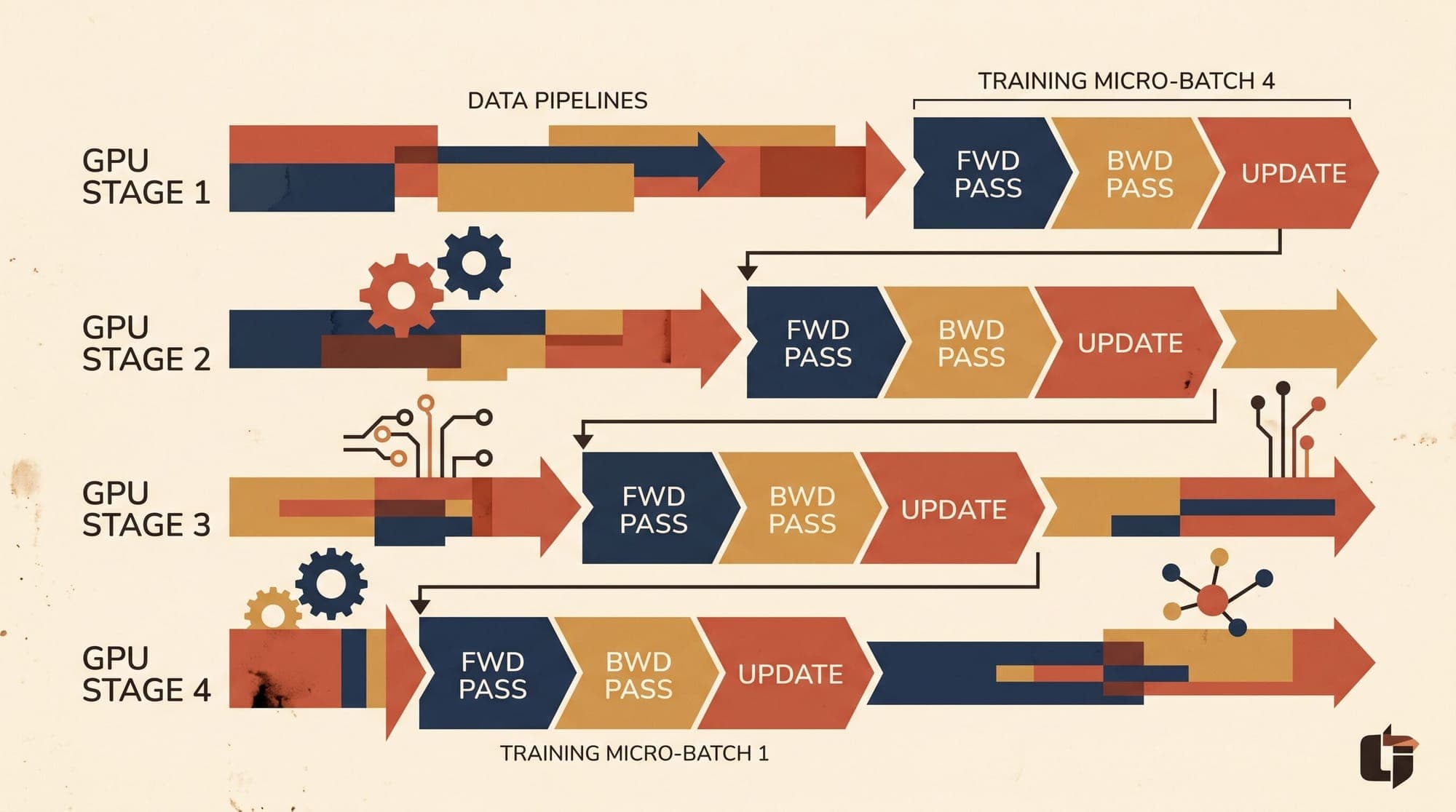
  • Pipeline Parallelism in Large Language Models: How GPipe, 1F1B Scheduling, and Interleaving Tame Memory and Bubbles

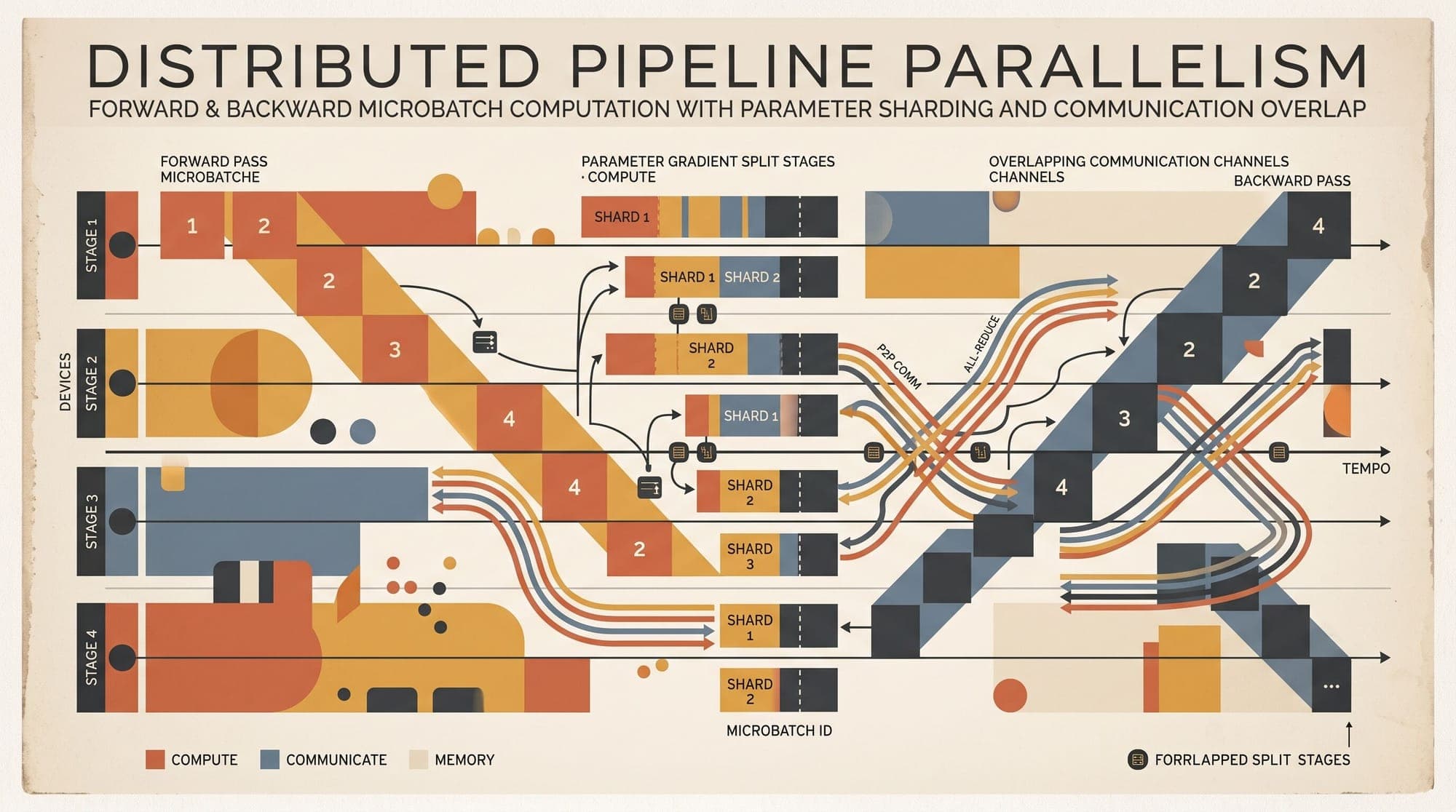
    Training frontier large language models with tens or hundreds of billions of parameters exceeds the physical memory capacity of any individual GPU. While intra-node sharding strategies such as Tensor Parallelism partition individual matrix multiplications across accelerators over high-speed NVLink interconnects, scaling across multi-node clusters encounters strict hardware boundaries. Tensor Parallelism requires multiple collective All-Reduce communications per transformer layer. Across standar

    1 min
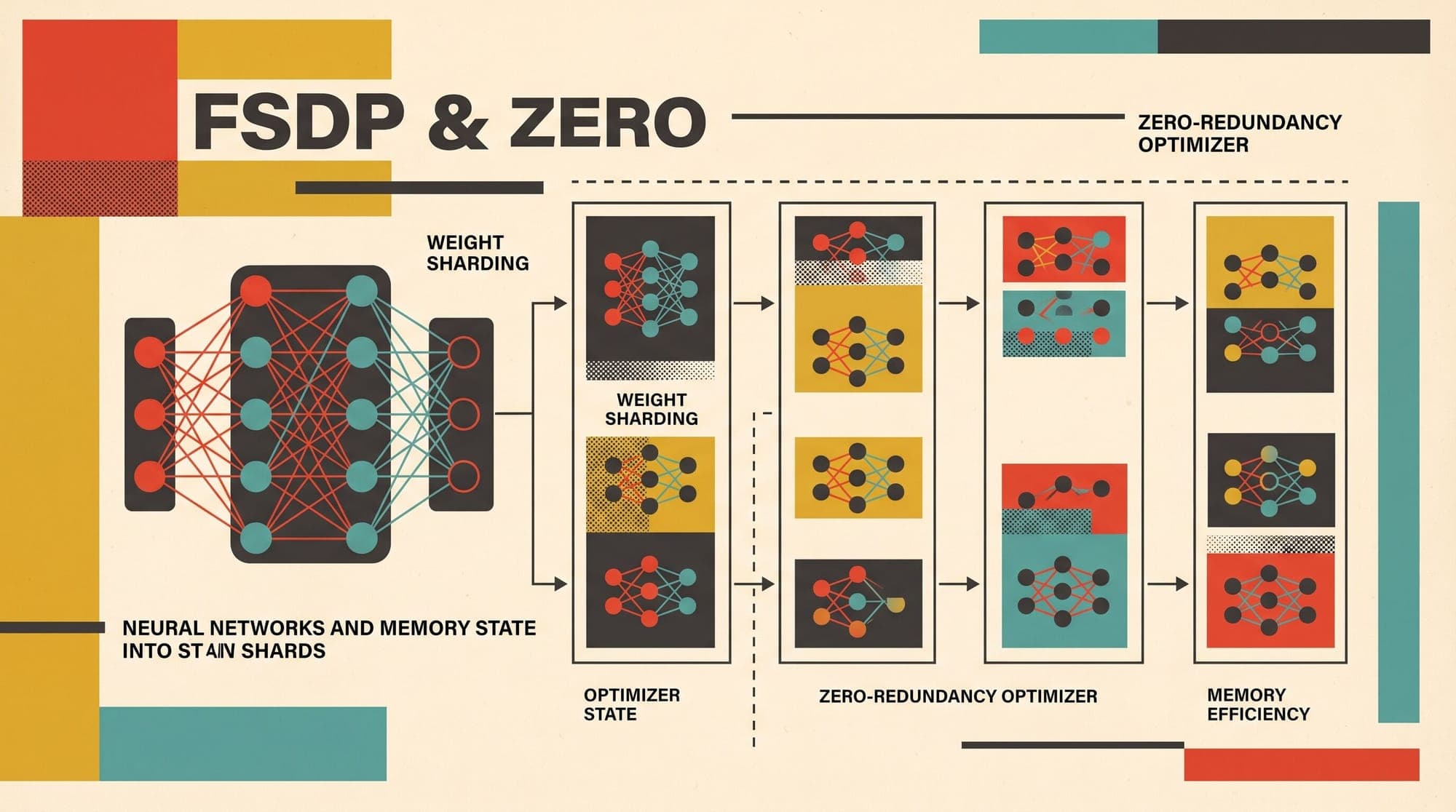
  • Fully Sharded Data Parallel (FSDP) and ZeRO: How Memory Sharding Eliminates Redundant Model States in Distributed Training

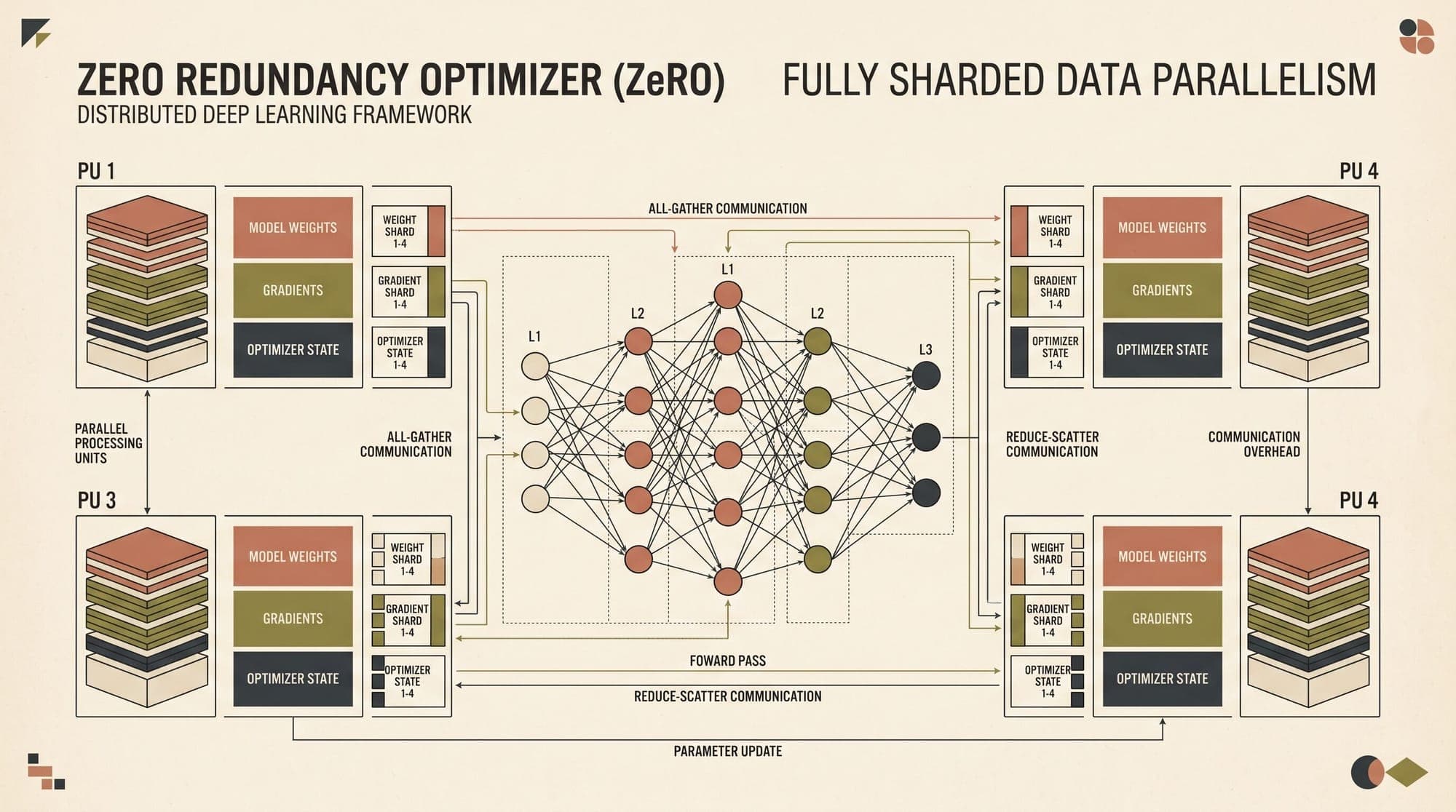
    Fully Sharded Data Parallel (FSDP) and ZeRO: How Memory Sharding Eliminates Redundant Model States in Distributed Training Training large language models across distributed GPU clusters introduces a fundamental memory bottleneck. In traditional Distributed Data Parallel (DDP) setups, every GPU maintains an identical copy of model weights, optimizer states, and gradients while processing independent data batches. As models scale from billions to hundreds of billions of parameters, static model s

    1 min
  • Tensor Parallelism in Large Language Models: How Megatron-LM Partitions Multi-Layer Perceptrons and Attention Heads

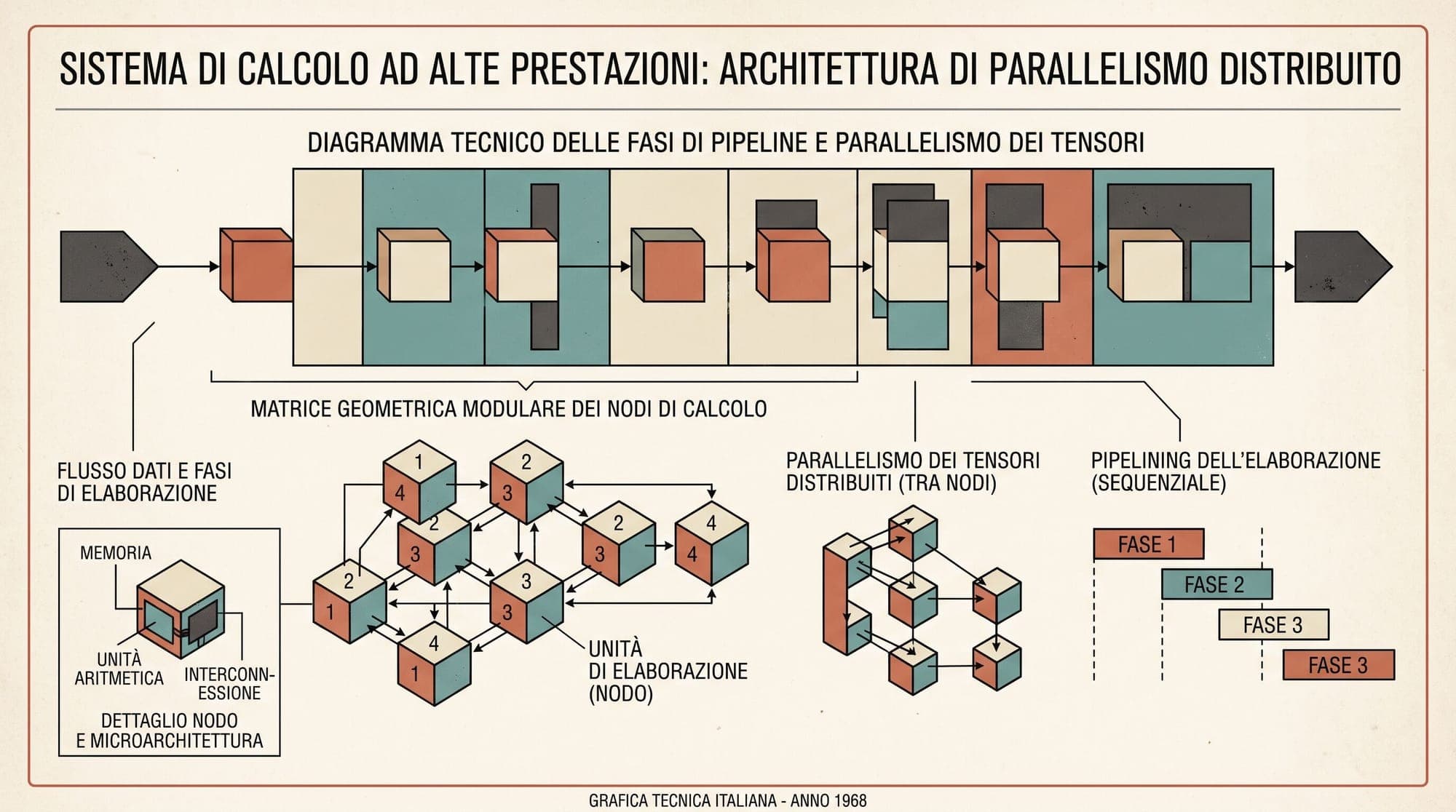
    Tensor Parallelism in Large Language Models: How Megatron-LM Partitions Multi-Layer Perceptrons and Attention Heads Training and serving modern large language models requires navigating severe hardware memory and compute constraints. While standard Distributed Data Parallelism (DDP) replicates the entire model across multiple accelerators, modern frontier architectures containing tens or hundreds of billions of parameters exceed the physical memory capacity of any single GPU. Even with 80 GB o

    1 min