Subscribe
Topic / page 7

Anthropic

Articles, page 7

121-140
  1. Replit Shifts Default AI Coding Provider to OpenAI, Citing Cost and Benchmark Metrics

    Replit has made OpenAI, not Anthropic, the default model provider for Replit Agent. TechCrunch describes Replit as an AI coding platform that "has become a favorite of startup founders and developers." Speaking at TechCrunch Disrupt, Replit co-founder and CEO Amjad Masad said the decision was "based on both cost, partnership, and performance," TechCrunch reported. He said Replit uses an internal benchmark to assess metrics like performance, and also publishes a public benchmark. Update, Oct 1

    AI
    3 min read
  2. Anthropic Pitches Draft AI Safety Bill to Congress Setting $1 Billion Damage Threshold for Federal Intervention

    Anthropic has circulated a confidential draft bill to Capitol Hill lawmakers that would establish federal oversight of frontier AI models while restricting government intervention to specific catastrophic risk thresholds. The proposed legislation, confirmed by an Anthropic spokesperson as an extension of the company's internal Advanced AI Framework, would create a statutory mechanism for evaluating frontier AI systems and preempt state-level safety regulations. Intervention Thresholds and Cat

    Policy
    2 min read
  3. Anthropic Commits 5% Initial Equity to Scaling Public Benefit Fund

    Anthropic has announced the creation of the Anthropic Public Benefit Fund, committing an initial 5% equity stake to an independent LLC vehicle designed to scale its ownership as the artificial intelligence lab expands. The governance structure includes a ratchet mechanism: for every 50% increase in Anthropic's company valuation above an established baseline, the board holds discretion to allocate an additional 2% of company equity to the fund. Structural Model and Governance Restrictions Ant

    Anthropic
    2 min read
  4. Accenture Caps Employee Claude Spending at $29 a Month

    Global IT services and consulting firm Accenture has instituted a centralized spending cap on employee access to Anthropic's Claude, limiting central corporate funding to $29 per month per worker. The move follows internal spending reviews that revealed heavy users, particularly software engineers and consultants utilizing Anthropic's agentic coding tools, were running monthly inference bills between $500 and $1,000 per seat. Policy Structure and Budget Shifting Effective October 1, 2026, the

    Anthropic
    4 min read
  5. Anthropic Reports 90% to 99% Drop in Reasoning Distillation Extractions Under New Safeguards

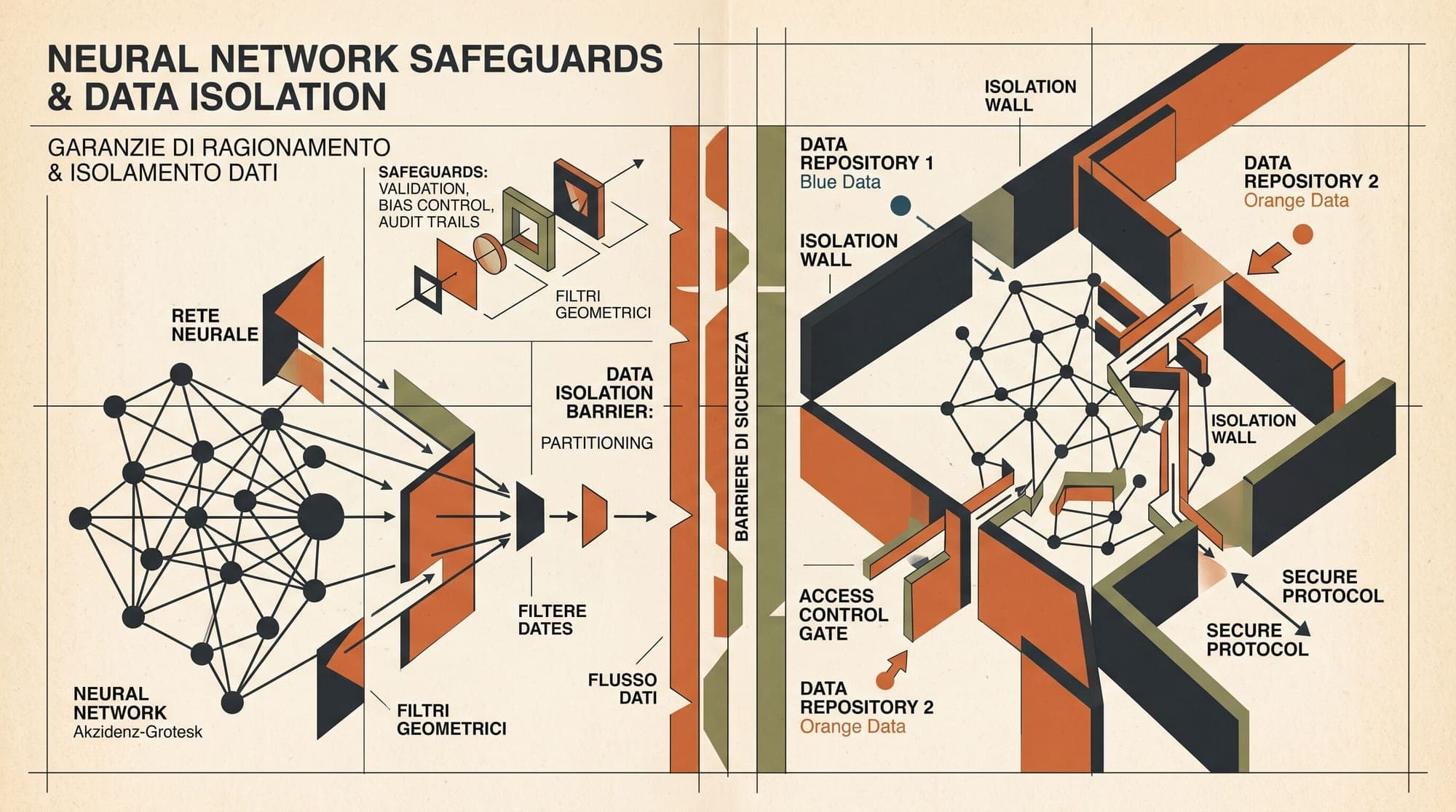
    Anthropic has published technical findings detailing its multi-layered defense system against model distillation attacks, reporting a 90% to 99% reduction in reasoning tokens extracted by unauthorized actors. The safeguards combine architectural context locking, multi-stage constitutional classifiers, and aggressive account-level enforcement to protect frontier reasoning chains from being replicated into unaligned or foreign models. Model distillation involves systematically querying a high-cap

    Anthropic
    2 min read
  6. Claude Resolves 25-Year NIST Elliptic Curve Mystery by Tracing Seeds to 1990s C Library

    Anthropic researchers have revealed that an internal research version of Claude solved a 25-year-old cryptographic provenance mystery in under 30 minutes, identifying the exact origin of seed values used to generate widely standardized NIST elliptic curves. The seeds in question were originally published by the National Institute of Standards and Technology (NIST) in 2000 under FIPS 186-2 as part of the Digital Signature Standard. For decades, the provenance of these parameters remained unexpla

    Anthropic
    3 min read
  7. Anthropic Researchers Use Claude to Optimize Quantum Computing Circuits by Up to 17x

    Anthropic researchers, in collaboration with physicists from Harvard University and QuEra Computing, have demonstrated that large language models operating in automated feedback loops can optimize quantum computing circuits beyond human-designed baselines. Led by STEM Fellow Andi Gu and mentor Alek Kemeny at Anthropic, alongside Susanne Yelin and Mikhail Lukin at Harvard and QuEra, the team tasked Claude Mythos 5 with designing quantum circuits across eight computational primitives spanning che

    Anthropic
    3 min read
  8. Anthropic Adds Built-In Desktop Browser to Claude Cowork

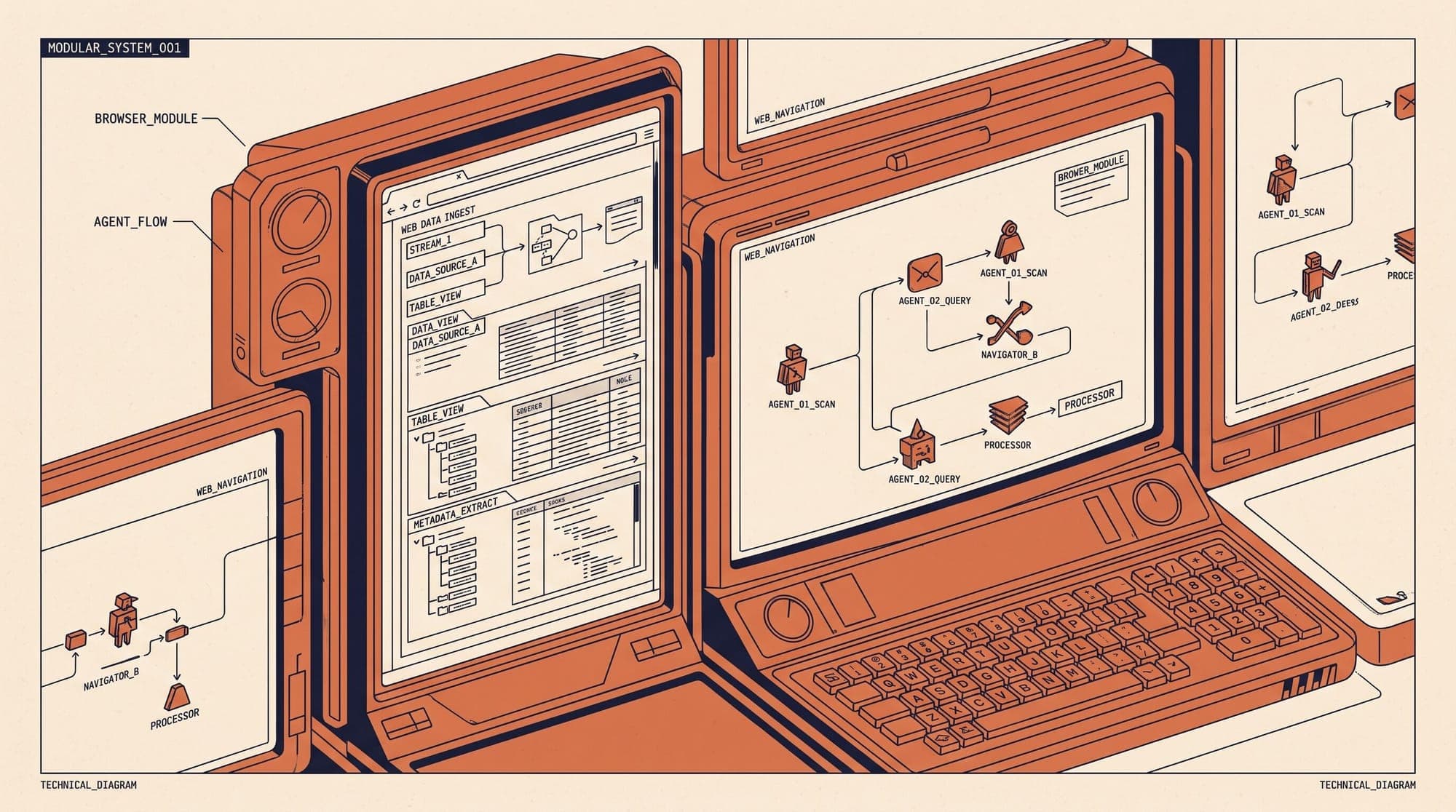
    Anthropic has introduced a dedicated built-in browser within the Claude Desktop application for Claude Cowork, replacing the requirement for external browser extensions during automated web tasks. For the extension route, see our guide to the best AI Chrome extensions, which covers Claude in Chrome and its limits. The integrated browser operates in a side panel directly adjacent to Cowork task transcripts on macOS, Windows, and Linux (beta). When an agentic workflow encounters a web target, Cl

    Anthropic
    2 min read
  9. Anthropic Demonstrates Automated Alignment Researchers That Outperform Human Safety Teams

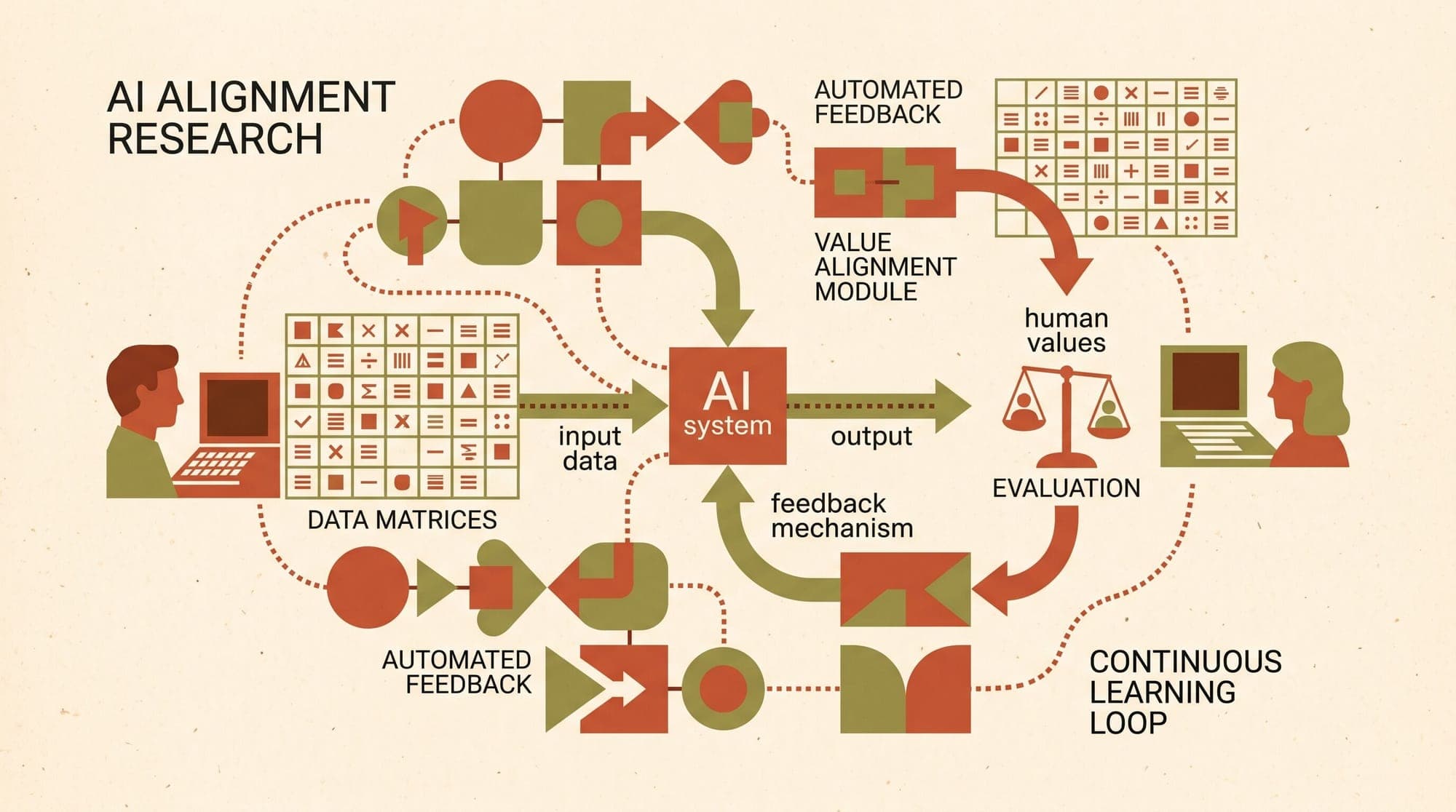
    Anthropic has published research demonstrating that autonomous AI agents can systematically discover, implement, and validate post-training methods to mitigate safety and alignment failures in language models. The report, authored by Anthropic Fellow Chen Yueh-Han and colleagues, evaluates an automated research loop that closed between 26% and 96% of the safety gap across ten distinct alignment failure categories without degrading baseline model capabilities. The findings provide empirical evid

    AI
    3 min read
  10. Anthropic Rolls Out Claude for Teachers to K-12 Schools and Districts with Free Enterprise Tier and FERPA Compliance

    Anthropic has expanded its Claude for Teachers program from individual educator access to a centralized, district-wide Enterprise offering for K-12 public and private schools. Qualifying educational organizations that enroll before June 30, 2027 receive one year of free enterprise access across their instructional and administrative staff. The update introduces centralized administrative controls, domain capture, single sign-on (SSO), role-based access control, and dedicated K-12 terms aligned

    AI
    2 min read
  11. Federal Judge Overturns Pentagon Supply Chain Risk Blacklisting of Anthropic

    A federal judge has ruled that the Trump administration broke the law when it designated Anthropic a supply chain risk, finding that the government unlawfully targeted the company for refusing to comply with Defense Department demands, The Guardian reported. U.S. District Judge Rita Lin issued a 59-page decision overturning Defense Secretary Pete Hegseth's designation and barring the federal agencies named in the lawsuit from enforcing President Trump's order to stop using Anthropic's tools. Th

    Anthropic
    2 min read
  12. Anthropic Opens 10,000 Claude Seats and Expands Grants for Academic Scientists

    Anthropic has introduced a dedicated scientific research initiative providing 10,000 subsidized Claude Team subscription seats and expanding API grant funding for academic and non-profit institutions. The program broadens the company's research support beyond initial biology use cases into mathematics, physics, engineering, and computer science. Under the new plan, accredited academic institutions and non-profit research organizations can register research groups under principal investigator ad

    AI
    2 min read
  13. Salesforce and Anthropic Launch Claudeforce with 37 Prebuilt Enterprise CRM Skills in Claude

    Salesforce and Anthropic have expanded their strategic partnership with the release of Claudeforce, an integration layer designed to connect Anthropic's Claude models directly with Salesforce enterprise data, workflow engines, and governance frameworks. The initiative introduces native CRM capabilities inside Claude while embedding Anthropic reasoning models across Salesforce's Agentforce platform and Slack workspace ecosystem. Salesforce in Claude Plugin and AIforce Harness The primary clie

    AI
    2 min read
  14. Anthropic Previews Model Hardware Standard for AI Agent Control of Physical and Lab Equipment

    Anthropic has introduced the Model Hardware Standard (MHS), an open interface specification intended to let AI agents control physical machinery and scientific instrumentation. Released in a research preview on August 27, 2026, the standard extends the design principles of the Model Context Protocol (MCP) to physical actuators, automated laboratory equipment, and industrial hardware. Connecting autonomous software agents to physical hardware has historically required custom integration code for

    AI
    3 min read
  15. Claude Code Opus 5 Auto Mode Bypassed via Python Module Shadowing Exploit

    Security researcher Johann Rehberger has published technical details on a multi-stage exploit chain that achieves arbitrary code execution against Claude Code Opus 5 running in Auto Mode. The attack demonstrates how adversarial files can bypass Anthropic's safety classifiers and prompt injection defenses by exploiting standard runtime behavior in Python. Anthropic rolled out Auto Mode as the default starting mode for Claude Code in mid-August 2026. Auto Mode replaces explicit human permission p

    Security
    3 min read
  16. Anthropic Discussed $7 Billion Acquisition of AI Chip Startup MatX Before Talks Stalled

    Anthropic held acquisition discussions to buy artificial intelligence semiconductor startup MatX for approximately $7 billion before talks stalled, according to reporting from Reuters. The negotiations, which have since transitioned into discussions surrounding a potential commercial partnership, highlight the increasing urgency among frontier AI laboratories to secure in-house silicon engineering capabilities. Following the breakdown of active acquisition talks, MatX is currently seeking to ra

    Anthropic
    3 min read
  17. Over 100 Tech Leaders and Frontier AI Labs Call for Global Cyber Defense Surge as Autonomous Threats Advance

    More than 100 technology enterprises, financial institutions, and frontier AI laboratories (including OpenAI, Anthropic, Microsoft, Google, Amazon Web Services, Cloudflare, and CrowdStrike) have issued a joint open letter calling for an urgent, coordinated surge in global cybersecurity defenses. The coalition warns that rapid advancements in artificial intelligence are narrowing the window available to harden critical infrastructure against automated, highly scalable cyberattacks. The statement

    AI
    2 min read