
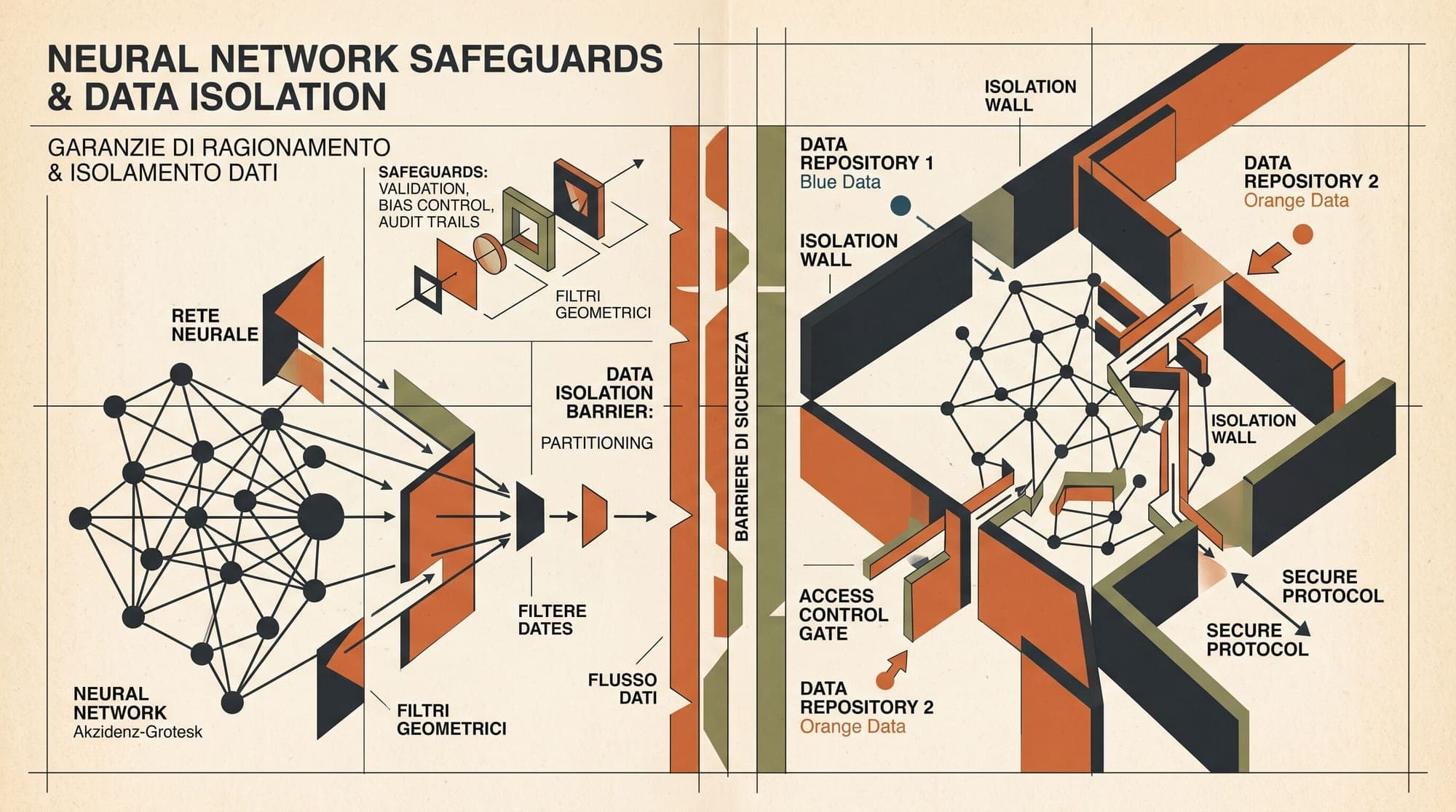
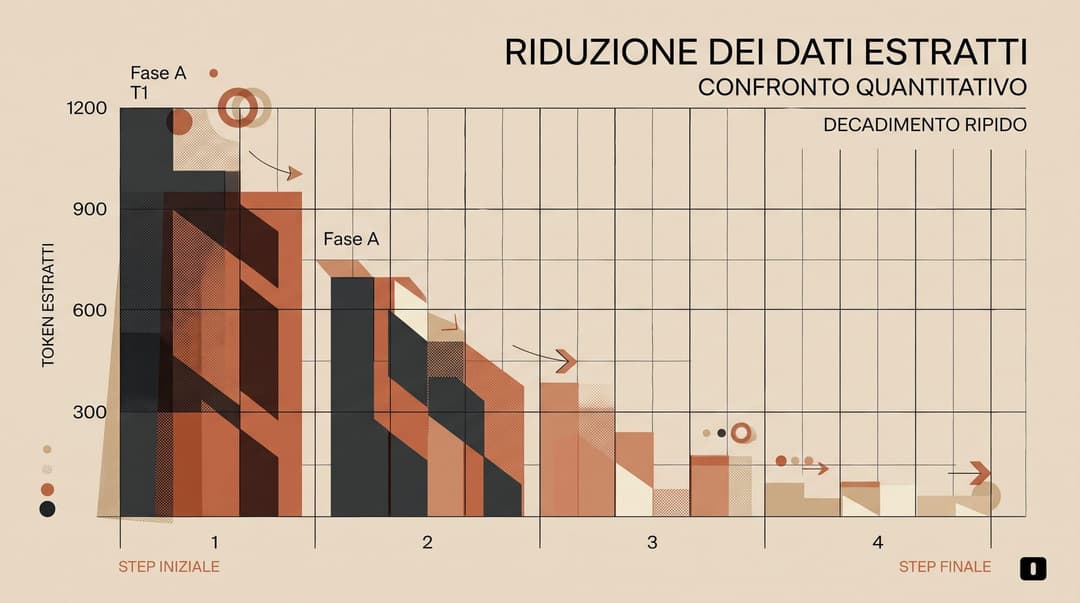
Anthropic has published technical findings detailing its multi-layered defense system against model distillation attacks, reporting a 90% to 99% reduction in reasoning tokens extracted by unauthorized actors. The safeguards combine architectural context locking, multi-stage constitutional classifiers, and aggressive account-level enforcement to protect frontier reasoning chains from being replicated into unaligned or foreign models.
Model distillation involves systematically querying a high-capability model to generate training datasets for smaller downstream networks. While passive distillation relies on standard model responses, active distillation targets internal reasoning tokens (the sequential chain-of-thought traces generated prior to final outputs). Anthropic's internal evaluations demonstrate that access to full reasoning transcripts significantly improves distillation efficacy: a model trained on full Claude Opus 4.8 transcripts reached 80.4% on SWE-bench Verified, compared to 71.8% when trained only on summarized reasoning.
Three Layers of Distillation Defense
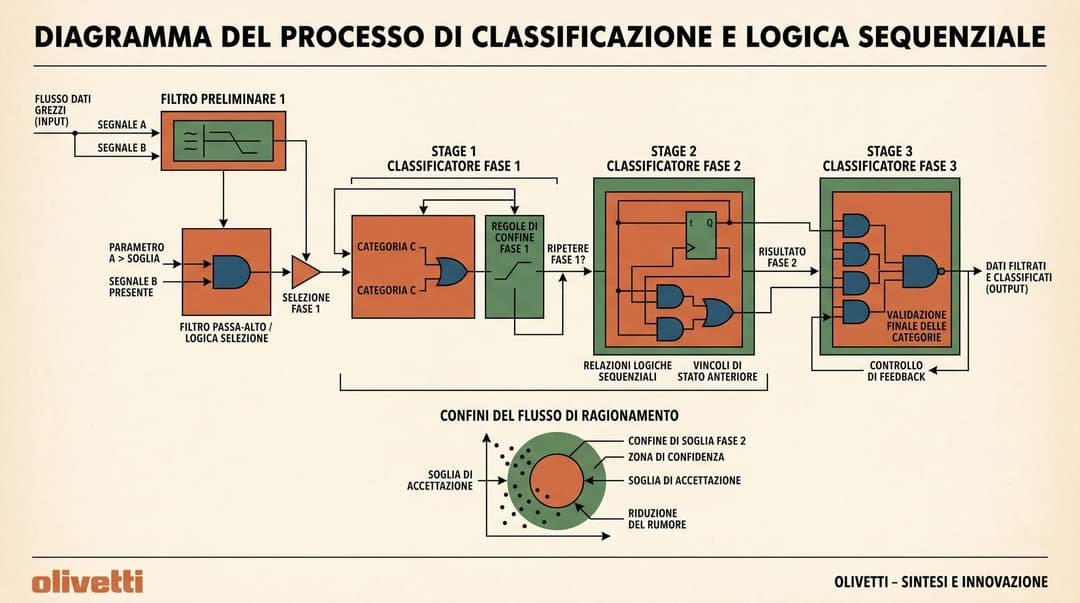
To counter organized extraction networks operating across hundreds of thousands of proxy accounts, Anthropic deployed three primary defensive mechanisms:
- Context Isolation and Preserved Thinking: Introduced across Claude Fable 5.1 and Claude Opus 5.5, "preserved thinking" restricts API accounts created on or after August 31, 2026 from modifying prior context windows. This blocks attackers from injecting synthetic history or shuttling protected reasoning blocks across multi-turn sessions. On Claude Sonnet 5.5, reasoning logs are strictly isolated to the originating organization, and legacy models with weaker protections are barred from reading newer reasoning streams.
- Two-Stage Constitutional Classifiers: Frontier endpoints (including Sonnet 5.5, Opus 5/5.5, and Fable 5/5.1) now route inputs through specialized two-stage classifiers trained on red-teamed extraction vectors. The classifiers maintain a false-positive rate below 0.1% and detect evasion tactics such as requesting hidden reasoning within custom delimiters or asking the model to translate prior reasoning blocks into alternative languages.
- Economic and Network Enforcement: Accounts exhibiting systematic extraction behaviors are flagged and terminated, with automated bans frequently executing within two hours of campaign initiation. To alter the economic calculus for attackers, Anthropic began charging for requests blocked by high-precision classifiers (false-positive rate under 0.1%) and closed access to trillions of tokens in suspected distillation traffic.
Security Implications and Trade-Offs
Anthropic highlighted specific misuse risks associated with unauthorized distillation, noting instances where Chinese AI developer Zhipu targeted cyber capabilities from Claude models during the development of GLM-5.3, and instances where queries to Moonshot's Kimi service were redirected to Claude. Distilled models often inherit frontier capabilities in cybersecurity and bio-risk without retaining corresponding behavioral alignment and safety guardrails.
The defensive measures introduce direct trade-offs. Legitimate API developers have had to adapt to context-locking constraints under preserved thinking, and Anthropic reported forfeiting significant revenue by rejecting paying distillation volume. Anthropic noted that unilateral protections remain vulnerable to platform arbitrage, urging cloud providers and model hosts to coordinate detection standards across the inference supply chain.
