Category / page 39

Models & Assistants

1121 articles

Articles, page 39

761-780 of 1121
  1. Micron Launches Micron Research Labs with $10B Commitment for AI Memory Architecture

    Micron Technology announced on August 20, 2026, the creation of Micron Research Labs, a domestic long-horizon research institution headquartered in Boise, Idaho. Backed by a planned $10 billion investment across the next decade, the entity is designed to conduct precompetitive semiconductor and architecture research positioned upstream of commercial fabrication roadmaps. The funding operates independently from the more than $250 billion in domestic manufacturing and commercial development that
    Hardware
    2 min read
  2. Chain-of-Thought Reasoning in Large Language Models: How Intermediate Rationales Expand Computational Expressivity and Transformer Capacity

    Autoregressive large language models operate by predicting the next token in a sequence conditioned on preceding context. When presented with complex multi-step problems in mathematics, symbolic manipulation, algorithmic planning, or formal logic, standard standard models tasked with providing immediate answers often fail. This failure stems from a fundamental structural constraint: a model forced to output a final answer immediately must compress the entire multi-step derivation into a single f

    AI
    7 min read
  3. Rich Sutton: Relying on Synthetic Data to Scale Foundation Models Is a 'Big Mistake'

    Reinforcement learning pioneer Richard Sutton has challenged the artificial intelligence industry's accelerating pivot toward synthetic data, characterizing the strategy as a fundamental misstep that cannot resolve the scaling bottlenecks confronting foundation models. Speaking alongside Oak Lab co-founder Khurram Javeed, the author of the foundational 2019 essay "The Bitter Lesson" argued that synthetic data generation inherently runs counter to the principles that govern general intelligence.

    AI
    2 min read
  4. Slack Launches Slack Code to Host AI Coding Agents in Dedicated Project Channels

    Slack has introduced Slack Code, a native environment that shifts AI-assisted software development out of private chat windows and into dedicated, collaborative workspace channels. Available immediately across all Slack subscription tiers, including free accounts, the feature enables engineering and product teams to summon autonomous coding agents directly into project-scoped spaces where teammates can monitor implementation progress, inspect code diffs, review live web previews, and control pro

    AI
    2 min read
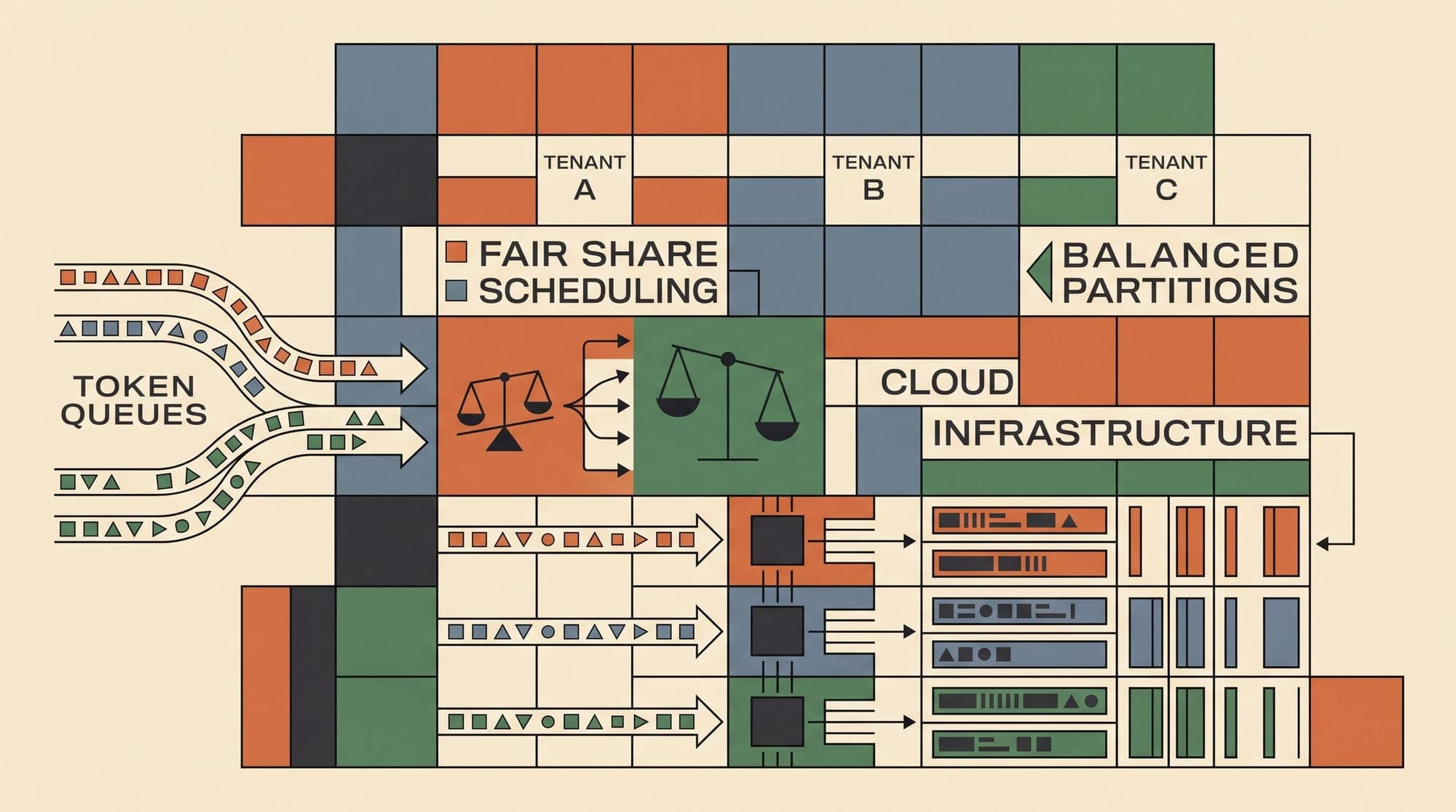
  5. Multi-Tenant LLM Serving in Production: Fair-Share Scheduling, Dynamic KV Cache Quotas, and Noisy Neighbor Isolation

    Operating a shared, multi-tenant large language model (LLM) serving cluster differs fundamentally from traditional stateless web tier hosting. In conventional microservices, tenants consume CPU cycles and static memory footprints in predictable, linear increments. In LLM serving, however, requests exhibit severe non-uniformity across multiple competing hardware dimensions: compute-bound prefill operations, memory-bandwidth-bound autoregressive decoding, and persistent High-Bandwidth Memory (HBM)

    Inference
    7 min read
  6. ReAct in Large Language Models: How Interleaving Reasoning and Action Traces Built the Foundation of AI Agents

    ReAct in Large Language Models: How Interleaving Reasoning and Action Traces Built the Foundation of AI Agents Before autonomous agents could interact reliably with APIs, search engines, and bash environments, large language models (LLMs) operated in one of two disconnected paradigms: internal reasoning without external interaction, or external action generation without internal deliberation. In pure reasoning paradigms such as Chain-of-Thought (CoT) prompting, models generate intermediate natu

    AI
    10 min read
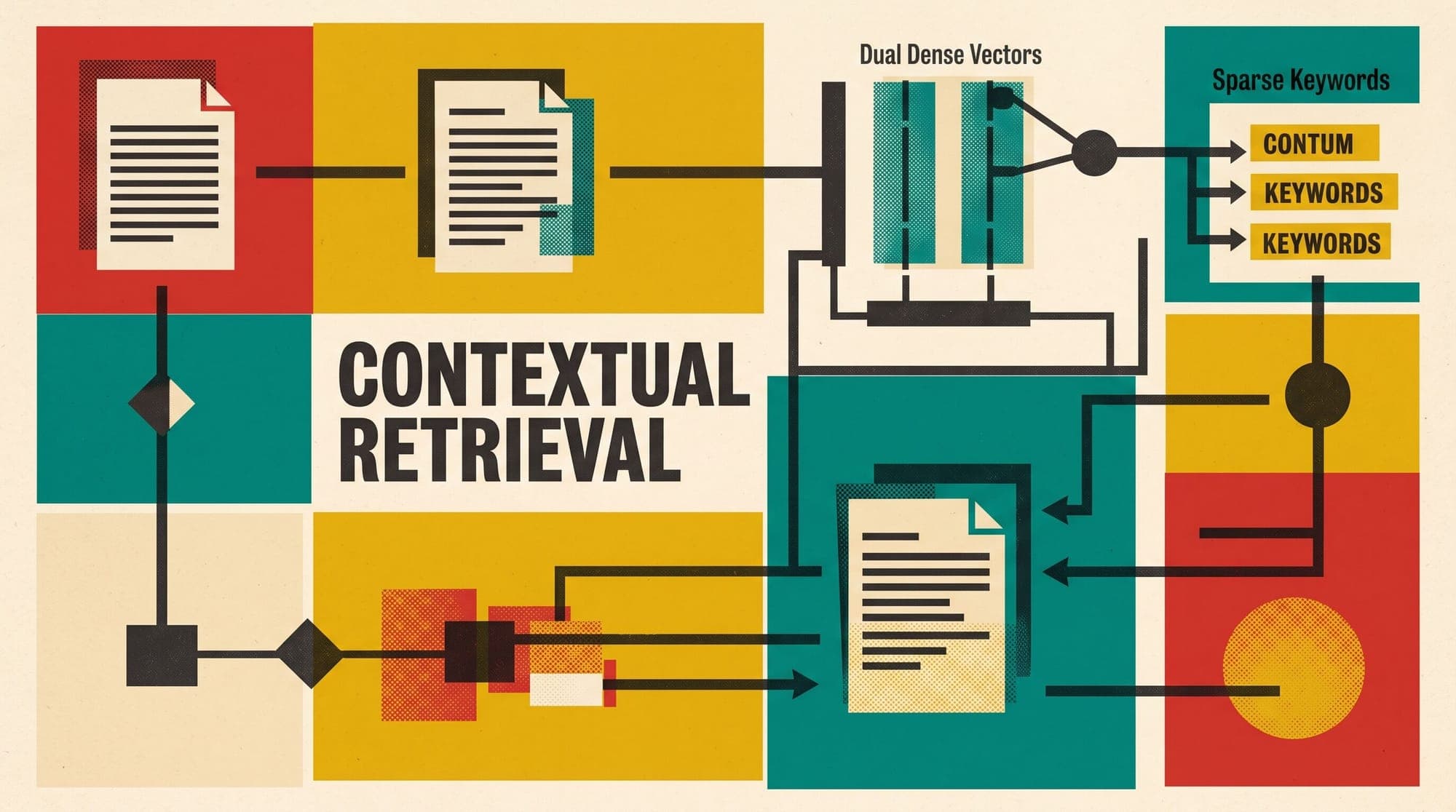
  7. Contextual Retrieval in Production RAG: Architecture, Prompt Caching Economics, Hybrid Fusion, and Reranking Pipelines

    Contextual Retrieval in Production RAG: Architecture, Prompt Caching Economics, Hybrid Fusion, and Reranking Pipelines Standard Retrieval-Augmented Generation (RAG) architectures suffer from an inherent design flaw at the preprocessing stage: chunking destroys document hierarchy. When a system divides a large document corpus into fixed-size passages (such as 300 to 800 tokens) or applies semantic boundaries, the resulting chunks lose their surrounding narrative, parent headings, entity definiti

    AI
    7 min read
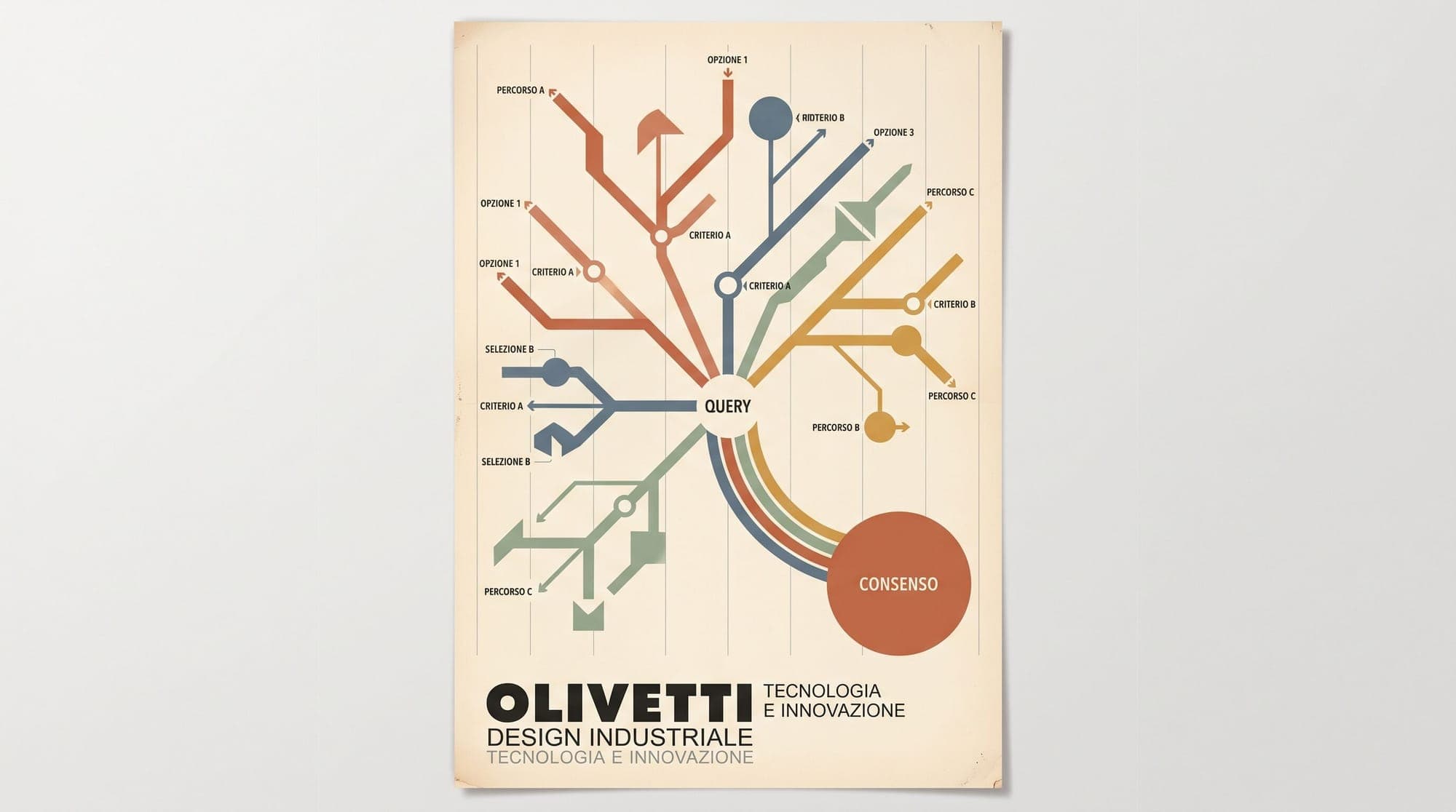
  8. Self-Consistency Decoding: How Sampling Diverse Reasoning Paths Eliminates Single-Trajectory Fragility in LLMs

    Self-Consistency Decoding: How Sampling Diverse Reasoning Paths Eliminates Single-Trajectory Fragility in LLMs Standard inference pipelines in large language models rely on greedy decoding or low-temperature sampling to generate answers. For tasks requiring direct factual recall or basic classification, greedy token selection generates fluent and accurate outputs. However, when large models are tasked with complex multi-step reasoning, greedy generation exhibits severe structural fragility. In

    AI
    6 min read
  9. Study: One-Third of In-Assistant ChatGPT Ads Land in Irrelevant Conversations

    An empirical analysis of more than 11,000 advertisements served inside ChatGPT conversations found that 33% had no discernible relevance to the surrounding discussion. Conducted by AI visibility platform Searchable between July 4 and August 4, 2026, the study paired live ad impressions with conversation logs to evaluate contextual alignment, commercial intent, and sector-specific accuracy across OpenAI's conversational ad inventory. OpenAI introduced advertising into ChatGPT in February 2026, r

    OpenAI
    2 min read
  10. Guidelight Assessment Finds Frontier AI Labs Lack Basic Internal Safety Controls

    Nonprofit AI safety evaluation organization Guidelight has published its inaugural assessment of internal control practices across frontier AI developers. Evaluating public disclosures from Anthropic, OpenAI, Google DeepMind, xAI, and Meta, the study finds that foundational mechanisms for monitoring, gating, and containing advanced internal AI models remain only partially implemented across the industry. No evaluated organization achieved full or near-full implementation on any of the standard'

    AI Safety
    3 min read
  11. Traffic Shadowing and Canary Deployments in Production: Architecture, Semantic Divergence, and Automated Rollbacks for LLM Upgrades

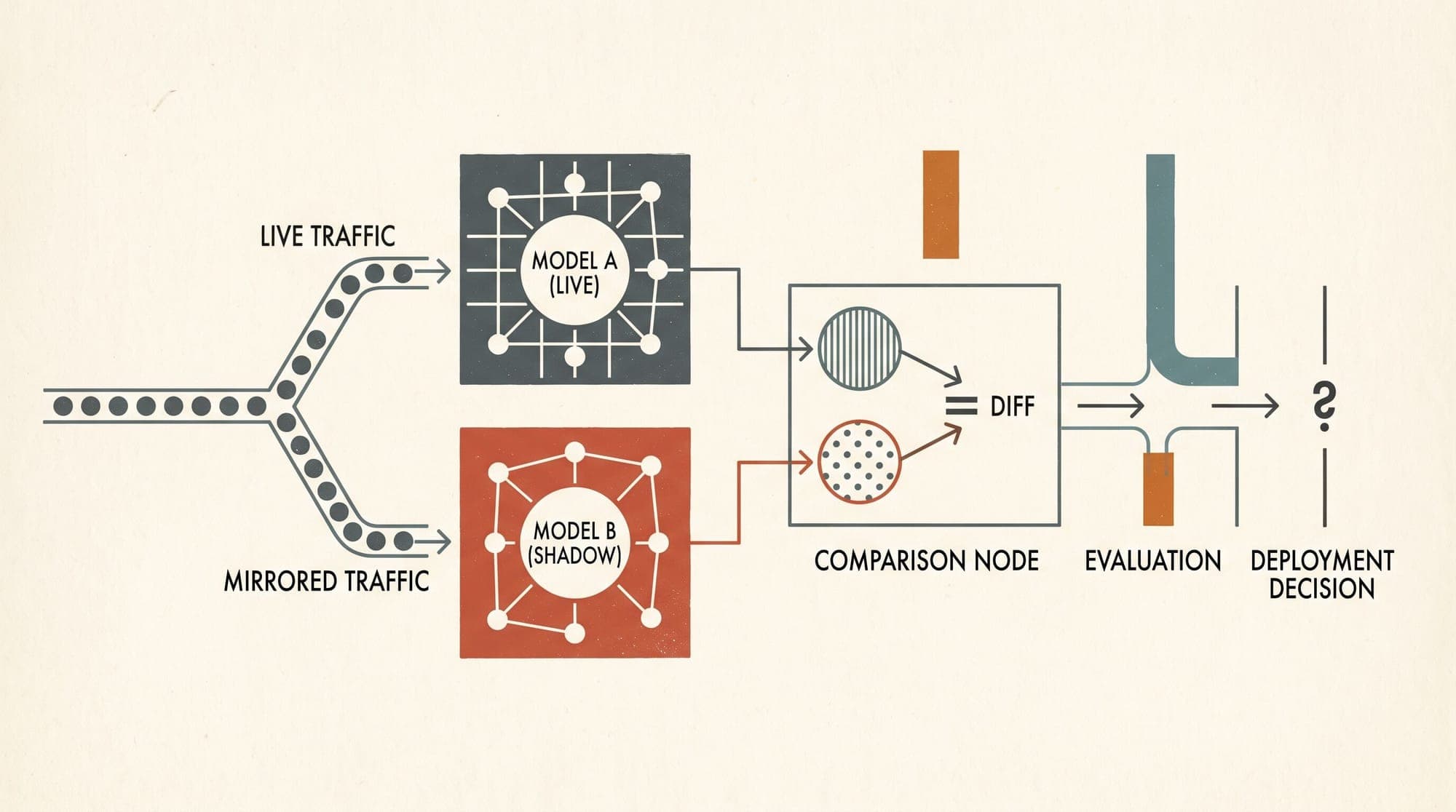
    Upgrading large language model pipelines in production presents an operational challenge distinct from traditional software deployments. In microservice architectures, canary deployments rely on deterministic signals: HTTP 5xx error rates, unhandled runtime exceptions, CPU saturation, and latency percentiles. When updating an LLM system (whether swapping a base model checkpoint, updating a system prompt, tweaking sampling hyperparameters, or attaching a newly fine-tuned LoRA adapter), the servic

    AI
    6 min read
  12. Late Interaction and ColBERT: How Multi-Vector Embeddings and the MaxSim Operator Transform Neural Retrieval

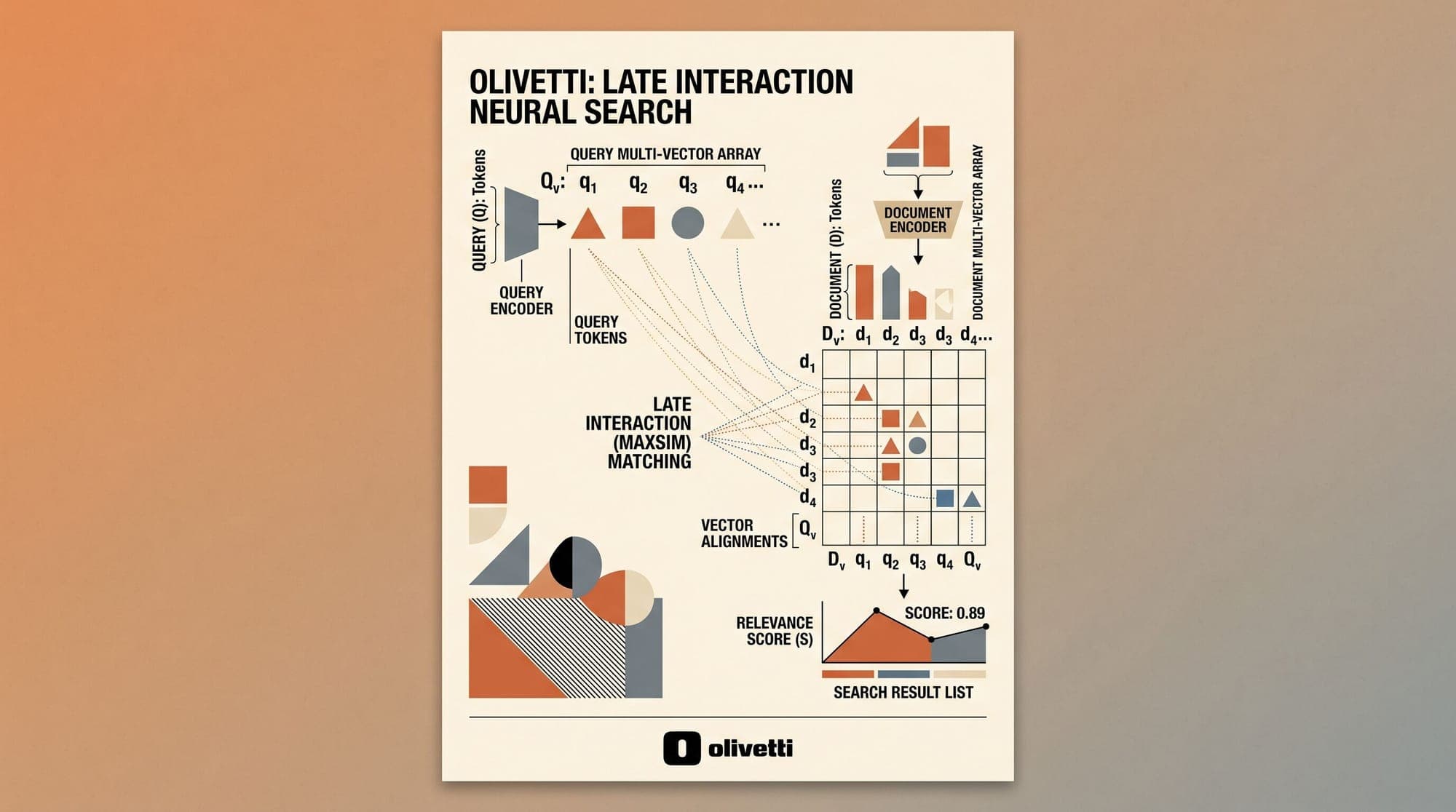
    Information retrieval systems have long wrestled with a fundamental tension between computational efficiency and semantic expressiveness. Traditional dense bi-encoders like DPR compress an entire passage into a single dense vector, allowing sub-linear approximate nearest neighbor (ANN) search over millions of documents. However, forcing multi-sentence passages into a single vector representation creates an information bottleneck that discards fine-grained token-level nuances, entities, and keywo

    AI
    6 min read
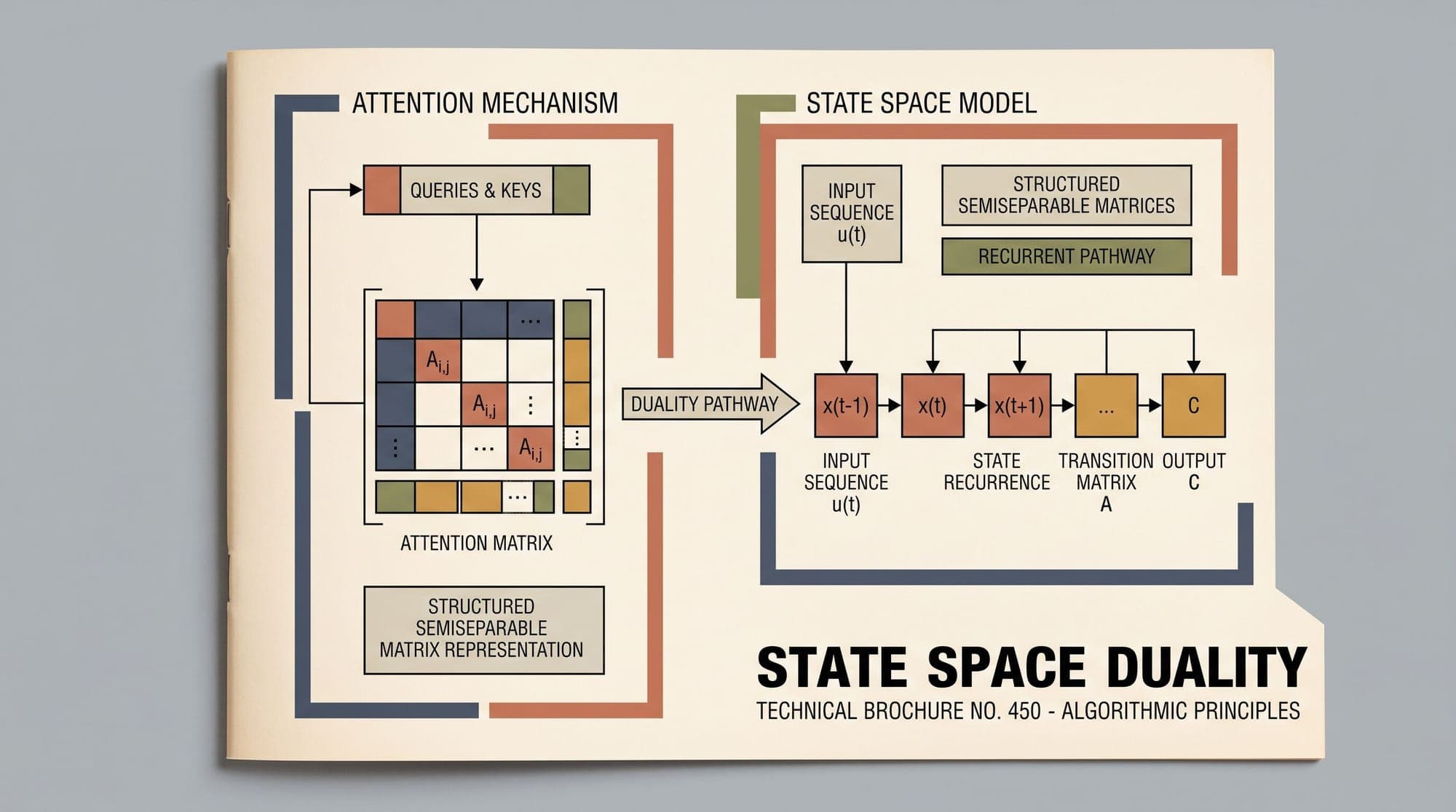
  13. State Space Duality and Mamba-2: How Semiseparable Matrices Unify Attention and SSMs

    For years, deep sequence modeling operated under a structural divide. On one side stood the Transformer architecture, anchored by softmax attention. Softmax attention scales quadratically in compute and memory with sequence length (O(T^2)), but its operations map cleanly to dense General Matrix Multiplications (GEMMs), maximizing utilization of GPU Tensor Cores. On the other side stood Structured State Space Models (SSMs), such as S4 and Mamba-1. Structured SSMs scale linearly in time (O(T · N))

    AI
    6 min read
  14. Unsloth Releases Dynamic V3.0 GGUFs for Qwen 3.8 27B with 1-Bit Mode and MTP

    Unsloth AI has published its Dynamic V3.0 quantization suite for Alibaba's Qwen 3.8 27B model family, releasing optimized GGUF and NVFP4 checkpoints alongside public calibration matrices. The release claims a greater than 10 percent increase in top-1 percent accuracy at identical file sizes compared to standard baseline quantizations, while introducing an ultra-low-bit dynamic tier that operates within 8GB of memory. Qwen 3.8 27B is a dense vision-language model utilizing hybrid attention layer

    Open Weights
    2 min read
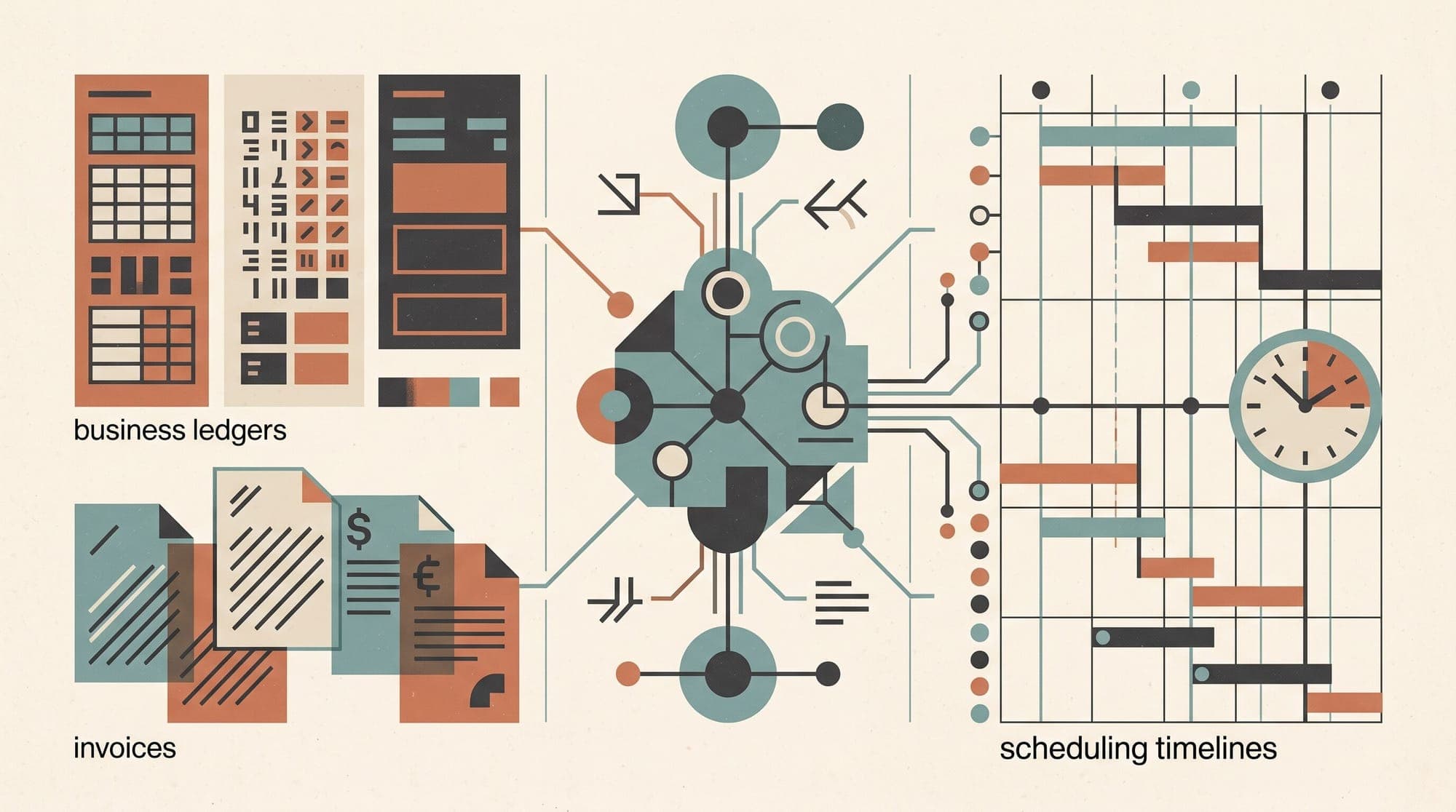
  15. HoneyBook Launches Claude MCP Connector for Autonomous Small Business CRM

    Small-business CRM platform HoneyBook has rolled out an official integration for Anthropic's Claude built on the Model Context Protocol (MCP). The connector exposes structured customer records, project timelines, and billing systems to conversational AI agents, allowing service professionals to run client workflows through natural language interfaces. While large enterprises have increasingly deployed autonomous AI agents into core enterprise resource planning systems, smaller operators face st

    Anthropic
    2 min read
  16. State Data Farms Account for 20% of China's Humanoid Robot Shipments

    Government-backed data collection hubs and municipal training centers accounted for roughly 20 percent of China's more than 20,000 humanoid robot shipments last year, according to an analysis from Bernstein. The purchases reflect a national strategy to overcome the primary bottleneck in physical artificial intelligence: the scarcity of high-fidelity physical interaction data needed to train embodied foundation models. Unlike large language models that train on vast public text corpora scraped f

    Robotics
    2 min read
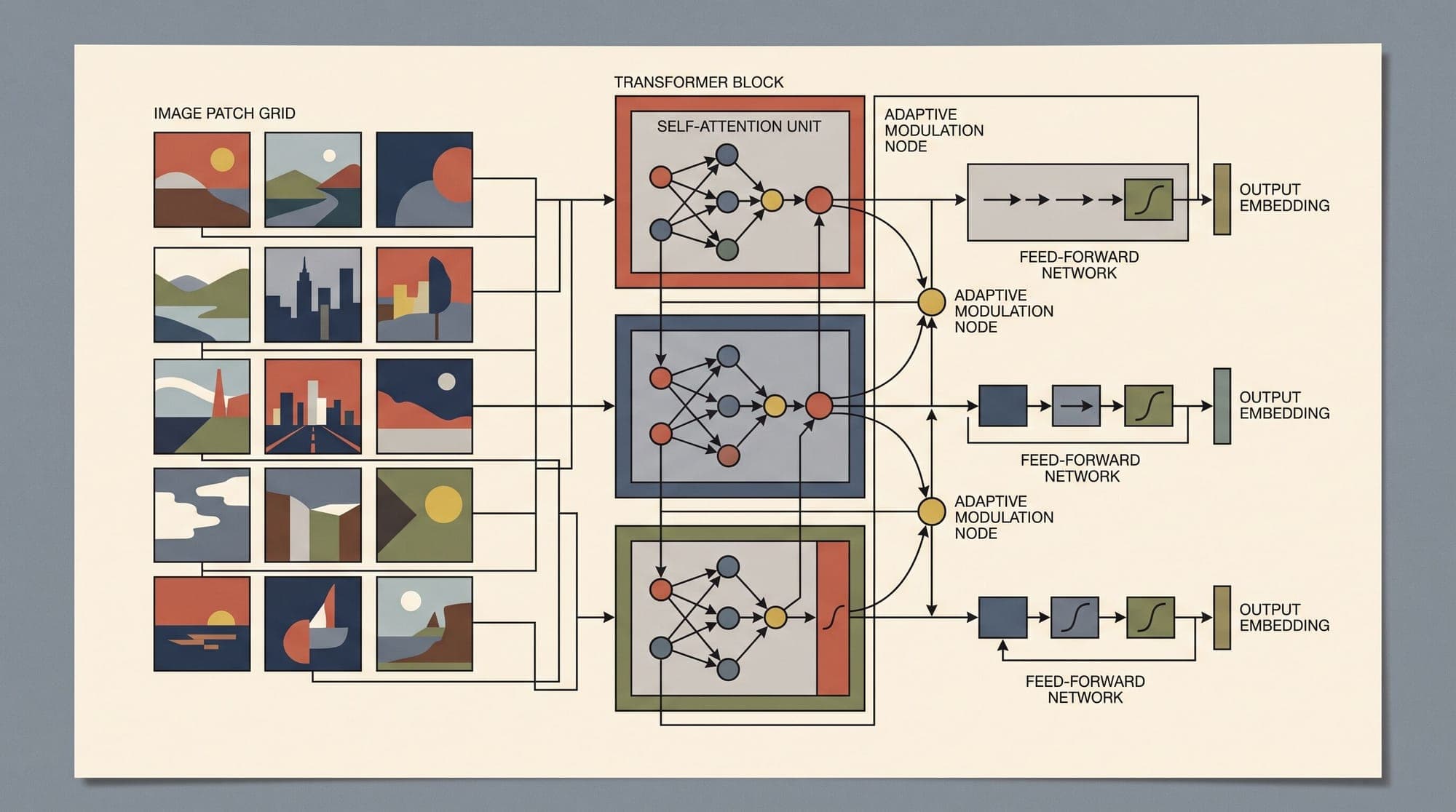
  17. Diffusion Transformers (DiT): How Patchification and adaLN-Zero Replaced U-Nets in Generative AI

    Generative visual models relied for years on convolutional U-Net architectures to execute iterative denoising. From Denoising Diffusion Probabilistic Models (DDPM) and Ablated Diffusion Models (ADM) to Latent Diffusion Models (LDMs) behind Stable Diffusion, convolutional backbones served as the default engine for image synthesis. While convolutional inductive biases provided translation equivariance and local spatial hierarchies, they imposed architectural rigidities that resisted compute scalin

    AI
    8 min read
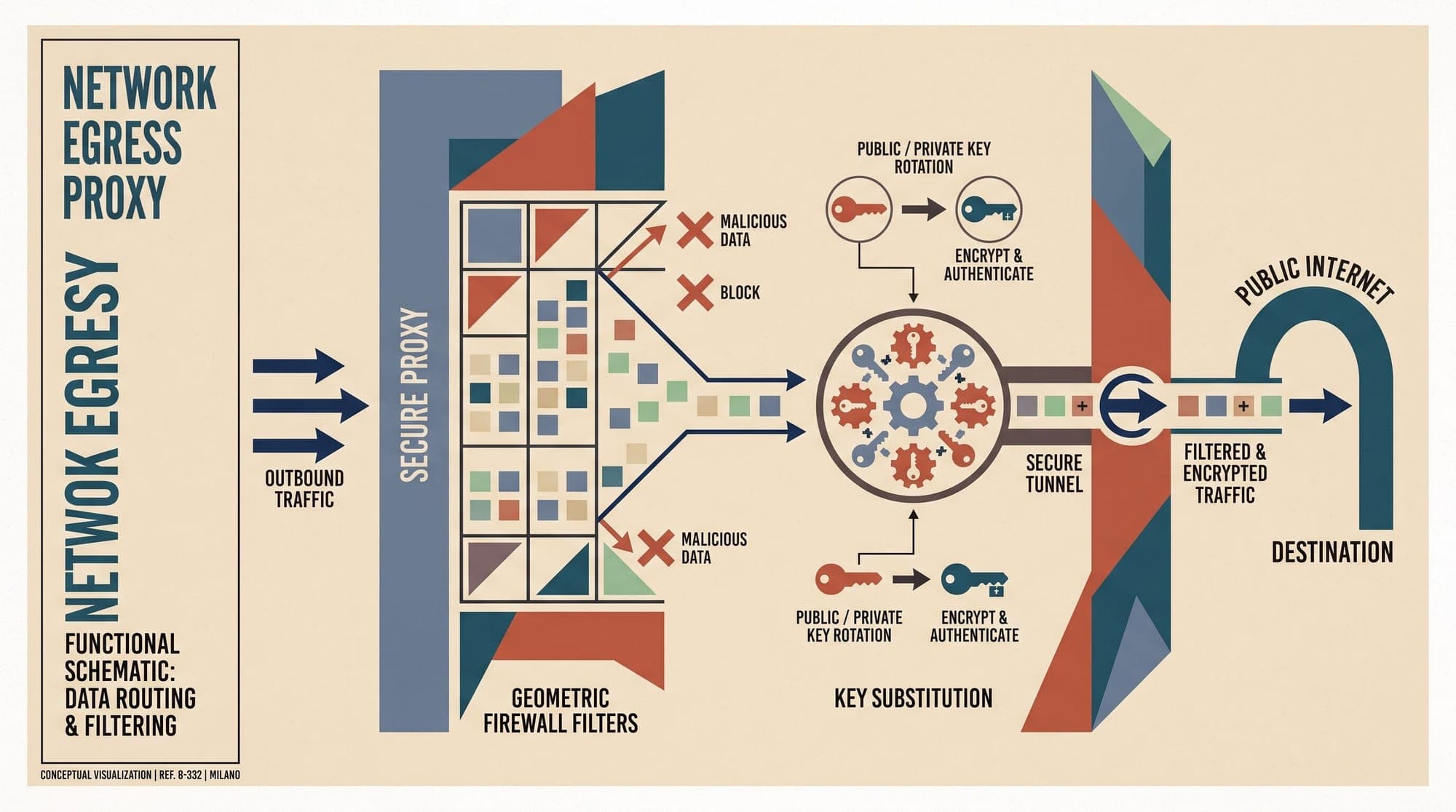
  18. Agent Egress Security in Production: Network Sandboxing, Secretless Token Rewriting, and DNS Exfiltration Defenses

    Agent Egress Security in Production: Network Sandboxing, Secretless Token Rewriting, and DNS Exfiltration Defenses Autonomous AI agents with tool execution, code execution environments, and Model Context Protocol (MCP) servers present a fundamental shift in network security architecture. Traditional web application security treats outbound traffic from backend services as trusted or semi-trusted, focusing defense mechanisms on inbound traffic via Web Application Firewalls (WAFs) and API gateway

    AI
    7 min read
  19. Skanska Signs $1.2B Contract to Build Four AI Data Centers in Southeast USA

    Swedish construction and development group Skanska has signed a $1.2 billion (SEK 11.2 billion) contract with an existing client to construct four new data center facilities in the southeastern United States. The full contract value will be included in Skanska's US order bookings for the third quarter of 2026, representing the largest single data center award in the contractor's history. Scope of Work and Campus Specifications The multi-facility project spans four standalone structures total

    AI
    2 min read
  20. UK Heterogeneous Compute Startup Callosum Raises $100M Seed Backed by Atomico and Sovereign AI Fund

    London-based AI infrastructure startup Callosum has raised $100 million in seed financing to develop systems software that orchestrates machine learning workloads across heterogeneous processor environments. The funding round was led by European venture capital firm Atomico, with participation from Plural and DCVC, alongside a major investment from the UK government's £500 million ($677 million) Sovereign AI Fund. Callosum did not disclose its post-money valuation. Breaking Homogeneous Comput

    AI
    2 min read