Microsoft Cancels 23,000 GPU Deal at Nscale UK AI Data Center Over Grid Delays
Microsoft pulled out of Nscale's planned Loughton, Essex data center, which was to hold 23,040 Nvidia GPUs. The Guardian cites power supply concerns.
News on AI cloud computing: hyperscalers, neoclouds and the deals between them. Recent stories cover Anthropic's Nscale cloud deal for Vera Rubin compute, Microsoft cancelling a GPU deal at Nscale, AWS and Nvidia's GPU expansion, and Groq's raise.
Microsoft pulled out of Nscale's planned Loughton, Essex data center, which was to hold 23,040 Nvidia GPUs. The Guardian cites power supply concerns.
Amazon Web Services (AWS) and NVIDIA have announced a major expansion of their cloud infrastructure partnership, committing to deploy two million additional high-end NVIDIA GPUs across AWS global data centers in 2027 and 2028. The deployment expands on AWS's previous commitment from GTC 2026 to add one million GPUs starting in 2026, bringing total forward allocations across the multi-year cycle to three million units. The upcoming capacity will comprise NVIDIA Blackwell Ultra, Rubin, and Rubin
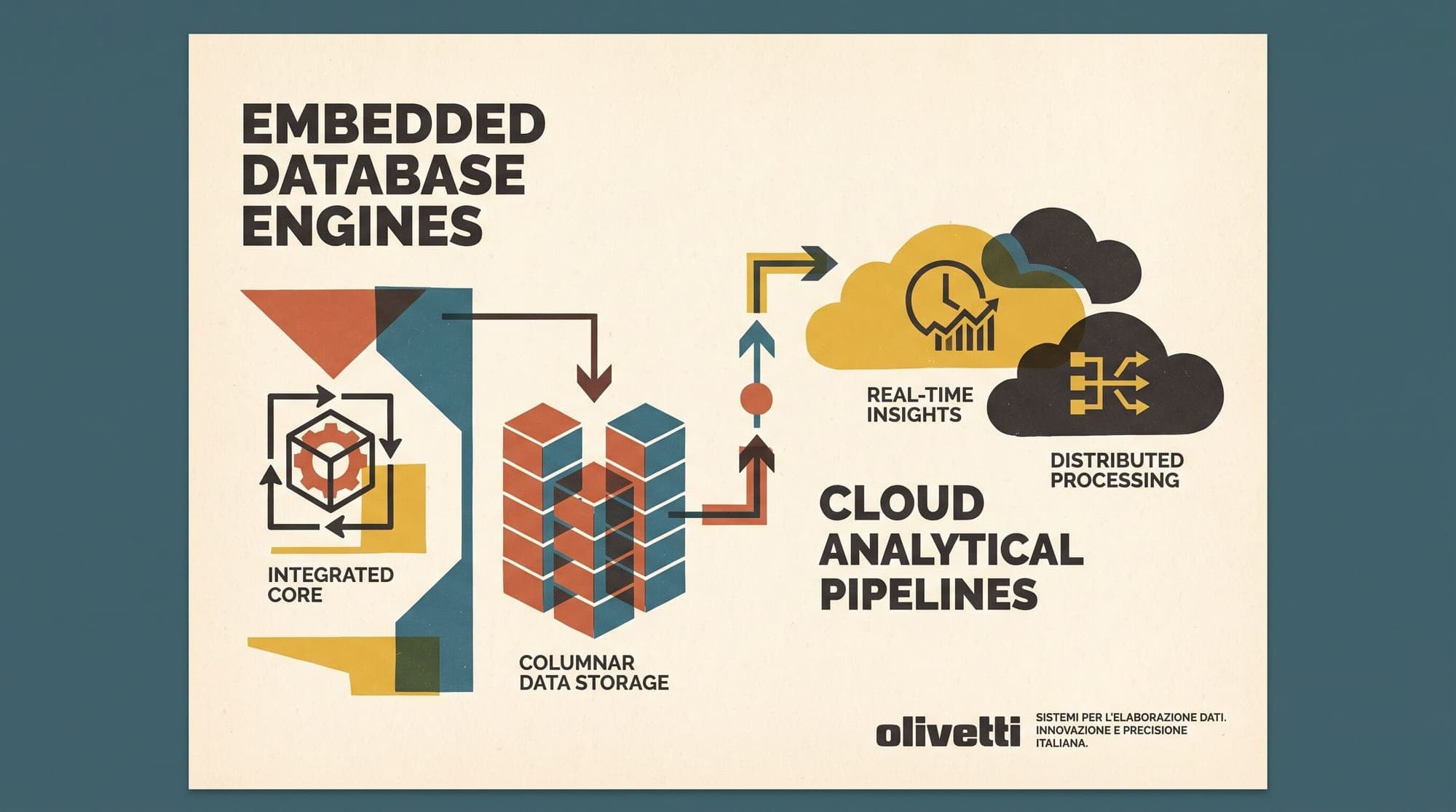
Amazon has entered into a definitive agreement to acquire DuckLabs, the Amsterdam-based company behind the open-source columnar database DuckDB. The acquisition brings the DuckLabs development team into Amazon Web Services (AWS), where they will operate as a wholly owned subsidiary starting in early September. Financial terms of the transaction were not disclosed. DuckDB creators and DuckLabs co-founders Hannes Mühleisen and Mark Raasveldt will continue leading the team from Amsterdam, maintain
Beijing-based artificial intelligence developer Moonshot AI is negotiating revenue-sharing partnerships with Microsoft, Amazon, and Alphabet's Google to host its flagship open-weight model, Kimi K3, across major cloud platforms. According to reporting from Reuters, the startup is seeking up to a 30 percent share of revenue generated from Kimi K3 inference services hosted on Microsoft Azure, Amazon Web Services (AWS), and Google Cloud. Moonshot released Kimi K3 in July 2026 as a 2.8-trillion par

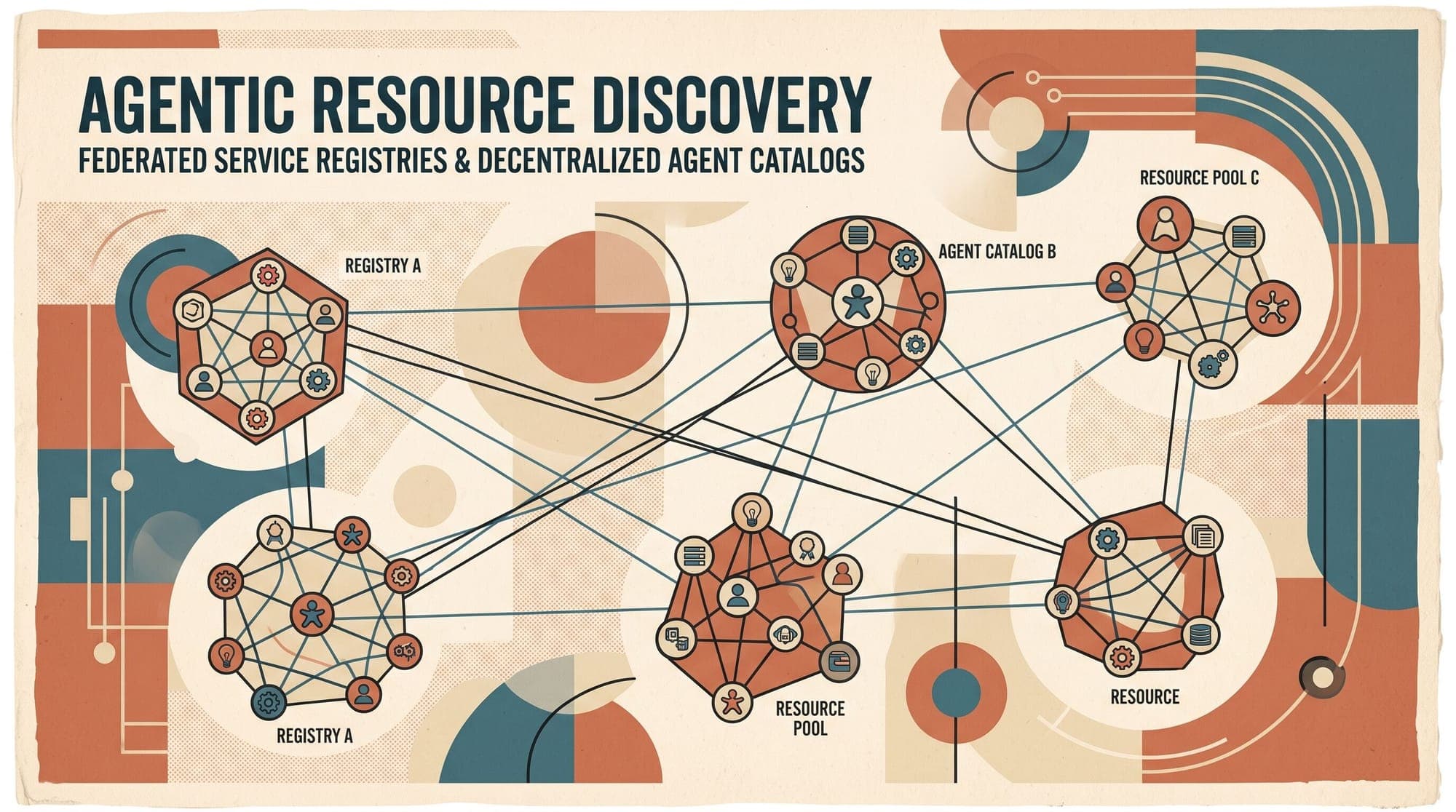
Amazon Web Services announced support for the Agentic Resource Discovery (ARD) open specification, detailing how the federation standard will integrate with AWS Agent Registry, its managed catalog for AI agents, tools, and skills currently in preview within Amazon Bedrock AgentCore. The alignment targets cross-platform discovery across heterogeneous enterprise stacks. While AWS Agent Registry provides centralized indexing and access controls within an AWS environment, real-world deployments fre
Groq raised a $350 million Series A at a $3.5 billion valuation, led by Disruptive with planned Nvidia participation, as it shifts from building LPU chips to running Nvidia-powered data centers. Here is why it changed course, its footprint and the open questions.
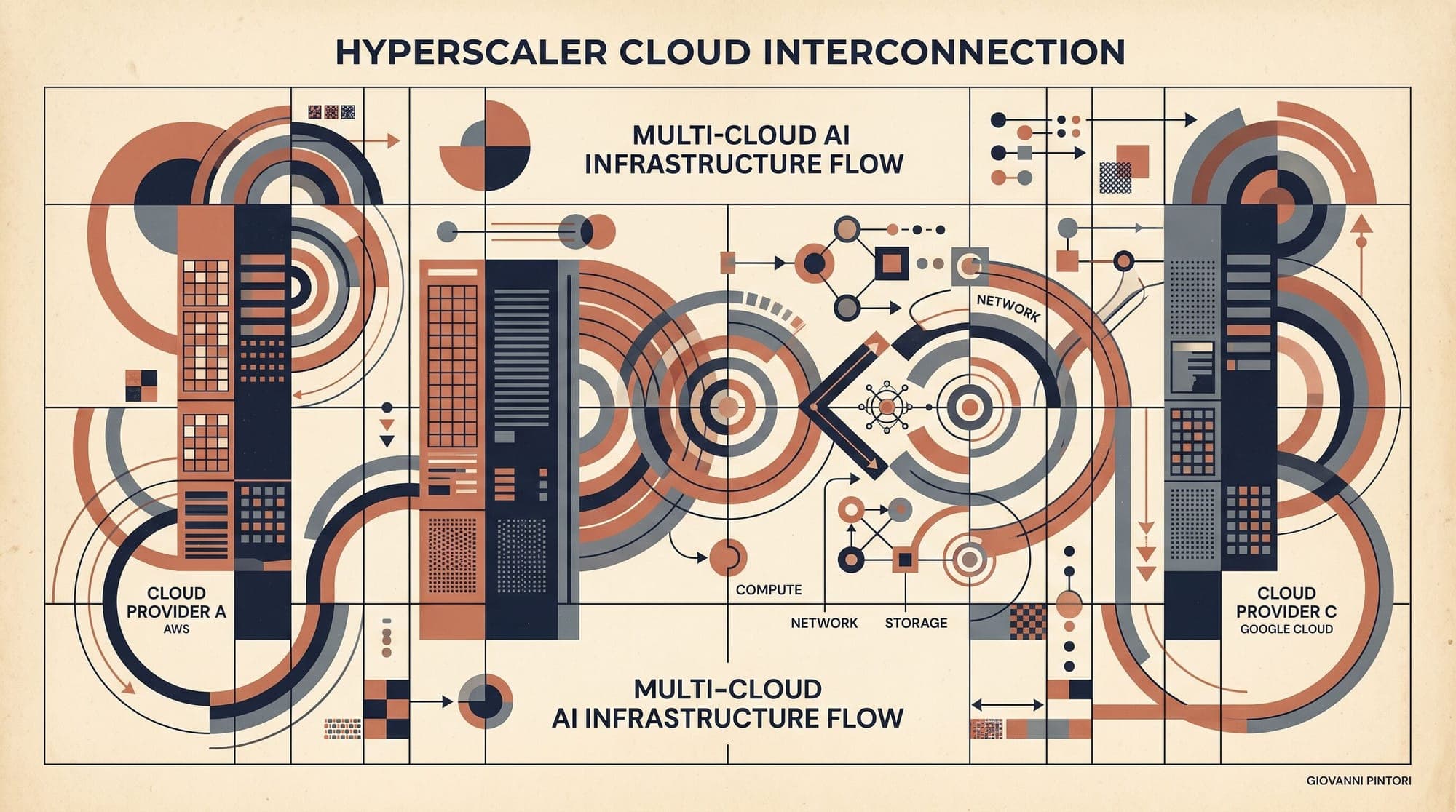
Meta Platforms has emerged as one of Microsoft Azure's largest artificial intelligence customers, spending hundreds of millions of dollars annually to access hosted AI models and inference compute, according to reporting by Bloomberg. The multi-hundred-million-dollar commitment underscores how current commercial demand for large-scale AI infrastructure remains intensely concentrated among frontier technology companies themselves. Bridging Internal Compute Gaps with Third-Party Infrastructure
Anthropic is preparing to revise the mandatory 30-day data retention requirement on its frontier models, allowing enterprise customers to retain logs on their own cloud infrastructure rather than storing conversation records on Anthropic servers. According to reporting from Bloomberg and Reuters, the upcoming safety architecture preserves the 30-day logging mandate for safety audits and abuse monitoring while shifting physical custody of the stored data into customer virtual private clouds. E

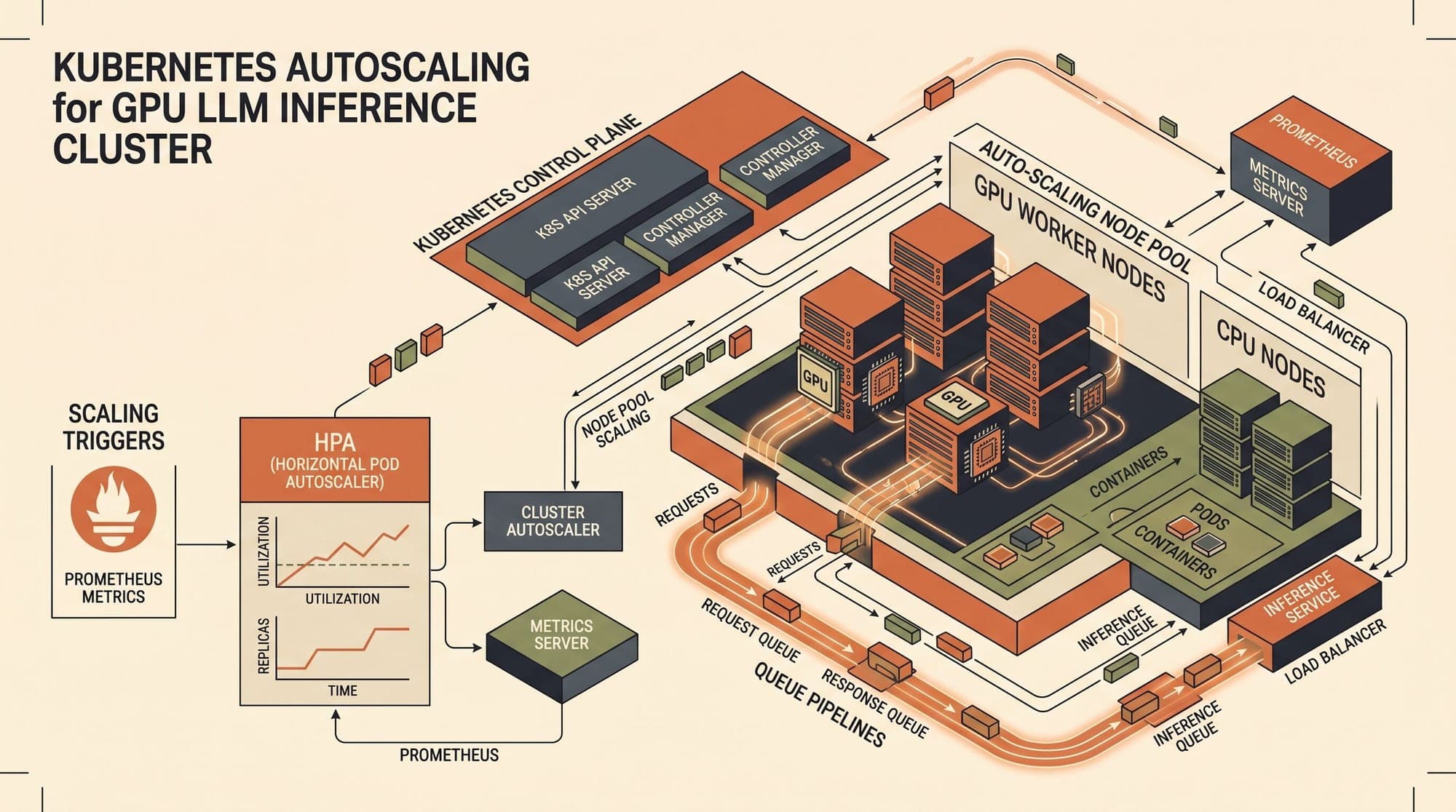
Autoscaling large language model workloads on Kubernetes presents a fundamentally different engineering problem than traditional stateless microservices. While web APIs scale on CPU utilization or request rate within seconds, LLM inference instances require specialized GPU accelerators, massive container images, multi-gigabyte weight tensors, and intensive runtime compilation before serving a single token. Without proactive architectural design, a cold-starting LLM pod on Kubernetes often requi
xAI's flagship reasoning model, Grok 4.6, is now generally available across Amazon Web Services through Amazon Bedrock. Released on August 19, 2026 under the model ID xai.grok-4.6, the deployment gives enterprise AWS customers managed API access to xAI's frontier model alongside existing foundational offerings from Anthropic, Meta, and Mistral. The integration comes one week after xAI initially launched Grok 4.6 on August 12, marking a significantly faster enterprise cloud deployment than its p