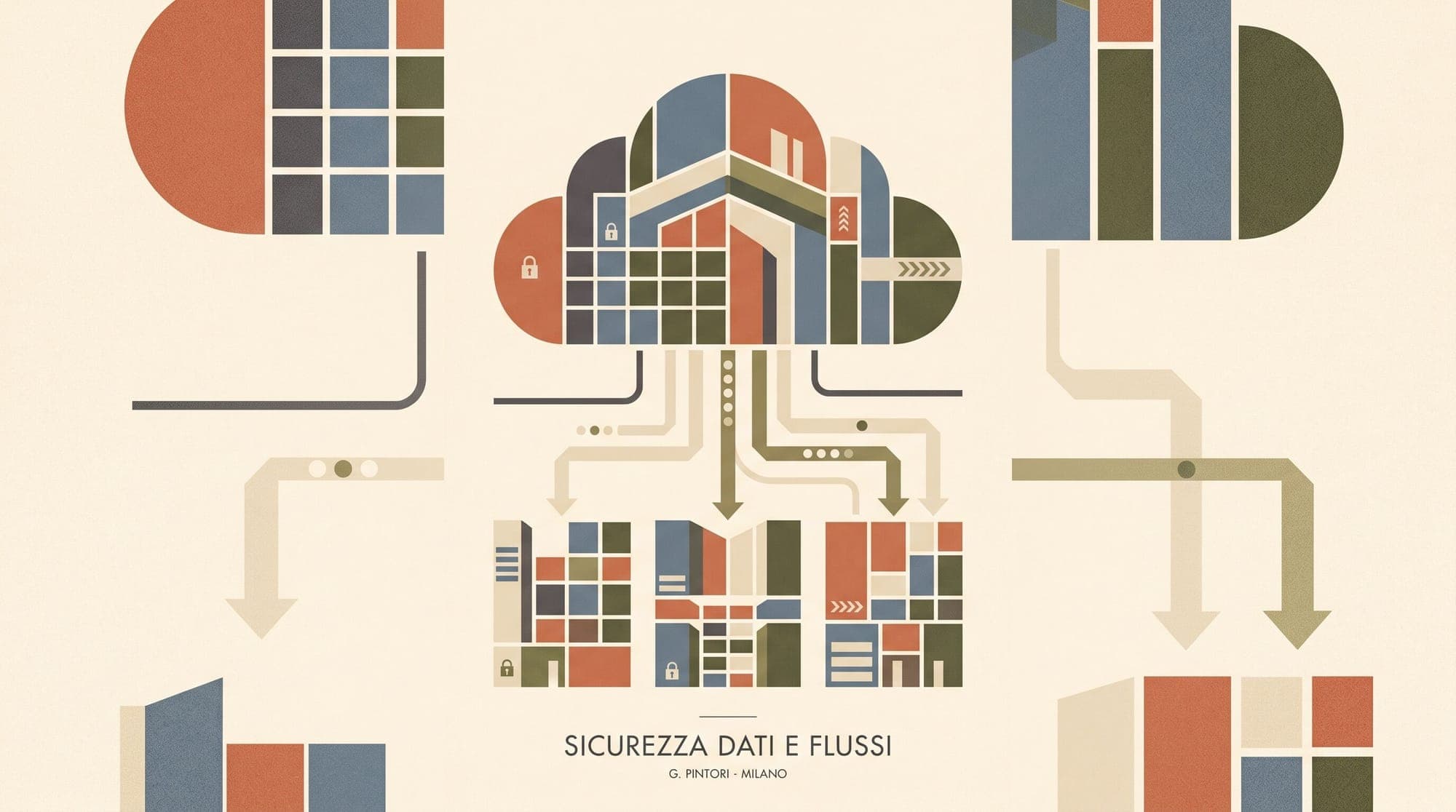
Anthropic is preparing to revise the mandatory 30-day data retention requirement on its frontier models, allowing enterprise customers to retain logs on their own cloud infrastructure rather than storing conversation records on Anthropic servers.
According to reporting from Bloomberg and Reuters, the upcoming safety architecture preserves the 30-day logging mandate for safety audits and abuse monitoring while shifting physical custody of the stored data into customer virtual private clouds.

Enterprise Pushback on Centralized Logging
In June 2026, Anthropic established a strict 30-day retention baseline across its Claude Fable 5 and Claude Mythos 5 deployments. Under that framework, all user prompts and model completions were stored for 30 days to facilitate post-hoc safety audits, automated misuse detection, and containment enforcement following cyber exploitation incidents.
The centralized storage requirement created operational roadblocks for regulated enterprise customers across finance, defense, healthcare, and software development. Engineering teams operating under strict data residency mandates and legal teams concerned with IP confidentiality objected to routing proprietary codebase contexts and sensitive records into vendor-managed storage pools.
To address these compliance hurdles, Anthropic has spent several months coordinating with more than 100 enterprise customers, including Salesforce, to design a hybrid retention mechanism.
Self-Hosted Retention and Audit Mechanics
Under the revised framework scheduled to launch later this year:
- Customer-Controlled Infrastructure: Enterprise clients will be permitted to route required 30-day logging pipelines into their own Amazon Web Services, Google Cloud Platform, or Microsoft Azure VPCs.
- Auditing Integrity: The retention pipeline will maintain cryptographic attestation and access controls to ensure that required safety logs remain immutable and accessible for verified trust and safety inquiries.
- Multi-Tenant Parity: Organizations that lack dedicated cloud infrastructure will continue using Anthropic standard multi-tenant storage with automated 30-day deletion lifecycles.
The Competitive Landscape Around Zero Data Retention
The policy shift comes as AI infrastructure providers face increasing scrutiny over data isolation and privacy guarantees. Rival OpenAI recently unveiled private safety processing architecture designed to preserve Zero Data Retention (ZDR) guarantees across frontier reasoning deployments without retaining customer context payloads.
By enabling in-VPC log retention, Anthropic aims to retain its enterprise customer base across regulated sectors ahead of its planned initial public offering.