
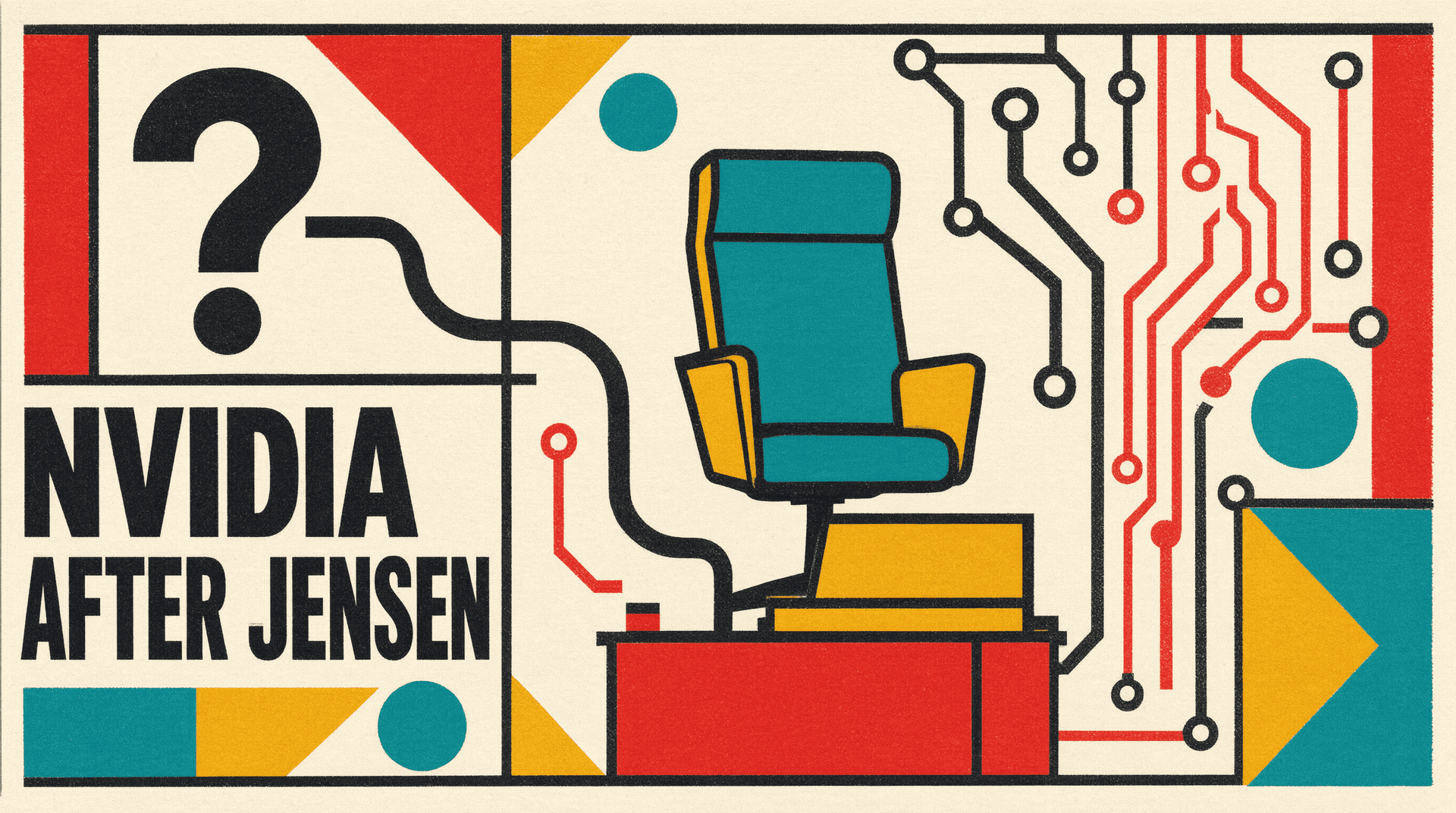
Interim CEO Colette Kress opened Nvidia's first companywide meeting since Jensen Huang's resignation with a promise that arrived just minutes in: pay raises and more equity, landing in December, months ahead of schedule.
The message was aimed squarely at a workforce of nearly 49,000 people that has spent the past week watching its founder leave under a cloud. According to remarks reviewed by WIRED, Kress told employees at Wednesday's all-hands that "the best thing that we want to do is to take care of each and every single employee that is here and to make sure that you feel good about this company and you do not worry about your comp."
Questions about compensation were the most common among roughly 700 submitted ahead of the meeting. The second-most common ask was transparency from the board.
How Nvidia got here
Huang resigned as CEO last week, ending 33 years at the head of the company he co-founded and turned into one of the world's most valuable firms and the biggest single driver of the generative AI buildout. His departure came amid allegations of extramarital affairs, including potentially with a Chinese intelligence asset. Board chair Harvey Jones said on Tuesday that Huang had disclosed "personal behavior" contrary to company policies and norms, and that he would not be invited back.
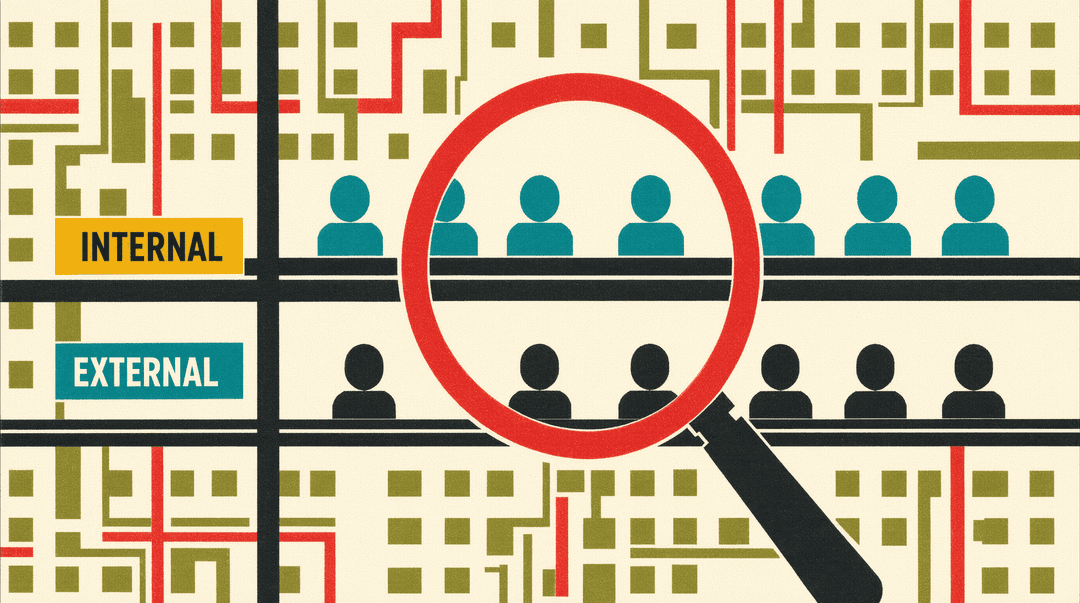
The board has begun searching internally and externally for a permanent replacement. Several government investigations into Huang and the company remain open, and investors have spent the week weighing whether the churn will trigger a talent exodus from the chipmaker most of the AI industry depends on.
Not everyone at Nvidia wants the transition. Thousands of employees have apparently lobbied for Huang's reinstatement, and several well-known tech executives signed a public petition claiming roughly 200,000 backers. Kress's compensation package, delivered months early, is the clearest signal yet that the company intends to answer that pressure with money and stability rather than sentiment.
The financial backdrop helped
On Tuesday, Nvidia reported better-than-expected third-quarter results and forecast growing sales in the years ahead. Shares rose about 5 percent on Wednesday, suggesting markets are so far treating the leadership crisis as manageable.
Still, the retention question is live. On the earnings call, a Bank of America Securities analyst asked Kress directly what her message to investors was on talent retention and durability through the upheaval. "Probably the most important thing" leaders are weighing right now, she answered, is stabilizing the employee ranks. "We will take care of our employees during this transition to make sure they are safe and make sure the work can be done in the current environment."
Some of Nvidia's most senior people joined the company less for financial reasons than for the mission Huang pushed relentlessly, and an interim-led Nvidia may be a harder sell to new recruiting classes precisely when AI chip competition is intensifying.
Co-founder Chris Malachowsky, answering a question in the all-hands, argued the culture will hold. He recalled that the founders considered values-on-posters "nonsense" and preferred to instill culture in "the way you behave, the way you work together." His assessment of the moment: "We're going to be fine."
Whether a December raise is enough to prove him right will depend on who the board names as the next CEO of the company supplying compute to nearly every frontier AI lab.

Sources
- Inside Nvidia's First Post-Jensen All-Hands: Pay Raises and More Equity, WIRED
- Business as usual: Nvidia's Kress passes first test as board slams door on Huang, Reuters
- Nvidia interim CEO Kress addresses staff at first all-hands since Huang exit, CNBC
- Nvidia accelerates pay rises as interim CEO seeks to lift staff morale, Financial Times
