
Blue Origin Will Launch Google TPU AI Server Satellites For Project Suncatcher In 2029
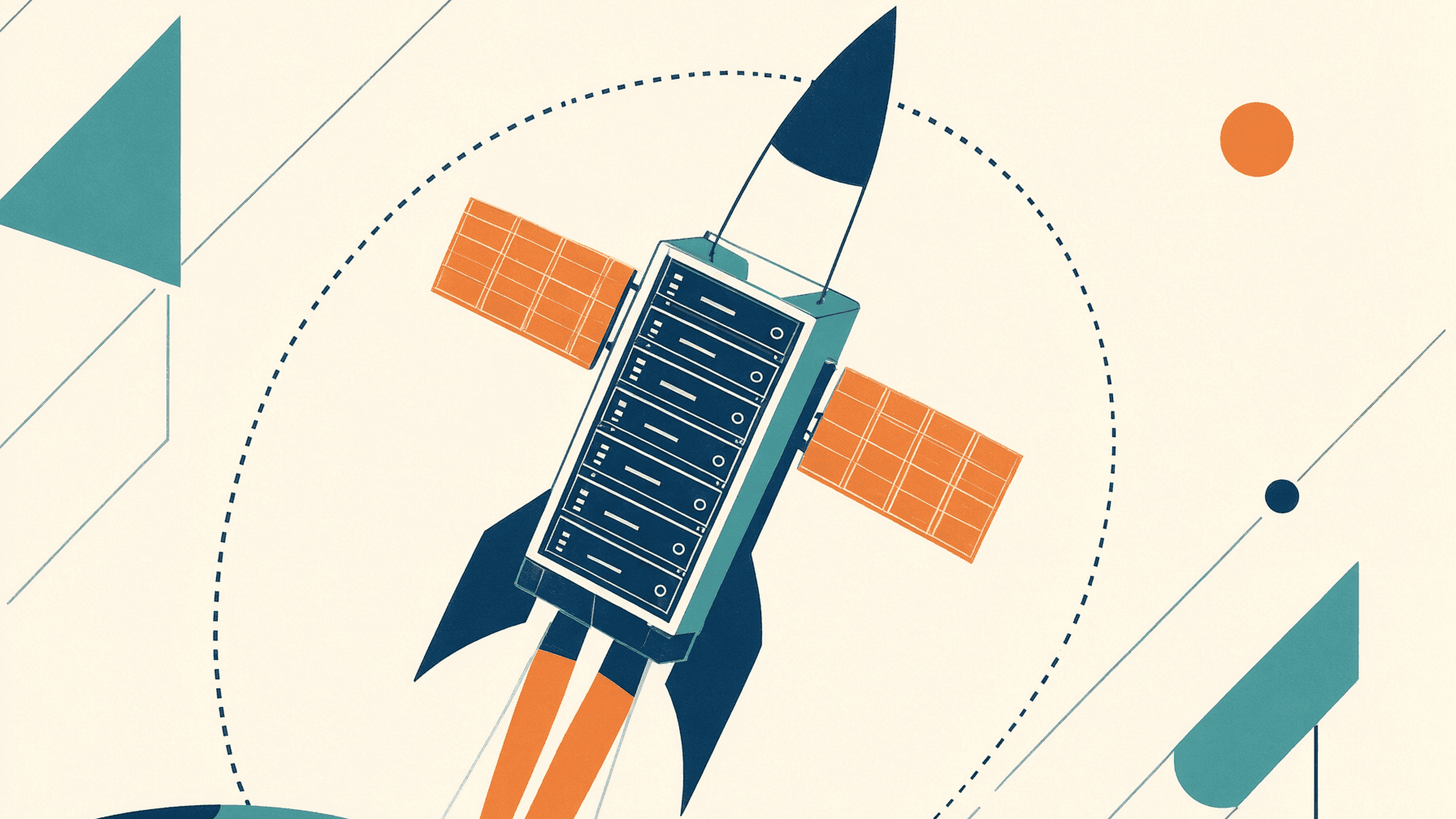
Google and Jeff Bezos' Blue Origin announced Thursday that New Glenn will carry Google's AI server satellites into sun-synchronous orbit in the first quarter of 2029. It is the first dedicated heavy-lift launch for Project Suncatcher, Google's moonshot to put AI data centers in space, The Verge reported.
From rideshare to rack scale
The October prototype went up as a passenger. Google's first AI server satellite launched on a SpaceX Falcon 9 rideshare in early October, booted its Tensor Processing Units in orbit, and used an onboard Gemma 4 model to transmit an AI-generated haiku back to Earth. Google said at the time it would keep testing how TPUs handle thermal stress and radiation exposure, with twin interconnected satellites planned for 2027.
The Blue Origin mission is a step up in scale: satellites with computing capacity at roughly the size of a data center rack, launched on a dedicated heavy-lift vehicle rather than shared manifest space.
The cost logic of orbital data centers
Project Suncatcher rests on an energy argument. Solar panels in sun-synchronous orbit generate power almost continuously, without night, weather, or atmospheric losses, which Google claims makes them about eight times more productive than equivalent panels on the ground. The bet is that space-launch prices keep falling while terrestrial data center constraints (power, cooling, land, permitting) keep tightening. Google's own cost analysis suggested orbital and ground data centers could reach roughly comparable per-kilowatt-year costs by the mid-2030s.
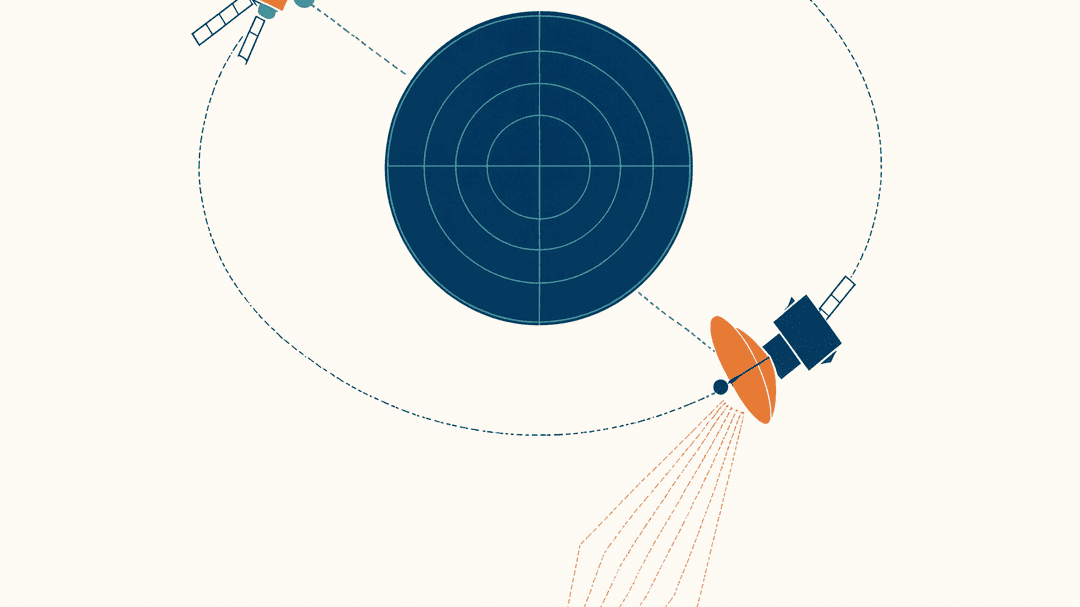
The engineering skepticism is also on the record. In pre-launch testing the chips could only run for about 15 minutes before needing to be turned off to cool down, per The New York Times as reported by The Verge, and Google has been testing cooling via heat pipes and radiators in orbit. Google also plans to test laser links between satellites to connect the constellation. Radiation hardening and servicing a failed rack in orbit remain open engineering problems.
Why the partnership matters commercially
Google previously flew on SpaceX hardware; choosing New Glenn for the first heavy-lift mission gives Blue Origin a flagship scientific payload at the exact moment it is trying to prove New Glenn beyond its first flights. For Google, a named launch date of Q1 2029 converts Suncatcher from a research paper into a schedule.
Nothing about the 2029 manifest implies orbital inference is economical yet. The mission tests whether rack-scale TPUs can be deployed, interconnected, and operated in orbit. Whether the cost curves cross in the mid-2030s, as Google projects, remains the kind of forecast the industry has a poor track record with.
Sources:
- The Verge: Blue Origin will launch Google's AI server satellites in 2029
- The Verge: Google's satellite AI server transmits its first response to Earth
- The Verge: Google has a 'moonshot' plan for AI data centers in space
- The Verge: Google is sending an AI satellite into space next week
- Google blog: We're partnering with Blue Origin on our first heavy-lift Project Suncatcher launch
