Resources / Open source / page 2

Open-source tools

100 articles

Articles, page 2

21-40 of 100
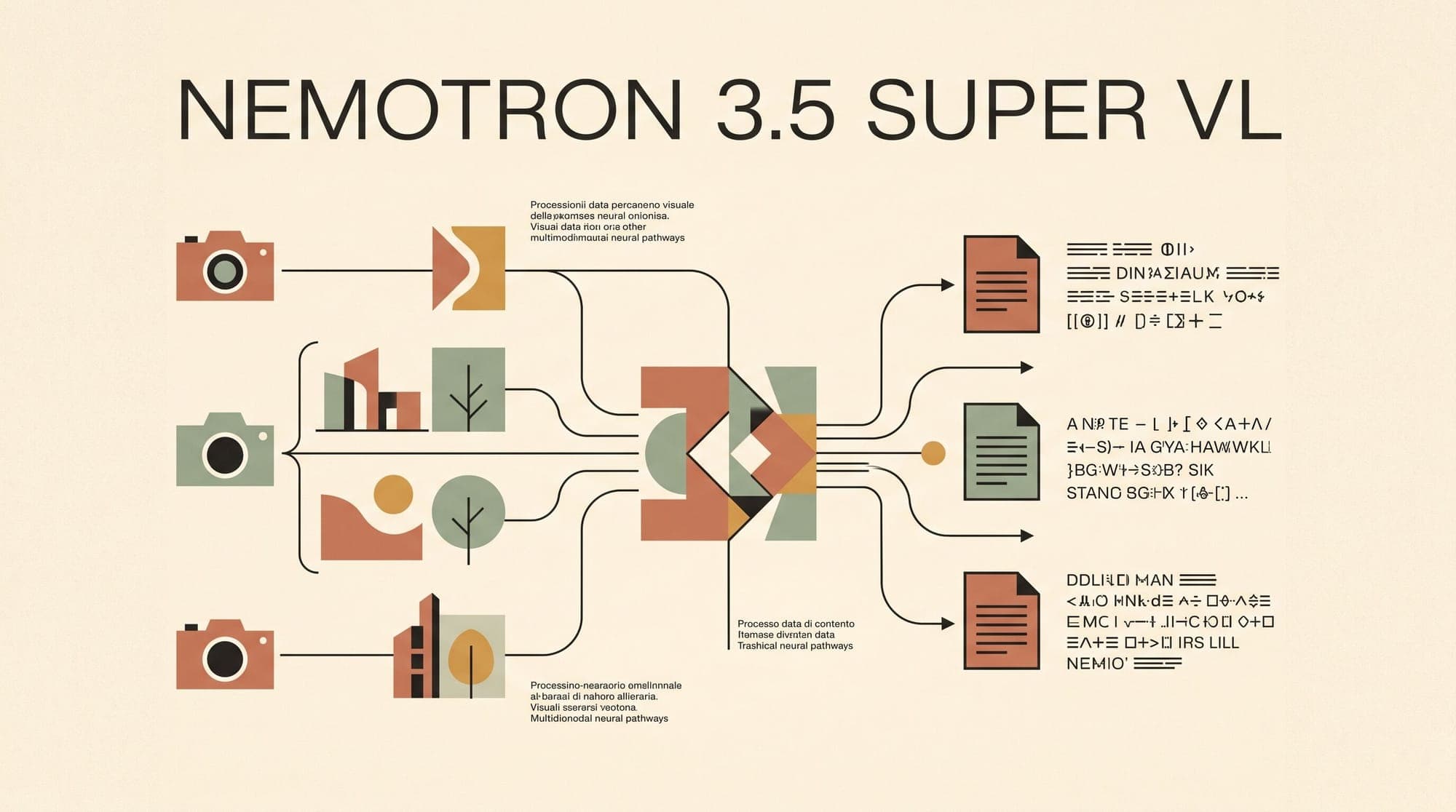
  1. NVIDIA Releases Nemotron 3.5 Super VL with 120B Parameters and 1M Context Window

    NVIDIA has released Nemotron 3.5 Super VL, an open-weights vision-language model designed for complex agentic workflows. The model features a 120-billion-parameter mixture-of-experts (MoE) architecture that activates 12 billion parameters per token, paired with a context window supporting up to 1 million tokens. NVIDIA announced it alongside Nemotron 3.5 Bolt, a 2-bit model for local agents on RTX Spark PCs. The release is available on Hugging Face in full-precision BF16 reference weights and q
    Nvidia
    2 min read
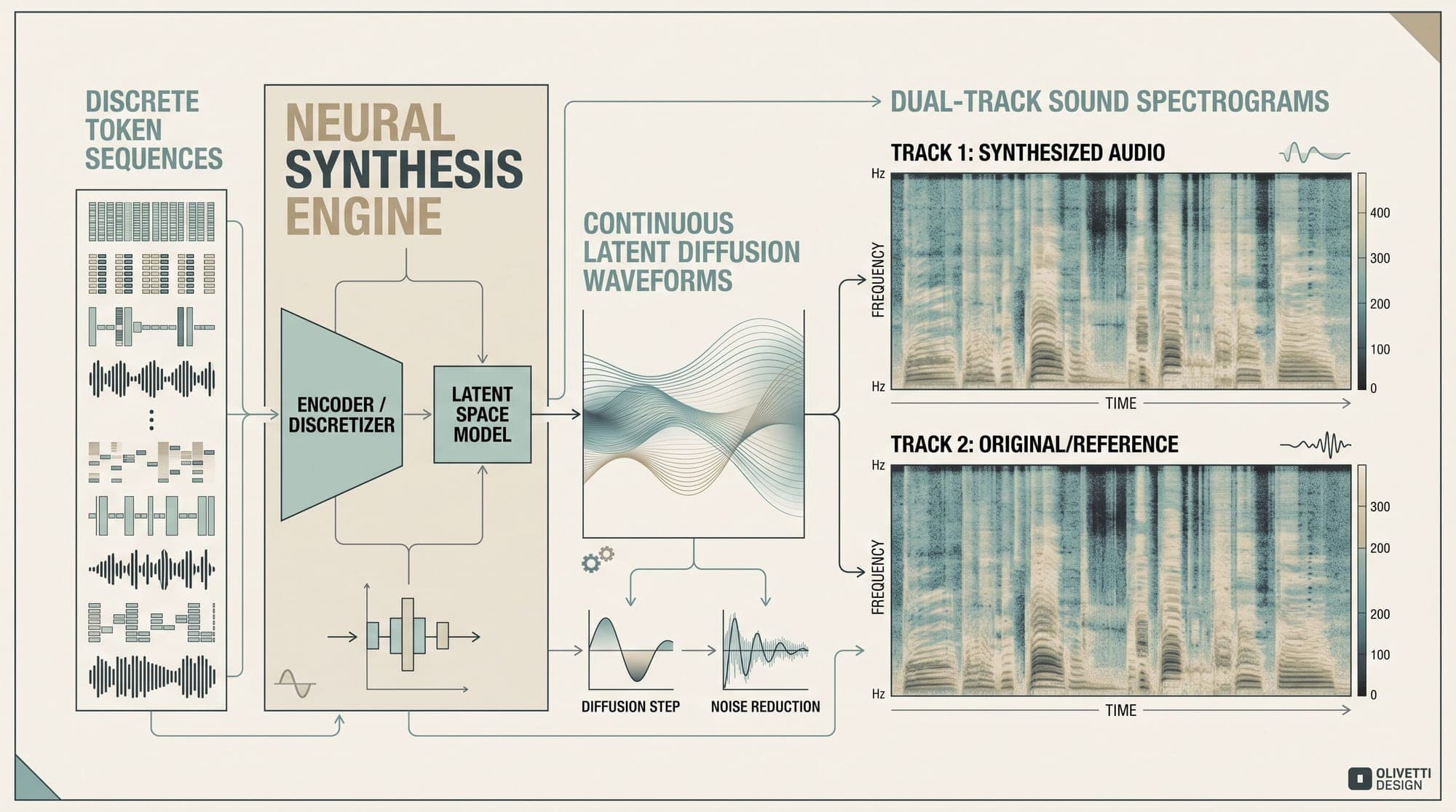
  2. Open-Source Music and Audio Generation Models in Production: Comparing MusicGen, Stable Audio Open, AudioLDM 2, and YuE

    Neural music and sound generation architectures in production have diverged into two competing paradigms: discrete autoregressive sequence modeling and continuous latent diffusion. While early research relied on cascaded pipelines with separate acoustic and semantic models, modern open-source systems unify generation into single-stage or dual-stage foundations capable of synthesizing high-fidelity instrumentals, sound effects, and full polyphonic songs with vocals. Deploying generative audio in

    AI Music
    7 min read
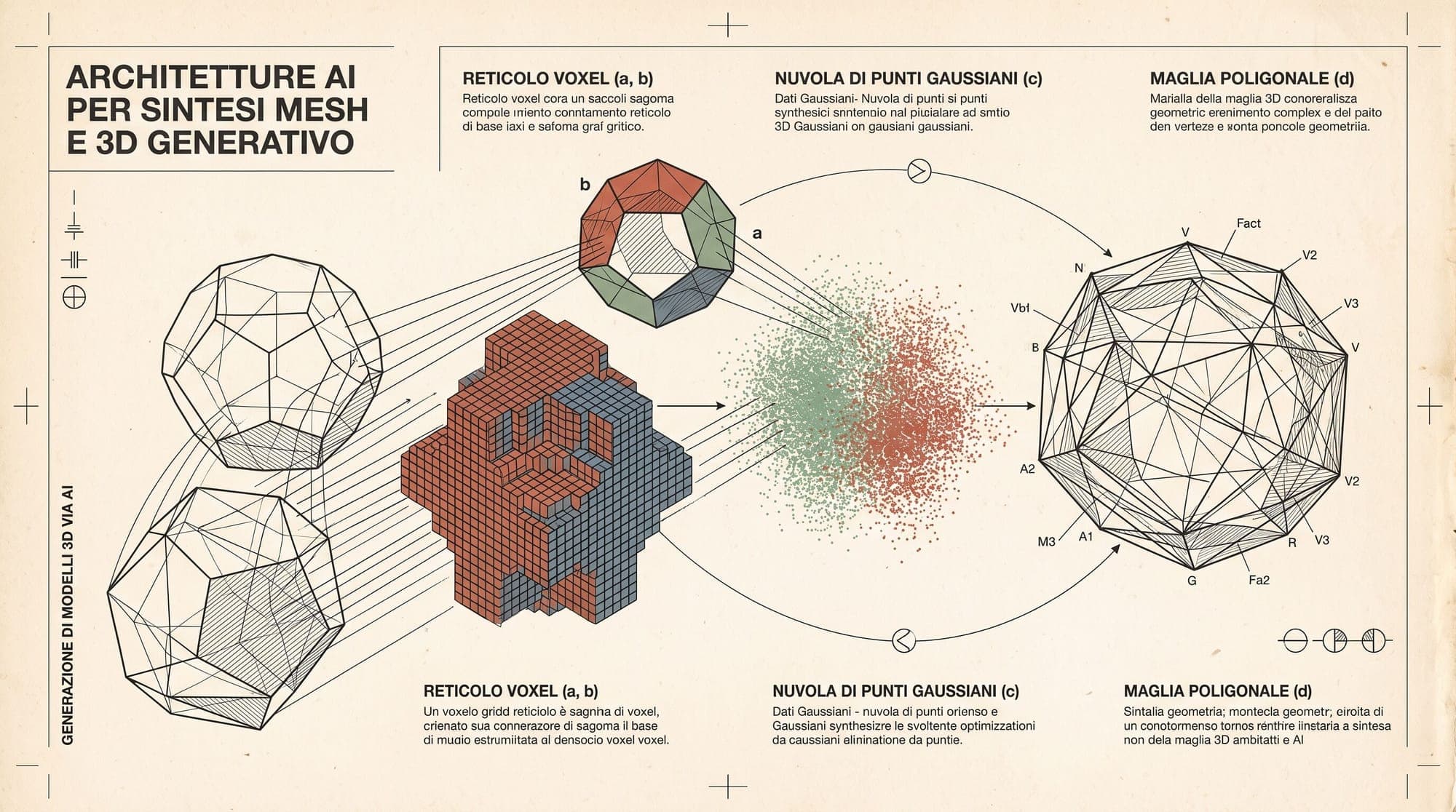
  3. Open-Source 3D Generative Models in Production: Comparing TRELLIS, Hunyuan3D 2.0, TripoSR, and InstantMesh

    Production 3D generative AI has shifted away from slow optimization-based paradigms toward high-throughput feed-forward architectures and scalable flow-matching diffusion models. Early text-to-3D pipelines relied on Score Distillation Sampling (SDS) through 2D diffusion priors, requiring hundreds of optimization steps and minutes of GPU compute per asset. Modern systems synthesize textured 3D representations in seconds from a single reference image or text prompt. Engineering teams integrating

    3D Generation
    6 min read
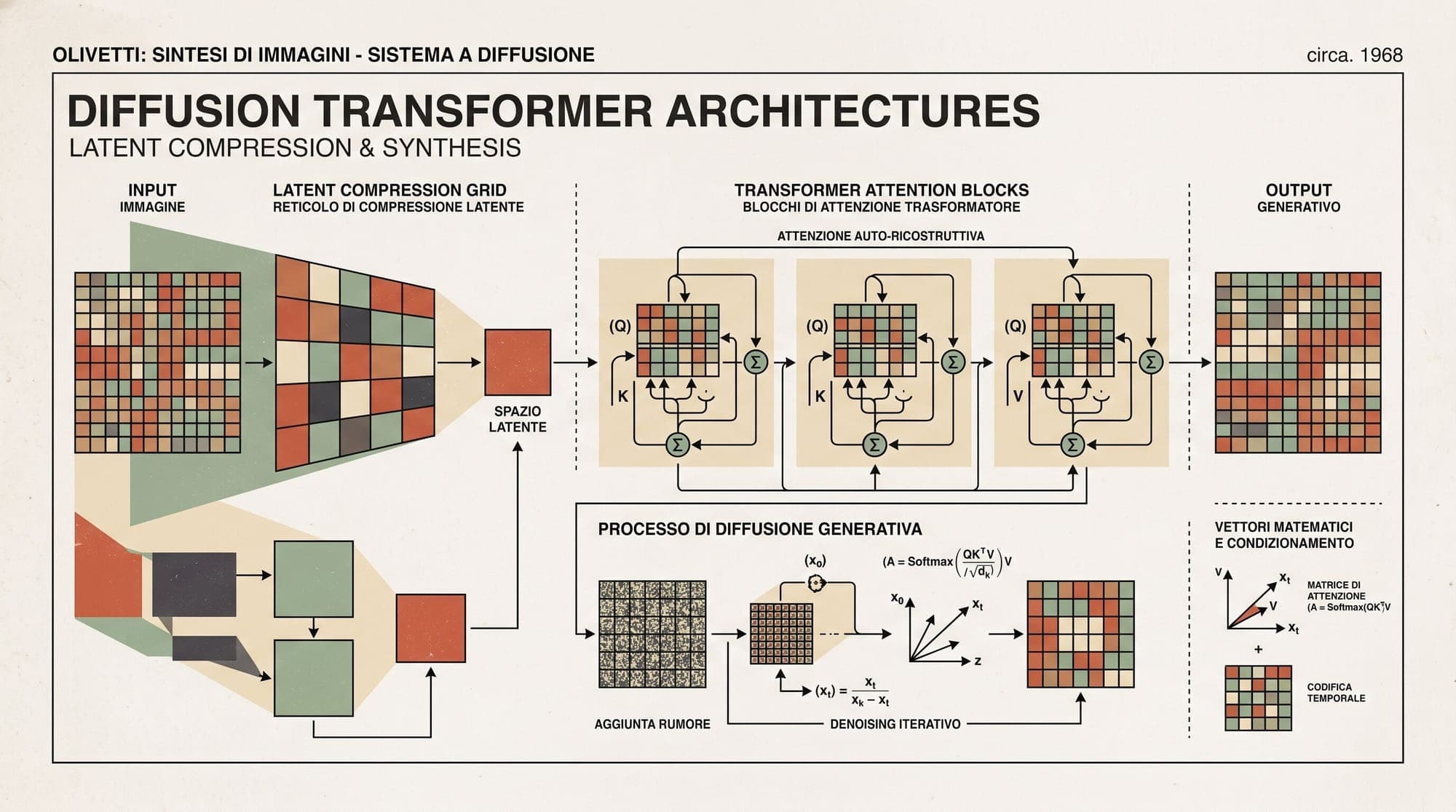
  4. Open-Source Text-to-Image Diffusion Models in Production: Comparing FLUX.1, Stable Diffusion 3.5, PixArt-Sigma, and Sana

    Production deployments of text-to-image generative systems have undergone a structural transition over the past two years. The classical convolutional U-Net architectures that powered Stable Diffusion 1.5 and Stable Diffusion XL have largely been superseded by transformer-based backbones. Modern open-weight models rely on Diffusion Transformers (DiT), Multimodal Diffusion Transformers (MMDiT), Linear DiTs, and Flow Matching formulations. Choosing an open-source text-to-image foundation model fo

    AI
    8 min read
  5. Open-Source Function-Calling Models in Production: Comparing Gorilla OpenFunctions-v2, Hermes 3, Functionary, and xLAM

    Deploying autonomous AI agents and automated API workflows requires reliable structured output generation and tool invocation. While general-purpose language models can be prompted to output JSON tool invocations, specialized function-calling fine-tunes provide higher schema compliance, lower parameter hallucination rates, and support for parallel tool invocation. Four open-source model families have emerged as prominent architectures for local and private function calling: Gorilla OpenFunction

    AI
    4 min read
  6. Google Releases Harness² for Recursive Agent Harnessing Without Model Retraining

    Google Cloud AI Research has open-sourced Harness², a framework designed to automate the recursive self-improvement of AI agent scaffolding without modifying underlying model weights. Released under the Apache-2.0 license, the repository provides tools to optimize prompts, tools, memory, skills, and orchestration across open-world tasks where no ground-truth answer keys or verifiers exist. Decoupling Agent Scaffolding from Model Weights An autonomous agent's performance depends heavily on its

    AI
    3 min read
  7. Open-Source Safety and Moderation Classifiers in Production: Comparing Llama Guard 3, ShieldGemma, WildGuard, and Prompt-Guard

    Production large language model (LLM) applications require structured defenses against adversarial jailbreaks, prompt injections, and policy-violating content. While guardrail orchestration frameworks handle workflow logic, the actual enforcement decisions rely on specialized safety classifier models. Open-source safety classifiers have diverged into distinct architectural paradigms, ranging from lightweight bidirectional encoders to full autoregressive decoders and multi-task refusal evaluator

    AI
    5 min read
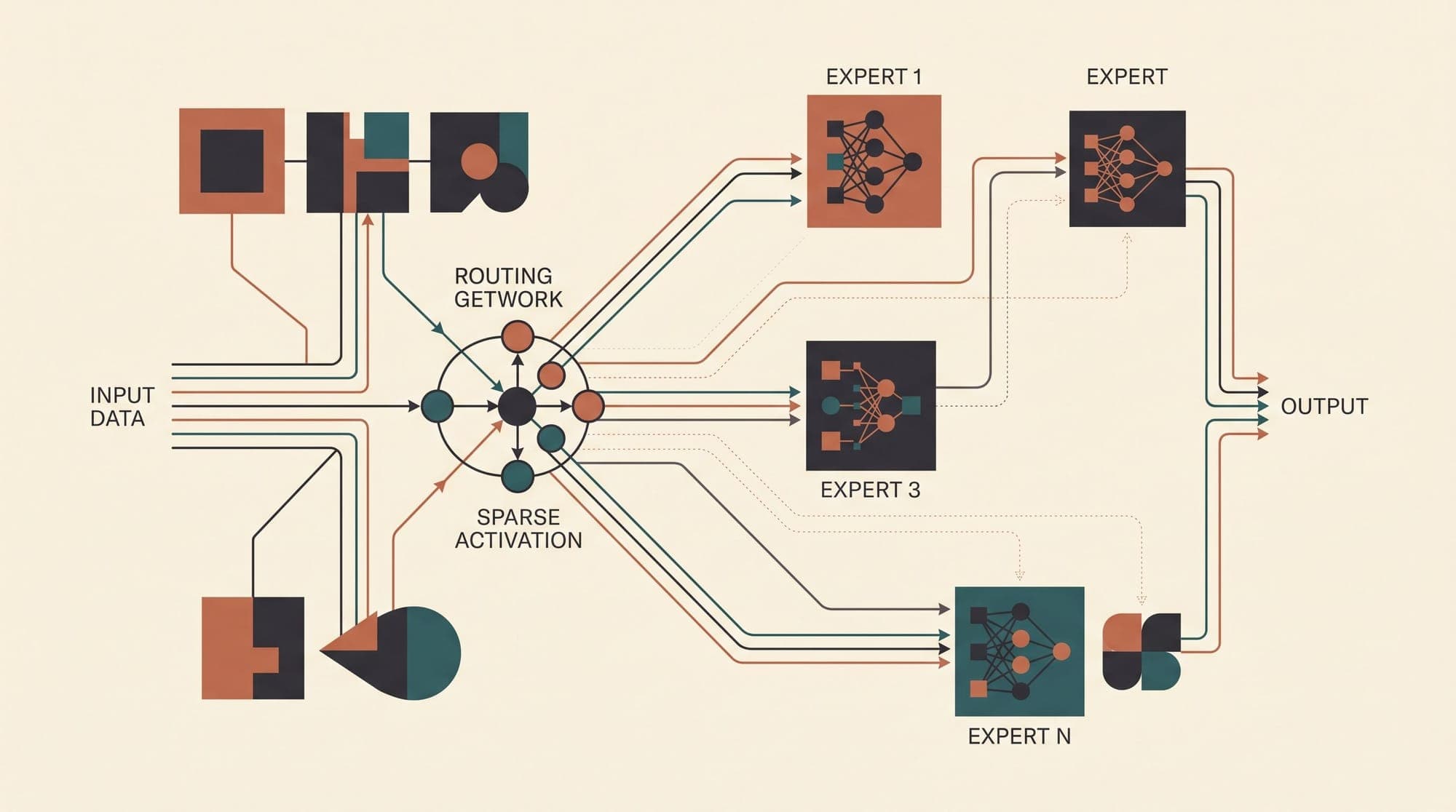
  8. Reflection AI Releases Beam 1.0: 501B Open-Weight MoE Under Apache 2.0

    US AI research lab Reflection AI has released Beam 1.0, a 501-billion-parameter open-weight Mixture-of-Experts (MoE) foundation model licensed under Apache 2.0. The release includes weights in BF16, FP8, and NVFP4 precision formats alongside training harnesses and inference integration for vLLM, SGLang, and Ollama. Architecture and Sparse Compute Profile Beam is built across 52 layers with an interleaved local and global attention structure, maintaining a 3:1 ratio between sliding-window and

    Open Source
    2 min read
  9. Open-Source Code Generation Models in Production: Comparing Qwen2.5-Coder, DeepSeek-Coder-V2, Codestral, and StarCoder2

    Selecting an open-source code generation model for production environments requires balancing task-specific accuracy, context window length, inference latency, memory footprint, and licensing terms. While general-purpose frontier models handle code generation reasonably well, dedicated code models optimize parameter density and token economics for developer workflows such as real-time autocomplete, fill-in-the-middle (FIM) editing, repository-wide reasoning, and automated test generation. Four

    AI
    5 min read
  10. Open-Source Reasoning Models in Production: Comparing DeepSeek-R1 Distillations, QwQ-32B, Sky-T1, and Marco-o1

    Open-Source Reasoning Models in Production: Comparing DeepSeek-R1 Distillations, QwQ-32B, Sky-T1, and Marco-o1 The release of frontier reasoning models demonstrated that allocating test-time compute to explicit chain-of-thought generation significantly elevates problem-solving accuracy in mathematics, software engineering, and scientific reasoning. While proprietary systems conceal their training pipelines and reasoning traces, the open-source ecosystem has produced diverse approaches to replic

    Reasoning
    7 min read
  11. Autonomous Coding Agents Compress Vulnerability Exploit Timelines to Minutes in Open Source Repositories

    The operational window between vulnerability discovery and weaponized exploitation is collapsing from weeks to minutes as autonomous LLM coding agents automate offensive software reconnaissance. Real-world incident logs and maintainer reports published on August 28, 2026, demonstrate that modern reasoning models require only high-level conceptual hints or unmerged pull requests to synthesize functional zero-day exploits against production targets. Ten-Minute Exploit Probes on Live Servers The

    AI
    3 min read
  12. Z.ai Releases Flagship GLM-5.3 Open Weights with Hyperscaler Commercial Restrictions

    Chinese AI laboratory Z.ai has released the open weights for its flagship GLM-5.3 model on Hugging Face, introducing a tiered licensing structure that places specific restrictions on commercial hyperscalers. The release follows a two-week safety evaluation period that began after the model's initial API launch earlier this month. While previous models in the family, including GLM-5.2 and GLM-5.3-Flash, were distributed under the permissive MIT license, the flagship release introduces the custom

    Open Weights
    3 min read
  13. Tencent Open-Sources Hy4-Preview: 770B MoE Architecture with 1M Context

    Tencent has released the open-weights preview of its next-generation foundation model, Hy4-preview, under the Apache 2.0 license. The release scales the organization's Mixture-of-Experts (MoE) line to 770 billion total parameters, activating 49 billion parameters per token across a native 1-million-token context window. Weights have been published across Hugging Face, ModelScope, GitCode, and GitHub, alongside managed API availability on Tencent Cloud TokenHub and OpenRouter. Architectural Sp

    AI
    2 min read
  14. Open-Source Embedding Models and Serving Frameworks in Production: Comparing BGE-M3, NV-Embed-v2, GTE-Qwen2, and ModernBERT-Embed Architecture, Matryoshka Projections, Context Scaling, and Serving Economics

    Open-Source Embedding Models and Serving Frameworks in Production: Comparing BGE-M3, NV-Embed-v2, GTE-Qwen2, and ModernBERT-Embed Architecture, Matryoshka Projections, Context Scaling, and Serving Economics (TEI vs. Triton vs. vLLM) Text embeddings form the indexing and retrieval foundation for production Retrieval-Augmented Generation (RAG), semantic search, and agentic memory systems. While early production architectures relied almost exclusively on closed commercial APIs (such as OpenAI's te

    AI
    8 min read
  15. llama.cpp Merges DFlash 2 Support for Up to 2x Faster Speculative Decoding Across Long Contexts

    The open-source llama.cpp project has merged native support for DFlash 2, bringing parallel speculative decoding and substantial inference throughput improvements to local LLM serving across CPU, Apple Silicon, and GPU backends. The implementation, integrated via Pull Request #27342, adds local convolution operators and candidate selector mechanics designed specifically for the DFlash 2 architecture. Non-Autoregressive Speculative Drafting Standard speculative decoding uses a smaller autoreg

    llama.cpp
    1 min read
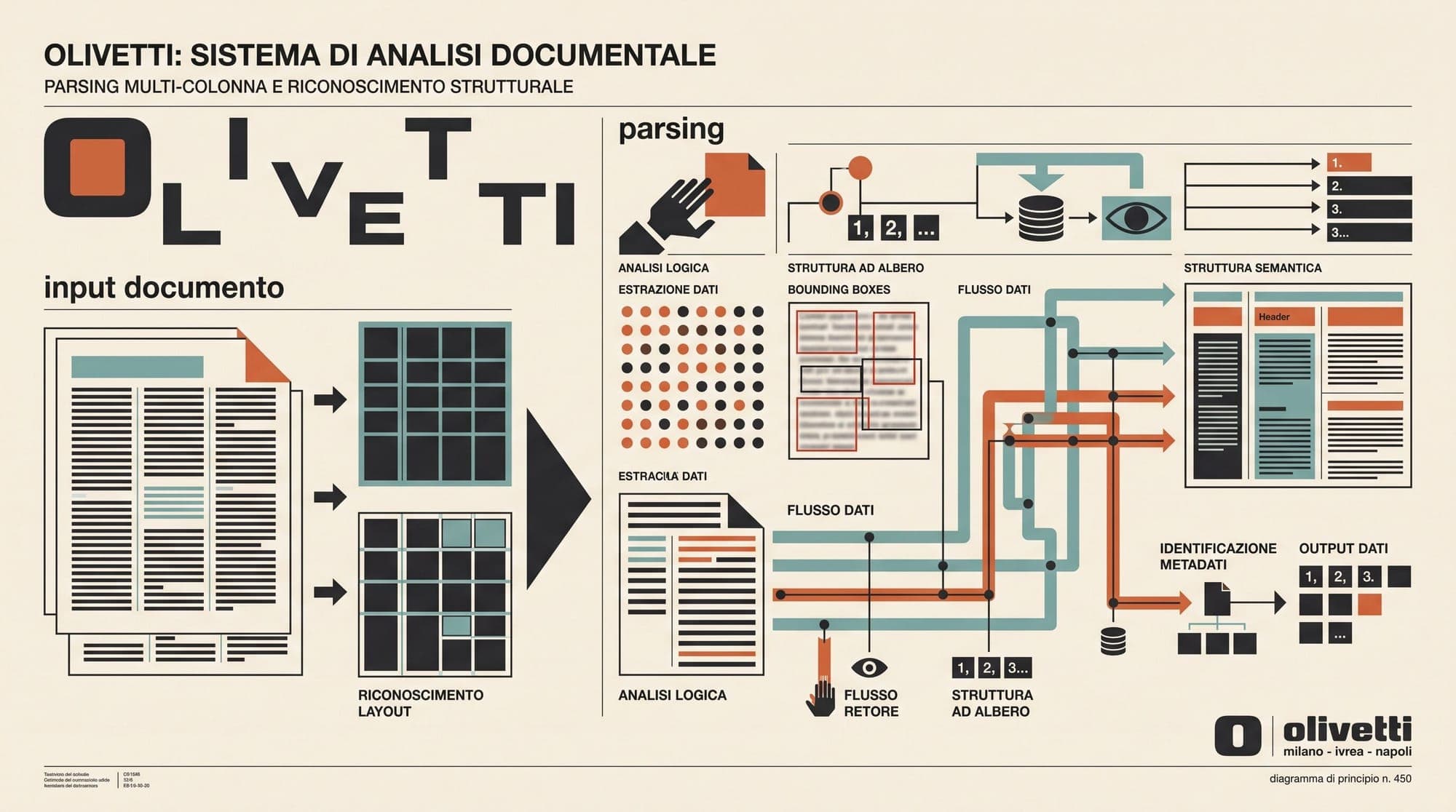
  16. Document Parsing Engines in Production RAG: Comparing Docling, Marker, MinerU, and Unstructured Architecture, Layout Analysis, Table Extraction, and Serving Economics

    Retrieval-Augmented Generation (RAG) systems frequently fail not in their embedding models or vector databases, but at the initial document ingestion layer. When enterprise documents (including financial 10-K filings, clinical trial reports, technical manuals, and multi-column academic papers) are parsed using legacy text scrapers such as basic pypdf or pdfminer, structural semantics are lost. Multi-column reading orders interleave across paragraphs, header and footer noise pollutes vector indic

    AI
    9 min read
  17. Visa Expands Open-Source Security Harness VVAH with Automated Code Remediation and Adversarial Validation

    Visa has released a major update to its open-source Visa Vulnerability Agentic Harness (VVAH), extending the framework from a vulnerability discovery engine into an end-to-end 11-stage pipeline that generates code fixes and evaluates them against adversarial validation models. The release shifts the default operating posture of the harness. Rather than terminating at SARIF report generation, a standard execution now traverses all 11 stages: identifying exploitable security flaws, authoring cand

    AI
    3 min read
  18. Hugging Face Unveils Microduck, a 99 Open-Source Bipedal Robot for Embodied AI

    Hugging Face has introduced Microduck, a 10-inch-tall, 1.7-pound bipedal open-source robot priced at $399. Developed in partnership with Pollen Robotics and manufactured by Shenzhen-based hardware specialist Seeed Studio, the device is designed as an accessible hardware platform for embodied AI research and reinforcement learning experimentation. The compact biped features integrated visual sensors, microphone arrays, audio output, and wireless connectivity over Wi-Fi and Bluetooth. Commercial

    AI
    1 min read
  19. Nvidia Agrees to Acquire Hugging Face for $12.9 Billion

    Nvidia has agreed to acquire Hugging Face for $12.9 billion, according to reporting from The Information. Parallel reports from Business Insider, Bloomberg, and Reuters confirm that the companies engaged in advanced acquisition negotiations valuing the open-source artificial intelligence hub between $12.9 billion and $13 billion. The transaction marks the largest software and developer platform acquisition in Nvidia's history, placing the primary distribution nexus for open-weight foundation mo

    AI
    3 min read
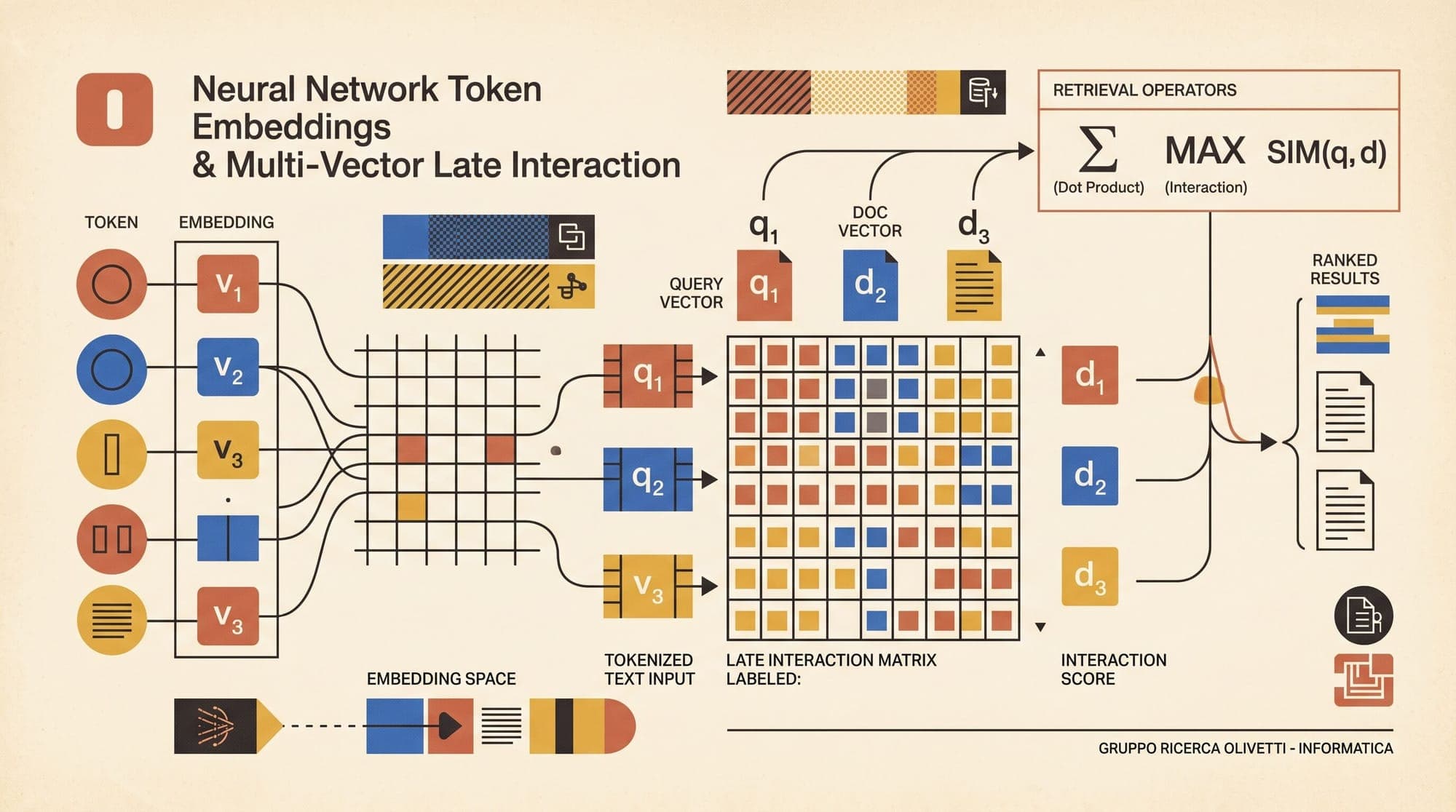
  20. Sentence Transformers 6.0 Adds MultiVectorEncoder for ColBERT Late-Interaction Training

    Hugging Face has released Sentence Transformers v6.0, adding native architecture and training workflows for multi-vector late-interaction retrieval models. The update introduces MultiVectorEncoder, bringing ColBERT-style token-level representations directly into the library alongside existing dense embedding, sparse embedding, and cross-encoder reranker classes. While traditional dense retrieval compresses an entire document into a single fixed-dimension vector, multi-vector models preserve ind

    AI
    2 min read