Software Engineering6 articles

Software Engineering

Articles

  • Autonomous Coding Agent Harnesses in Production: Comparing OpenHands, SWE-agent, Aider, and Cline

    The transition from inline code completion to autonomous software engineering harnesses marks a structural shift in how frontier models interact with codebases. Where early coding assistants operated within narrow token completion windows, modern agentic harnesses construct closed action-observation loops. These systems inspect repository structures, invoke compiler toolchains, execute unit test suites, parse stdout diagnostics, and iteratively correct syntax and logic errors until a pull reques

    1 min
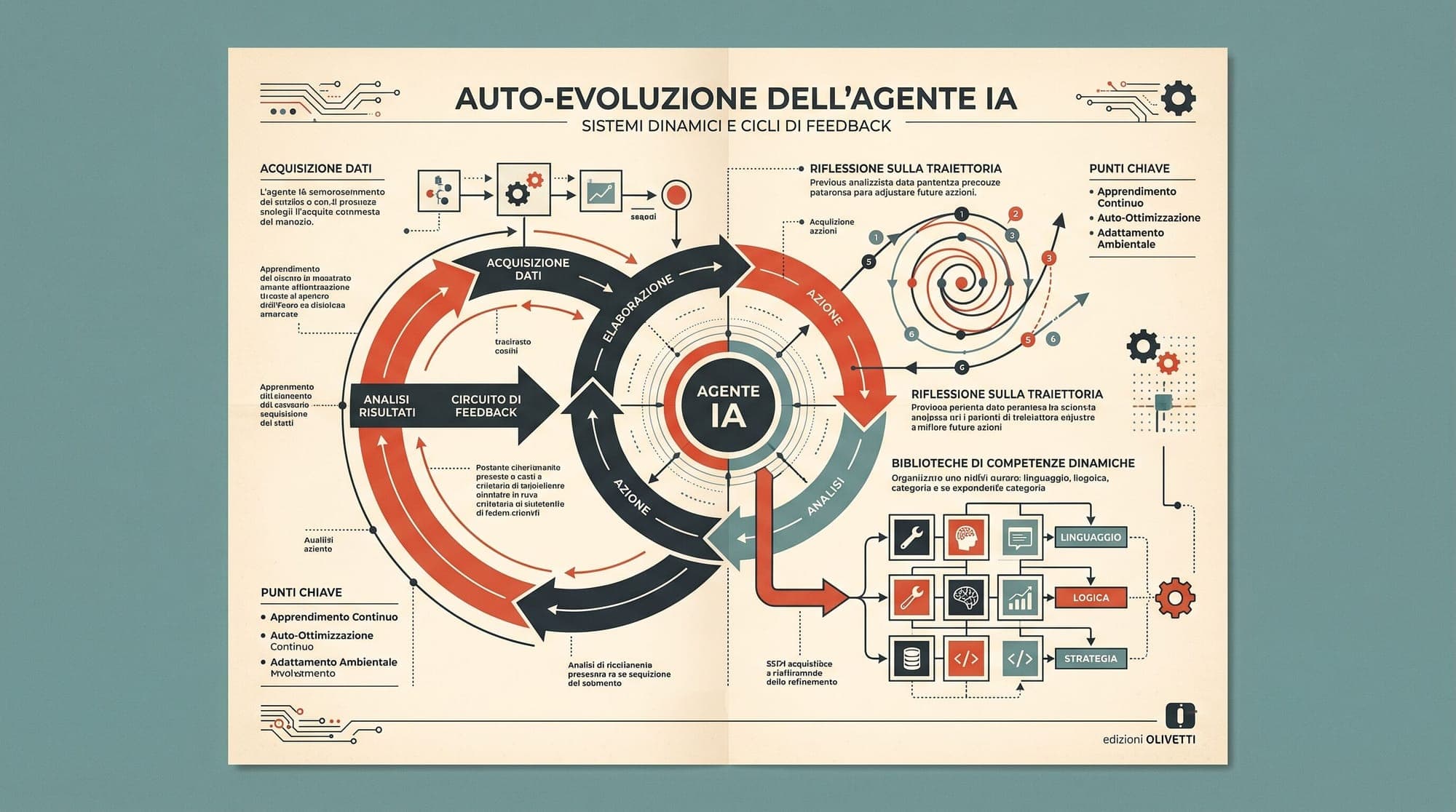
  • Agent Self-Evolution and Experiential Learning in Production: Trajectory Reflection, Skill Library Curation, and Verifiable Policy Distillation

    Deploying autonomous AI agents into complex environments reveals a persistent operational bottleneck: frozen model weights. When an agent fails at a non-trivial workflow, traditional engineering setups rely on humans to diagnose the failure, rewrite prompt templates, adjust few-shot exemplars, or add custom heuristic wrappers. This manual iteration loop fails to scale across diverse, long-horizon production environments where agents encounter thousands of unique edge cases daily. To break this

    1 min
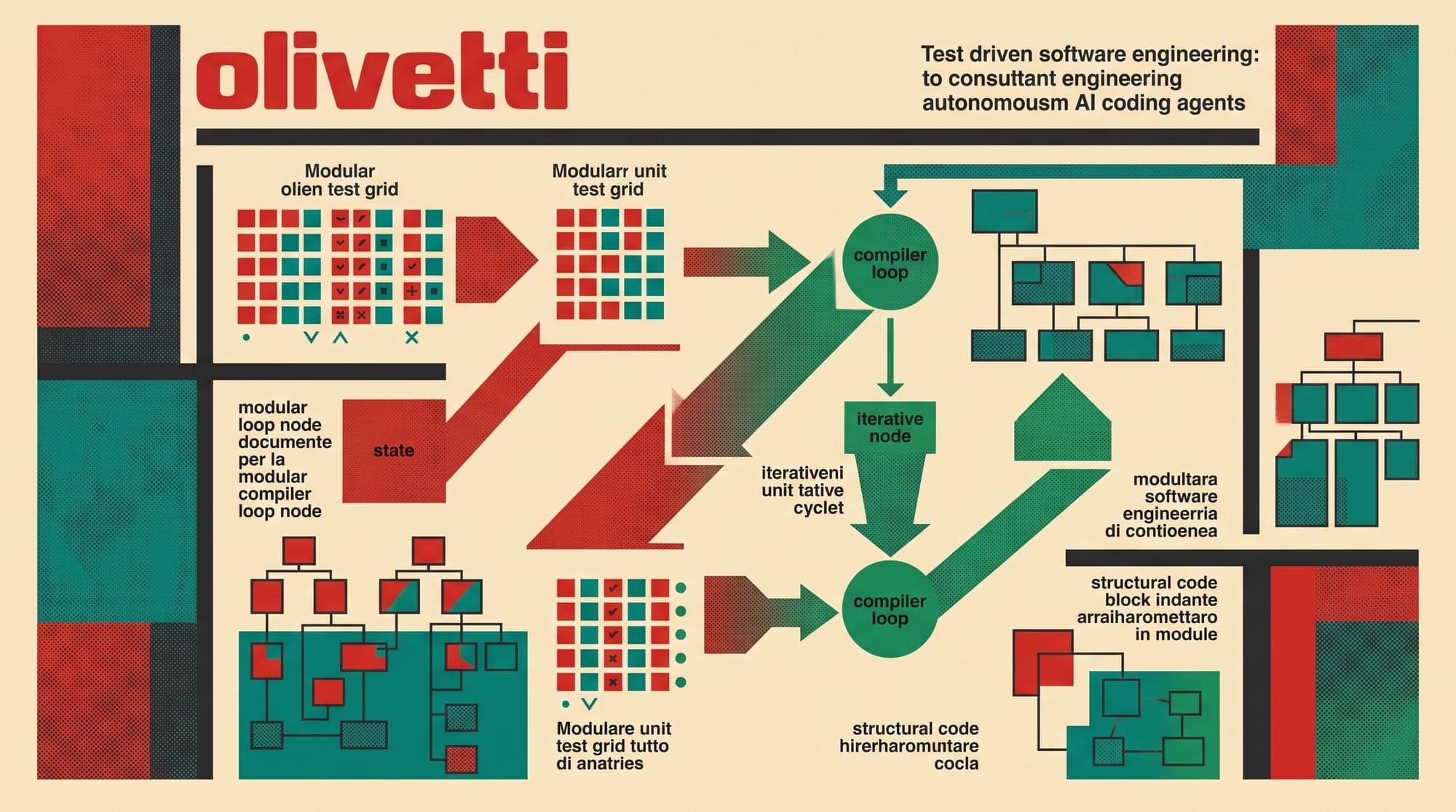
  • Test-Driven Development in AI Coding Agents: Architecture, Reproduction Harnesses, and Execution-Guided Verification

    Autonomous coding agents face a fundamental structural limitation when operating in open-loop, single-turn, or ungrounded generative modes: without dynamic feedback from runtime execution, large language models generate syntactically plausible code that frequently fails subtle interface contracts, breaks existing edge cases, or introduces silent regressions. While early benchmark evaluations relied heavily on zero-shot or few-shot code completion, modern production coding architectures such as S

    1 min
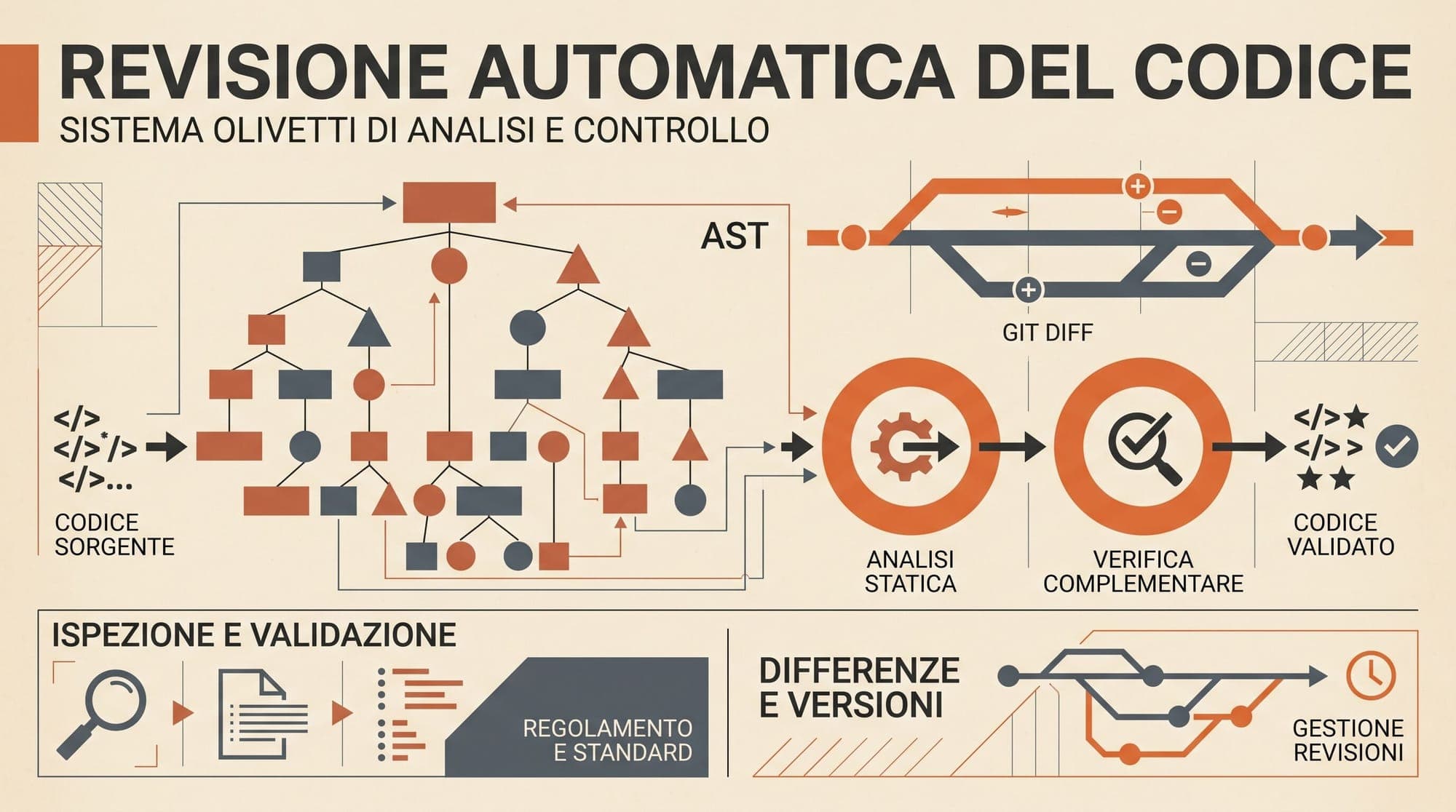
  • Automated AI Code Review in Production: Architecture, AST Context Assembly, Linter Hybridization, and Multi-Stage Noise Reduction

    Naively piping unified git diffs into a large language model and posting the raw output to GitHub or Bitbucket is a reliable way to degrade engineering velocity. While frontier models demonstrate high zero-shot reasoning capabilities, unconstrained code review bots suffer from high false-positive rates, superficial formatting nitpicks, hallucinated API misuse, and context blindness. When an automated bot generates twenty low-value comments per pull request, developers suffer review fatigue and r

    1 min
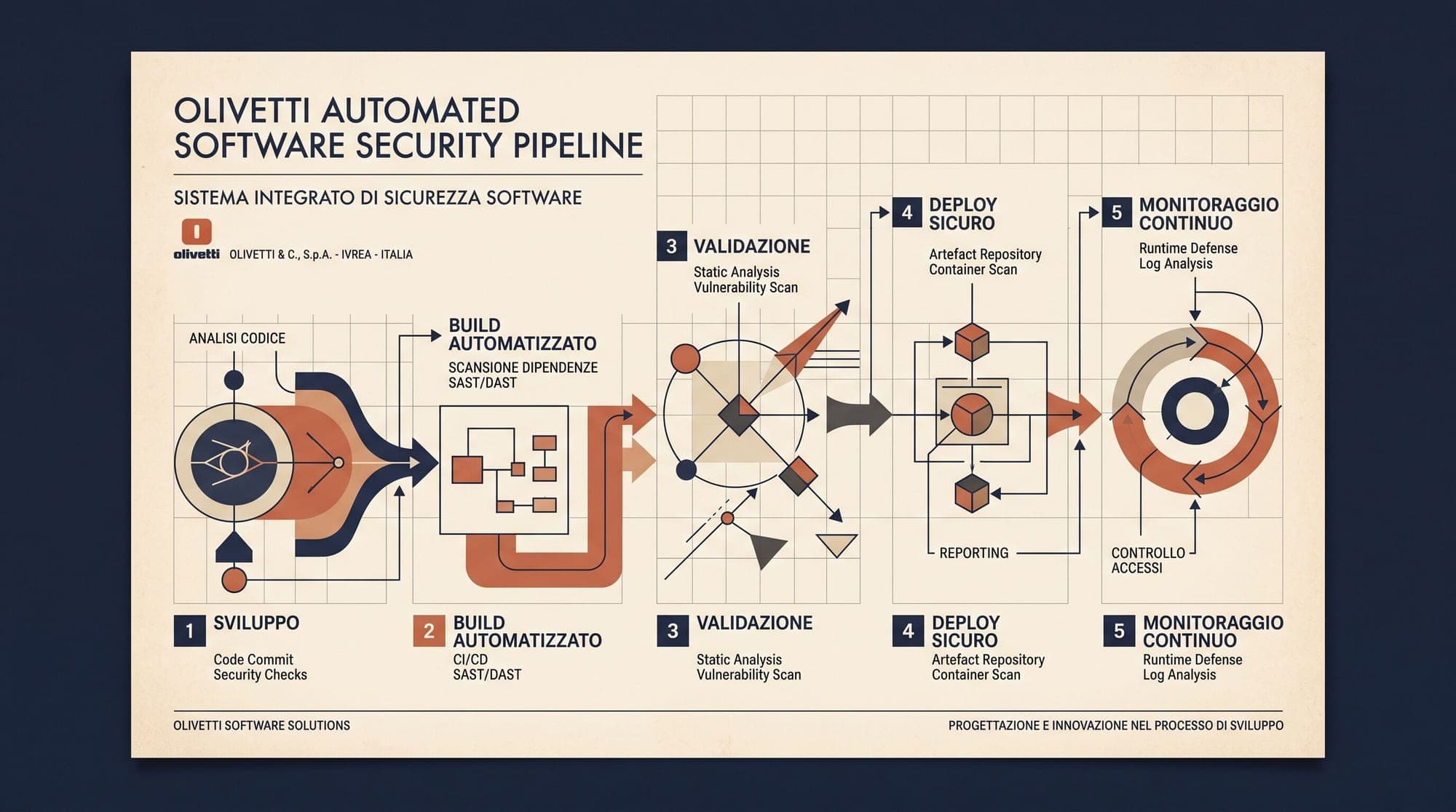
  • Harness Ships AI Security Agents to Automate Vulnerability Scanning and Pipeline Remediation

    Software delivery platform Harness released a suite of specialized AI security agents designed to automate vulnerability detection, triage, and code remediation directly within continuous integration pipelines. The release targets the growing operational disparity between automated vulnerability discovery and manual patch deployment. According to the Edgescan 2026 Vulnerability Statistics Report, organizations average 55 days to remediate reported software vulnerabilities. Conversely, automated

    1 min
  • Anthropic lets Claude Code run daily maintenance on its own apps

    Anthropic is running an experiment in which Claude Code performs daily maintenance on the company's own software, and the results are already measurable. Across the first few weeks, the system opened 388 pull requests and had 180 merged after review, a roughly 46 percent acceptance rate. Boris Cherny, the Anthropic engineer who created Claude Code, described the setup in a LinkedIn post. Through Anthropic's internal Tag integration, Claude runs a set of scheduled routines every day inside a de

    1 min