Subscribe
Topic / page 8

Infrastructure

Articles, page 8

141-155
  1. Cerebras Unveils CS-4 Rack-Scale System Powered by Three WSE-3 Turbo Chips and Nexus Architecture

    Cerebras Unveils CS-4 Rack-Scale System Powered by Three WSE-3 Turbo Chips and Nexus Architecture Cerebras Systems has announced the CS-4, a rack-scale AI accelerator system designed around three of its next-generation Wafer Scale Engine 3 Turbo (WSE-3 Turbo) chips and a modular hardware architecture dubbed Nexus. Cerebras confirmed that initial customer shipments for the CS-4 are scheduled to begin in the current quarter. The new system marks a structural shift from Cerebras's single-wafer CS

    Hardware
    2 min read
  2. Self-Hosted Embedding and Reranking Serving in Production: TEI vs. Infinity vs. vLLM Architecture, Dynamic Batching, and Serving Economics

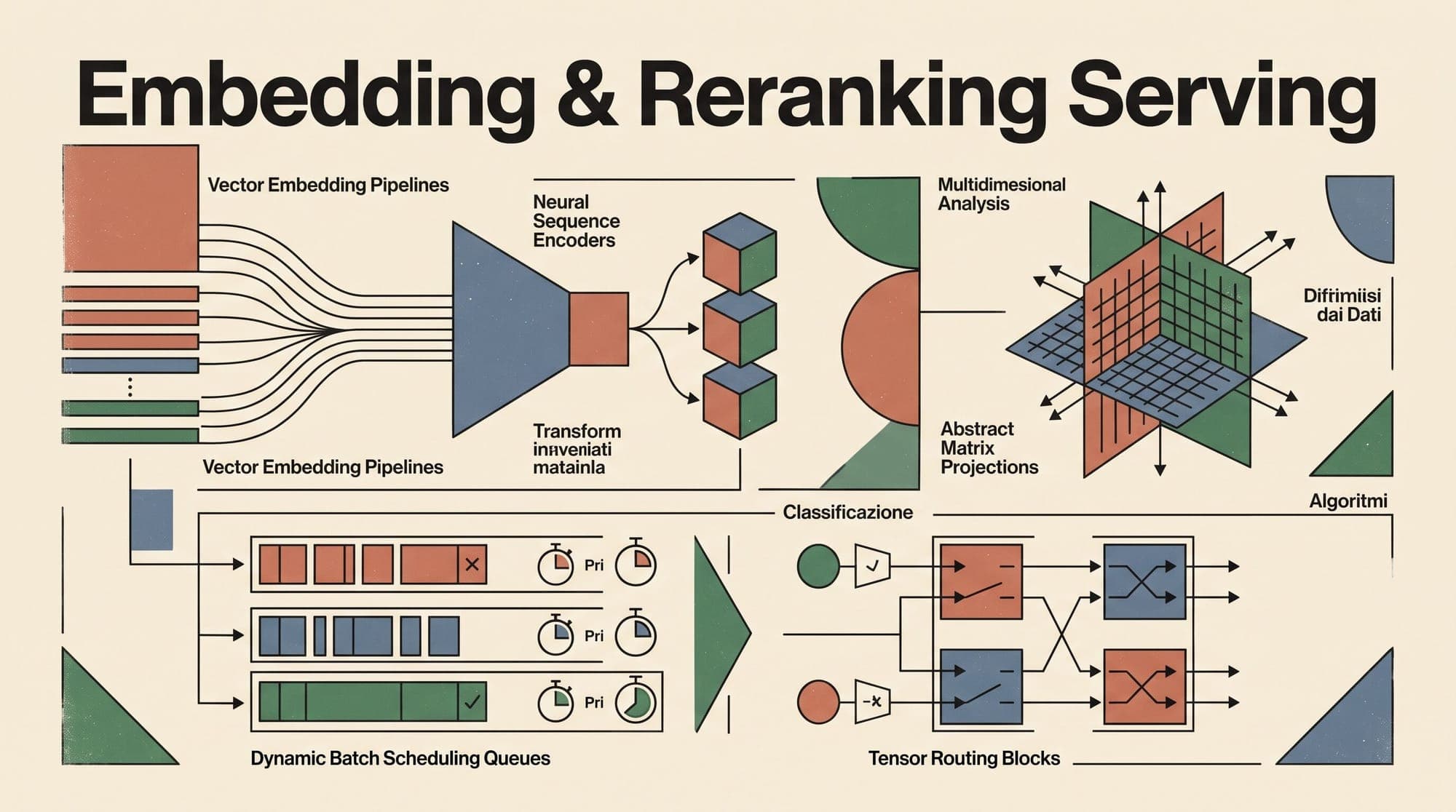
    While generative large language models dominate inference infrastructure discussions, vector embeddings and cross-encoder rerankers handle order-of-magnitude higher request volumes in production retrieval-augmented generation (RAG) and search pipelines. Serving embedding and reranking models presents fundamentally different computational characteristics than auto-regressive text generation. Without auto-regressive token generation loops or key-value (KV) cache state management, the primary engin

    AI
    5 min read
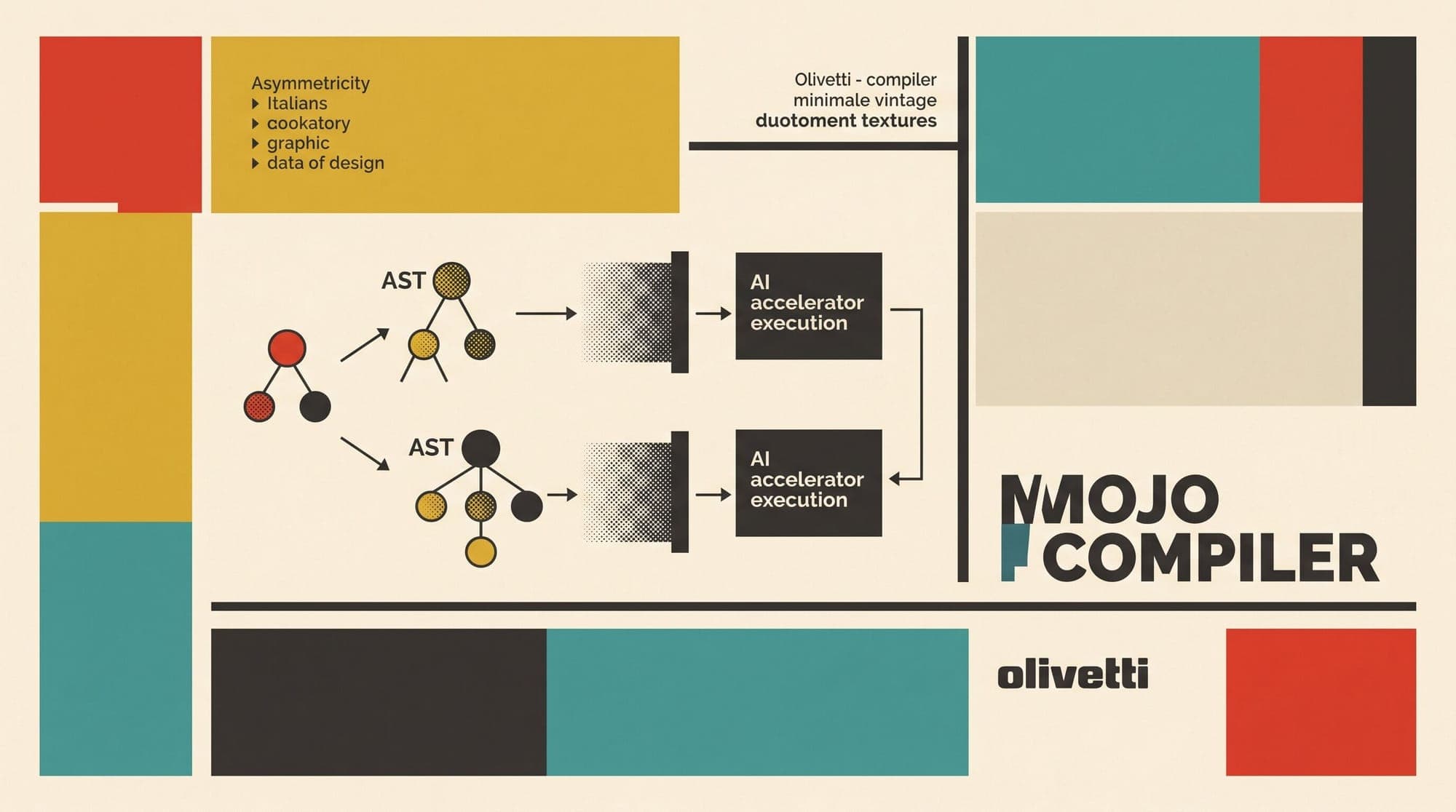
  3. Modular Open-Sources Mojo Language Compiler and Toolchain Under Apache 2.0

    Modular Open-Sources Mojo Language Compiler and Toolchain Under Apache 2.0 Modular has released the complete source code for the Mojo programming language compiler, standard tooling, and runtime infrastructure under the Apache 2.0 license with LLVM exceptions. The announcement, delivered on August 18, 2026 during the company's ModCon developer conference, fulfills a multi-year roadmap commitment to transition the systems programming language to a fully open development model. The compiler sour

    AI
    2 min read
  4. Velaura AI Raises $110M Series A at $1B Valuation for Low-Power AI Silicon

    Velaura AI Raises $110M Series A at $1B Valuation for Low-Power AI Silicon Velaura AI has closed a $110 million Series A funding round at a valuation exceeding $1 billion. The financing was led by Seligman Ventures, with participation from Capricorn Investment Group alongside existing backers including Samsung Catalyst Fund, StepStone Group, Maverick Silicon, Celesta Capital, and Mayfield. The capital will fund the commercialization and deployment of Velaura's silicon IP and physical design te

    AI
    3 min read
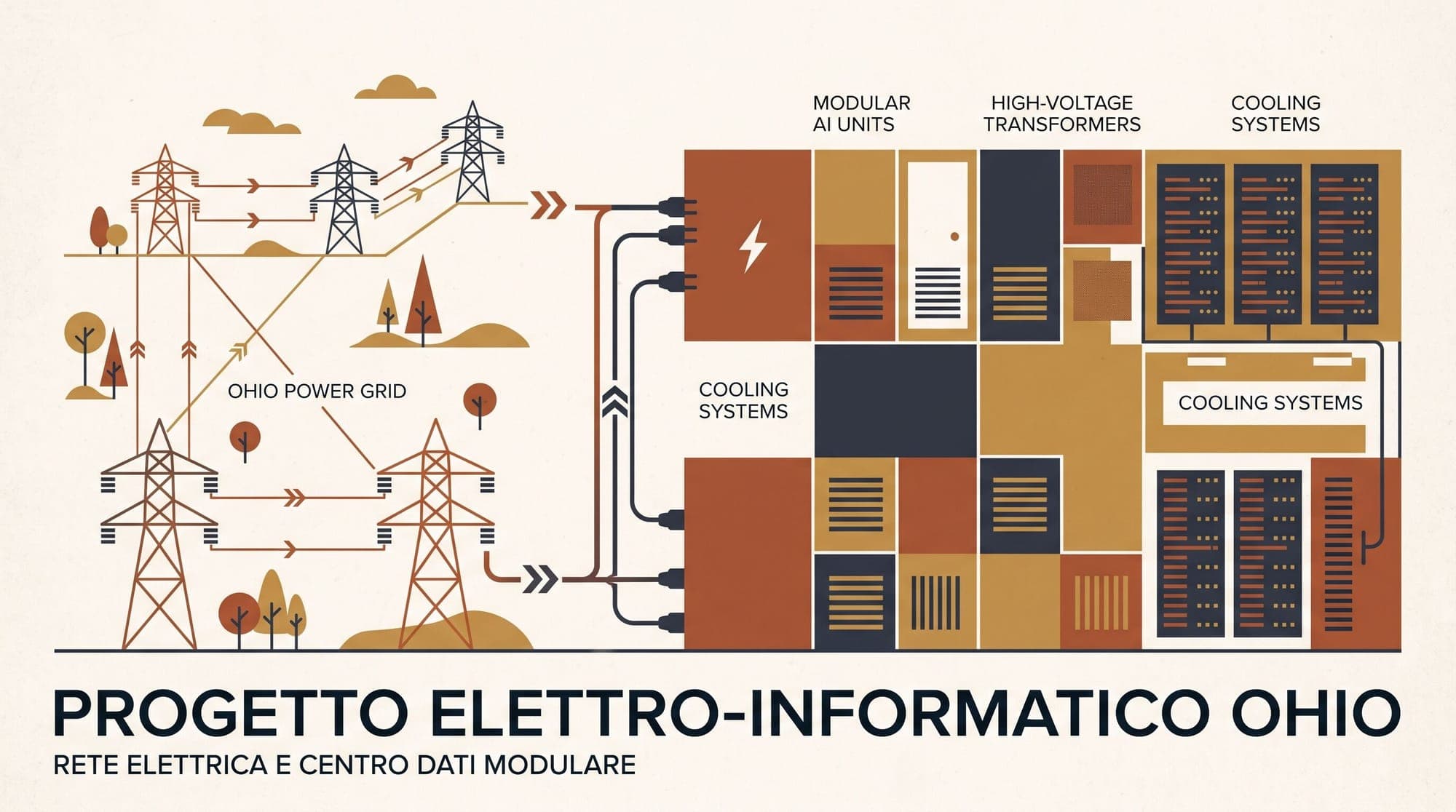
  5. OpenAI Signs 20-Year Lease for Multi-Gigawatt Ohio AI Campus with Nvidia Backstop

    OpenAI has signed a 20-year lease agreement to anchor a multi-gigawatt AI data center campus in Pike County, Ohio, developed by SoftBank subsidiary SB Energy. Under the tripartite agreement, Nvidia will serve as the exclusive compute infrastructure provider and supply financial guarantees covering the site's land, power, and shell development. The facility, designated the PORTS-Pike Technology Campus, is designed to support an initial 4.25 gigawatts of information technology load (IT-GW) dedica

    AI
    2 min read
  6. Nvidia and Amazon channel billions into AI power infrastructure

    Nvidia and Amazon are putting serious money into the power generation needed to keep AI data centers running, with two separate deals announced this week that underscore how energy has become a bottleneck for the industry. Nvidia is investing up to $3 billion in Lancium, the power infrastructure developer behind the OpenAI and Oracle data center in Texas, according to The Information. A roughly $2 billion stake would give Nvidia about 20 percent of the company, which is valued at around $10 bil

    Infrastructure
    2 min read
  7. Amazon Data Center Could Be Powered by One of the Nation's Most Polluting Power Plants

    Amazon is investing in a new natural-gas power plant in Pecos County, Texas, to supply a West Texas data center, and the project holds a permit that would allow it to emit more carbon dioxide than any coal plant in the country, according to The Verge and the New York Times. The plant, tracked as GW Ranch by Cleanview, a service that monitors data center power projects, would deploy 35 natural-gas turbines generating about 7.65 gigawatts. At least initially, the plant would not connect to

    Amazon
    1 min read
  8. SK hynix commits $39 billion to two new fabs as AI memory demand reshapes its roadmap

    SK hynix's board has approved 54 trillion won (about $39 billion) to build two new memory fabrication plants, the company announced on August 7, 2026, turning the first two arms of a much larger investment plan into funded construction schedules. The larger project, Y2, is the second fab at the Yongin Semiconductor Cluster. At 35.2 trillion won it is a DRAM plant of roughly 1.13 million square meters, with ground breaking set for July 2027 and its first cleanroom opening in June 2029 to produce

    SK hynix
    2 min read
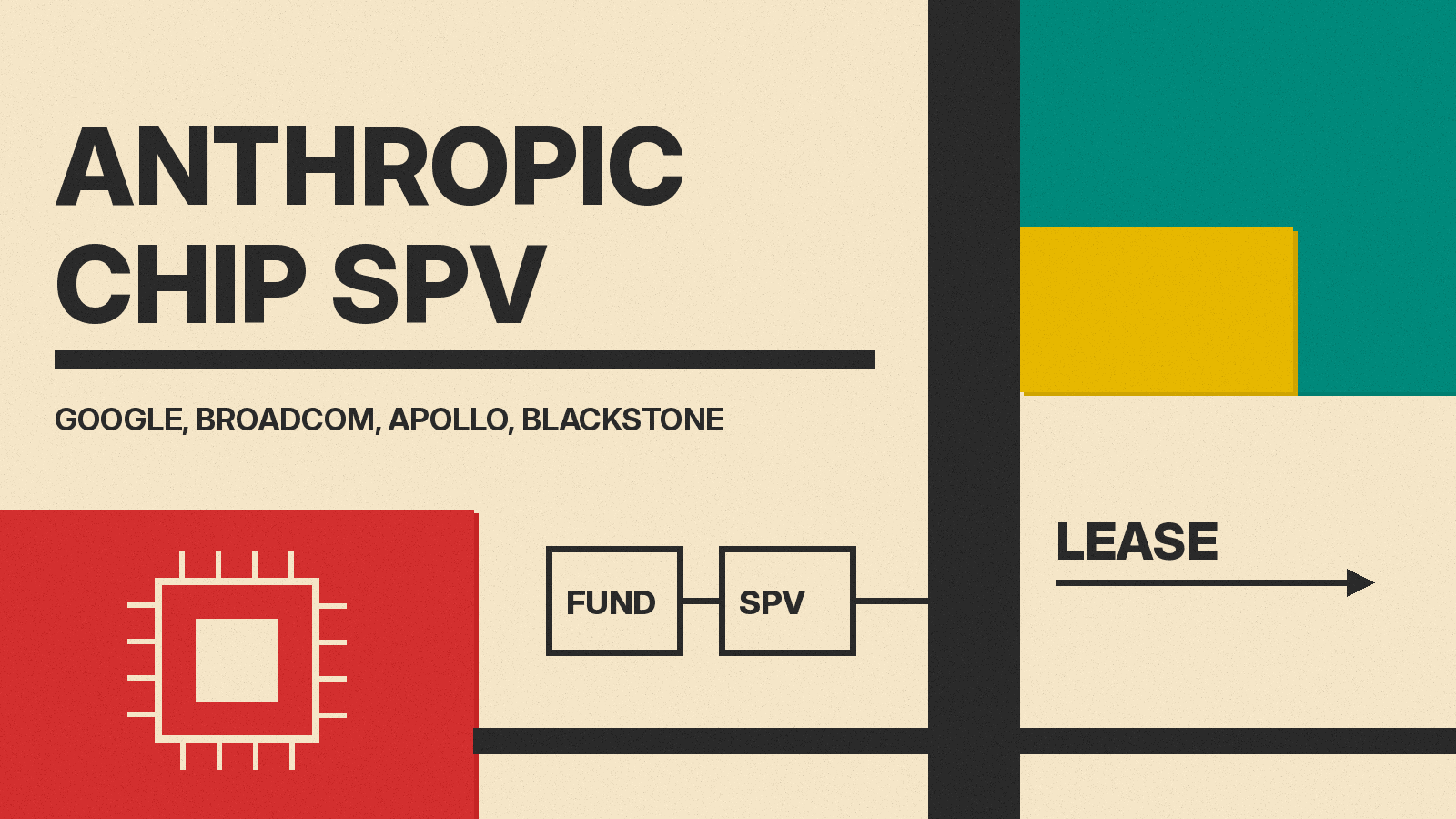
  9. Anthropic assembles in-house chip design team for Claude

    Anthropic assembles in-house chip design team for Claude Anthropic confirmed on August 5 that it is building an internal team to design custom silicon for its Claude AI models, joining a growing list of AI labs that have concluded off-the-shelf chips are no longer sufficient for the scale they need. The company is recruiting engineers with chip design experience for what it calls a "custom silicon team," according to a job listing. The group will co-design hardware and AI models in tandem, aim

    Anthropic
    2 min read
  10. NSF Commits $100 Million to Regional AI Infrastructure Hubs

    The U.S. National Science Foundation launched a $100 million program on August 4 to build state and regional AI infrastructure hubs, with NVIDIA, AMD, Intel, and Dell Technologies among the private-sector partners. The NSF State and Regional Artificial Intelligence Infrastructure Hubs program will fund up to 10 regional consortia that pool compute, data, and expertise for researchers, students, and educators who currently lack access to AI-scale computing resources. Public-private cost

    AI
    2 min read
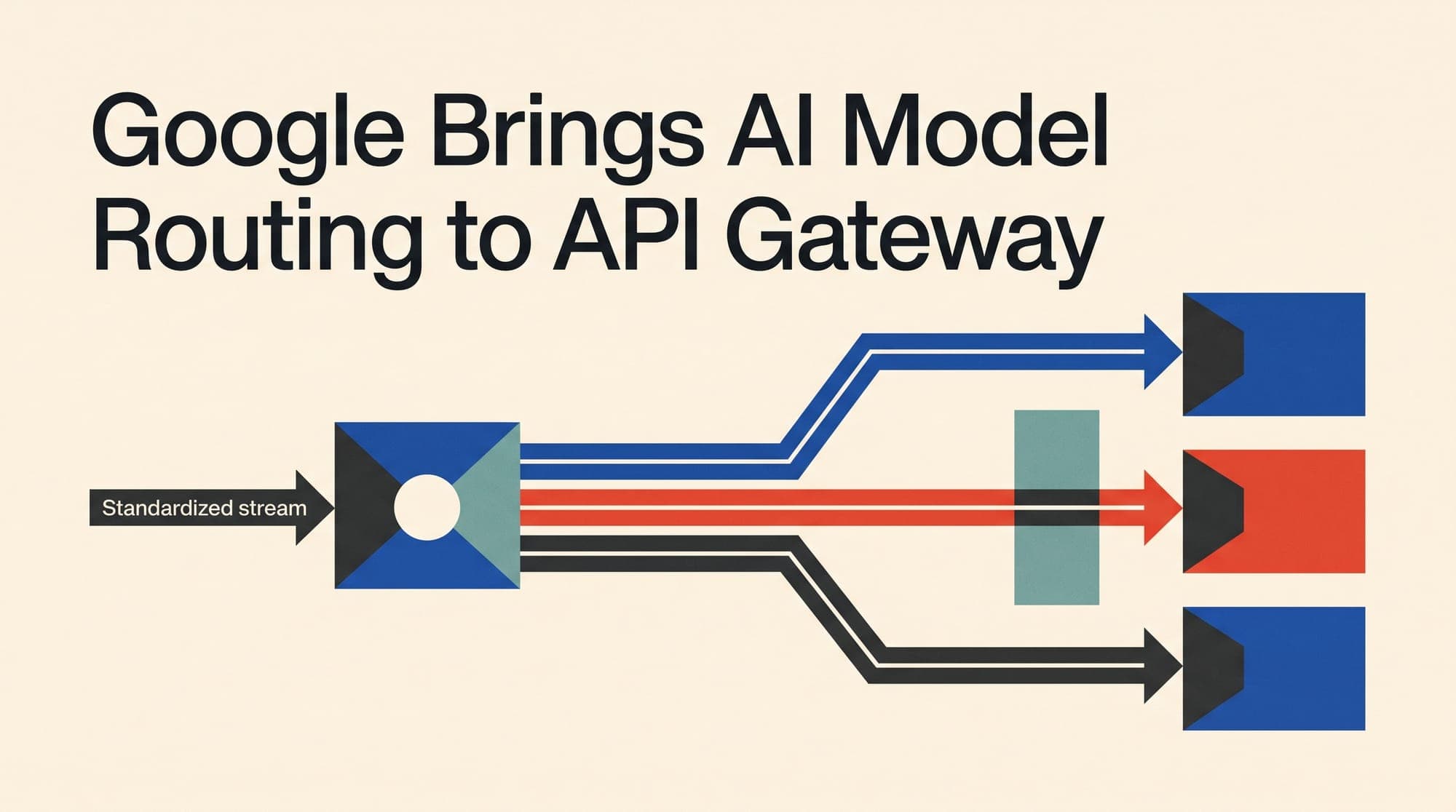
  11. Google Brings AI Model Routing to API Gateway

    Google Cloud has added managed AI model routing to API Gateway, giving developers one OpenAI-compatible endpoint for models hosted through Vertex AI Model Garden. The feature is now in public preview and can direct requests to Gemini, Anthropic Claude, and OpenAI GPT-family models without requiring teams to operate a separate proxy service, according to Google's announcement. Routing moves into the gateway Developers define virtual model names and backend targets inside an OpenAPI 3.x s

    AI
    2 min read
  12. Anthropic Signs $10B Compute Deal With Cloud Startup That Didn't Exist Six Months Ago

    Anthropic has locked in $10 billion worth of computing capacity from Volta Infra Holdings, a cloud infrastructure startup founded in early 2026, in a six-year deal that underscores the AI industry's increasingly aggressive scramble for compute. The deal, reported by Bloomberg, will draw on a data center in Tydal, Norway, where Bitcoin miner Bitdeer Technologies operates hydropower-fed infrastructure packed with Nvidia's latest Vera Rubin chips. Volta describes the capacity at 133 megawatt

    Anthropic
    1 min read
  13. Claude suffers global outage as network failures hit all models

    Anthropic's Claude platform experienced a widespread service disruption on July 29, 2026, with elevated error rates and latency affecting every model across its entire product suite. The incident knocked out claude.ai, the Claude API, Claude Code, and Claude Cowork for nearly three hours. The outage began at 19:49 UTC when Anthropic's status page first flagged elevated errors across multiple models. Users immediately reported 529 "Overloaded" errors, a non-standard HTTP response indicating the

    Anthropic
    1 min read