Subscribe
Topic

Developer Tools

AI developer tools and the companies making them. Recent stories include Claude Code's /design command, Codex's persistent mode tests, Replit's free mode, Cognition's revenue from Devin, and a comparison of self-hosted code completion engines.

Articles

1-9
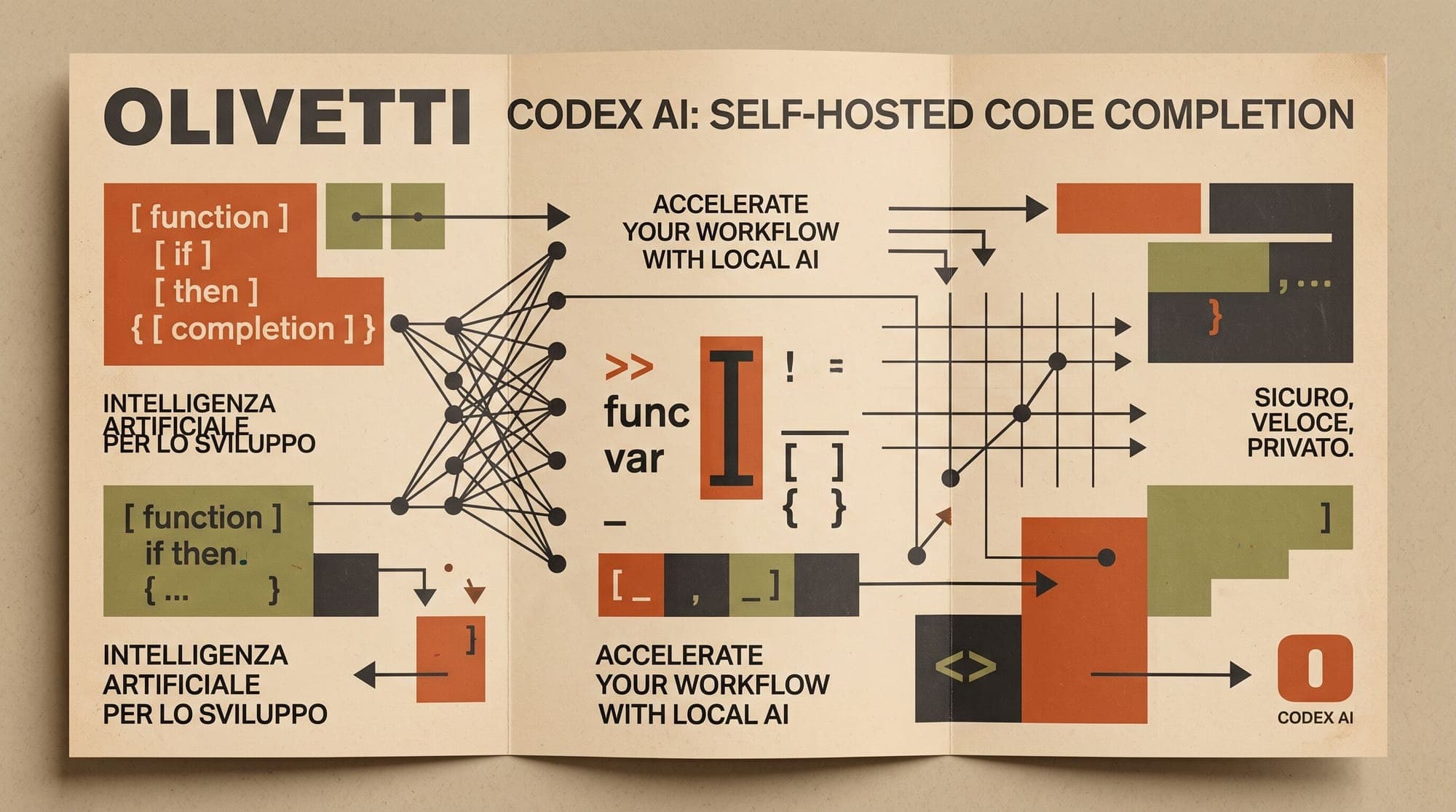
  1. Self-Hosted AI Code Completion Engines in Production: Comparing Tabby, Continue, Refact.ai, and Twinny Architecture, Fill-in-the-Middle Pipelines, AST Context Retrieval, and Serving Latency

    Deploying AI-assisted code completion within air-gapped environments, regulated enterprises, and privacy-conscious engineering teams requires decoupling developer tooling from third-party cloud APIs. While agentic coding systems focus on multi-turn planning and repository-wide refactoring with relaxed latency budgets, inline code completion operates under strict real-time constraints. Developers expect ghost-text suggestions to appear within 100 to 200 milliseconds of pausing keystrokes. Delive
    AI
    7 min read
  2. OpenAI Tests Persistent Mode in Codex for Long-Running Autonomous AI Agents

    OpenAI is testing an execution profile termed "Persistent Mode" within its Codex agent codebase, designed to enable continuous, self-directed task execution without standard step-count timeouts or per-turn pauses. Code commits surfaced in the public repository of the Codex command-line interface indicate that the agent can proactively generate follow-up tasks, maintain state across development sessions, and continue working autonomously until explicitly halted by the user. Architecture and Re

    OpenAI
    1 min read
  3. Cognition Reaches $900M Annualized Revenue on Enterprise Devin Adoption

    Cognition AI, the startup behind autonomous software engineering agent Devin, has reached approximately $900 million in annualized revenue, according to financial data reported by The Information. The figure represents a more than threefold increase since the start of 2026, driven by accelerating enterprise adoption of autonomous developer workflows. Internal executive projections cited in the report indicate the company expects to finish 2026 with more than $1.5 billion in annualized run-rate

    AI
    2 min read
  4. OpenAI Tests Persistent Mode in Codex for Continuous Autonomous Agent Execution

    OpenAI is developing a new operational setting for its Codex developer tool called Persistent mode, designed to allow autonomous AI agents to execute tasks indefinitely until manually paused or put to sleep. The feature was identified in recent code commits to the command-line interface (CLI) repository for Codex, as reported by Wired. In the codebase, Persistent mode appears alongside standard reasoning effort settings such as medium, high, and extra-high, but introduces an entirely different

    OpenAI
    2 min read
  5. ByteDance Consolidates TRAE and Coze into Doubao, Readies 'Doubao Work' Enterprise Brand

    ByteDance has initiated an internal organizational restructuring to consolidate its enterprise AI developer tools and agent platforms under the Doubao ecosystem. The company is merging the teams and technologies behind its AI programming suite TRAE and agent-building platform Coze into Doubao, preparing to launch a unified enterprise AI suite branded "Doubao Work." The restructuring concentrates disparate AI tools into a single corporate pillar to compete against domestic rivals, notably Tencen

    ByteDance
    2 min read
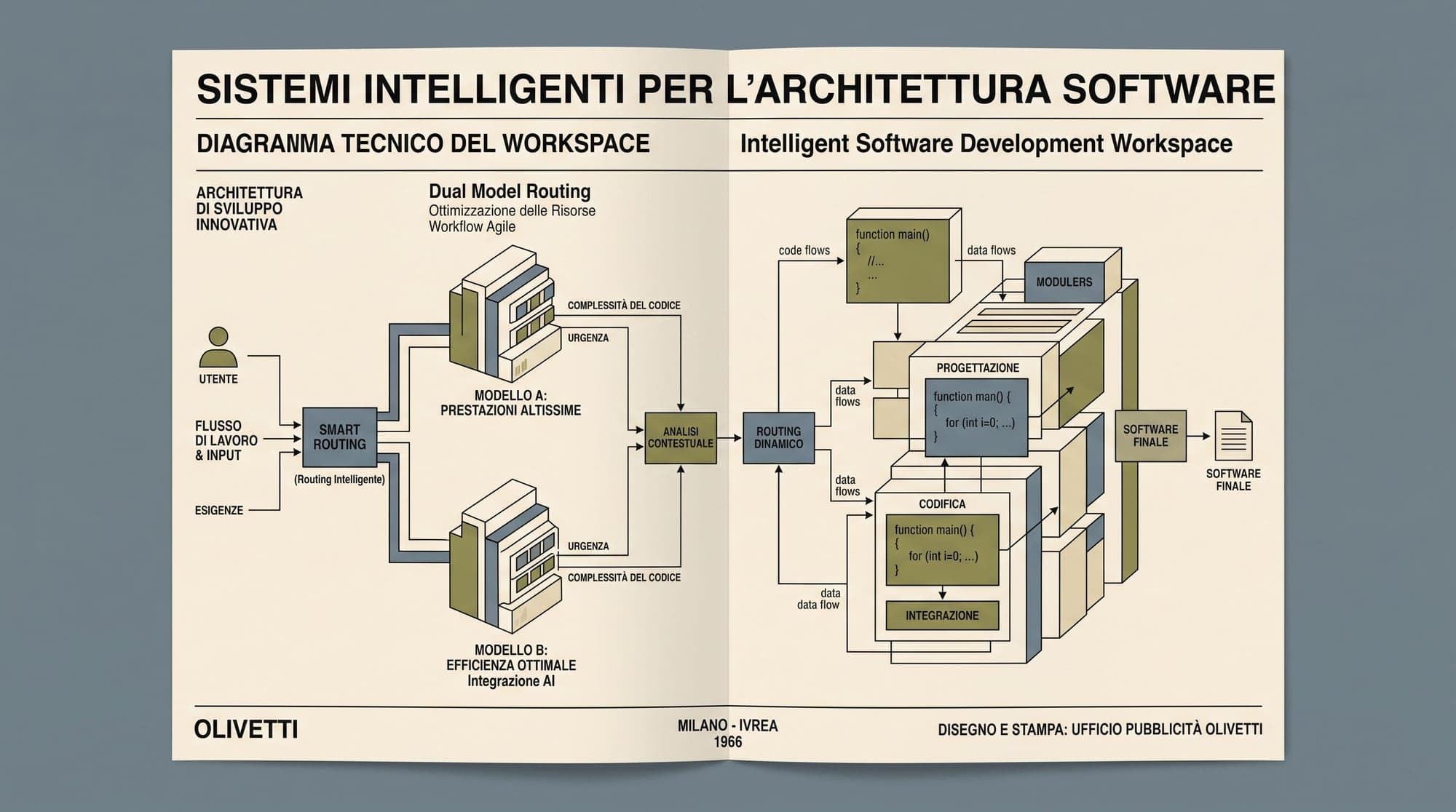
  6. Replit Launches Free Mode Powered by OpenAI's GPT-5.6 Luna

    Software development platform Replit announced the rollout of Free Mode, a tier powered by OpenAI's GPT-5.6 Luna model designed to support zero-cost planning, exploration, and codebase assistance. The integration utilizes recent inference cost reductions and efficiency improvements within the GPT-5.6 model family to provide unmetered conversational assistance without drawing from paid compute budgets. Model Routing and Persistent Project Context Replit Free Mode integrates directly into the

    AI
    1 min read
  7. Claude Code Adds /design Command for In-Terminal UI Prototyping

    Anthropic has introduced an early preview of the /design command inside Claude Code, embedding visual UI prototyping directly into its command-line interface and desktop developer workflows. The new command bridges the gap between terminal-based code generation and visual interface design, enabling developers to draft, compare, and modify interactive user interface components before generating frontend implementation code. In-Terminal Visual Mockups The /design command allows engineers to in

    Anthropic
    1 min read
  8. Anthropic Makes Auto Mode Default in Claude Code for Pro, Max, and Team Plans

    Starting August 14, 2026, new Claude Code sessions on Pro, Max and Team plans will run in auto mode by default, Anthropic announced on its blog. Users who have pinned a different default keep it, and users who set a different default may get a one-time prompt asking whether to switch. What Auto Mode Does Auto Mode routes every tool call through a classifier that screens for irreversible, destructive, or externally-aimed actions. When the classifier blocks something, Claude attempts a safer al

    AI Coding
    3 min read