Claude Code Adds /design Command for In-Terminal UI Prototyping

Anthropic has introduced an early preview of the /design command inside Claude Code, embedding visual UI prototyping directly into its command-line interface and desktop developer workflows. The new command bridges the gap between terminal-based code generation and visual interface design, enabling developers to draft, compare, and modify interactive user interface components before generating frontend implementation code. In-Terminal Visual Mockups The /design command allows engineers to in

1 min
Claude Code Adds /design Command for In-Terminal UI Prototyping

Anthropic has introduced an early preview of the /design command inside Claude Code, embedding visual UI prototyping directly into its command-line interface and desktop developer workflows.

The new command bridges the gap between terminal-based code generation and visual interface design, enabling developers to draft, compare, and modify interactive user interface components before generating frontend implementation code.

In-Terminal Visual Mockups

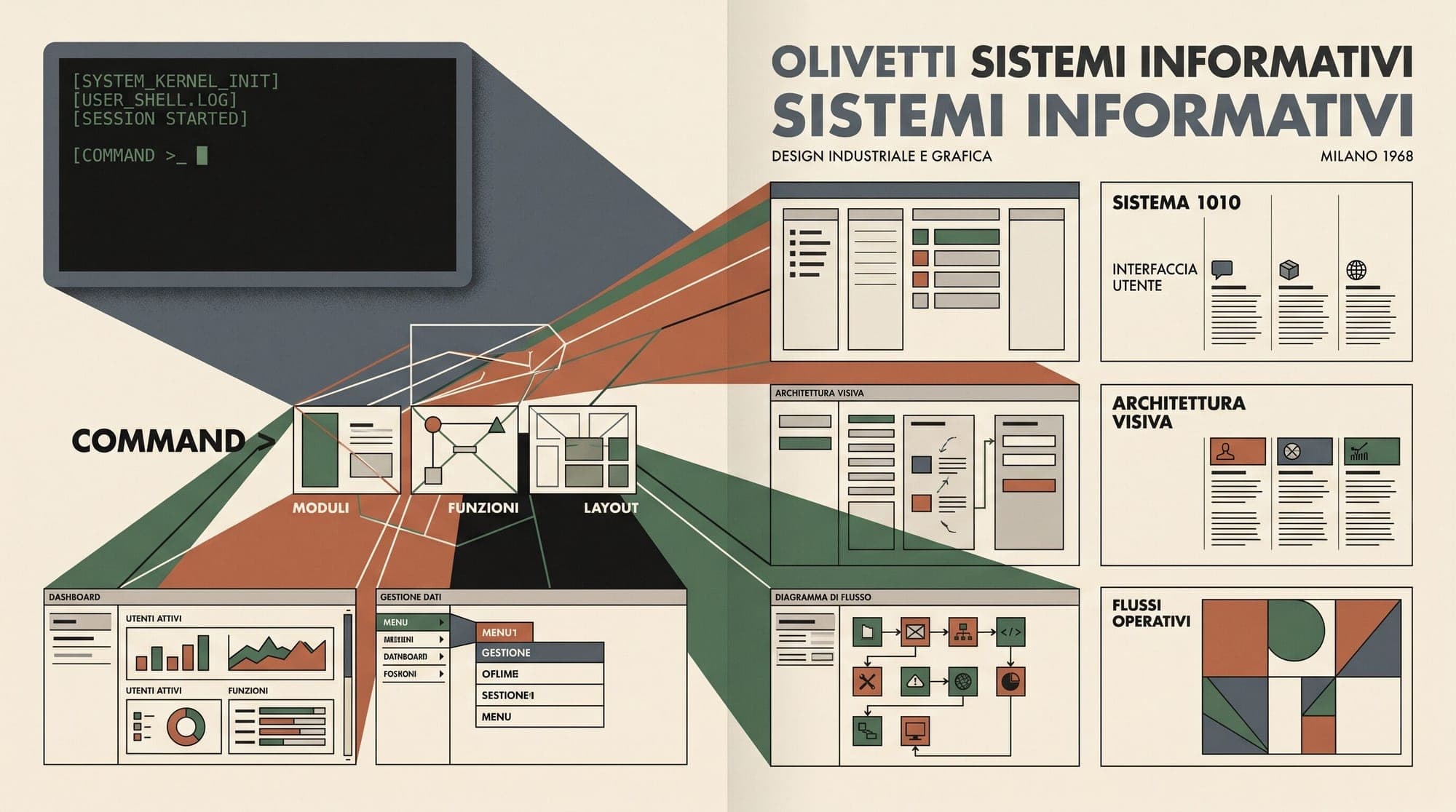
The /design command allows engineers to initiate mockups directly from the Claude Code prompt by typing /design a few options for {feature}. Rather than generating static CSS or immediate raw component code, the tool generates multiple candidate variations presented as visual artboards within interactive Artifacts.

According to Anthropic product designer Nate Parrott, the tool analyzes the local codebase to match existing interface styles, color tokens, and design conventions:

  • Codebase Context Inspection: Claude reads the repository's frontend structure and styling frameworks to ensure new visual drafts align with the project's design system.
  • Multi-Variant Generation: The model outputs multiple design alternatives side-by-side as distinct artboards.
  • Prompt-Based Adjustments: Users can select individual artboards and refine layouts, copy, or typography using natural language prompts prior to code synthesis.
Claude Code Design Command Workflow

Integrating Claude Design into Developer Tooling

The feature directly integrates the underlying canvas and prompt engine from Claude Design, Anthropic's browser-based artifact generation tool, into the developer-centric Claude Code CLI and Desktop clients.

In current preview builds, selected artboard configurations carry over into subsequent implementation steps, though developers currently need to save designs manually before proceeding with code generation.

The update is available immediately across Claude Code CLI and Desktop distributions by executing claude update.


Sources

Written by

More to read

  • Fully Sharded Data Parallel (FSDP) and ZeRO: How Memory Sharding Eliminates Redundant Model States in Distributed Training

    Fully Sharded Data Parallel (FSDP) and ZeRO: How Memory Sharding Eliminates Redundant Model States in Distributed Training Training large language models across distributed GPU clusters introduces a fundamental memory bottleneck. In traditional Distributed Data Parallel (DDP) setups, every GPU maintains an identical copy of model weights, optimizer states, and gradients while processing independent data batches. As models scale from billions to hundreds of billions of parameters, static model s

    1 min
  • LLM Fine-Tuning Frameworks in Production: Unsloth vs. Axolotl vs. LLaMA-Factory vs. Torchtune Architecture, Throughput, and Distributed Scaling

    Modern post-training pipelines have moved beyond basic training scripts. As model parameter counts, context windows, and alignment techniques expand, the choice of fine-tuning framework directly dictates GPU memory overhead, token throughput, and developer iteration speed. Four open-source frameworks dominate the enterprise fine-tuning landscape: Unsloth, Axolotl, LLaMA-Factory, and Meta's Torchtune. While all four orchestrate parameter-efficient fine-tuning (PEFT) and full parameter adaptation

    1 min
  • Anthropic Prepares Dual-Class Super-Voting Shares for Co-Founders Ahead of Planned IPO

    Anthropic is preparing to implement a dual-class share structure that grants super-voting equity to its co-founders ahead of a planned initial public offering, according to a report from The Information. The mechanism is designed to concentrate long-term operational voting control with executive leadership and insulate decision-making from external market and investor pressures. The structure comes as the maker of the Claude model family scales enterprise commercialization, with annual revenue

    1 min

