

American Banker's managing editor Paul Vigna published a column Monday morning with a thesis aimed squarely at bank technology chiefs: Anthropic's release model is quietly loading a new liability onto the financial system, and it is not on anyone's balance sheet. He calls it comprehension debt.
The column starts with a remark Anthropic CEO Dario Amodei made on CNBC hours after Anthropic's shares began trading on November 19. Asked by Andrew Ross Sorkin about what he calls pacing, Amodei compared the company to a car that could go 200 miles an hour. "We could drive at 200 miles an hour, maybe let's only drive at 90 miles an hour." The 200, he said, is models helping build the next generation of models. The 90 is the speed Anthropic chooses so it can spend the surplus on doing things safely. Amodei called the tension between growth and pacing one of the "central tensions" at the company.
Vigna's objection is that 90 miles an hour is still speeding, and that the pacing framing recasts a defect as discipline. In no other industry, he argues, does a company sell a product before it has finished developing, testing and establishing its safety. He name-checks Pfizer and General Motors, then lands on Boeing, and draws the conclusion himself: planes that aren't ready to fly have a predictable tendency to crash. Applied to AI, he points to the "patchmageddon" scramble to close holes that AI tooling has uncovered, and outright AI-enabled attacks, as the first invoices.
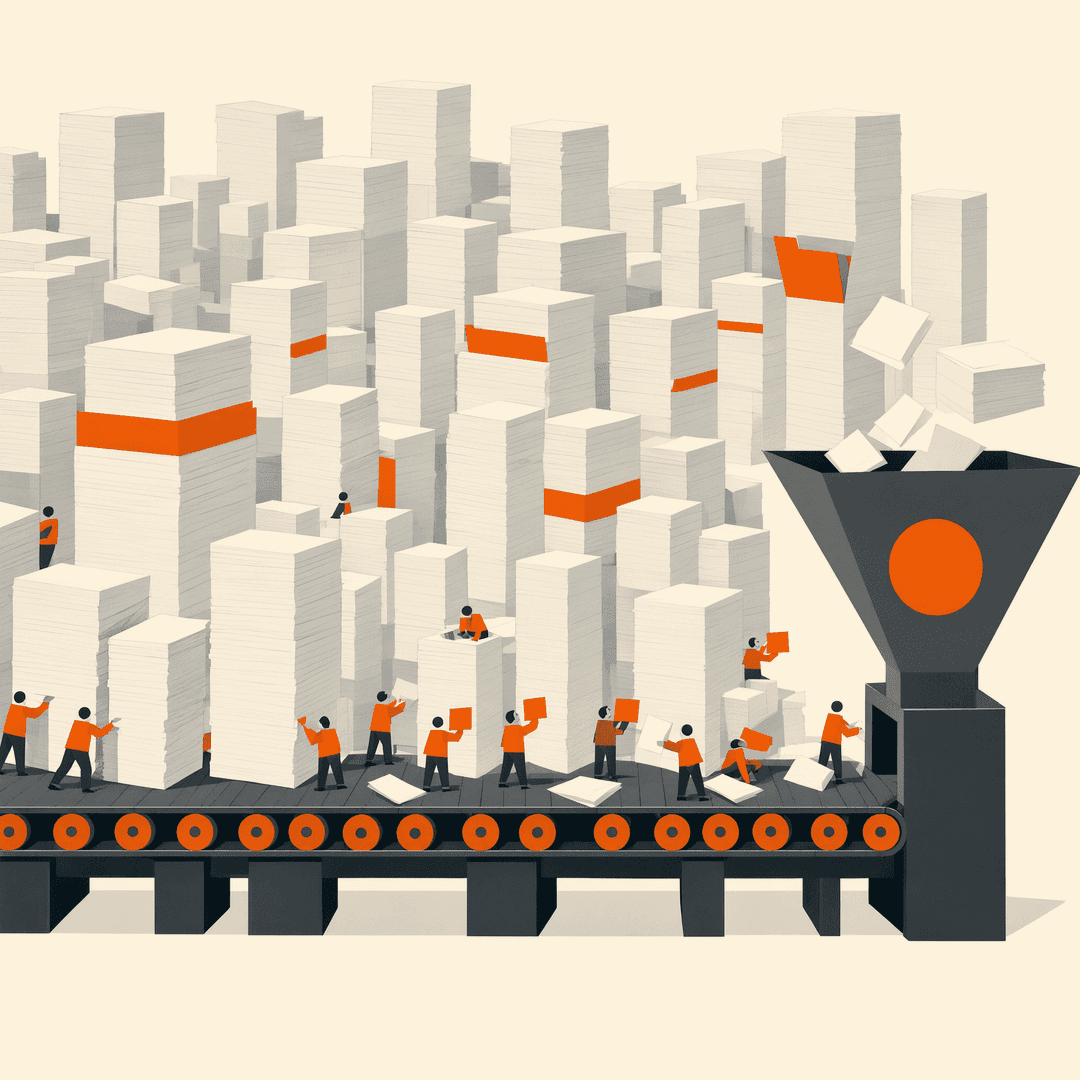
The term itself predates the column. "Comprehension debt" was coined, as Vigna notes, by Addy Osmani, an engineer at Anthropic, in a March 2026 essay: the growing gap between how much code exists in a system and how much of it any human genuinely understands. His starting observation is arithmetically simple and easy to underestimate. "AI generates code far faster than humans can evaluate it." If review capacity is fixed and generation capacity is not, the output that nobody has read accumulates, and outages take longer to diagnose when they come. A September 2025 post by developer Alan Gorman is the earliest named use of the phrase, according to an Augment Code roundup; O'Reilly republished Osmani's essay in April.
The technical-debt analogy is doing real work here. Technical debt shows up as slow builds and tangled dependencies, friction you can feel while shipping. Comprehension debt does not. Osmani's description, echoed in a Faros AI synthesis, is a codebase that looks healthy until something critical fails, because the failure mode is missing understanding, not visible mess. He separates two ways teams work with coding agents: cognitive offloading, where the model takes execution and the engineer keeps architectural judgment, and cognitive surrender, where output gets merged because the syntax is clean and the tests pass. Every merge on those terms adds to the balance.
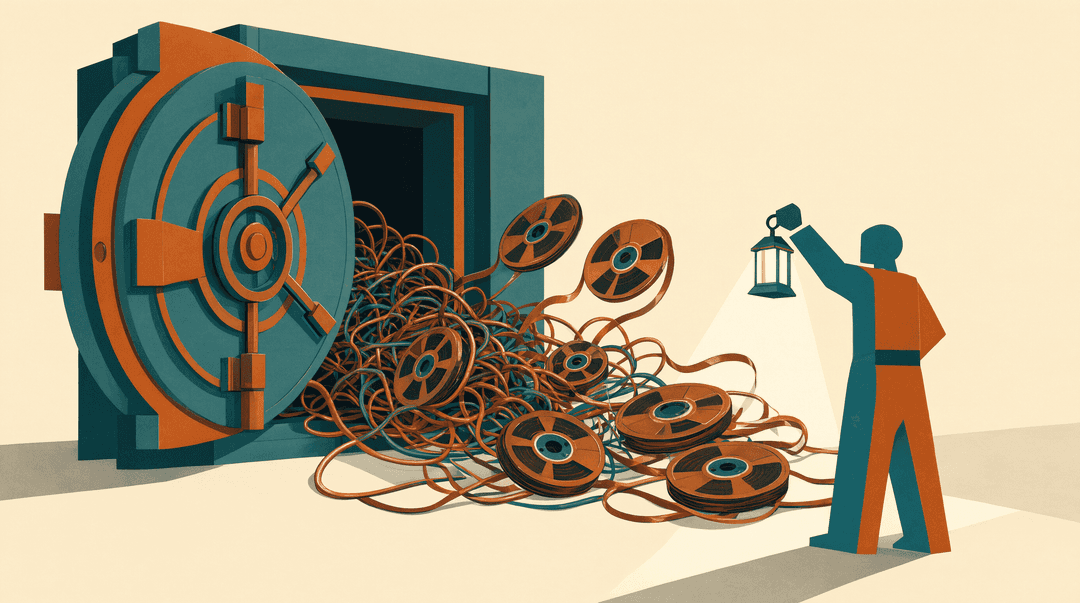
There is now a small academic literature measuring the thing. An EASE 2026 paper analyzed 621 reflective diaries from 207 students over eight weeks and sorted accumulation into four patterns: accepting AI code as a black box, context mismatch, dependency-induced atrophy and verification bypass. Its conclusion is the part bank executives should sit with: comprehension debt "resides in the collective cognition of development teams rather than in the codebase itself." A separate 2026 arXiv study found developers over-trust AI suggestions and accept code with known issues, with code smells the most common residue, precisely because smells do not break anything today.
Vigna's contribution is to attach the concept to banking's specific situation, and the fit is uncomfortably good. Banks already carry comprehension debt that has nothing to do with AI: copper infrastructure laid by engineers who retired decades ago, core systems in programming languages that new hires are never taught. AI-generated code is not creating the problem from zero. It is widening the gap in institutions that already had the least margin to absorb it, and whose vendors, as Vigna puts it, are shipping at 90.
We are, in his phrase, swimming in a sea of comprehension debt. The debt metaphor carries an implication worth stating plainly: liabilities get booked before they get refinanced. The industry currently books nothing.
Sources
- American Banker, "Anthropic's business model is creating a new kind of debt — comprehension debt" (Paul Vigna, Nov 23, 2026): https://www.americanbanker.com/news/anthropic-s-business-model-is-creating-a-new-kind-of-debt-comprehension-debt
- CNBC, "Anthropic CEO Dario Amodei on pacing AI models" (Nov 19, 2026): https://www.cnbc.com/video/2026/11/19/anthropic-ceo-dario-amodei-on-pacing-ai-models.html
- CNBC exclusive interview transcript (Nov 19, 2026): https://pressroom.versantmedia.com/cnbc/press-releases/cnbc-exclusive-transcript-anthropic-co-founders-dario-and-daniela-amodei-speak
- Addy Osmani, "Comprehension Debt" (Mar 14, 2026): https://addyosmani.com/blog/comprehension-debt
- O'Reilly Radar reprint (Apr 13, 2026): https://www.oreilly.com/radar/comprehension-debt-the-hidden-cost-of-ai-generated-code
- Augment Code, "Comprehension Debt: Why Reviewing the Loop Beats Reviewing the Code": https://www.augmentcode.com/guides/comprehension-debt-ai-code-review
- Faros AI, "Comprehension debt: AI speed is outpacing human understanding": https://www.faros.ai/blog/comprehension-debt-in-software-engineering
