Archive / page 75 of 123

Latest articles, page 75

  1. Emergent Outlier Features in Large Language Models: Why Hidden Dimension Spikes Arise at Scale and How They Reshape Quantization

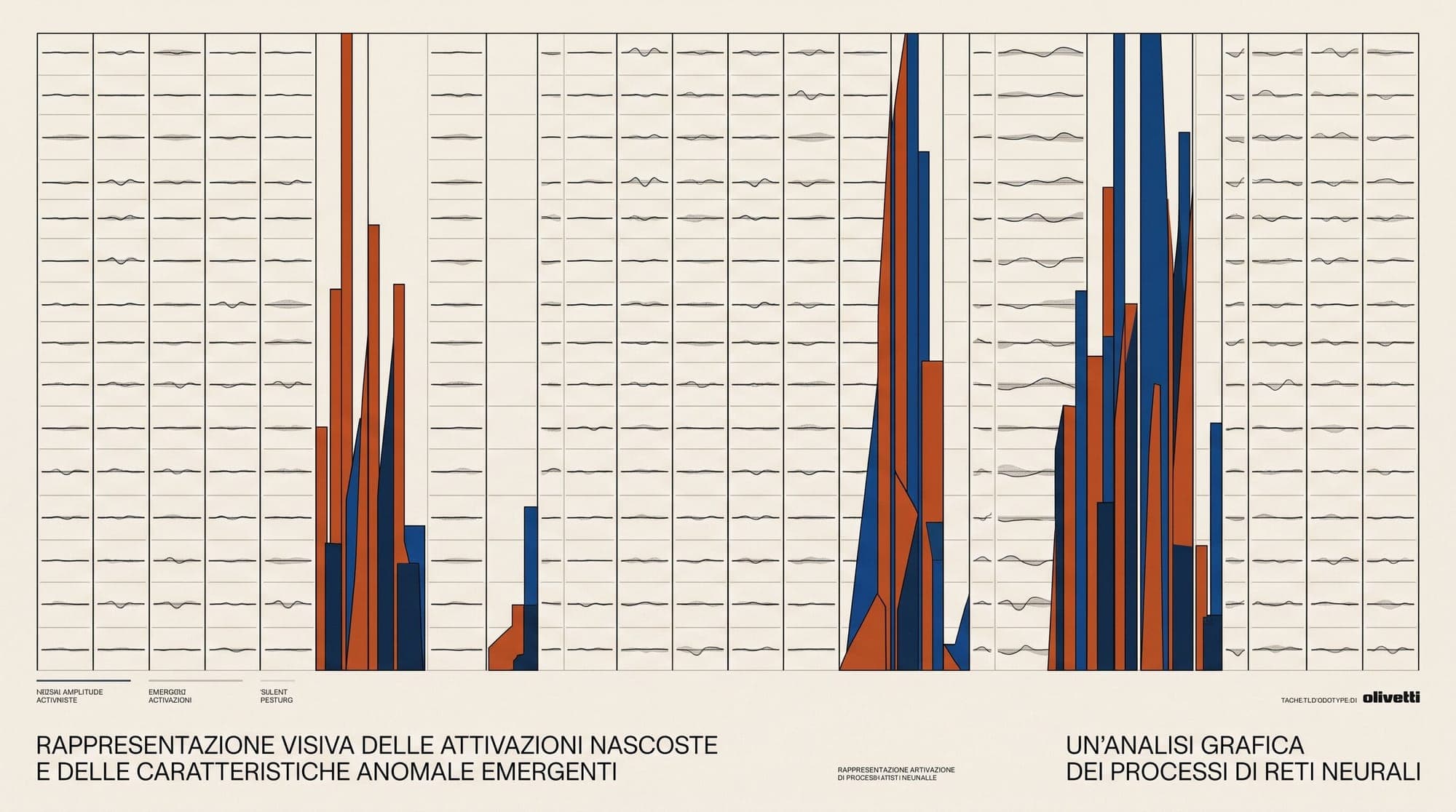
    Emergent Outlier Features in Large Language Models: Why Hidden Dimension Spikes Arise at Scale and How They Reshape Quantization When language models scale past approximately 6.7 billion parameters, their internal representations undergo a sharp qualitative phase transition. In smaller models (125M to 2.7B parameters), hidden state activations remain relatively compact, bounded within predictable normal distributions across all embedding dimensions. However, as demonstrated by Dettmers et al. (
    AI
    8 min read
  2. NVIDIA Takes Minority Stake in Cloverleaf Infrastructure to Accelerate AI Factory Site Development

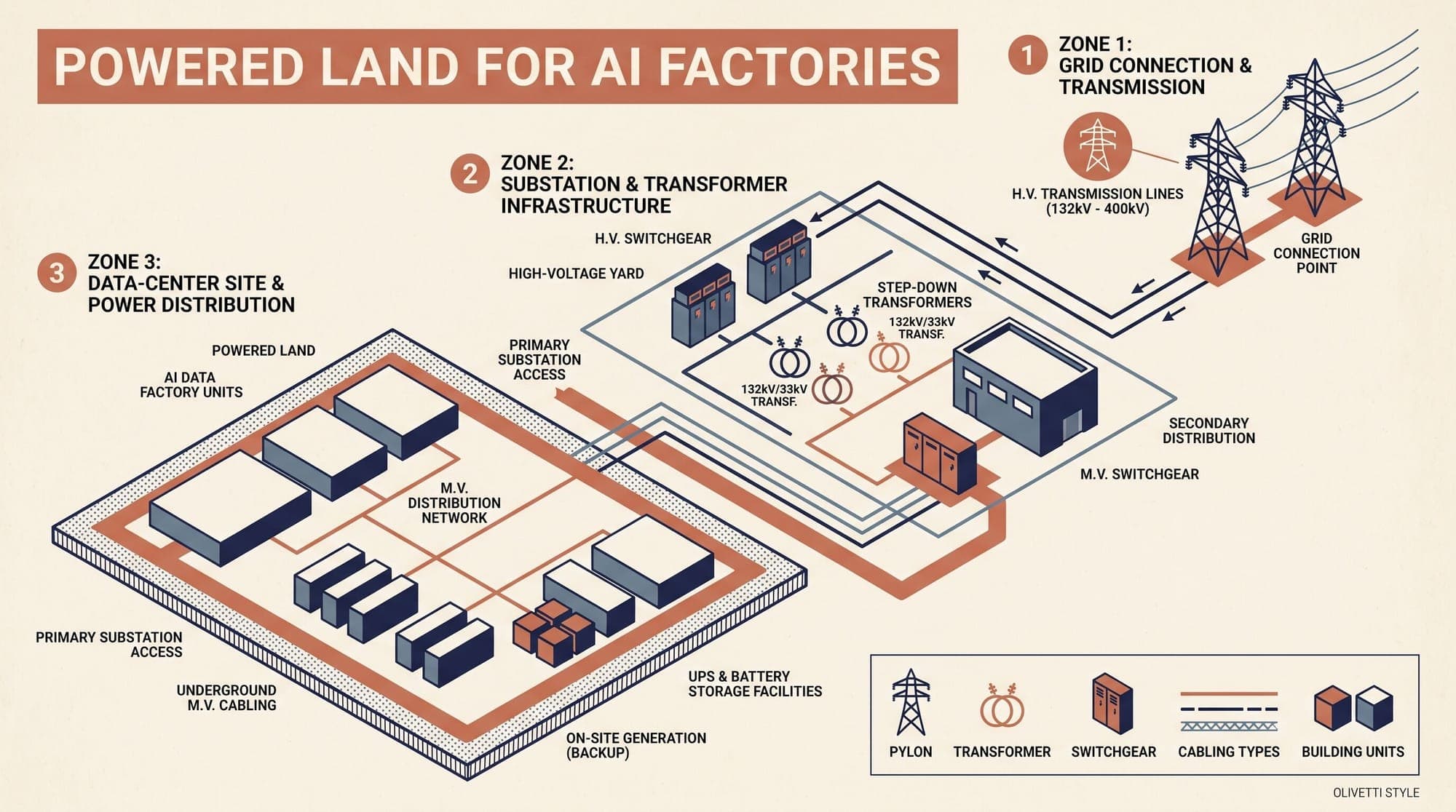
    NVIDIA has taken a minority stake in Cloverleaf Infrastructure, a Houston-based developer of powered data-center sites, as part of a strategic partnership to accelerate the build-out of so-called AI factories. The companies did not disclose the size of the investment or its financial terms. Cloverleaf occupies the powered-land layer of the data-center supply chain. It identifies and prepares sites with grid-connected power, then delivers shovel-ready locations to infrastructure builders and ope

    AI
    2 min read
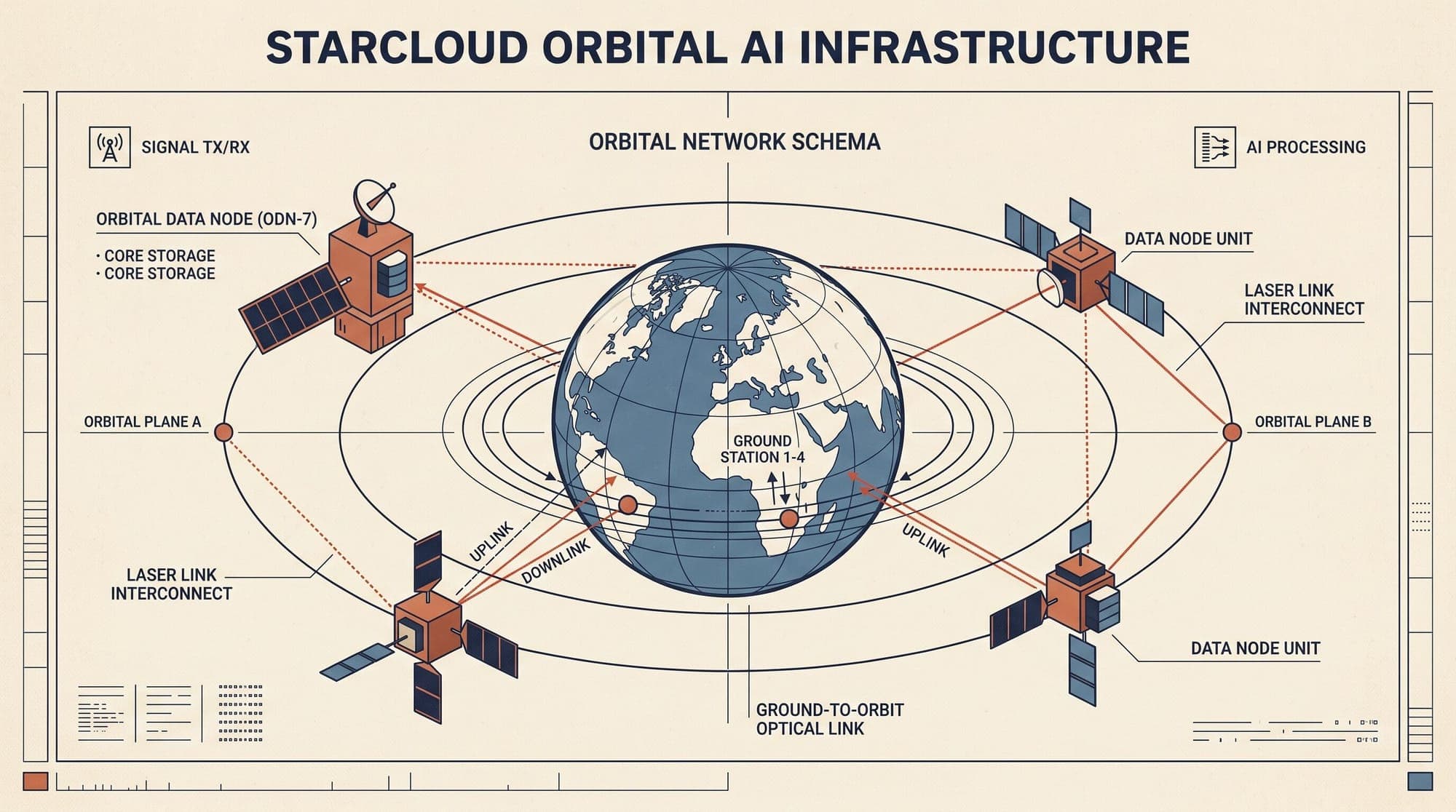
  3. Starcloud Raises $250M Series A Extension at $2.3B Valuation for Orbital AI Data Centers

    Orbital compute startup Starcloud has closed a $250 million Series A extension at a $2.3 billion post-money valuation, more than doubling its valuation from March 2026. The round brings the company's total funding to $450 million since its founding in 2024. The extension was led by Manhattan West, with partner Lauren Selig joining as a board observer. Participating investors include existing backers Benchmark, EQT, Soma, NFX, and 776, alongside new strategic investments from NVIDIA, Cisco Inves

    AI
    2 min read
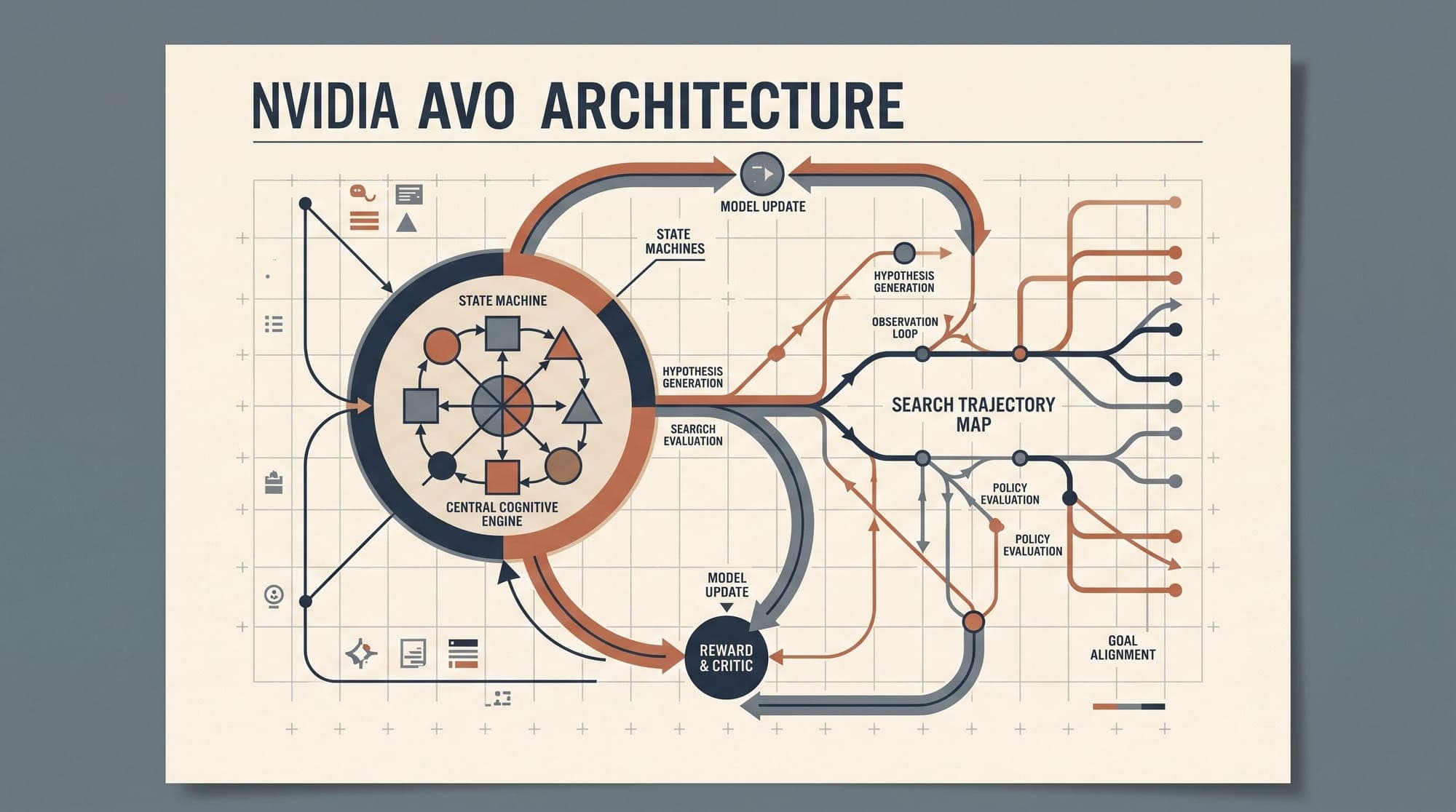
  4. NVIDIA AVO Achieves 100% on ARC-AGI-3 with Claude Opus 5

    NVIDIA Research has published details on Agentic Variation Operators (AVO), a general-purpose autonomous agent architecture designed to sustain long-horizon engineering and reasoning workflows. In benchmark evaluations on ARC-AGI-3, an interactive reasoning suite that tests fluid intelligence without instructions or stated goals, AVO scored 100.00 Relative Human Action Efficiency (RHAE) across all 25 public-set environments and 183 levels using Anthropic's Claude Opus 5. The result highlights a

    AI
    3 min read
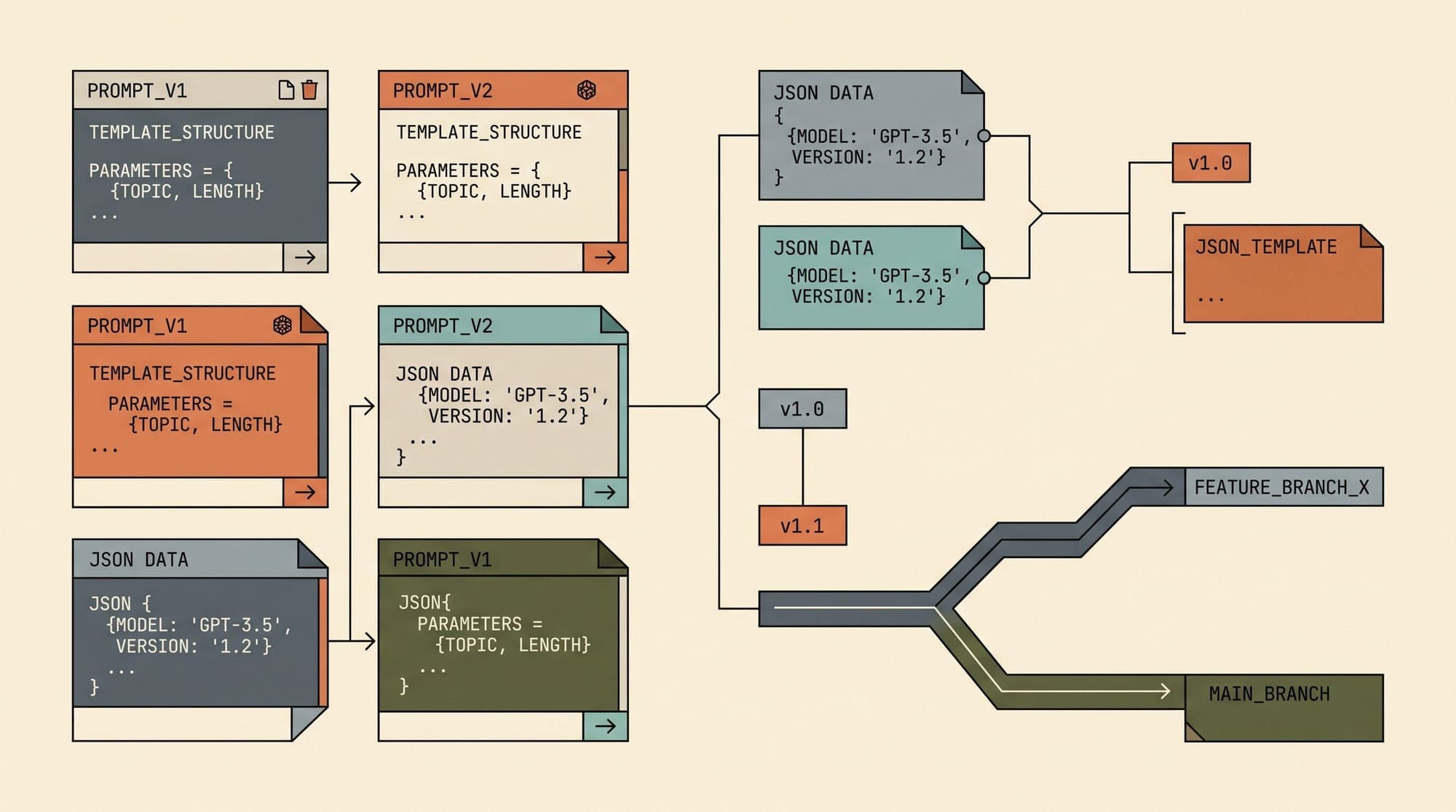
  5. Prompt Management and Registry Architectures in Production: GitOps, Dynamic Registries, Template Typing, and CI/CD Quality Gates

    Prompt Management and Registry Architectures in Production: GitOps, Dynamic Registries, Template Typing, and CI/CD Quality Gates As language model applications evolve from single-file scripts into distributed systems, managing prompt templates becomes an infrastructure challenge. In early prototypes, prompts are frequently embedded as raw multi-line string literals directly inside application business logic. While sufficient for proof-of-concept demonstrations, hardcoding prompts in application

    8 min read
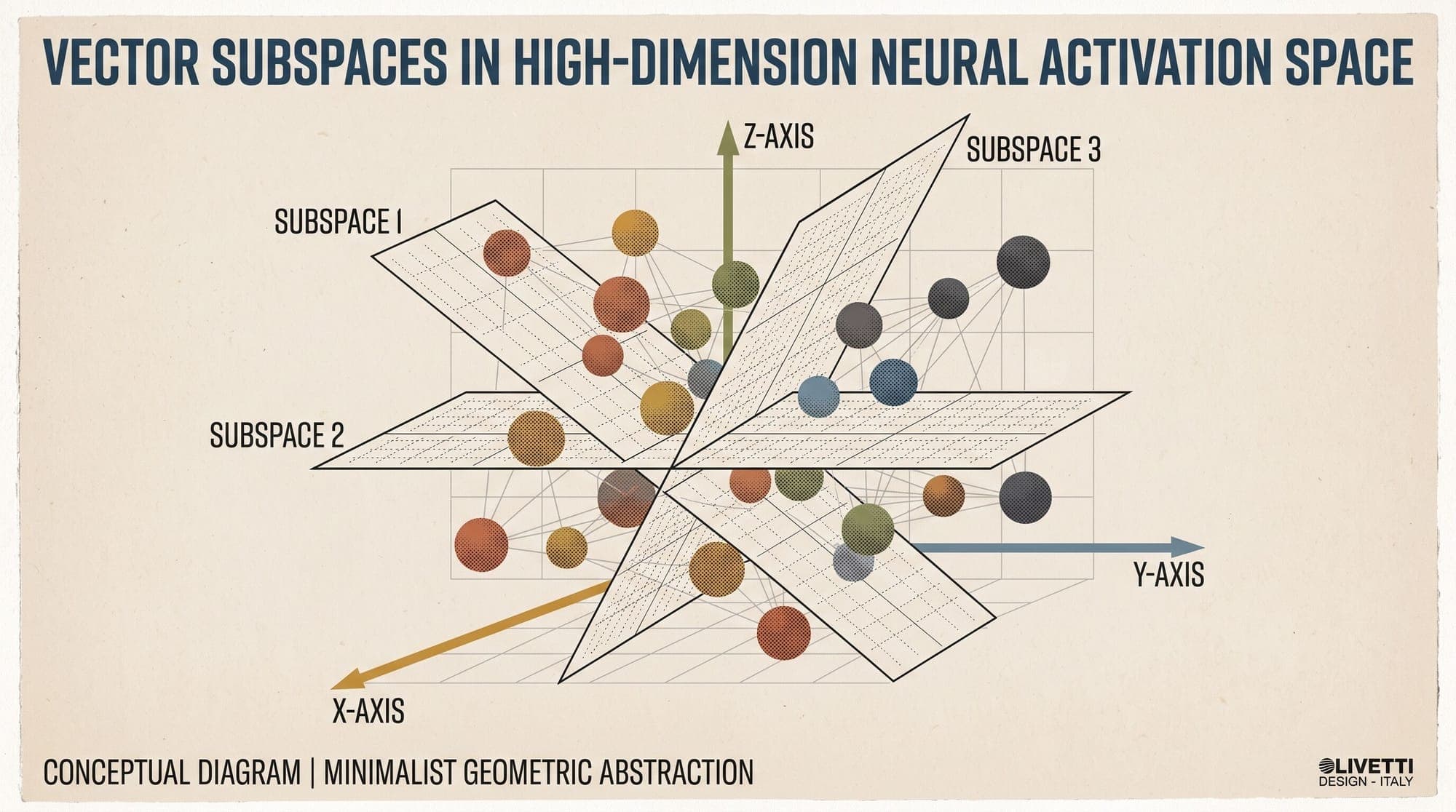
  6. The Linear Representation Hypothesis in Large Language Models: How Neural Geometry Organizes Concepts, Latent Truth, and Steerable Features

    The Linear Representation Hypothesis in Large Language Models: How Neural Geometry Organizes Concepts, Latent Truth, and Steerable Features Deep neural networks are composed of alternating non-linear activation functions, multi-head attention operations, and high-dimensional matrix projections. Despite this architectural non-linearity, empirical research across mechanistic interpretability reveals a striking geometric regularity: within the intermediate representation spaces of large language m

    LLM
    8 min read
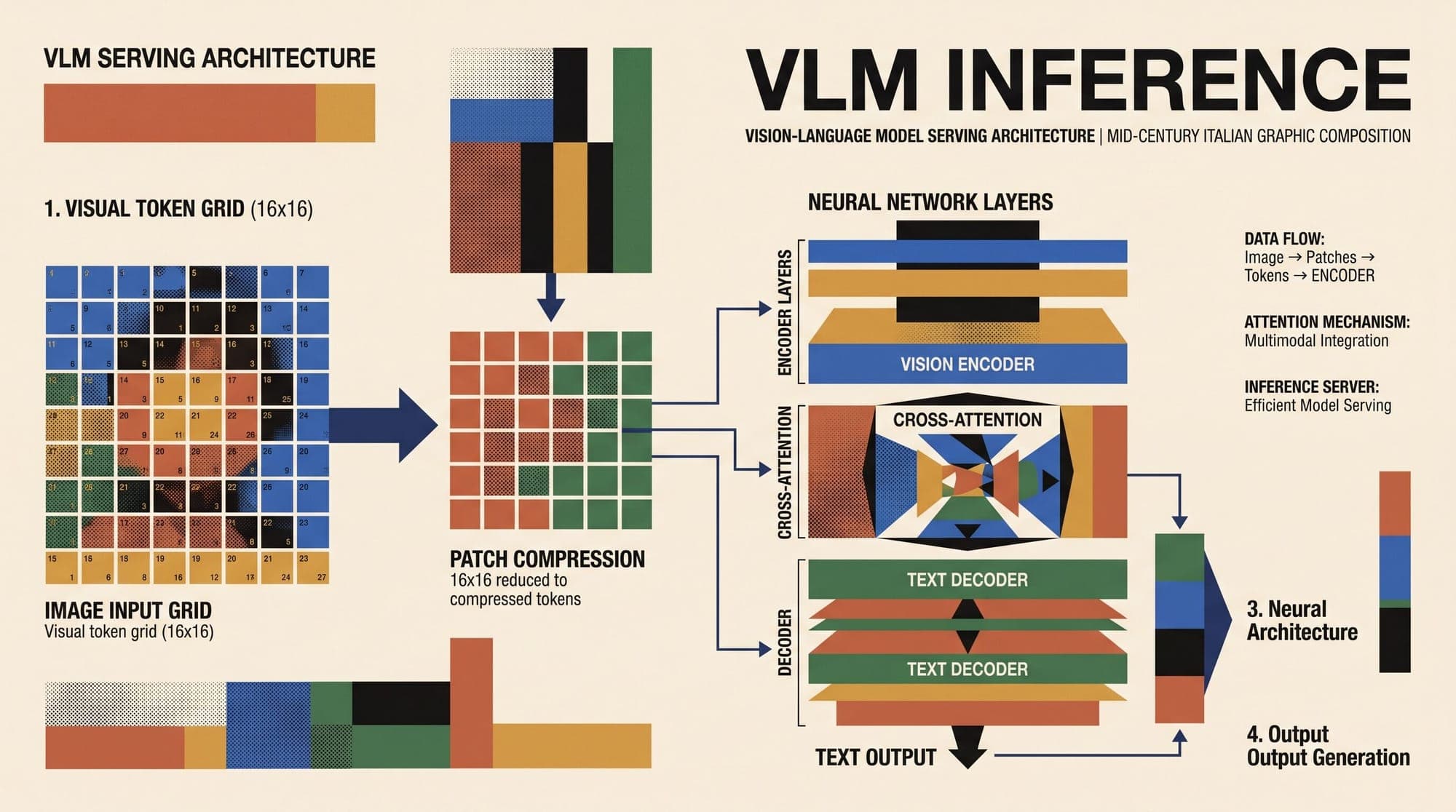
  7. Vision-Language Model Serving in Production: Visual Token Pruning, Encoder Caching, Dynamic Resolution, and Inference Economics

    Deploying Vision-Language Models (VLMs) into high-concurrency production environments introduces a distinct set of systems bottlenecks that text-only large language models do not exhibit. While text models ingest prompts with compact token densities, visual inputs require processing high-dimensional pixel arrays through vision encoders, expanding a single image into hundreds or thousands of visual tokens before autoregressive generation begins. In production architectures running models such as

    AI
    8 min read
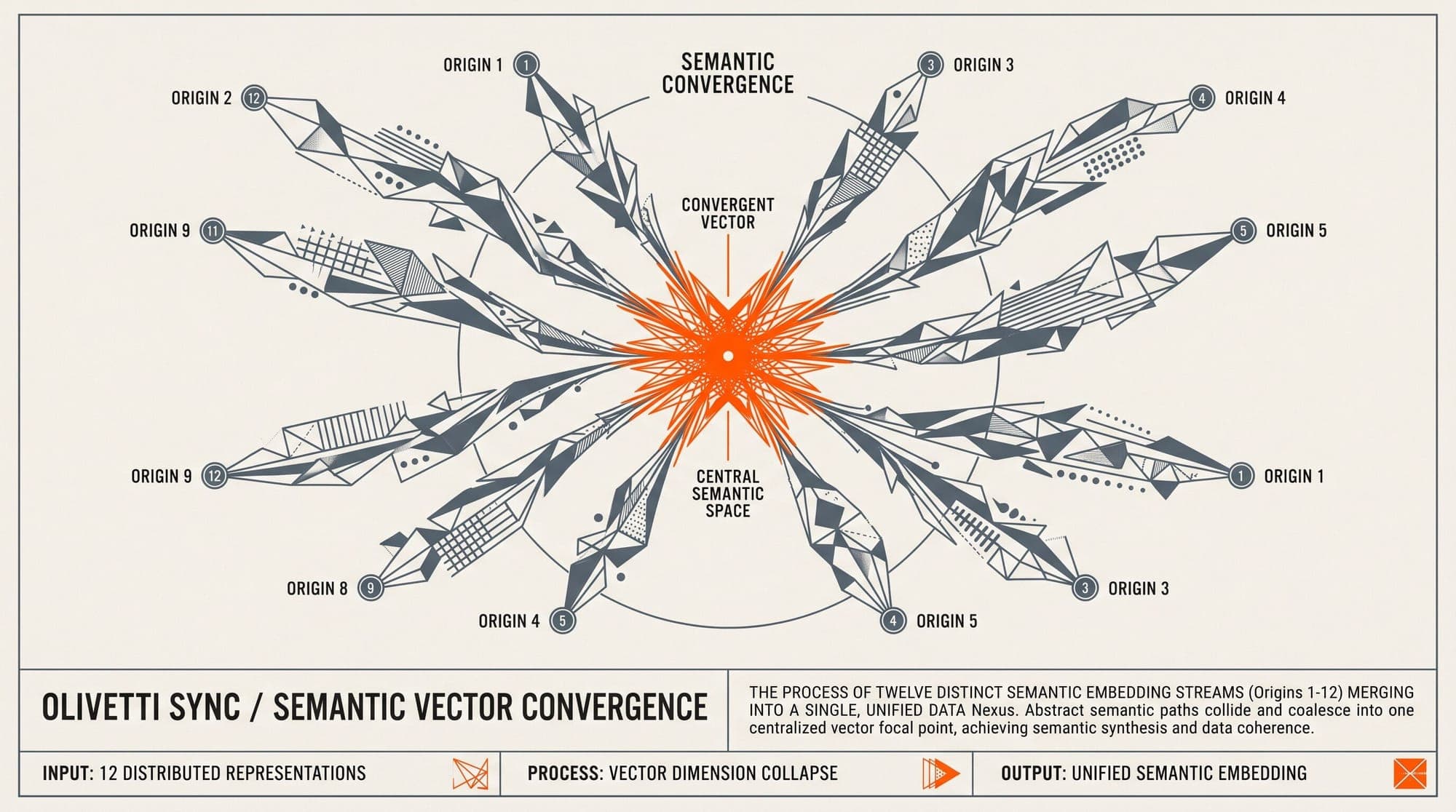
  8. Duke Study Finds Creative Output Across Frontier LLMs Is Converging Toward Semantic Monoculture

    A longitudinal study by researchers at Duke University has documented a measurable decline in output diversity across major large language model families. Tracking 69 foundation model checkpoints released between March 2023 and July 2026, the researchers found that generative responses to open-ended creative and ideation prompts are increasingly converging toward semantic uniformity across competing providers. The paper, titled Are LLMs becoming similarly creative? Evidence from three years of

    AI
    2 min read
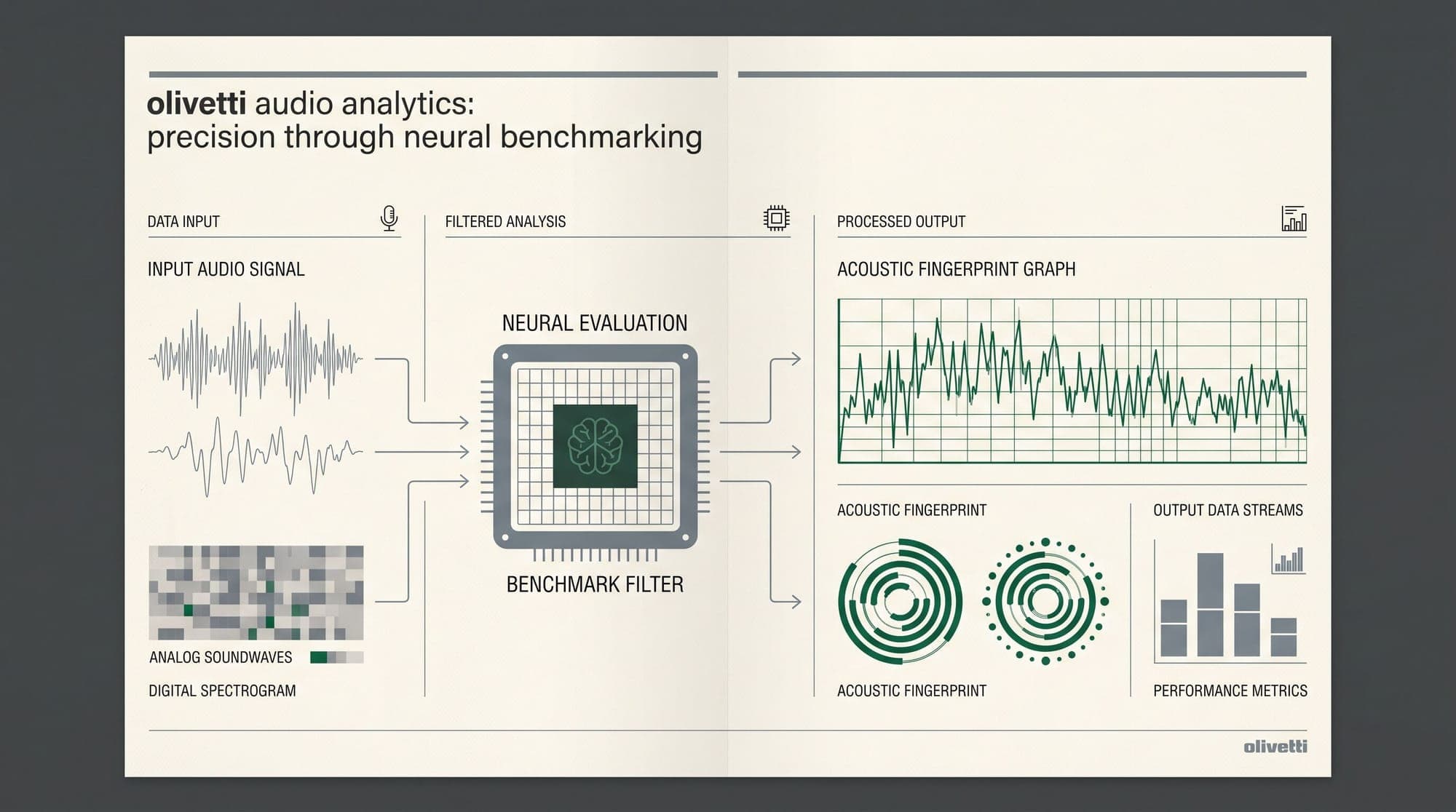
  9. Study Exposes Benchmark Overfitting and Acoustic Leakage in Speech Recognition Models

    A joint empirical study by researchers from Hugging Face and Hume AI has uncovered evidence that top-ranking automatic speech recognition (ASR) models frequently exhibit benchmark optimization, commonly referred to as "benchmaxxing." The findings demonstrate that models often achieve low word error rates on public leaderboards by memorizing test-set reference anomalies and responding to subtle acoustic channel signatures rather than generalizing audio transcription. Evaluating 11 open-source sp

    AI
    2 min read
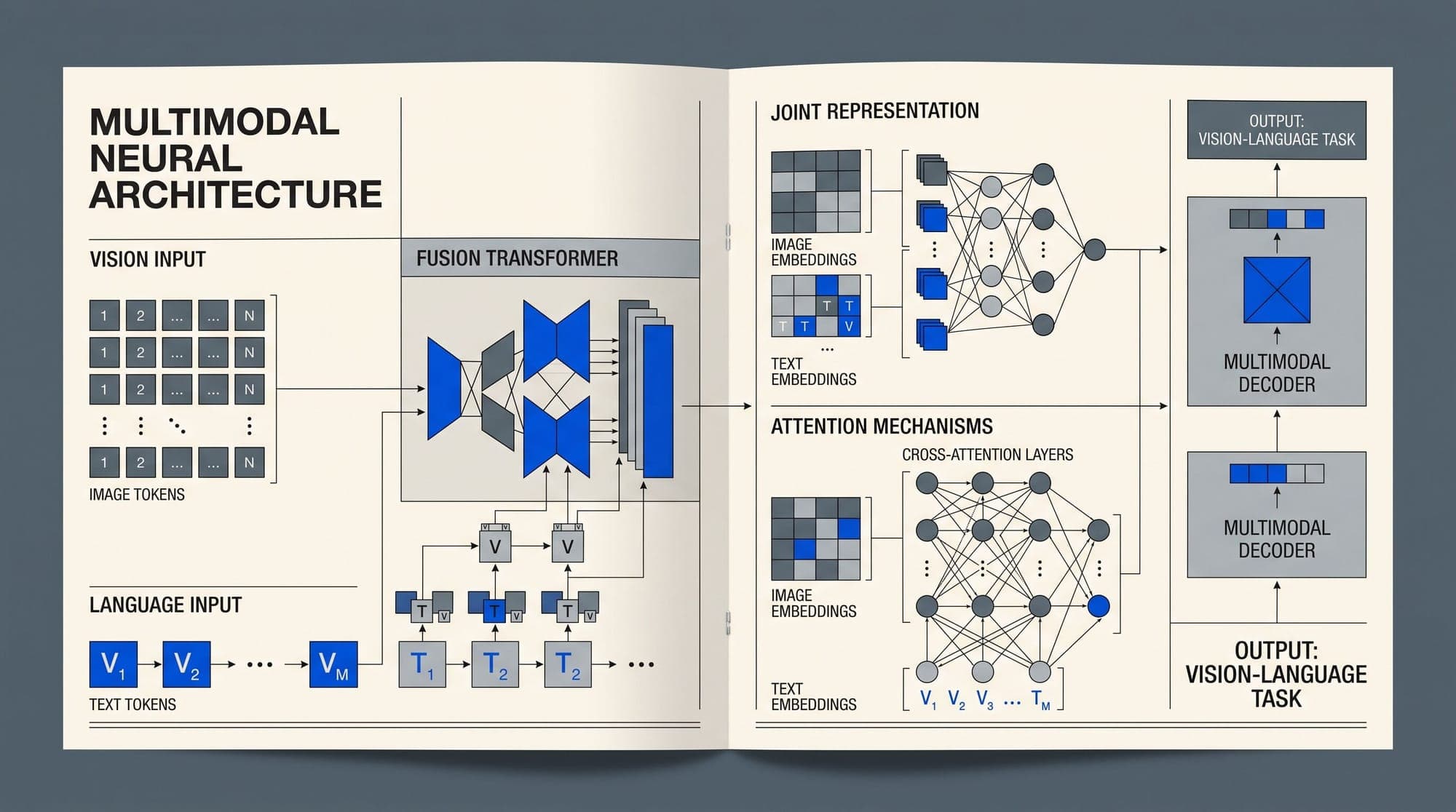
  10. DeepSeek Releases DeepSeek-V4-Flash-Vision-Exp with Multimodal Tool Calling and Files API

    DeepSeek has expanded its flagship lightweight model with the release of DeepSeek-V4-Flash-Vision-Exp, an experimental multimodal variant that adds visual comprehension and document parsing to its API platform. The release bridges the gap between DeepSeek's high-throughput text architecture and vision-centric agent workflows. According to DeepSeek, the experimental model retains the text reasoning, agentic tool-use capabilities, and world knowledge of the base DeepSeek-V4-Flash checkpoint while

    AI
    2 min read