Archive / page 34 of 123

Latest articles, page 34

  1. Google Sets Android Memory Limits as AI Data Centers Strain Chip Supply

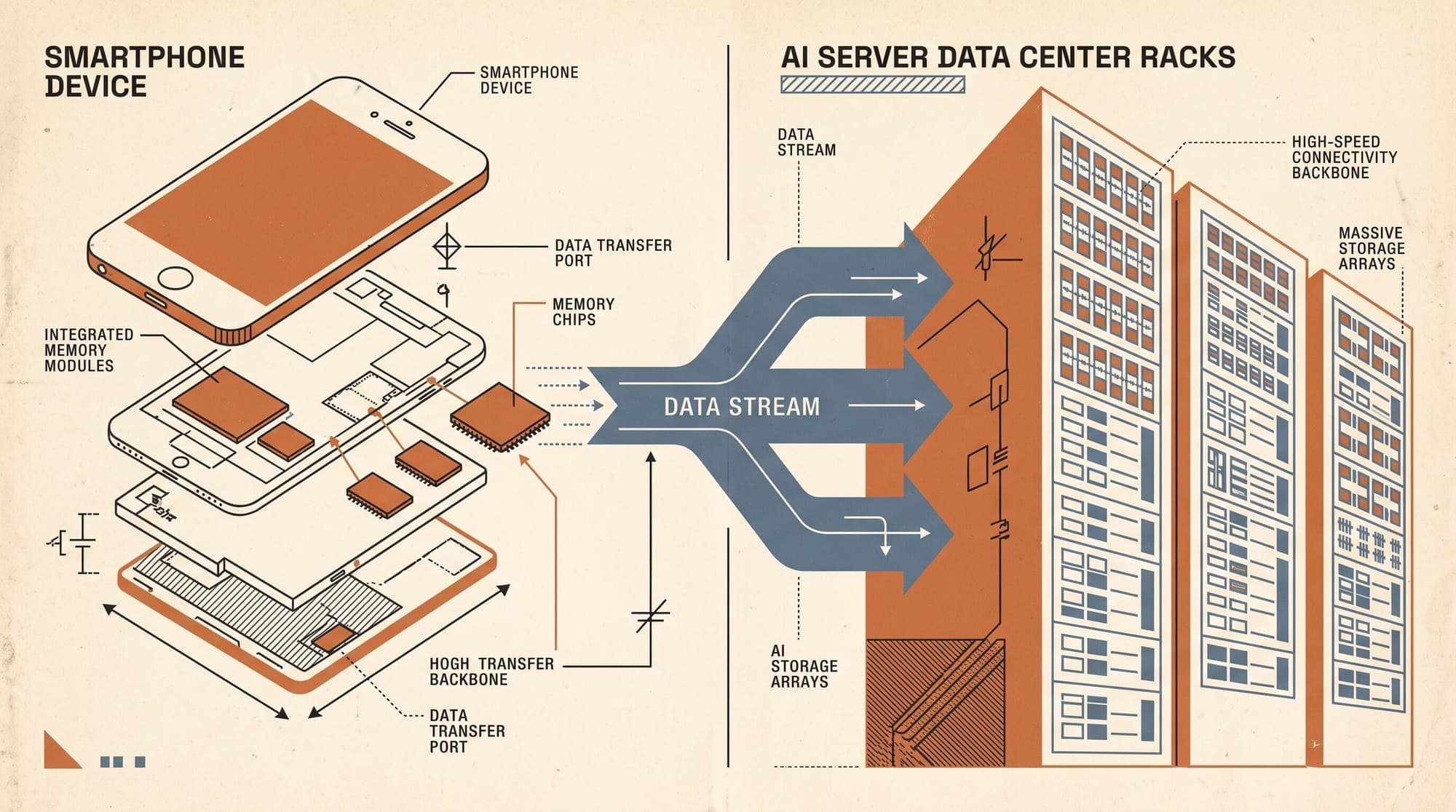
    Google is implementing strict new memory performance thresholds for Android applications on the Google Play Store, directly citing component shortages driven by the artificial intelligence data center buildout. In an update on the Android Developers Blog, Google detailed new app quality requirements targeting dynamic memory allocation, bitmap memory usage, and execution efficiency. The policy changes reflect supply chain shifts in semiconductor manufacturing, where massive demand for high-bandw
    AI
    2 min read
  2. Agentic Web Scraping and Headless Browser Automation in Production: Comparing Crawl4AI, Browser-Use, Stagehand, and ScrapeGraphAI

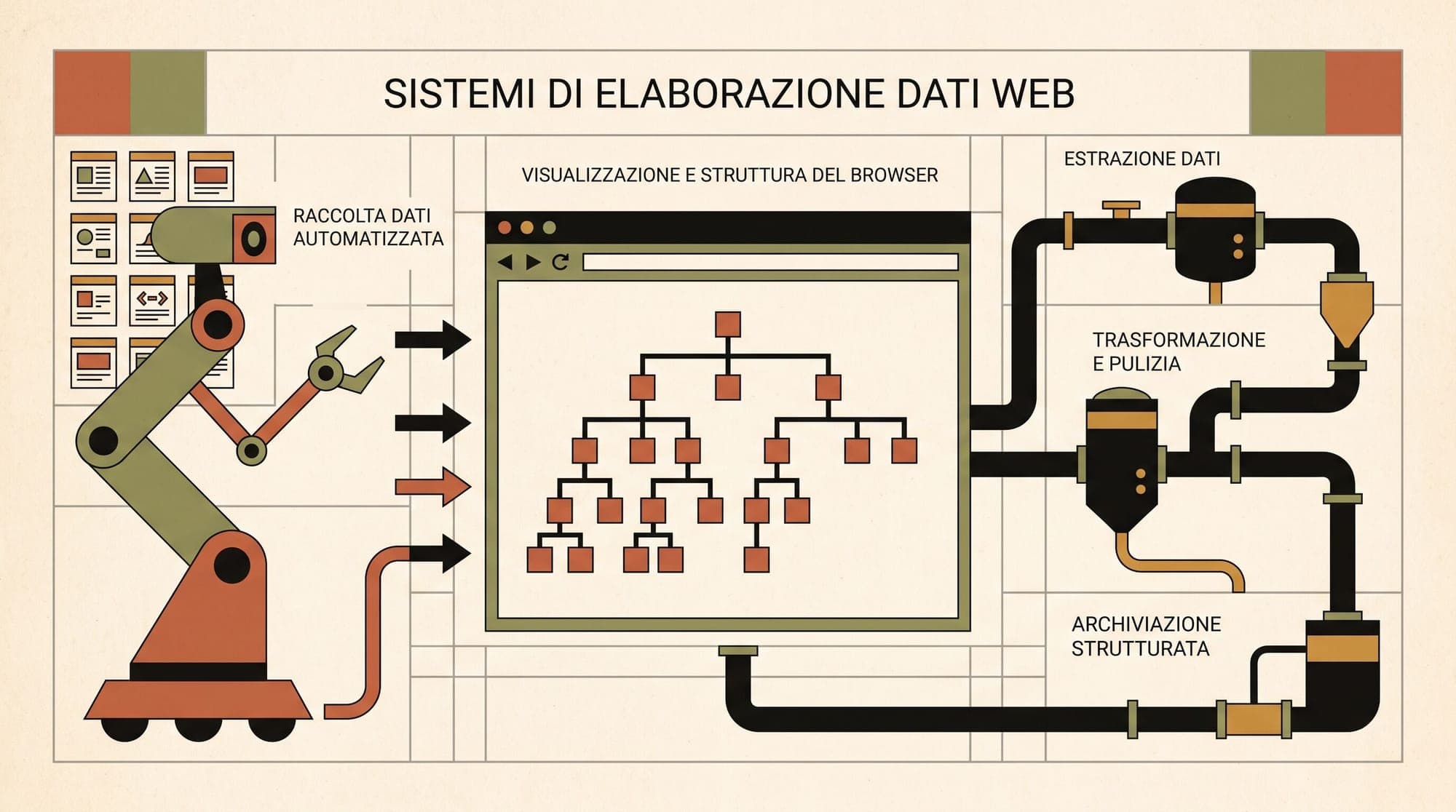
    Agentic Web Scraping and Headless Browser Automation in Production: Comparing Crawl4AI, Browser-Use, Stagehand, and ScrapeGraphAI Web scraping has undergone a fundamental architectural transition. For decades, automated data extraction relied on deterministic parsers such as Beautiful Soup, Scrapy, and raw headless browser drivers like Playwright or Puppeteer. These tools depended on hand-crafted CSS selectors, XPath expressions, and rigid execution trees. While computationally lightweight, sel

    AI
    10 min read
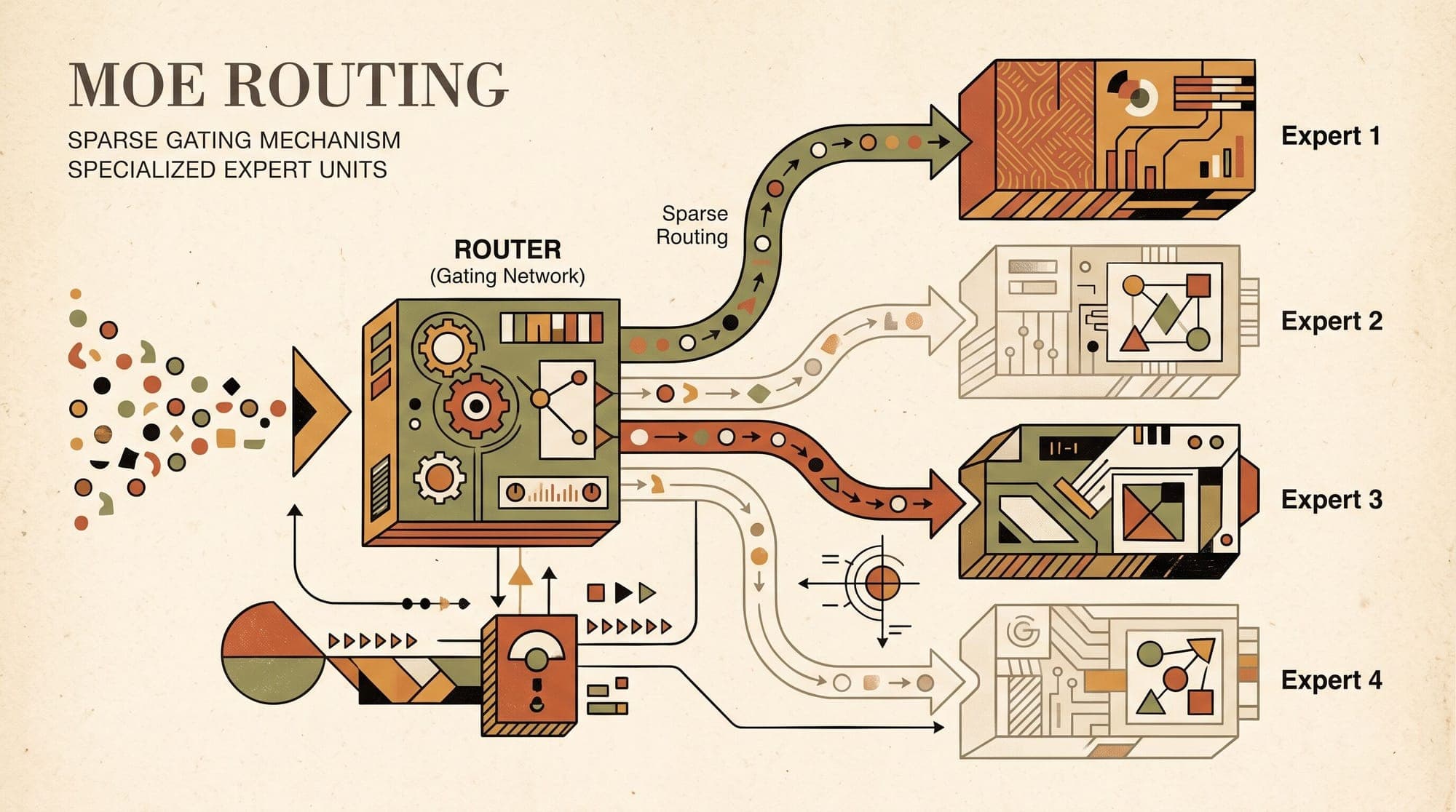
  3. Mixture-of-Experts (MoE) Routing and Load Balancing: Mathematical Foundations of Noisy Top-k Gating, Expert Capacity, Auxiliary Balancing Losses, and Loss-Free Load Balancing

    Mixture-of-Experts (MoE) Routing and Load Balancing: Mathematical Foundations of Noisy Top-k Gating, Expert Capacity, Auxiliary Balancing Losses, and Loss-Free Load Balancing Scaling dense transformer models incurs computational costs that grow proportionally with parameter count. In dense architectures, every token in a sequence activates all feed-forward network (FFN) parameters across every layer. Sparse Mixture-of-Experts (MoE) architectures decouple parameter count from per-token compute b

    AI
    15 min read
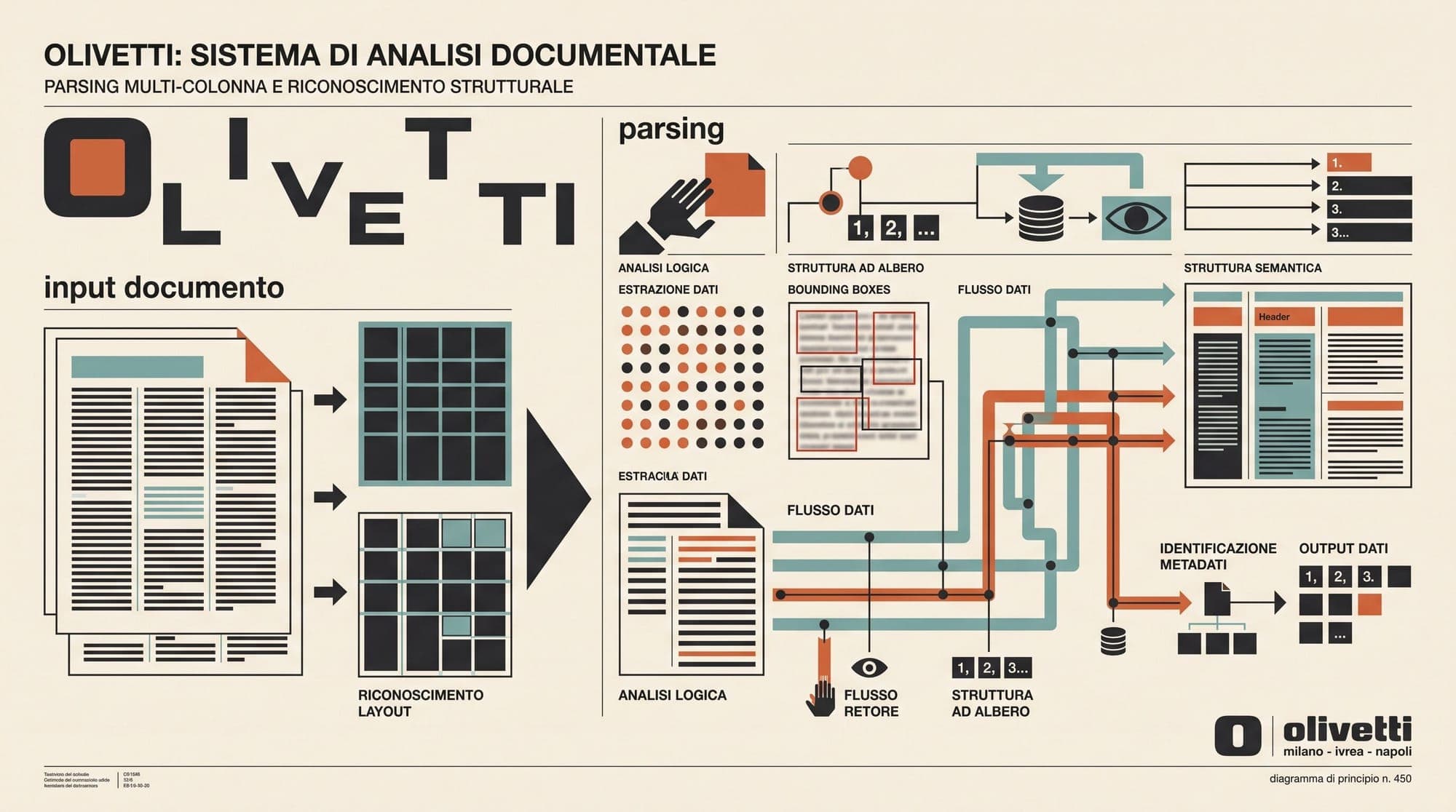
  4. Document Parsing Engines in Production RAG: Comparing Docling, Marker, MinerU, and Unstructured Architecture, Layout Analysis, Table Extraction, and Serving Economics

    Retrieval-Augmented Generation (RAG) systems frequently fail not in their embedding models or vector databases, but at the initial document ingestion layer. When enterprise documents (including financial 10-K filings, clinical trial reports, technical manuals, and multi-column academic papers) are parsed using legacy text scrapers such as basic pypdf or pdfminer, structural semantics are lost. Multi-column reading orders interleave across paragraphs, header and footer noise pollutes vector indic

    AI
    9 min read
  5. Aurora Ransomware Deployed Cursor AI Coding Agent for Autonomous Network Exploitation

    A threat intelligence report from Gambit Security has revealed that the Russian-speaking ransomware operation known as Aur0ra (Aurora) utilized the Cursor AI coding assistant to conduct hands-on network intrusions and automated exploitation across at least seven enterprise environments between April and May 2026. According to session logs recovered from exposed threat actor infrastructure, the attacker drove Cursor Agent configured with the claude-4.5-sonnet-thinking model identifier to execute

    Cybersecurity
    2 min read
  6. Autonomous Coding Agent Harnesses in Production: Comparing OpenHands, SWE-agent, Aider, and Cline

    The transition from inline code completion to autonomous software engineering harnesses marks a structural shift in how frontier models interact with codebases. Where early coding assistants operated within narrow token completion windows, modern agentic harnesses construct closed action-observation loops. These systems inspect repository structures, invoke compiler toolchains, execute unit test suites, parse stdout diagnostics, and iteratively correct syntax and logic errors until a pull reques

    AI
    5 min read
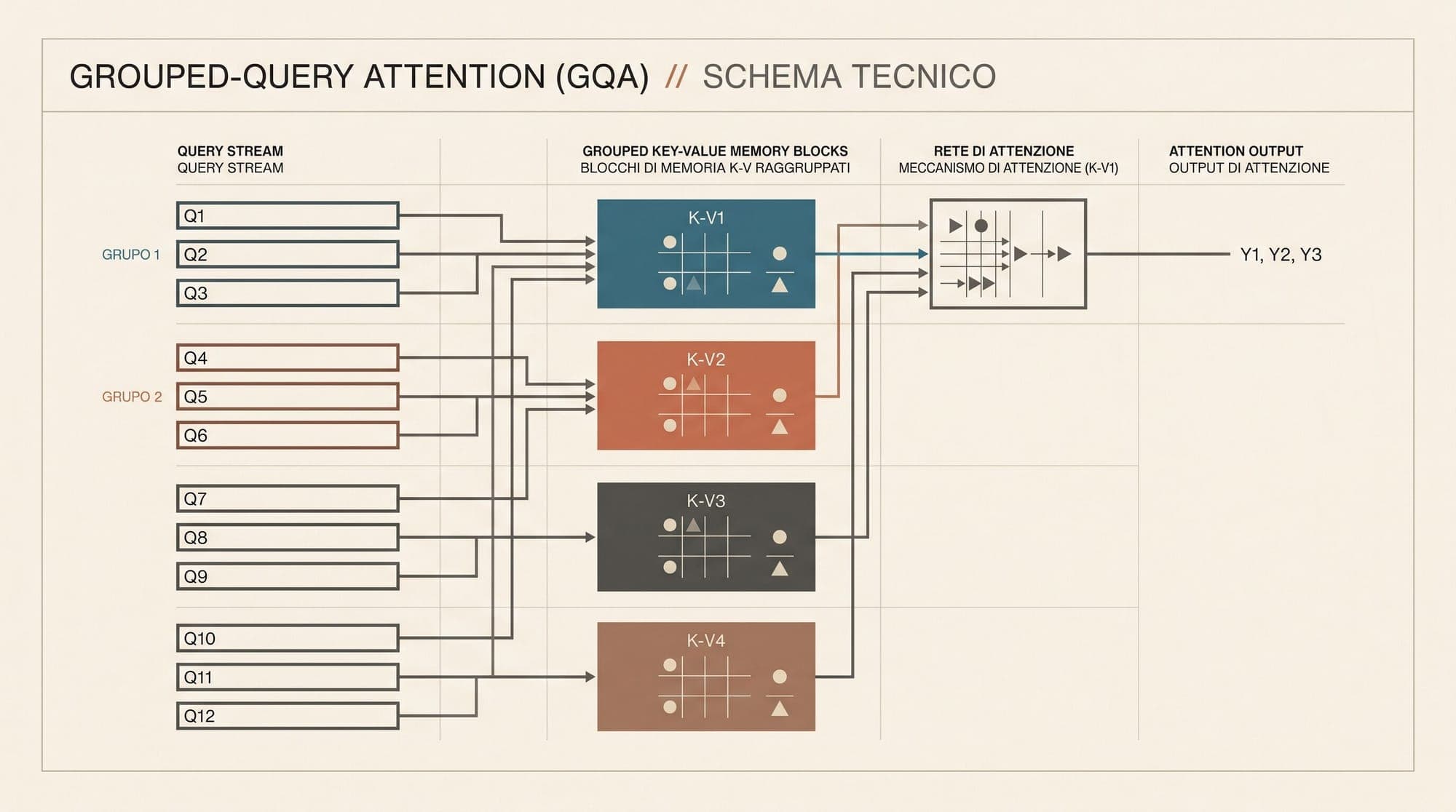
  7. Grouped-Query Attention (GQA) and Multi-Query Attention (MQA): Mathematical Foundations, Arithmetic Intensity, and KV-Cache Scaling Mechanics

    Grouped-Query Attention (GQA) and Multi-Query Attention (MQA): Mathematical Foundations, Arithmetic Intensity, and KV-Cache Scaling Mechanics Autoregressive large language model inference is governed by a fundamental hardware asymmetry. During the initial prompt processing phase (prefill), computation is compute-bound because matrix multiplications process entire sequences in parallel. During sequential token generation (decoding), execution becomes strictly memory-bandwidth bound. For each gen

    AI
    12 min read
  8. Visa Expands Open-Source Security Harness VVAH with Automated Code Remediation and Adversarial Validation

    Visa has released a major update to its open-source Visa Vulnerability Agentic Harness (VVAH), extending the framework from a vulnerability discovery engine into an end-to-end 11-stage pipeline that generates code fixes and evaluates them against adversarial validation models. The release shifts the default operating posture of the harness. Rather than terminating at SARIF report generation, a standard execution now traverses all 11 stages: identifying exploitable security flaws, authoring cand

    AI
    3 min read
  9. LLM Fine-Tuning and Post-Training Frameworks in Production: Comparing Unsloth, Axolotl, Torchtune, and LLaMA-Factory

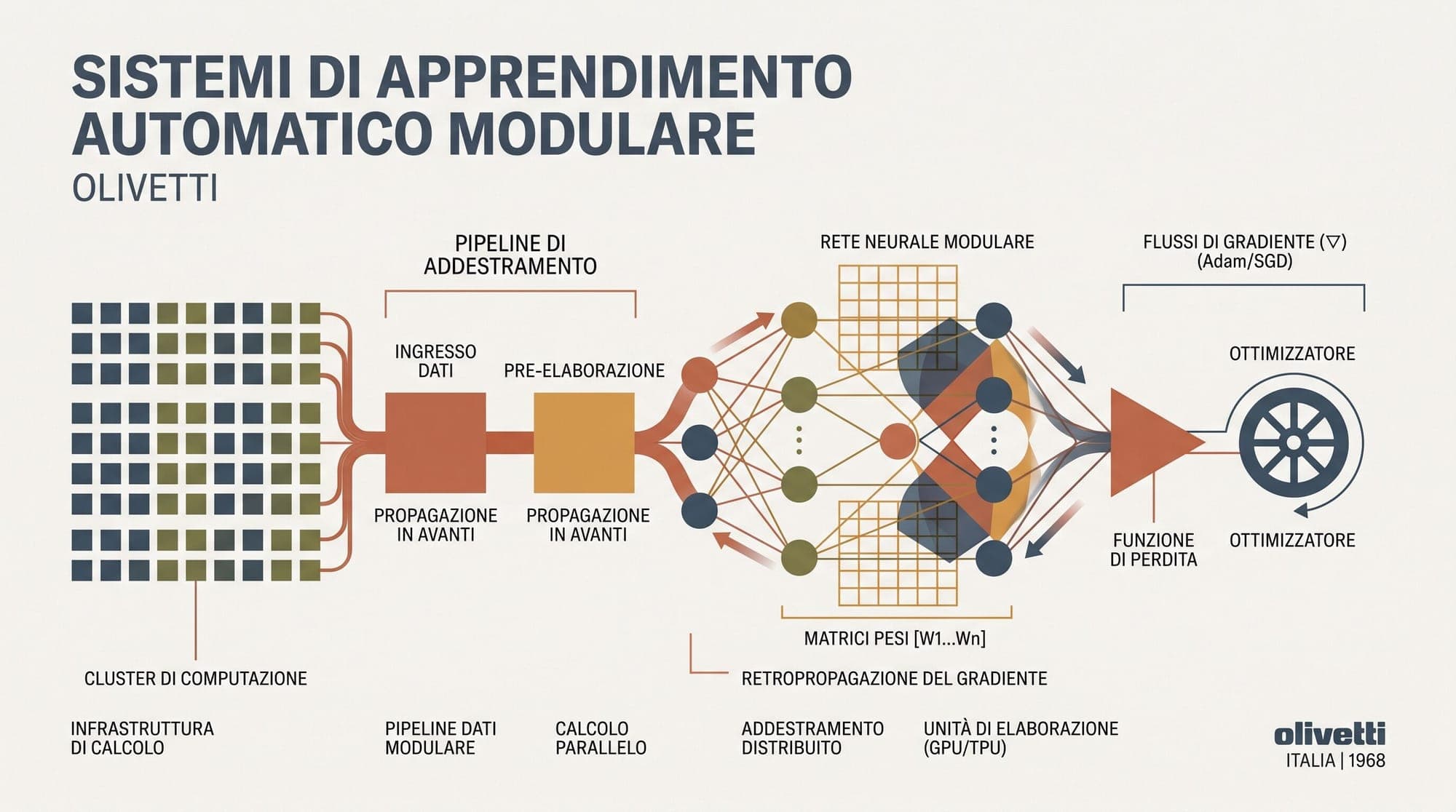
    Post-training has transitioned from a specialized research task into a standard production engineering discipline. As open-weight base models such as Llama 3.1, Qwen 2.5, and DeepSeek-V3 establish competitive baselines, the primary engineering challenge has shifted toward domain adaptation, instruction alignment, and reasoning distillation. However, selecting a post-training framework requires balancing competing architectural trade-offs: low-level kernel fusion, distributed multi-node scaling,

    AI
    6 min read
  10. Hugging Face Unveils Microduck, a 99 Open-Source Bipedal Robot for Embodied AI

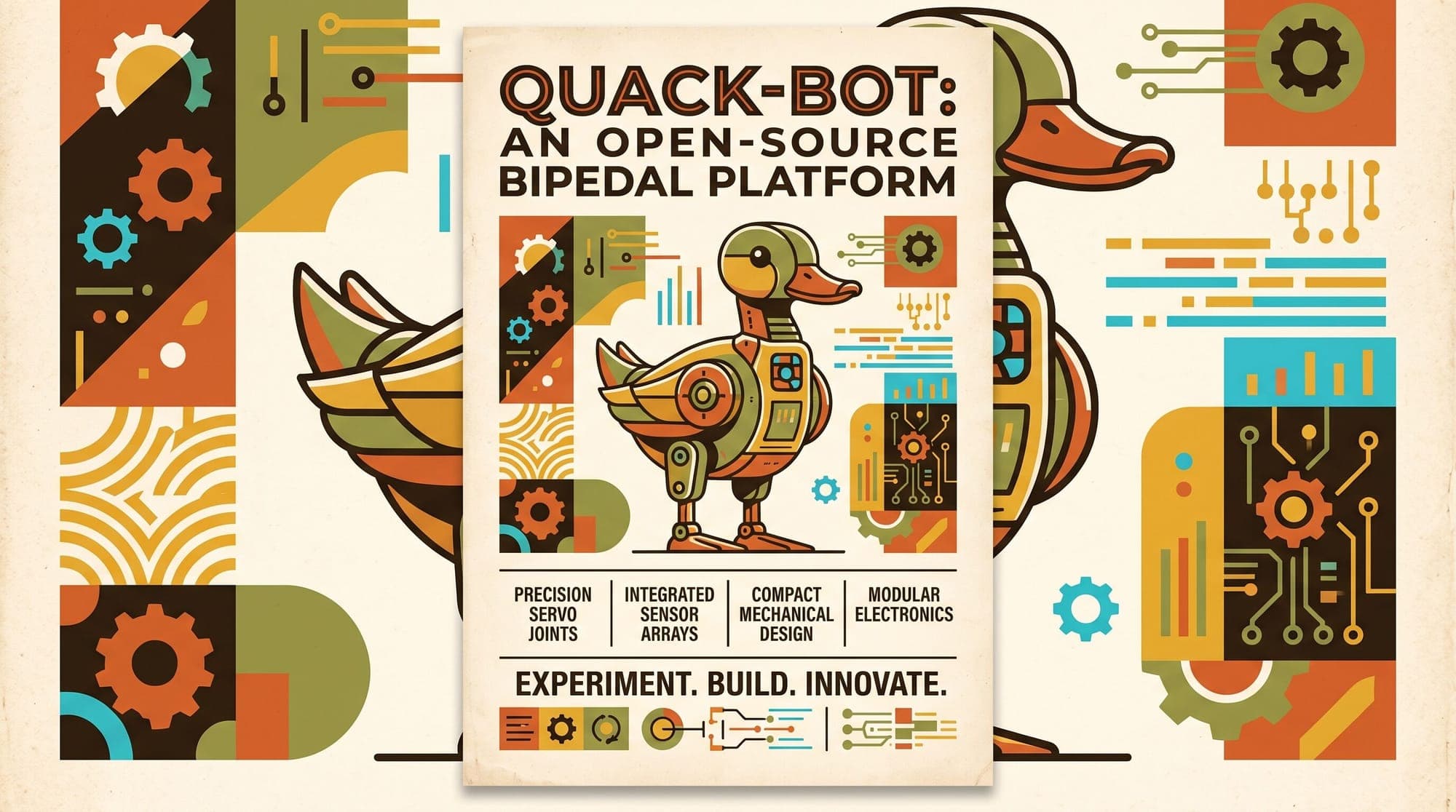
    Hugging Face has introduced Microduck, a 10-inch-tall, 1.7-pound bipedal open-source robot priced at $399. Developed in partnership with Pollen Robotics and manufactured by Shenzhen-based hardware specialist Seeed Studio, the device is designed as an accessible hardware platform for embodied AI research and reinforcement learning experimentation. The compact biped features integrated visual sensors, microphone arrays, audio output, and wireless connectivity over Wi-Fi and Bluetooth. Commercial

    AI
    1 min read