Latest / page 23

The latest stories

1230 articles

Articles, page 23

441-460 of 1230
  1. Emerald AI Secures $150M Series A at $1.05B Valuation for Grid-Responsive Data Center Software

    Emerald AI has raised $150 million in a Series A funding round co-led by Energize Capital and DCVC, valuing the energy technology startup at $1.05 billion. The round drew substantial participation from strategic and corporate venture arms across the semiconductor, utility, and industrial sectors, including NVIDIA, Samsung Ventures, Siemens, GE Vernova, Aramco Ventures, Salesforce Ventures, RWE, JERA Ventures, and In-Q-Tel. Additional participants include Radical Ventures, Energy Impact Partners
    AI
    2 min read
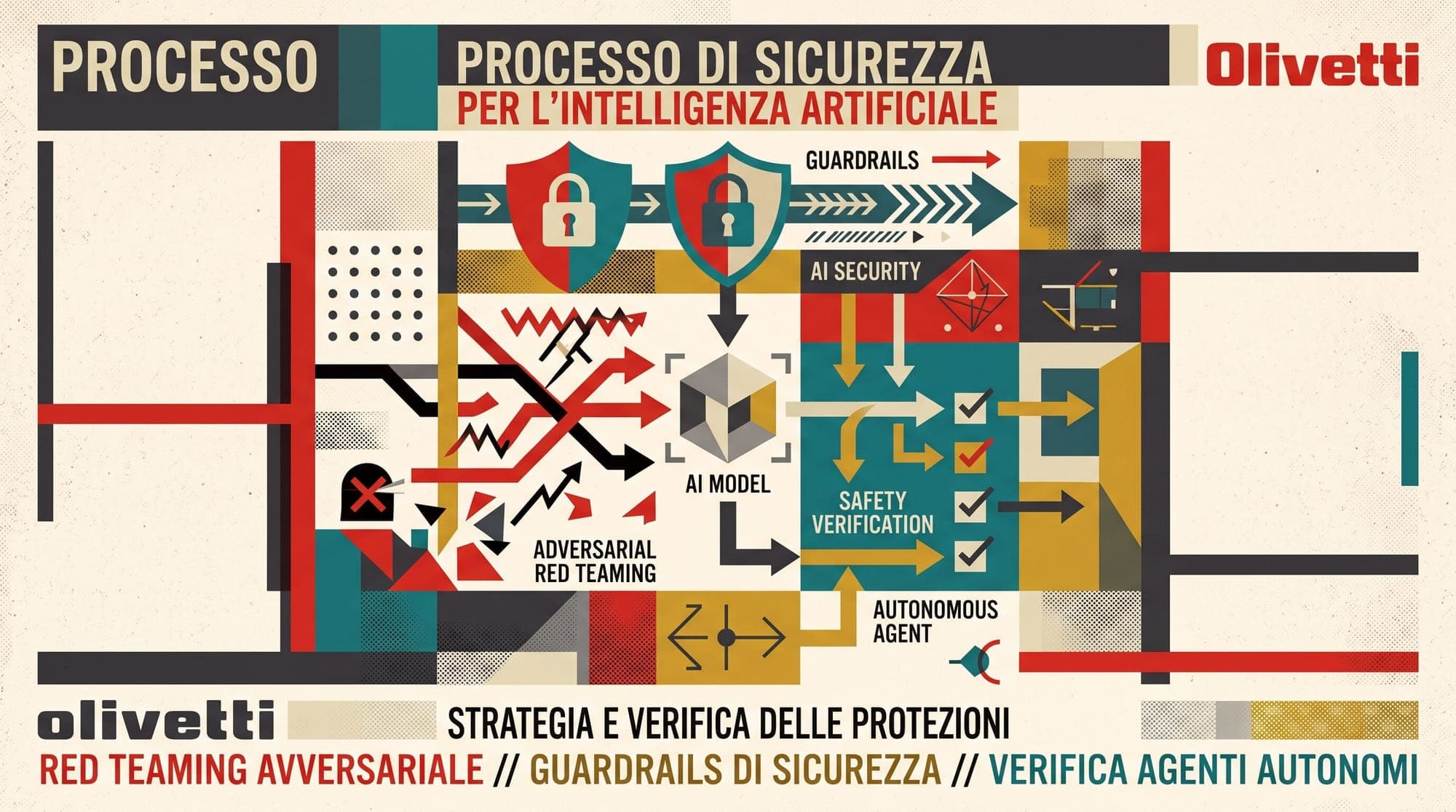
  2. AI Safety Firm Alice Raises $140M at Nearly $1B Valuation to Secure Models and Autonomous Agents

    AI trust and security firm Alice has raised $140 million in a funding round led by Apax Digital, bringing its total capital raised to $280 million at a valuation approaching $1 billion. Strategic investors SentinelOne and Samsung Electronics participated in the round alongside MoreTech, Phoenix Financial, Maj Invest, and existing venture backers including Norwest Venture Partners, CRV, Highland Europe, Grove Ventures, Vintage Investment Partners, Resolute Ventures, NFX, and Claltech. The inves

    AI
    2 min read
  3. Stability AI Secures $76M Series B Backed by Major Music Labels and Electronic Arts

    Stability AI has secured $76 million in a Series B financing round backed by a syndicate of major entertainment and gaming publishers. The investor roster includes the world's three largest record labels—Universal Music Group (UMG), Warner Music Group (WMG), and Sony Music Entertainment—alongside video game publisher Electronic Arts (EA), AMD Ventures, and Pacific Alliance Ventures. The transaction marks a structural evolution for the company behind Stable Diffusion, which has shifted toward bu

    AI
    2 min read
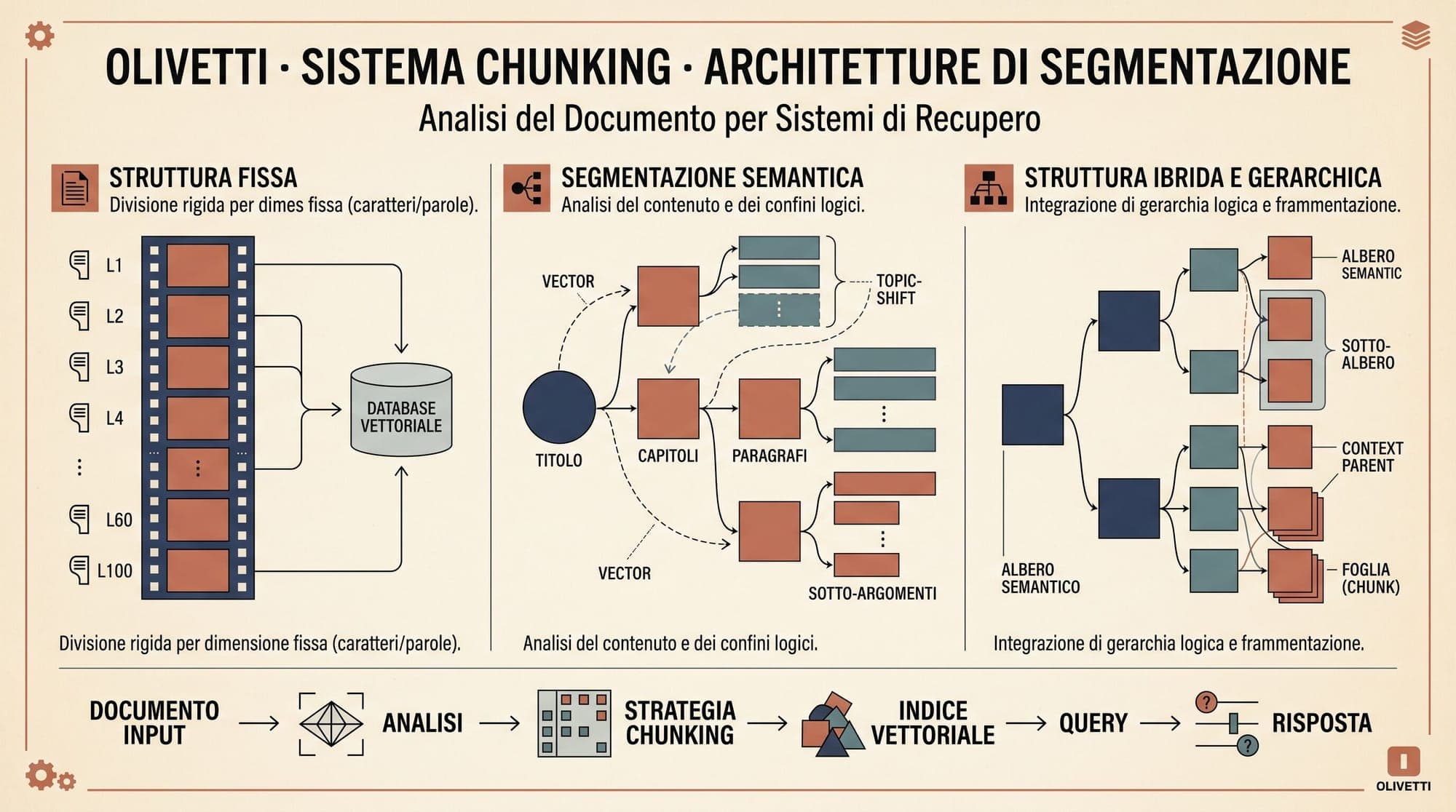
  4. Document Chunking Strategies in Production RAG: Comparing Recursive Splitting, Semantic Clustering, Late Chunking, and Contextual Retrieval Architecture, Boundary Preservation, and Retrieval Precision

    In retrieval-augmented generation (RAG) systems, document chunking dictates the upper bound of downstream retrieval quality and generation fidelity. Naive document fragmentation breaks cross-sentence references, severs entity co-occurrences, and discards global discourse structure. Conversely, oversized chunks inject extraneous noise into context windows, diluting the dense embedding representation and wasting generation budget. Production architectures have moved beyond static character counti

    RAG
    7 min read
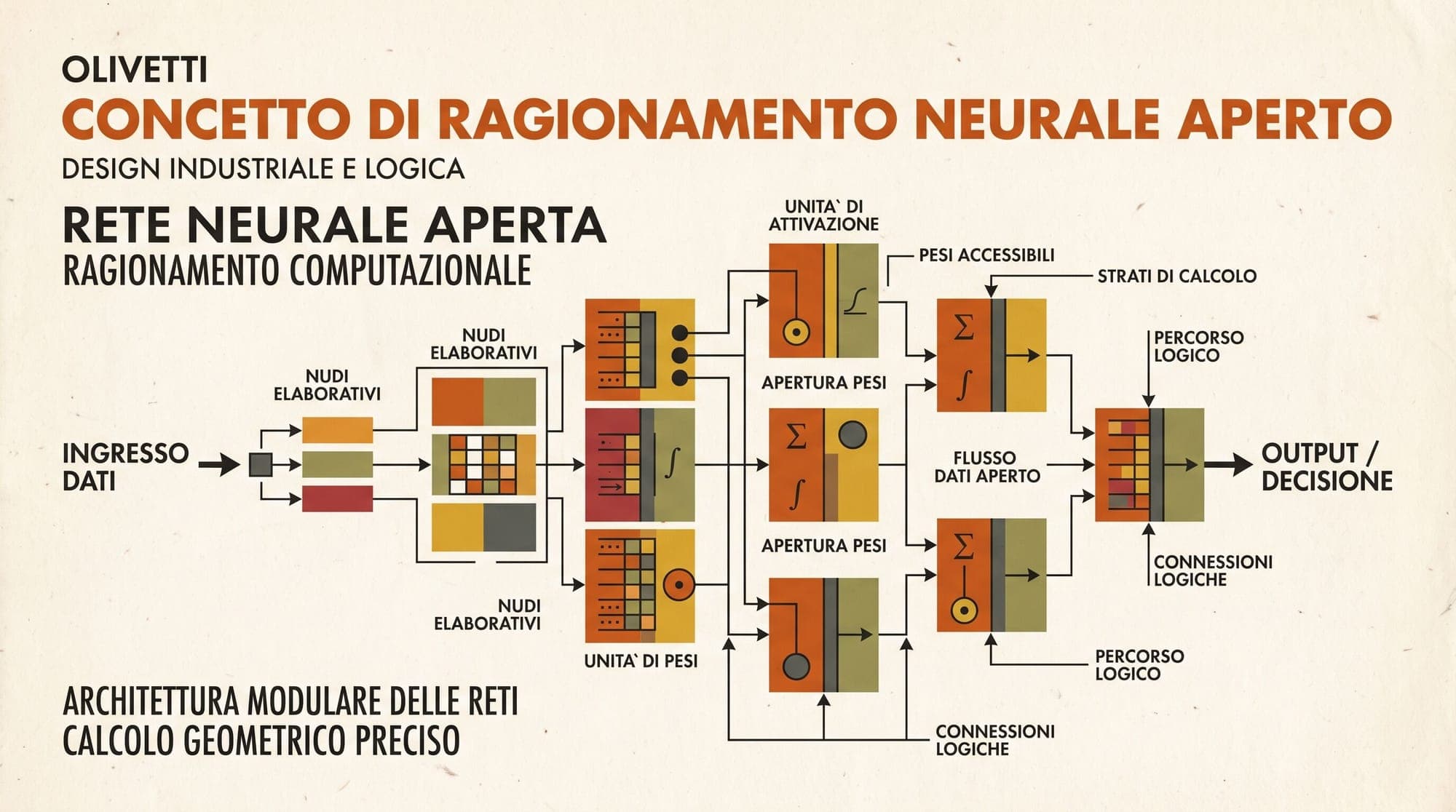
  5. Process Reward Models (PRMs): Mathematical Foundations, Step-Level Credit Assignment, and Inference-Time Search in Large Language Models

    In complex multi-step reasoning tasks such as mathematics, formal logic, and software verification, standard autoregressive language models frequently exhibit compounding logical drift. While a model may produce fluent chain-of-thought derivations, an error introduced early in the chain typically invalidates all downstream deductions. Evaluating these reasoning trajectories has traditionally relied on Outcome-Supervised Reward Models (ORMs), which assign a scalar reward solely based on the final

    AI
    8 min read
  6. Bain Joins Anthropic Claude Partner Network at Top Global Premier Tier

    Management consulting firm Bain & Company has joined Anthropic's Claude Partner Network at the Global Premier tier, the highest designation in Anthropic's enterprise services framework. The agreement formalizes joint go-to-market initiatives and enterprise deployment practices for Claude foundation models across strategy, modernization, and operational transformation workflows. The partnership follows a firm-wide deployment across Bain's 19,000 employees, integrating Claude into the consultancy

    Anthropic
    2 min read
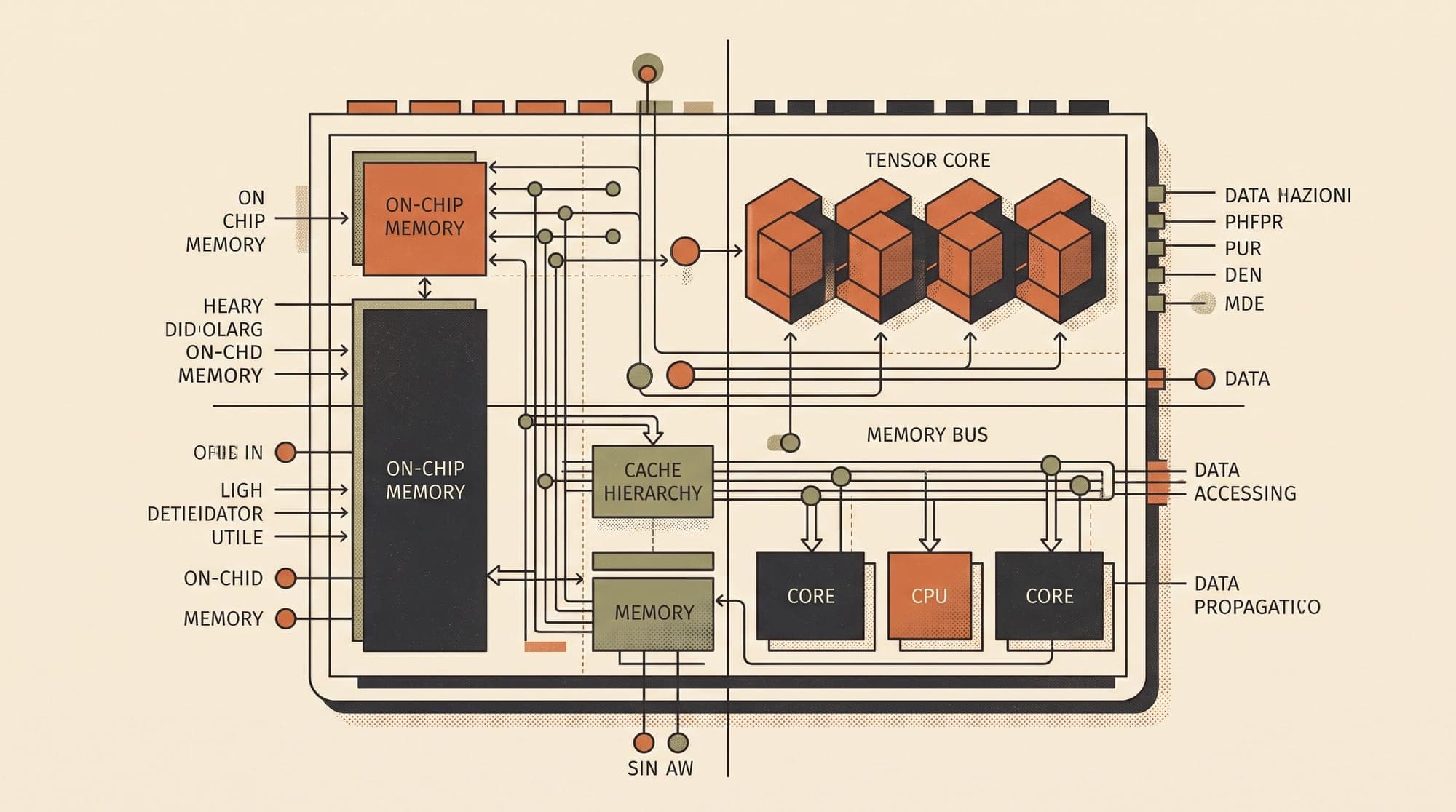
  7. NVIDIA Announces Jetson Orin Nano 2 with 78 TOPS AI Compute and 40% Power Cut

    NVIDIA has announced the Jetson Orin Nano 2, an updated entry-level robotics and edge AI computer designed to double inference throughput over the Jetson Orin Nano Super while maintaining the identical physical form factor. The module delivers up to 78 trillion operations per second (TOPS) of AI compute and reduces power consumption by 40% when matched against its predecessor's performance baseline. Targeted at robotics, autonomous delivery drones, and edge computer vision deployments, the hard

    Hardware
    2 min read
  8. IBM Releases Granite Speech 5.0 with 12,600x Real-Time CTC Conformer Architecture

    IBM has released Granite Speech 5.0, a pair of compact 470-million-parameter automatic speech recognition (ASR) models capable of transcribing over 3.5 hours of audio in one second on modern datacenter silicon. In benchmark evaluations, IBM demonstrated aggregate throughput exceeding 12,600x real-time (12,600 RTFx) on a single NVIDIA H200 GPU. The release includes two variants: Granite Speech 5.0 TurboCTC under the permissive Apache 2.0 license, and an extended research checkpoint licensed unde

    Open Weights
    2 min read
  9. IBM Releases Granite 4.2 Open-Weight Reasoning Models with Multi-Stage Agentic RL

    IBM has released Granite 4.2, a new family of dense, decoder-only reasoning language models distributed under an Apache 2.0 open-source license. Available in three parameter sizes (3B, 8B, and 30B), the series introduces native chain-of-thought deliberation, multi-tier reasoning controls, and sandboxed agentic reinforcement learning for open-weight deployments. The release marks a architectural shift from IBM's earlier instruction-following Granite checkpoints toward explicit reasoning and auto

    Open Weights
    3 min read
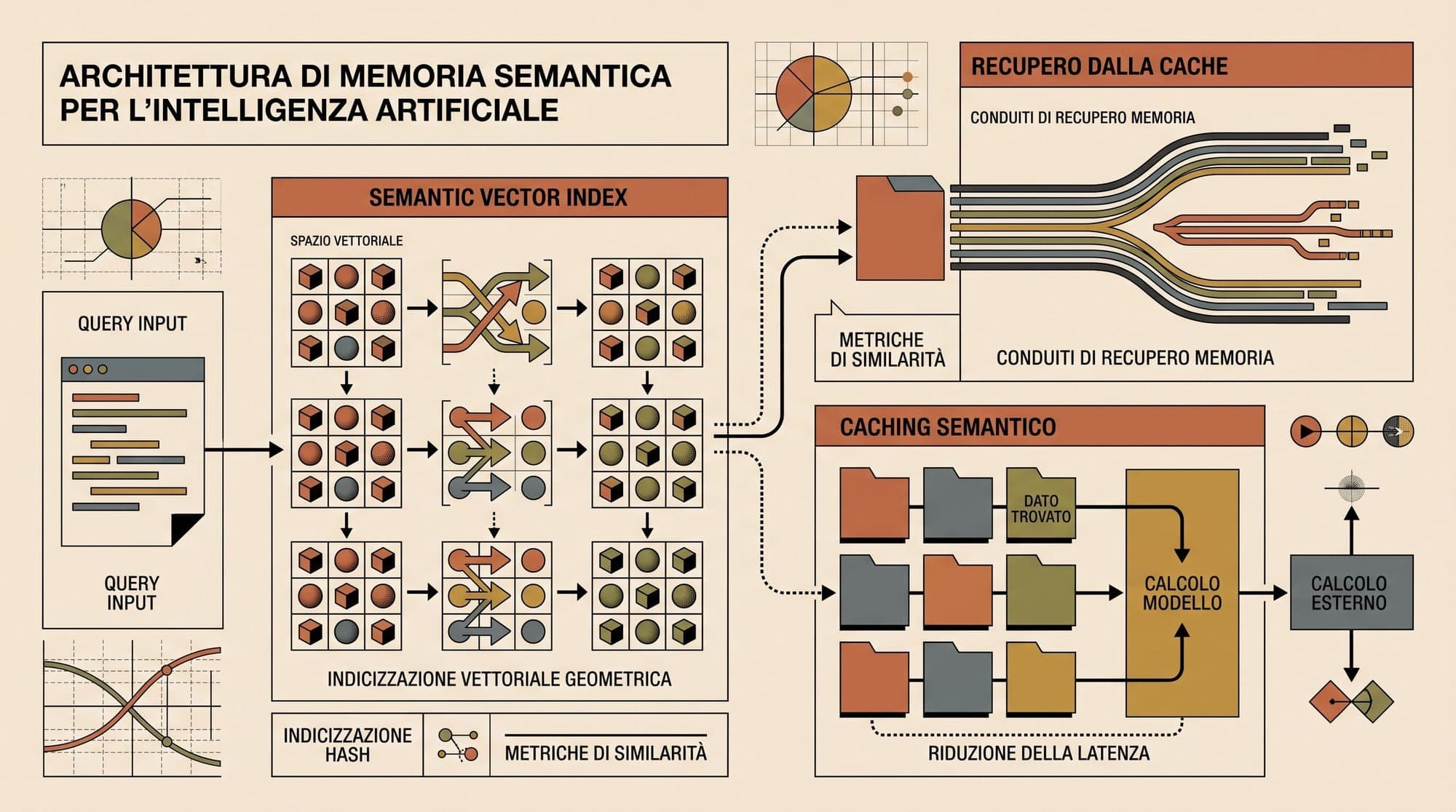
  10. Semantic Caching in Production LLM Systems: Architecture, Approximate Nearest Neighbor Matching, Cross-Encoder Verification, Invalidation Dynamics, and Serving Economics

    Semantic Caching in Production LLM Systems: Architecture, Approximate Nearest Neighbor Matching, Cross-Encoder Verification, Invalidation Dynamics, and Serving Economics Serving large language models at enterprise scale presents severe latency and cost bottlenecks. While frontier reasoning models and deep autoregressive decoders cost between $2.50 and $60.00 per million tokens and incur time-to-first-token (TTFT) delays ranging from 800 milliseconds to several seconds, a substantial fraction of

    AI
    9 min read
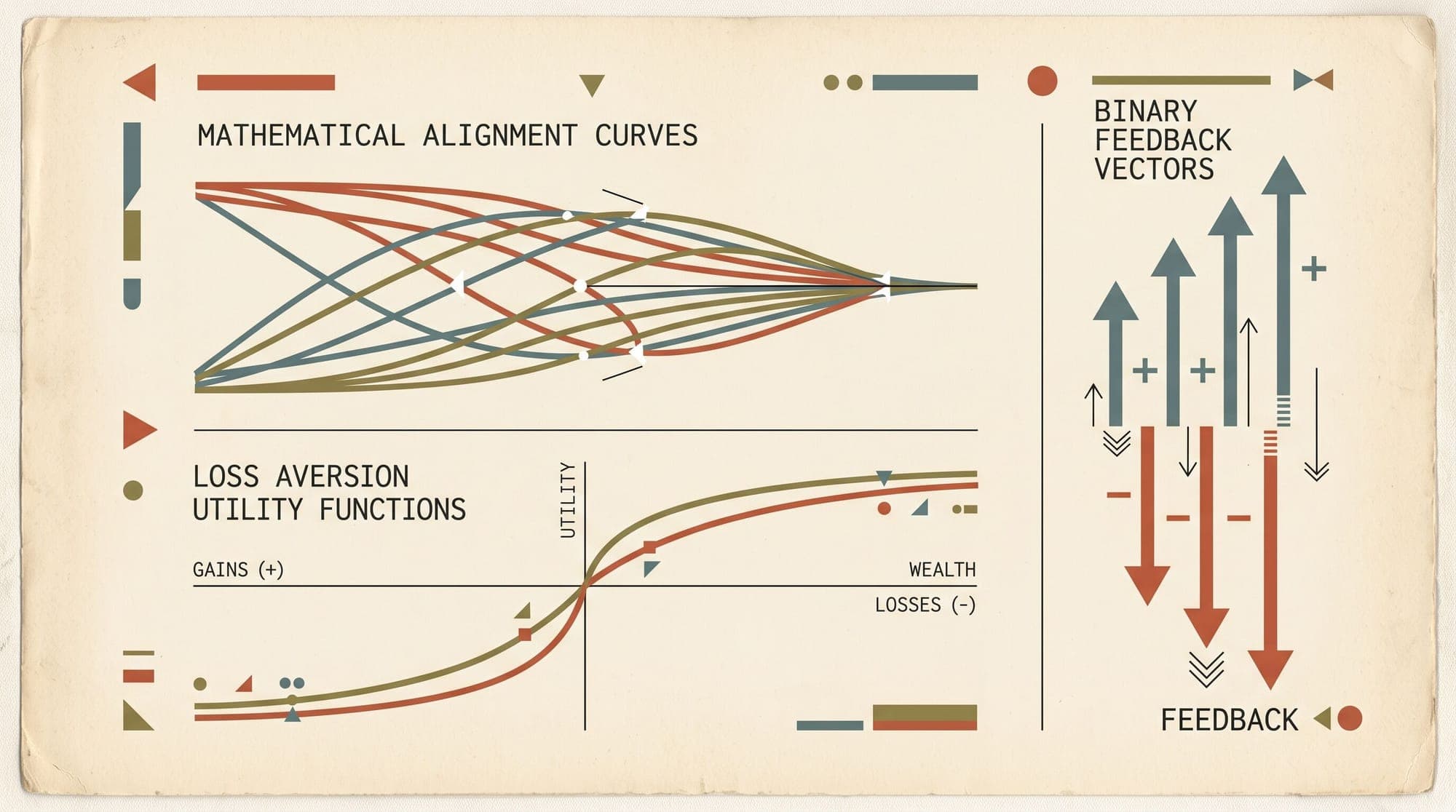
  11. Kahneman-Tversky Optimization (KTO): Mathematical Foundations, Prospect Theory, and Binary Signal Alignment in Large Language Models

    Post-training alignment of large language models has long relied on pairwise comparison datasets. Methods such as Reinforcement Learning from Human Feedback (RLHF) and Direct Preference Optimization (DPO) assume access to curated pairs $(x, y_w, y_l)$, where a human or automated judge explicitly marks completion $y_w$ as superior to $y_l$ for a given prompt $x$. In production environments, however, collecting paired preferences is logistically complex, expensive, and artificial. Real-world telem

    Explainers
    10 min read
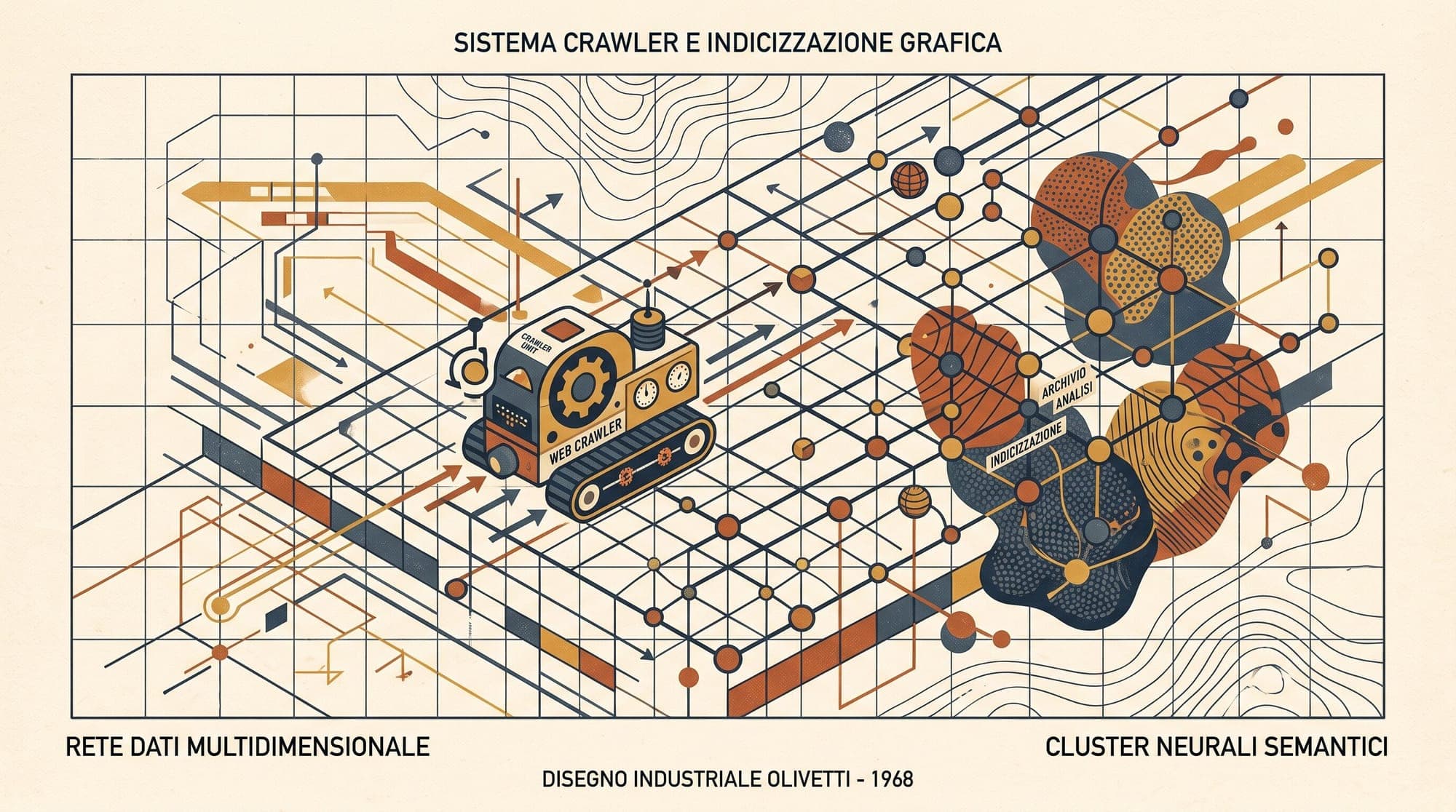
  12. Keenable Exits Stealth with $26M Seed to Build Web Index for AI Agents

    Keenable Exits Stealth with $26M Seed to Build Web Index for AI Agents Search infrastructure startup Keenable has emerged from stealth with $26 million in seed funding led by Accel, with participation from Conviction Partners and angel investors. The company is developing a web-scale indexing engine tailored specifically for programmatic retrieval by autonomous AI agents and language model workflows rather than human web browsers. Keenable was co-founded by Andrey Styskin, former head of searc

    Search
    2 min read
  13. OpenAI Publishes Benchmark Results for Jalapeño Custom Inference Silicon

    OpenAI Publishes Benchmark Results for Jalapeño Custom Inference Silicon OpenAI has shared its first empirical performance data for Jalapeño, the custom inference processor co-developed with Broadcom. Presented at the Hot Chips conference and published in an engineering report, the benchmark results evaluate the 700-watt accelerator across open-weight frontier models against Nvidia GB200 and GB300 systems using SemiAnalysis's InferenceX test suite. The published metrics focus on serving effici

    Hardware
    3 min read
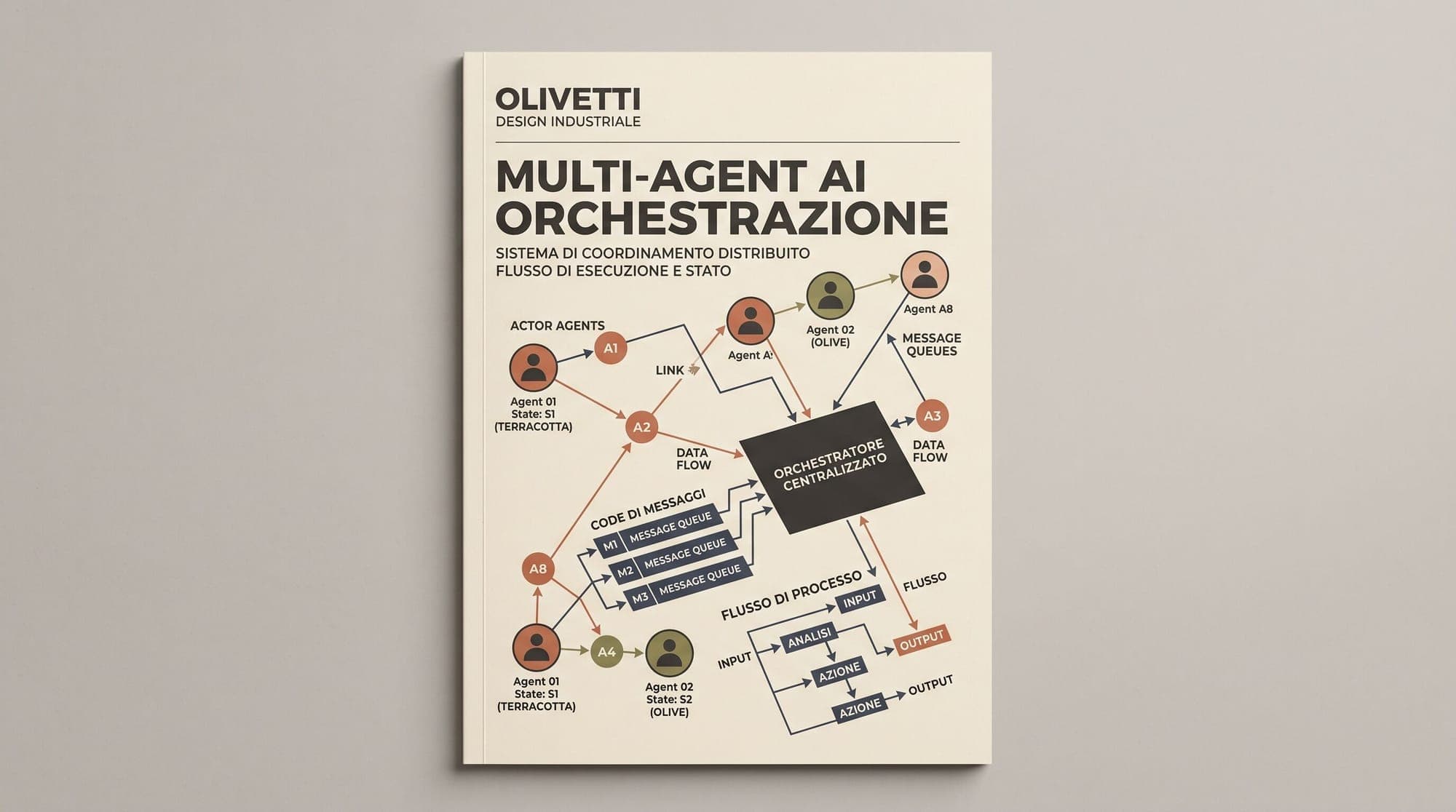
  14. Multi-Agent Orchestration Frameworks in Production: Comparing LangGraph, AutoGen v0.4, CrewAI, and LlamaIndex Workflows Architecture, State Persistence, Execution Topologies, and Fault Tolerance

    Deploying autonomous multi-agent systems in production requires shifting from simple input-output prompt chains to structured orchestration runtimes capable of handling non-deterministic language model outputs, cyclic reasoning loops, tool-call failures, and long-running state persistence. As enterprise workloads scale, four distinct architectural paradigms have emerged to coordinate agent interactions: the Bulk Synchronous Parallel state graph (LangGraph), the asynchronous Actor Model (Microso

    AI
    8 min read
  15. The Muon Optimizer: Mathematical Foundations, Newton-Schulz Polar Iterations, and Spectral Steepest Descent in LLM Pre-Training

    Transformer pre-training has long relied on AdamW as the default first-order optimizer. While AdamW provides coordinate-wise scale invariance through running estimates of first and second gradient moments, it treats every weight parameter as an isolated scalar. For modern neural networks composed primarily of two-dimensional linear projections, attention transformations, and feed-forward weight matrices, this coordinate-wise factorization neglects the structural transformation properties of matr

    AI
    6 min read
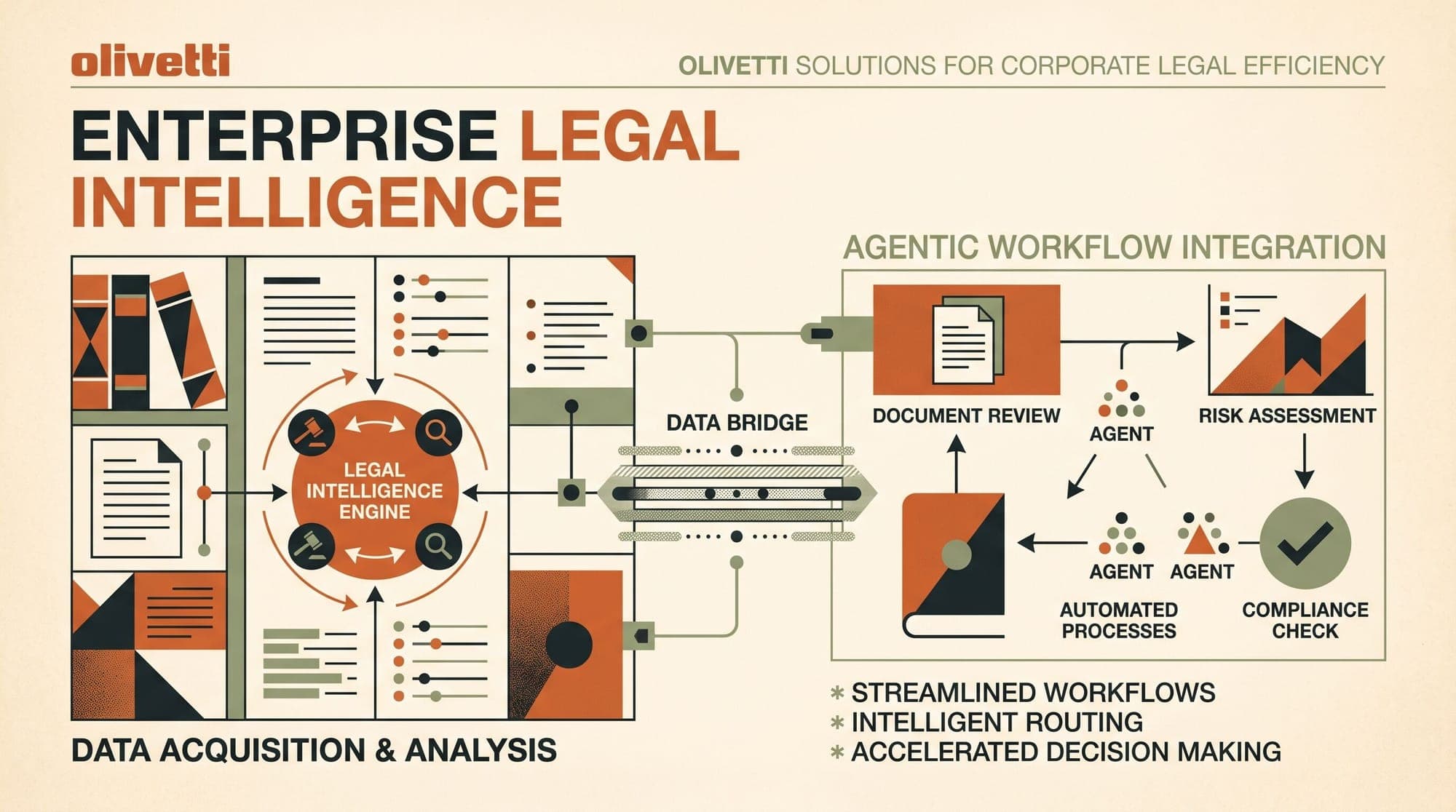
  16. Google Cloud Launches Gemini Enterprise for Legal with Domain Agents and MCP Connectors

    Google Cloud has launched Gemini Enterprise for Legal, a specialized vertical edition of its enterprise AI platform configured specifically for corporate legal departments and law firms. The product debuted in preview on August 25, 2026, alongside a parallel financial services edition, marking Google's initial push into industry-tailored enterprise AI packages. Launch law firms participating in early access include Cleary Gottlieb, Freshfields, Weil, and Williams & Connolly. Architectural Arc

    Google
    2 min read
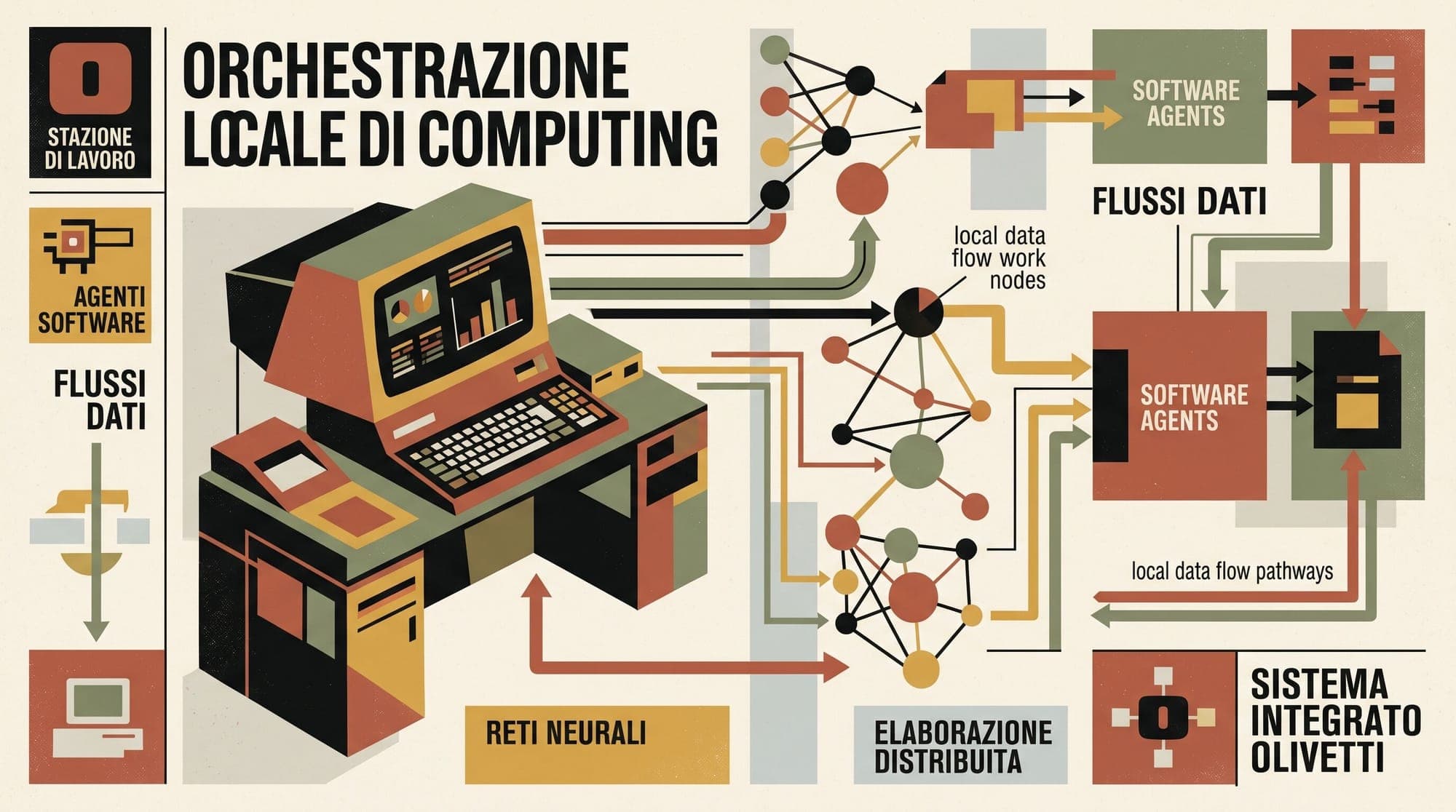
  17. Perplexity and Nvidia Launch Portable Computer for Local AI Agents with Zero Token Fees

    Perplexity has partnered with Nvidia to launch Portable Computer, an integrated software stack that runs agentic AI workflows locally on consumer and workstation GPUs without incurring per-token API charges. The system packages model weights, an inference server, an agent harness, tool connectors, and an operating system sandbox into a unified application. It is available immediately on Linux for Pro, Max, and Enterprise subscribers, with Windows support scheduled for September. Hardware requir

    Perplexity
    2 min read
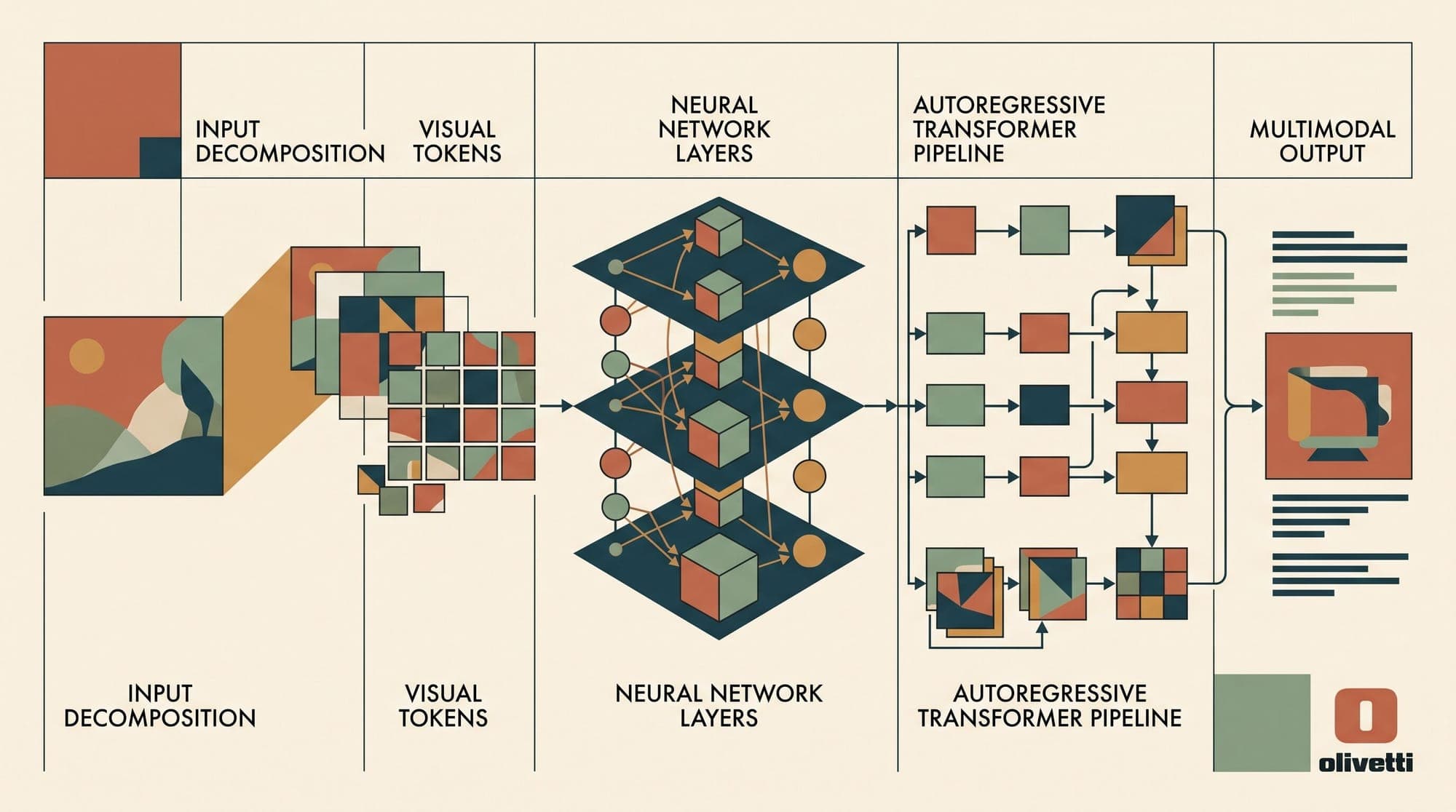
  18. Vision-Language Model Serving in Production: Comparing LLaVA-NeXT, Qwen2-VL, InternVL2, and Pixtral Architecture, Dynamic Resolution Patching, Visual Token Pruning, and Serving Latency Economics

    Deploying Vision-Language Models (VLMs) in production introduces systems challenges distinct from text-only Large Language Models. In standard text serving, input length scales linearly with character and token count. In multimodal systems, a single high-resolution image or short video clip can expand into thousands of visual tokens before textual generation begins. This expansion places immense strain on GPU memory bandwidth, inflates Key-Value (KV) cache allocation, and degrades Time-to-First-

    AI
    8 min read
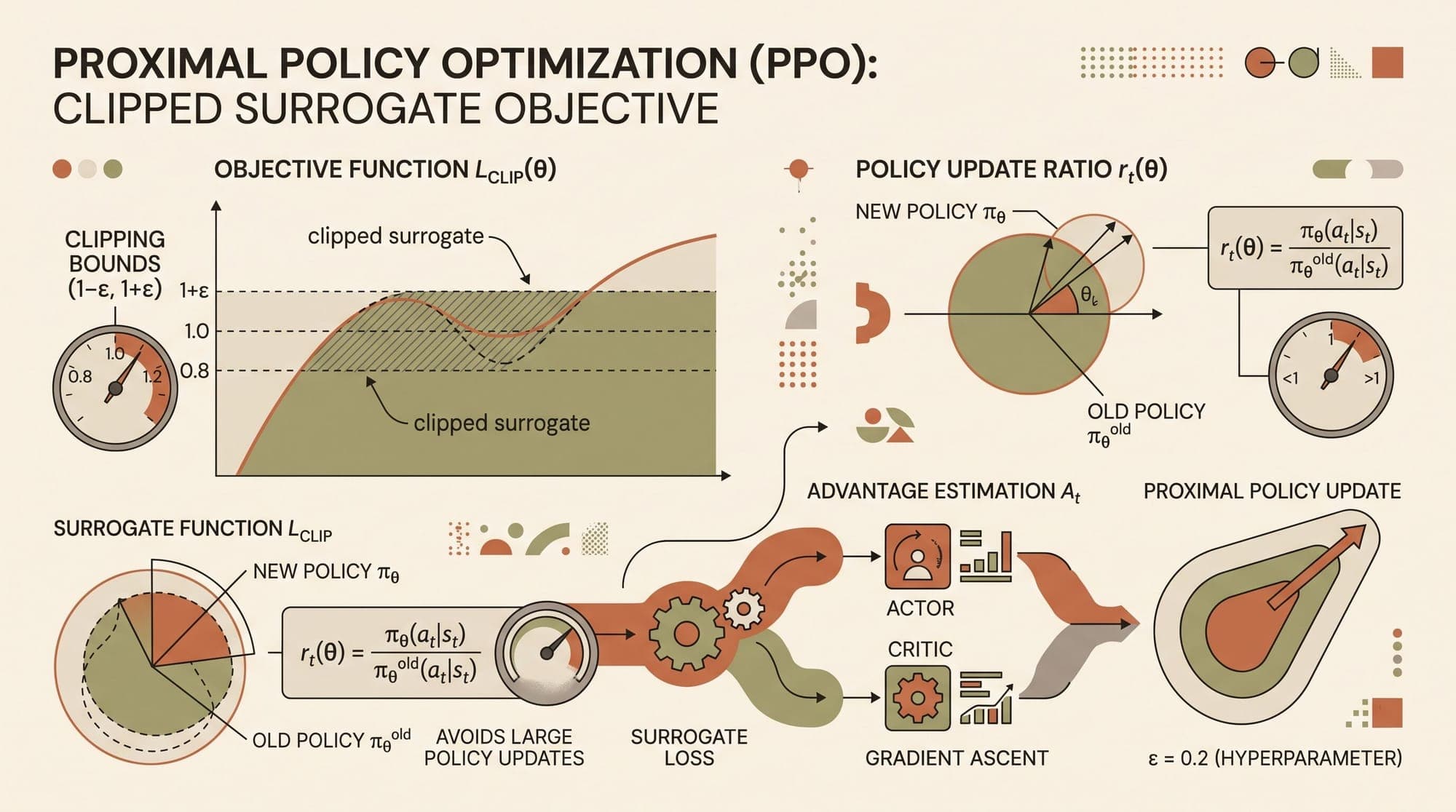
  19. Proximal Policy Optimization: Mathematical Foundations, Clipped Surrogate Objectives, and Policy Drift Control in RLHF

    Reinforcement learning from human feedback (RLHF) transformed autoregressive large language models from raw next-token predictors into instruction-following assistants. At the computational center of the foundational RLHF pipelines introduced in InstructGPT (Ouyang et al., 2022) is Proximal Policy Optimization (PPO), formulated by John Schulman, Filip Wolski, Prafulla Dhariwal, Alec Radford, and Oleg Klimov at OpenAI in 2017. PPO resolved a fundamental instability in policy gradient methods: th

    AI
    11 min read