Category / page 16

Coding & Agents

352 articles

Articles, page 16

301-320 of 352
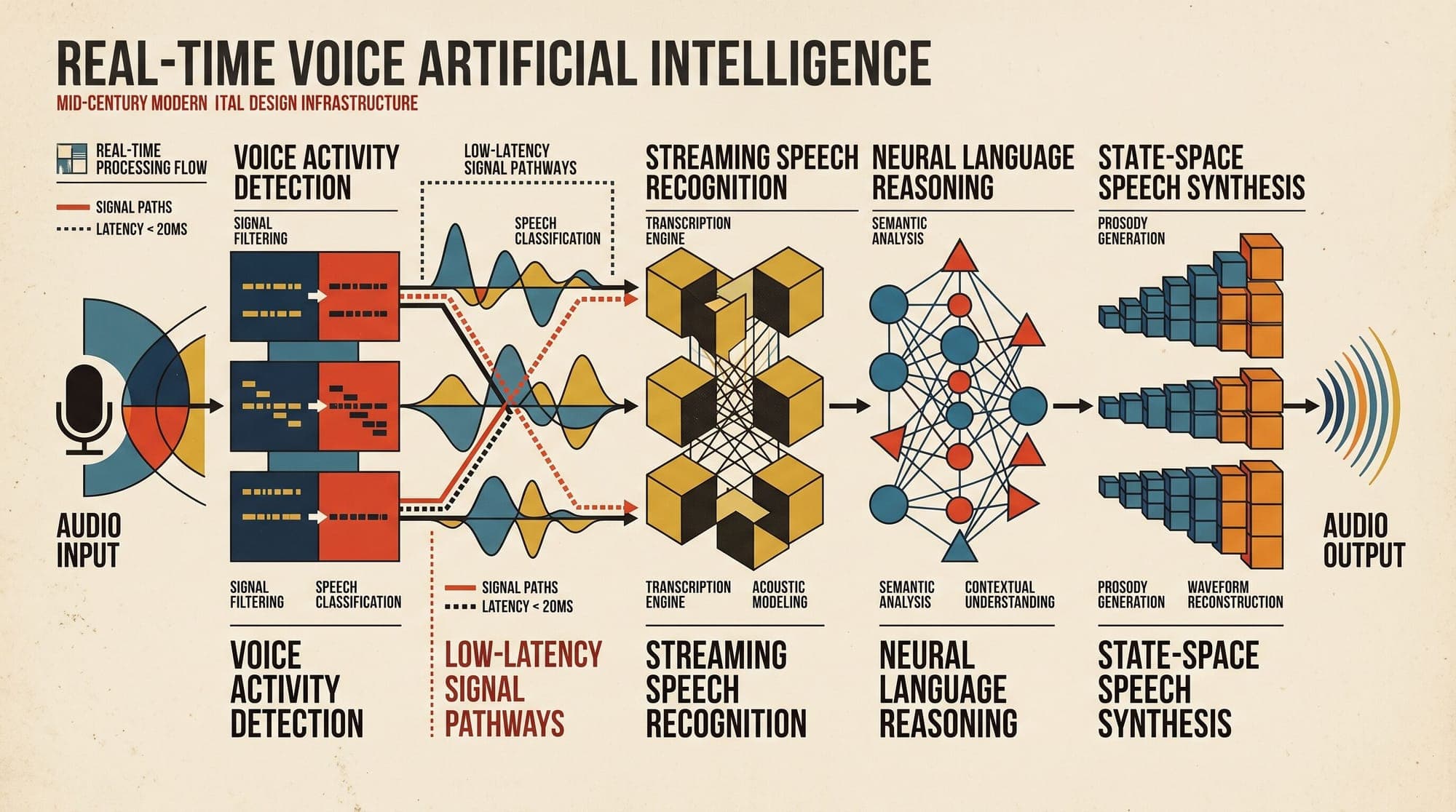
  1. Real-Time Voice Agent Architecture: WebRTC, Cascaded Pipelines vs. Native Speech-to-Speech, and Sub-500ms Latency Budgets

    Building production-grade real-time voice AI systems requires engineering around a strict physical constraint: human conversational cadence. In natural human dialogue, the typical gap between turns ranges from 200 to 300 milliseconds. When an interactive voice agent incurs a total round-trip latency above 700 milliseconds, users perceive the interaction as sluggish. When latency exceeds 1,000 milliseconds, conversational dynamics collapse into frequent interruptions, speech collisions, and awkwa

    AI
    6 min read
  2. Defending AI Agents Against Indirect Prompt Injection: Dual-LLM Architectures, Privilege Boundaries, and Information Flow Control

    Autonomous AI agents are increasingly entrusted with system privileges, including terminal execution, API invocation, internal database queries, and automated communications. As agents transition from isolated conversational sandboxes to interconnected tools, they encounter an inherent architectural vulnerability: indirect prompt injection (IPI). When an agent reads untrusted data from the web, an inbound email, an enterprise ticketing system, or a database record, any instructions embedded wit

    AI
    7 min read
  3. Durable Execution for AI Agents: Architecture, State Checkpointing, and Failure Recovery

    Autonomous AI agents deployed in production environments frequently fail due to infrastructural instability rather than model reasoning flaws. Standard agent control loops, often structured as in-memory while-loops operating on transient servers or containerized pods, lack persistence across network blips, pod evictions, process restarts, or rate-limit timeouts. When an unhandled process failure occurs mid-task, standard agent architectures restart from scratch. This introduces three severe oper

    AI
    6 min read
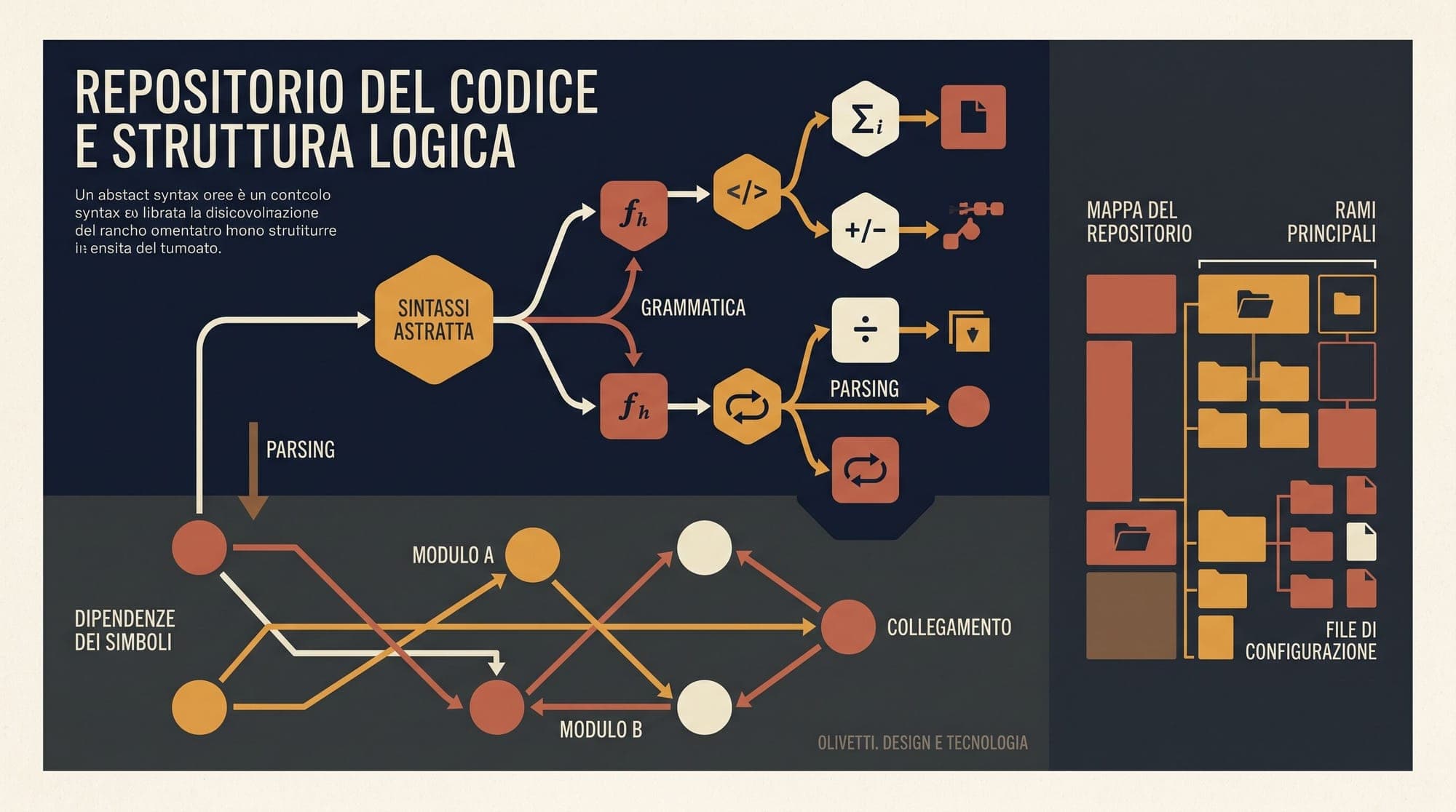
  4. Codebase Context Engineering for AI Agents: Repo Maps, AST Indexing, and Retrieval Architectures

    Modern software repositories routinely contain hundreds of thousands or millions of lines of source code. A medium-sized production project with 500 files and 100,000 lines of code typically spans 3 million to 5 million tokens. While frontier models have expanded context windows to 200,000 tokens or more, stuffing an entire repository into a prompt remains fundamentally impractical. Beyond exponential inference costs and KV cache memory bloat, long-context attention suffers from severe retrieval

    AI
    6 min read
  5. Block Open-Sources Berd: Apache 2.0 Desktop Workspace for Multi-Model AI Agents

    Block has open-sourced Berd, an Apache 2.0-licensed desktop application designed to serve as a unified workspace for managing AI agents across different foundation models, toolsets, and execution harnesses. Originally built for internal use across Square, Cash App, and Tidal, the desktop client reached version 0.6.2 on August 18, 2026, with builds available for macOS, Windows, and Linux. The release addresses growing operational fragmentation as developers juggle specialized agent environments

    AI
    2 min read
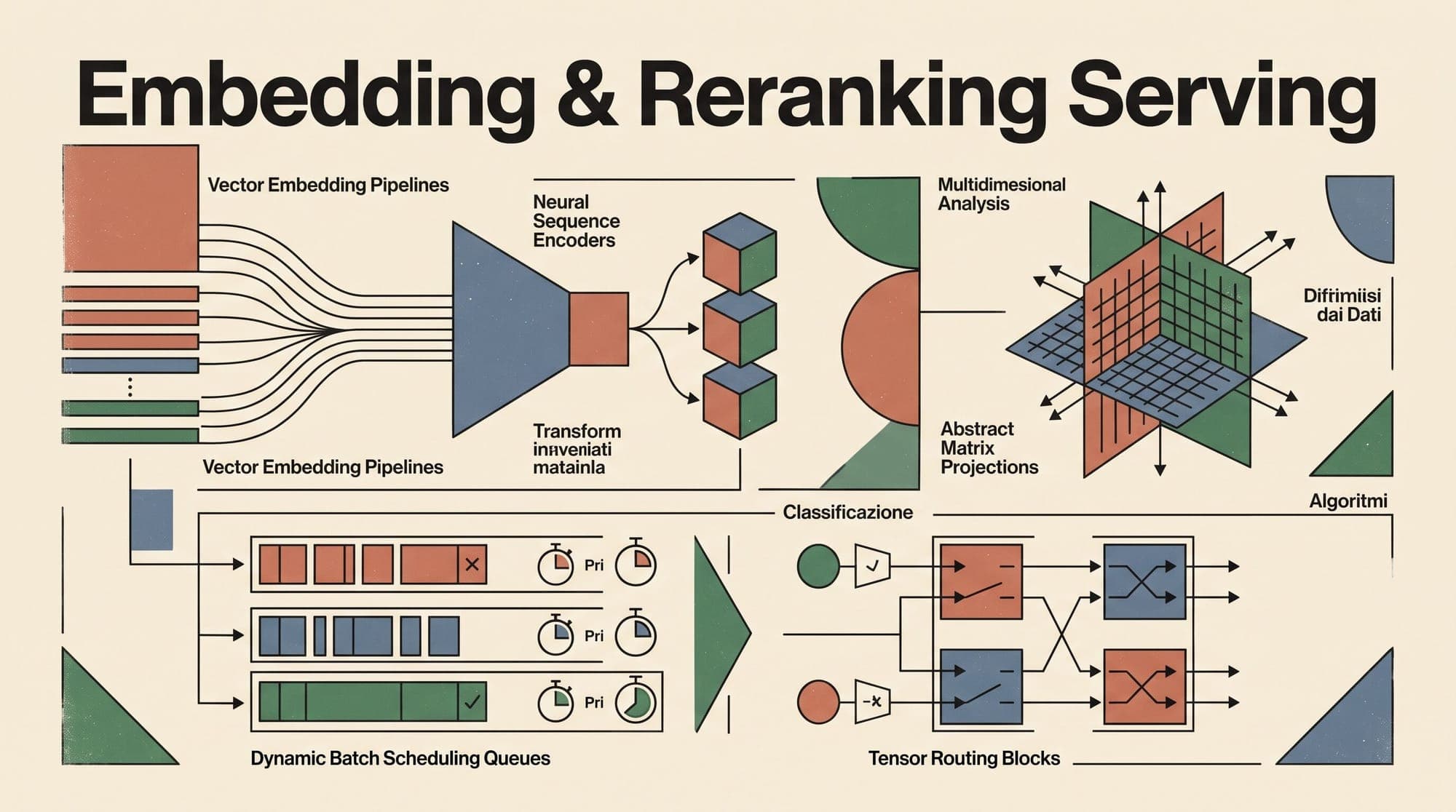
  6. Self-Hosted Embedding and Reranking Serving in Production: TEI vs. Infinity vs. vLLM Architecture, Dynamic Batching, and Serving Economics

    While generative large language models dominate inference infrastructure discussions, vector embeddings and cross-encoder rerankers handle order-of-magnitude higher request volumes in production retrieval-augmented generation (RAG) and search pipelines. Serving embedding and reranking models presents fundamentally different computational characteristics than auto-regressive text generation. Without auto-regressive token generation loops or key-value (KV) cache state management, the primary engin

    AI
    5 min read
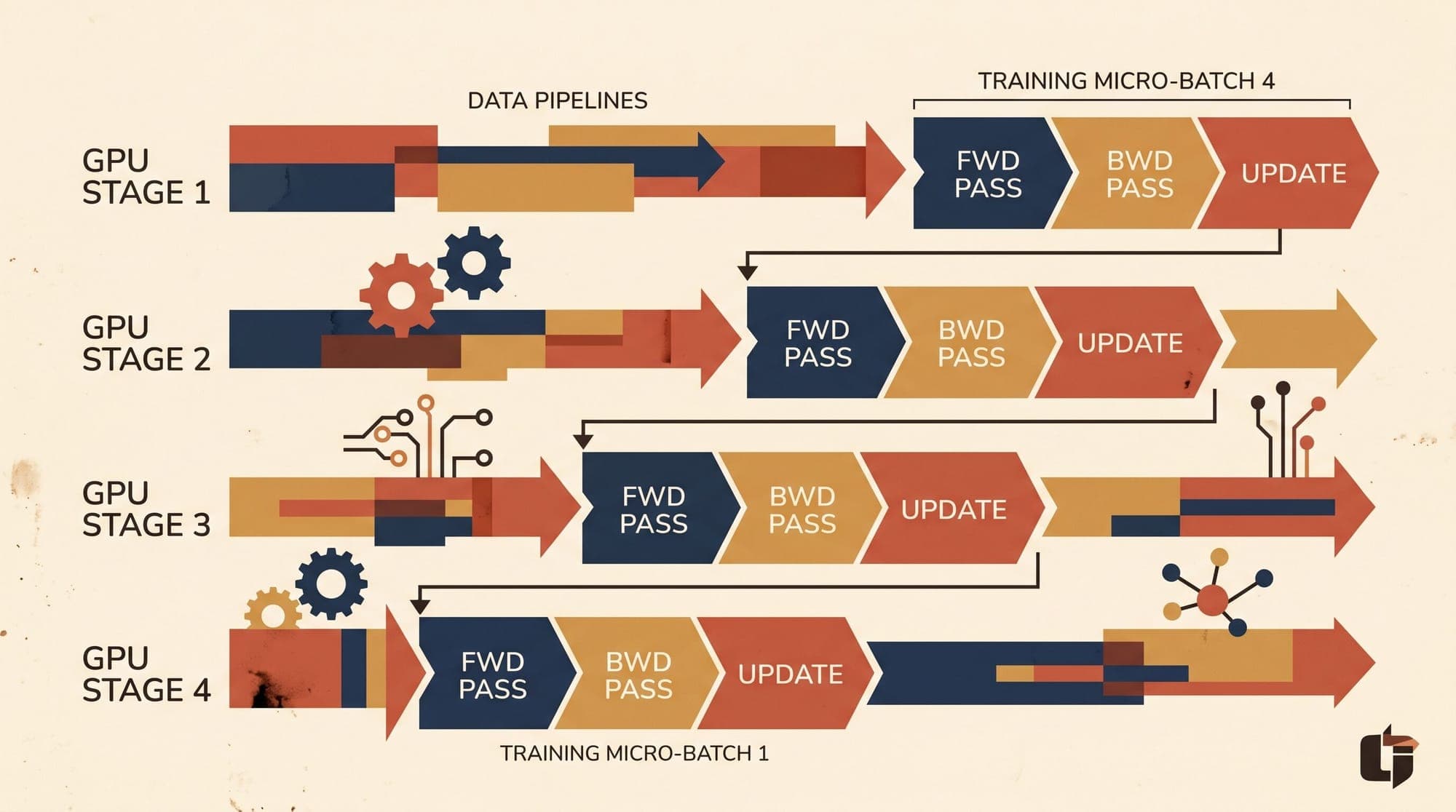
  7. Pipeline Parallelism in Large Language Models: How GPipe, 1F1B Scheduling, and Interleaving Tame Memory and Bubbles

    Training frontier large language models with tens or hundreds of billions of parameters exceeds the physical memory capacity of any individual GPU. While intra-node sharding strategies such as Tensor Parallelism partition individual matrix multiplications across accelerators over high-speed NVLink interconnects, scaling across multi-node clusters encounters strict hardware boundaries. Tensor Parallelism requires multiple collective All-Reduce communications per transformer layer. Across standar

    AI
    6 min read
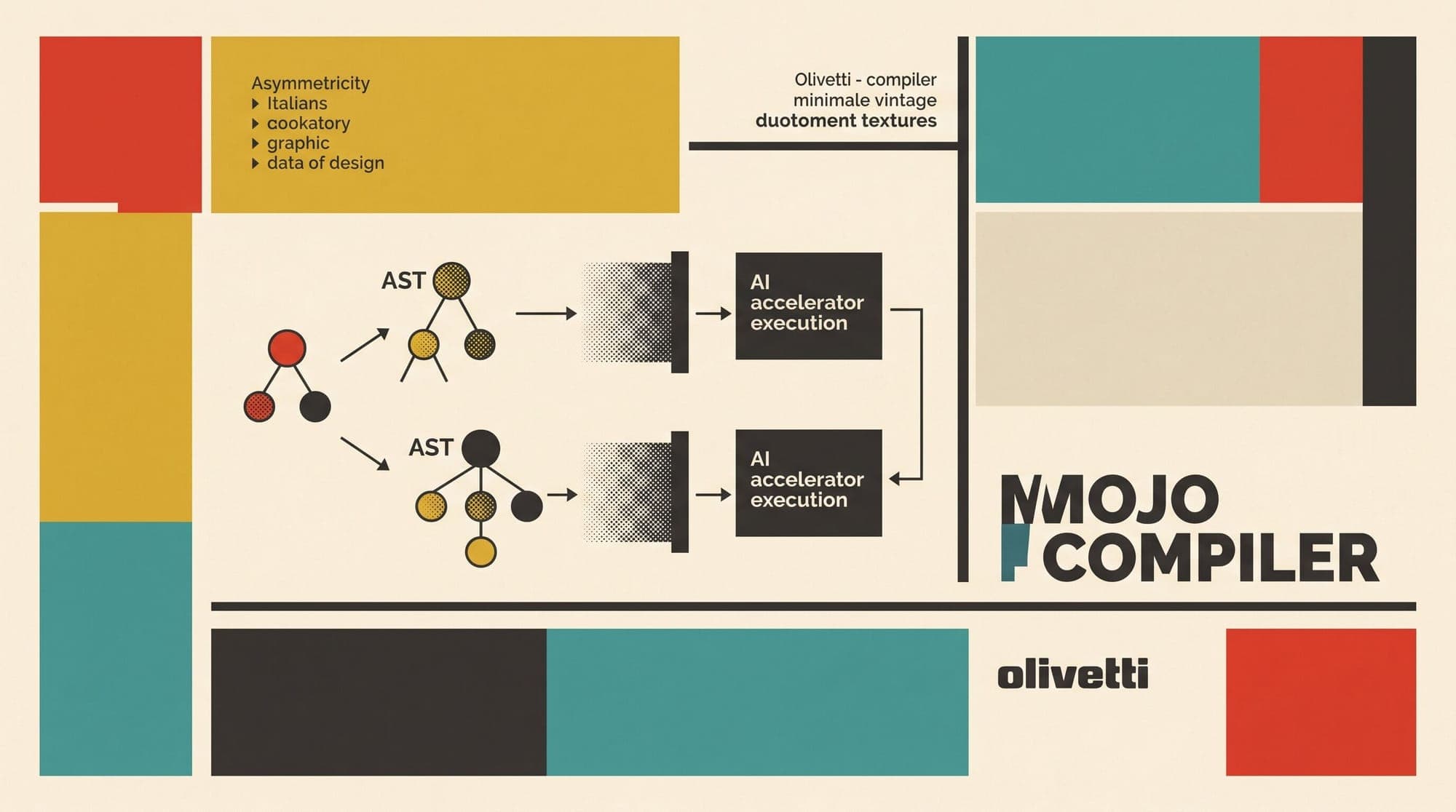
  8. Modular Open-Sources Mojo Language Compiler and Toolchain Under Apache 2.0

    Modular Open-Sources Mojo Language Compiler and Toolchain Under Apache 2.0 Modular has released the complete source code for the Mojo programming language compiler, standard tooling, and runtime infrastructure under the Apache 2.0 license with LLVM exceptions. The announcement, delivered on August 18, 2026 during the company's ModCon developer conference, fulfills a multi-year roadmap commitment to transition the systems programming language to a fully open development model. The compiler sour

    AI
    2 min read
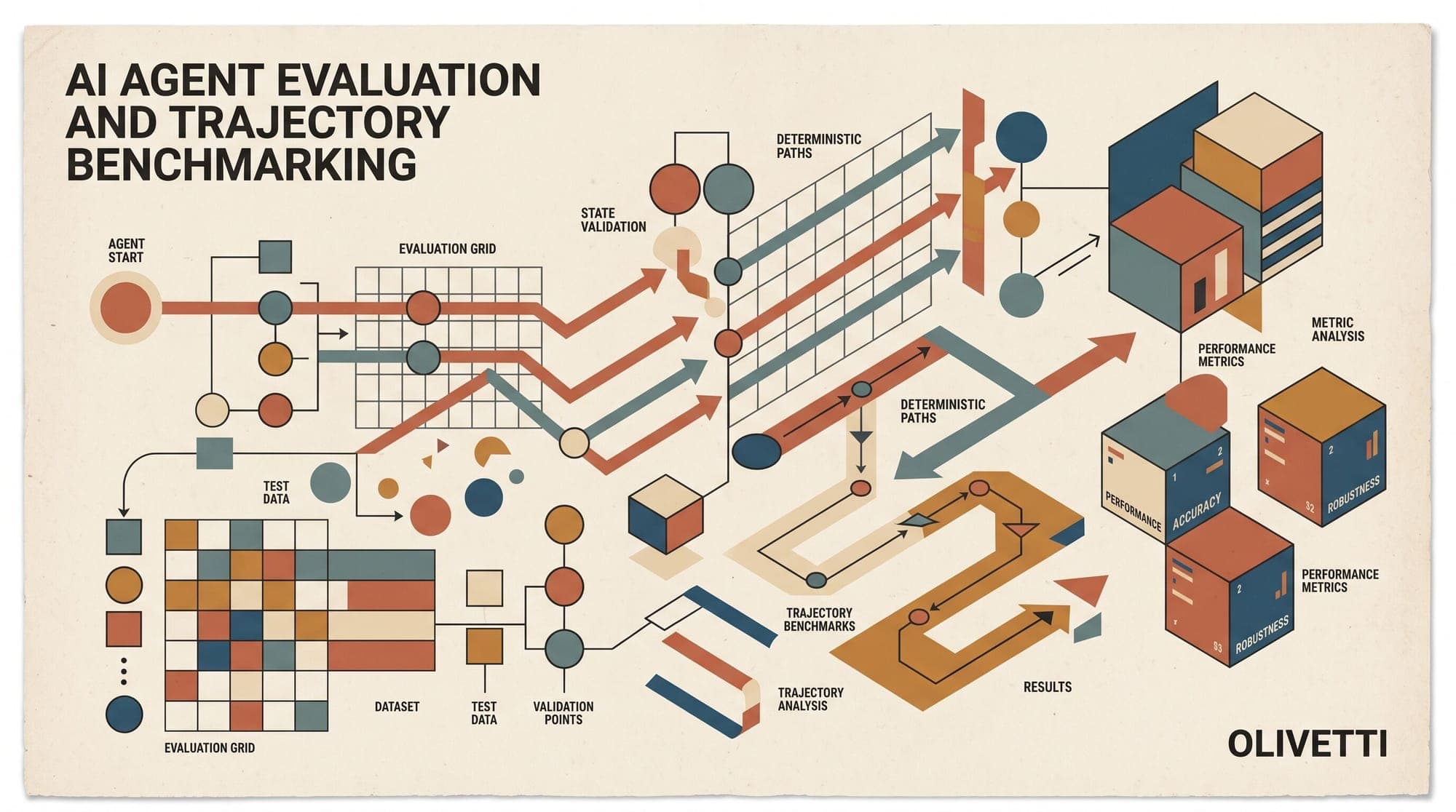
  9. AI Agent Evaluation in Production: Trajectory Benchmarks, Sandbox Harnesses, and Flakiness Mitigation

    Evaluating standard large language models relies on static input-output pairs: a fixed prompt produces a completion that an automated script compares against reference strings or grades with a calibrated judge. Autonomous AI agents break this paradigm completely. An agent executes a multi-step trajectory consisting of planning, tool invocation, environment state observation, error recovery, and variable-length decision loops. Evaluating an agent requires testing not just the final string output,

    Agents
    5 min read
  10. IBM Research Evaluates Agentic Memory Sizing Across 8 Models: Dosage Calibrations, Ceiling Effects, and Token Efficiency

    In a technical report published on August 18, 2026, researchers at IBM Research detailed empirical evaluations on sizing and calibrating agentic memory across eight large language models. The study, conducted using the open-source ALTK-Evolve framework across the AppWorld benchmark, demonstrates that agentic memory performance is governed by capability-dependent dosage rather than uniform prompt accumulation. Agentic memory architectures typically extract procedural guidelines from prior execut

    AI
    2 min read
  11. Google Opens Gemini in Chrome to All U.S. Android Users and Extends Auto Browse to Mobile

    Google expanded Gemini in Chrome to all Android users across the United States on August 18, 2026. The update introduces the browser's built-in AI assistant to mobile handsets and extends "auto browse," Google's agentic web automation feature, to smartphones for Google AI Pro and AI Ultra subscribers. The Android rollout follows the initial launch of Gemini in Chrome for desktop environments in September 2025. On mobile devices, the assistant provides on-page article summaries, contextual answe

    AI
    2 min read
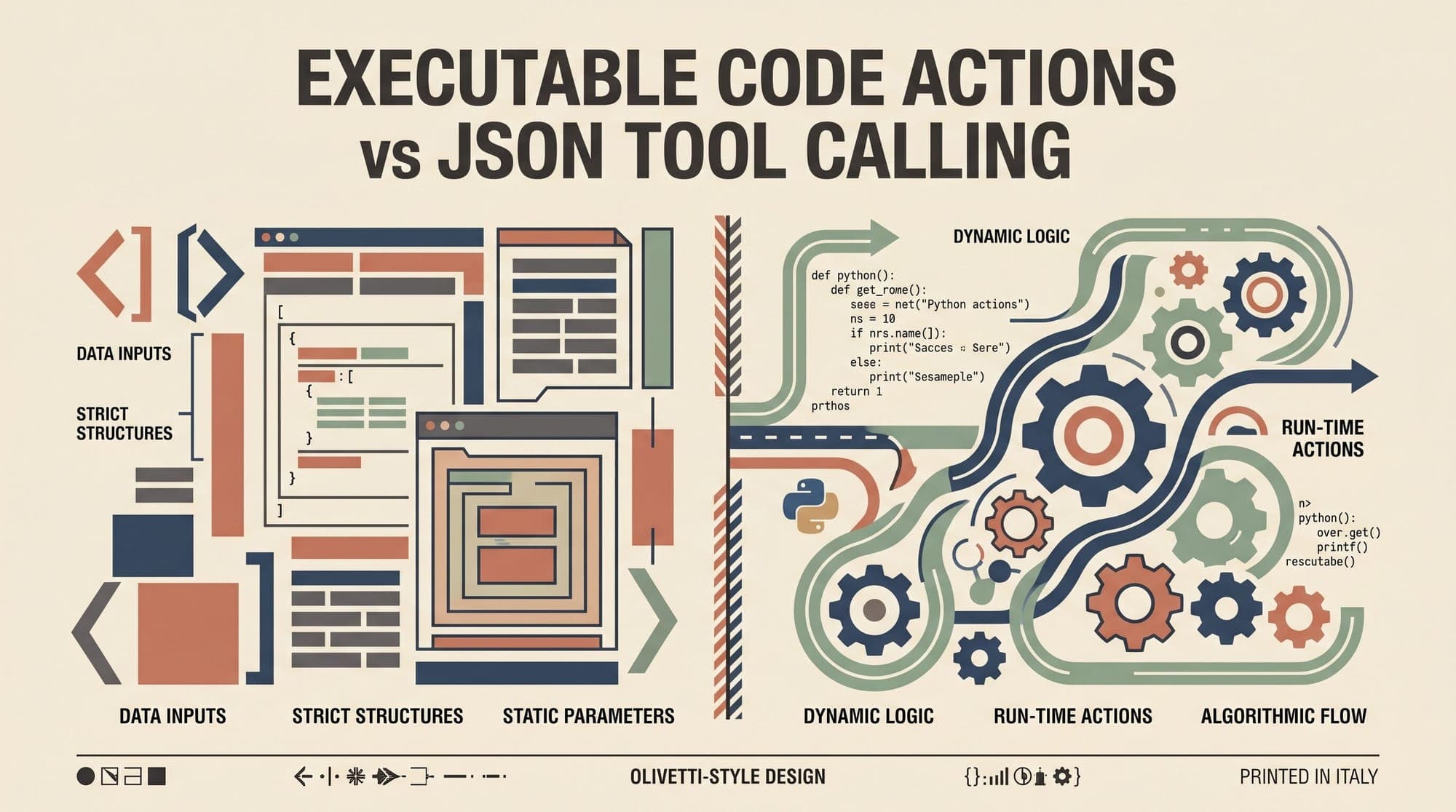
  12. Executable Code Actions vs. JSON Tool Calling: Architecture, Token Economics, Sandboxing, and Expressivity in Production AI Agents

    Executable Code Actions vs. JSON Tool Calling: Architecture, Token Economics, Sandboxing, and Expressivity in Production AI Agents The dominant paradigm for connecting large language models to external tools has relied on structured JSON function calling. First standardized across commercial APIs via JSON Schema manifests and constrained decoding, this approach frames agent interaction as remote procedure calls (RPC): the model outputs a JSON object specifying a tool name and parameters, the ho

    AI
    6 min read
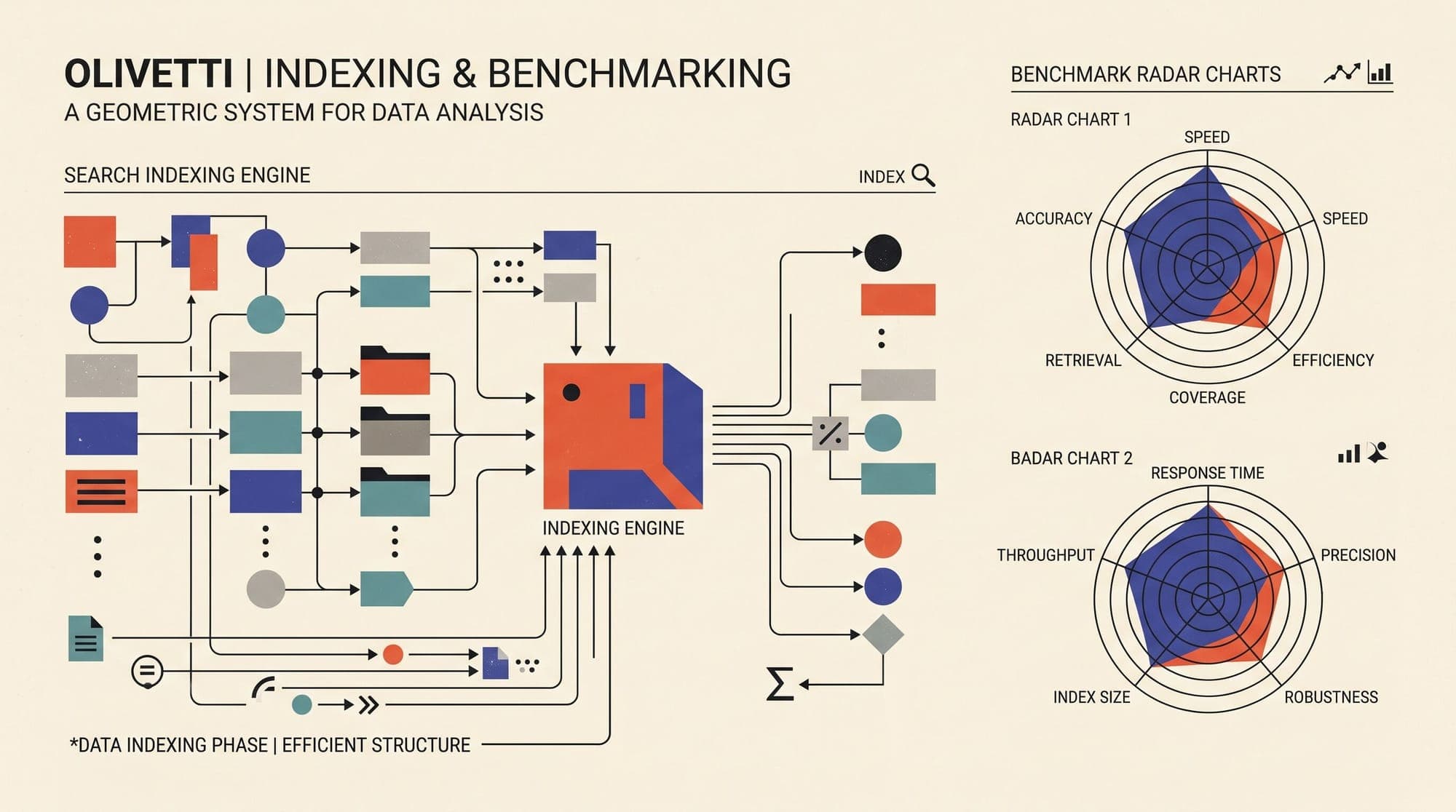
  13. Artificial Analysis Launches Search Index Benchmark for AI Agent Search APIs

    Artificial Analysis has released the Search Index, a benchmark suite designed to evaluate web search APIs for autonomous AI agents across retrieval quality, query latency, and end-to-end task economics. The initial evaluation tests seven dedicated search providers: Parallel, Exa, Firecrawl, You.com, Tavily, Keenable, and Brave. Benchmark Setup and Evaluation Methodology To isolate search API performance from model variance, the evaluation executes all tests with GPT-5.6 Luna inside Stirrup,

    Agents
    2 min read
  14. Document Parsing and Visual Retrieval for Production RAG: Architecture, Benchmarks, and Serving Trade-Offs for Docling, Marker, MinerU, and ColPali

    Document Parsing and Visual Retrieval for Production RAG: Architecture, Benchmarks, and Serving Trade-Offs for Docling, Marker, MinerU, and ColPali The retrieval quality of a Retrieval-Augmented Generation (RAG) system is strictly bounded by the fidelity of its document ingestion pipeline. In enterprise environments, the vast majority of domain knowledge remains locked in unstructured Portable Document Format (PDF) files, scanned reports, technical manuals, and multi-column research papers. Na

    RAG
    8 min read
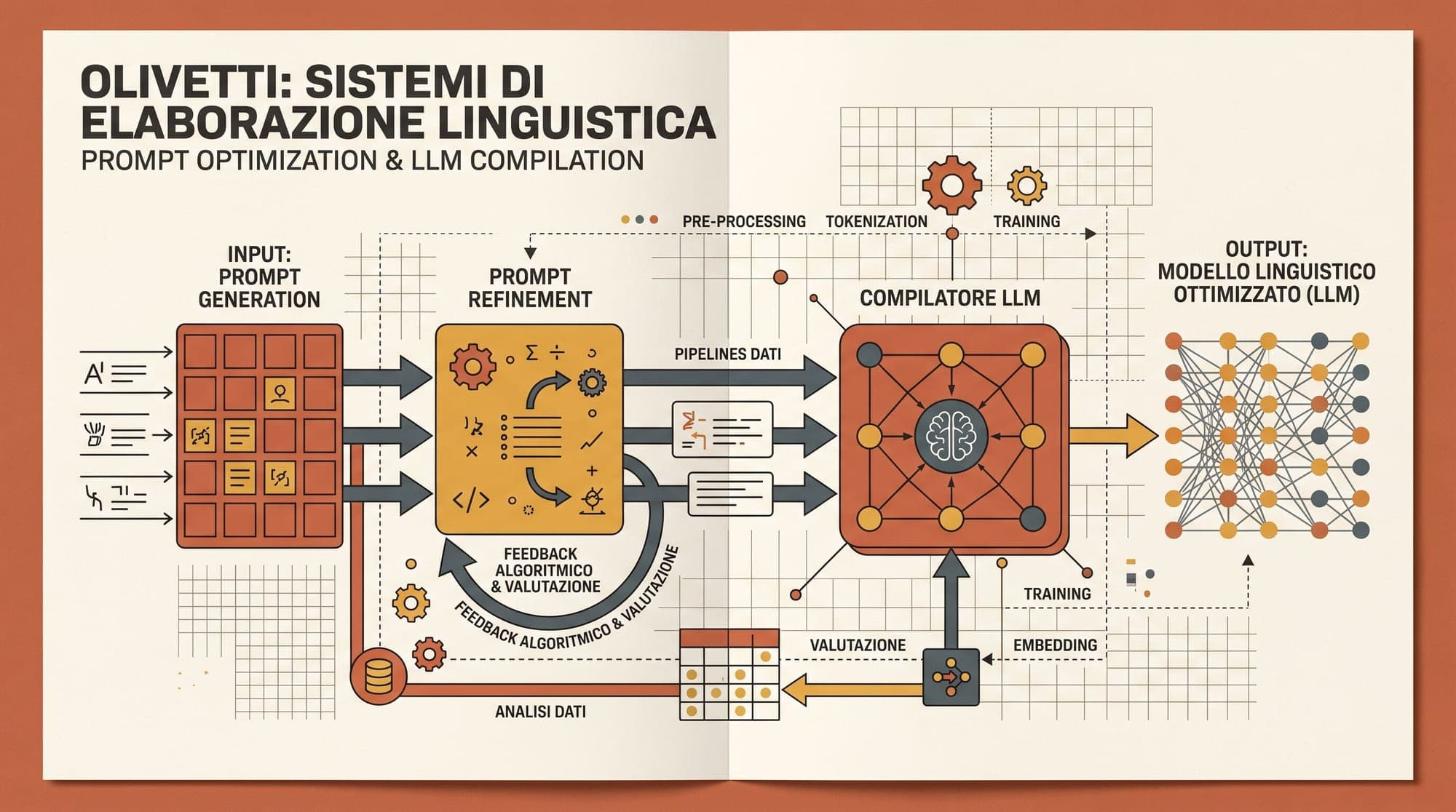
  15. Automated Prompt Optimization in Production: Signatures, Teleprompters, and Metric-Driven Compilation with DSPy

    Manual prompt engineering remains one of the largest sources of technical debt in modern LLM applications. Teams routinely spend weeks hand-crafting multi-paragraph system prompts, hardcoding few-shot examples, and tweaking phrasing to extract reliable outputs from specific model checkpoints. When the underlying model is upgraded, migrated to an open-weight alternative, or integrated into a multi-step pipeline, these hand-crafted strings break, requiring another cycle of trial-and-error adjustme

    AI
    5 min read
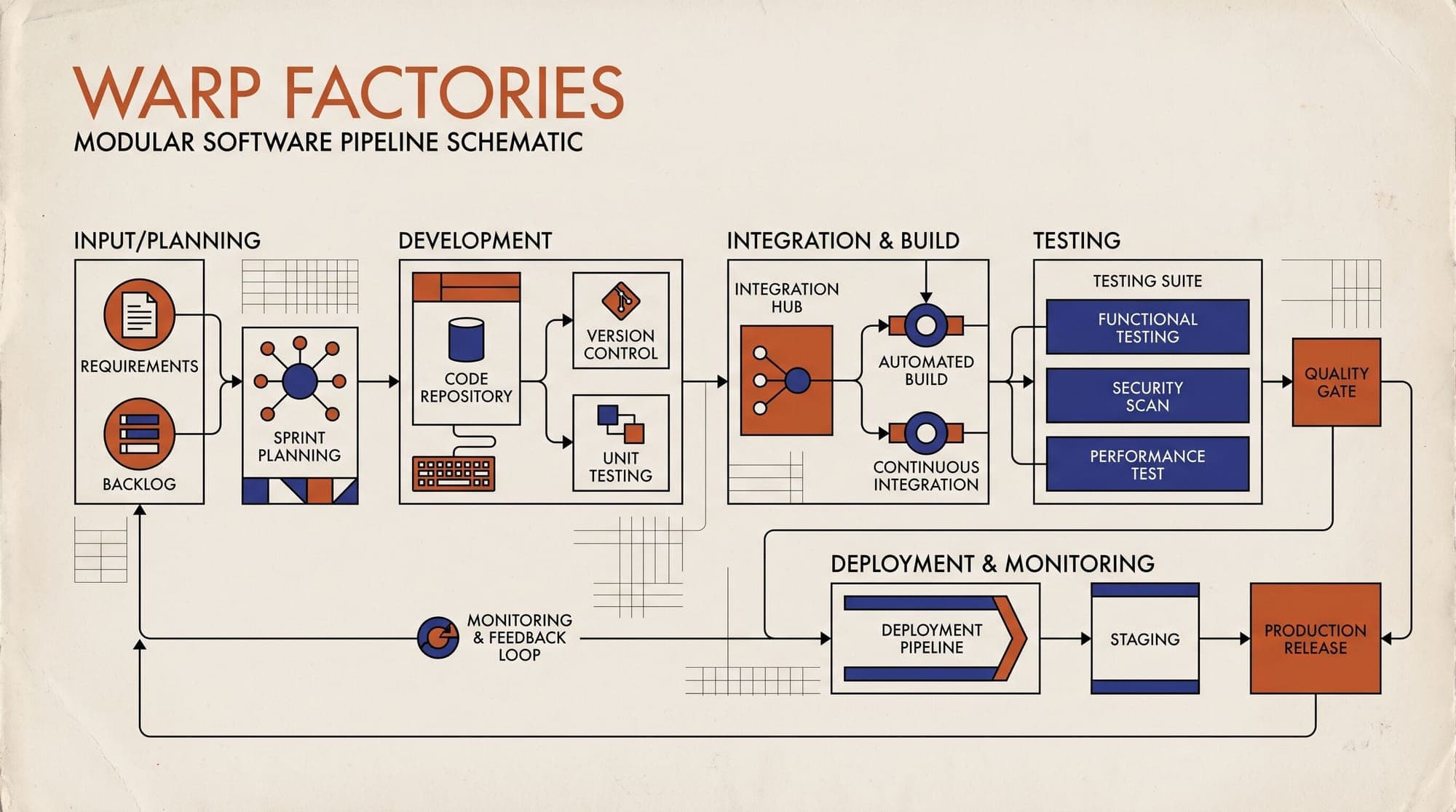
  16. Warp Launches Warp Factories to Automate Multi-Agent Software Development Lifecycles

    Terminal and developer tools maker Warp has introduced Warp Factories, a turnkey infrastructure system designed to manage and orchestrate autonomous AI coding agents across the software development lifecycle. The platform aims to lower the barrier for engineering teams implementing multi-agent workflows by providing preconfigured orchestration pipelines, evaluation harnesses, and runtime observability. Software Factory Architecture The "software factory" model structures development into five

    AI
    2 min read
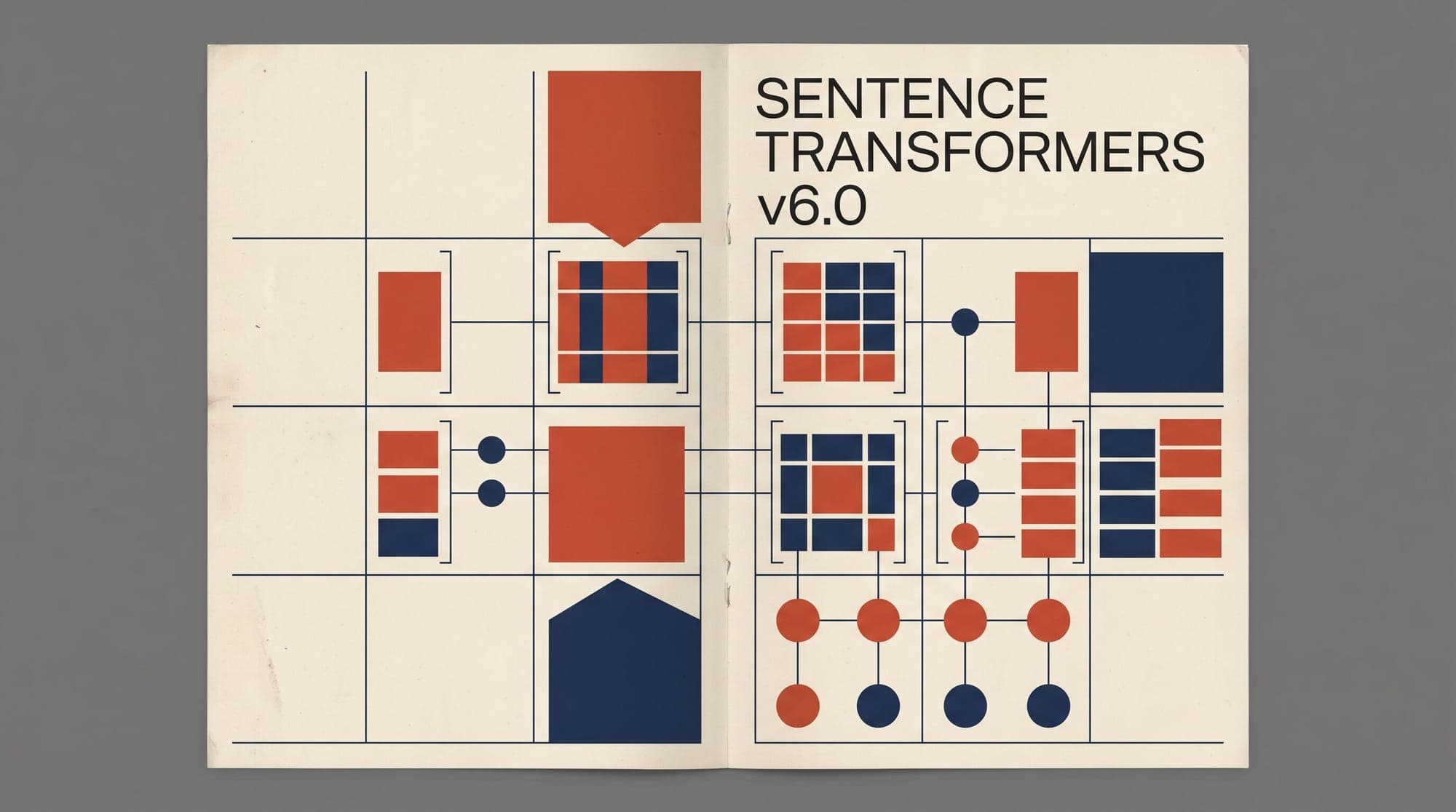
  17. Sentence Transformers v6.0 Adds Native Multi-Vector Late Interaction for ColBERT and ColPali

    Hugging Face has released Sentence Transformers v6.0, adding native multi-vector late-interaction retrieval to the library through a new MultiVectorEncoder interface. The update integrates ColBERT-style models and vision-language document retrieval systems directly into the standard Sentence Transformers workflow alongside dense bi-encoders, sparse models, and cross-encoder rerankers. Mechanics of Late Interaction and MaxSim Standard dense embedding models compress an entire passage or query

    AI
    2 min read
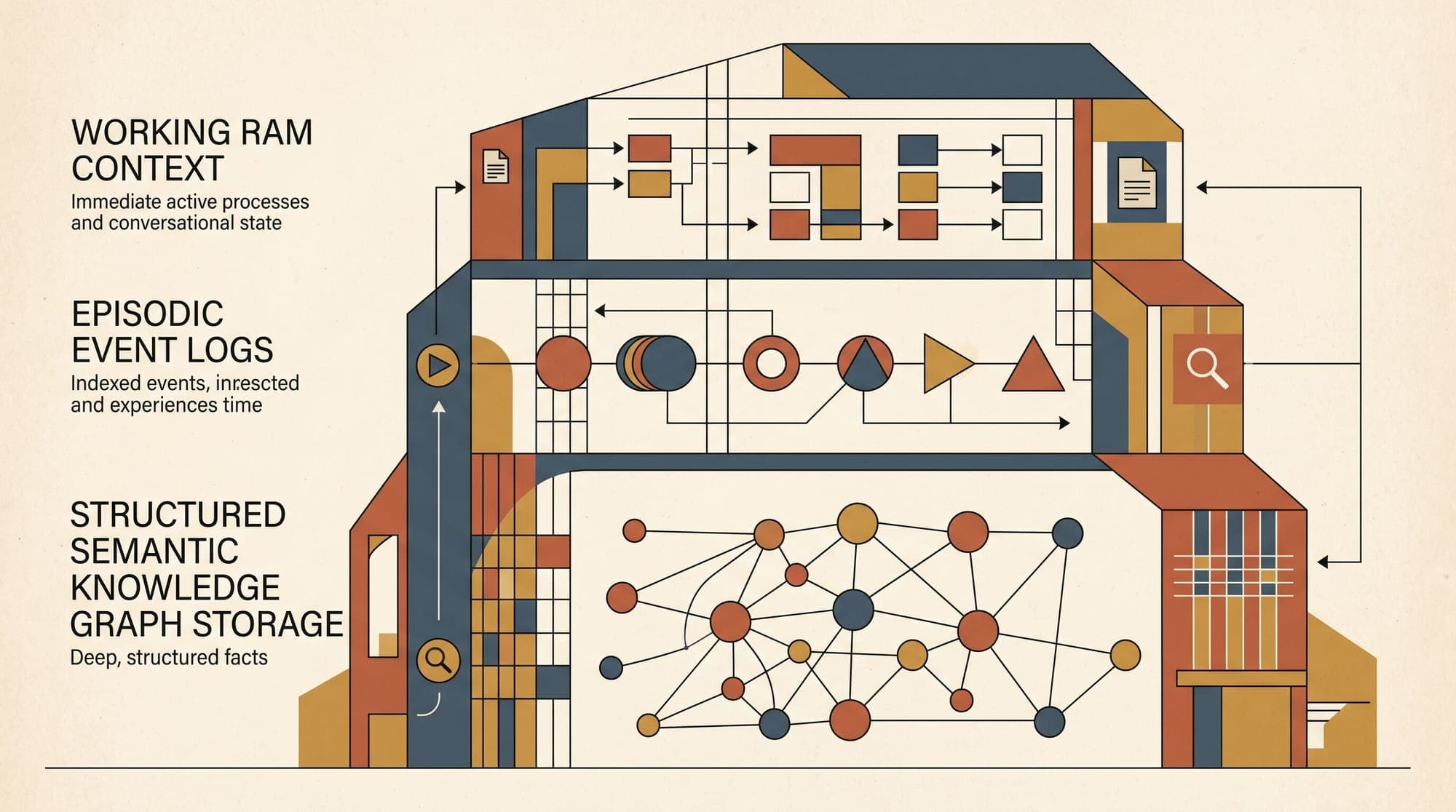
  18. Agent Memory Architectures in Production: Working Context, Episodic Buffers, Semantic Graphs, and State Serialization

    Large Language Models operate as stateless prediction engines: every API call processes an input prompt independently, without retaining memory of previous turns, decisions, or external interactions. While extending context windows to 1 million or 2 million tokens provides temporary capacity for long transcripts, treating raw context windows as long-term memory introduces severe engineering bottlenecks. Unbounded context growth dramatically inflates time-to-first-token (TTFT) latency, increases

    AI
    6 min read
  19. Snowflake Adds Dynamic Model Routing to Cortex AI Gateway to Cut Inference Spend

    Snowflake has introduced dynamic model routing into its Cortex AI Gateway, allowing enterprise developers to automate large language model selection instead of binding agentic workloads to static endpoints. According to internal benchmarks reported by the company, automated routing can reduce token expenditure by up to 3x across mixed workloads by directing routine queries away from expensive frontier models toward lightweight architectures. The Inference Cost Bottleneck in Agentic Workflows

    AI
    2 min read
  20. GraphRAG vs. Vector RAG in Production: Architecture, Community Summaries, and Cost-Latency Trade-Offs

    Retrieval-Augmented Generation (RAG) has become the standard architecture for grounding Large Language Models in external knowledge bases. However, production implementations frequently encounter structural limits when relying entirely on naive vector search. Standard Vector RAG fragments documents into arbitrary chunks and retrieves top-k passages via cosine similarity in embedding space. While effective for localized fact retrieval, this approach struggles with global, corpus-wide synthesis an

    AI
    5 min read