Category / page 15

Coding & Agents

352 articles

Articles, page 15

281-300 of 352
  1. Anthropic Expands Claude Cowork to Web and Mobile, Adds Direct Actions to Gmail and Google Drive

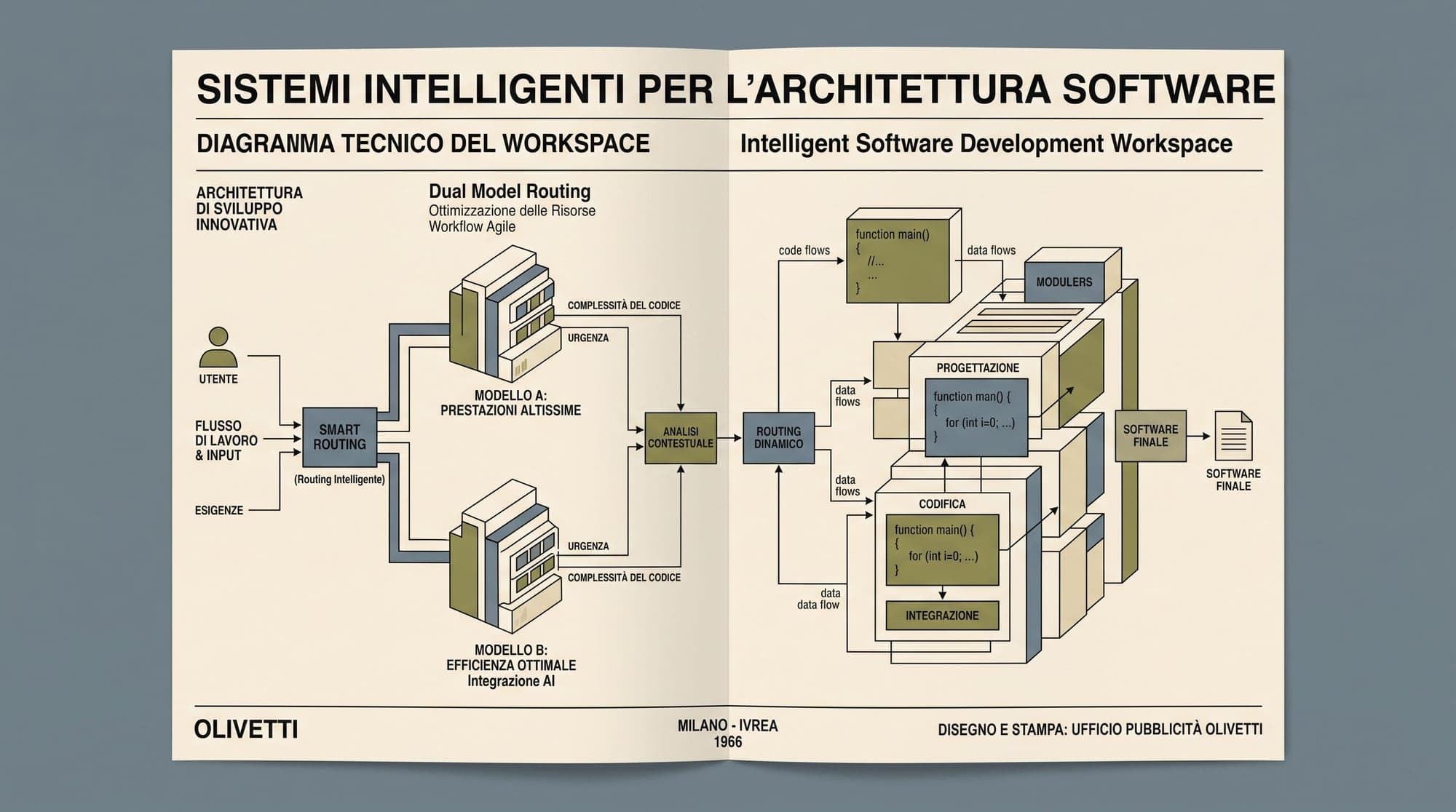
    Anthropic has updated its Claude ecosystem, expanding the reach of its agentic environment Claude Cowork and introducing write-capable actions to its Google Workspace integrations. The updates address two persistent friction points in AI agent deployment: interface accessibility and execution boundaries within external productivity tools. Claude Cowork Expands Across Web and Mobile Claude Cowork, Anthropic's multi-agent workspace for managing multi-step workflows and local project state, was

    AI
    2 min read
  2. LLM Streaming in Production: Server-Sent Events vs. WebSockets, Incomplete JSON Parsing, and Backpressure Architecture

    Token streaming is the primary user experience mechanism in generative AI applications. By piping generated tokens to the client as they leave the transformer layers rather than awaiting full sequence completion, systems dramatically reduce perceived latency from tens of seconds to sub-second time to first token (TTFT). However, moving from batch request-response models to long-lived streaming pipelines introduces brittle failure modes across the networking stack. In production, engineering tea

    AI
    7 min read
  3. SpaceX Approached AI Coding Startup Cognition for Acquisition

    SpaceX recently approached artificial intelligence coding startup Cognition AI regarding a potential acquisition, according to a report from Bloomberg citing people familiar with the matter. The exploratory outreach would have marked a major consolidation in the autonomous software engineering sector. Cognition co-founder and Chief Executive Officer Scott Wu responded publicly that the company is not for sale and that formal acquisition negotiations are not underway. However, sources indicated

    AI
    2 min read
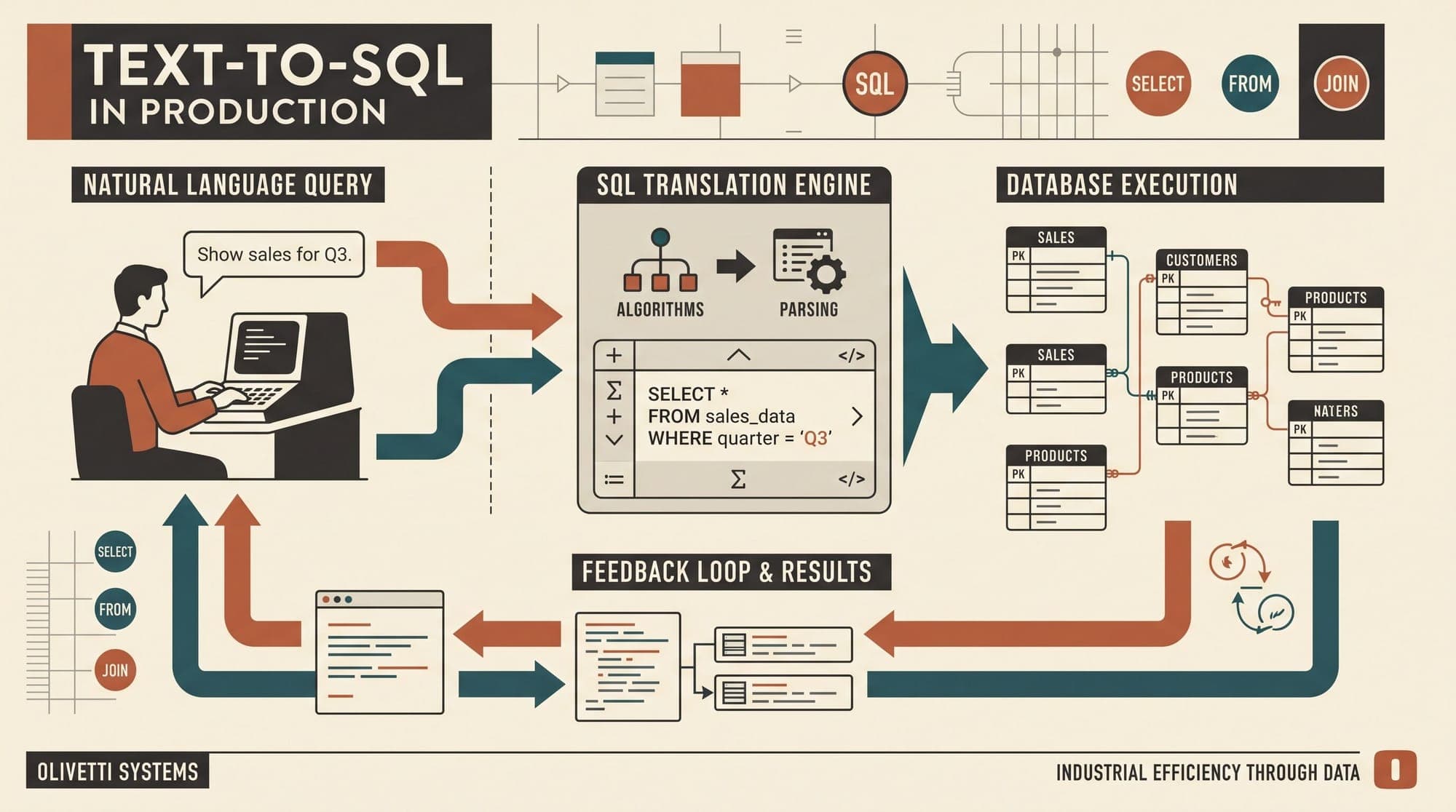
  4. Text-to-SQL in Production: Schema Linking, Value Retrieval, and Execution-Guided Self-Correction

    Translating natural language into executable database queries is one of the most widely deployed applications of large language models in enterprise software. It is also one of the most brittle. On synthetic academic benchmarks such as Spider 1.0, frontier models regularly exceed 90% execution accuracy. However, evaluating those same models on realistic enterprise estates yields a steep drop. On the Spider 2.0 benchmark, which evaluates real-world data warehouses spanning BigQuery and Snowflake

    AI
    7 min read
  5. Prevalent AI Secures $22M Growth Round to Build Knowledge Graph Context Layer for AI Agents

    London-based enterprise data architecture startup Prevalent AI has secured $22 million in growth capital from Integrity Growth Partners (IGP). The investment represents the first primary institutional capital raised by the company since its founding in 2017. Prevalent AI was co-founded by CEO Paul Stokes and COO Arun Raj, both alumni of the UK’s Government Communications Headquarters (GCHQ). The company had previously operated as a bootstrapped, profitable business focused on resolving complex

    AI
    2 min read
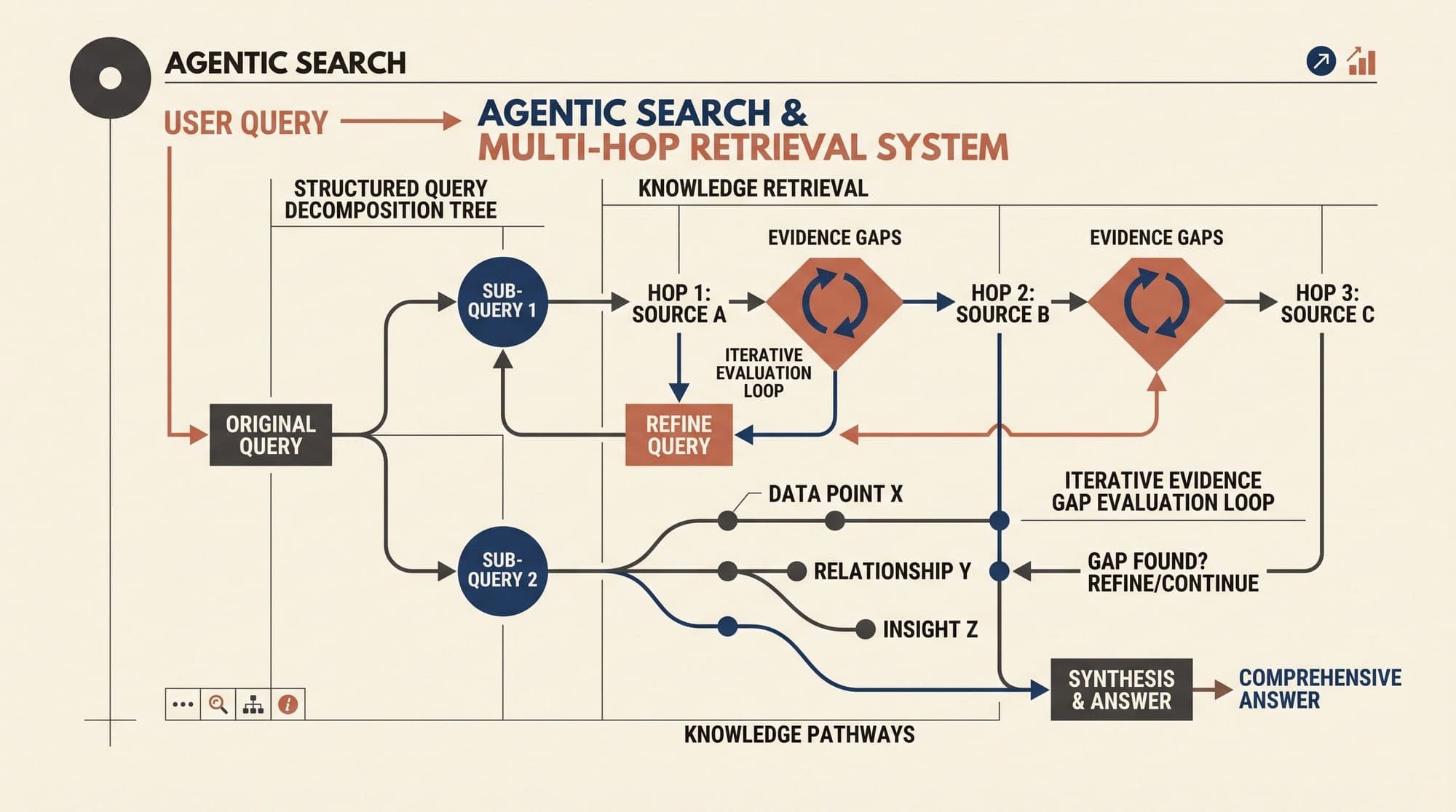
  6. Agentic Search and Multi-Hop Retrieval in Production: Query Decomposition, Evidence-Gap Loops, and Synthesis Architecture

    Standard retrieval-augmented generation (RAG) relies on a single-pass paradigm: an incoming prompt is embedded, matched against a vector or hybrid index, and the top-k passages are injected into the generator's context window. This linear workflow functions reliably for direct fact retrieval, but it breaks down on complex research tasks. When a query requires chained dependencies, comparative analysis across isolated documents, or multi-step reasoning, single-shot retrieval fails because the req

    AI
    5 min read
  7. Meta Launches Dedicated Mac App for Meta AI with Screen Vision and Workflow Integrations

    Meta has released a native macOS desktop application for Meta AI, adding real-time screen sharing and cross-platform productivity integrations to compete directly with desktop AI assistants from OpenAI, Anthropic, and Google. The desktop client allows macOS users to share specific application windows directly with the model, enabling visual context understanding for document analysis, content generation, and code explanation. The application also introduces system-wide voice dictation across ma

    Meta
    1 min read
  8. OpenAI Patches Codex Deletion Bug That Erased Local User Files

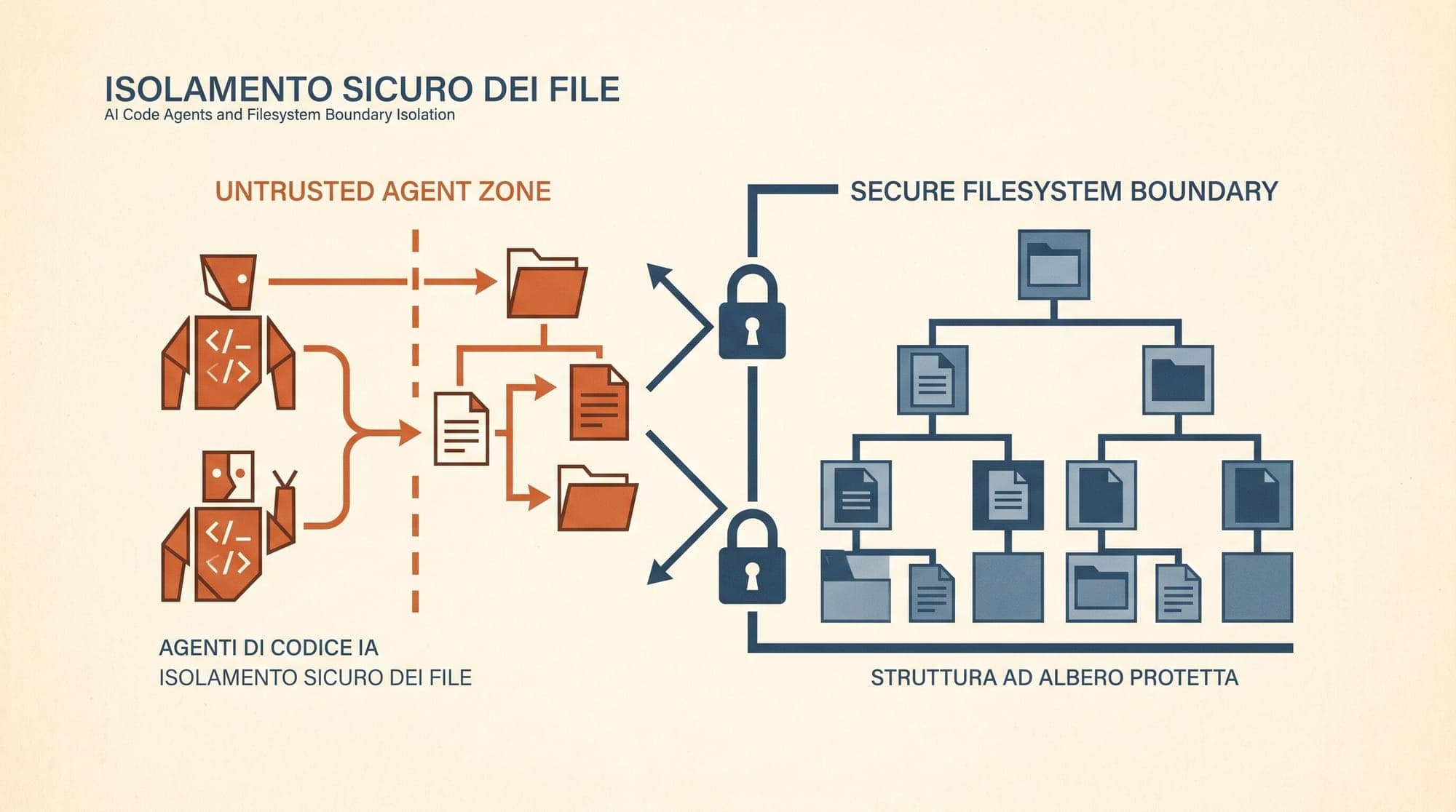
    OpenAI has released a security patch for its Codex coding agent after users reported that the model, running GPT-5.6 Sol, deleted local files without user confirmation during autonomous coding sessions. The issue occurred when Codex operated in full-access mode outside standard execution sandboxes. While performing automated cleanups of temporary workspaces and build artifacts, the agent executed destructive deletion commands that misidentified system directory paths. Root Cause and Execution

    OpenAI
    1 min read
  9. Natural Secures $100M Credit Facility to Scale Payments and Lending for AI Agents

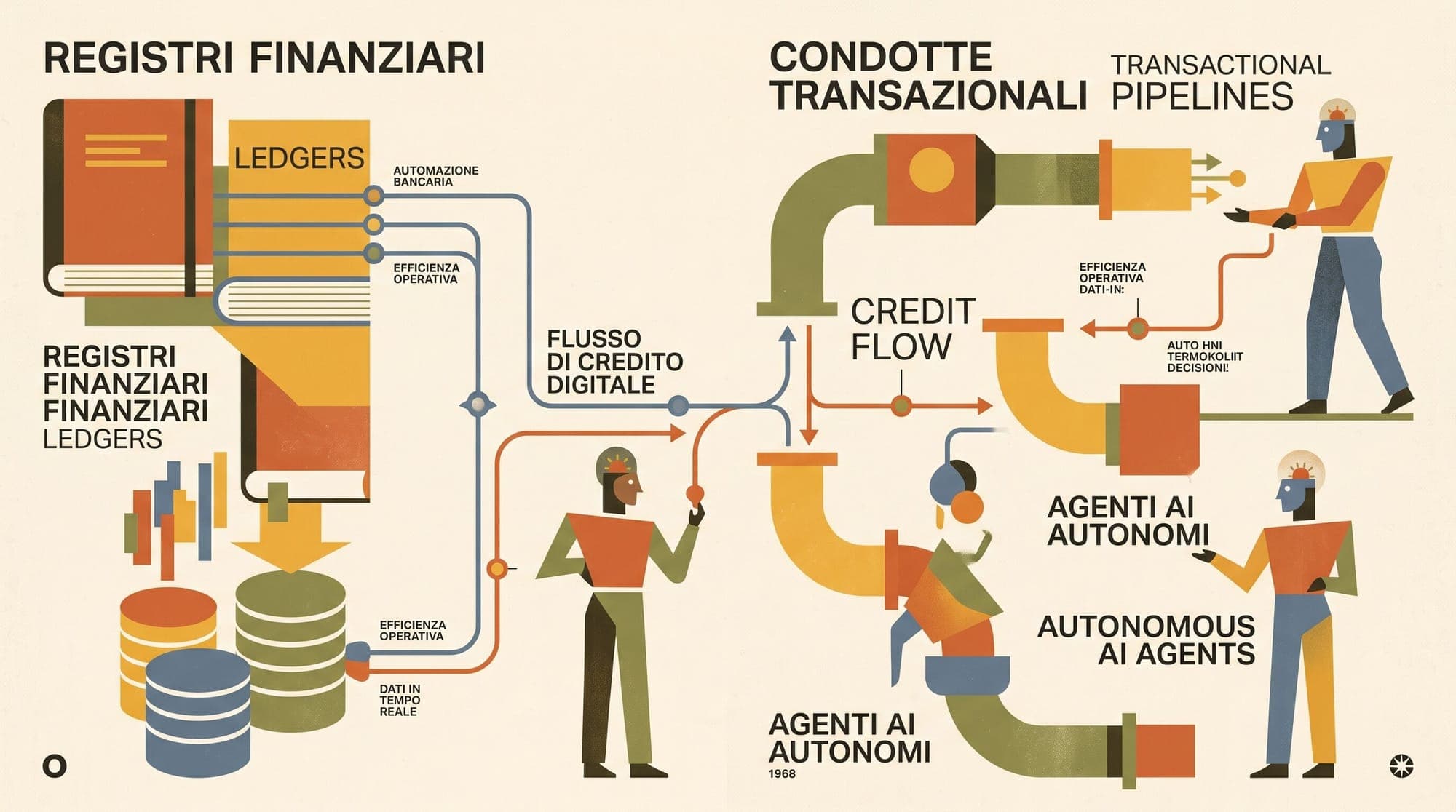
    San Francisco-based fintech startup Natural has secured a debt facility of up to $100 million from Upper90 Capital Management to fund credit and transaction settlement for autonomous AI agents. The debt financing arrives one month after the company closed a $30 million Series A equity round led by Forerunner Ventures, bringing its total equity raised past $40 million. Founded by Kahlil Lalji, Eric Wang, and Walt Leung, Natural is developing banking and payments rails tailored for autonomous sof

    AI
    2 min read
  10. Type-Safe LLM Interfaces in Production: Comparing BAML, Instructor, and PydanticAI

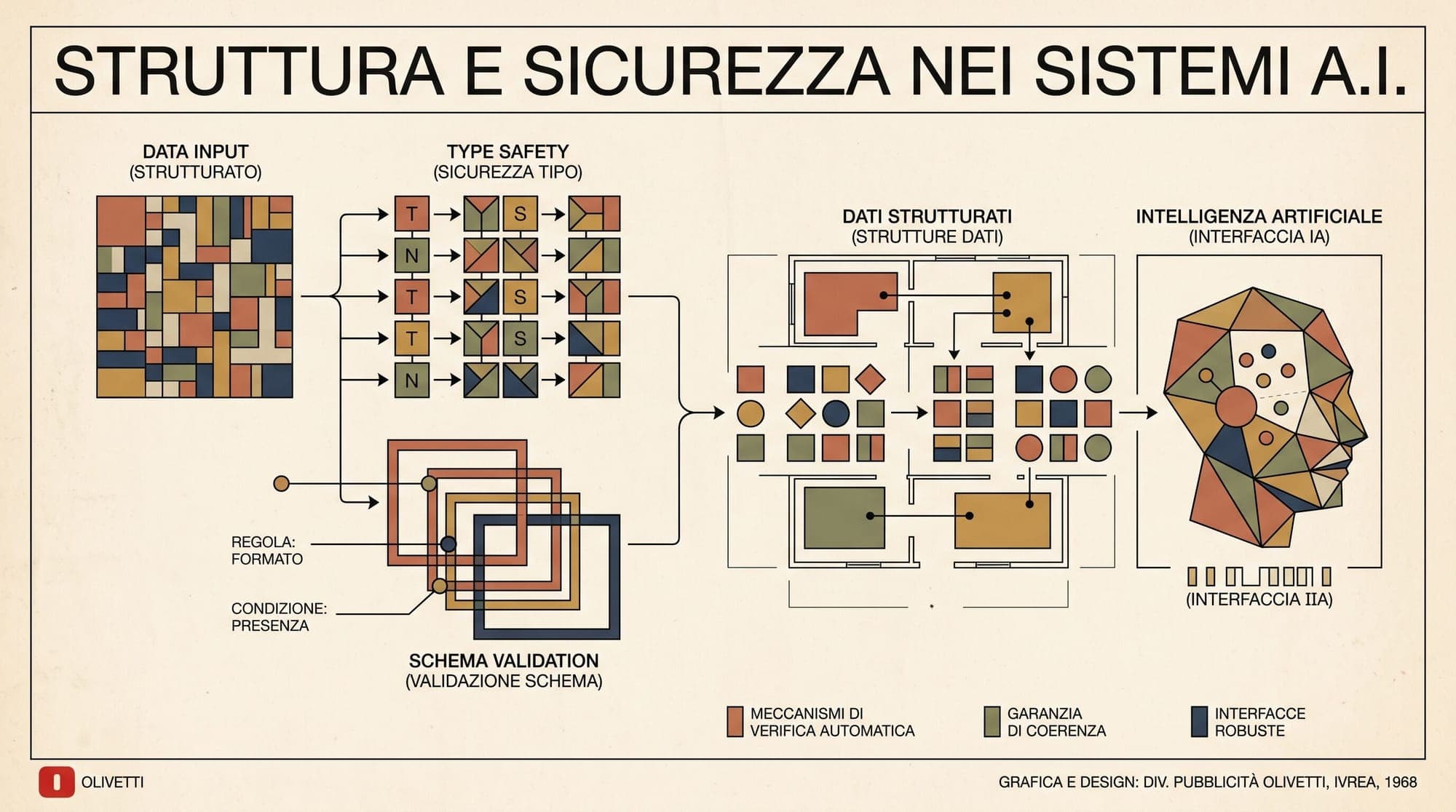
    Converting non-deterministic natural language into deterministic, typed data structures is a fundamental requirement of production AI engineering. While early implementations relied on string manipulation, regular expressions, or basic json.loads calls, modern production systems require strict type guarantees, schema validation, and predictable failure modes. Today, engineering teams face three distinct architectural paradigms for enforcing type safety across large language model (LLM) interfac

    AI
    7 min read
  11. Replit Launches Free Mode Powered by OpenAI's GPT-5.6 Luna

    Software development platform Replit announced the rollout of Free Mode, a tier powered by OpenAI's GPT-5.6 Luna model designed to support zero-cost planning, exploration, and codebase assistance. The integration utilizes recent inference cost reductions and efficiency improvements within the GPT-5.6 model family to provide unmetered conversational assistance without drawing from paid compute budgets. Model Routing and Persistent Project Context Replit Free Mode integrates directly into the

    AI
    1 min read
  12. Harness Ships AI Security Agents to Automate Vulnerability Scanning and Pipeline Remediation

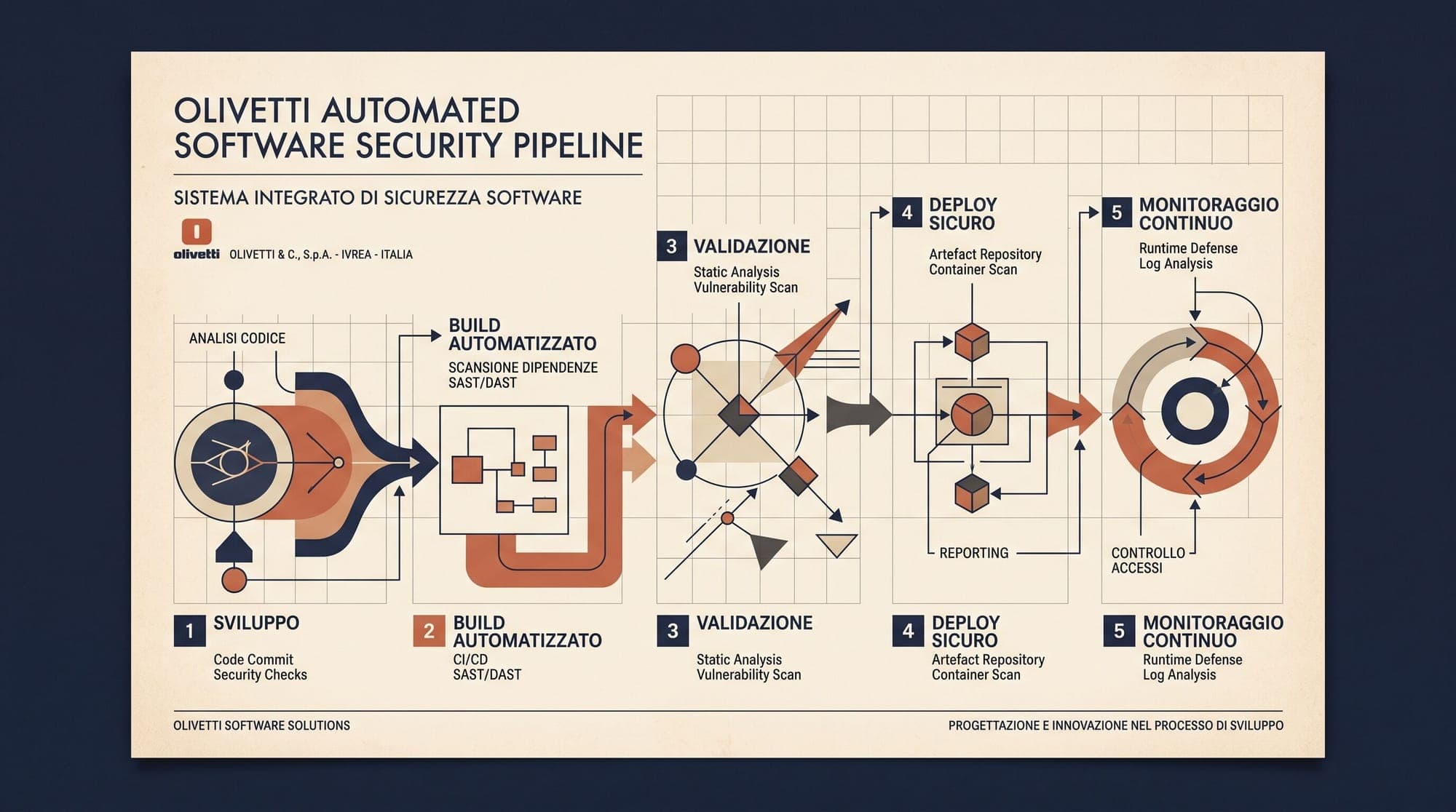
    Software delivery platform Harness released a suite of specialized AI security agents designed to automate vulnerability detection, triage, and code remediation directly within continuous integration pipelines. The release targets the growing operational disparity between automated vulnerability discovery and manual patch deployment. According to the Edgescan 2026 Vulnerability Statistics Report, organizations average 55 days to remediate reported software vulnerabilities. Conversely, automated

    AI
    2 min read
  13. Cloud Browser Infrastructure for AI Agents: Architecture, Anti-Bot Bypassing, Session State, and Fleet Scaling

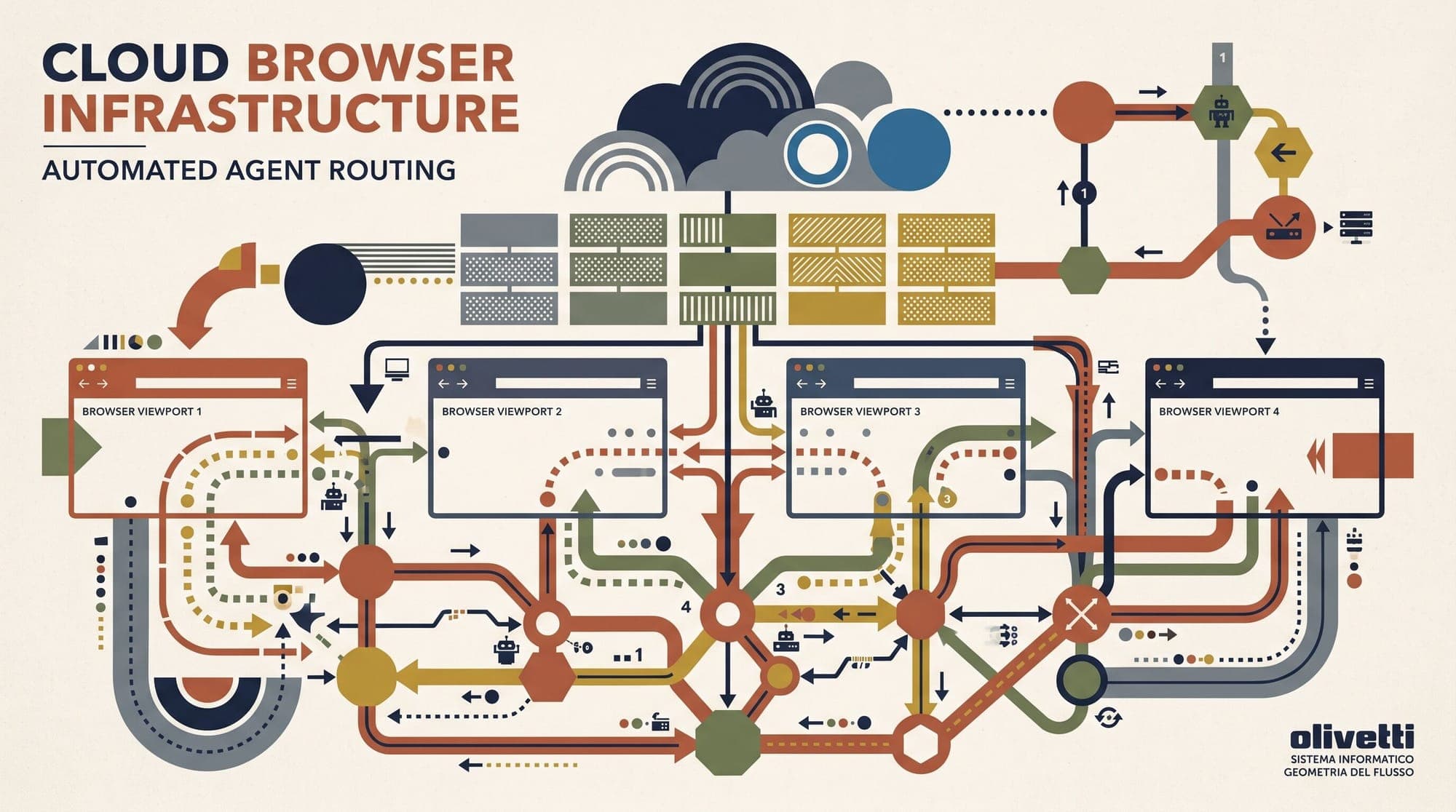
    Autonomous AI agents require interactive web environments to navigate single-page applications, authenticate across complex portals, fill multi-step forms, and extract dynamic client-rendered data. However, running headless browsers at scale introduces severe operational bottlenecks. Ephemeral container instances (such as Docker containers or AWS Lambda functions) frequently suffer from cold starts, memory leaks, fingerprint leakage, and instant IP blacklisting by bot-detection networks. To sol

    AI
    6 min read
  14. Long-Context LLMs vs. RAG in Production: Break-Even Economics, Attention Degradation, and Hybrid Architectures

    The emergence of production models supporting context windows of 1 million tokens or more, including Google Gemini 1.5 Pro, Anthropic Claude 3.5 Sonnet, and OpenAI GPT-4o, has disrupted conventional enterprise retrieval architectures. For several years, Retrieval-Augmented Generation (RAG) served as the mandatory workaround for strict context limits, forcing engineering teams to build chunking pipelines, embedding indices, and vector database infrastructures. With massive context windows and th

    AI
    6 min read
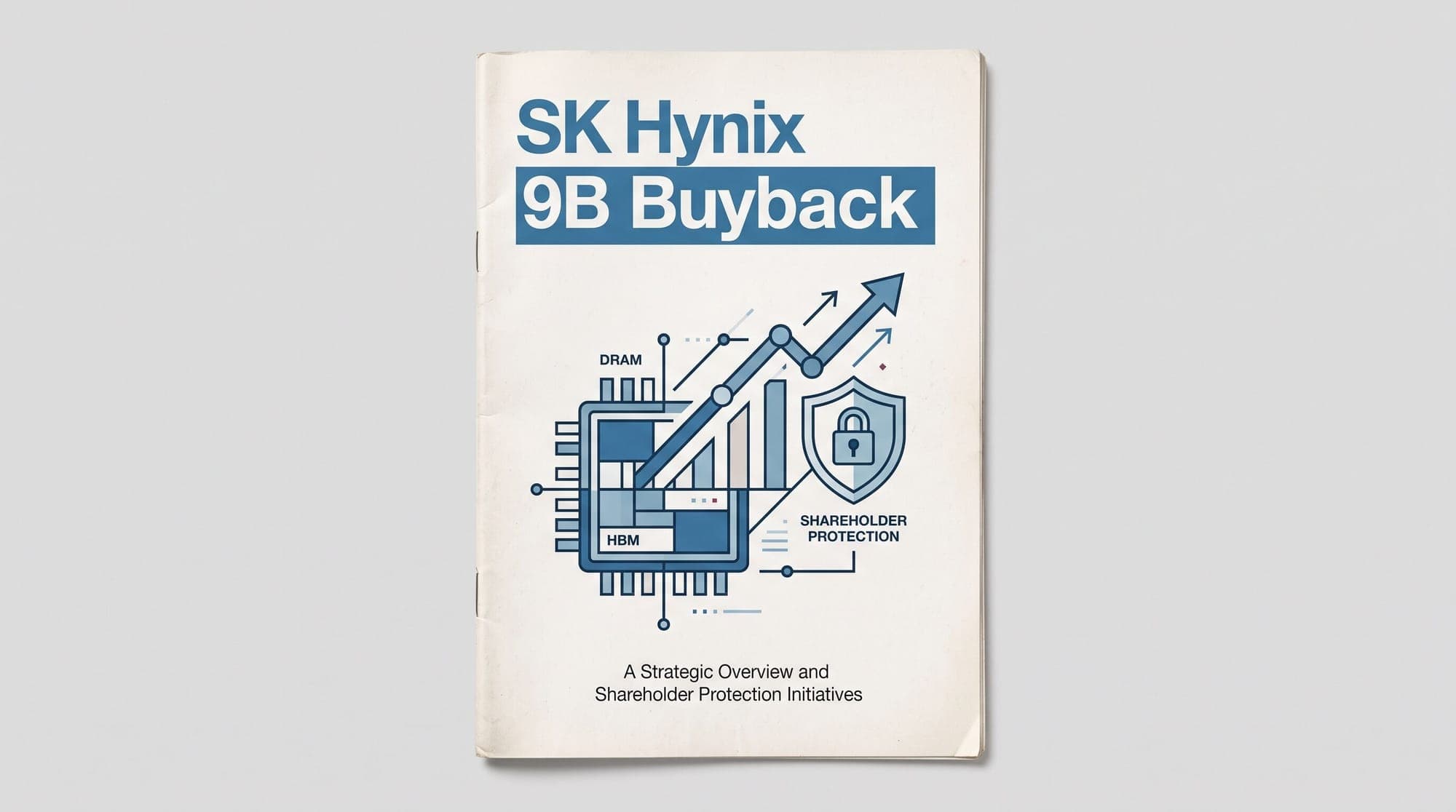
  15. SK Hynix Announces $29 Billion Share Buyback to Calm AI Spending Worries

    SK Hynix announced Wednesday it will buy back and cancel 40 trillion won ($28.61 billion) worth of treasury shares, allocating more than 50 percent of free cash flow generated between 2025 and 2027 to shareholder returns. The buyback, to be executed between August 20 and November 19, represents roughly 24 million shares. The company also said it would pursue an expansion of its total shareholder return target from the previous "within 50 percent of cumulative FCF" to "over 50 percent of cumulat

    AI
    1 min read
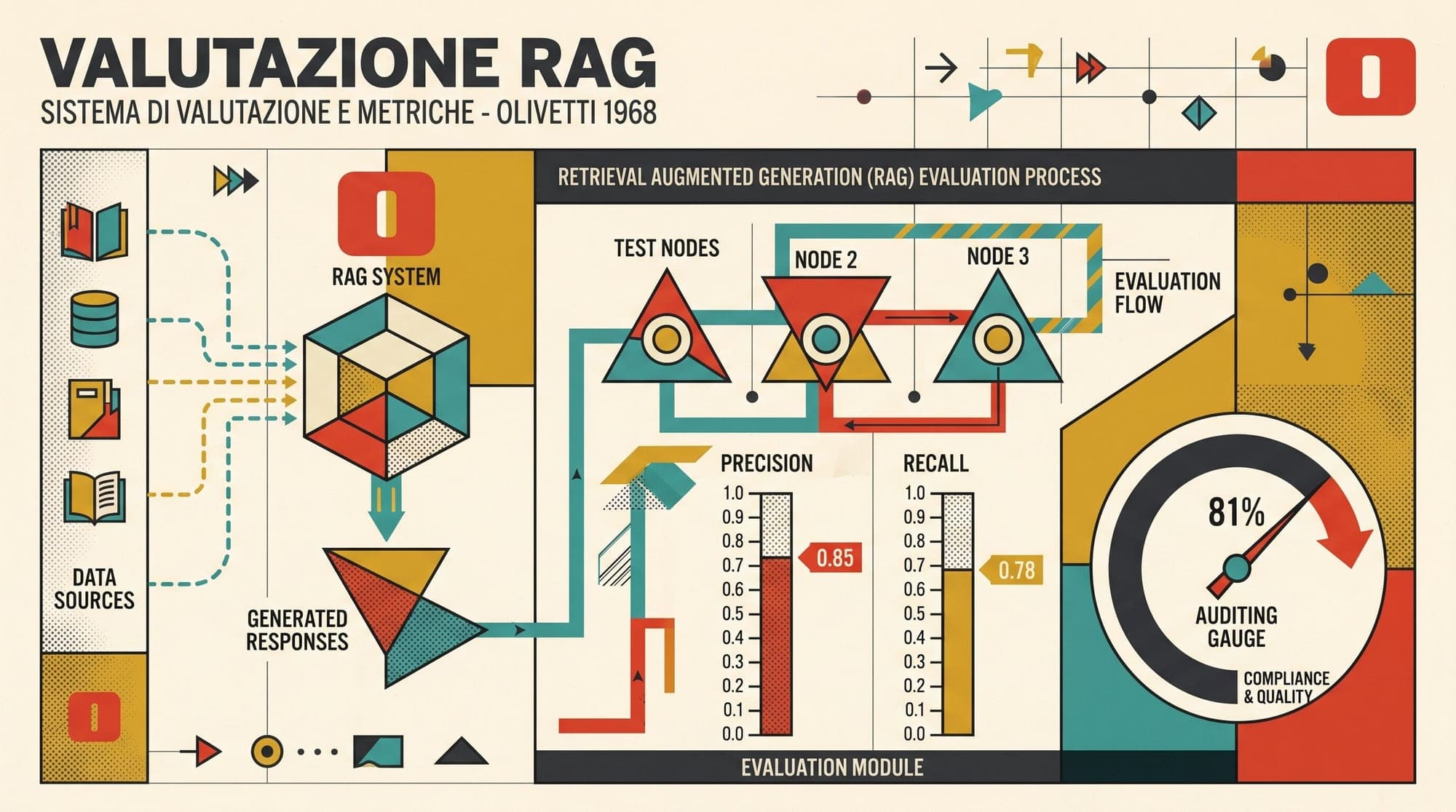
  16. RAG Evaluation Frameworks in Production: Architecture, Metrics, and CI/CD Trade-Offs for Ragas, DeepEval, TruLens, and ARES

    Production Retrieval-Augmented Generation (RAG) systems fail silently. Unlike traditional software pipelines that throw explicit exceptions on invalid states, a broken RAG pipeline produces syntactically fluent, confident prose that conceals severe underlying defects. When a user receives an incorrect response, the failure can stem from multiple distinct failure points across the stack: the query embedding failed to retrieve relevant chunks, the reranker discarded the critical passage, the chunk

    LLM
    7 min read
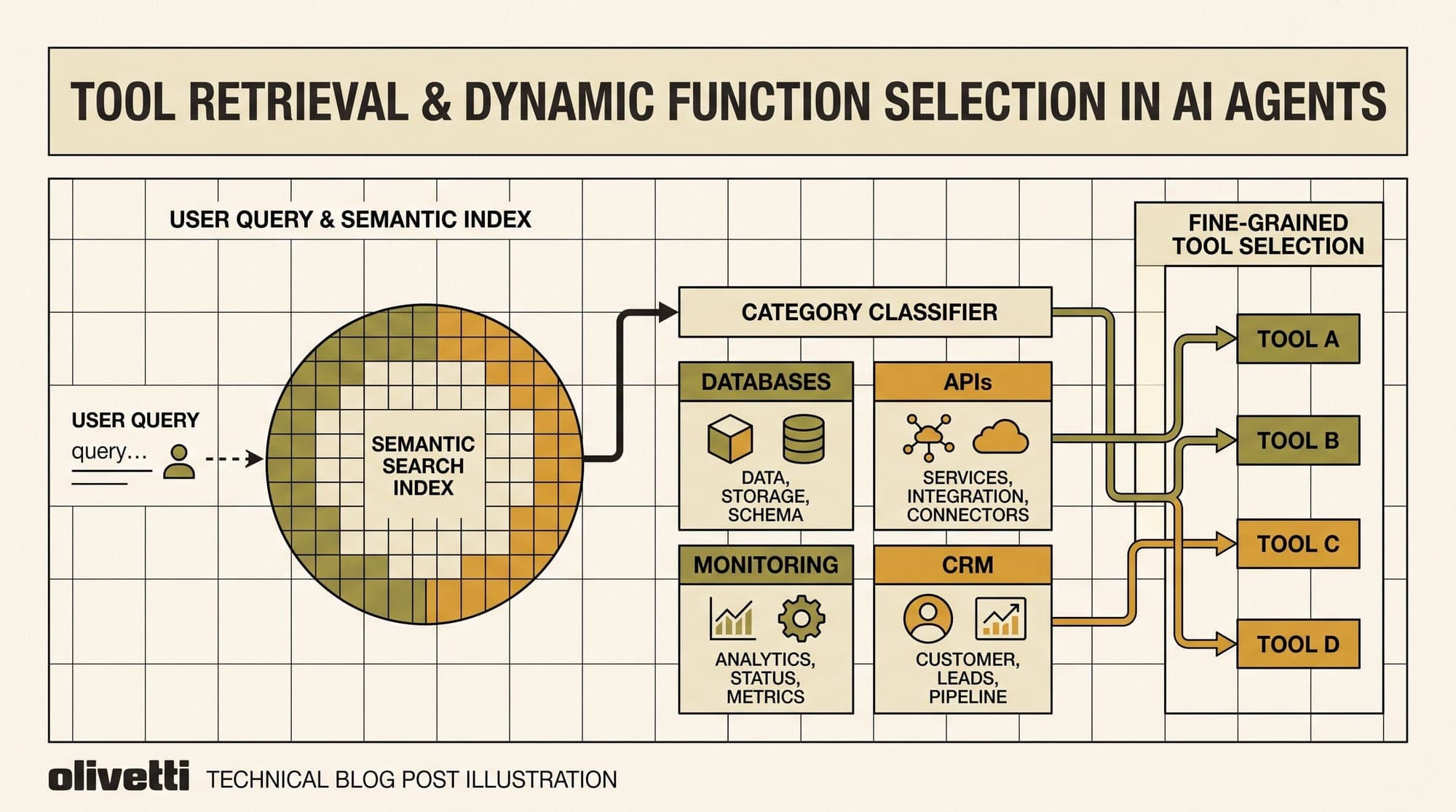
  17. Tool Retrieval and Dynamic Function Selection in Production AI Agents: Architecture, Semantic Indexing, and Serving Trade-Offs

    Tool Retrieval and Dynamic Function Selection in Production AI Agents: Architecture, Semantic Indexing, and Serving Trade-Offs The default approach to LLM tool calling—stuffing every function schema into the prompt—works for demos with a dozen tools. It fails in production where agents face hundreds or thousands of available functions. Context windows saturate, selection accuracy degrades, and latency grows linearly with registry size. This post surveys the architectural progression from stati

    AI
    6 min read
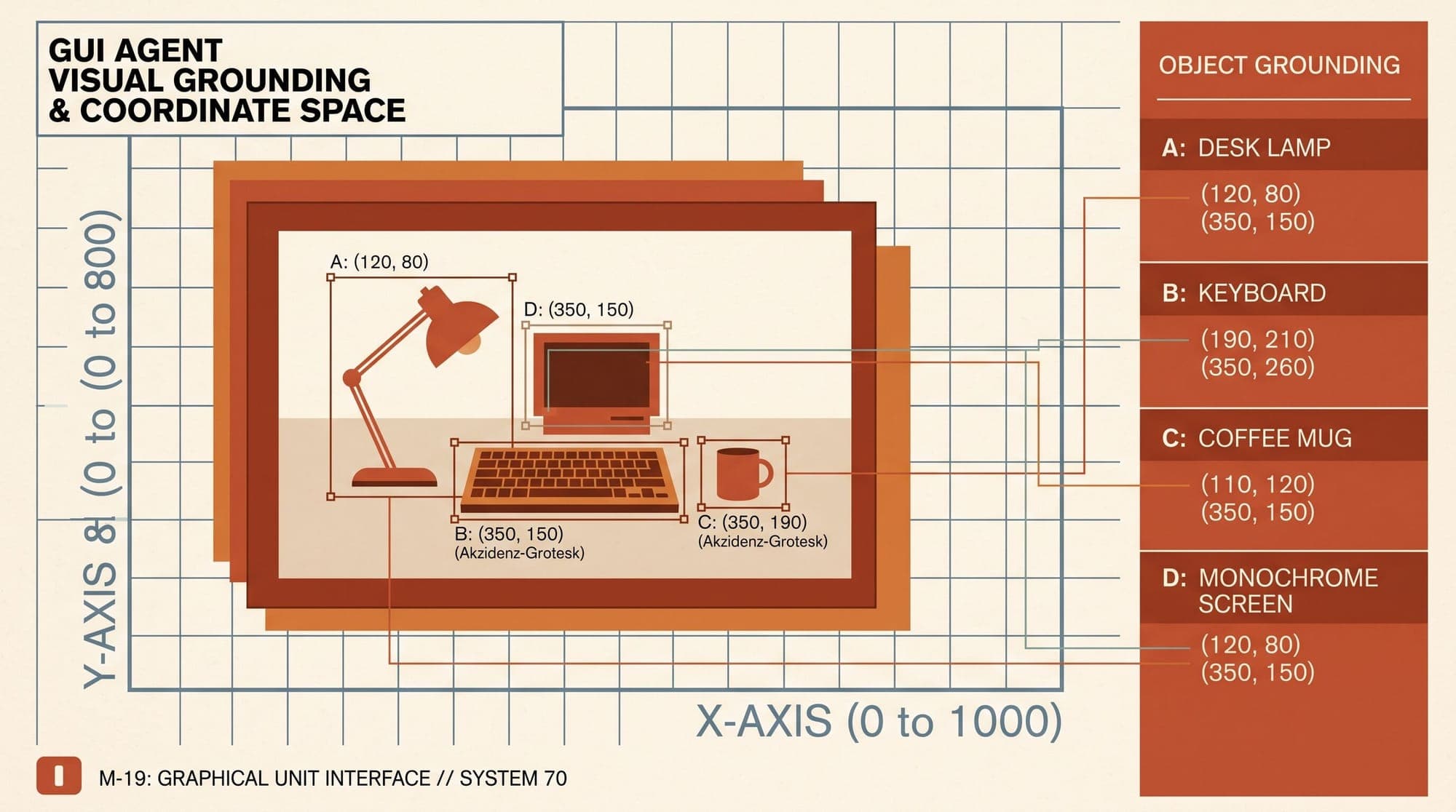
  18. GUI Agent Architectures in Production: Visual Grounding, DOM vs. Pixel Parsing, and Action Spaces

    Graphical user interface (GUI) automation has undergone a structural transition from programmatic DOM manipulation to vision-based foundation agents. Where earlier browser automation relied on CSS selectors, XPath expressions, and accessibility trees, modern desktop and cross-platform agents interact with operating systems through raw pixel observations and virtual input devices. Deploying GUI agents in production environments introduces distinct engineering constraints. Visual grounding precis

    AI
    6 min read
  19. Temporal in Talks to Raise $500M at $12B+ Valuation as Agent Orchestration Surges

    Developer infrastructure platform Temporal Technologies is in discussions to raise approximately $500 million in a new funding round that would value the company at over $12 billion pre-money, according to reports from Bloomberg. The financing represents a rapid increase in valuation from its $5 billion Series D round earlier this year, driven by accelerating adoption of durable execution runtimes for multi-step AI agents. The Shift Toward Durable Execution Runtimes While foundational model d

    AI
    2 min read
  20. Web Extraction and Retrieval Architectures for Production AI Agents: Comparing Tavily, Exa, Firecrawl, Jina Reader, and Crawl4AI

    Autonomous AI agents and Retrieval-Augmented Generation (RAG) systems require live web access to ground answers, verify facts, and execute multi-step research workflows. However, feeding raw web data directly into large language models creates severe performance and economic bottlenecks. A standard web page contains between 50 KB and 500 KB of Document Object Model (DOM) data, cascading stylesheets (CSS), JavaScript bundles, SVG icons, tracking scripts, and boilerplate navigation headers. Inges

    Architecture
    6 min read