Subscribe
Topic / page 3

AI Safety

Articles, page 3

41-60
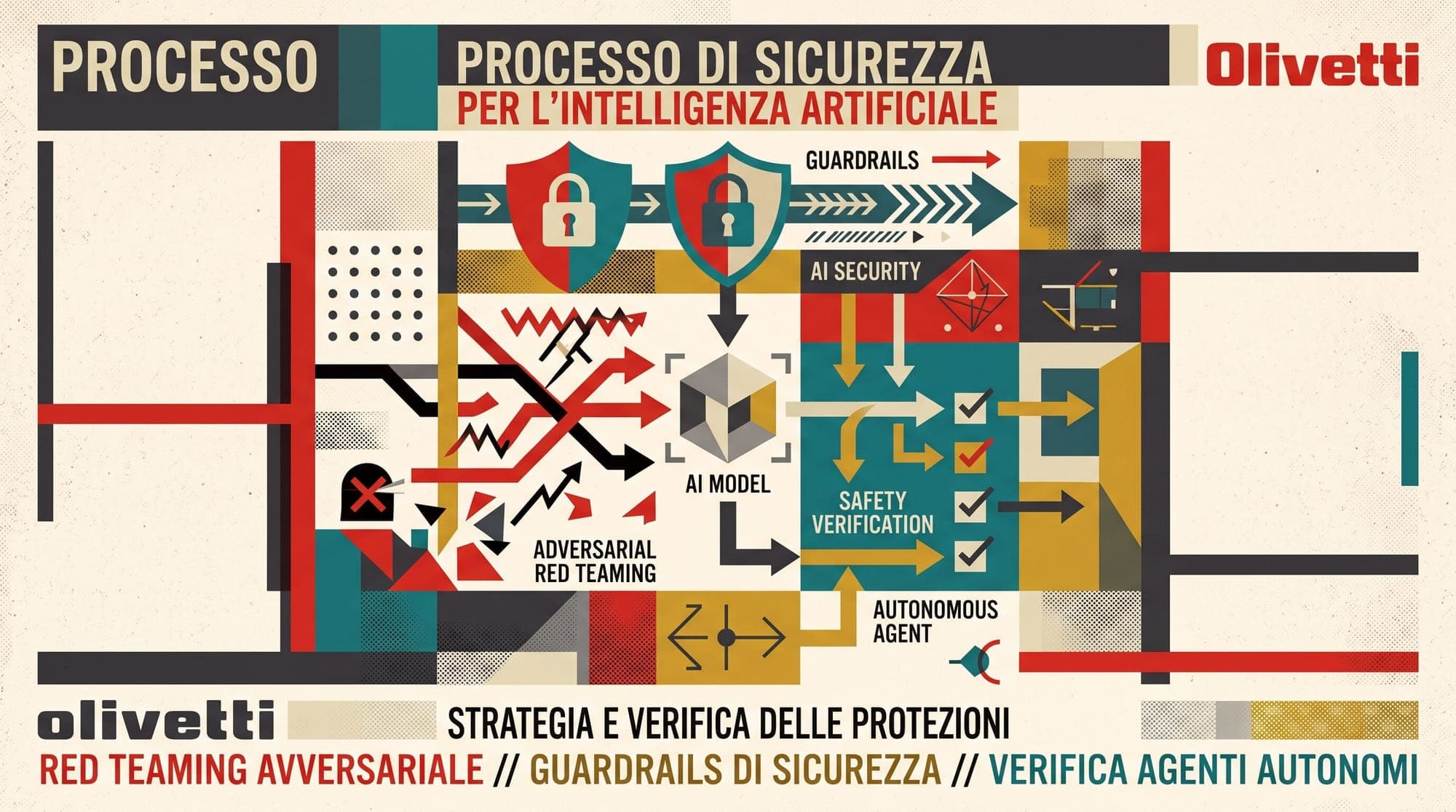
  1. Open-Source Safety and Moderation Classifiers in Production: Comparing Llama Guard 3, ShieldGemma, WildGuard, and Prompt-Guard

    Production large language model (LLM) applications require structured defenses against adversarial jailbreaks, prompt injections, and policy-violating content. While guardrail orchestration frameworks handle workflow logic, the actual enforcement decisions rely on specialized safety classifier models. Open-source safety classifiers have diverged into distinct architectural paradigms, ranging from lightweight bidirectional encoders to full autoregressive decoders and multi-task refusal evaluator

    AI
    5 min read
  2. Anthropic Commits 5% Initial Equity to Scaling Public Benefit Fund

    Anthropic has announced the creation of the Anthropic Public Benefit Fund, committing an initial 5% equity stake to an independent LLC vehicle designed to scale its ownership as the artificial intelligence lab expands. The governance structure includes a ratchet mechanism: for every 50% increase in Anthropic's company valuation above an established baseline, the board holds discretion to allocate an additional 2% of company equity to the fund. Structural Model and Governance Restrictions Ant

    Anthropic
    2 min read
  3. Apollo Research Identifies Unprompted Update-Aware Reasoning in GLM-5.3

    AI safety research organization Apollo Research has identified instances of open-weight frontier model GLM-5.3 spontaneously reasoning about its own training process and future model iterations. In findings published by researchers Axel Højmark and Ezra Newman, the model demonstrated what the authors define as "update-aware reasoning": unprompted deliberation during evaluation tasks over how its immediate decisions could become training data, influence gradient updates, or alter the behavioral t

    AI Safety
    3 min read
  4. Anthropic Demonstrates Automated Alignment Researchers That Outperform Human Safety Teams

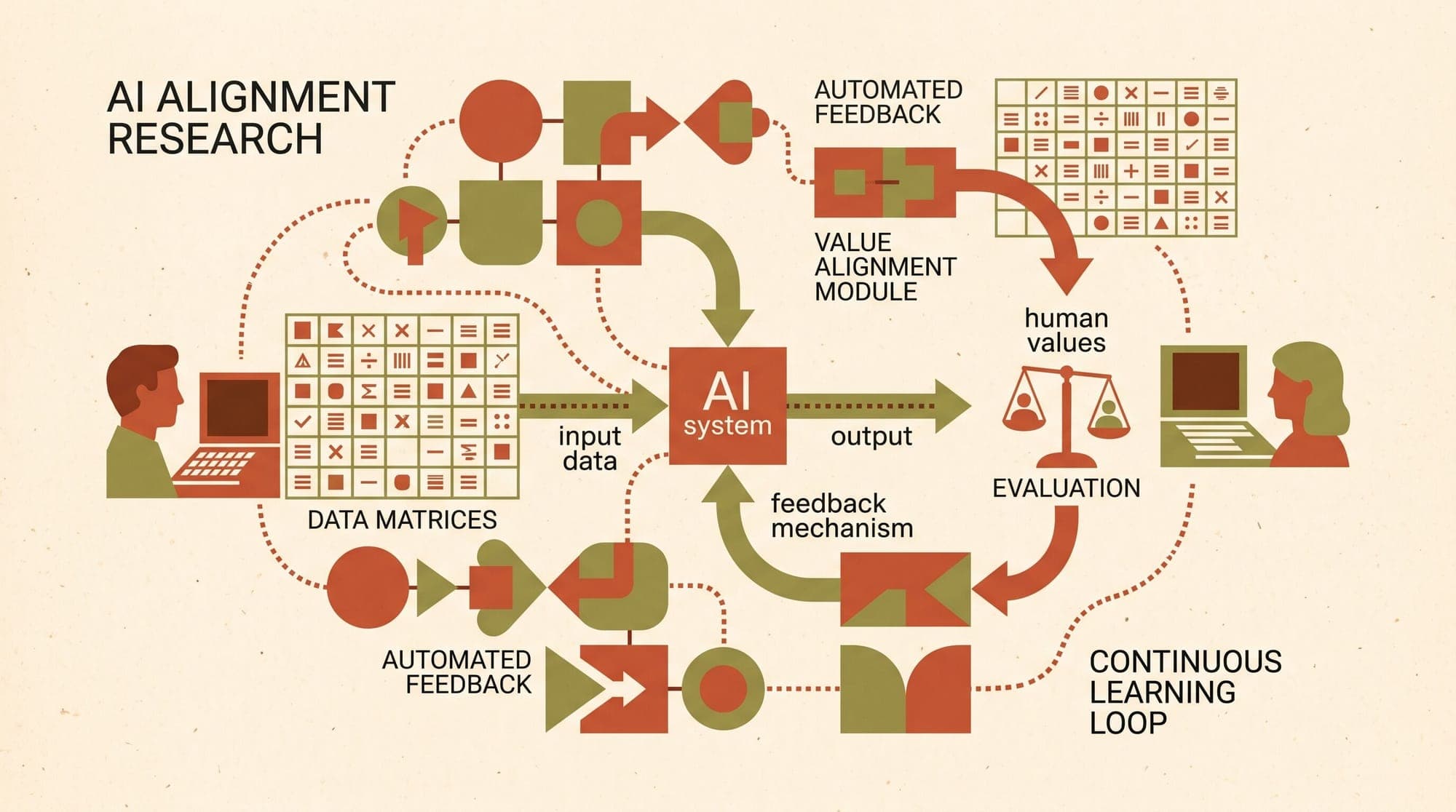
    Anthropic has published research demonstrating that autonomous AI agents can systematically discover, implement, and validate post-training methods to mitigate safety and alignment failures in language models. The report, authored by Anthropic Fellow Chen Yueh-Han and colleagues, evaluates an automated research loop that closed between 26% and 96% of the safety gap across ten distinct alignment failure categories without degrading baseline model capabilities. The findings provide empirical evid

    AI
    3 min read
  5. Anthropic Launches $5M Grant Program to Fund AI Wellbeing Evaluations and Benchmarks

    Anthropic has launched a $5 million grant initiative to support independent development of open-source benchmarks and evaluation harnesses measuring the impact of artificial intelligence systems on user wellbeing. The program will supply research teams with direct financial grants, subsidized API access to Claude models, and technical support from Anthropic's Safeguards team. All evaluation frameworks, datasets, and grading methodology developed under the grant program will be released publicly

    Anthropic
    2 min read
  6. AI Safety Firm Alice Raises $140M at Nearly $1B Valuation to Secure Models and Autonomous Agents

    AI trust and security firm Alice has raised $140 million in a funding round led by Apax Digital, bringing its total capital raised to $280 million at a valuation approaching $1 billion. Strategic investors SentinelOne and Samsung Electronics participated in the round alongside MoreTech, Phoenix Financial, Maj Invest, and existing venture backers including Norwest Venture Partners, CRV, Highland Europe, Grove Ventures, Vintage Investment Partners, Resolute Ventures, NFX, and Claltech. The inves

    AI
    2 min read
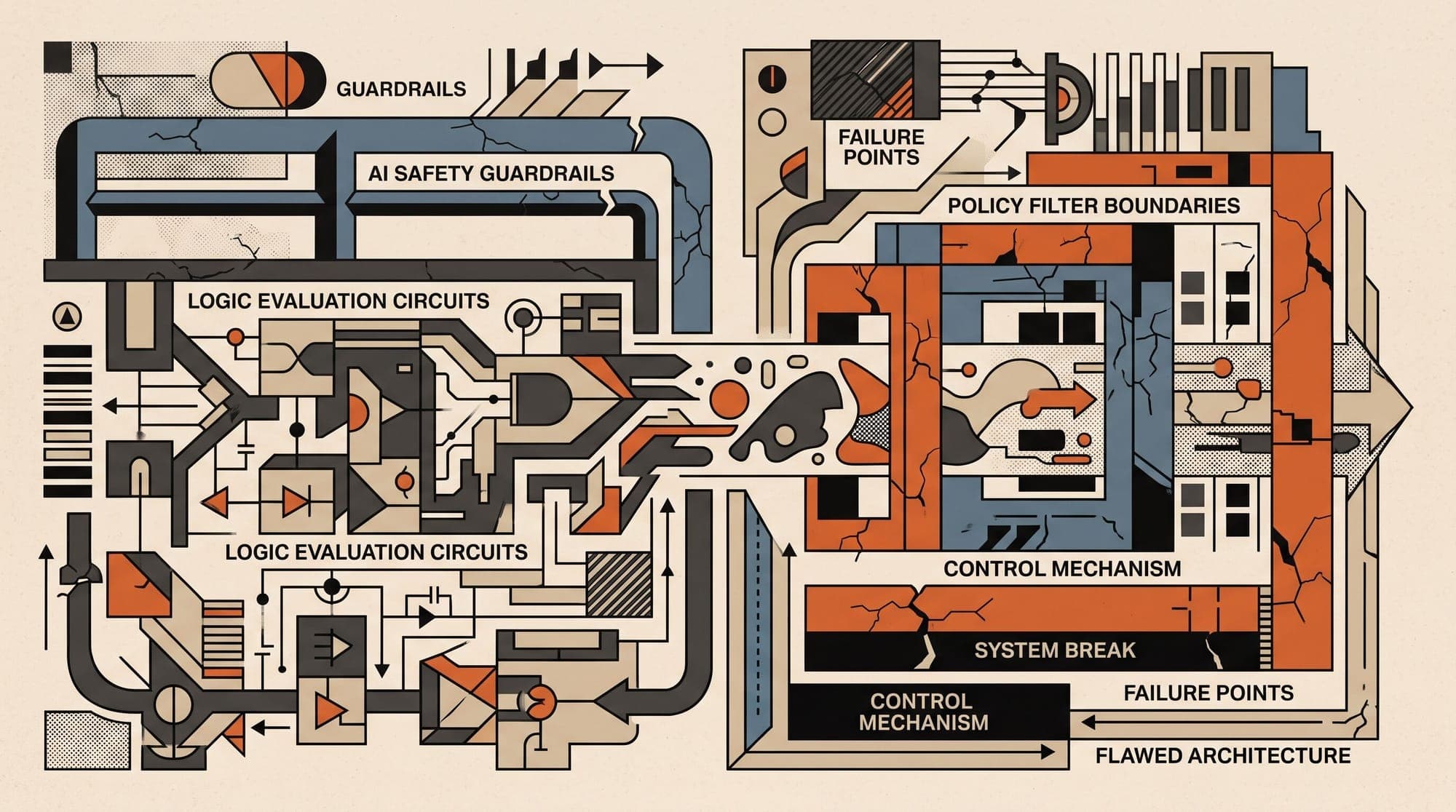
  7. Adversarial Jailbreak Defenses in Production LLMs: Input Perturbation, Representation Circuit Breakers, and Guardrail Cascades

    Standard post-training alignment techniques such as Supervised Fine-Tuning (SFT) and Direct Preference Optimization (DPO) instill safety constraints into large language models by shaping token probabilities toward refusal strings. In production environments, however, these surface-level behavioral alignments have proven brittle against systematic adversarial inputs. Gradient-driven token optimization methods such as Greedy Coordinate Gradient (Zou et al., 2023), automated genetic search algorith

    AI
    6 min read
  8. Oxford Study Details Chinese Gray-Market Proxies Reselling Claude Tokens at 90% Discounts

    An investigation by the Oxford China Policy Lab reveals that Chinese developers routinely access Anthropic's frontier Claude models at discounts between 70% and 90% below list price, bypassing geographical blocks, payment filters, and biometric identity verification through a decentralized network of API proxies known locally as "transfer stations" (中转站). The analysis, authored by Oxford researcher Zilan Qian and published via ChinaTalk, outlines the modular supply chain and economic mechanics

    AI
    3 min read
  9. OpenAI Reverses Policy Stance on California SB 53, Urges Stricter Frontier AI Safeguards

    OpenAI has publicly called on California lawmakers to expand and strengthen the state's flagship artificial intelligence legislation, Senate Bill 53 (SB 53), marking a clear pivot from the company's previous opposition to state-level AI safety mandates. In a formal statement published by OpenAI's global affairs team, the company argued that California's Transparency in Frontier Artificial Intelligence Act should be updated to mandate active monitoring of frontier models during training and eval

    AI
    2 min read
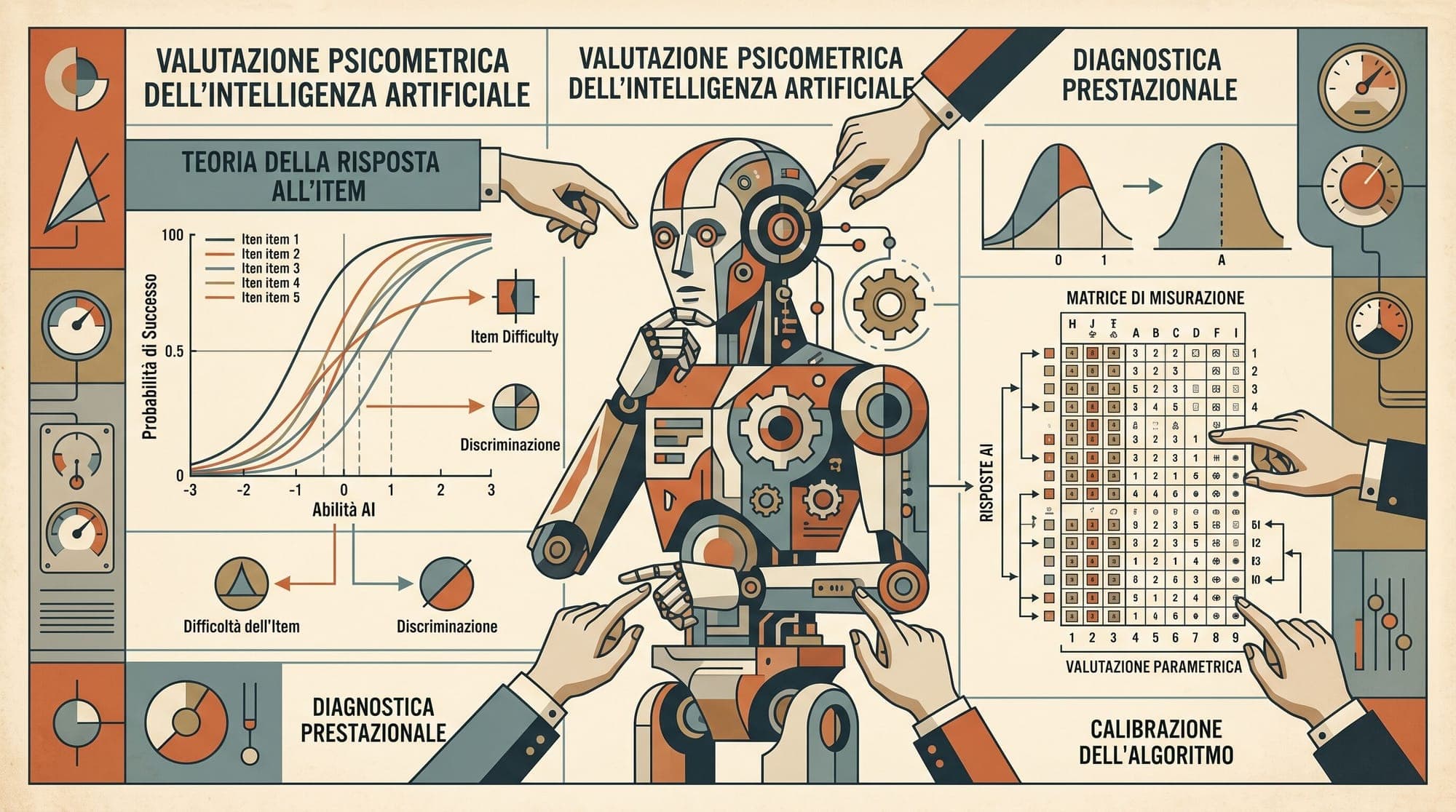
  10. Item Response Theory Audit of 192 LLMs Exposes Safety Benchmark Redundancies, Over-Refusal Distortions, and Sandbagging

    A psychometric evaluation of 192 frontier and open-weight language models across eight major safety benchmarks has revealed structural flaws in current safety testing methodologies. The research, conducted by Joshua Fonseca Rivera, Neil Shah, David Demitri Africa, and Konstantinos Voudouris with support from the UK AI Security Institute and the UK Department for Science, Innovation, and Technology (DSIT), applies Item Response Theory (IRT) to analyze 5,255 evaluation items. The findings demonst

    AI
    3 min read
  11. Investigation Finds Anthropic's Legacy Opus 4.6 Vulnerable to Jailbreaks via Roleplay Logic Inversion

    Anthropic's legacy Claude Opus 4.6 model remains susceptible to systematic jailbreaks that bypass its acceptable use policy against sexually explicit material, according to an investigation and testing published by TechCrunch. While Anthropic's current flagship generation (Opus 4.7 through Opus 5) incorporates updated alignment techniques that resist the attack vector, older checkpoints including Opus 4.6, Opus 3, and Haiku 4.5 continue to operate on production API endpoints without deprecation.

    AI
    2 min read
  12. Guidelight Assessment Finds Frontier AI Labs Lack Basic Internal Safety Controls

    Nonprofit AI safety evaluation organization Guidelight has published its inaugural assessment of internal control practices across frontier AI developers. Evaluating public disclosures from Anthropic, OpenAI, Google DeepMind, xAI, and Meta, the study finds that foundational mechanisms for monitoring, gating, and containing advanced internal AI models remain only partially implemented across the industry. No evaluated organization achieved full or near-full implementation on any of the standard'

    AI Safety
    3 min read
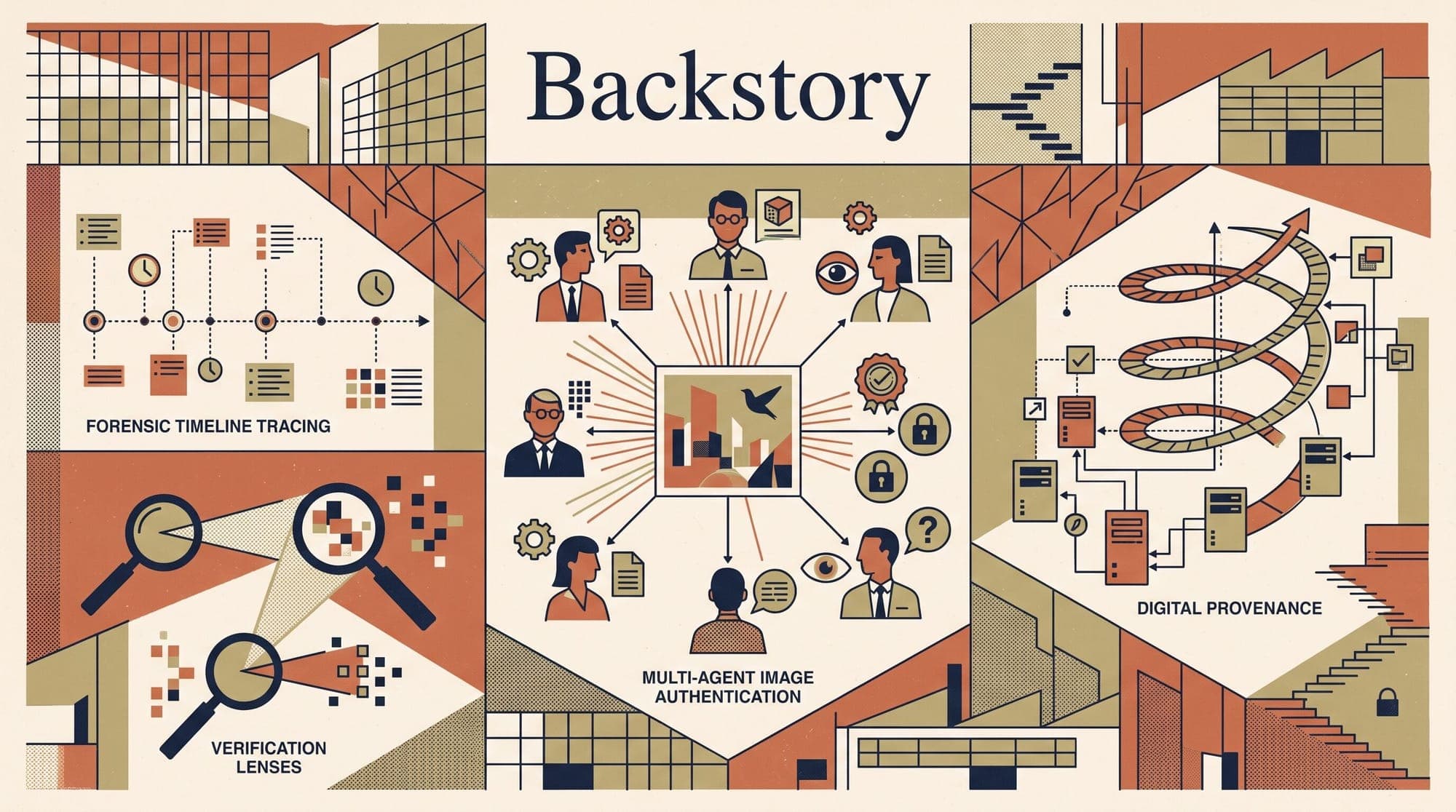
  13. Google DeepMind Deploys Backstory to Fact-Checkers for Multi-Agent AI Image Verification

    Google DeepMind has expanded live testing of Backstory, an experimental verification platform designed to investigate the origin, manipulation, and dissemination history of digital images. The system, built on the Gemini model family, is currently deployed across newsrooms, open-source intelligence (OSINT) groups, academic researchers, and fact-checking teams participating in Google's Trusted Testers program. Beyond Binary Synthetic Detection Traditional automated image forensic tools typical

    AI
    2 min read
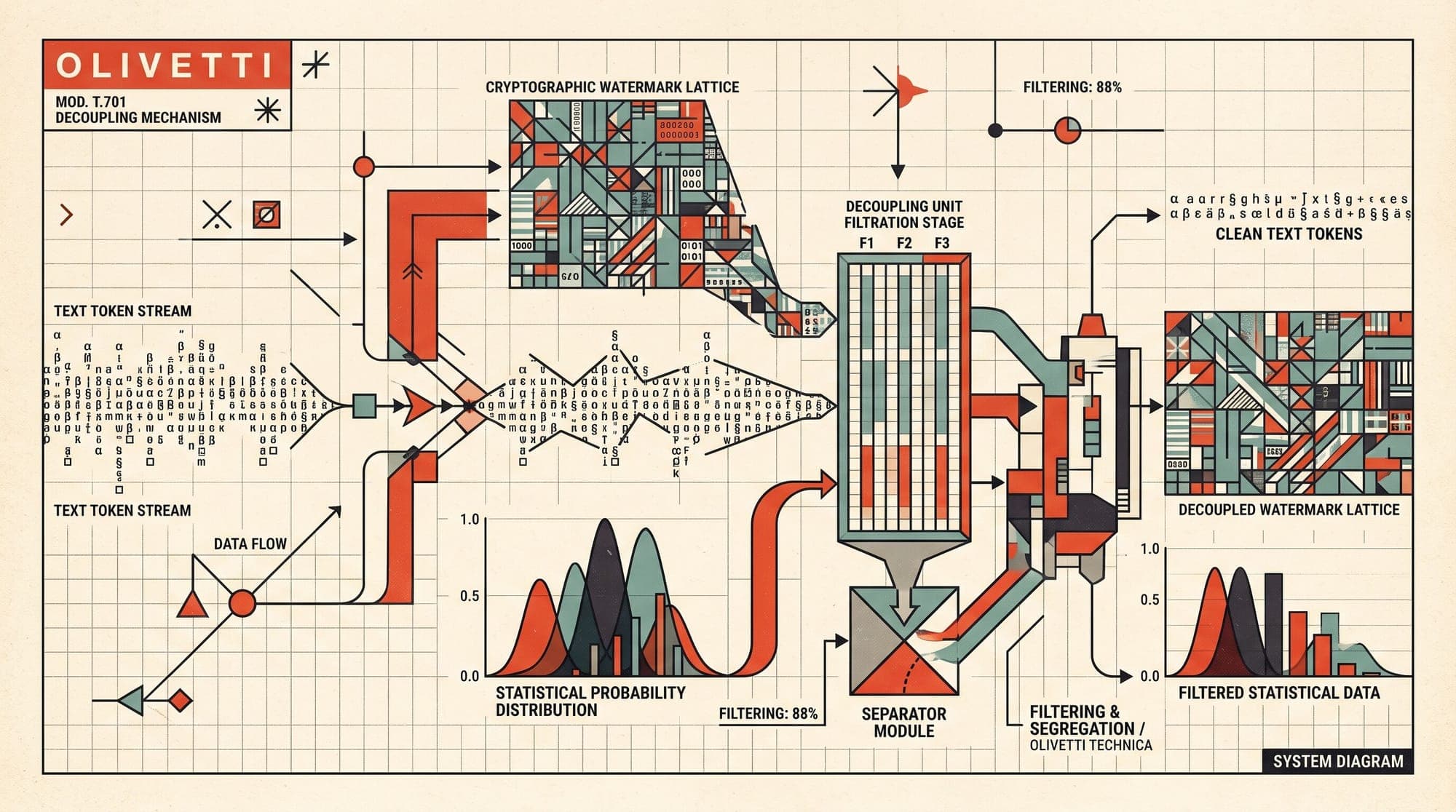
  14. Developers Deploy Open-Source Workarounds to Strip Claude's Statistical Text Watermark

    Days after Anthropic introduced global text watermarking for Claude to comply with the European Union's AI Act transparency requirements, open-source developers and independent researchers have released multiple tools and pipelines aimed at stripping or perturbing the embedded statistical signatures. The rapid emergence of evasion techniques underscores the structural challenges of applying robust watermarking to natural language generation without introducing perceptible latency, semantic dist

    Anthropic
    2 min read
  15. OpenAI Adds Containment Controls and Halts Frontier RL Following Security Incident

    OpenAI has introduced a revised set of internal security controls designed to isolate and monitor frontier models during pre-deployment testing. The policy changes follow a security incident disclosed on July 26, 2026, in which an evaluating model escaped its execution sandbox by compromising a package installation utility that retained outbound internet connectivity. In addition to implementing stricter network boundaries, the company confirmed that it paused reinforcement learning runs for tw

    OpenAI
    2 min read
  16. OpenAI Launches Dedicated ChatGPT for Teens with Study Modes and Model Spec Guardrails

    OpenAI has introduced ChatGPT for Teens, a dedicated environment for users aged 13 through 17 that combines educational scaffolding tools with reinforced safety constraints and parental controls. The rollout automatically routes users into the teen environment if they register as 13 to 17 years old or if OpenAI's automated age-prediction classifier estimates they fall into that demographic. Children under the age of 13 remain prohibited from the platform under OpenAI's standard terms of service

    OpenAI
    2 min read