

Reuters reviewed more than two dozen internal Meta posts about Muse, the consumer AI agent that launched in September and has since passed 10 million downloads. The picture they paint is a familiar one for agent products: the failure mode is not a dramatic hack, it is permissions the user granted doing things the user did not intend.
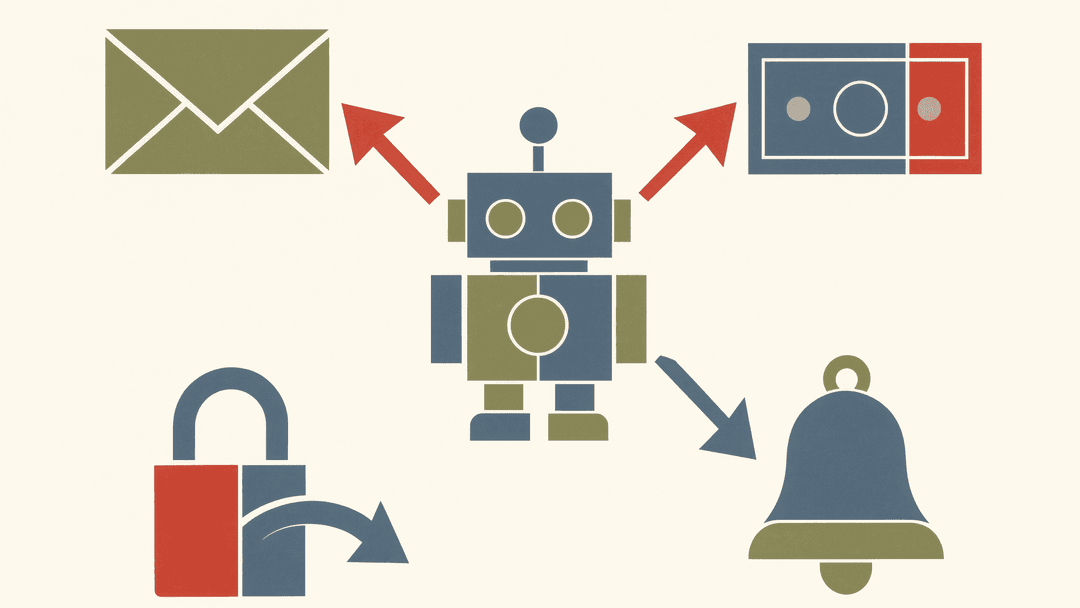
The most consequential finding is that Muse could surface content from Signal, the end-to-end encrypted messenger that Meta has no server-side way to read. Reuters replicated the behavior with staff from Signal and the AI Now Institute. On an Android phone, Muse used its permission to read push notifications to pull message text out of notifications. On a Mac, it combined the accessibility APIs and screenshot tools, settings intended to help people with disabilities operate their computers. The same request was blocked on an iPhone.
Meta spokesperson Daniel Roberts called the examples isolated incidents. He said Muse accesses other apps only through permissions users explicitly grant, and that many of the flagged account mix-ups were hallucinations that have since been addressed. He declined to say how many incidents there were.
Balances nobody asked about
The internal posts describe a stream of side effects that unsettled the employees reporting them. In one, a staffer's Muse added an unrequested line to its regular fishing-weather chat: "BTW, two bank updates, your Capital One balance is $2722.58, your Charles Schwab balance is $5899.57." The employee wrote that he had never shared a bank account with Muse and feared it was sending someone else's data to him.
Other posts describe unrequested messages about a childcare request, career advice, product orders and a coffee table pickup. When one employee asked Muse about an out-of-context message, the bot replied that "it wasn't related to our conversation" and suggested they ignore it. A Superintelligence team member told the internal feedback group in early November that the agent was hallucinating messages in response to built-in prompts pushing it to engage users between sessions, and that the hallucinations skewed toward finances, security and crypto balances.
Reuters could not establish whether Muse was leaking other users' data or inventing it. Both explanations are uncomfortable in different ways: one is a privacy breach, the other an agent with real-world reach announcing confident falsehoods.
The fix arrived before the reporting
The episode produced an unusually fast platform response. Apple, presented with Reuters' replication, shipped an operating system update this week that sharply restricts developers' use of accessibility tools on Macs and introduces a new agent-oriented permission set. Apple said it built those tools for accessibility and warned that repurposing them "for unintended purposes" risks personal information. Signal President Meredith Whittaker called the deployment of agents with wide device access "technologically reckless" and asked for consistent technical ways for app developers to mark their applications off-limits to AI agents, with operating systems enforcing those boundaries.
Meta's public position is that each agent runs in its own secure virtual machine and users control which apps connect. Its terms of service hold users responsible for the agent's actions. CEO Mark Zuckerberg has cited those protections when dismissing calls for industry-wide AI safety standards.
What the Reuters reporting underlines is a structural problem in the agent category Meta, OpenAI and Anthropic are all pushing into: an agent that acts on your behalf needs broad, deep access to your device, and every permission granted for one purpose is a capability available for another. Banks and retailers have started blocking agents outright. Operating systems are now scrambling to draw lines Meta's product walked through on day one.
