Archive / page 83 of 123

Latest articles, page 83

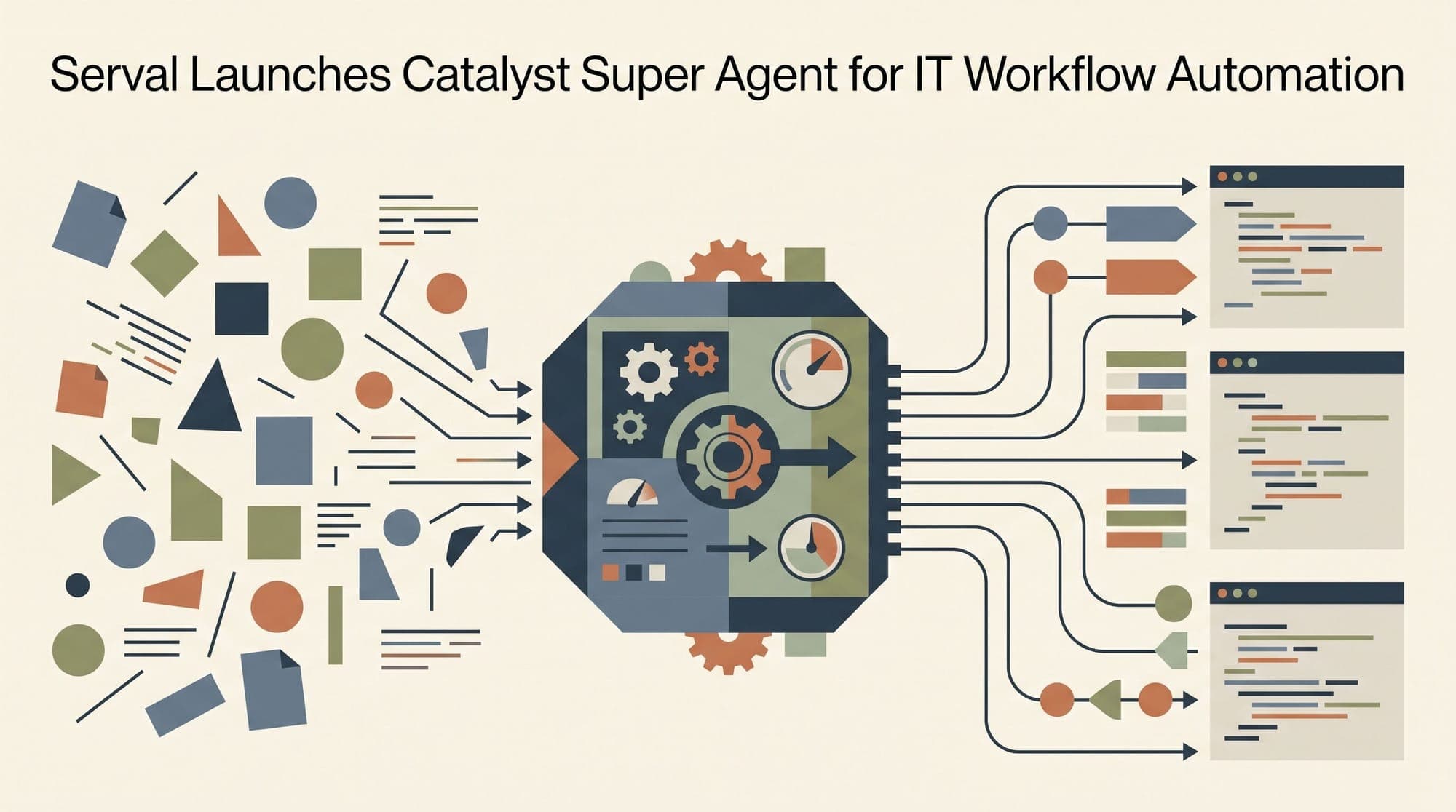
  1. Serval Releases Catalyst Super Agent for Automated IT Workflows and Proactive Remediation

    Enterprise service management startup Serval has announced the general availability of Catalyst, an administrative AI agent designed to inspect organizational ticket histories, standard operating procedures, and infrastructure telemetry to generate production IT automations. The release marks an architectural shift from reactive ticket-triage bots toward end-to-end automation synthesis, enabling organizations to draft executable TypeScript workflows, access policies, and onboarding journeys fro
    Agents
    2 min read
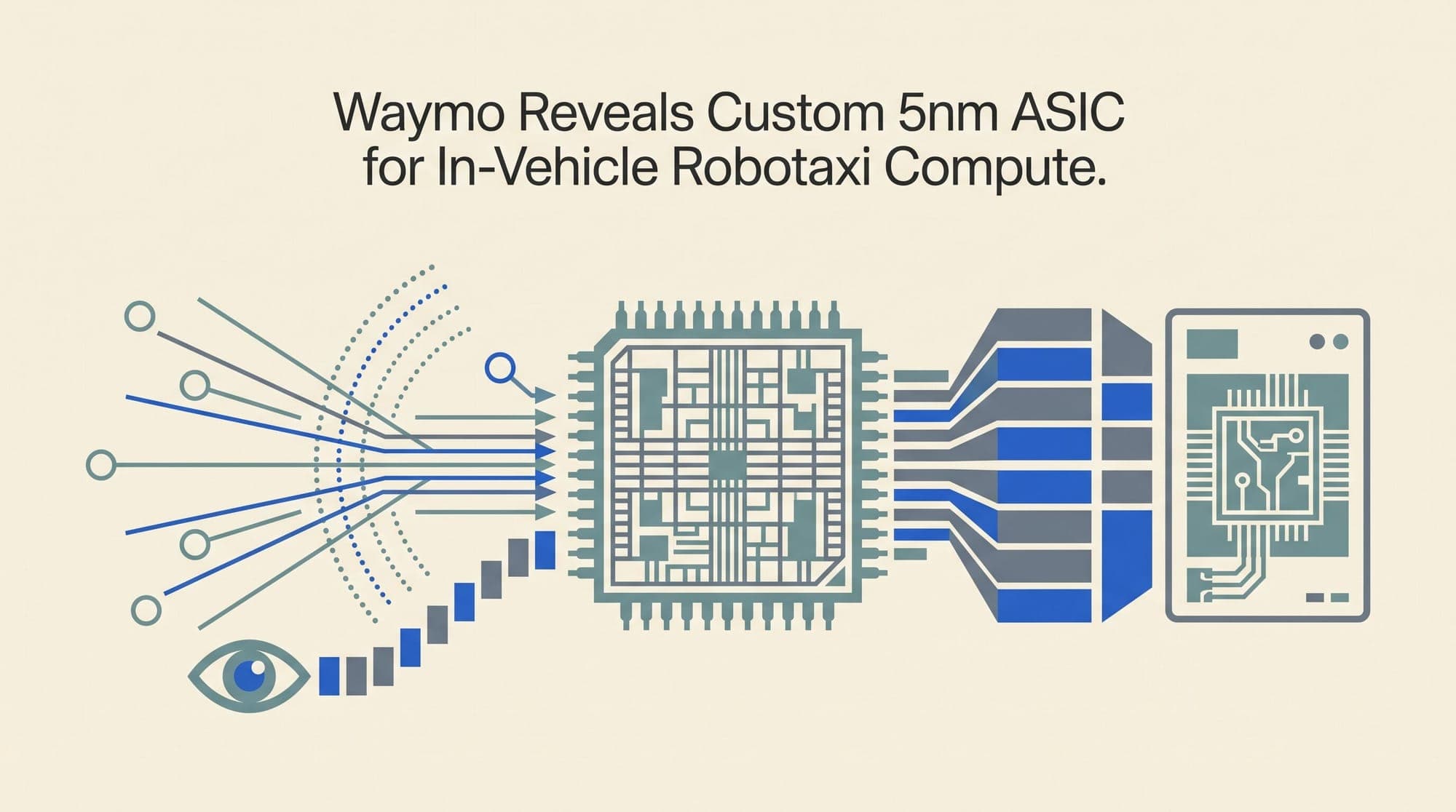
  2. Waymo Details Custom 5nm ASIC and Heterogeneous Compute Architecture for Robotaxis

    Alphabet subsidiary Waymo has disclosed the architectural specifications of the computing platform powering its sixth-generation autonomous driving system, revealing a custom 5-nanometer application-specific integrated circuit (ASIC) engineered specifically for front-end sensor ingestion and edge machine learning. The disclosure, authored by VP of Engineering Satish Jeyachandran and Compute Lead Daniel Rosenband, details how the company processes raw data from onboard sensor arrays in real time

    Autonomous Vehicles
    2 min read
  3. Speculative Tool Execution and Parallel Action Graphs in Production AI Agents: DAG Scheduling, Optimistic Concurrency, and Side-Effect Rollback

    Autonomous AI agents operating in complex environments (such as software engineering, scientific discovery, and automated workflow orchestration) face an operational bottleneck: execution latency. While foundation models have become faster at token generation, the standard agent interaction loop remains strictly serial. A model reasons, outputs a single tool call, halts generation, waits for the external environment to return a result, appends the output to context, and resumes reasoning. In mu

    AI
    5 min read
  4. Classifier-Free Guidance: How Score Extrapolation and Implicit Classification Steer Generative Models

    Conditional generative models face an inherent tension between mode coverage and prompt adherence. When a model is trained to maximize data log-likelihood, its learned distribution matches the broad, messy variety of the underlying dataset. In unconditional generation, this diversity is desirable. In conditional generation, however, unconditional priors dilute the prompt: models generate generic, average samples that only weakly align with nuanced text descriptions, spatial layouts, or class lab

    AI
    9 min read
  5. Mistral Launches Agentic Search Toolkit with Active Navigation Primitives

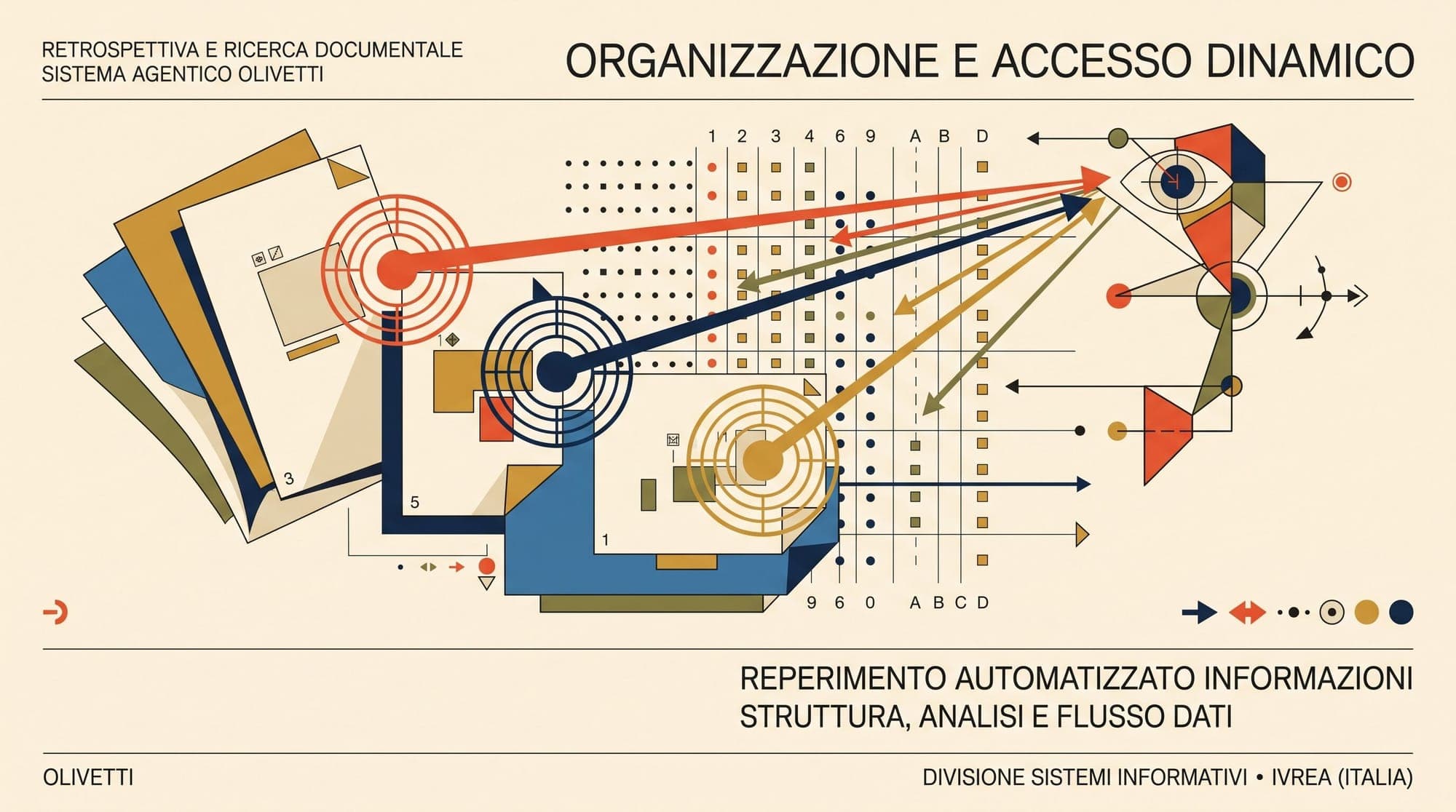
    Mistral AI has released Agentic Search, a document retrieval system and developer toolkit designed to replace standard one-shot retrieval-augmented generation with an interactive navigation loop. The capability is integrated into the Mistral Search Toolkit and available within Libraries across Mistral Studio and Vibe. Traditional RAG architectures retrieve a fixed set of top-k text chunks during an initial query pass and require the language model to generate a final answer immediately. In long

    Mistral
    2 min read
  6. Contrastive Language-Image Pre-Training (CLIP): How Joint Multi-Modal Embeddings Bridge Vision and Language

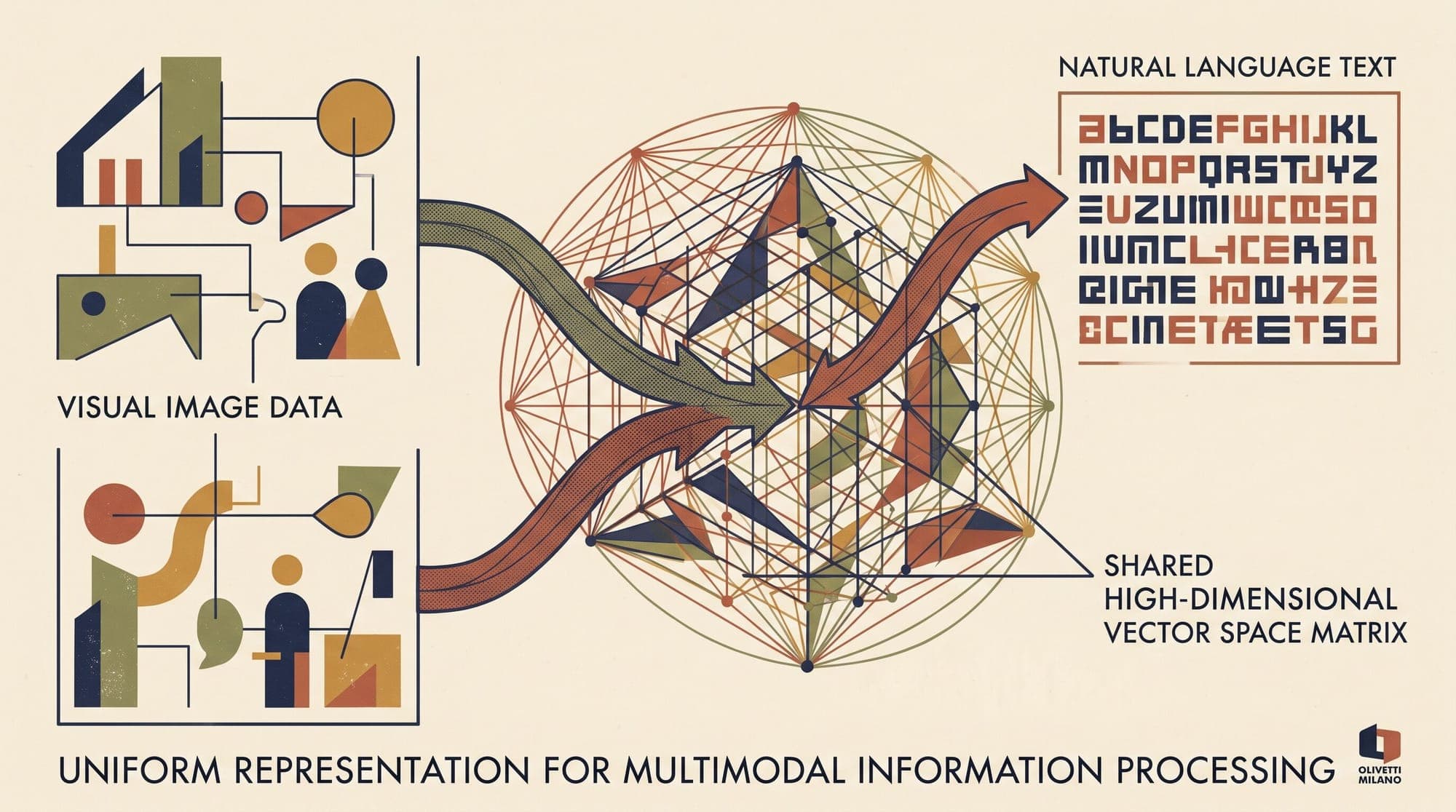
    Before 2021, computer vision models were largely constrained by closed-set supervised classification. Deep convolutional networks like ResNet were trained to predict one of exactly 1,000 discrete categories on ImageNet via a final linear layer and a softmax cross-entropy objective. This setup created rigid models: classifying an unencountered category or adapting to downstream domain shifts required throwing away the classification head, collecting thousands of labeled samples, and retraining or

    AI
    8 min read
  7. Generalist AI Releases GEN-1.5: One-Shot In-Context Learning for Robotic Manipulation

    Robotics research startup Generalist AI announced GEN-1.5, an embodied foundation model capable of learning closed-loop physical manipulation tasks from a single demonstration without gradient updates or fine-tuning. The model adapts through in-context physical prompting, mirroring the few-shot learning dynamics originally identified in autoregressive language models. GEN-1.5 processes multimodal inputs including multi-view video, proprioceptive signals, sensor feeds, and natural language instr

    Robotics
    2 min read
  8. Micron Launches Micron Research Labs with $10B Commitment for AI Memory Architecture

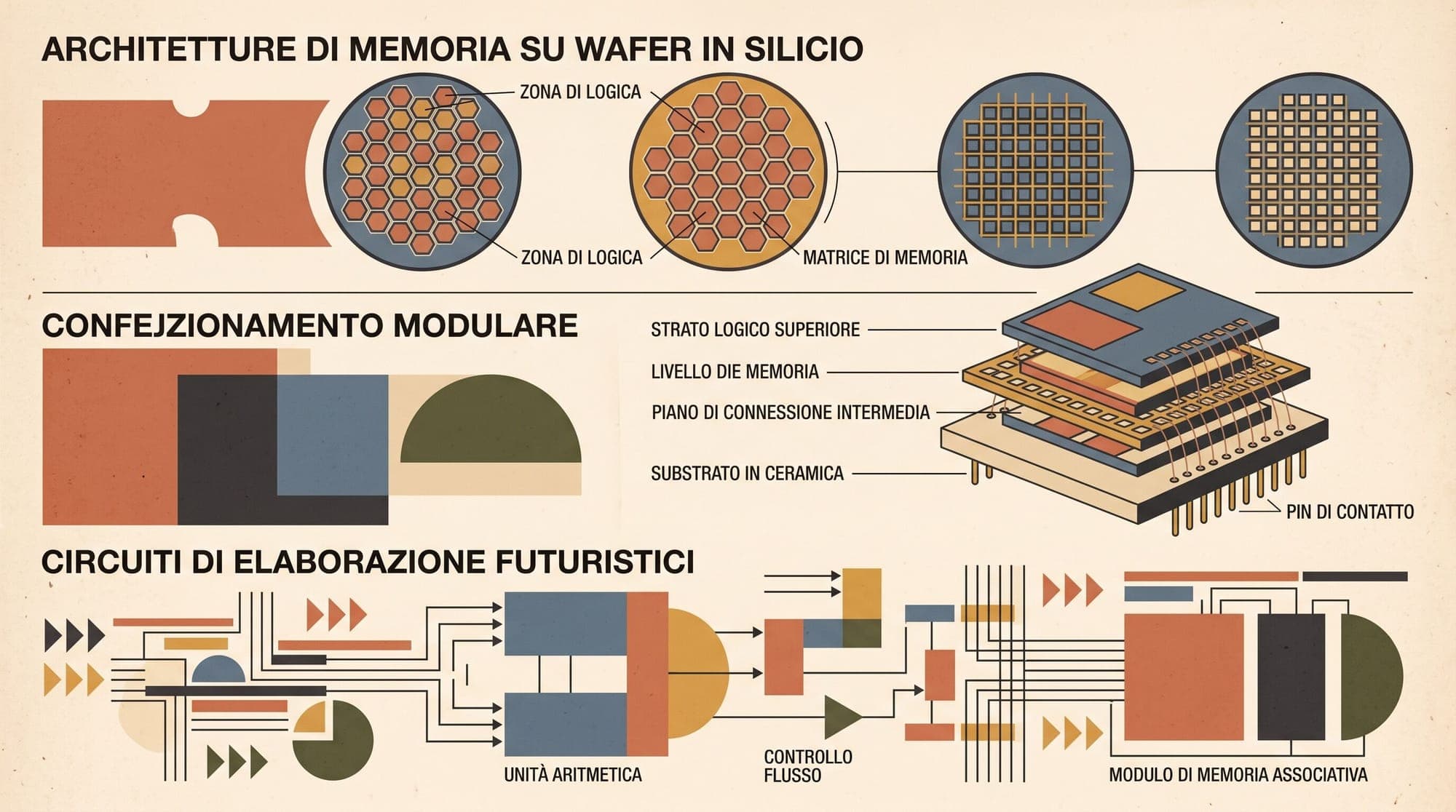
    Micron Technology announced on August 20, 2026, the creation of Micron Research Labs, a domestic long-horizon research institution headquartered in Boise, Idaho. Backed by a planned $10 billion investment across the next decade, the entity is designed to conduct precompetitive semiconductor and architecture research positioned upstream of commercial fabrication roadmaps. The funding operates independently from the more than $250 billion in domestic manufacturing and commercial development that

    Hardware
    2 min read
  9. Query Transformation in Production RAG: Architecture, Latency Economics, and Retrieval Trade-Offs for HyDE, Multi-Query Expansion, and Step-Back Prompting

    Standard retrieval-augmented generation (RAG) architectures operate on a naive assumption: that the raw user query is suitable for direct retrieval against a vector database or lexical search index. In production, this assumption fails across significant query distributions. Raw user queries are frequently short (averaging 4 to 8 words), structurally underspecified, conversational, or laden with unresolved pronoun bindings. Conversely, indexed document chunks typically contain 256 to 1024 tokens

    RAG
    7 min read
  10. Chain-of-Thought Reasoning in Large Language Models: How Intermediate Rationales Expand Computational Expressivity and Transformer Capacity

    Autoregressive large language models operate by predicting the next token in a sequence conditioned on preceding context. When presented with complex multi-step problems in mathematics, symbolic manipulation, algorithmic planning, or formal logic, standard standard models tasked with providing immediate answers often fail. This failure stems from a fundamental structural constraint: a model forced to output a final answer immediately must compress the entire multi-step derivation into a single f

    AI
    7 min read