Archive / page 81 of 123

Latest articles, page 81

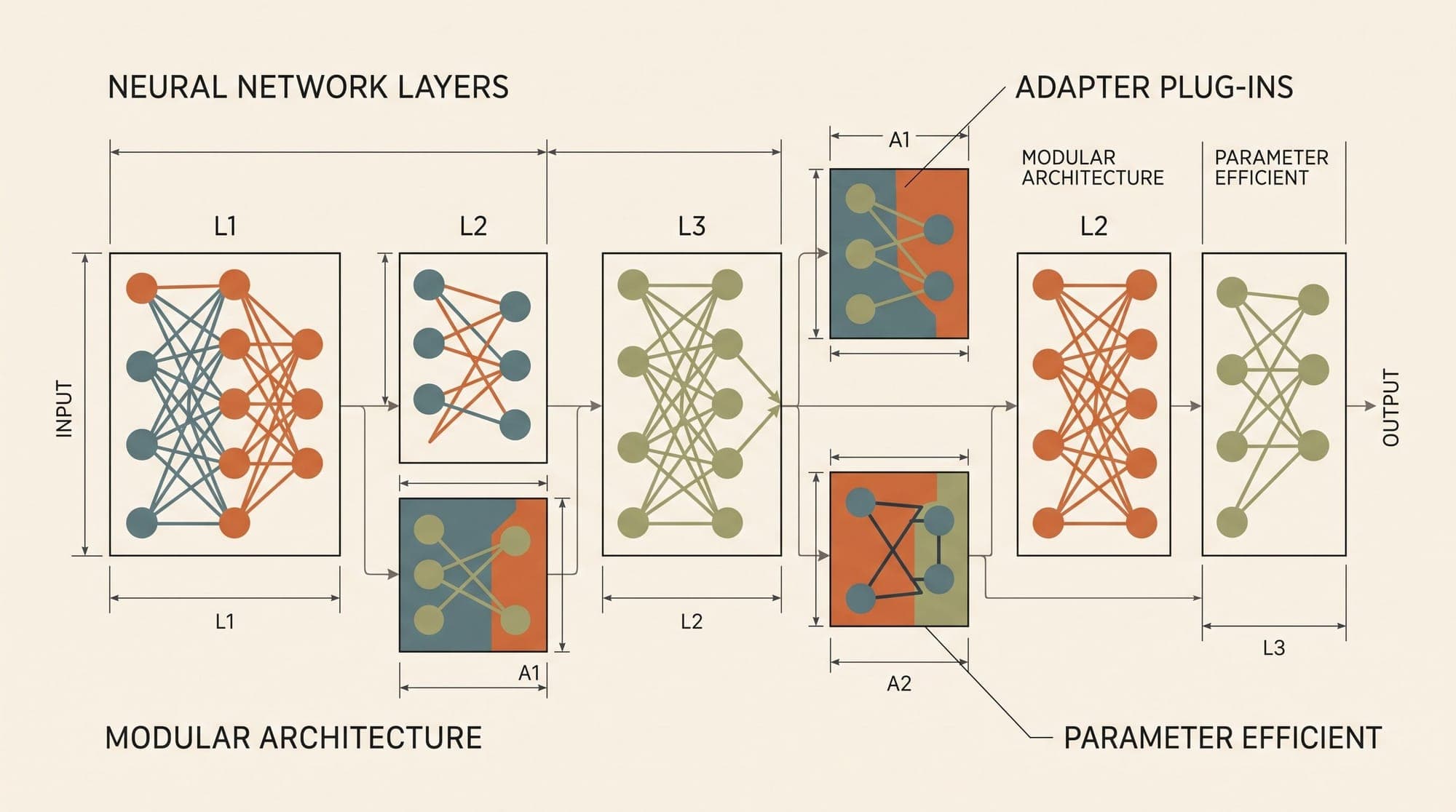
  1. Parameter-Efficient Fine-Tuning Beyond LoRA: How Adapters, Prefix Tuning, Prompt Tuning, and (IA)3 Adapt Frozen LLMs

    Parameter-Efficient Fine-Tuning Beyond LoRA: How Adapters, Prefix Tuning, Prompt Tuning, and (IA)3 Adapt Frozen LLMs While Low-Rank Adaptation (LoRA) and its weight-decomposed variant (DoRA) serve as the prevailing standard for adapting large language models, parameter-efficient fine-tuning (PEFT) encompasses a broader taxonomy of mathematical approaches. The core objective of PEFT is to adapt multi-billion-parameter foundation models to specialized downstream tasks while updating only a fracti
    AI
    8 min read
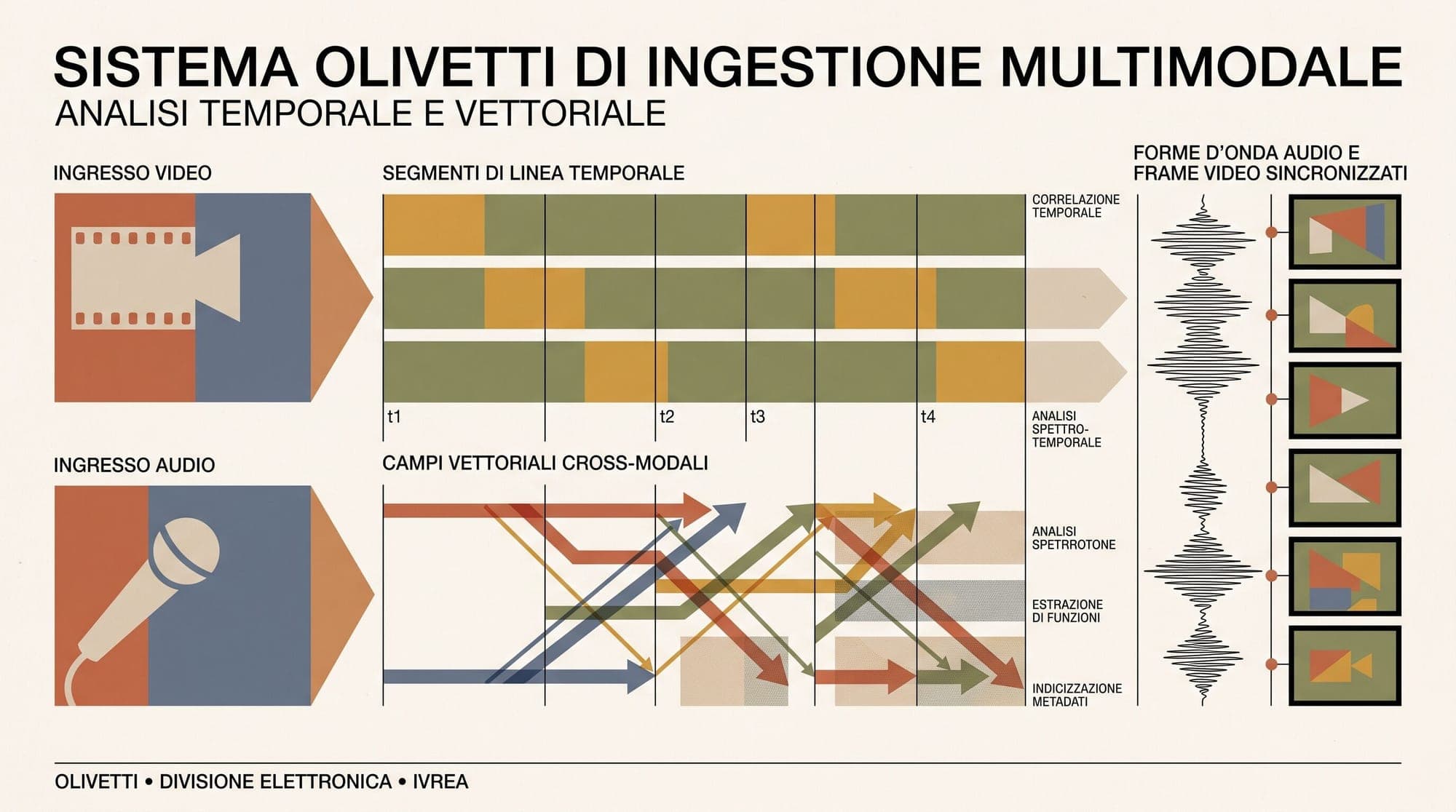
  2. Multimodal RAG in Production: Video Chunking, Cross-Modal Embeddings, and Temporal Retrieval Architecture

    Multimodal RAG in Production: Video Chunking, Cross-Modal Embeddings, and Temporal Retrieval Architecture Enterprise adoption of large language models is rapidly expanding beyond static text corpora into rich video, audio, and visual archives. Recorded meetings, technical webinars, security camera feeds, product walkthroughs, and surgical recordings hold critical institutional knowledge. However, querying multi-hour video and audio streams presents severe architectural challenges. While modern

    AI
    7 min read
  3. Meta Emerges as Major Microsoft Azure AI Customer with Multi-Hundred-Million-Dollar Spend

    Meta Platforms has emerged as one of Microsoft Azure's largest artificial intelligence customers, spending hundreds of millions of dollars annually to access hosted AI models and inference compute, according to reporting by Bloomberg. The multi-hundred-million-dollar commitment underscores how current commercial demand for large-scale AI infrastructure remains intensely concentrated among frontier technology companies themselves. Bridging Internal Compute Gaps with Third-Party Infrastructure

    Meta
    2 min read
  4. Anthropic Modifies Enterprise Data Retention to Allow Customer Cloud Logging for Frontier Models

    Anthropic is preparing to revise the mandatory 30-day data retention requirement on its frontier models, allowing enterprise customers to retain logs on their own cloud infrastructure rather than storing conversation records on Anthropic servers. According to reporting from Bloomberg and Reuters, the upcoming safety architecture preserves the 30-day logging mandate for safety audits and abuse monitoring while shifting physical custody of the stored data into customer virtual private clouds. E

    Anthropic
    2 min read
  5. Quantization-Aware Training in Large Language Models: How Fake Quantization, STE, and Learned Step Sizes Preserve Low-Bit Accuracy

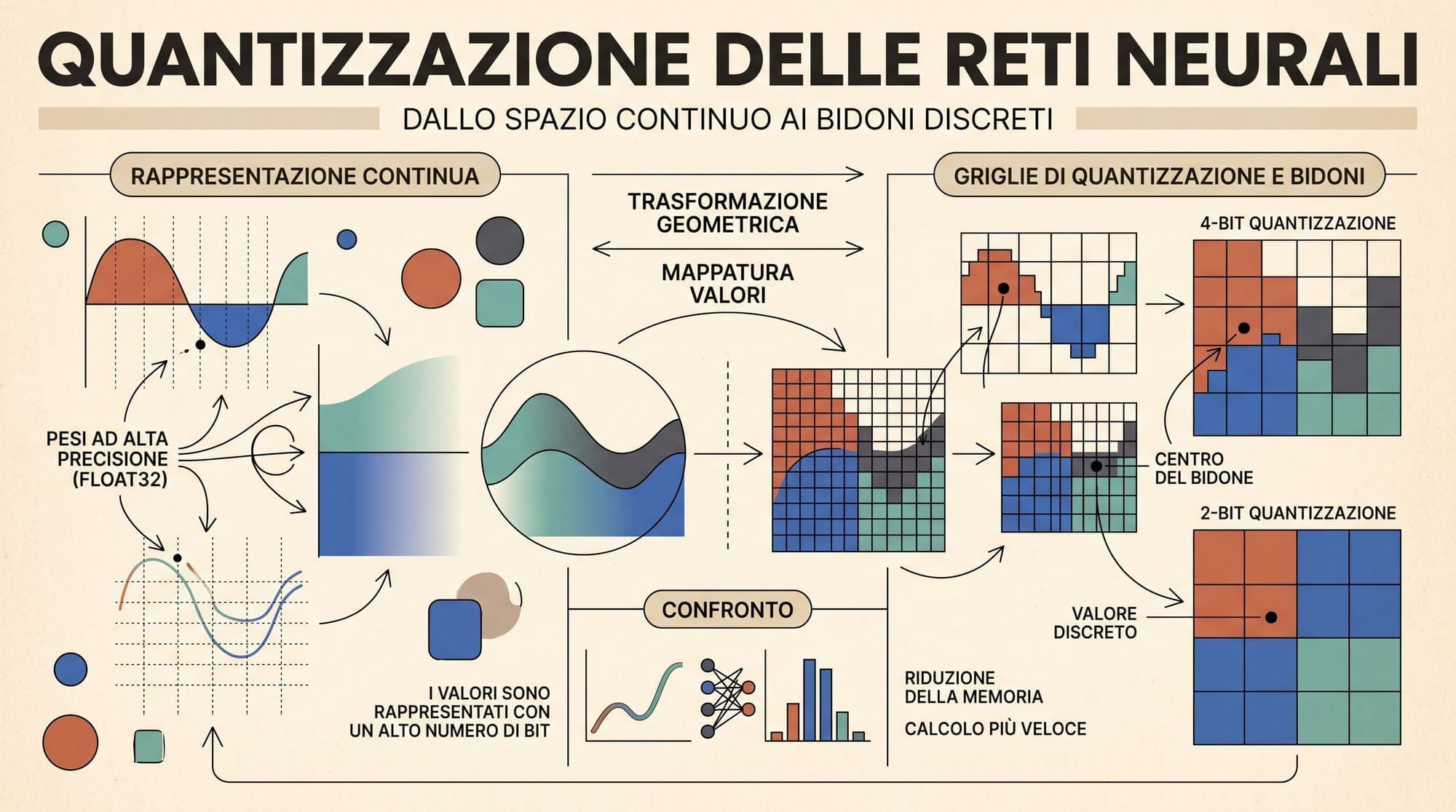
    Quantization-Aware Training (QAT) is a model compression paradigm that integrates precision loss directly into the training or fine-tuning graph. While Post-Training Quantization (PTQ) calibrates fixed floating-point weights without updating underlying network parameters, QAT simulates the numerical discretization of weights, activations, and key-value (KV) caches during both forward and backward passes. This closed-loop optimization forces neural network weights to co-adapt to discrete integer

    AI
    9 min read
  6. Corrective RAG and Adaptive Retrieval in Production: Architecture, Confidence Scoring, and Web Fallback Loops

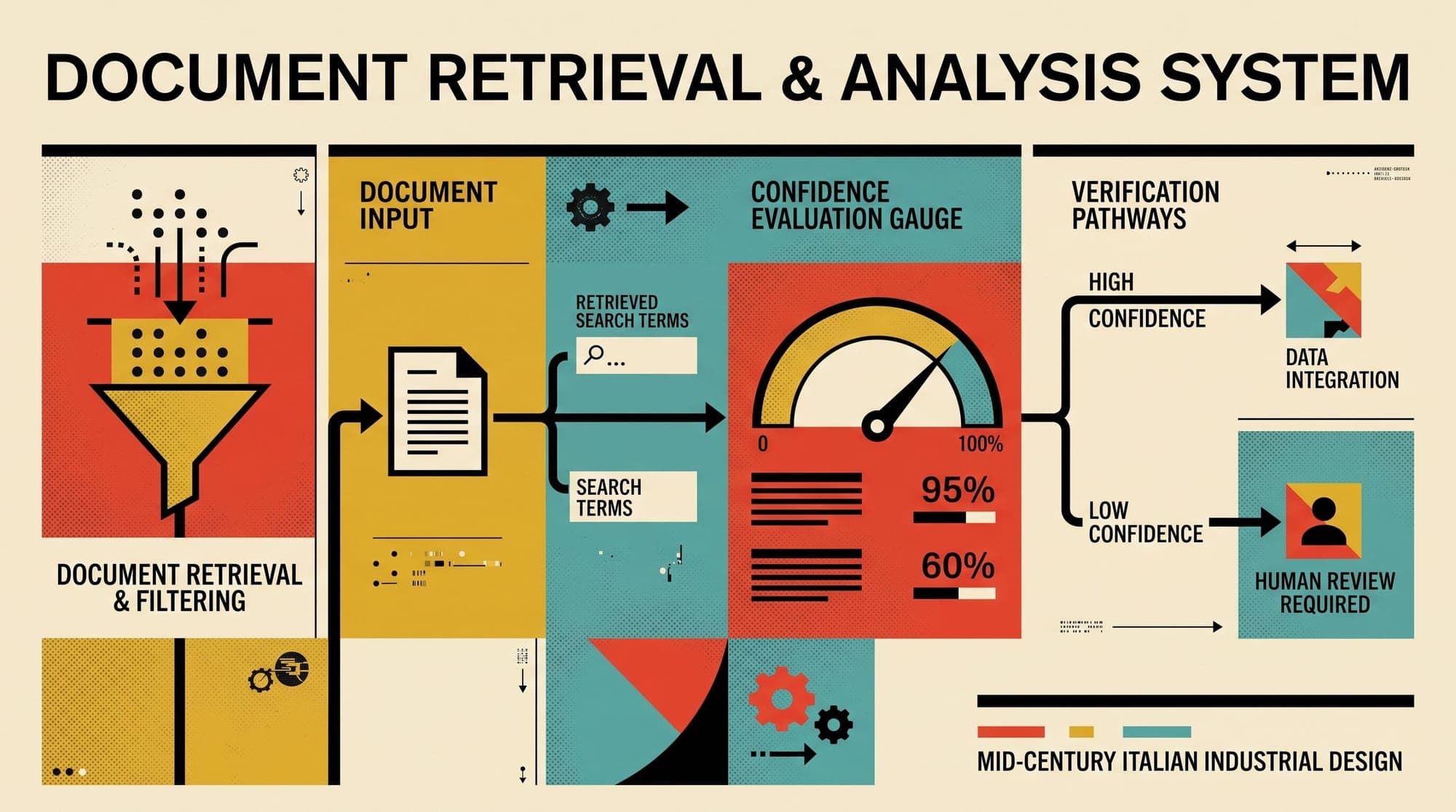
    Standard retrieval-augmented generation (RAG) pipelines follow a rigid, feed-forward paradigm: embed the query, fetch top-$k$ chunks via vector or hybrid search, inject the raw chunks into the prompt context, and sample a completion. While functional for homogeneous corpora with high semantic overlap, this naive retrieve-and-generate approach degrades rapidly in production environments. When a vector index returns irrelevant, noisy, or out-of-domain chunks, the generator inevitably suffers from

    RAG
    7 min read
  7. Adobe Firefly Expands Generative Audio Tools and Integrates Gemini Omni Flash

    Adobe has broadened its generative production suite with the general availability of three dedicated AI audio generation modules in Adobe Firefly, alongside the integration of Google's multimodal Gemini Omni Flash model. The audio capabilities expand Firefly from static imagery and video synthesis into integrated soundtrack design, voice synthesis, and scene audio generation, fully cleared for commercial workflows. Generative Audio Modules and Commercial Licensing The expanded audio suite in

    AI
    2 min read
  8. Pew Study Finds 35% of Post-ChatGPT Webpages Show Signs of AI Authorship

    More than one-third of English-language webpages published since the launch of ChatGPT show measurable evidence of being generated or heavily edited by large language models, according to a study released by the Pew Research Center. The analysis examined nearly 500,000 English-language web documents indexed across a five-year window in the Common Crawl archive, spanning periods before and after OpenAI introduced ChatGPT in November 2022. Using detection technology developed by Open Pangram, res

    AI
    2 min read
  9. Monte Carlo Tree Search in Large Language Models: How Selection, Expansion, Simulation, and Backpropagation Guide Deliberate Reasoning

    Standard autoregressive language models generate text token by token via left-to-right greedy decoding or stochastic sampling. While this System 1 approach suffices for fluency and single-turn synthesis, it struggles with complex mathematical reasoning, multi-step logical deduction, and long-horizon planning. Because autoregressive decoders lack native backtracking mechanisms, an error introduced at step t persists and compounds across all subsequent steps t+1 through T. To overcome this struct

    AI
    7 min read
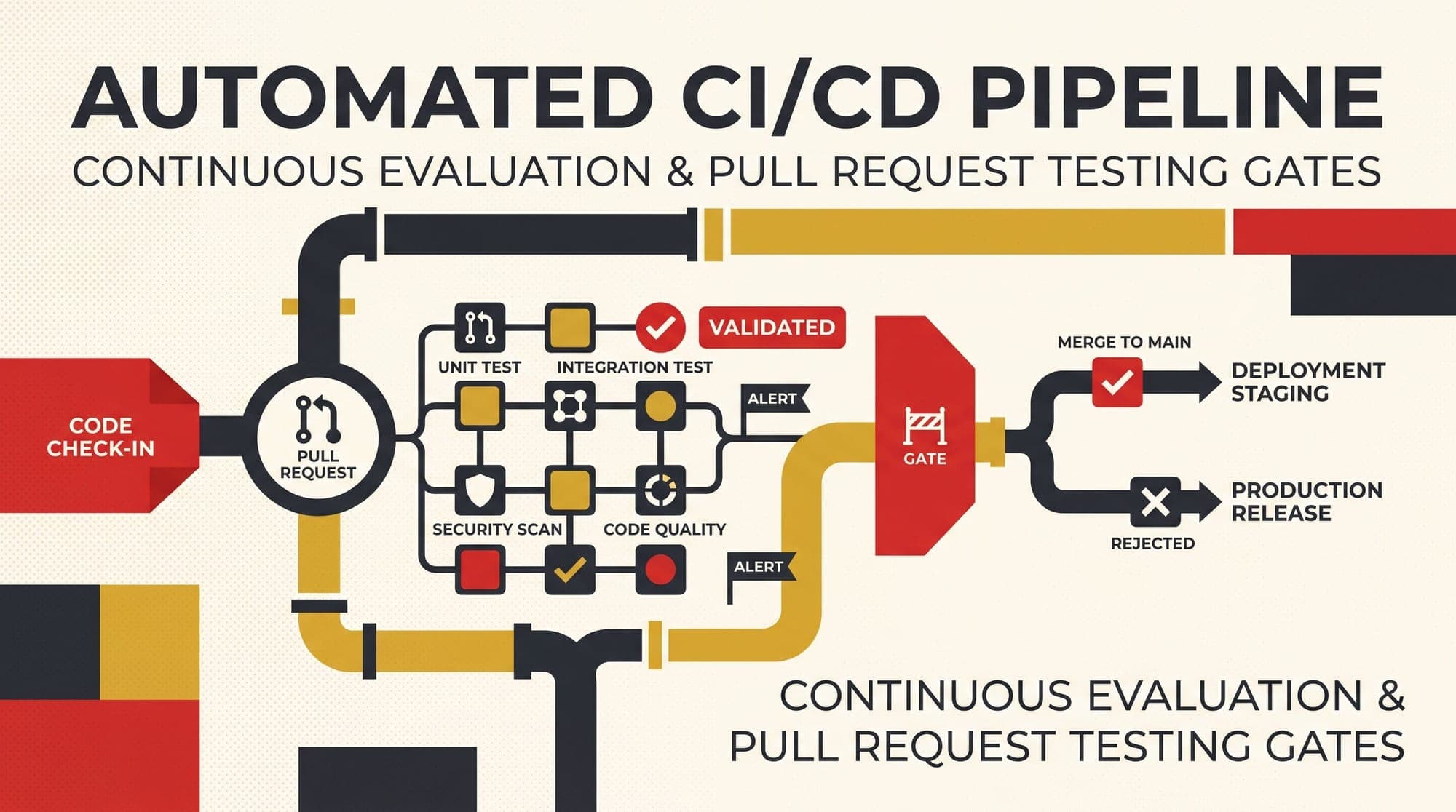
  10. CI/CD for LLM Applications: Automated Regression Testing, Golden Datasets, and Pull Request Quality Gates

    Deploying generative AI applications into production environments requires a fundamental shift in software quality assurance. Traditional continuous integration (CI) workflows rely on deterministic assertions: given a fixed input, a function must return an exact expected output. Large language models (LLMs) break this paradigm because their outputs vary across runs, token probabilities drift with prompt alterations, and natural language responses cannot be validated with binary equality checks.

    AI
    6 min read