Archive / page 80 of 123

Latest articles, page 80

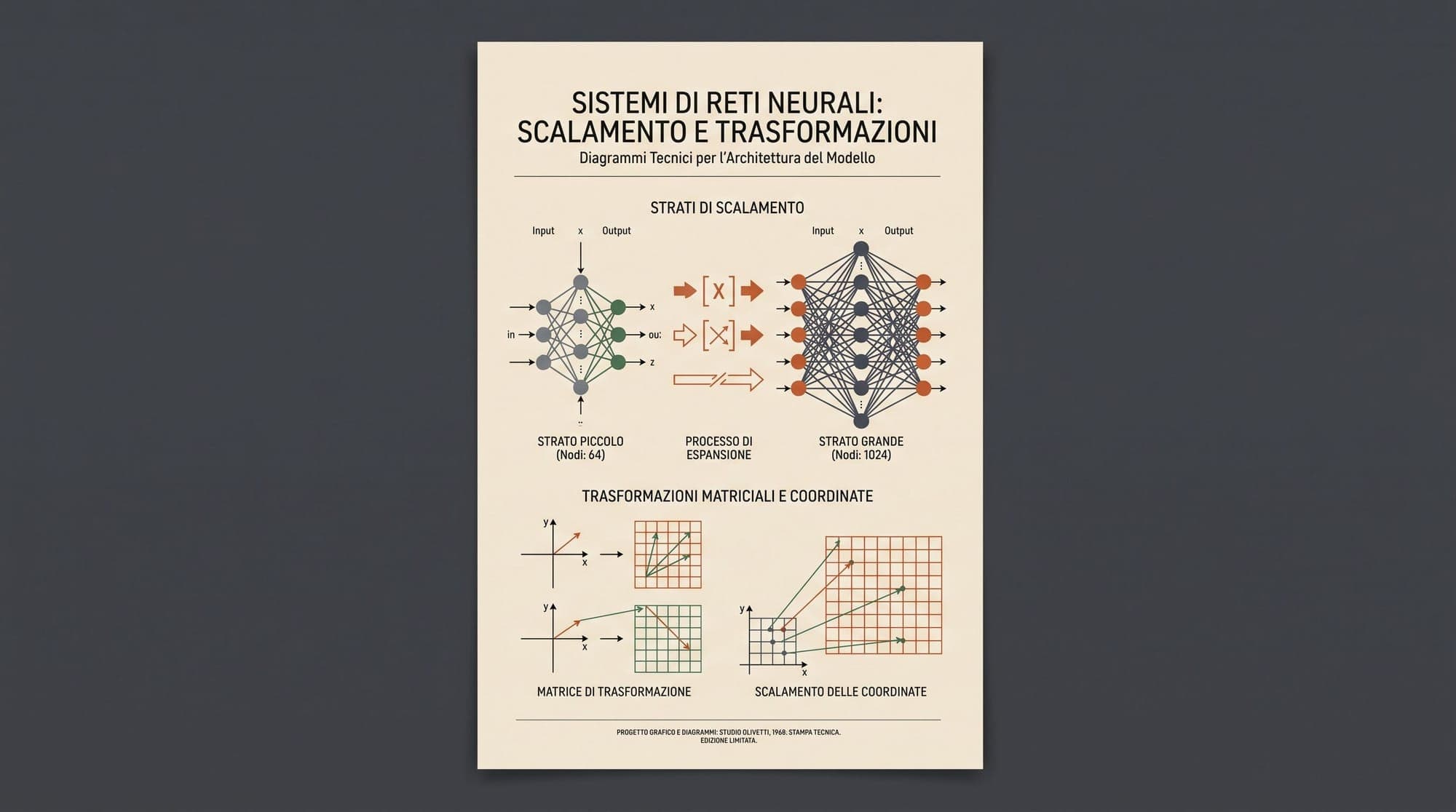
  1. Maximal Update Parametrization (muP): How Tensor Programs Enable Zero-Shot Hyperparameter Transfer in LLM Pre-Training

    Pre-training a frontier large language model requires hundreds of thousands of GPU hours and millions of dollars in compute. At that scale, traditional hyperparameter tuning is financially and operationally impossible: teams cannot sweep learning rates, weight initializations, or optimizer betas across multiple 70B parameter runs to find the loss minimum. Historically, practitioners relied on ad-hoc heuristic extrapolation or manual guesses from small runs, often leading to sub-optimal loss curv
    LLM
    7 min read
  2. Apple Music Mandates AI Transparency Tags Across Tracks, Compositions, and Artwork

    Apple Music has notified record labels and distribution partners that it is introducing mandatory AI transparency tags across its ingestion pipeline, establishing visible indicators for synthetic audio and visual assets later this year. Under the updated ingestion specifications, content providers must declare when artificial intelligence tools have been used to generate a material portion of a release. Four-Tier Metadata Taxonomy The framework establishes distinct metadata flags across four

    AI
    1 min read
  3. OpenAI Gains on Anthropic in Corporate AI Spending, Ramp Data Shows

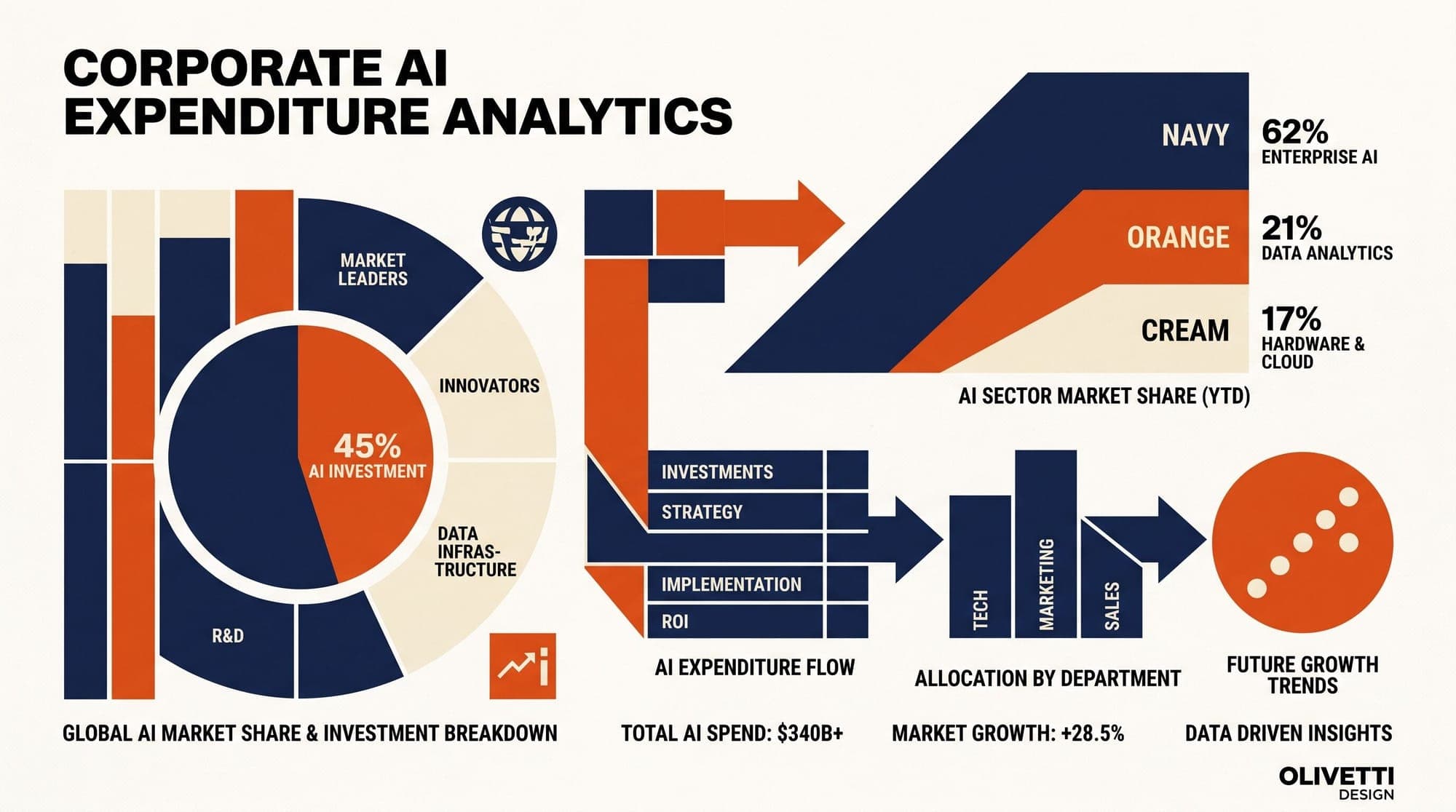
    Corporate card and spend-management platform Ramp released updated enterprise purchasing data indicating that OpenAI is growing faster than Anthropic among US businesses in the third quarter of 2026, closing the gap after losing the top spot earlier in the year. The metrics, compiled from transaction data across more than 70,000 businesses using Ramp corporate cards and invoice processing, highlight ongoing volatility in enterprise model selection. Market Share Trajectory and Model Drivers A

    AI
    1 min read
  4. OpenAI Adds Apple Messages Integration to ChatGPT Desktop on macOS

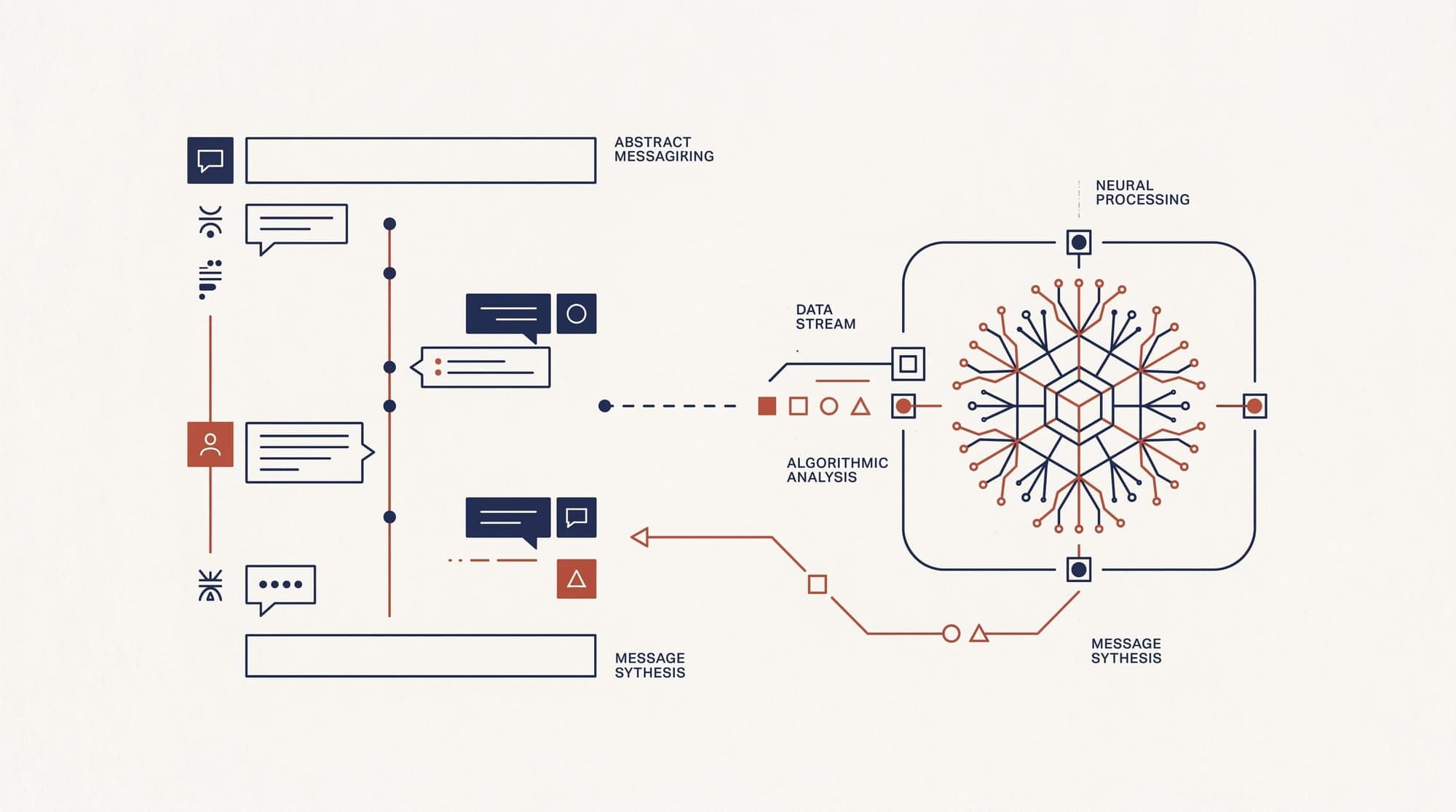
    OpenAI has released an official Apple Messages plugin for the ChatGPT desktop application on macOS, enabling the conversational model to interact directly with local message databases across all subscriber tiers, including ChatGPT Work and Codex workspaces. The integration allows users to query past text records, generate draft responses, and dispatch outgoing iMessage, SMS, and RCS communications directly from the ChatGPT desktop interface. Architecture and Local Execution Unlike cloud-brid

    AI
    1 min read
  5. Pre-Training Data Curation at Trillion-Token Scale: Comparing Datatrove, NeMo Curator, and Data-Juicer 2.0

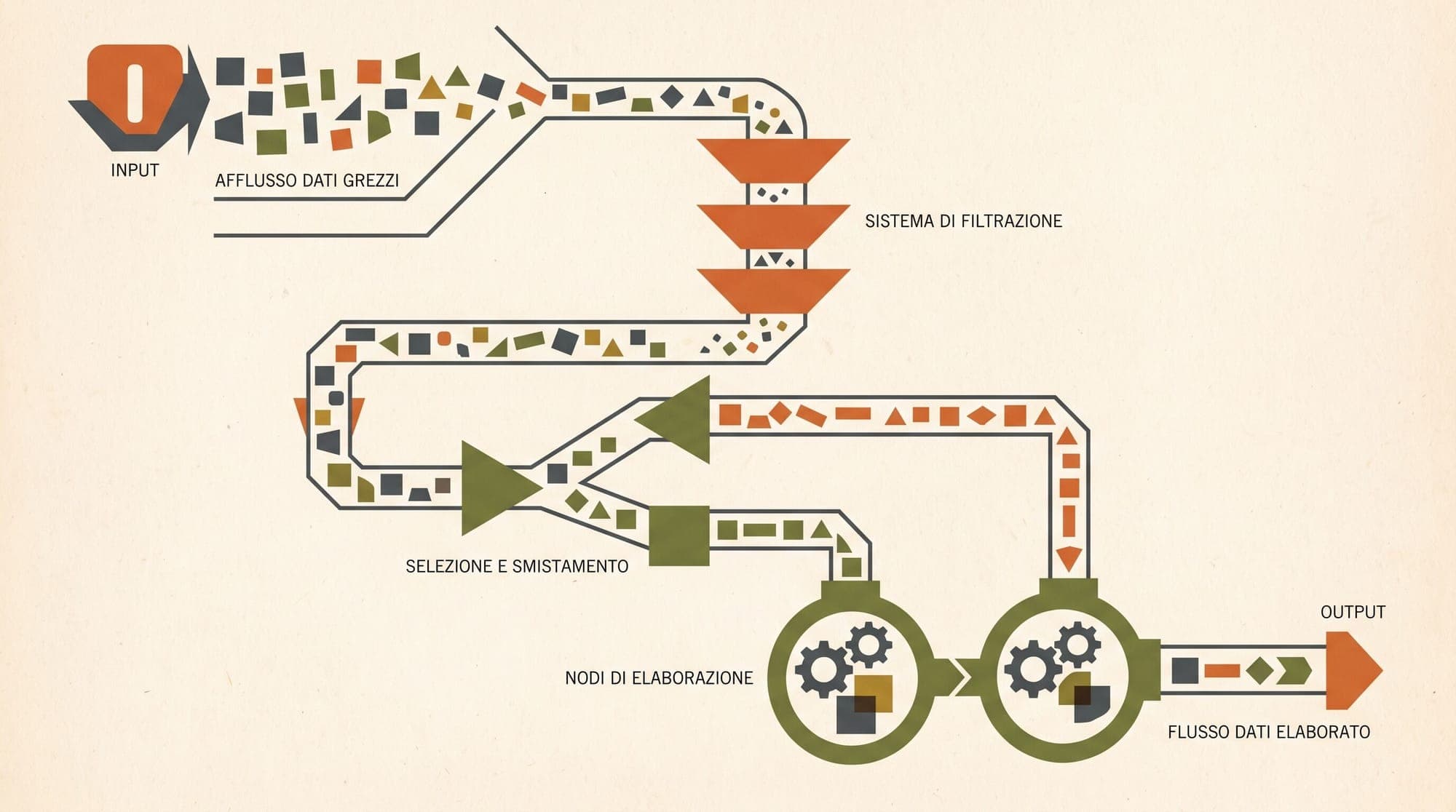
    Preparing multi-trillion-token corpora for foundation model pre-training has become one of the most resource-intensive infrastructure challenges in modern artificial intelligence. While distributed training frameworks like Megatron-LM and TorchTitan have standardized model parallelism across GPU clusters, the upstream data engineering stack often remains fragmented across ad-hoc scripts, unoptimized Spark jobs, and brittle bash wrappers. Raw web dumps from Common Crawl contain massive quantitie

    AI
    8 min read
  6. Multi-Head Attention in Large Language Models: How Query, Key, and Value Projections Route Information Across Subspaces

    Multi-Head Attention in Large Language Models: How Query, Key, and Value Projections Route Information Across Subspaces The attention mechanism serves as the computational core of modern Transformer architectures, providing a mechanism for tokens to dynamically exchange information across arbitrary sequence positions without recurrent state transitions or fixed convolutional receptive fields. While single-head attention computes a single set of attention weights per token pair, modern large lan

    AI
    10 min read
  7. Claude Multi-Model Outage Disrupts Claude.ai, Developer API, Claude Code, and Cowork

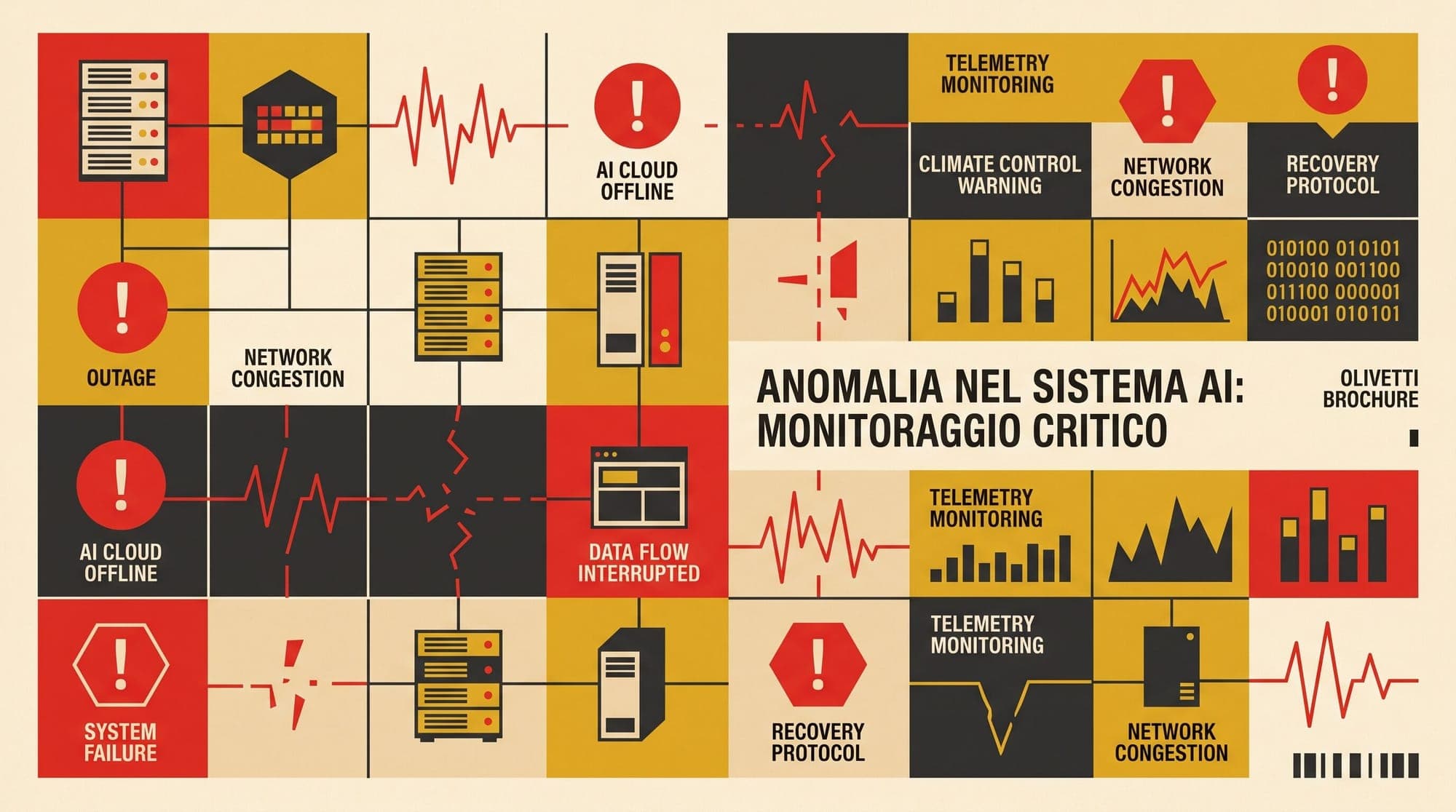
    Anthropic registered a multi-model service disruption on August 20, 2026, marking the provider's third recorded incident within a 24-hour window and continuing a sequence of elevated-error events across eight consecutive days. The incident, logged at 19:16 UTC on Anthropic's official status page, resulted in partial outages across the consumer web application (claude.ai), the core developer API (api.anthropic.com), and developer tooling including Claude Code and Claude Cowork. Affected Compon

    AI
    2 min read
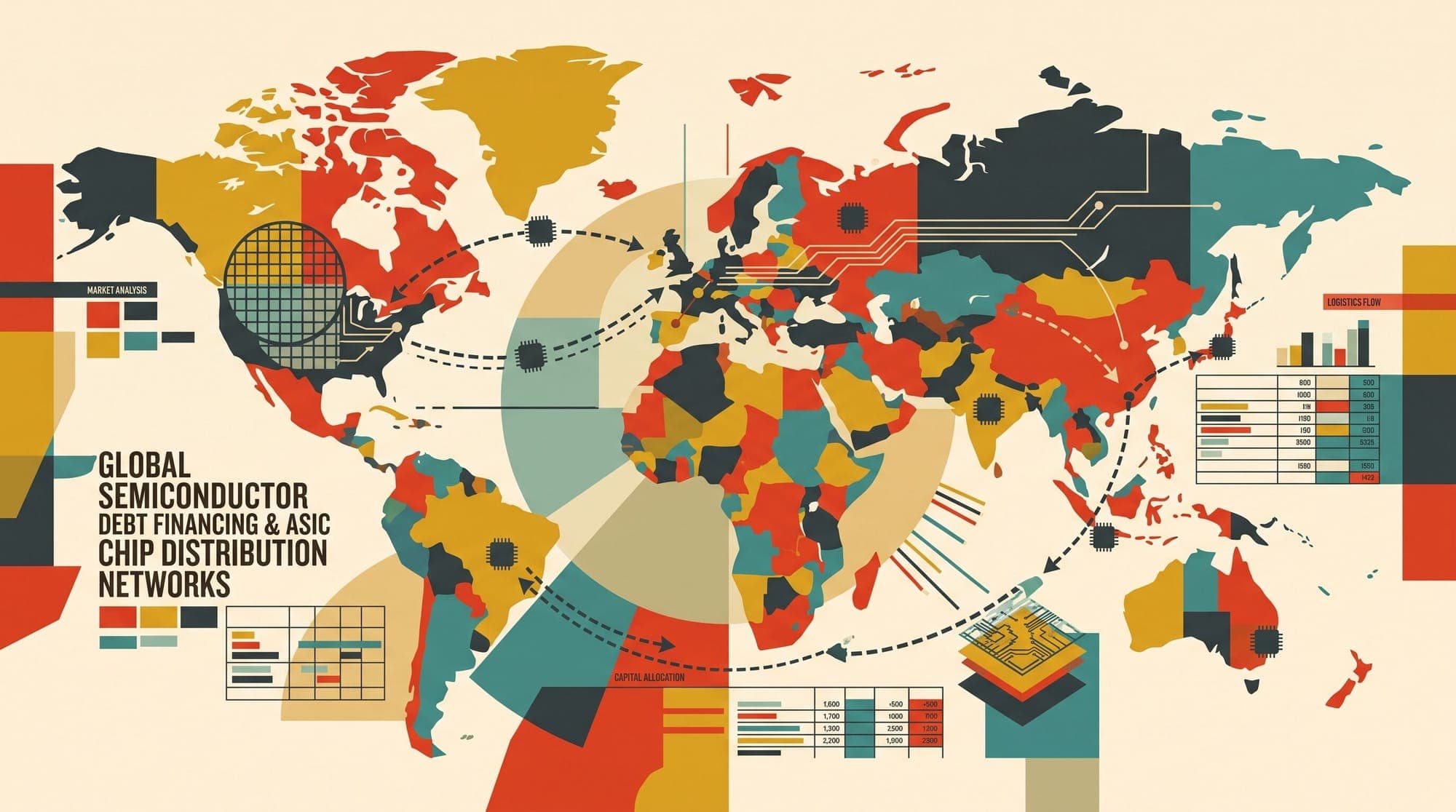
  8. Broadcom Pursues $60B+ Debt Facility for Anthropic and Hyperscaler AI Chip Financing

    Broadcom is in advanced discussions with a syndicate of institutional lenders and private credit firms to raise more than $60 billion in debt to finance large-scale AI semiconductor infrastructure, according to reporting from Bloomberg. The capital package is structured to underwrite the manufacturing and deployment of custom AI processors, primarily benefiting frontier lab Anthropic alongside other enterprise compute customers. The financing structure highlights the growing role of complex pri

    AI
    2 min read
  9. Nvidia Strikes $6B Licensing Deal with Poolside and Backs Startup at $12B Valuation

    AI model developer Poolside has entered into a non-exclusive $6 billion licensing agreement with Nvidia, paired with a $1 billion direct equity investment that values the startup at $12 billion pre-money, according to an investor communication reported by Newcomer. As part of the transaction structure, Nvidia has extended job offers to 109 Poolside personnel, creating a hybrid licensing and talent transfer arrangement that mirrors recent structural deals across the frontier AI ecosystem. Deal

    AI
    2 min read
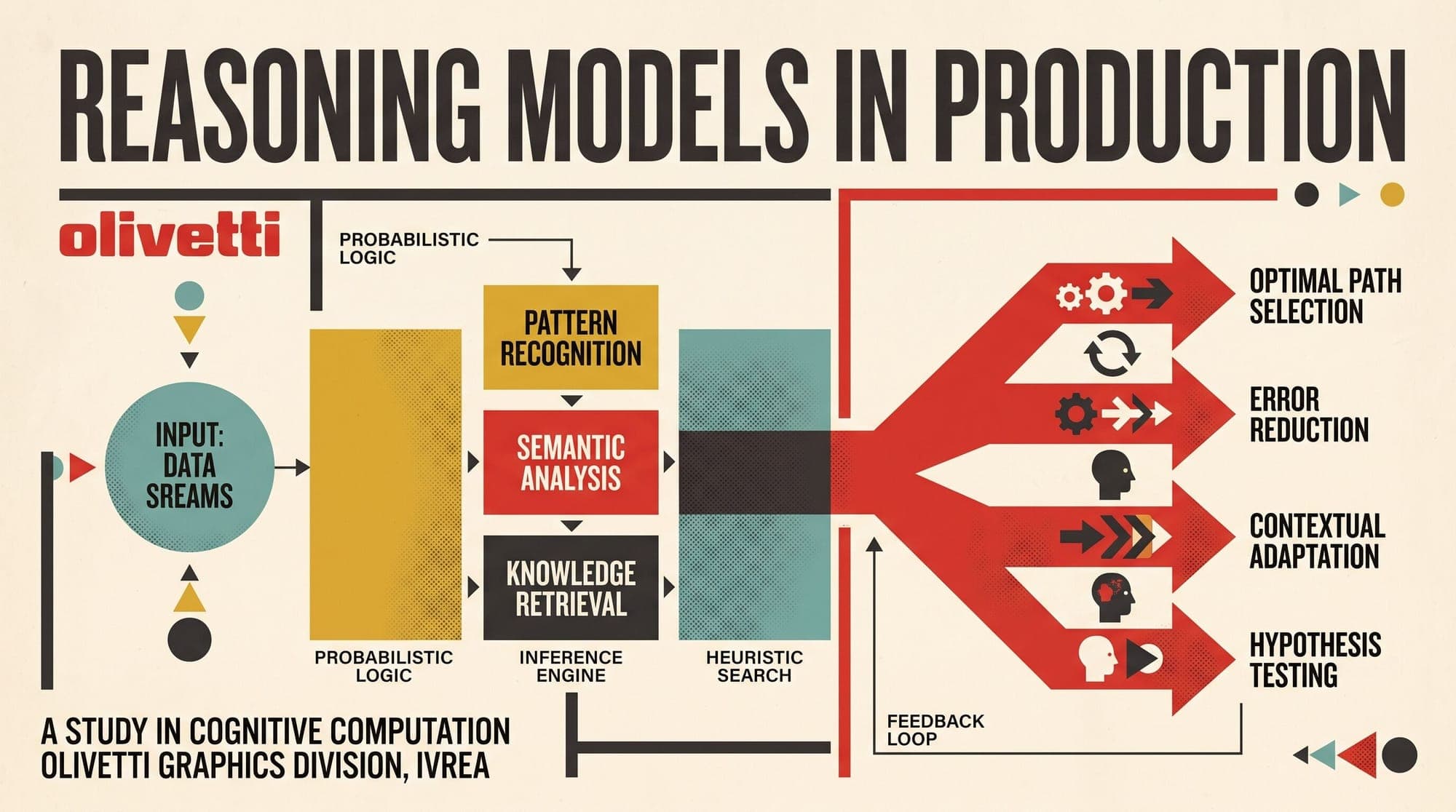
  10. Reasoning Models in Production: Architecture, Thinking-Token Management, Latency Budgets, and Downstream Agent Handoffs

    Reasoning Models in Production: Architecture, Thinking-Token Management, Latency Budgets, and Downstream Agent Handoffs The deployment of frontier reasoning models, including DeepSeek-R1, OpenAI o1 and o3, and Anthropic Claude Extended Thinking, marks a fundamental shift in how inference compute is allocated. Rather than generating immediate autoregressive token streams directly to the user or downstream caller, reasoning models dedicate hundreds or thousands of intermediate tokens to planning,

    AI
    7 min read