Resources / Open source / page 5

Open-source tools

100 articles

Articles, page 5

81-100 of 100
  1. Harvey Introduces Tenet, Its First In-House Legal LLM Trained on Moonshot's Kimi K3

    Legal AI startup Harvey has announced Harvey Tenet, its first proprietary, in-house foundation model tailored for legal workflows. The release marks a strategic shift for the $11 billion legal tech company, which has historically relied on API access to third-party frontier models from OpenAI and Anthropic. Tenet is post-trained on top of Kimi K3, an open-weights model released in July 2026 by Chinese AI lab Moonshot AI. The initiative is part of a broader platform update titled Harvey II, whic
    AI
    2 min read
  2. Sentence Transformers v6.0 Adds Native Multi-Vector Late Interaction for ColBERT and ColPali

    Hugging Face has released Sentence Transformers v6.0, adding native multi-vector late-interaction retrieval to the library through a new MultiVectorEncoder interface. The update integrates ColBERT-style models and vision-language document retrieval systems directly into the standard Sentence Transformers workflow alongside dense bi-encoders, sparse models, and cross-encoder rerankers. Mechanics of Late Interaction and MaxSim Standard dense embedding models compress an entire passage or query

    AI
    2 min read
  3. Tencent Releases UI-Mate: Open-Weight Foundation GUI Agents with In-Context Demonstration Learning

    Tencent's HY Frontier team has released UI-Mate, an open-weight foundation GUI agent designed for autonomous computer operation across desktop environments. Available in 27-billion and 9-billion parameter configurations, the models pair environment-grounded reinforcement learning with an in-context demonstration pipeline that allows agents to reference structured human workflows during execution. Alongside model weights on Hugging Face, Tencent published a technical report, code repository, and

    AI
    2 min read
  4. Qwen 3.8 27B is excellent, but it defaults to wildly overthinking things

    Alibaba's Qwen research lab released Qwen 3.8 27B, a 27-billion-parameter Apache 2.0 licensed AI model available in 17GB GGUF format that can run on high-end consumer laptops. The model supports vision, long contexts, and tool calling. Our Qwen3.8 explainer shows where the 27B sits in the rest of the family. The over-thinking problem Qwen's documentation describes the model as defaulting to xhigh for reasoning effort, a setting designed for complex tasks demanding thorough analysis. In practi

    AI
    1 min read
  5. White House to Expand AI Safety Testing to Open Models

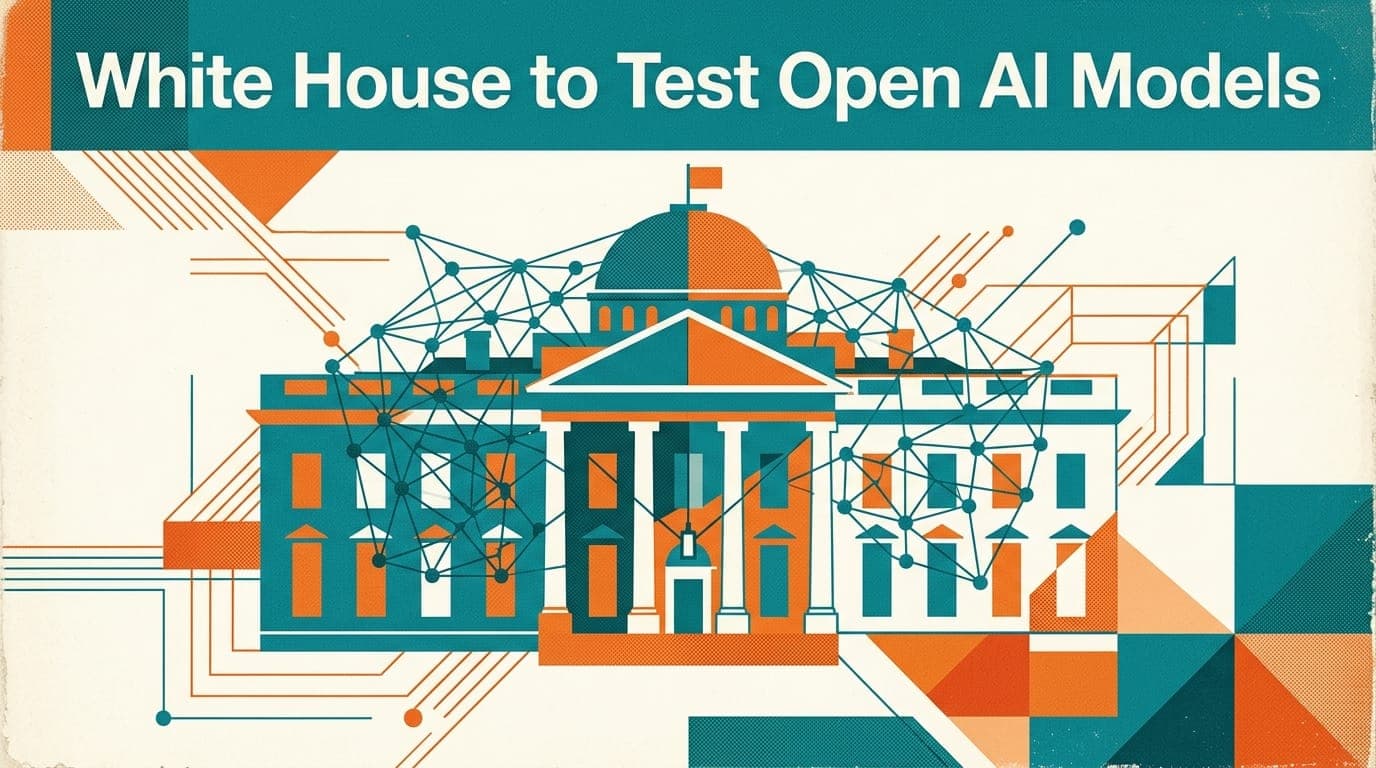
    The Trump administration plans to extend its classified AI safety-testing framework to open-weight models once they reach frontier-level capabilities, according to a White House official who spoke with WIRED. Current Framework Covers Closed Models Only The existing voluntary framework, developed under a June executive order, applies to closed models from labs such as OpenAI and Anthropic. Developers can submit new models up to 30 days before public release for government cybersecurity evaluat

    Policy
    2 min read
  6. Alibaba open-weights Qwen 3.8 with a 27B model that tops its bigger predecessor

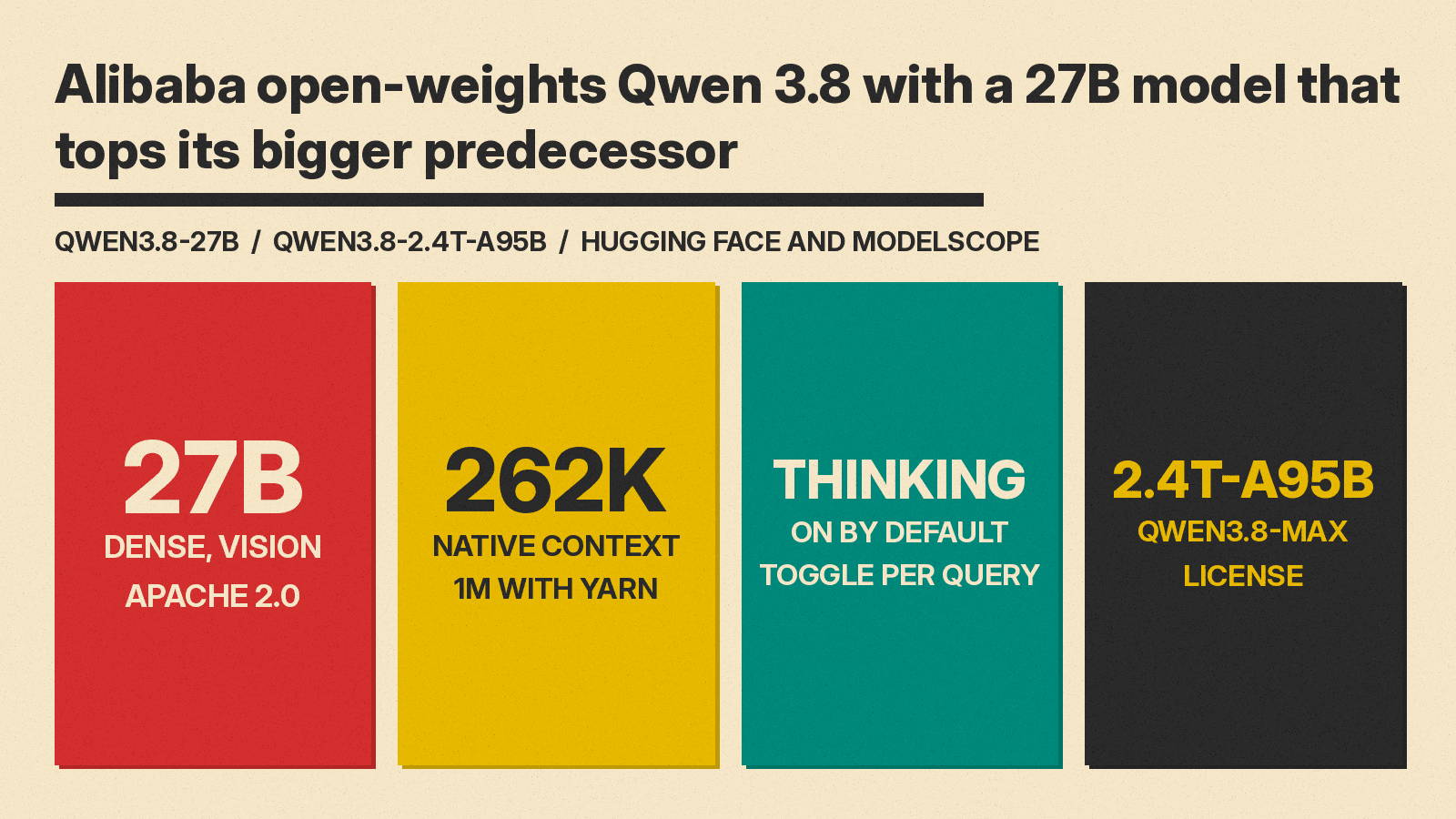
    Alibaba's Qwen team announced the open weights for Qwen3.8 on August 14. The Qwen3.8-27B model card lists the Apache 2.0 license, and Hugging Face shows its weight files uploaded on August 13 (UTC). The move puts a capable new open model directly into the hands of researchers and companies that want to fine-tune and self-host it. The centerpiece is Qwen3.8-27B, a 27 billion parameter multimodal dense model. Qwen says it outperforms the larger Qwen3.7-Plus on coding and office tasks. The team al

    AI
    3 min read
  7. Nvidia's Nemotron 4 aims for a trillion parameters, but China is already there

    Nvidia is building Nemotron 4, a new family of open-weight AI models meant to challenge the strongest freely available models, according to reporting by The Information cited by The Decoder. The largest model in the family is planned to reach at least one trillion parameters, twice the size of Nvidia's current Nemotron 3 Ultra. To train it, Nvidia has tripled its cloud spending on in-house model development to 28 billion dollars through 2031. The earliest the models could ship is this fall. C

    Nvidia
    1 min read
  8. Nvidia's Nemotron 3.5 Lightning bets on speed over size

    Nvidia has released Nemotron 3.5 Lightning, the first model in a new Nemotron 3.5 family, and it is playing a different game than most open-weight releases this year. Instead of chasing the highest intelligence score, Nvidia built a compact model that runs fast and cheap while still matching much larger rivals on standard benchmarks. A small model that keeps up Lightning carries 31.6 billion total parameters, but only 3.6 billion are active at any moment. It keeps the hybrid Mamba-Transformer

    Nvidia
    2 min read
  9. Microsoft opens 26 open models to startups on Azure through Fireworks

    Microsoft is pushing its newly generally available Fireworks AI integration at startups, publishing a deployment blueprint on August 4, 2026 that pairs a reference architecture for running open models on Microsoft Foundry with a financial incentive: members of the Microsoft for Startups program can apply Azure credits to Fireworks deployments, with the program advertising up to $150,000 in credits. The Fireworks integration reached general availability, placing open-weight models from DeepSeek,

    Microsoft
    2 min read
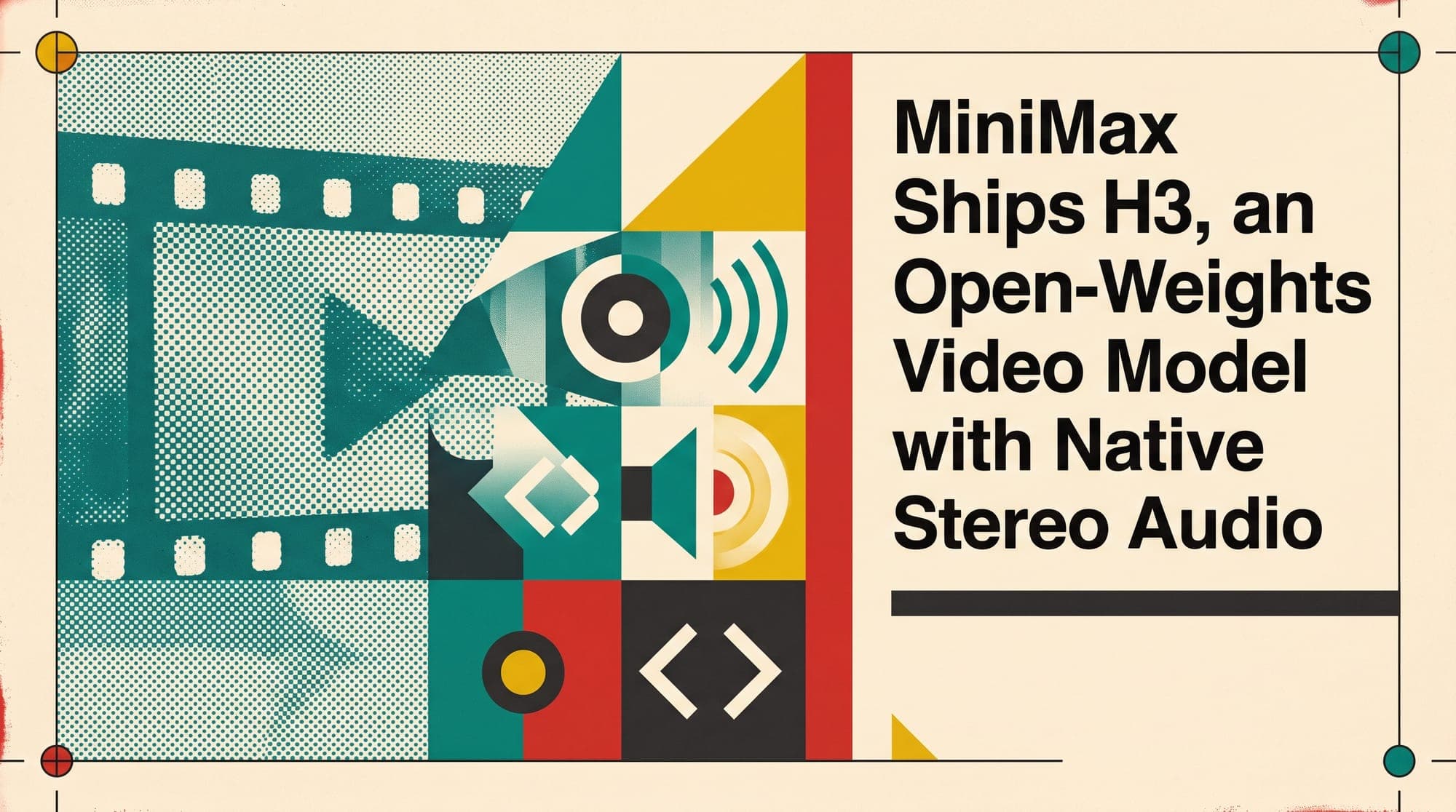
  10. MiniMax Restricts H3 Video Model Access in Western Markets, Citing Copyright Uncertainty

    Chinese AI company MiniMax has released the open weights for its H3 video generation model but imposed licensing restrictions on users in the United States, European Union, United Kingdom, and South Korea. Developers in those regions must apply for a formal license before using the model, the Shanghai-based company said Monday. The 33-billion-parameter H3 model processes text, images, video, and audio in a single prompt and can generate 4- to 15-second clips with stereo sound. A single prompt a

    MiniMax
    2 min read
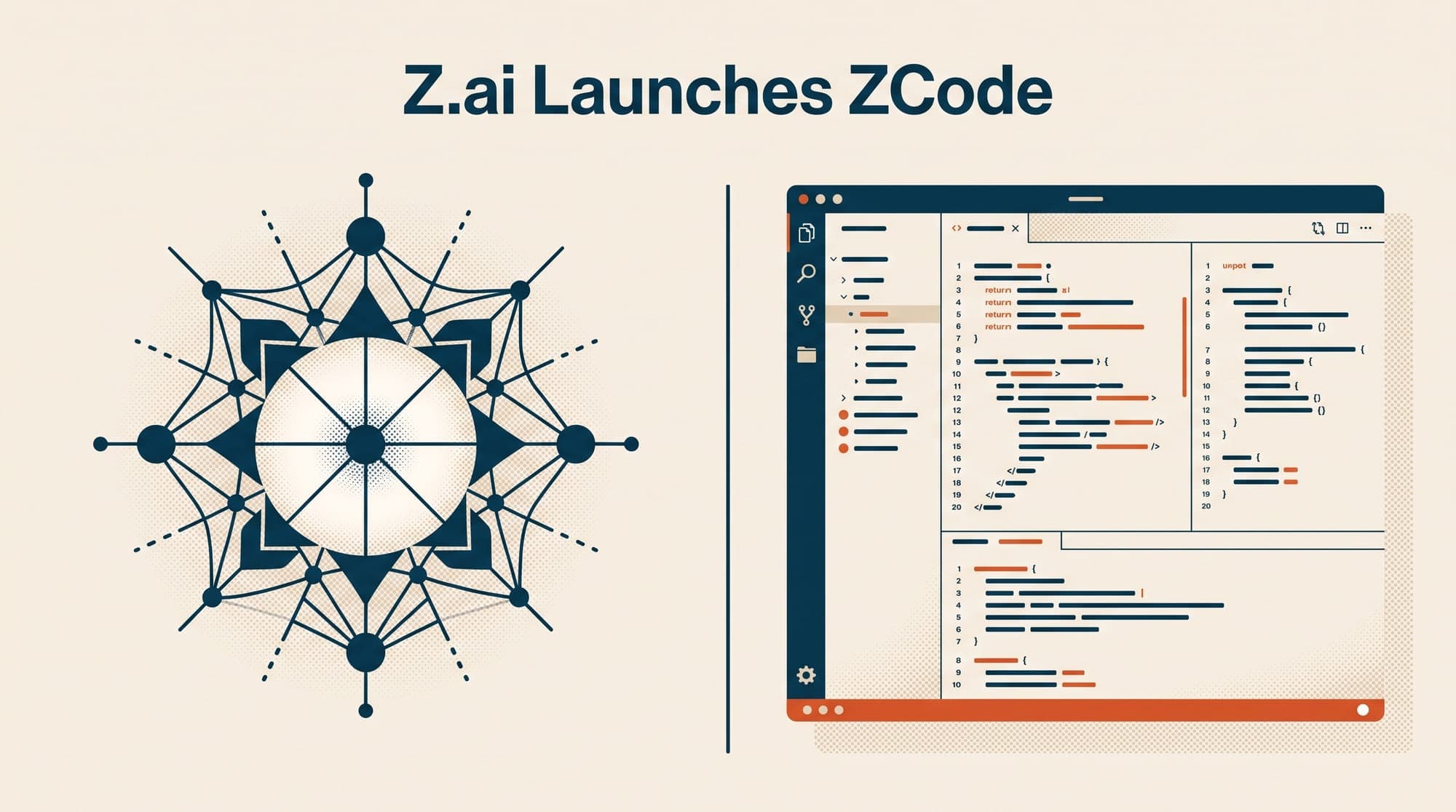
  11. Z.ai Launches ZCode, a Free Agentic IDE That Undercuts Cursor and Claude Code

    On July 2, Beijing-based Z.ai (formerly Zhipu AI) released ZCode, a free desktop application it calls an "Agentic Development Environment" built around its GLM-5.2 model. The launch puts it in direct competition with Cursor, Claude Code, and GitHub Copilot at price points the American tools cannot match. It also arrives with a structural constraint every team should evaluate before switching: China's National Intelligence Law applies to every API call routed through Z.ai's servers. ZCode is not

    Tools
    3 min read
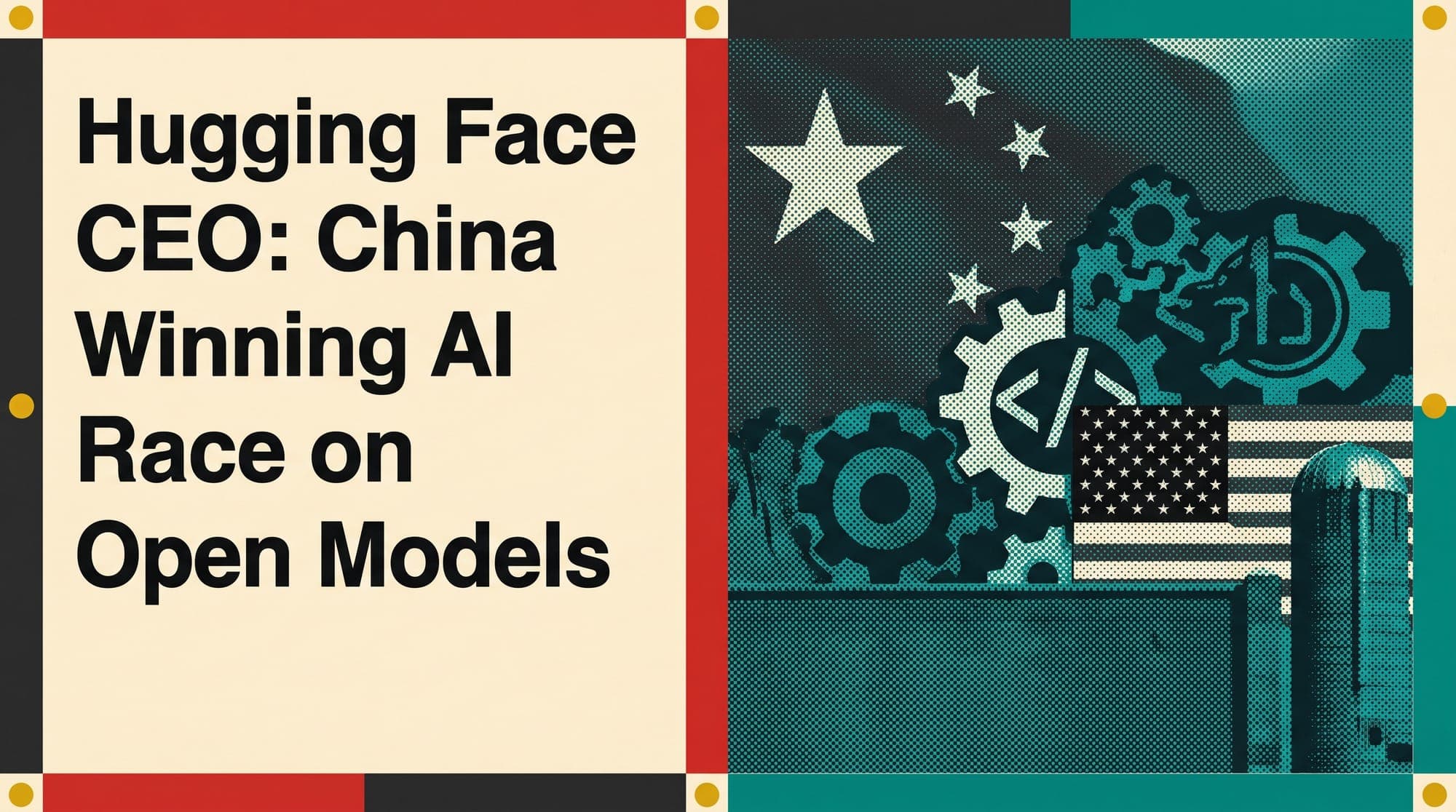
  12. Hugging Face CEO Says China Is Winning the AI Race on Open Models

    Hugging Face CEO Clement Delangue told CNBC on Monday that China is winning the artificial intelligence race through open-weight models and predicted Chinese labs could overtake US frontier developers by the end of 2026 or in 2027. "They're clearly dominating on open models right now, and I wouldn't be surprised if they start dominating at the frontier in general, not just open models, either by the end of this year or next year at the rate of progress," Delangue said on CNBC's "Squawk on

    Open Source
    1 min read
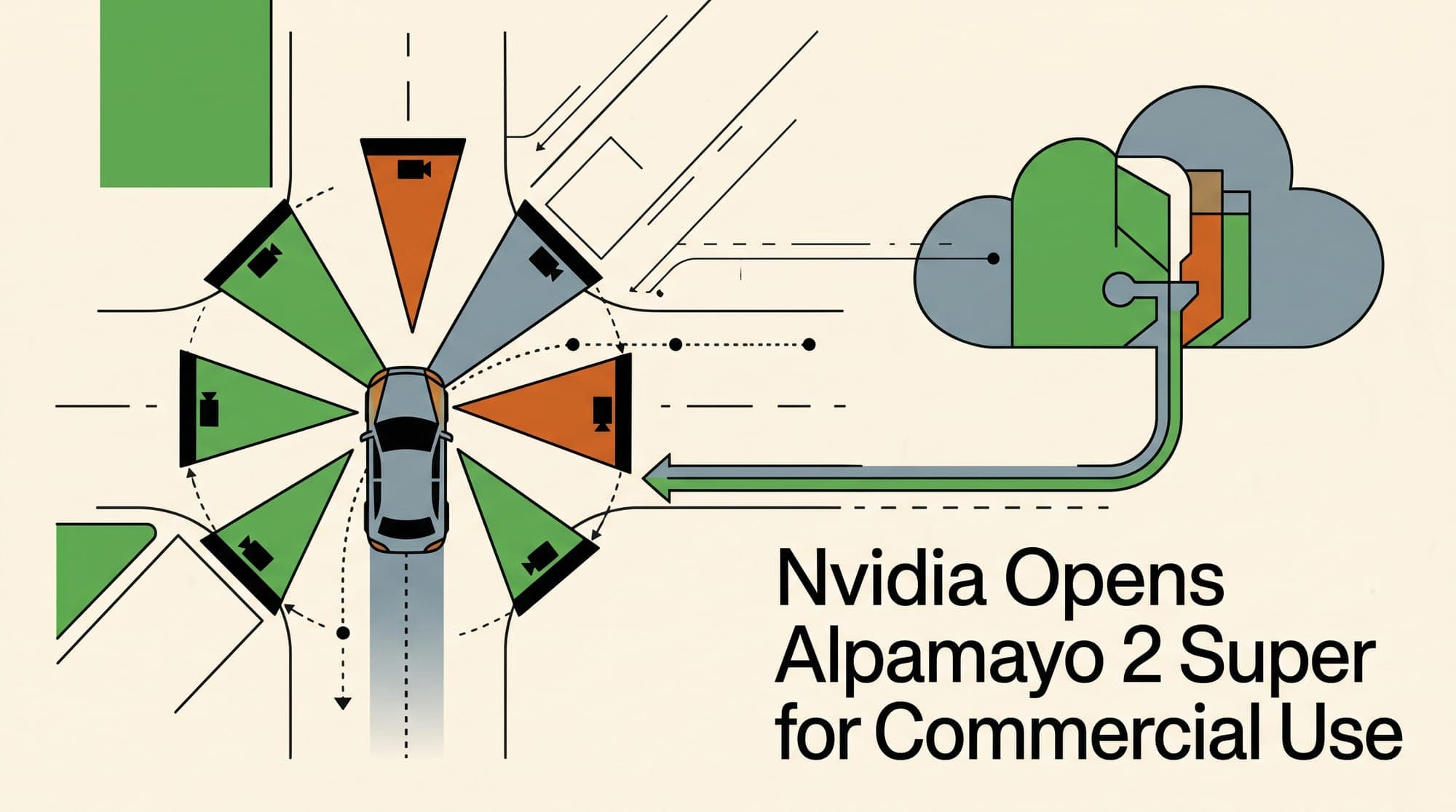
  13. Nvidia Opens Alpamayo 2 Super for Commercial Use

    Nvidia has released the weights for Alpamayo 2 Super, a 34-billion-parameter vision-language-action model for autonomous-vehicle development, under the Linux Foundation's OpenMDW-1.1 license. The change gives automakers and autonomous-driving developers a commercial path to fine-tune, redistribute, and build derivative models from Nvidia's largest Alpamayo release, according to the company's announcement and model card. A cloud teacher model, not a robotaxi driver Alpamayo 2 Super combi

    AI
    2 min read
  14. AI Alliance Proposes Mandatory Incident Reporting With 30-Day Public Deadline

    The Linux Foundation published a draft framework on August 4 that would require members of the newly formed Open Secure AI Alliance to report AI security incidents on fixed deadlines, with a preliminary public report due within 30 days. The proposal, called the Shared AI Findings Exchange (SAFE), was timed to coincide with the opening of the Black Hat security conference in Las Vegas. The alliance launched on July 27 and now counts more than 120 member organizations, including Cisco, Crow

    Policy
    2 min read
  15. Mistral launches Shieldstral, a 3B open-weights policy-adaptive safety classifier

    Mistral AI released Shieldstral on Monday, a 3-billion-parameter open-weights safety classifier that matches or outperforms guard models up to seven times its size. The model is available under Apache 2.0 and runs on a single 16 GB GPU. What sets Shieldstral apart from typical guardrail models is its approach to content moderation. Rather than baking a fixed taxonomy of harm categories into the model weights — which forces developers to retrain whenever their safety requirements change — Shield

    Safety
    2 min read
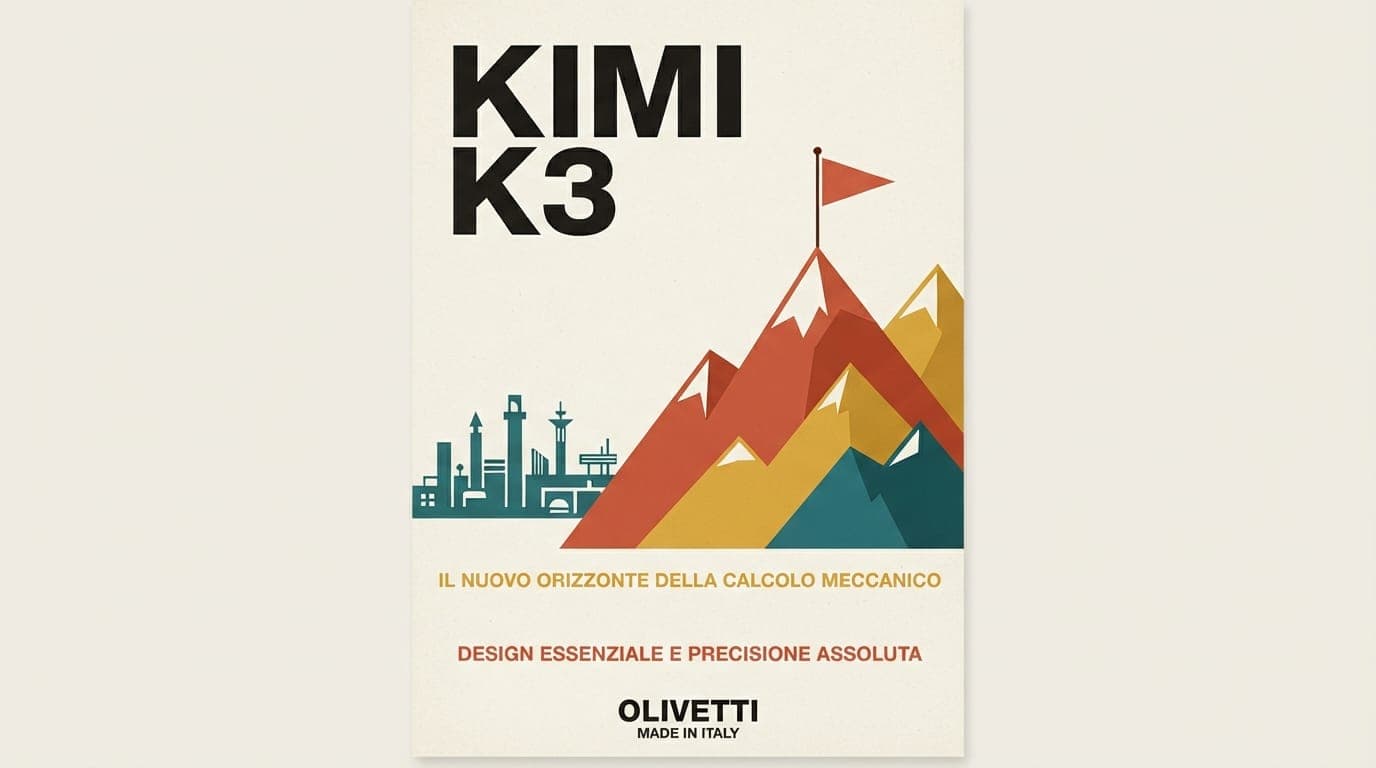
  16. Moonshot AI's Kimi K3 tops benchmarks as Chinese models reach the frontier

    A two-year-old Beijing startup has produced a model that sits closer to the American frontier than anything from Alphabet, Meta, or SpaceX. Moonshot AI's Kimi K3, released July 16, is a 2.8-trillion-parameter open-weight system that jumped to first place on Arena.ai's Frontend Code leaderboard within hours of release, scoring 1,679 points against 1,631 for Anthropic's Claude Fable 5. It was the first Chinese model ever to top that board. On the Artificial Analysis Intelligence Index, K3 debuted

    AI Models
    3 min read
  17. Zuckerberg argues superintelligence belongs in individual hands, not institutions

    Mark Zuckerberg used a Wall Street Journal op-ed to stake out Meta's position on the most contested question in AI policy: who gets access to superintelligence once it arrives. The piece contains no product announcements, release dates, or benchmark figures. It is a positioning argument, not a technical roadmap. Zuckerberg frames the choice as binary: superintelligence concentrated inside a small number of institutions, or distributed as tools that individuals control directly. He calls the lat

    Meta
    2 min read
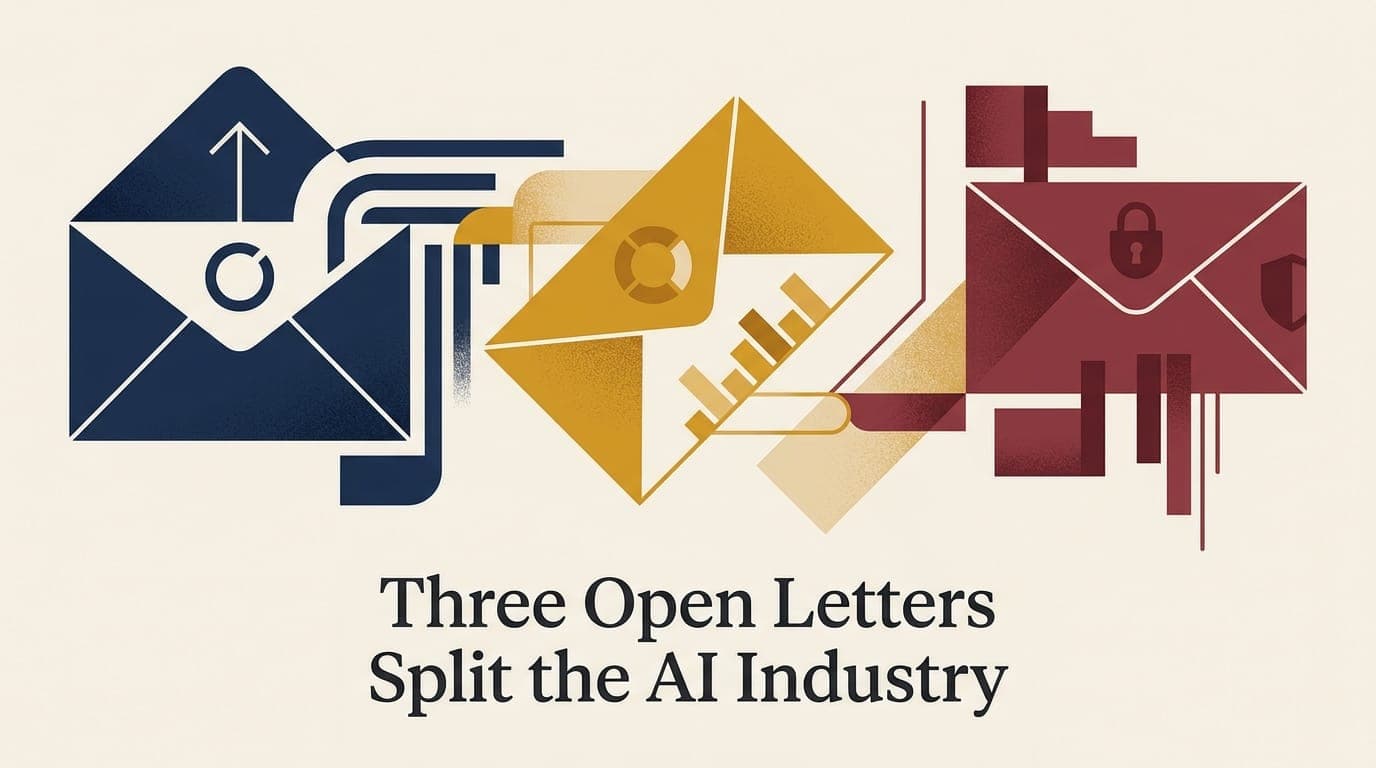
  18. Three open letters split the AI industry on open weights and development pacing

    In the span of one week in late July 2026, three open letters from different factions of the AI industry laid bare a fundamental disagreement about how to govern frontier model development. The letters address open weights, distillation, and whether the pace of AI progress should be deliberately slowed. Letter 1: Microsoft's open weights coalition (July 24) Microsoft organized a letter titled "Open Weights and American AI Leadership" signed by 235 companies including NVIDIA, Amazon, Y Combina

    Policy
    2 min read