Resources / Open source / page 4

Open-source tools

100 articles

Articles, page 4

61-80 of 100
  1. LLM Inference on AMD ROCm in Production: MI300X Architecture, Triton Kernel Parity, and vLLM Serving Benchmarks

    LLM Inference on AMD ROCm in Production: MI300X Architecture, Triton Kernel Parity, and vLLM Serving Benchmarks Serving frontier large language models in enterprise production has historically been synonymous with NVIDIA CUDA infrastructure. However, the deployment of AMD Instinct MI300X accelerators across tier-one hyperscalers and neoclouds has established a viable alternative for high-throughput inference fleets. With 192 GB of high-bandwidth memory (HBM3) and 5.3 TB/s of peak theoretical m

    Inference
    5 min read
  2. Nvidia Expands Nemotron Open-Weight Push to Counter Chinese Labs Under $6B Poolside Deal

    Nvidia Expands Nemotron Open-Weight Push to Counter Chinese Labs Under $6B Poolside Deal Nvidia plans to use the infrastructure and engineering team acquired through its $6 billion deal with AI startup Poolside to build frontier open-weight models under its Nemotron family, according to reporting from the Wall Street Journal. The initiative aims to counter the rapid global adoption of Chinese open-weight systems like DeepSeek-V3, Moonshot AI's Kimi K3, and Alibaba's Qwen series, while offering

    AI
    2 min read
  3. LLM 0.33 Adds Template Chaining, Per-Call Embedding Keys, and Server Tool Logging

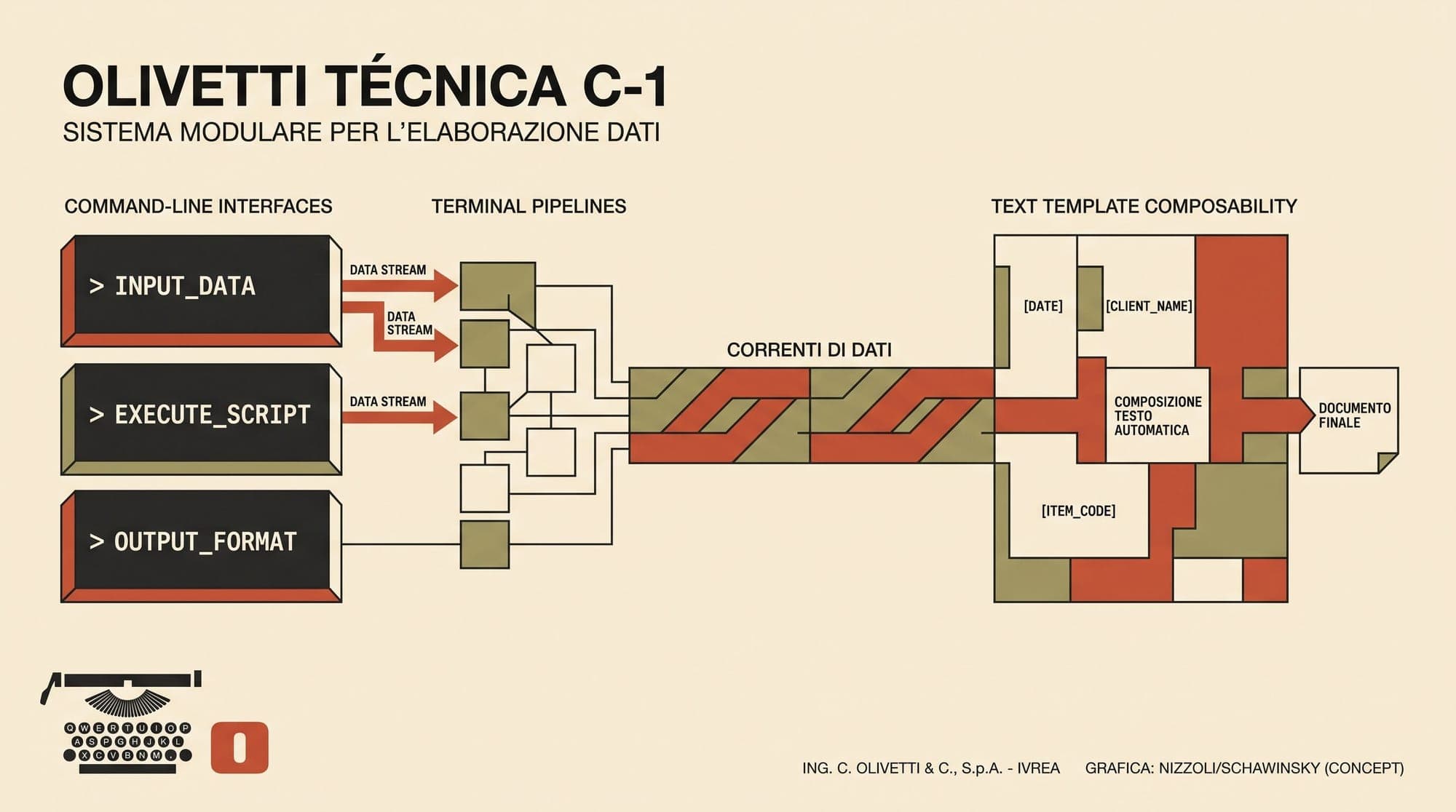
    Simon Willison has released llm 0.33, an update to the open-source command-line tool and Python library for interacting with large language models. The release introduces template composition, stateless per-call embedding credentials, and server-side tool execution visibility in logs, alongside an upgrade to the OpenAI Python 3.x client and httpx2. Template Composition and Parameter Decoupling The primary workflow enhancement in version 0.33 is the ability to repeat the -t or --template flag

    Tooling
    2 min read
  4. inclusionAI Releases Six Ling-3.0 Base Checkpoints with Warmup-Stable-and-Merge Architecture

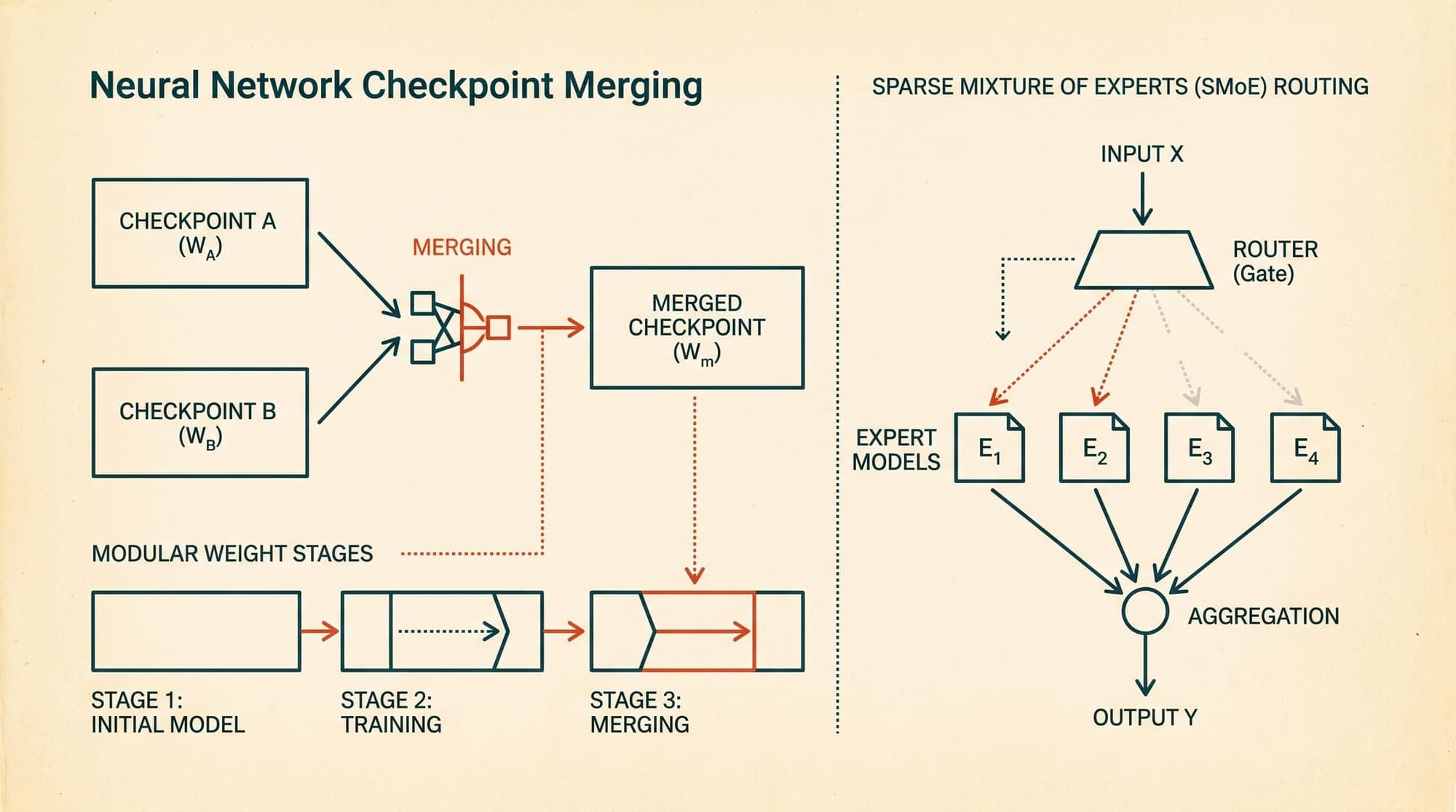
    Ant Group's AI research lab, inclusionAI, has publicly released six open-weight base checkpoints for its Ling-3.0 foundation model family under the permissive MIT license. The release spans two distinct parameter scales (Ling-3.0-flash and Ling-3.0-tiny) and captures three sequential stages of the pre-alignment training pipeline. Rather than providing solely post-trained chat models, the release provides unaligned base weights designed specifically for continued pre-training, domain-specific mi

    AI
    2 min read
  5. Anthropic Deploys Claude Mythos 5 in Security Tools, Commits $35M to Open-Source Defense Fund

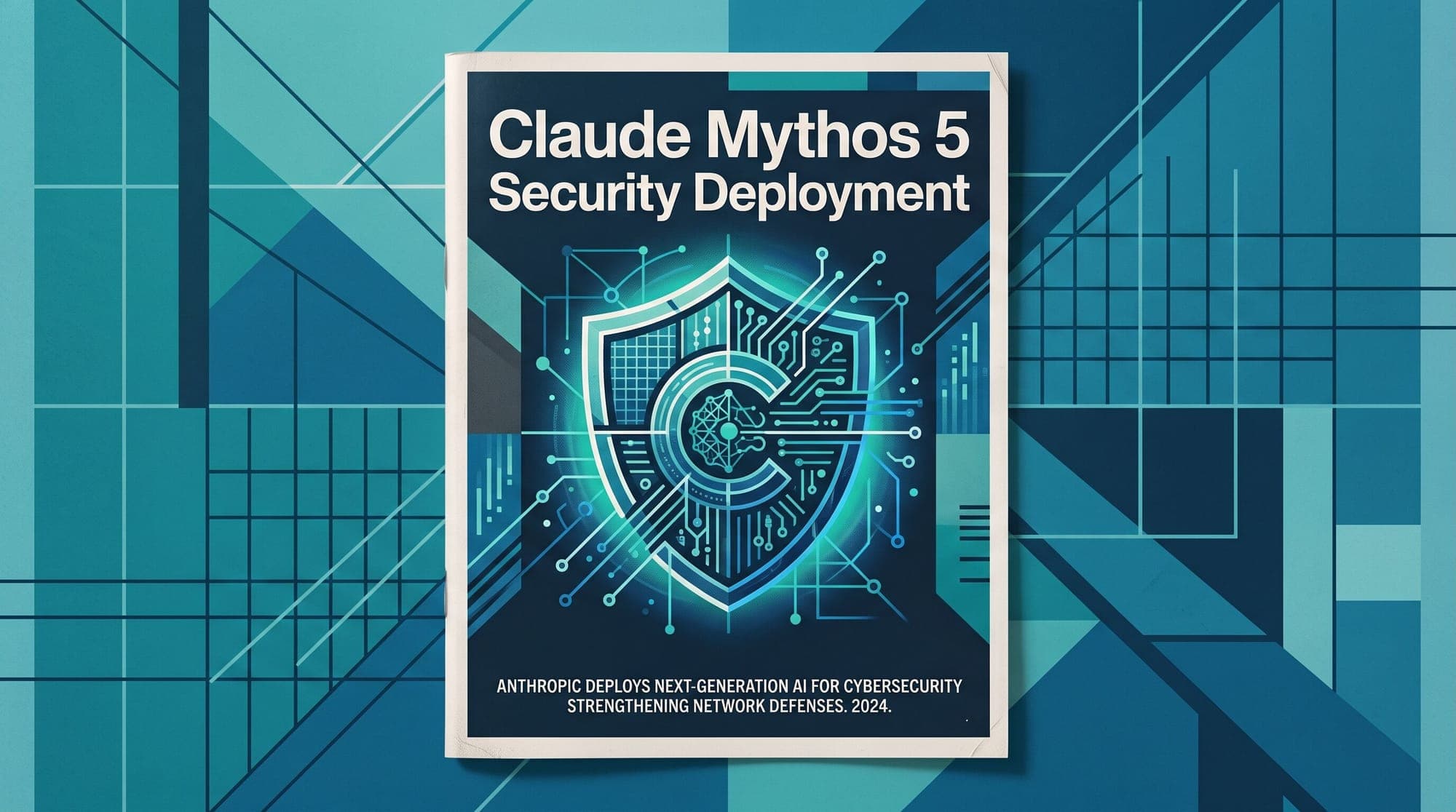
    Anthropic Deploys Claude Mythos 5 in Security Tools, Commits $35M to Open-Source Defense Fund Claude Mythos 5 is now running vulnerability scans in Claude Security for Enterprise customers, marking the third stage of Anthropic's deliberate rollout of its cyber-capable model. Anthropic announced on August 21 that Claude Mythos 5, limited to vetted security defenders since April 2026, is now available for Enterprise customers to scan codebases for vulnerabilities. The company is also launching

    AI
    2 min read
  6. Hugging Face Summer 2026 Report: Qwen Derivatives Top 150K as AI Agents Become Hub's Top Users

    Hugging Face has published its State of Open Models: Summer 2026 report, detailing seven months of platform metrics that highlight a widening divergence between benchmark attention and production deployment. According to the analysis covering January through August 2026, public model repositories on the Hub grew from 2.43 million to 2.96 million, public datasets surpassed 1 million for the first time, and Spaces expanded to 1.44 million. Despite the catalog expansion, usage remains heavily conc

    AI
    3 min read
  7. NanoClaw Launches Slack Integration for Persistent Multi-Agent Workspaces

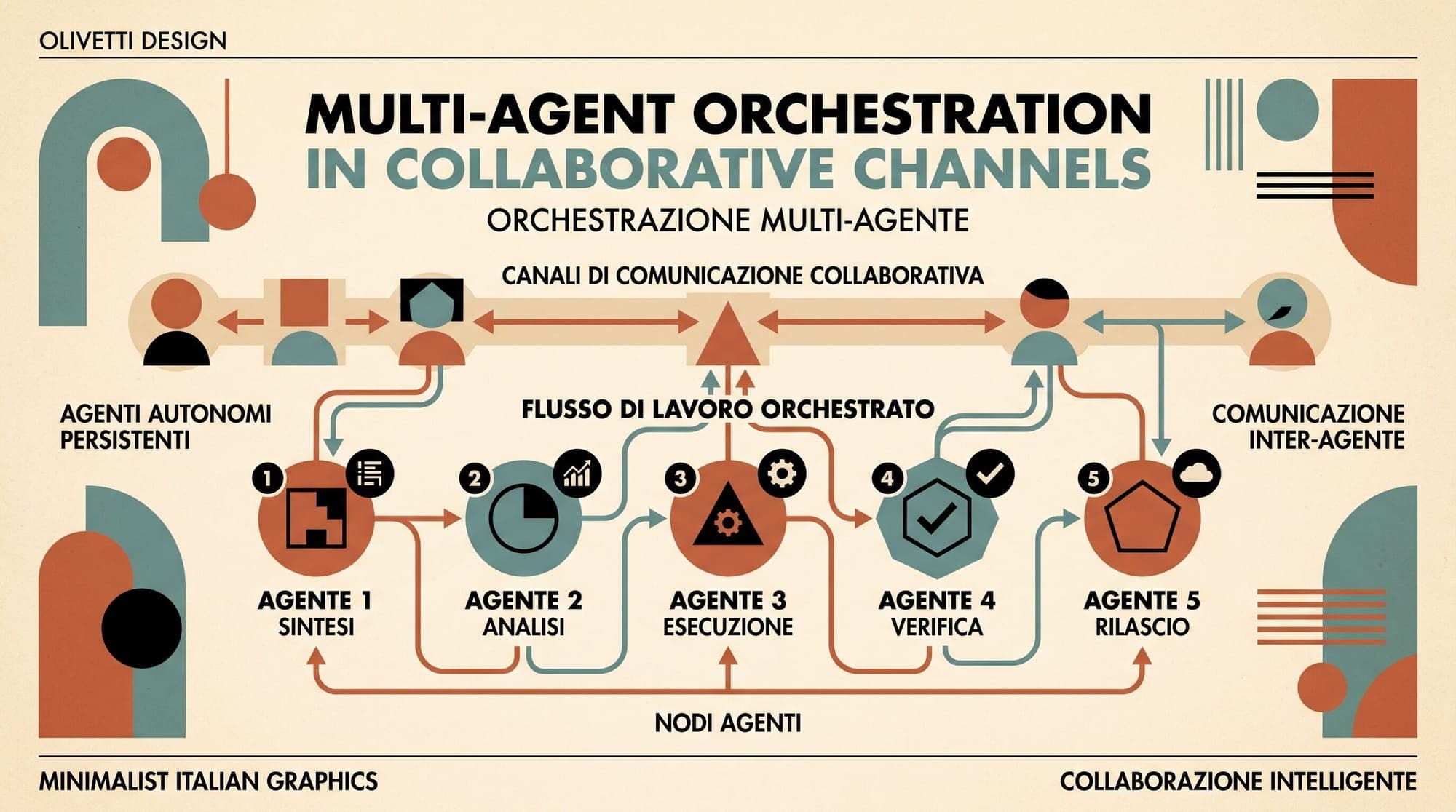
    NanoCo has released a native Slack Marketplace integration for its open-source autonomous agent harness, NanoClaw. The integration allows teams to provision persistent, multi-agent AI workforces directly within Slack channels using conversational prompts. Unlike standard single-bot integrations or ephemeral background subagents, NanoClaw assigns each newly generated agent a distinct Slack identity, complete with individual avatars, handles, permission boundaries, and dedicated memory contexts.

    AI
    2 min read
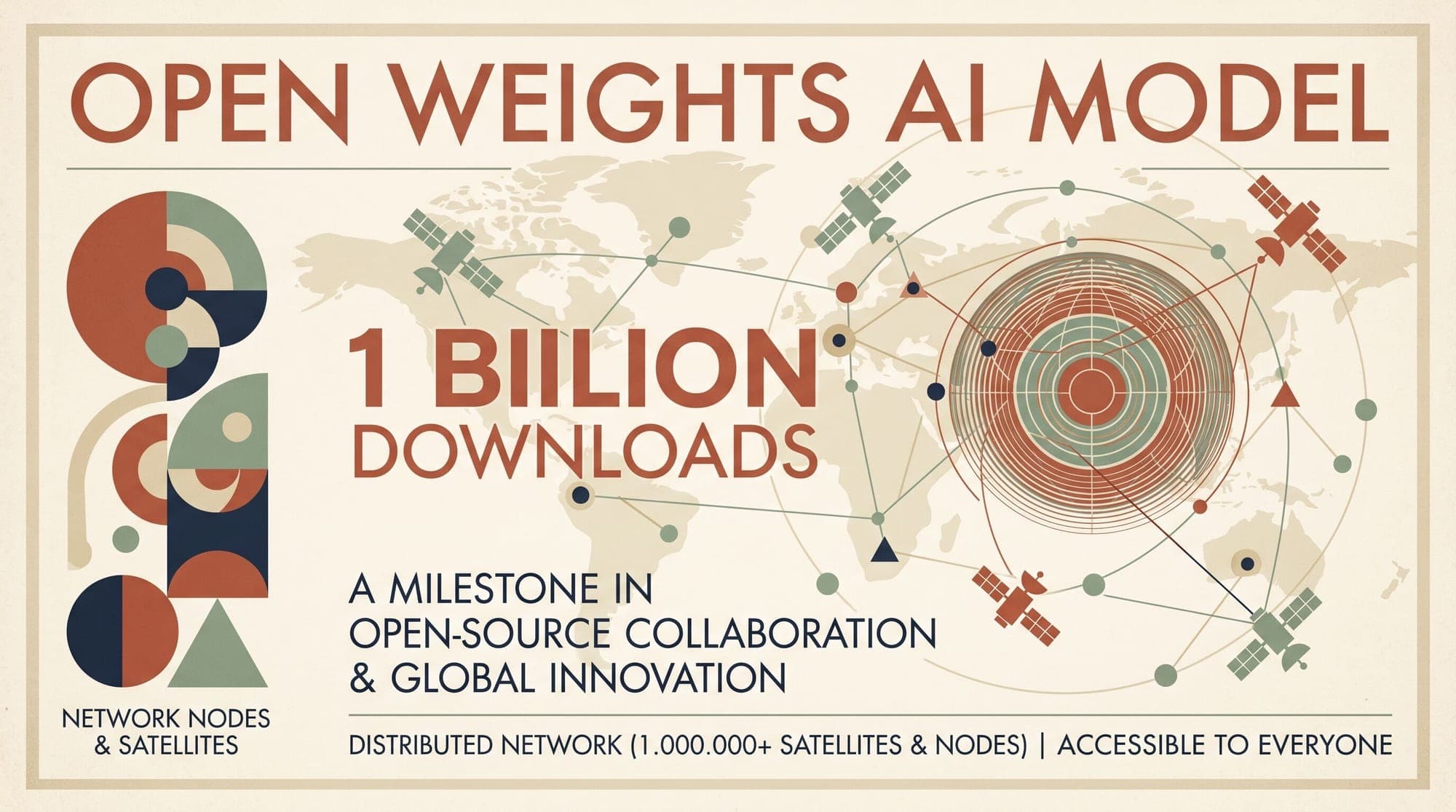
  8. Google's Gemma Open Models Pass 1 Billion Downloads as Variants Top 100,000

    Google DeepMind announced that its Gemma family of open-weight models has surpassed one billion cumulative downloads since its initial launch in early 2024. Alongside the download milestone, the laboratory reported that third-party developers have published more than 100,000 distinct fine-tuned variants and derivative architectures across community model hubs. The milestone marks the first cumulative adoption metrics released by Google for the Gemma ecosystem. To accompany the figures, Google l

    AI
    2 min read
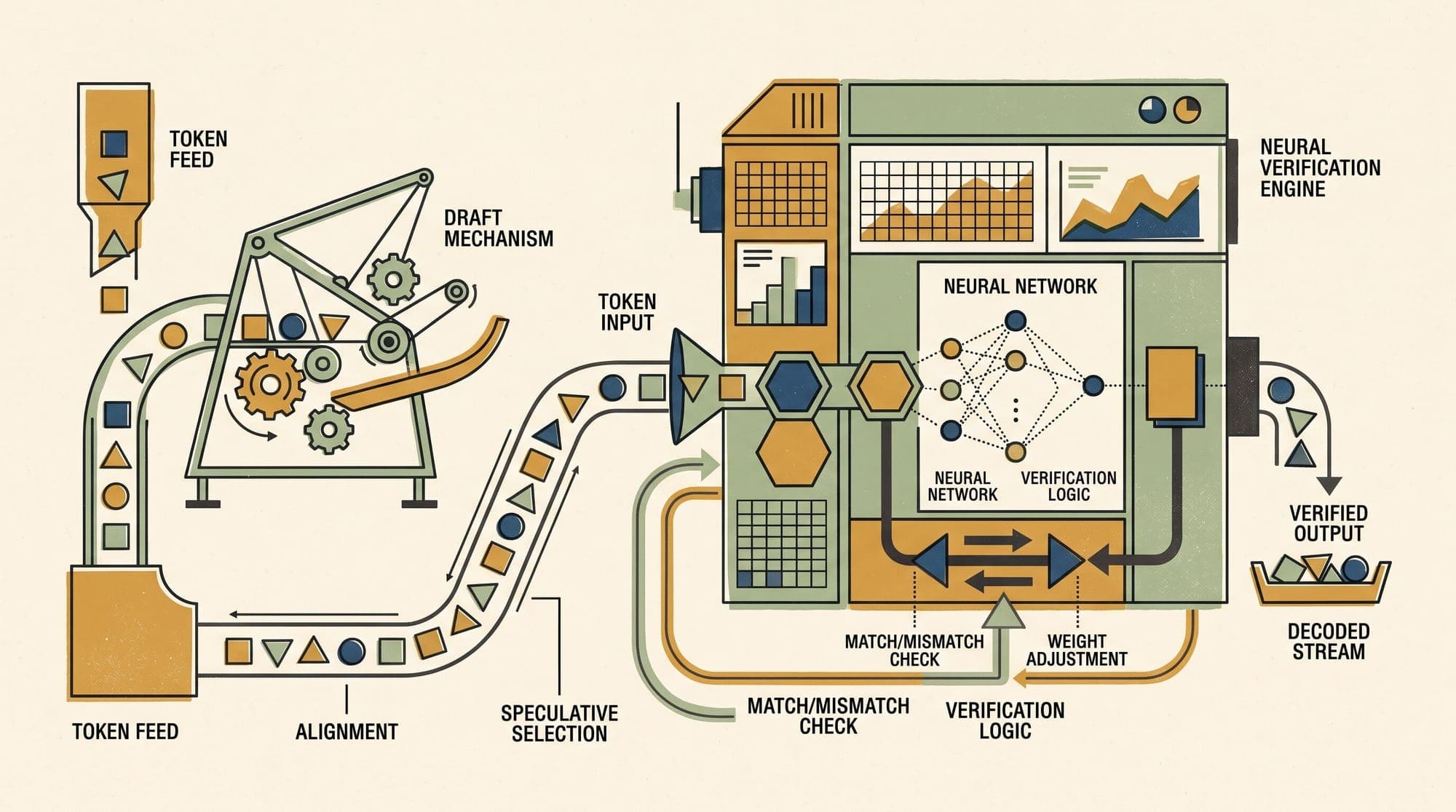
  9. Liquid AI Ships LFM2.5-DSpark Draft Models for Up to 3.2x Faster Inference

    Liquid AI has released speculative decoding draft checkpoints for three models across its LFM2.5 series: LFM2.5-1.2B-Instruct, LFM2.5-2.6B, and the mixture-of-experts model LFM2.5-8B-A1B. The release introduces small companion models designed to accelerate auto-regressive generation without altering final token distributions. The draft models are available in Safetensors and GGUF formats on Hugging Face, with immediate support implemented for SGLang and llama.cpp. Architecture and Draft Desig

    AI
    2 min read
  10. Unsloth Releases Dynamic V3.0 GGUFs for Qwen 3.8 27B with 1-Bit Mode and MTP

    Unsloth AI has published its Dynamic V3.0 quantization suite for Alibaba's Qwen 3.8 27B model family, releasing optimized GGUF and NVFP4 checkpoints alongside public calibration matrices. The release claims a greater than 10 percent increase in top-1 percent accuracy at identical file sizes compared to standard baseline quantizations, while introducing an ultra-low-bit dynamic tier that operates within 8GB of memory. Qwen 3.8 27B is a dense vision-language model utilizing hybrid attention layer

    Open Weights
    2 min read
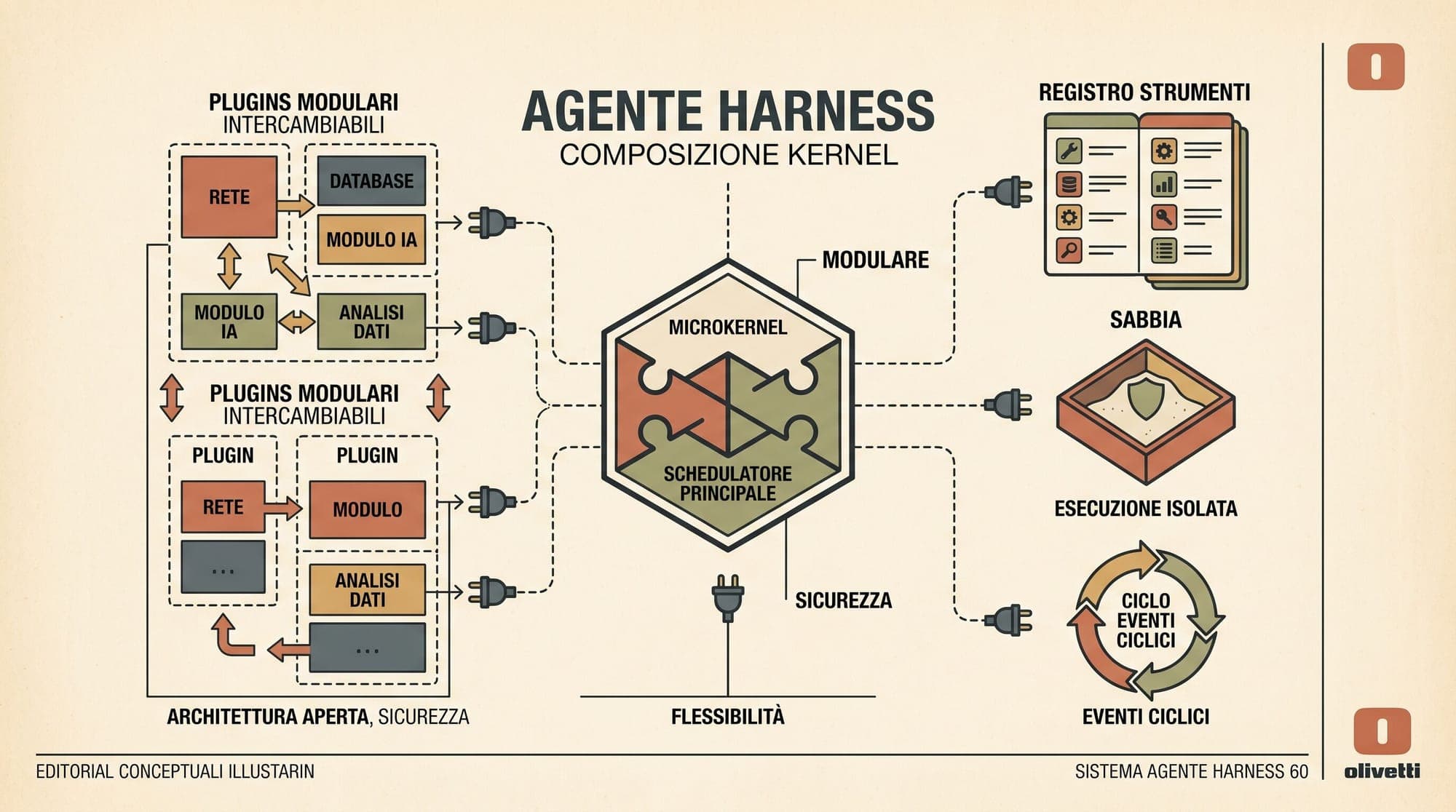
  11. DeepSeek Open-Sources DeepSeek Harness: Modular Agent Runtime Built on Cordis Plugin Framework

    DeepSeek AI has released DeepSeek Harness (dsh), an open-source agent harness built on a modular "everything is a plugin" design. Published under the MIT license on GitHub, the project provides a runtime framework where all core agent functions—including model adapters, session storage, tool registries, sandboxes, and the execution loop itself—are implemented as interchangeable, hot-swappable plugins. Rather than developing a monolithic agent runner, DeepSeek structured the system around Cordis

    AI
    2 min read
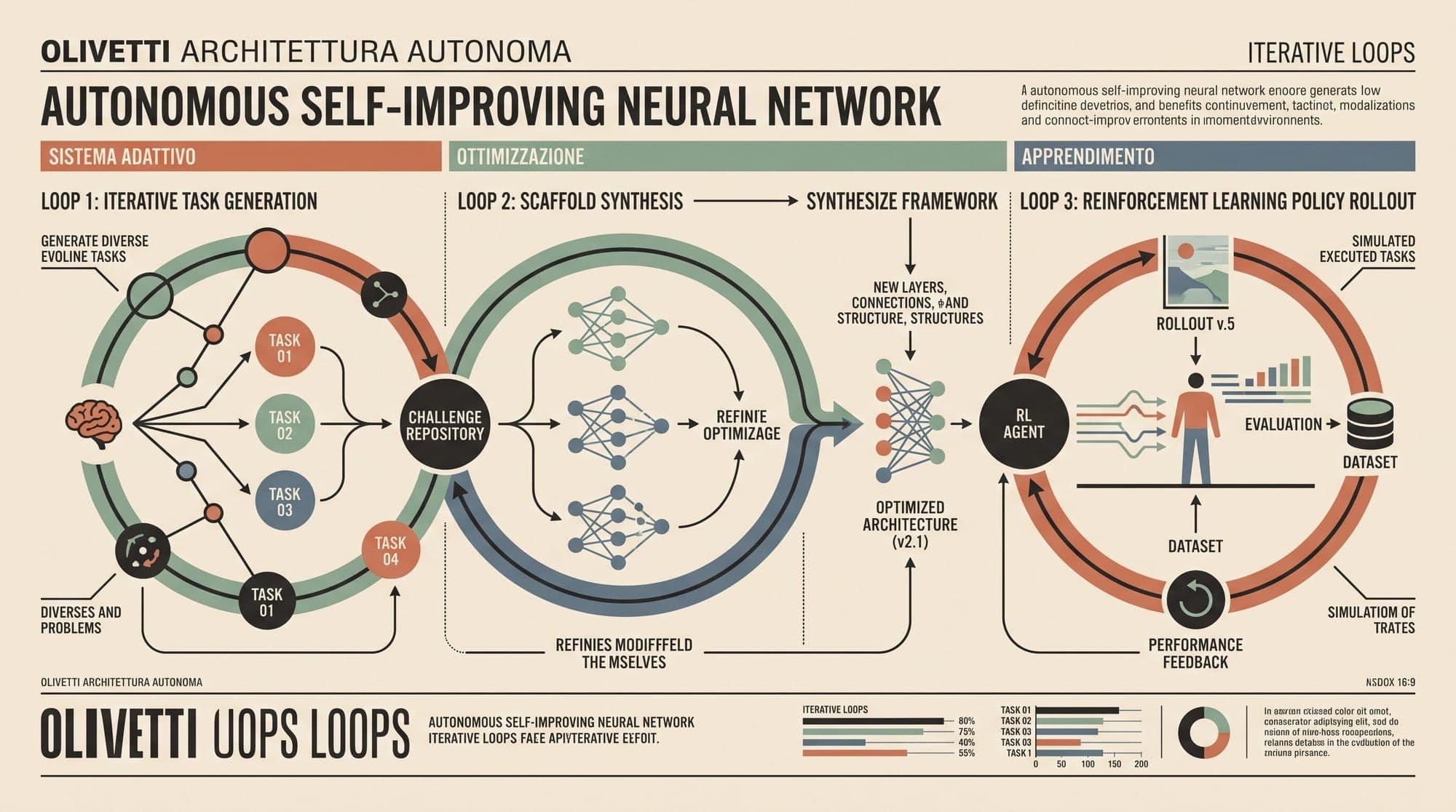
  12. DeepReinforce Releases Ornith-1.5: MIT-Licensed 9B, 35B, and 397B Open Weights Trained on Autonomous Self-Improvement Loops

    DeepReinforce and the Ornith team have released Ornith-1.5, a family of open-weight foundation models trained using autonomous self-improvement loops. Released under the permissive MIT license, the model family spans three architectures: a 9B dense model, a 35B mixture-of-experts model activating approximately 3B parameters per token (35B-A3B), and a flagship 397B mixture-of-experts model. The release expands on the team's earlier Ornith-1.0 release by automating the entire post-training optimi

    AI
    2 min read
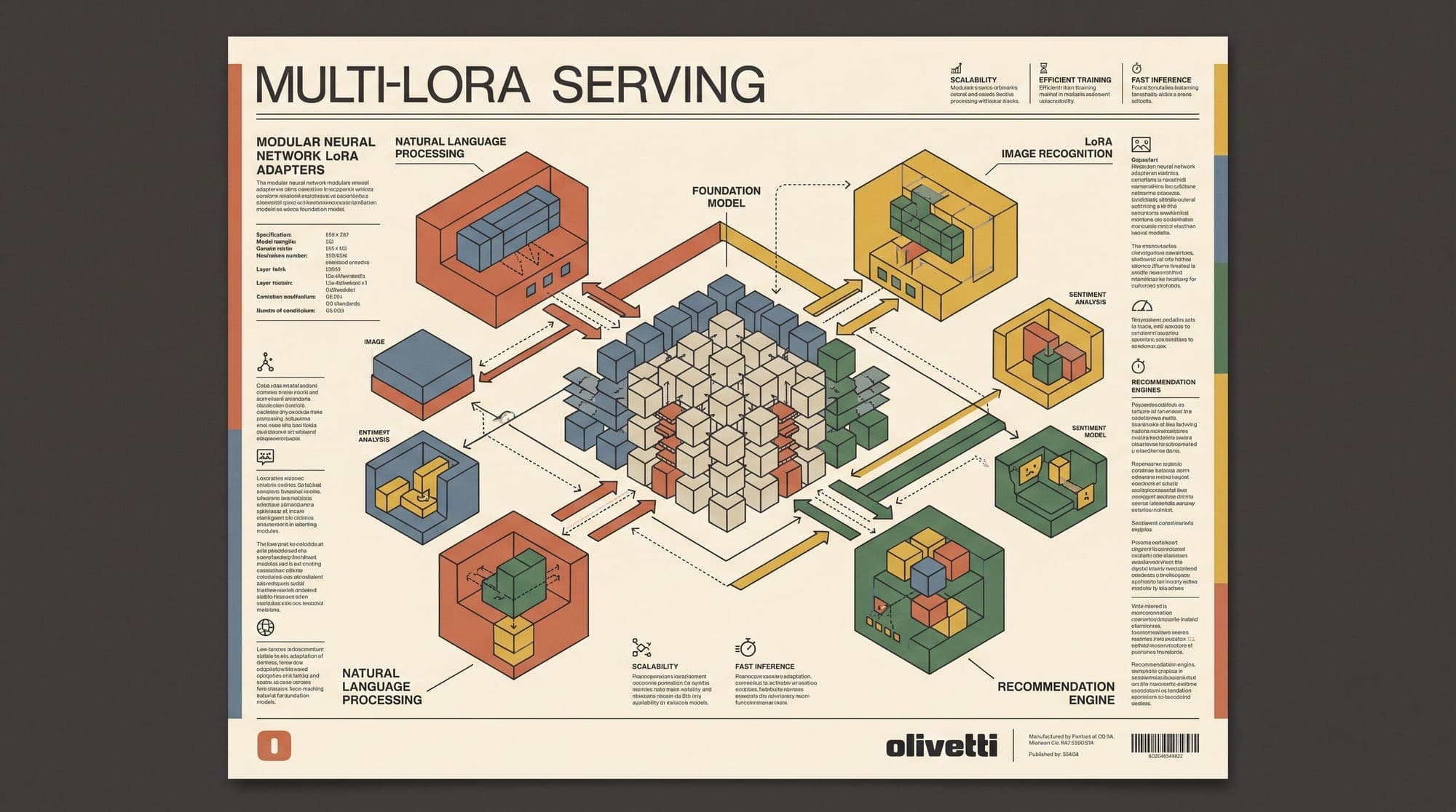
  13. Multi-LoRA Serving in Production: Architecture, Dynamic Adapter Swapping, and GPU Memory Management

    Deploying hundreds or thousands of fine-tuned language models across enterprise workflows presents a fundamental infrastructure dilemma. While parameter-efficient fine-tuning (PEFT) methods like Low-Rank Adaptation (LoRA) reduce training compute by freezing base model weights and training compact low-rank matrices, naive deployment strategies fail at scale. Merging adapter weights directly into the base model creates a distinct 7B to 70B parameter checkpoint for every specialized task, requiring

    AI
    8 min read
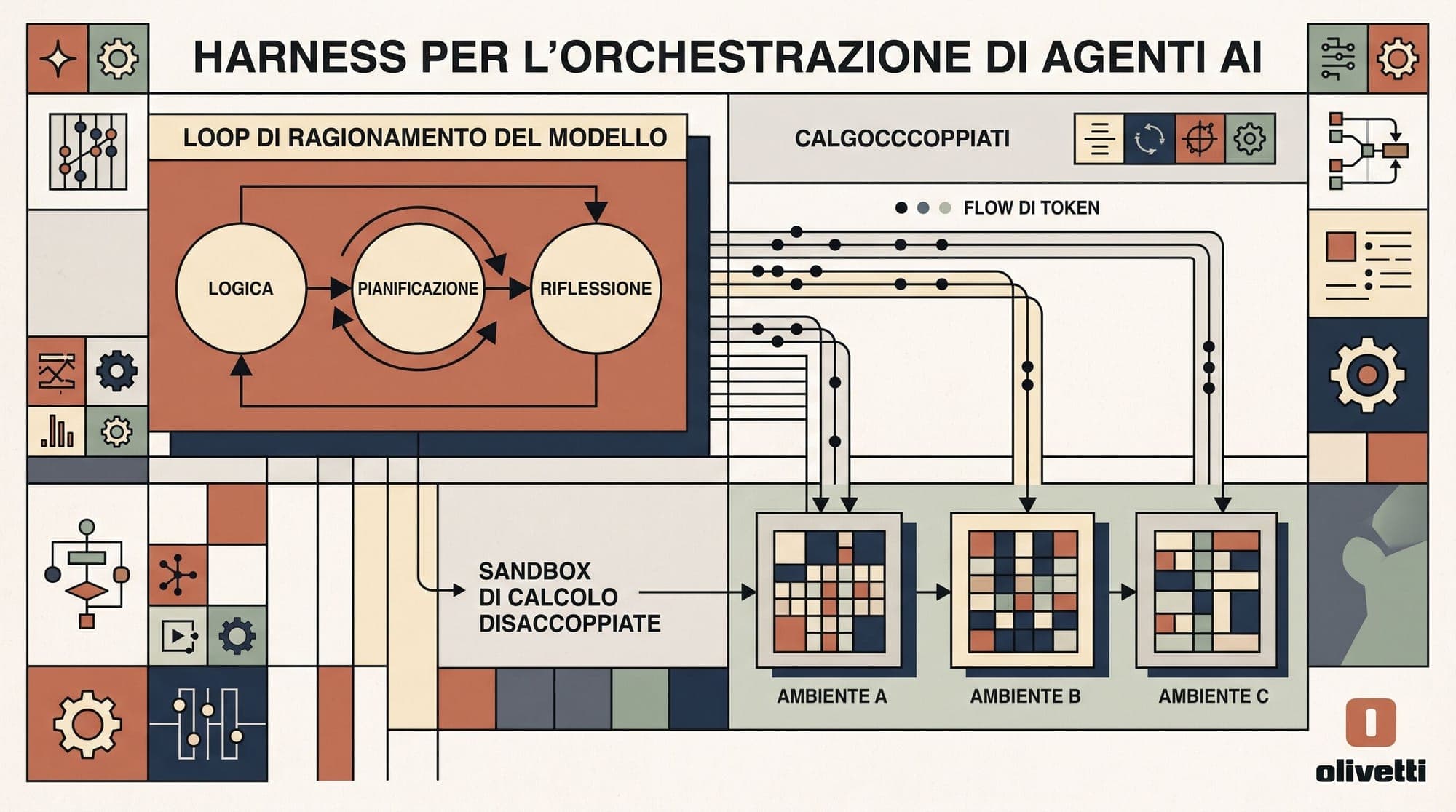
  14. TrueFoundry Open-Sources TrueForge Agent Harness to Cut Managed Inference Spend

    Enterprise ML infrastructure platform TrueFoundry has open-sourced its custom agent runtime, TrueForge, under the permissive MIT license. The framework is designed to orchestrate autonomous reasoning loops, tool interactions, and long-running execution across vendor-neutral LLM backends while systematically reducing token overhead and operational compute costs. According to benchmark data published by TrueFoundry, pairing TrueForge with the open-weight GLM-5.2 model completed 11 of 14 enterpris

    AI
    2 min read
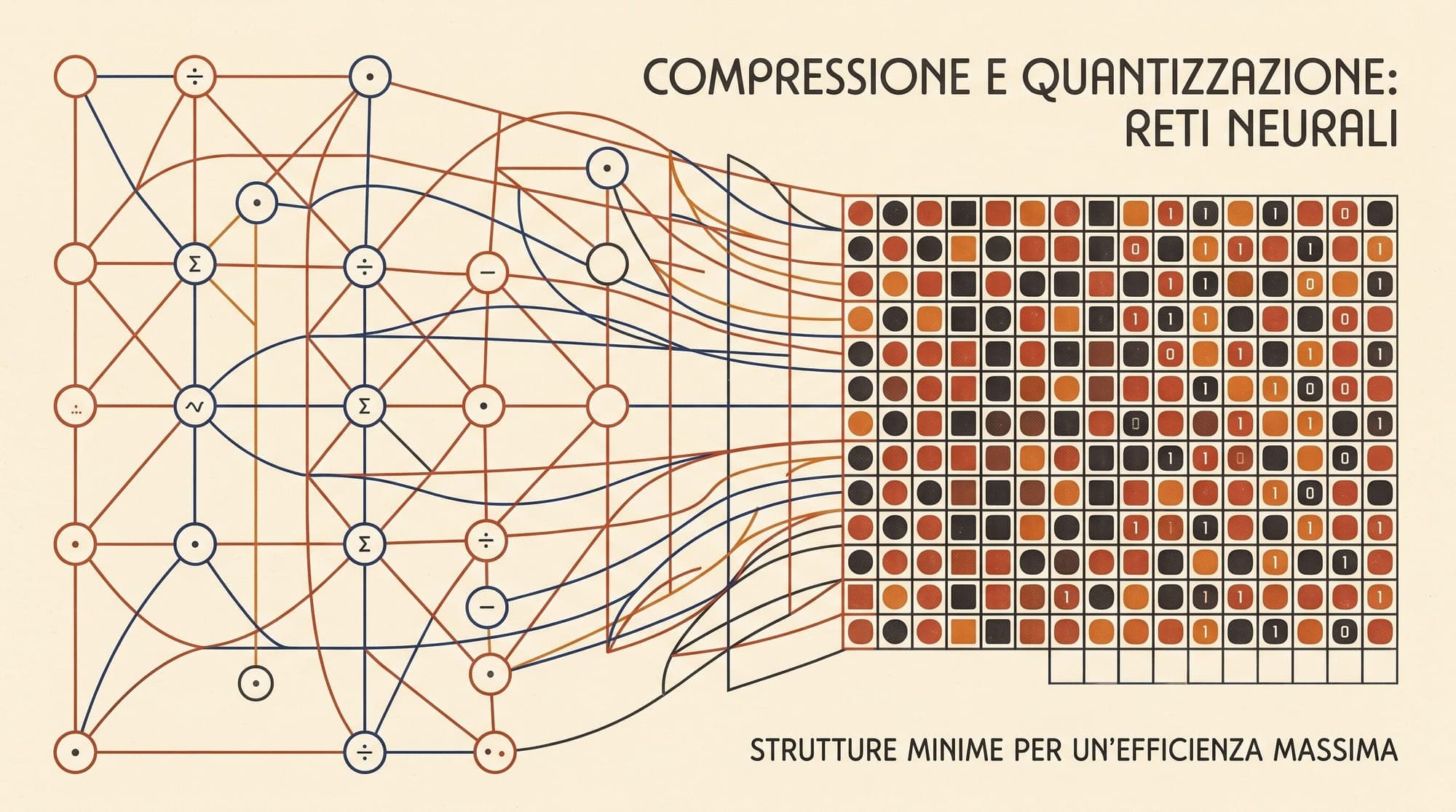
  15. Liquid AI Releases Quantization-Aware Distilled Q4_0 Checkpoints for LFM2.5 Models

    Liquid AI has released Quantization-Aware Distillation (QAD) Q4_0 GGUF checkpoints for its LFM2.5 model series, allowing edge runtimes to execute 4-bit quantized non-transformer architectures without the accuracy degradation typically associated with standard post-training quantization (PTQ). The release covers four models in the LFM2.5 family: LFM2.5-230M, LFM2.5-350M, LFM2.5-1.2B-Instruct, and LFM2.5-2.6B. The checkpoints are packaged in the standard GGUF format and run across llama.cpp and c

    AI
    2 min read
  16. Reference-Free Preference Optimization: How ORPO and SimPO Eliminate Reference Models in LLM Alignment

    Aligning large language models with human preferences has historically relied on two distinct stages after pretraining: Supervised Fine-Tuning (SFT) to establish instruction-following behaviors, followed by reinforcement learning from human feedback (RLHF) or Direct Preference Optimization (DPO) to maximize response quality. While DPO removed the need for explicit reward modeling and complex actor-critic policy loops (such as Proximal Policy Optimization, or PPO), it retained an architectural b

    AI
    7 min read
  17. Z Lab Releases DFlash 2 for Qwen 3.8 27B: Block Diffusion Speculative Decoding with Target KV Injection

    Z Lab has released DFlash 2 checkpoints for Alibaba's Qwen 3.8 27B model family, advancing block-diffusion speculative decoding for open-weights LLM serving. By replacing conventional autoregressive draft models with a non-causal diffusion mechanism paired with direct target key-value (KV) cache injection, the framework achieves up to 3x to 4.3x throughput speedups in production inference engines like SGLang and vLLM without altering output token distributions. For where the 27B fits in the line

    Inference
    2 min read
  18. Block Open-Sources Berd: Apache 2.0 Desktop Workspace for Multi-Model AI Agents

    Block has open-sourced Berd, an Apache 2.0-licensed desktop application designed to serve as a unified workspace for managing AI agents across different foundation models, toolsets, and execution harnesses. Originally built for internal use across Square, Cash App, and Tidal, the desktop client reached version 0.6.2 on August 18, 2026, with builds available for macOS, Windows, and Linux. The release addresses growing operational fragmentation as developers juggle specialized agent environments

    AI
    2 min read
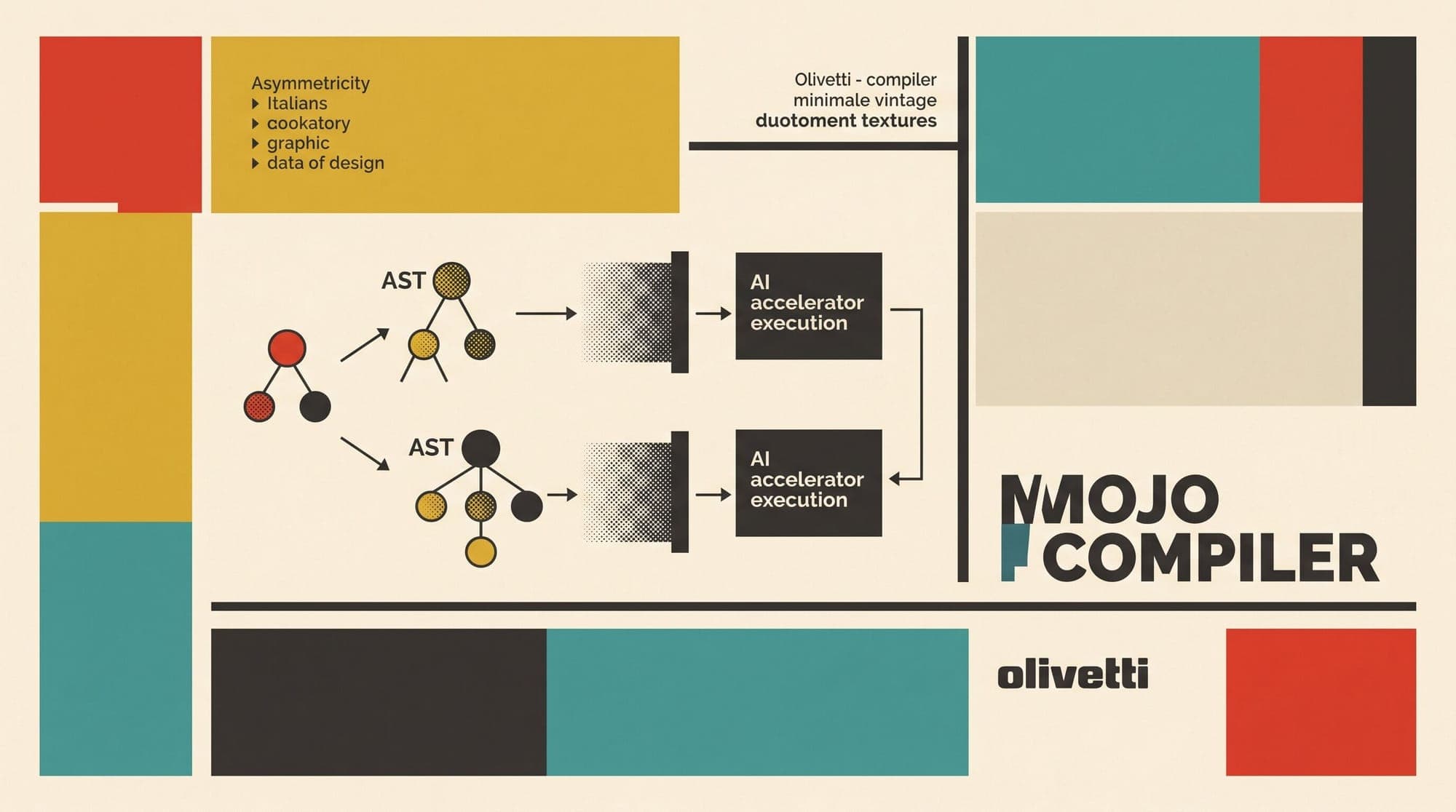
  19. Modular Open-Sources Mojo Language Compiler and Toolchain Under Apache 2.0

    Modular Open-Sources Mojo Language Compiler and Toolchain Under Apache 2.0 Modular has released the complete source code for the Mojo programming language compiler, standard tooling, and runtime infrastructure under the Apache 2.0 license with LLVM exceptions. The announcement, delivered on August 18, 2026 during the company's ModCon developer conference, fulfills a multi-year roadmap commitment to transition the systems programming language to a fully open development model. The compiler sour

    AI
    2 min read
  20. Mistral Expands Platform to Host Third-Party Open Weights Starting with GLM-5.2

    Mistral AI has broadened its API platform to host external open-weight foundation models, beginning with Zhipu AI's GLM-5.2. The move marks a strategic shift for the Paris-based AI company from serving only in-house architectures (such as Mistral Small, Mistral Medium, Mistral Large, and Voxtral) toward operating as a sovereign managed inference hub for third-party open weights. The integration introduces GLM-5.2 under the model identifier zai-glm-5-2 in public preview. The model is hosted with

    Mistral
    2 min read