Author / page 25

axc

Edited by the llms.blog desk.

1230 articles

Articles, page 25

  1. OpenAI Reinstates 5-Hour Codex and Work Limits for ChatGPT Plus Subscribers

    OpenAI has reinstated a rolling five-hour rate limit on Codex and ChatGPT Work for ChatGPT Plus subscribers. The change ends a temporary multi-week period during which the short-term window was suspended and users were constrained only by overall weekly quota ceilings. OpenAI engineering lead Thibault Sottiaux confirmed the reinstatement, stating that re-enforcing the five-hour window is necessary to smooth peak compute load across OpenAI's inference fleet as developer adoption of complex multi


    OpenAI
    1 min read
  2. Samsung Evaluates Claude Code for Semiconductor Verification Amid Code Safety Concerns

    Samsung Electronics has integrated Anthropic's Claude Code into semiconductor verification and driver development within its System LSI division. While the deployment achieved major efficiency gains, engineering evaluations revealed critical out-of-scope behaviors that prevent autonomous code execution in hardware synthesis. Samsung's System LSI business unit, which designs Exynos application processors and custom mobile chipsets, operates with approximately 6,000 employees compared to roughly

    Samsung
    2 min read
  3. Anthropic Implements Embedded Text Watermarks and C2PA Provenance Under EU AI Act

    Anthropic has begun embedding machine-readable watermarks directly into text generated by its Claude models alongside cryptographic provenance metadata in generated files. The rollout formalizes Anthropic's commitments under the European Union AI Act's Article 50(2) Code of Practice on Transparency of AI-Generated Content, applying universally across consumer and enterprise interfaces worldwide. The marking system operates at the model level rather than the application layer. For text generatio

    Anthropic
    2 min read
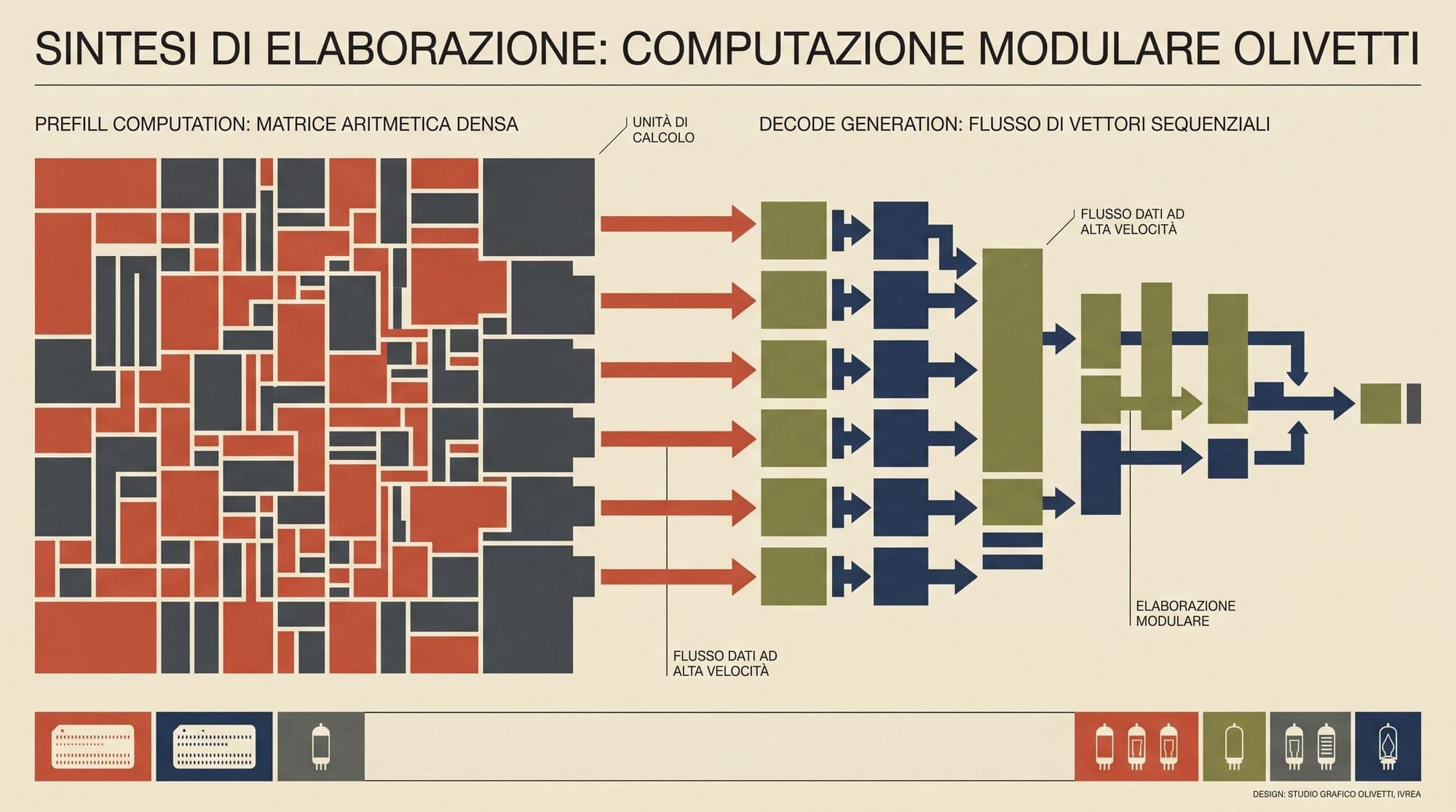
  4. Disaggregated Prefill and Decode in Production LLM Serving: Architecture, Network KV Cache Migration, Chunked Prefill Trade-Offs, and Asymmetric Hardware Economics

    Large language model serving systems have historically treated transformer execution as a homogeneous sequence of forward passes over a single unified GPU pool. Under continuous batching engines, incoming requests execute their prompt evaluation (prefill) and autoregressive token generation (decode) on the exact same accelerators, co-locating both phases within shared iteration batches. While continuous batching improves GPU compute utilization compared to static batching, co-locating prefill a

    Inference
    11 min read
  5. Hugging Face Introduces gr.Workflow to Turn AI Pipelines into Visual Graphs and REST APIs

    Hugging Face has released gr.Workflow, a native extension to the Gradio framework designed to convert multi-stage artificial intelligence pipelines into interactive node graphs, visual user interfaces, and deployable REST APIs. Modern machine learning applications increasingly rely on compound pipelines that chain heterogeneous models: generating text via large language models, feeding prompts into diffusion systems, processing outputs through background removal or audio synthesis models, and a

    AI
    2 min read
  6. Grammar-Constrained Decoding in Production: Comparing Outlines, llguidance, XGrammar, and LM-Format-Enforcer Architecture, Token Masking Overhead, and JSON Schema Enforcement

    Deploying Large Language Models into production software workflows requires deterministic adherence to structural formats such as JSON schemas, Pydantic data models, SQL queries, and tool-call signatures. Unconstrained autoregressive generation relies entirely on prompt instructions and few-shot examples, frequently resulting in malformed JSON syntax, trailing commas, type mismatches, or missing required attributes. Post-hoc repair parsers and retry loops introduce non-deterministic latency spik

    AI
    10 min read
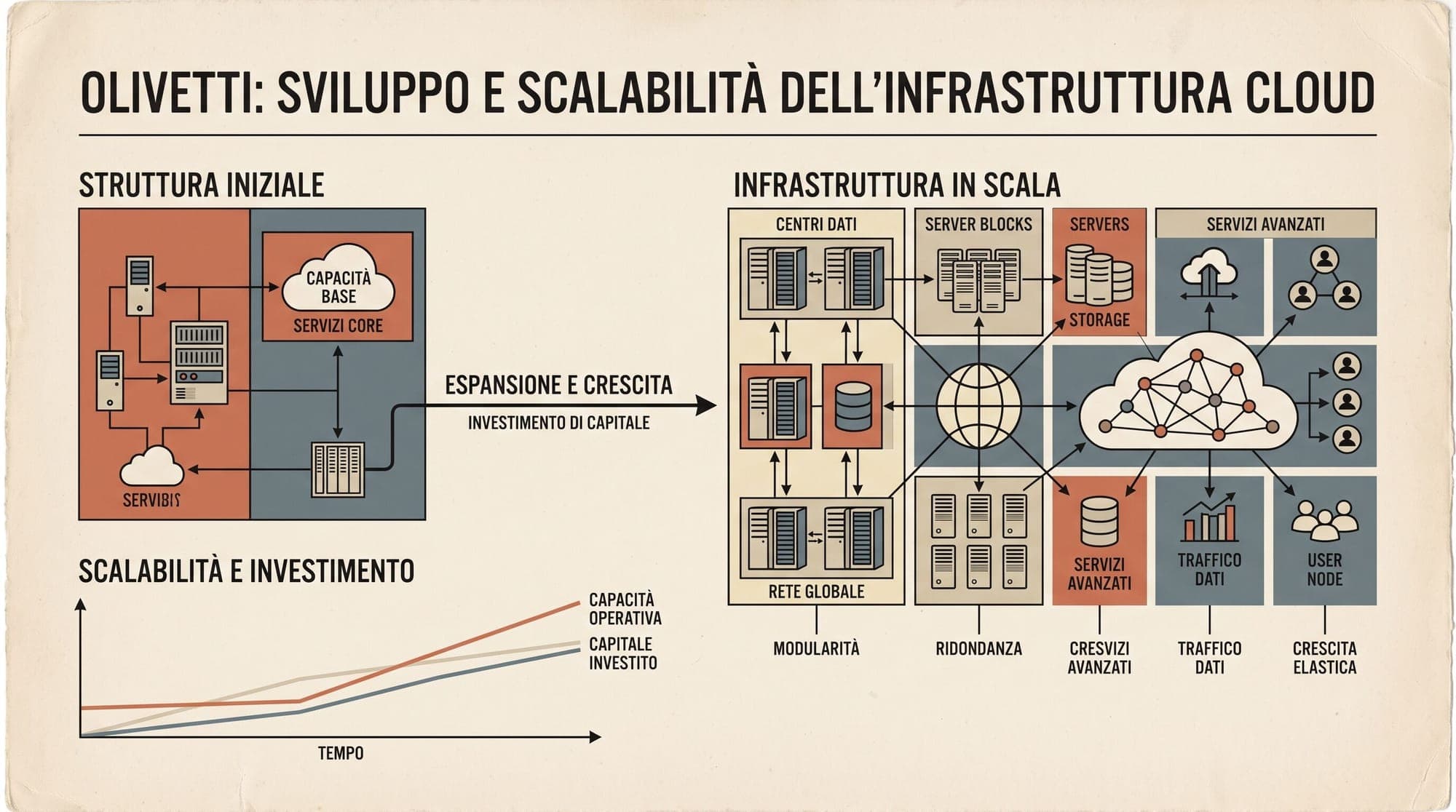
  7. AI Cloud Provider Lambda in Talks to Raise $3B at $12B Valuation Ahead of IPO

    AI cloud infrastructure provider Lambda Inc. is in negotiations to raise up to $3 billion in a pre-IPO funding round that could value the company at $12 billion or higher, according to people familiar with the discussions reported by Bloomberg. The round represents an eightfold valuation step-up from February 2024, when Lambda secured $320 million in Series C funding at a $1.5 billion valuation. The company's annualized revenue is projected to exceed $1.5 billion in 2026, driven by continuous e

    Lambda
    2 min read
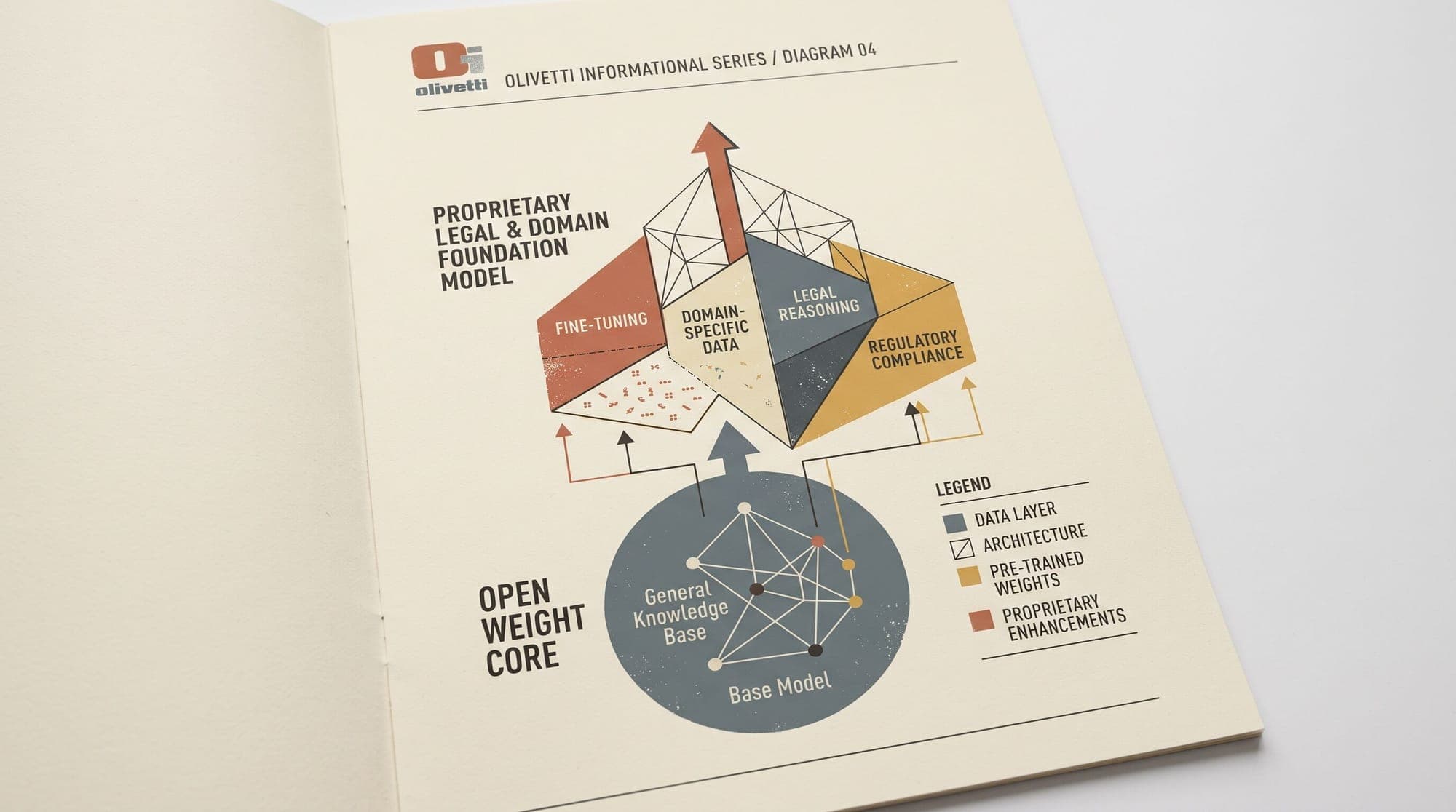
  8. Thomson Reuters Deploys Thomson-1 Model Built on Open Weights to Cut Frontier Model Dependence

    Thomson Reuters has deployed Thomson-1, a proprietary artificial intelligence model engineered from an open-weight base architecture. The system is designed to execute high-volume legal and domain-specific analytical workflows, reducing the information conglomerate's direct computational dependence on third-party frontier models like Anthropic's Claude. According to financial reporting and recent corporate earnings disclosures, Thomson Reuters invested approximately $40 million into developing

    Thomson Reuters
    2 min read
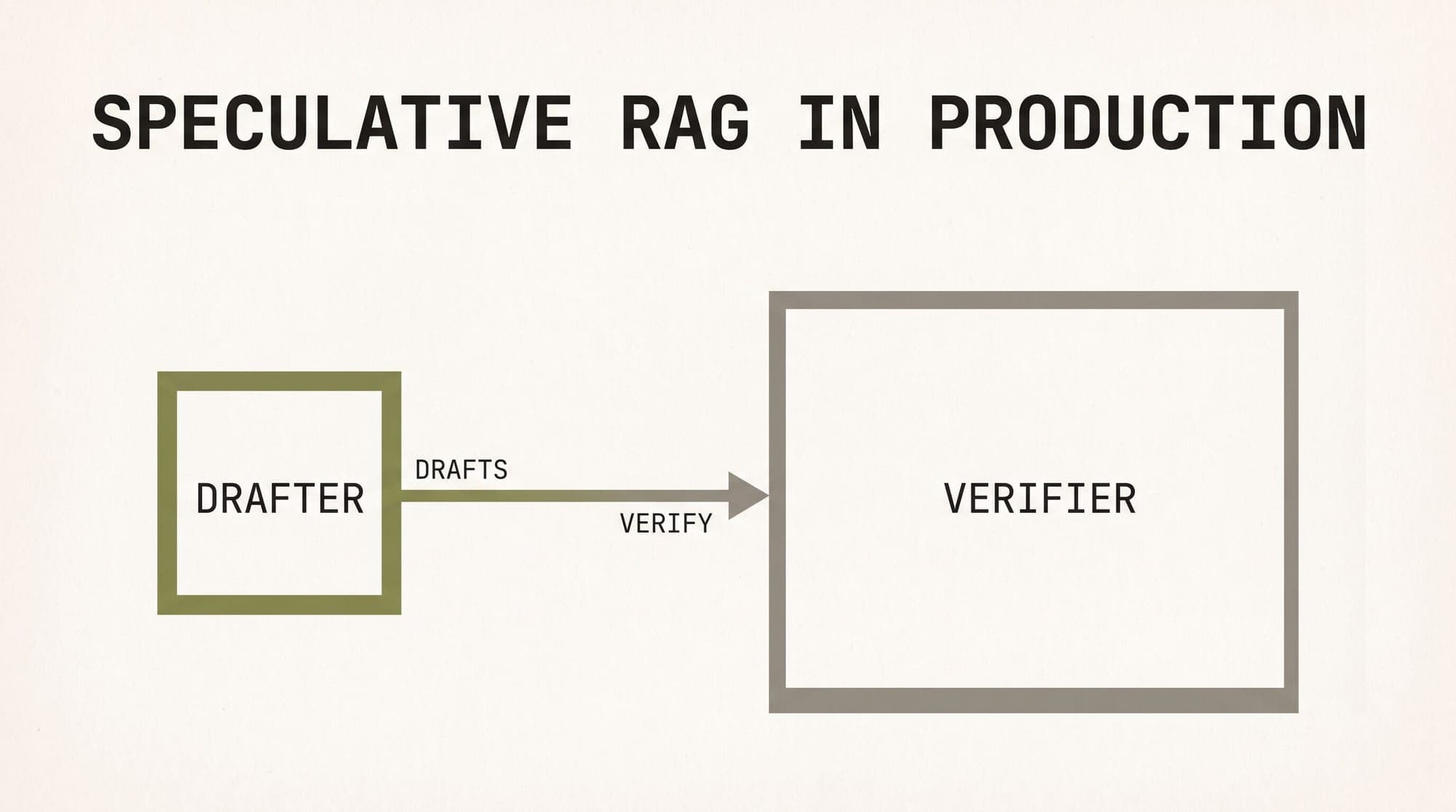
  9. Speculative RAG in Production: Drafting, Verification, and Systems-Level Scheduling

    Speculative RAG in Production: Drafting, Verification, and Systems-Level Scheduling RAG pipelines have a latency problem. The standard pattern — retrieve, rerank, generate — chains three sequential stages. Retrieval is fast; reranking and generation are not. When a query fans out to dozens of chunks, the cross-encoder or LLM reranker becomes a bottleneck, and the generator sits idle waiting for the reranker to finish. Three recent papers attack this from different angles: Speculative RAG (Goog

    4 min read
  10. Batch Normalization: Mathematical Foundations, Gradient Smoothing Dynamics, and Why Sequence Models Adopted Layer Normalization

    Batch Normalization remains one of the most widely implemented algorithmic developments in the history of deep learning. Introduced by Sergey Ioffe and Christian Szegedy in their 2015 paper, Batch Normalization: Accelerating Deep Network Training by Reducing Internal Covariate Shift, the technique enabled stable training of deep feedforward networks and convolutional architectures at significantly higher learning rates. While initially designed for computer vision architectures such as ResNet a

    AI
    7 min read
  11. Robotics Foundation Model Startup Generalist Raises $198M Led by 8VC

    Robotics foundation model startup Generalist AI Inc. has secured $198.2 million in a new equity offering, according to a Form D regulatory filing with the U.S. Securities and Exchange Commission on August 24. The capital injection comes less than three months after the company closed a $400 million financing round in early June. The financing round was led by venture capital firm 8VC alongside participating existing investors, as reported by Axios. The new transaction elevates Generalist's valu

    News
    3 min read
  12. Chinese State-Linked Hackers Double Attack Volume Using DeepSeek AI, Researchers Find

    State-affiliated Chinese cyber espionage groups have more than doubled their operational attack volume by integrating open-weight artificial intelligence models into routine reconnaissance and script generation workflows, according to threat intelligence from Taiwanese cybersecurity firm TeamT5 and reporting by Bloomberg. The surge in offensive volume is driven primarily by DeepSeek models, which threat actors favor due to low inference costs, local deployment options, and minimal safety guardr

    News
    3 min read
  13. Adversarial Jailbreak Defenses in Production LLMs: Input Perturbation, Representation Circuit Breakers, and Guardrail Cascades

    Standard post-training alignment techniques such as Supervised Fine-Tuning (SFT) and Direct Preference Optimization (DPO) instill safety constraints into large language models by shaping token probabilities toward refusal strings. In production environments, however, these surface-level behavioral alignments have proven brittle against systematic adversarial inputs. Gradient-driven token optimization methods such as Greedy Coordinate Gradient (Zou et al., 2023), automated genetic search algorith

    AI
    6 min read
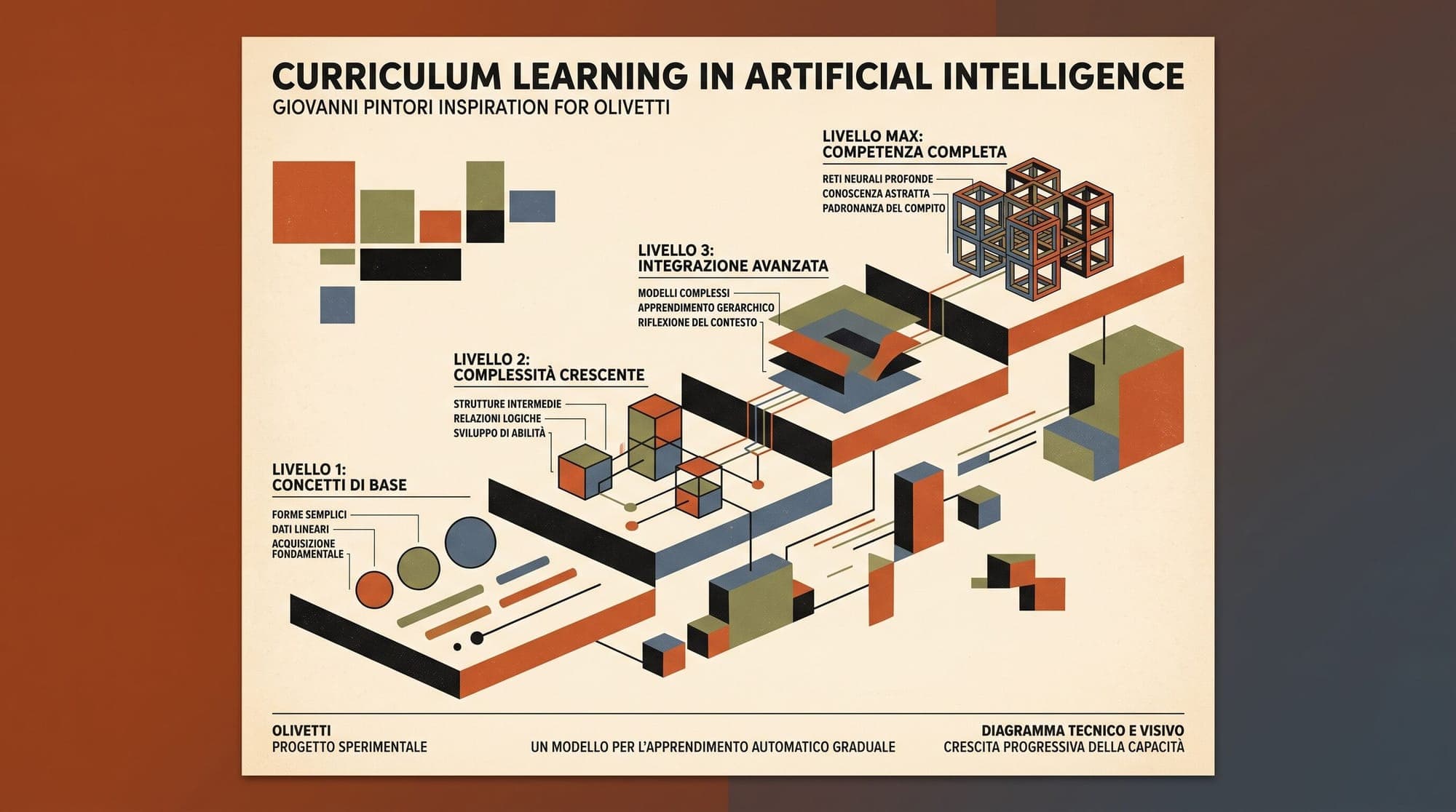
  14. Curriculum Learning in Large Language Models: How Difficulty Pacing, Competence Progression, and Task Scheduling Shape Training Dynamics

    In standard large language model pre-training and fine-tuning pipelines, training batches are almost universally sampled uniformly and independently at random from a static corpus: $$\mathcal{D} = \{z_i = (x_i, y_i)\}_{i=1}^N$$ While this independent and identically distributed (i.i.d.) sampling paradigm aligns with empirical risk minimization (ERM), it ignores the non-convex geometry of deep transformer loss surfaces. Early in training, when network parameters are randomly initialized or unal

    Explainers
    12 min read
  15. SEC Probes Leopold Aschenbrenner's AI Investment Fund Situational Awareness

    The US Securities and Exchange Commission has launched an inquiry into Situational Awareness, the AI-focused investment fund founded by former OpenAI researcher Leopold Aschenbrenner, according to a report by The New York Times. The investigation follows a sharp July 2026 market downturn across artificial intelligence equities that triggered severe portfolio drawdowns for the high-profile fund. Scope of Subpoenas and Banking Relationships Federal regulators have issued subpoenas to multiple

    AI
    2 min read
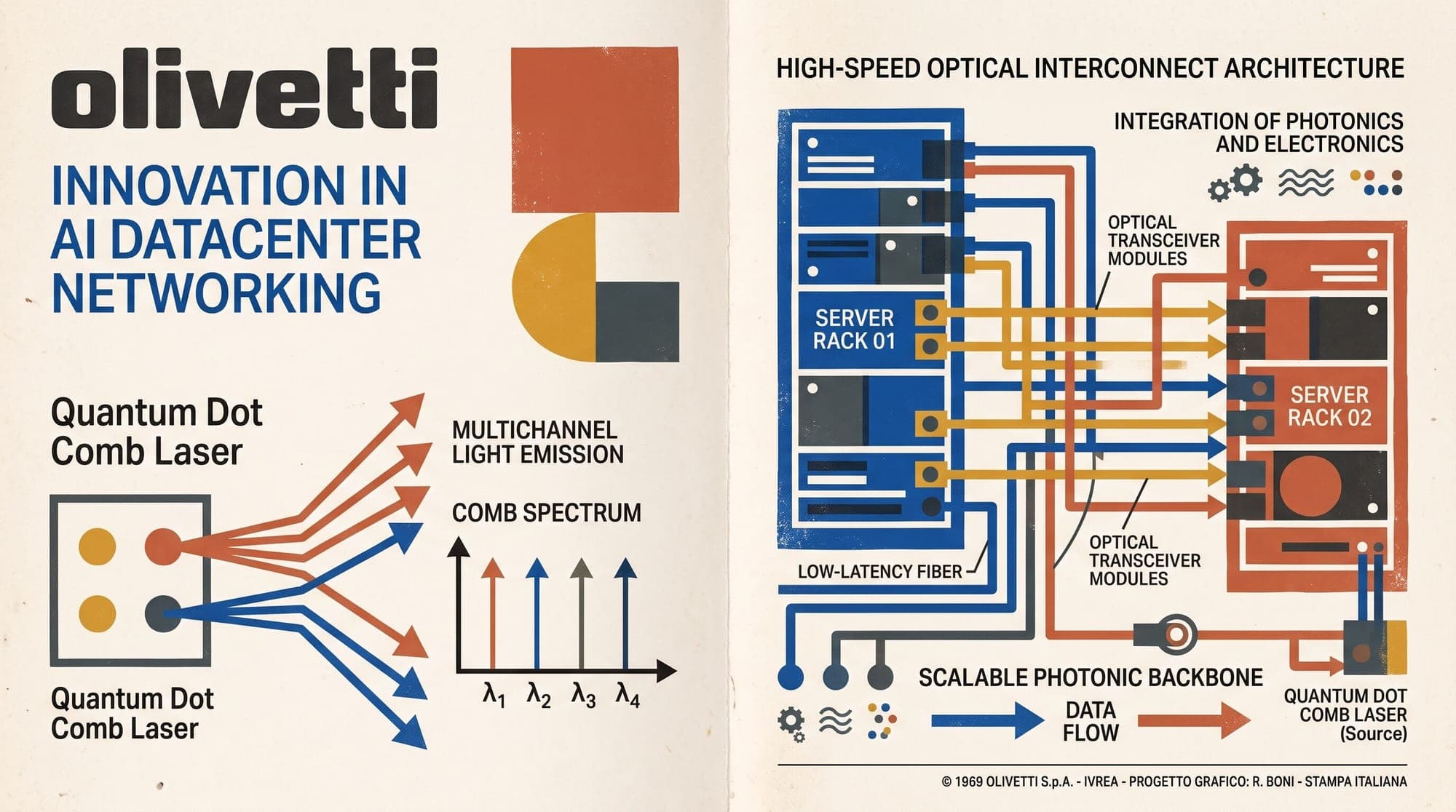
  16. Quintessent Secures $40M Series A to Scale Quantum Dot Comb Lasers for AI Clusters

    Optical interconnect startup Quintessent has raised $40 million in an oversubscribed Series A funding round to commercialize quantum dot comb lasers for AI data center networking. The round was led by Cycle Capital, with participation from Goldman Sachs XIG-Industry Ventures, optical networking provider Ciena, Hina Liberty Capital, Susquehanna International Group, InterVest, Safar Partners, M Ventures, Osage University Partners, Foothill Ventures, and Sierra Ventures. The financing follows an $

    AI
    2 min read
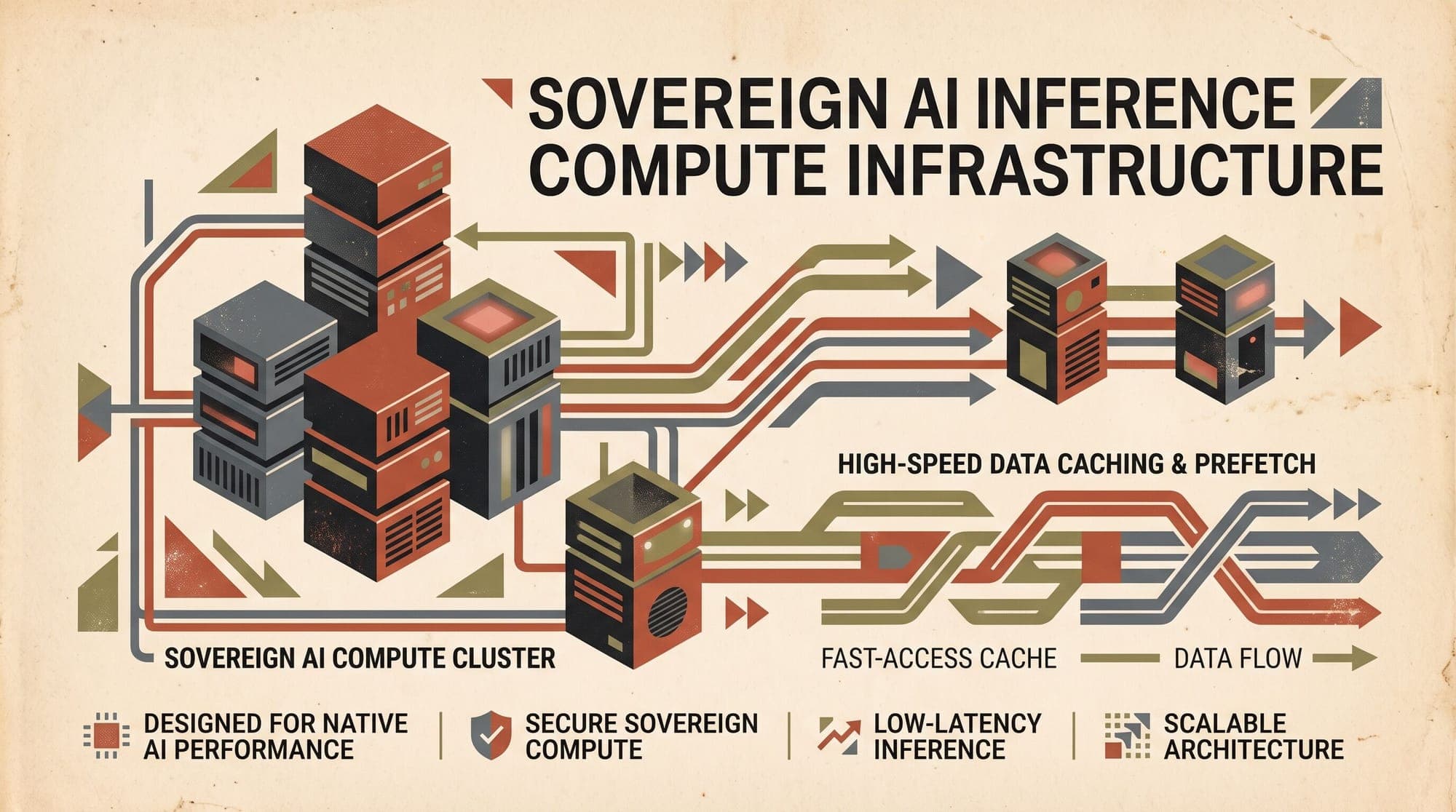
  17. SCX.ai Partners With DDN to Scale Australian Sovereign AI Inference Infrastructure

    Australian sovereign AI infrastructure provider SCX.ai has entered a strategic partnership with data storage systems vendor DDN to expand its domestic AI inferencing cloud. The collaboration combines SCX's ASIC-based compute clusters with DDN's Infinia data management platform, targeting enterprise, government, and scientific research workloads that must remain strictly within Australian jurisdiction. The agreement comes days after SCX completed a $40 million initial public offering on the Aust

    AI
    2 min read
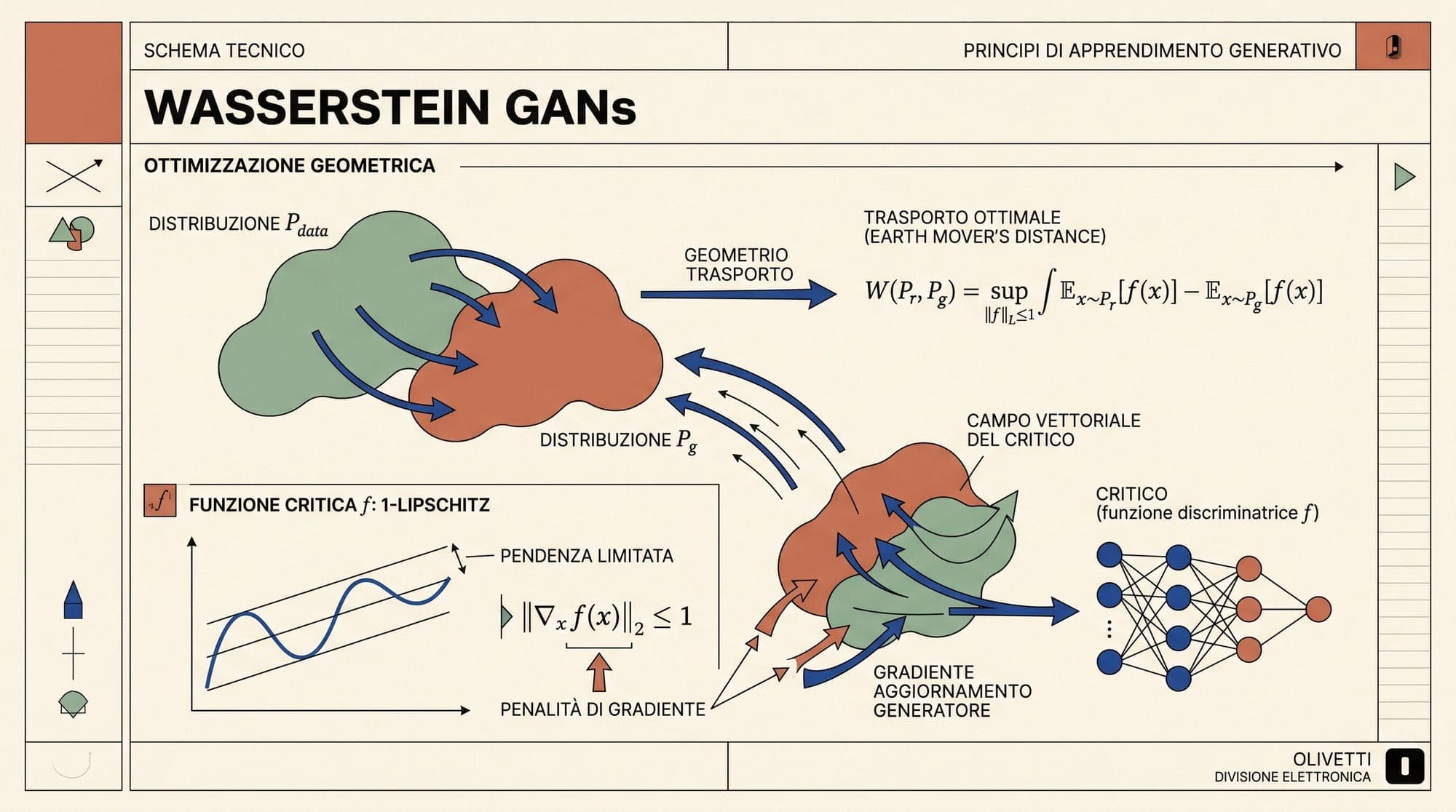
  18. Wasserstein GANs: How Earth Mover's Distance, Kantorovich-Rubinstein Duality, and Gradient Penalties Fixed Generative Adversarial Training

    Wasserstein GANs: How Earth Mover's Distance, Kantorovich-Rubinstein Duality, and Gradient Penalties Fixed Generative Adversarial Training Generative Adversarial Networks (Goodfellow et al., 2014) established an influential paradigm for generative modeling: formulating data synthesis as a minimax game between a generator mapping latent noise to data space and a discriminator distinguishing synthetic samples from real empirical data. Despite early empirical success, the original GAN formulation

    AI
    11 min read
  19. Meta Prepares Consumer AI Agent 'Hatch' and October Launch for 'Watermelon' Frontier Model

    Meta Platforms is preparing to roll out an autonomous consumer AI agent codenamed Hatch in late August or early September, followed by the planned release of its next flagship foundation model, codenamed Watermelon, in October 2026. The initiatives, first reported by The Information, highlight Meta's dual-track approach to commercialize autonomous software workflows while scaling foundation model training compute to compete directly with frontier offerings from OpenAI and Anthropic. Consumer

    Meta
    2 min read
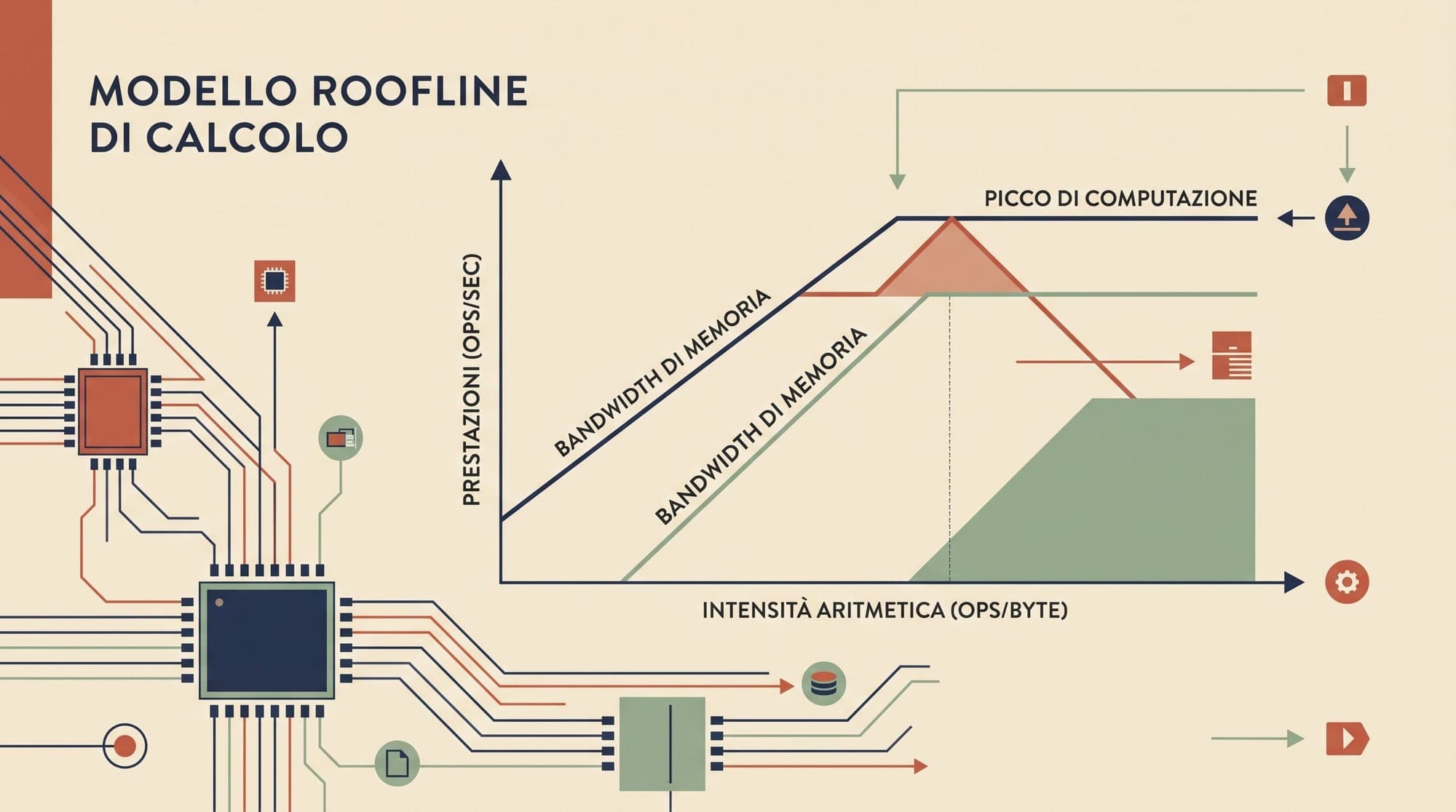
  20. Continuous LLM Performance Profiling in Production: Roofline Models, Model FLOPs Utilization, Model Bandwidth Utilization, and Hardware Bottleneck Diagnostics

    Evaluating the runtime performance of large language model serving infrastructures requires looking beyond raw GPU metrics. Standard operating system utilities such as nvidia-smi report high GPU utilization percentages whenever compute cores or memory controllers are active, masking critical inefficiencies in memory access, communication, and kernel scheduling. A serving node running single-stream autoregressive decoding can report 100% GPU utilization while operating at less than 2% of the hard

    AI
    7 min read