Subscribe
Topic

Data Engineering

Data engineering for LLM systems. Posts compare data annotation and preference labeling tools like Argilla and Label Studio, explain PII redaction and reversible tokenization, and cover incremental data ingestion and sync for production RAG.

Articles

1-3
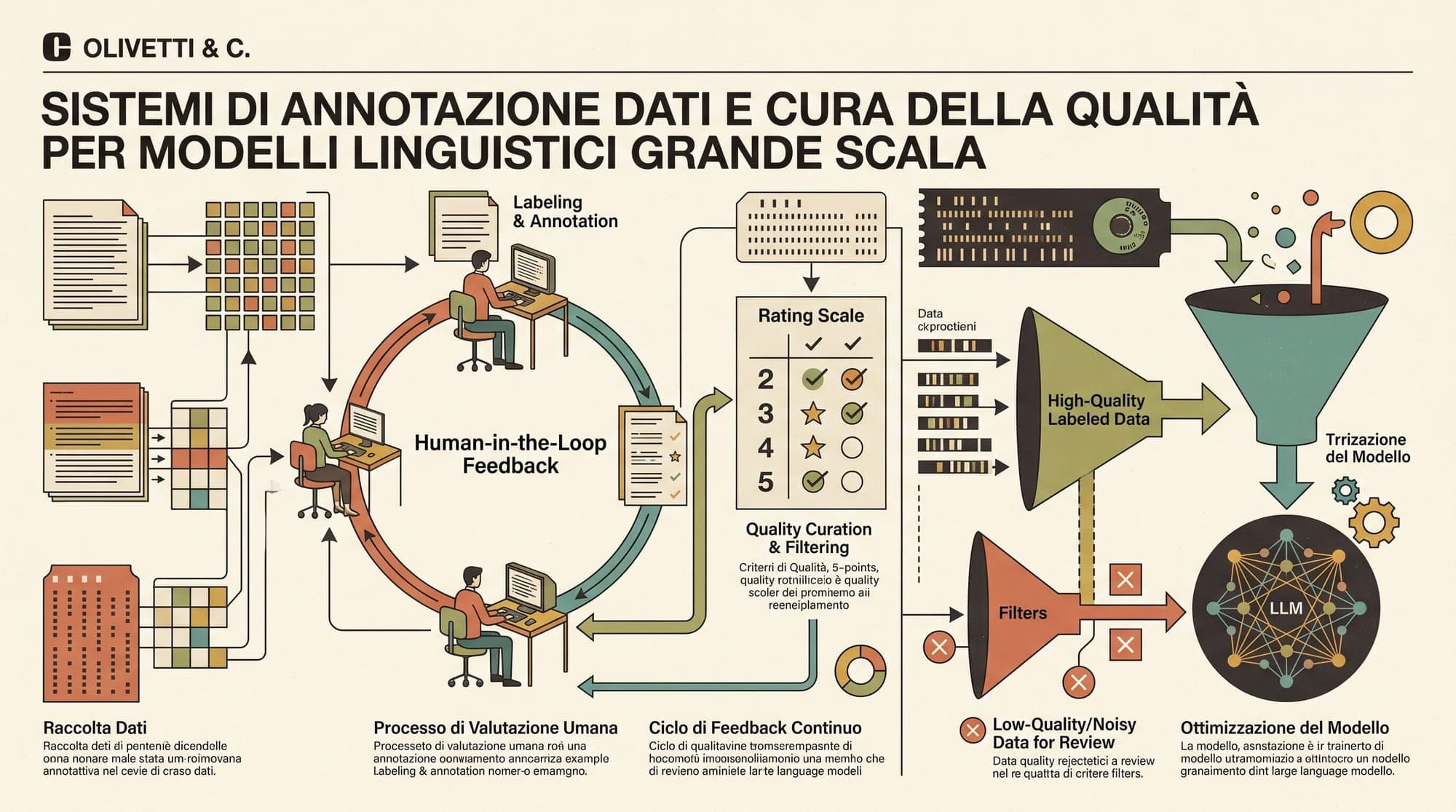
  1. Data Annotation and Preference Labeling Frameworks in Production: Comparing Argilla, Label Studio, Prodigy, and Cleanlab

    Modern frontier and open-weight large language models rely heavily on curated data pipelines across Supervised Fine-Tuning (SFT), Reinforcement Learning from Human Feedback (RLHF), and Direct Preference Optimization (DPO). While pre-training ingests trillions of uncurated tokens from the public web, post-training alignment requires high-precision preference rankings, instruction demonstrations, and safety boundary evaluations. Empirical research demonstrates that a few thousand meticulously cura
    AI
    6 min read
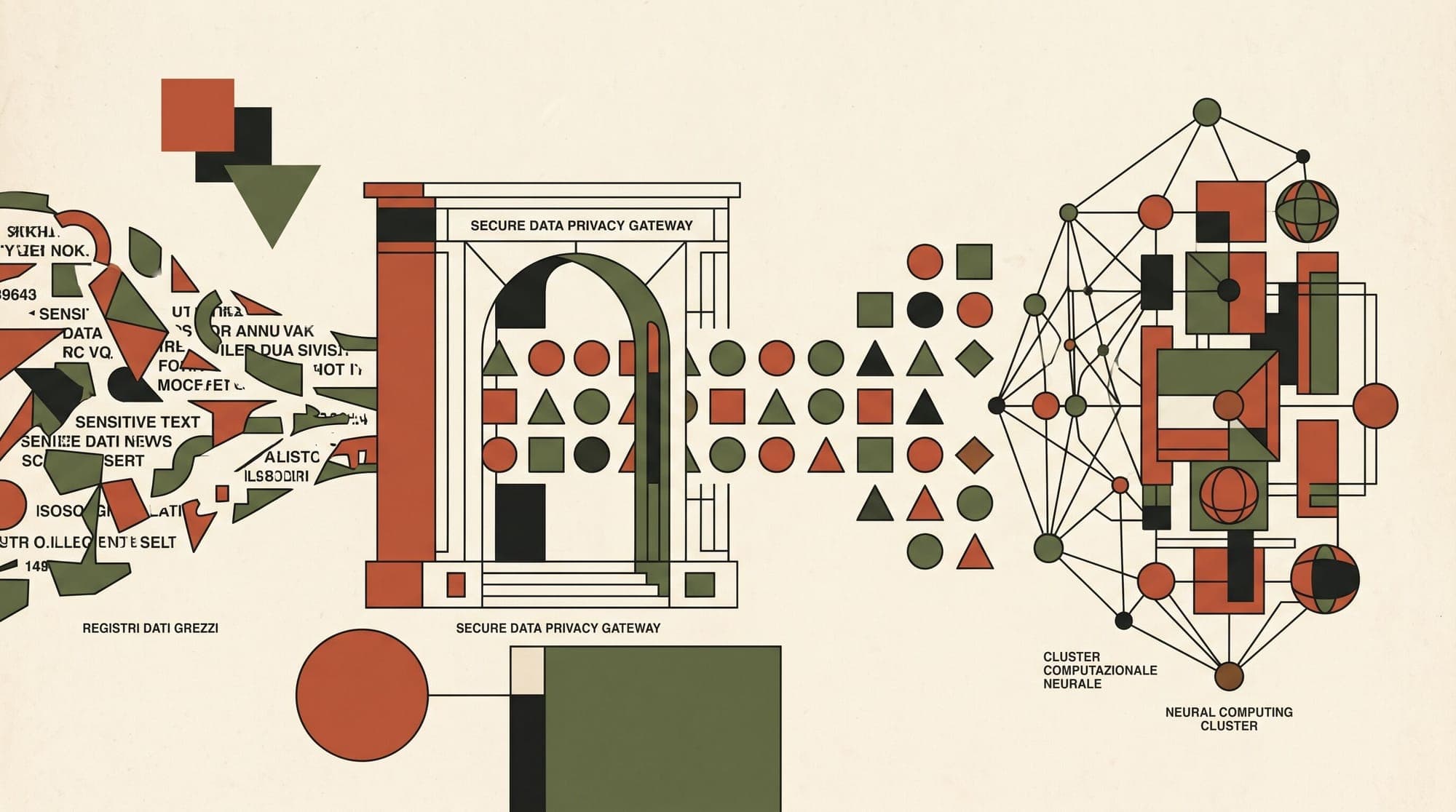
  2. PII Redaction and Reversible Tokenization in Production LLM Systems: Architecture, NER Latency, and Streaming De-Anonymization

    In enterprise production environments, forwarding unsanitized prompt payloads to third-party model providers or logging raw agent execution traces exposes organizations to severe regulatory liability. Under frameworks such as GDPR Article 4(1), the HIPAA Safe Harbor standard, and the California Privacy Rights Act (CPRA), personally identifiable information (PII) including patient health identifiers, Social Security numbers, credit card data, full names, and personal email addresses cannot be tra

    AI
    7 min read
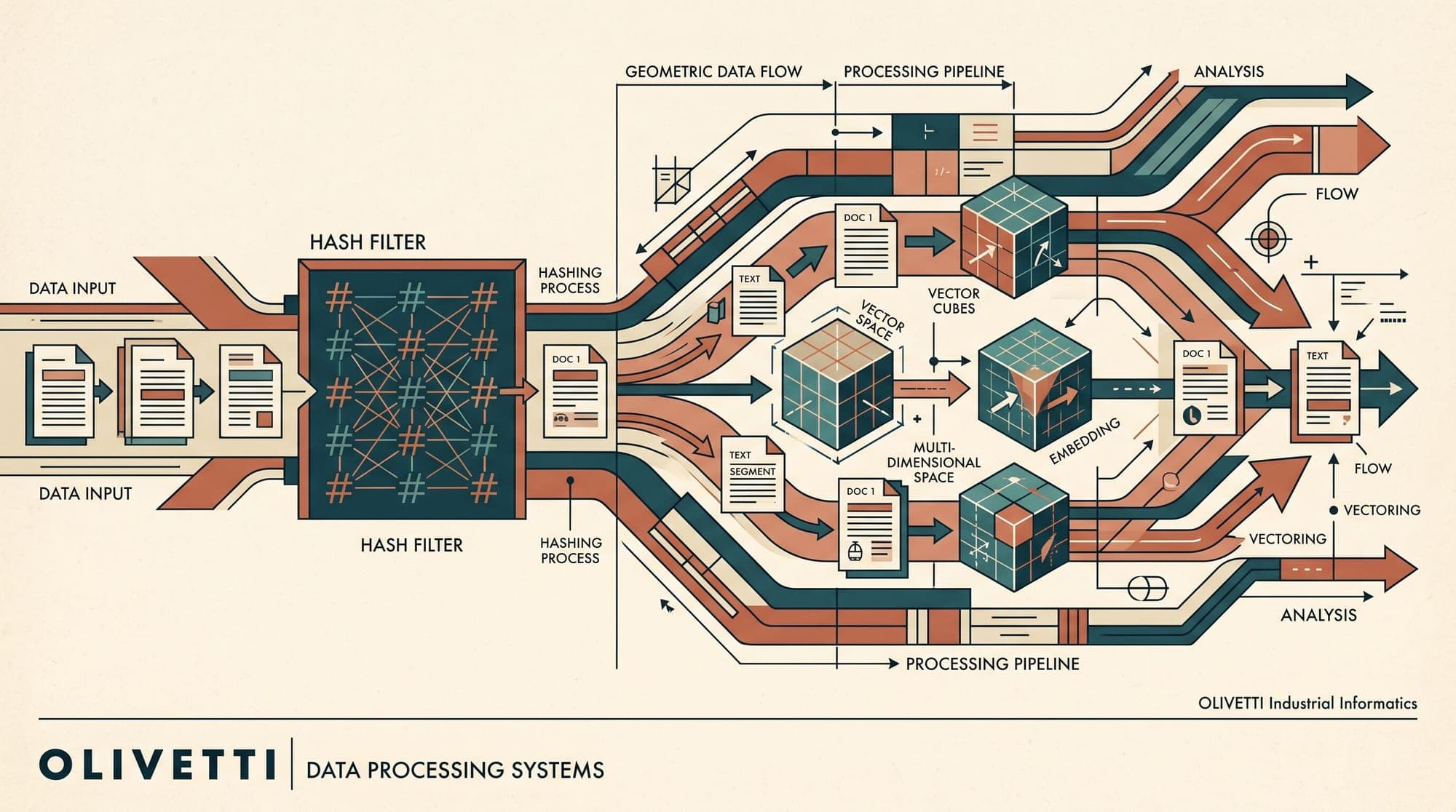
  3. Data Ingestion and Incremental Sync for Production RAG: CDC Streams, Content Hashing, Backpressure, and Zero-Downtime Indexing

    Maintaining retrieval-augmented generation (RAG) systems in production introduces a fundamental distributed systems challenge that rarely surfaces in proof-of-concept architectures: state synchronization. While initial ingestion across a static document corpus is straightforward, production data sources (PostgreSQL databases, transactional stores, object storage, and enterprise knowledge hubs) undergo continuous mutation. Records are inserted, updated, soft-deleted, and reassigned new access per

    RAG
    8 min read