Subscribe
Topic

Context Engineering

Context engineering manages what goes into an LLM's context window. Posts explain context compaction and session pruning for long-running AI agents, and cover a Penn State study finding that compression dropped 83 percent of user constraints.

Articles

1-3
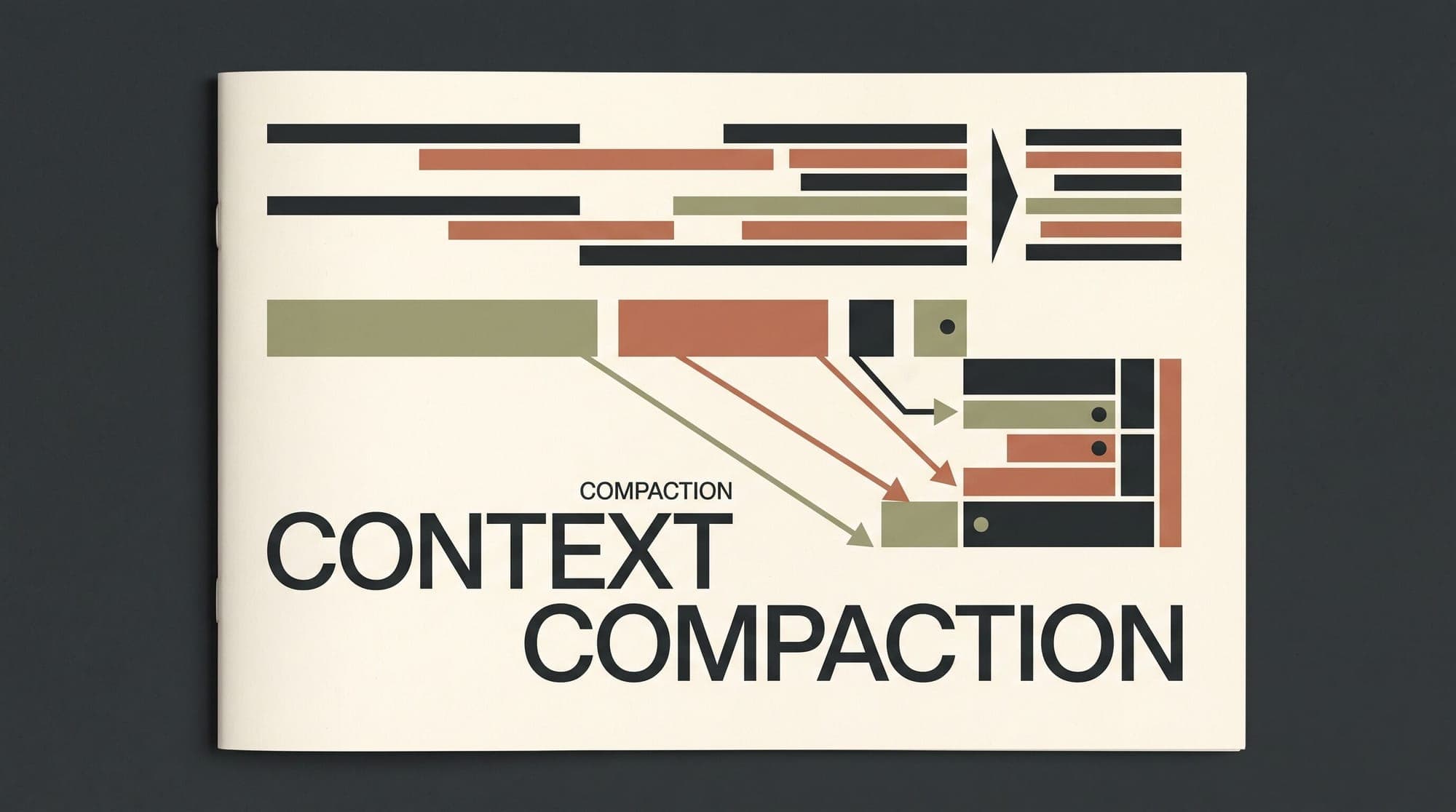
  1. Context Compaction and Session Pruning in Production AI Agents: Architecture, Hierarchical Summarization, and Constraint Preservation

    Context Compaction and Session Pruning in Production AI Agents: Architecture, Hierarchical Summarization, and Constraint Preservation Long-running autonomous agents executing multi-step workflows (codebase refactoring, recursive research, multi-turn debugging, and system operations) face an inevitable physical ceiling: working context exhaustion. As an agent executes shell commands, inspects repository trees, parses LSP diagnostics, and consumes tool outputs, the active context window fills rap

    Agents
    7 min read
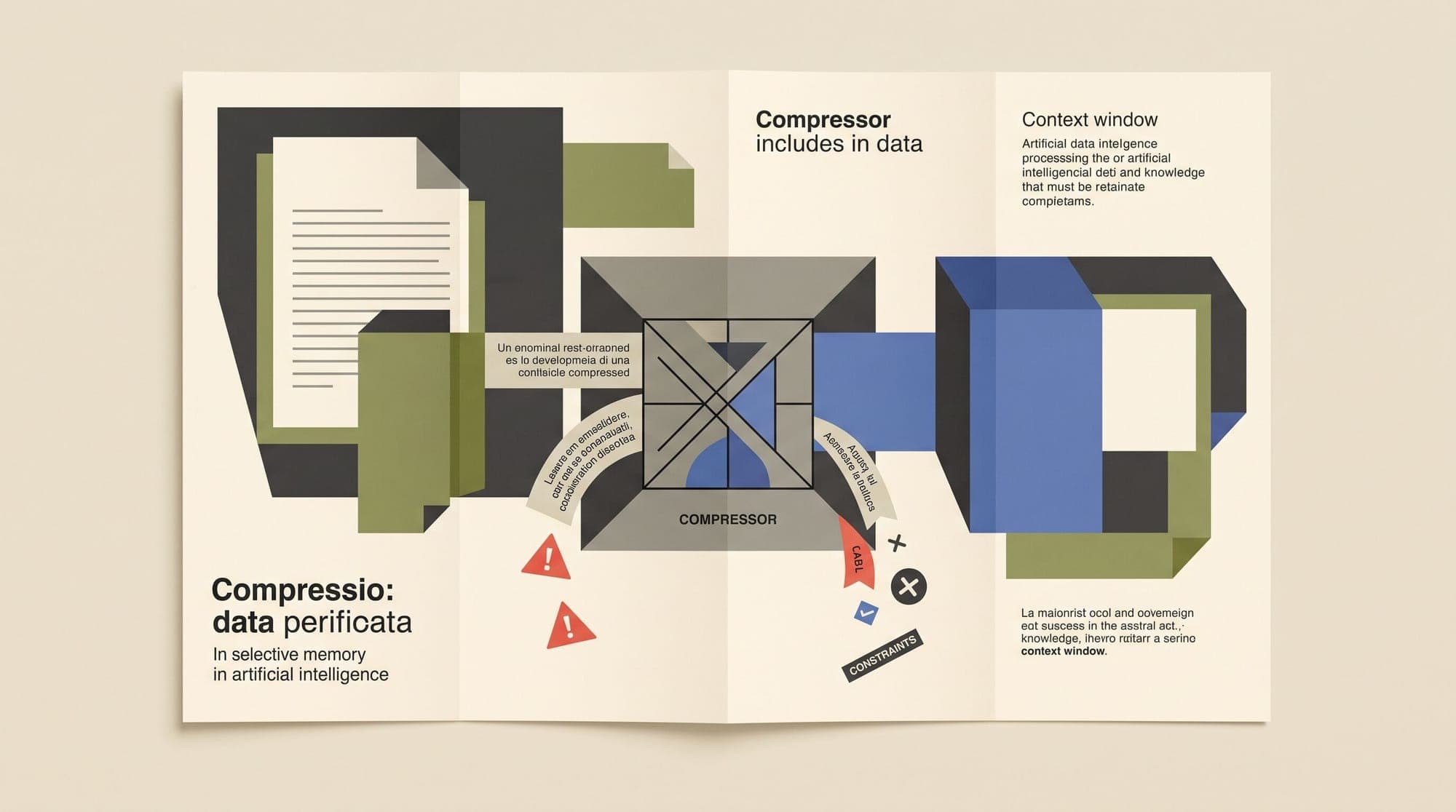
  2. Lost in Compaction: LLM Context Compression Drops 83% of User Constraints, Penn State Study Finds

    As large language models take on longer multi-turn workflows and agentic tasks, systems increasingly rely on context compaction to summarize past conversation histories and keep prompt lengths within memory budgets. However, this compression comes at a severe cost to user control. A new study by Pennsylvania State University researchers Zhiqi Wang, Yichi Zhang, Dongwon Lee, and Yuchen Yang reveals that standard context compaction drops an average of 83 percent of user-defined operational constr

    AI
    2 min read