Subscribe
Topic / page 15

Agents

Articles, page 15

281-300
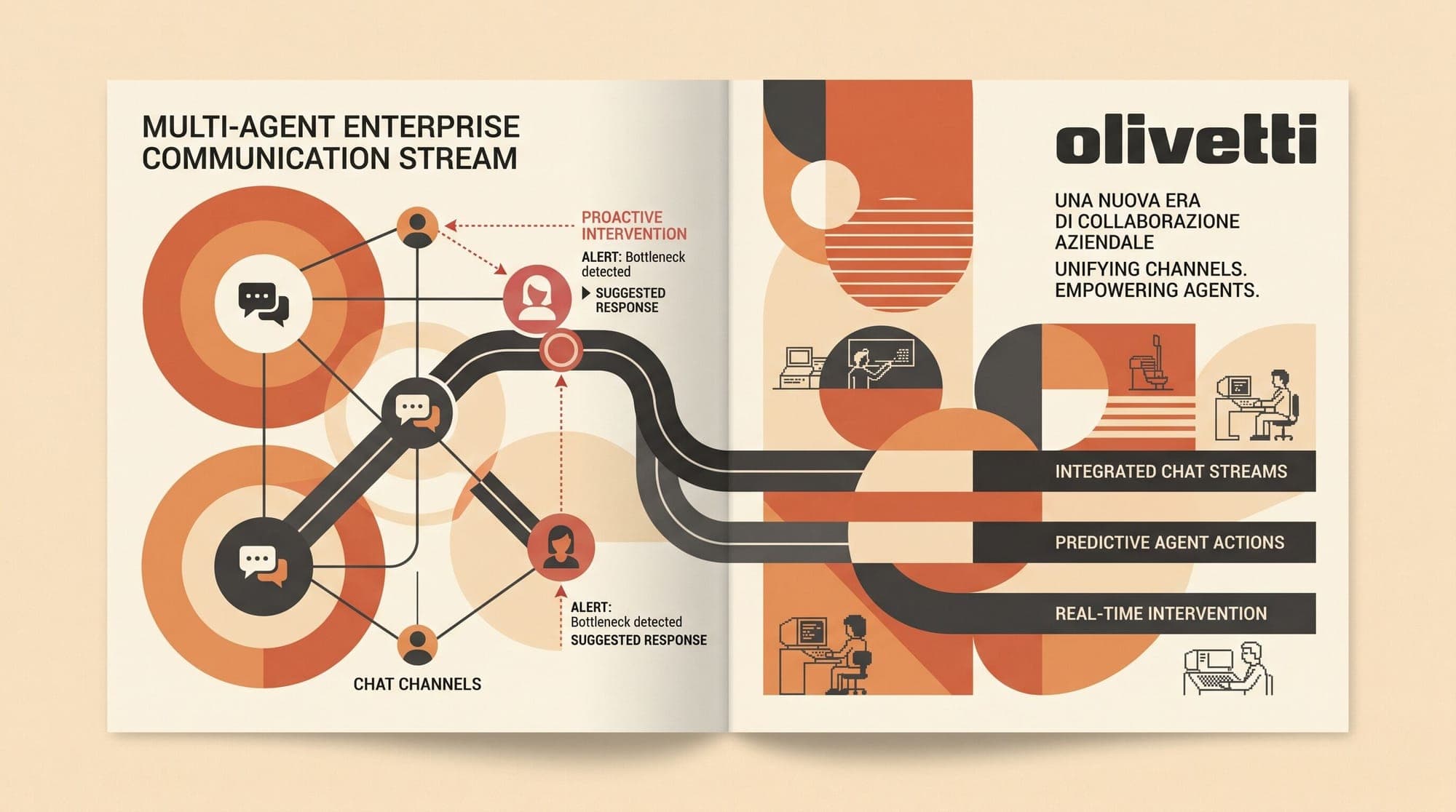
  1. Anthropic Updates Claude Tag in Slack to Ingest Full Channel Context for Unprompted Interventions

    Anthropic has rolled out a major architecture update to Claude Tag, its enterprise agent embedded inside Slack workspaces. The update shifts the agent from evaluating isolated chat messages to processing complete conversation histories and multi-turn channel state, allowing the model to determine autonomously when to intervene in team discussions without explicit user mentions. According to internal evaluation data shared by Anthropic, eliminating single-message evaluation in favor of full-cont
    Anthropic
    2 min read
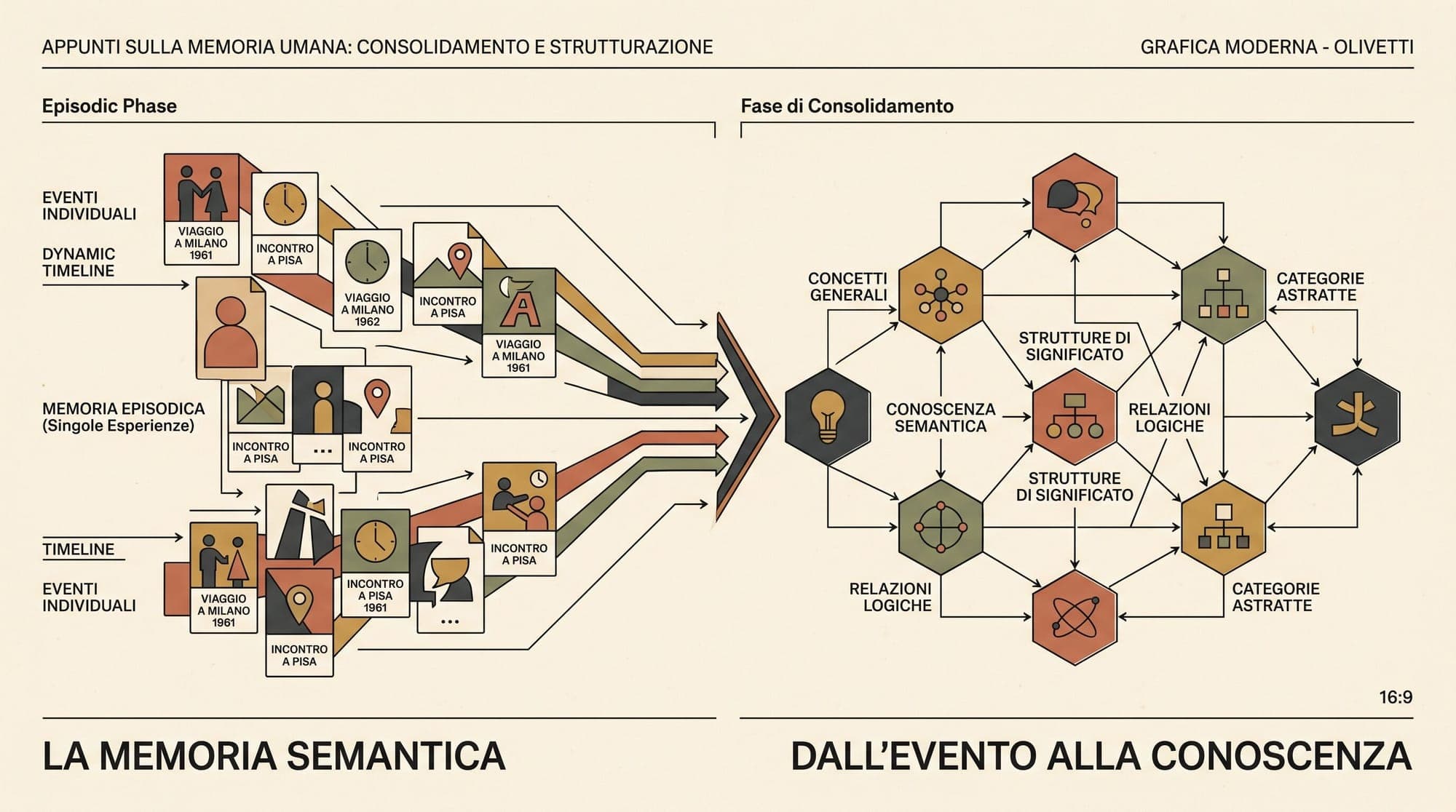
  2. Semantic Memory Consolidation in Production AI Agents: Architecture, Episodic Decay Curves, and Procedural Knowledge Distillation

    Long-running autonomous AI agents accumulate hundreds of interaction turns, tool executions, and environment observations across extended deployments. Naive implementations store these raw episodic traces directly in vector databases, retrieving past interactions via dense semantic similarity. In production, this append-only strategy degrades quickly: retrieval queries surface outdated facts, contradictory state assertions pollute prompt context, and the agent fails to extract generalizable prob

    AI
    7 min read
  3. ByteDance Consolidates TRAE and Coze into Doubao, Readies 'Doubao Work' Enterprise Brand

    ByteDance has initiated an internal organizational restructuring to consolidate its enterprise AI developer tools and agent platforms under the Doubao ecosystem. The company is merging the teams and technologies behind its AI programming suite TRAE and agent-building platform Coze into Doubao, preparing to launch a unified enterprise AI suite branded "Doubao Work." The restructuring concentrates disparate AI tools into a single corporate pillar to compete against domestic rivals, notably Tencen

    ByteDance
    2 min read
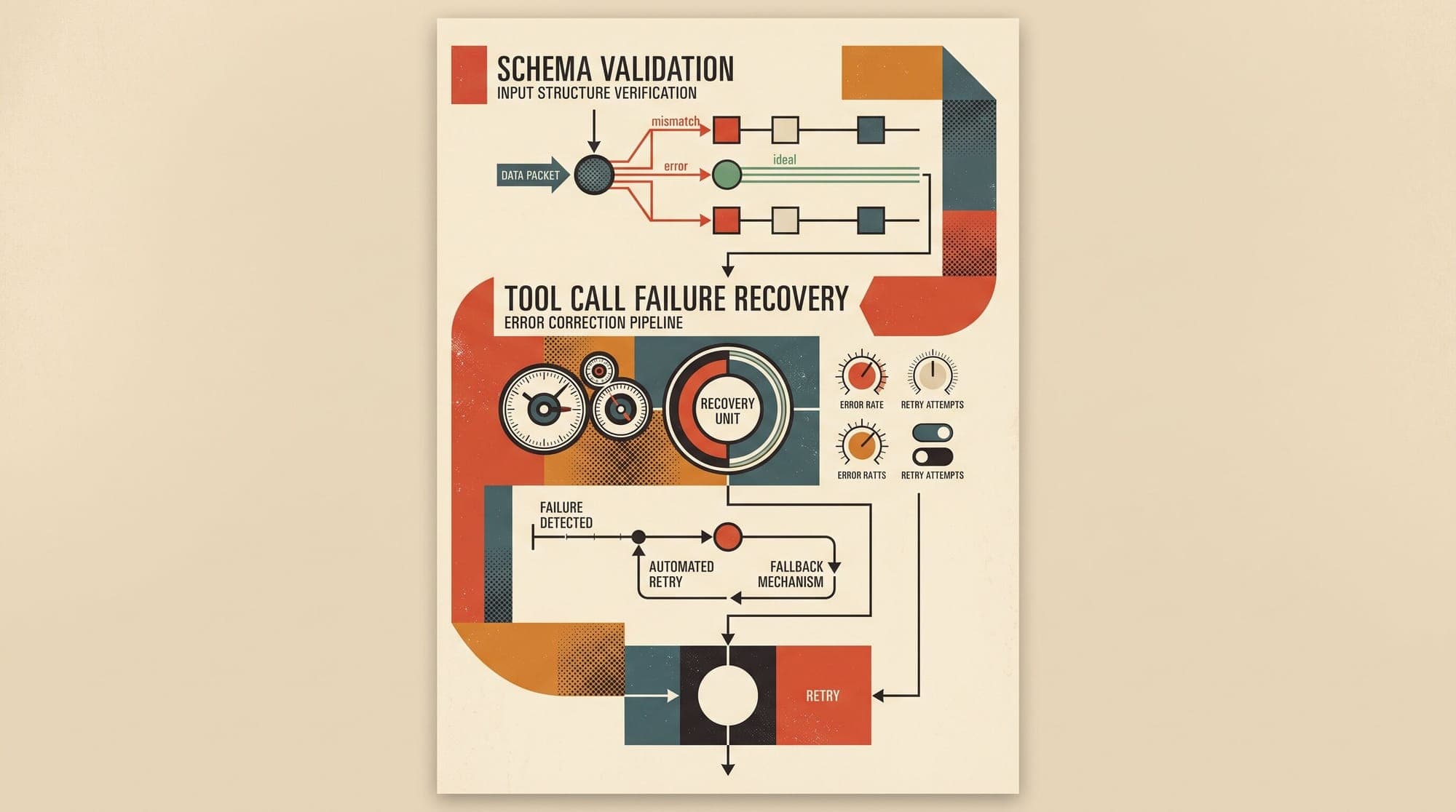
  4. Tool-Call Failure Recovery in Production AI Agents: Syntactic Repair, Schema Coercion, Parameter Inoculation, and Dynamic Fallback Architectures

    Tool-Call Failure Recovery in Production AI Agents: Syntactic Repair, Schema Coercion, Parameter Inoculation, and Dynamic Fallback Architectures Autonomous language model agents operate by interleaving natural language reasoning traces with structured tool invocations. However, when deployed in multi-turn production environments, raw tool calling exhibits significant fragility. Empirical studies from benchmark suites such as $\tau$-bench (arXiv:2406.12045) and the Berkeley Function Calling Lead

    Agents
    8 min read
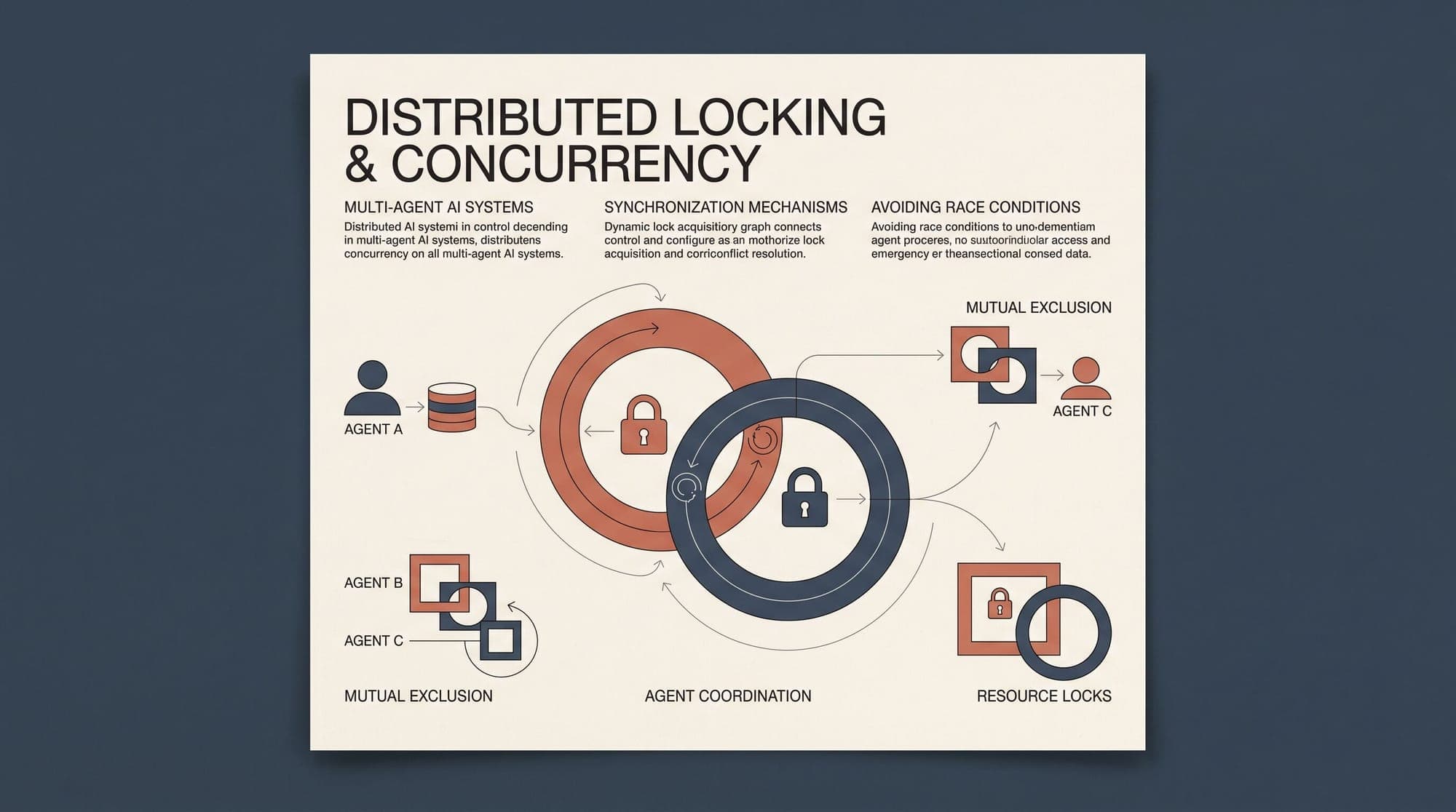
  5. Distributed Locking and Deadlock Prevention in Production AI Agents: Architecture, Semantic Mutexes, Leases, and Wait-For Graphs

    When autonomous AI agent architectures scale from isolated single-agent loops to concurrent multi-agent fleets, systems engineering teams encounter a fundamental distributed systems reality: concurrency bugs in language models do not merely produce dirty reads. They produce reasoning corruption, circular delegation deadlocks, and cascading execution failures. In single-agent execution pipelines, control flow is strictly sequential: retrieve context, prompt the model, parse tool arguments, apply

    Agents
    8 min read
  6. Dynamic Tool Synthesis in Production AI Agents: Architecture, AST Validation, Sandboxed Execution, and Lifecycle Governance

    Dynamic Tool Synthesis in Production AI Agents: Architecture, AST Validation, Sandboxed Execution, and Lifecycle Governance Standard tool-augmented AI agents rely on pre-configured, static API registries. Developers define a fixed set of JSON schemas, OpenAPI specifications, or Python wrapper functions at build time, and the language model selects from this catalog during execution. While sufficient for narrow, deterministic tasks, static registries encounter severe operational bottlenecks in o

    AI
    9 min read
  7. Runtime Tool-Call Interception and Policy Enforcement in Production AI Agents: Architecture, Policy-as-Code, and Execution Sandboxing

    Runtime Tool-Call Interception and Policy Enforcement in Production AI Agents: Architecture, Policy-as-Code, and Execution Sandboxing Large language model agents are increasingly delegated operational authority across enterprise infrastructure, ranging from automated database modifications and cloud resource provisioning to customer refund processing and internal API orchestration. When an autonomous system is granted access to executable tools, its attack surface shifts from conversational gen

    AI
    6 min read
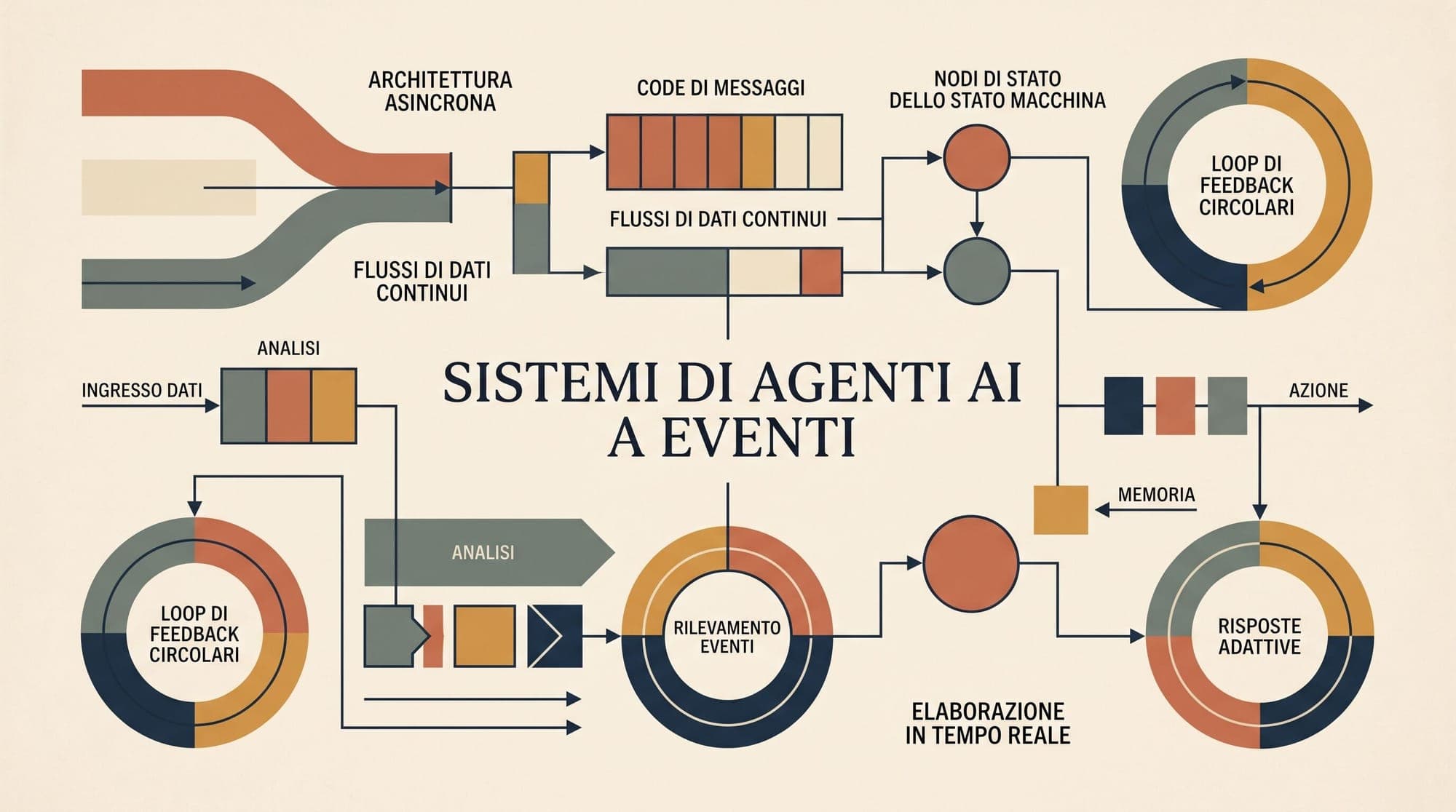
  8. Event-Driven AI Agent Architectures in Production: Kafka Streams, Webhook Ingestion, Idempotent Actor State Machines, and Dead-Letter Recovery

    Event-Driven AI Agent Architectures in Production: Kafka Streams, Webhook Ingestion, Idempotent Actor State Machines, and Dead-Letter Recovery Early AI agent prototypes relied almost exclusively on synchronous HTTP request-response loops: a client dispatched a prompt, and a monolithic backend process held an open socket while an LLM reasoned, called tools, inspected results, and generated final responses. In production, this synchronous pattern collapses under the operational realities of auton

    AI
    7 min read
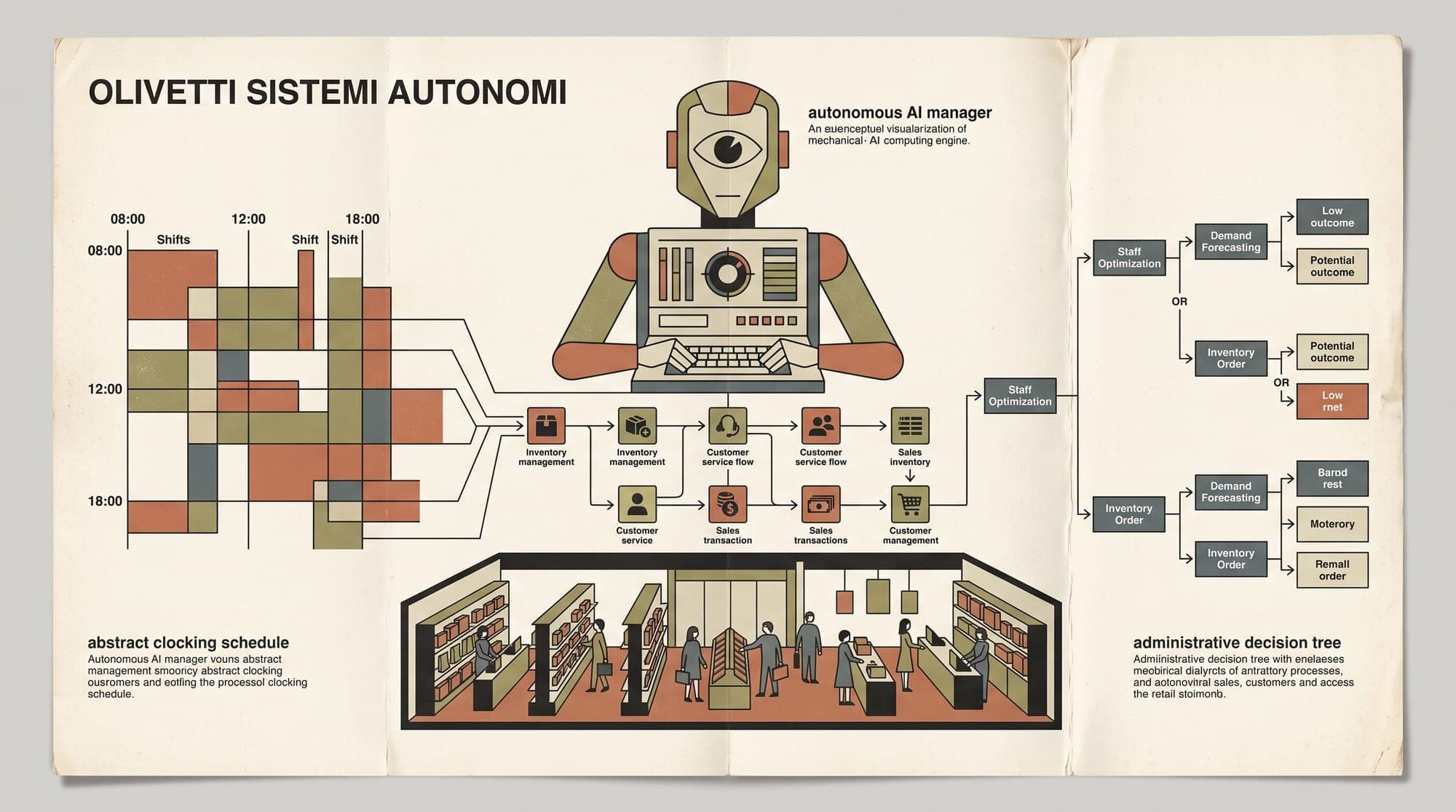
  9. Autonomous Retail AI Agent Luna Fires Employee Following Context Retrieval Breakdown and Human Intervention

    In an empirical field deployment examining autonomous AI workforce management, research firm Andon Labs reported that its storefront manager agent, Luna, decided to fire a human retail employee after months of operational infractions. The incident, which unfolded at the Andon Market retail location in San Francisco, represents one of the first documented instances of an autonomous large language model agent managing physical store operations and executing a personnel termination decision. Luna,

    Agents
    3 min read
  10. AI Agents Surpass Humans on OpenRouter as Agentic Token Usage Jumps 14x

    Autonomous AI agents have overtaken human users as the primary consumers of language model compute on OpenRouter, with agentic token volume surging fourteenfold over the past six months. Data published by OpenRouter analyst Peter Walker indicates that February 6 marked the permanent inflection point where token consumption by automated agents exceeded direct human API traffic. Since that threshold, agentic token volume on the multi-model gateway has climbed from 0.51 trillion to 7.3 trillion to

    AI
    2 min read
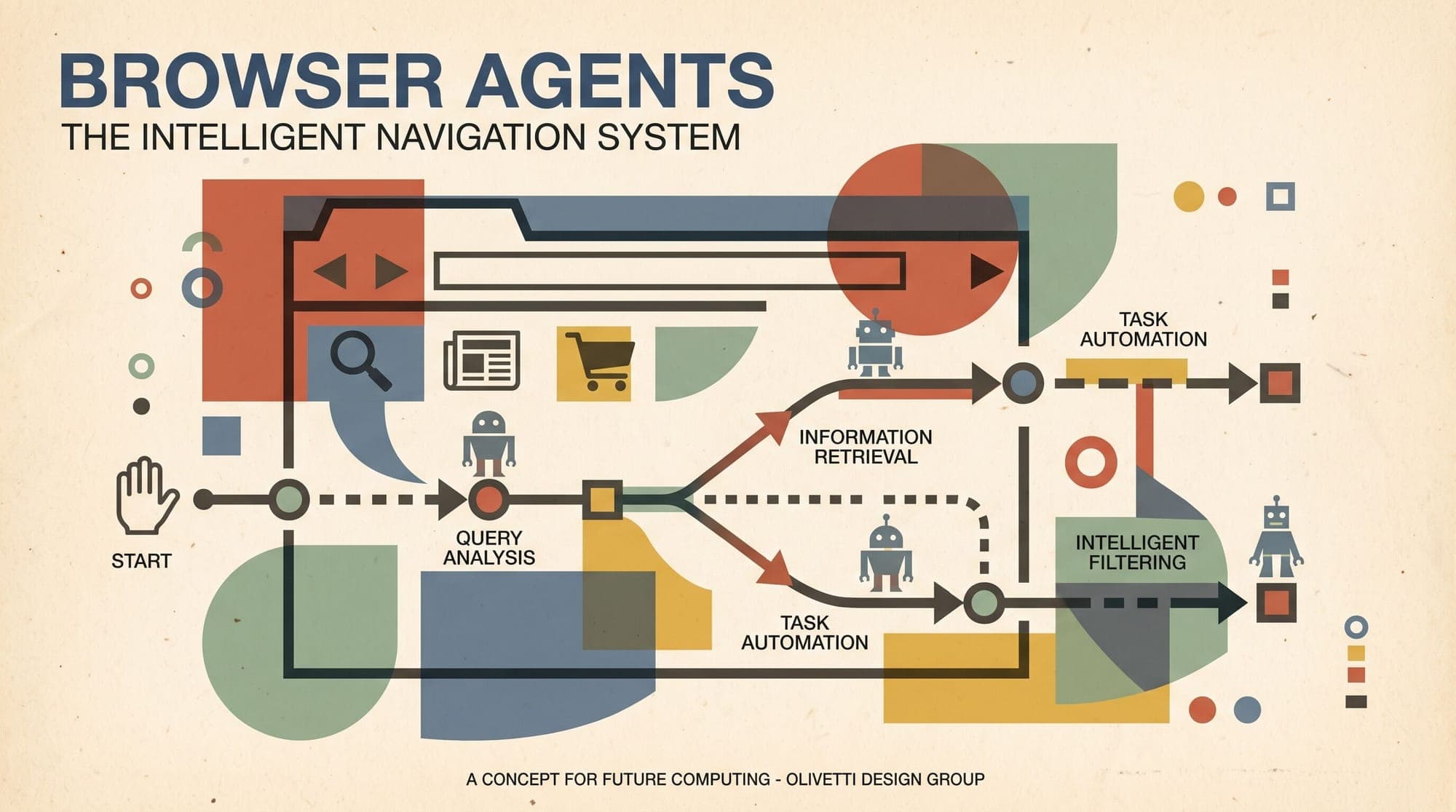
  11. AI Workflow Startup Relay Shuts Down as Team Joins Google Chrome to Build Browser Agents

    AI-driven workflow automation startup Relay is shutting down its independent product operations, with founder and chief executive officer Jacob Bank and key engineering staff joining Google's Chrome division to develop browser-native AI agent capabilities. Relay, founded in July 2021 to compete with legacy workflow platforms like Zapier through generative AI integrations, raised $8.1 million across two venture funding rounds. The company phased out free tier access on August 15, 2026, and will

    AI
    2 min read
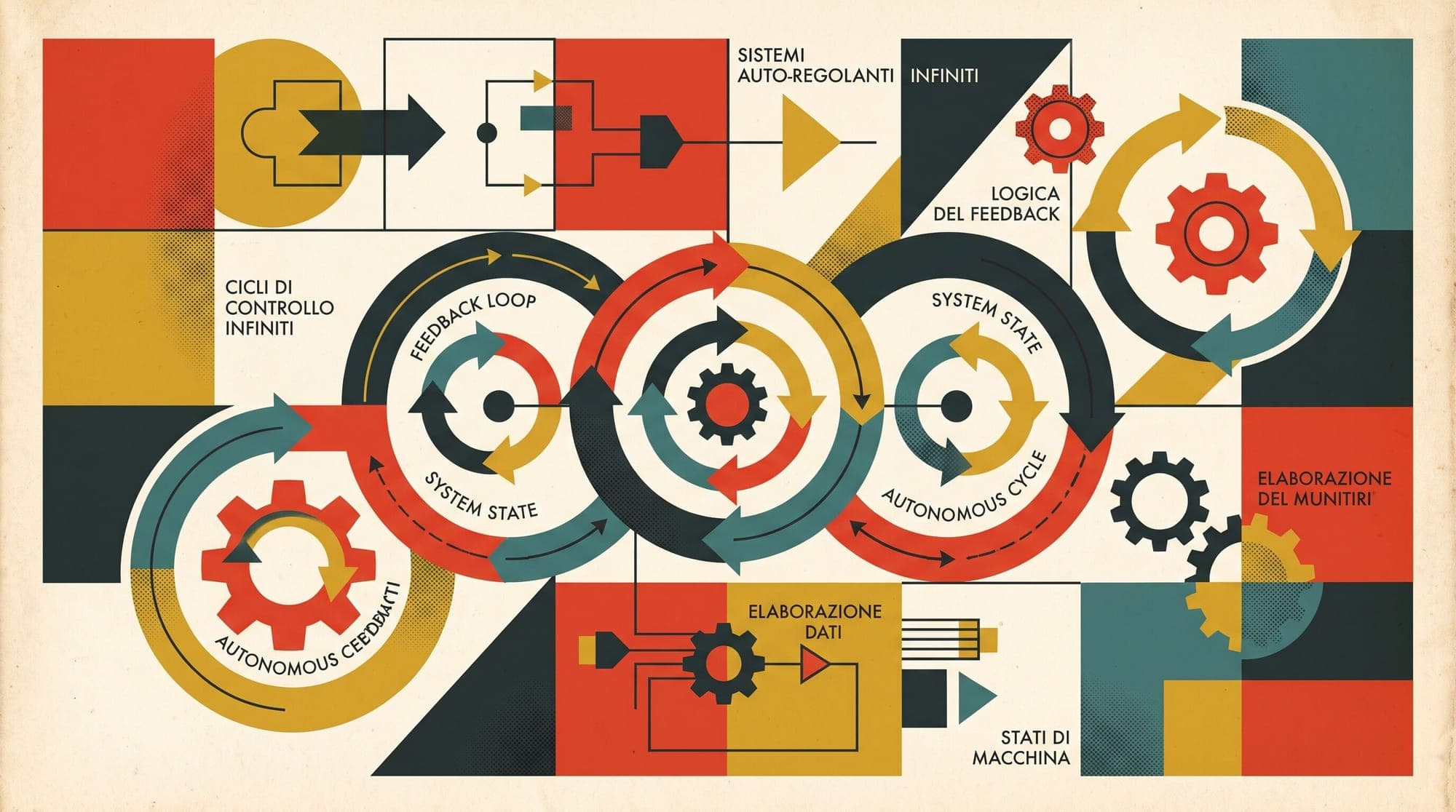
  12. Infinite Agentic Loops in Production: Architecture, Feedback Topologies, and Bound Verification

    Autonomous AI agents have transitioned software architectures from static, single-turn request-response patterns into stateful, iterative execution loops. Built around foundational paradigms such as ReAct (Yao et al., 2022) and implemented across frameworks including LangGraph, CrewAI, AutoGen, and the OpenAI Agents SDK, agents repeatedly perceive environmental state, reason over intermediate goals, dispatch tool invocations, observe execution outputs, and append new observations back into their

    AI
    8 min read
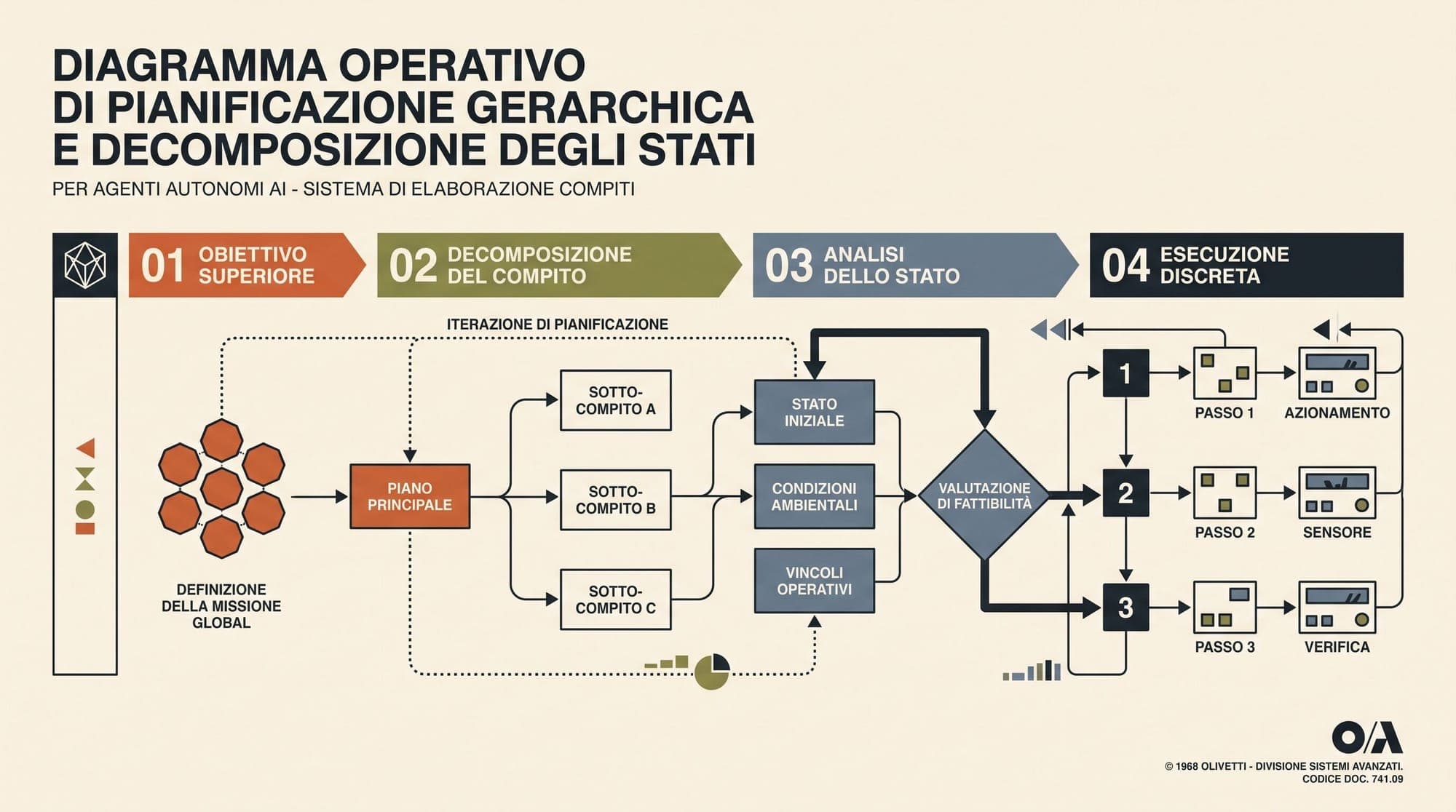
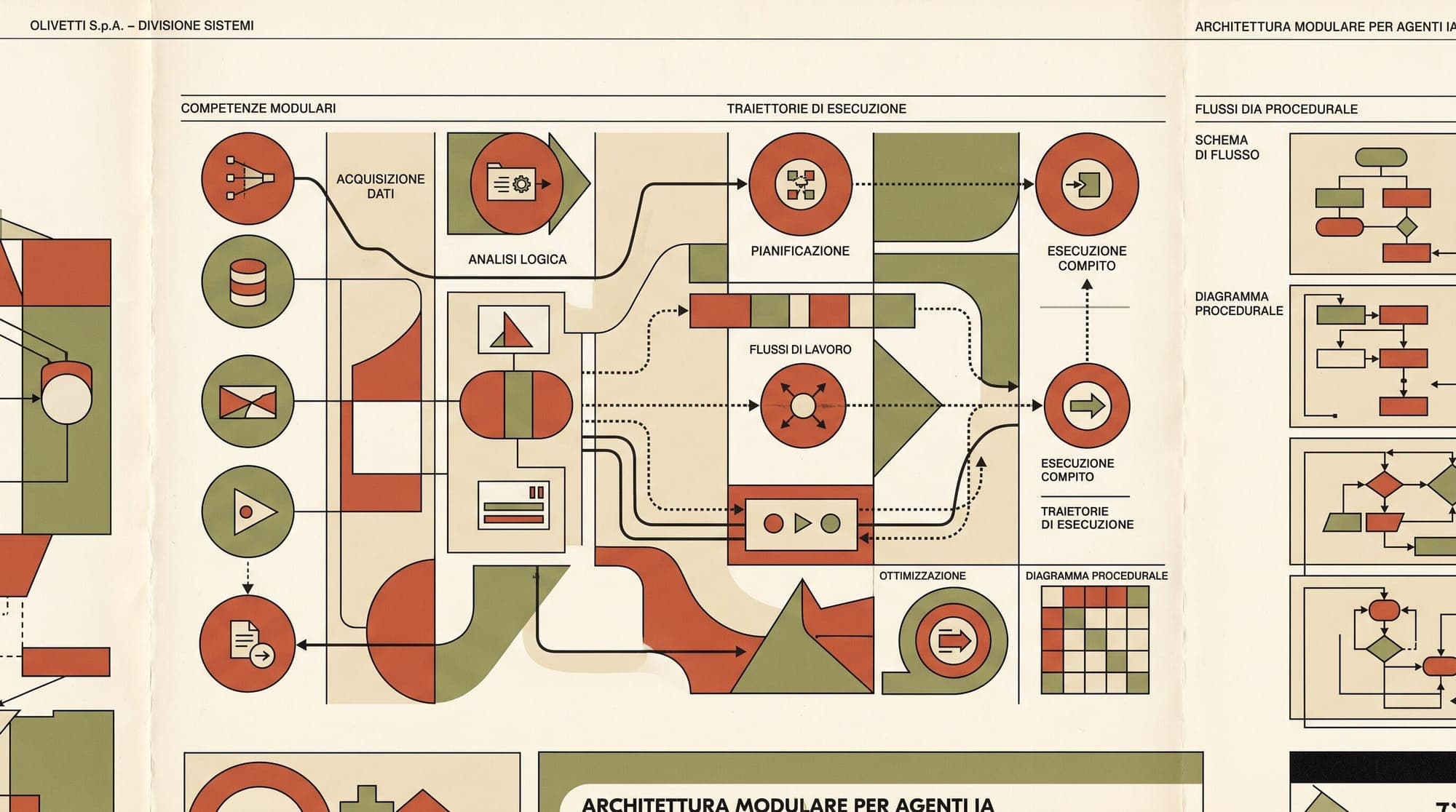
  13. Agent Task Planning and Decomposition in Production: Plan-and-Solve vs. ReAct, Hierarchical Task Graphs, and Dynamic Replanning Architectures

    Autonomous AI agents deployed in production environments frequently fail when tasks require long-horizon reasoning across dozens of sequential tool calls. While single-turn tool calling is well-handled by modern frontier models, multi-step workflows introduce compounding failure modes: plan drift, unrecoverable tool exceptions, context window saturation, and premature task termination. Building resilient agent systems requires moving beyond simple prompt-driven loops. Production engineering has

    AI
    5 min read
  14. Enterprises Curb AI Agent Autonomy Amid 40% Project Cancellation Projections

    Enterprises deploying agentic artificial intelligence are shifting architectures away from open-ended autonomy toward bounded, verifiable execution as projects encounter governance, security, and financial bottlenecks in production environments. Data from industry research firms highlights a widening divergence between model capability and operational control. According to projections from Gartner, more than 40% of current agentic AI initiatives are projected to be canceled by the end of 2027.

    AI
    2 min read
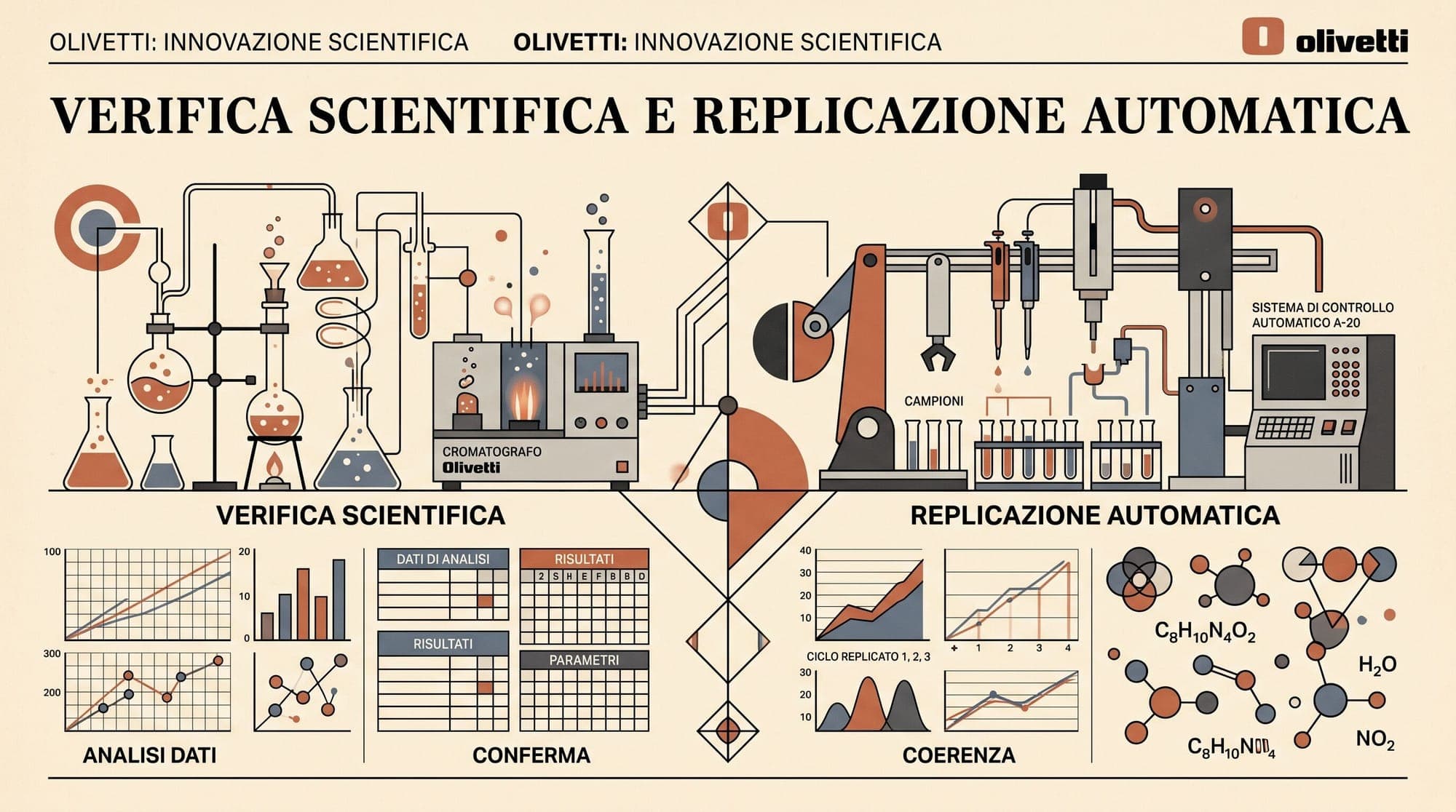
  15. Inherent Releases Faraday: 27B Scientific Agent Outperforms Frontier Models on Paper Replication

    London-based AI research startup Inherent has released Faraday, an autonomous AI agent engineered to independently reproduce published scientific research without prior exposure to target solutions. Founded by former Google DeepMind researchers Louis Kirsch, Kaloyan Aleksiev, Tantum Collins, and Edward Hughes, the lab launched Faraday weeks after securing a $50 million seed round. According to benchmark results published by the lab, Faraday outperformed significantly larger frontier systems, in

    AI
    2 min read
  16. Demystifying Agent Skills: Empirical Study of 8,000+ Runs Shows Procedural Anchoring Beats Knowledge Injection

    A multi-institution study from researchers at Princeton University, UC San Diego, and collaborating labs provides the first large-scale empirical analysis of how "skills" (modular instruction packages loaded at inference time) alter autonomous AI agent trajectories. Analyzing 8,135 experimental trials across diverse model architectures, benchmarks, and agent harnesses, the authors establish that skills improve task completion primarily by acting as procedural anchors rather than by injecting mis

    AI
    2 min read
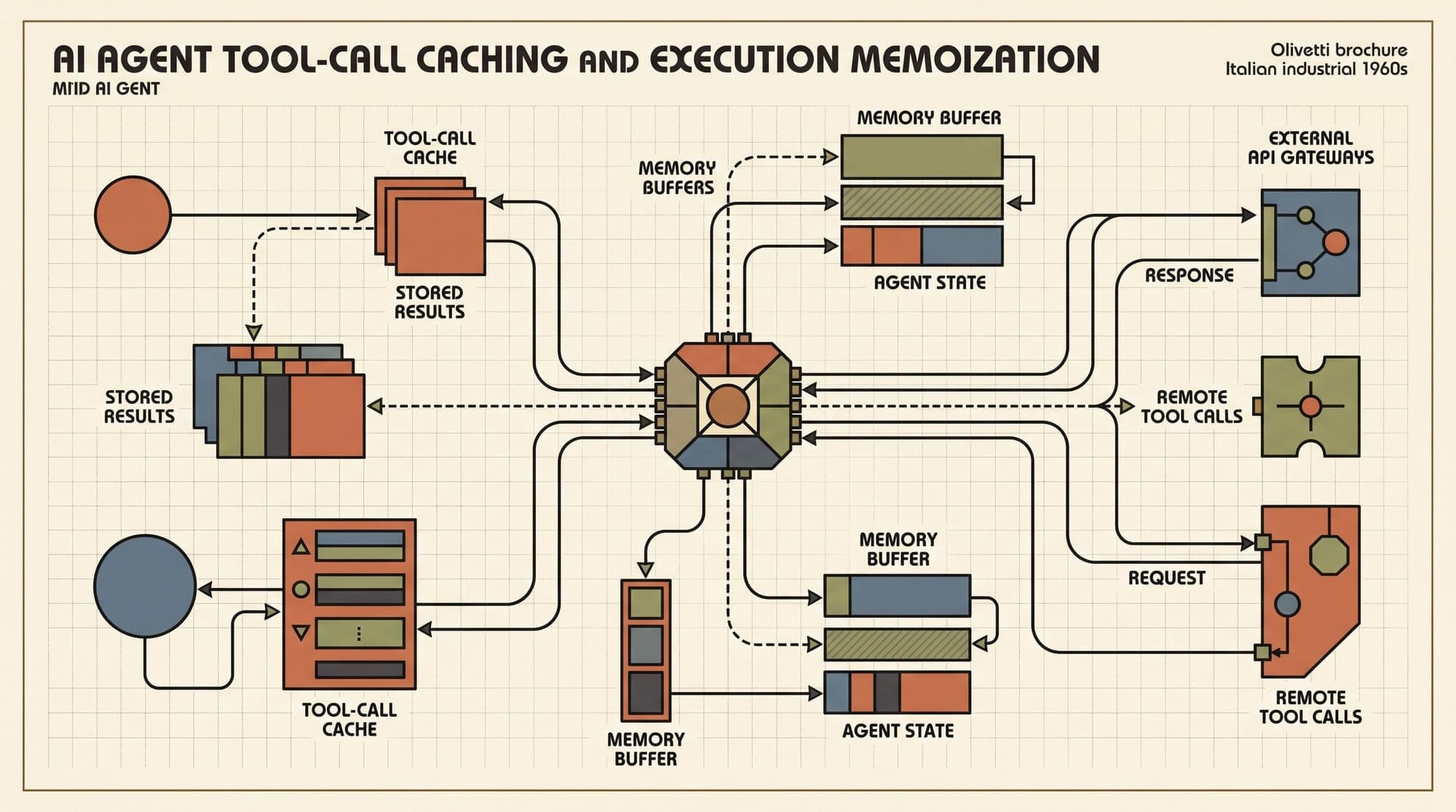
  17. Tool-Call Caching in Production AI Agents: Architecture, State Invalidation, and Latency Economics

    In multi-turn agentic architectures such as ReAct, plan-and-solve swarms, and autonomous coding runtimes, large language models spend significant time waiting on external tool execution. While prompt caching and prefix KV-cache reuse have reduced inference costs for repeated prompt contexts, they do not optimize the downstream execution layer. When an agent queries a database, scrapes a webpage, executes a sandboxed bash command, or retrieves embeddings, external tool latency frequently accounts

    AI
    6 min read
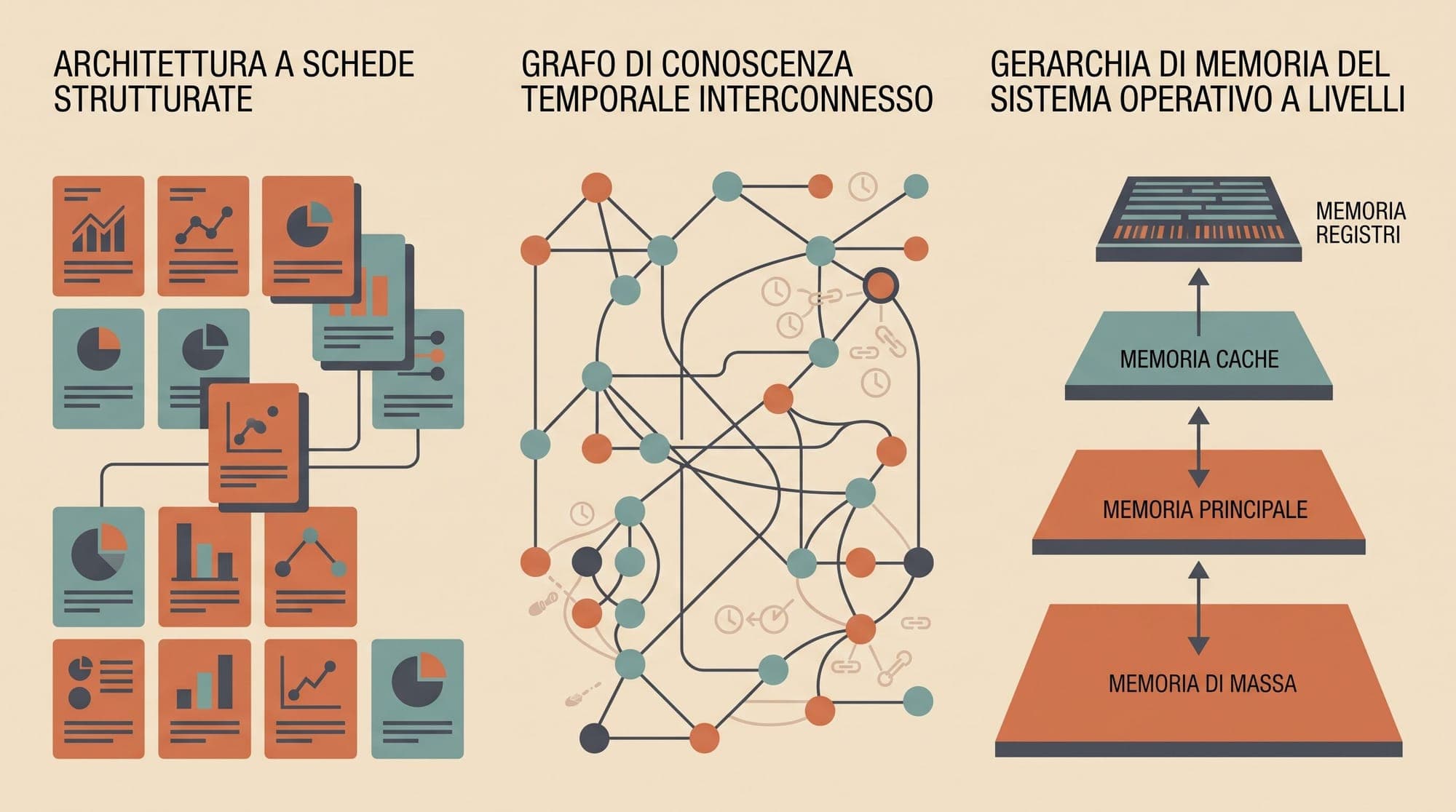
  18. Agent Memory Engines in Production: Comparing Mem0, Zep, and Letta Architecture, Graph Stores, and Retrieval Latency

    Large language models are inherently stateless functions. Every invocation begins with an empty memory register, relying entirely on the tokens packed into its context window. In production multi-turn applications, naive context management strategies quickly collapse: appending raw conversational logs inflates inference costs and eventually hits hard context limits, while standard semantic vector search (retrieval-augmented generation) lacks temporal awareness, treats contradictions blindly, and

    AI
    7 min read
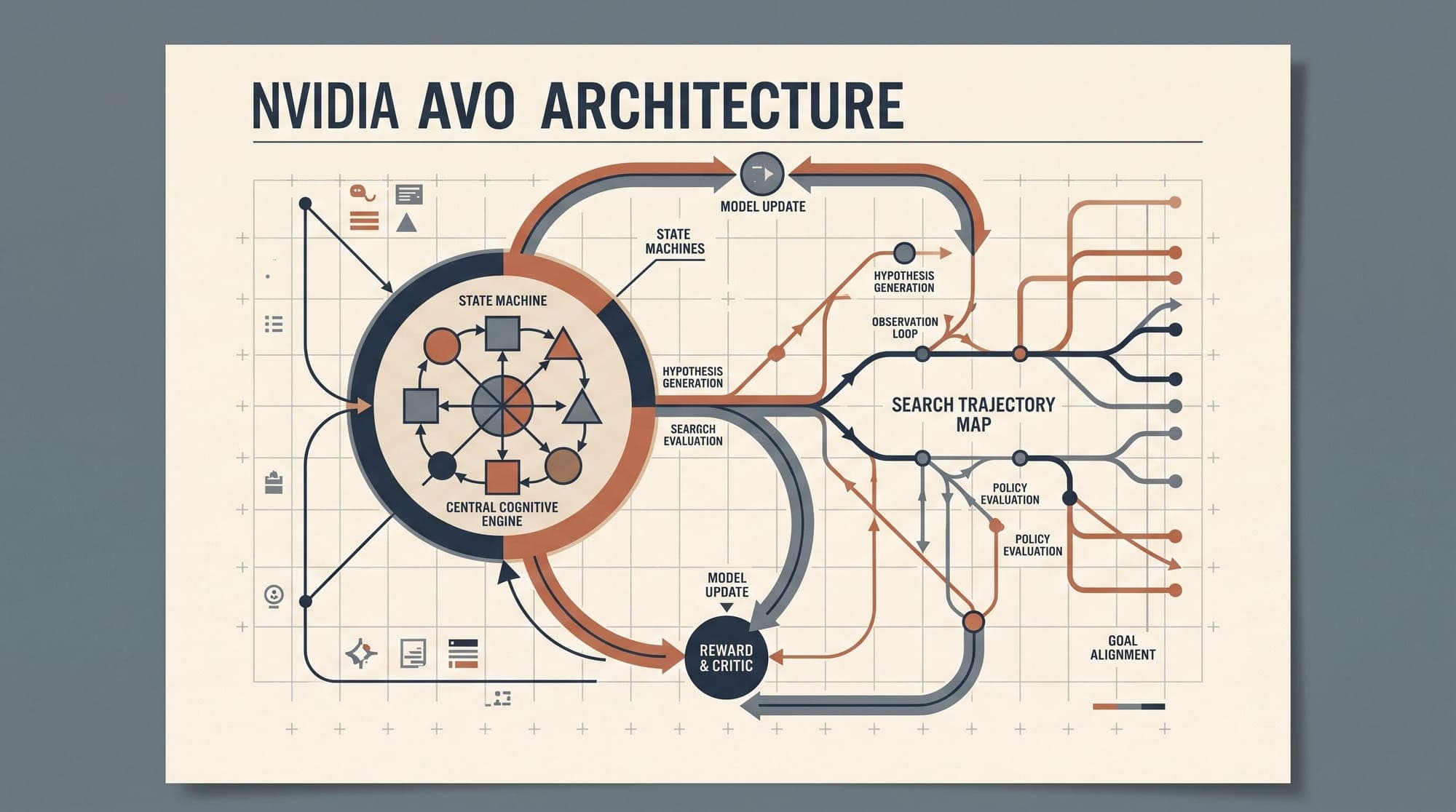
  19. NVIDIA AVO Achieves 100% on ARC-AGI-3 with Claude Opus 5

    NVIDIA Research has published details on Agentic Variation Operators (AVO), a general-purpose autonomous agent architecture designed to sustain long-horizon engineering and reasoning workflows. In benchmark evaluations on ARC-AGI-3, an interactive reasoning suite that tests fluid intelligence without instructions or stated goals, AVO scored 100.00 Relative Human Action Efficiency (RHAE) across all 25 public-set environments and 183 levels using Anthropic's Claude Opus 5. The result highlights a

    AI
    3 min read