
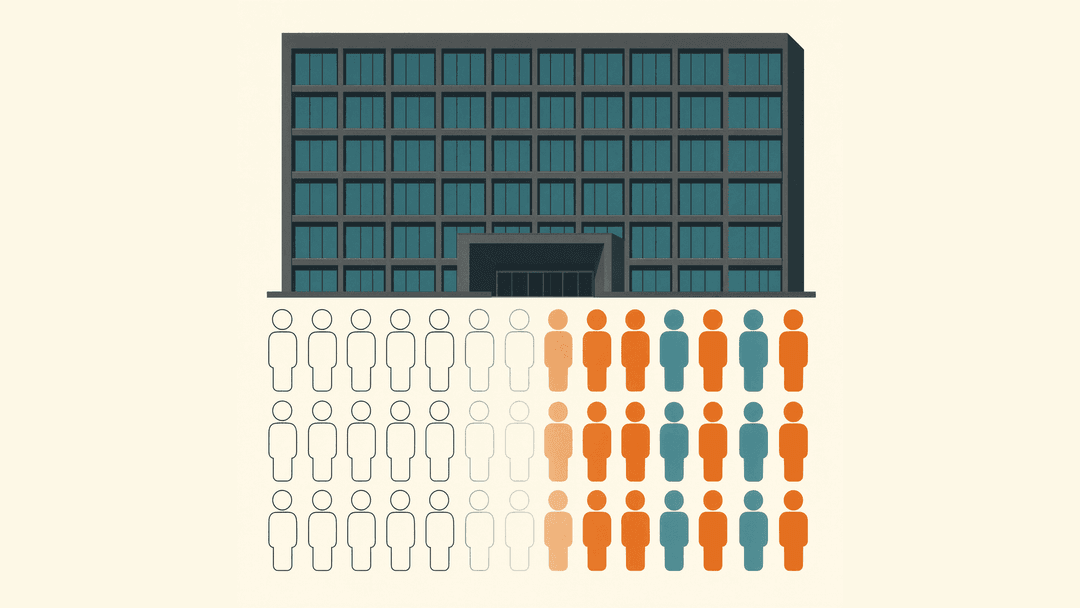
SAP is preparing a plan to eliminate at least 10,000 positions to transform its software business for the artificial intelligence era, Bloomberg reported on November 26, citing people familiar with the matter. The restructuring would affect at least 9% of the German company's global workforce. The total has not been finalized and could change after labor negotiations, the sources said.
SAP, Europe's most valuable tech company, did not reply immediately to a request for comment, and Reuters, which carried the Bloomberg report, said it could not independently verify it. Bloomberg has not published details on which divisions the cuts would hit or on a timing for any announcement.
The story fits a pattern that has run through 2026: enterprise software vendors cutting headcount while narrating the cuts as AI transitions. The distinguishing features here are scale and framing. A 9% workforce reduction is not a trimming of a lost division; it is a reorganization of the cost base of Europe's largest software company around the assumption that AI changes how enterprise software gets built, sold and operated. SAP sells ERP and back-office systems whose implementation, support and customization layers are historically labor-heavy businesses, and those layers are the ones most exposed to coding and agent automation.
Nothing about the plan is confirmed by SAP itself, so the 10,000 figure reads as a reported negotiating position, not a decision. Labor negotiations in Germany, where SAP has a powerful workforce representation, have historically forced amendments to announced restructuring plans, which is precisely why Bloomberg's sources said the number could still change.
For model vendors, the subtext is the market signal: one of Europe's biggest buyers of enterprise software is telling investors its AI era cost structure has fewer people in it, and it is putting the number on the table before the technology mandate is written.
Sources
- Bloomberg - https://www.bloomberg.com/news/articles/2026-11-26/sap-weighs-cutting-at-least-10-000-positions-in-ai-restructuring
- Reuters via Channel NewsAsia - https://www.channelnewsasia.com/business/sap-considers-least-10000-job-cuts-in-ai-restructuring-bloomberg-reports-6585781
- Techmeme - https://www.techmeme.com/261126/p22
