
Linq, a messaging infrastructure startup, has closed a $90 million Series B round led by Andreessen Horowitz (a16z), valuing the company at $1 billion. This brings total funding to over $120 million, allowing Linq to expand its API that lets AI agents interact with humans via SMS, voice, and software control.
Linq, the messaging infrastructure startup that quietly carries SMS traffic for a growing share of the AI agent industry, announced on November 18 a $90 million Series B led by Andreessen Horowitz. a16z co-founder Ben Horowitz joins the board. The round values the company at $1 billion, per Dealroom and reports of the company announcement, and lands just nine months after a $20 million Series A in February. Total funding now exceeds $120 million, with TQ Ventures, Mucker Capital and Abstract re-upping and Anthos and Left Lane Capital joining.
The pitch is that the hard part of the agent wave is no longer thinking. It is reaching people and touching software.
What Linq actually sells
Linq runs the plumbing that lets an AI agent text a human and get interrupted by one. The company says its infrastructure has carried more than one billion messages and is adding over 150 million a month. The flagship proof point customers cite is DoorDash, which uses Linq so consumers can find food, build a cart and check out inside a single thread in Apple Messages for Business.
Two new products ride on the raise. HD Calling moves the company from text into voice, letting agents place handset-quality phone calls. A physical computing layer lets agents operate software on a user's behalf, the book-a-table, buy-the-ticket category of tasks, with the startup usekernel among the first computer-use customers. Payments are already part of the stack. The company's summary of the thesis, from CEO Elliott Potter: agents should be as easy to reach as a friend, and capable enough to finish the job.
That last clause is the point.
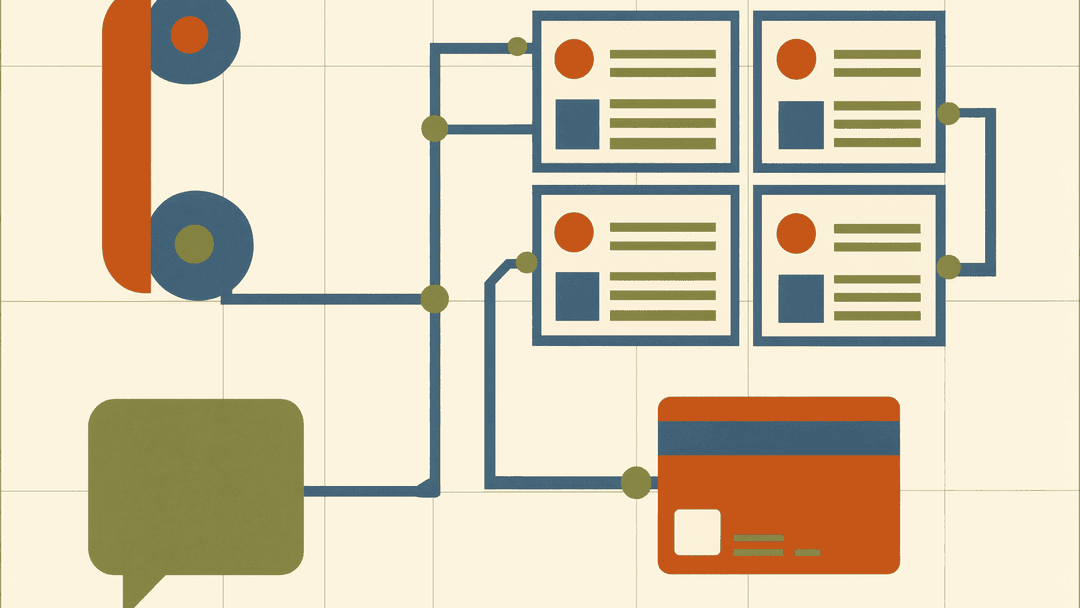
A text thread where an agent answers questions is table stakes. An agent that calls a dentist's office, clicks through a booking system, and comes back mid-task to ask for approval needs carrier relationships, phone numbers, compute that looks like a desktop, and compliance across every channel's rules. Linq is selling all of it as one API.
From business cards to agent rails
The company did not start in AI. Linq was founded in Birmingham, Alabama, building digital business cards and sales tools, with Potter as CEO, Patrick Sullivan as CTO and Jared Mattsson as president. The pivot came when customers started asking to license the underlying messaging technology for their own agents. Linq rebuilt around communications infrastructure for AI, then moved operations closer to its buyers in San Francisco, keeping engineering roots in Birmingham.
The arc from consumer sales tool to picked-and-shovel supplier is now a recognizable pattern in this market: whoever ends up holding authenticated customer contact channels for agents holds a toll booth.
Read it with one eyebrow up
The dollar figures are the company's, and the billion-message count measures traffic carried, not revenue earned. Dealroom notes the round sits in the 98th percentile of all recorded US media Series B rounds, which says as much about how little venture money went around between 2022 and 2024 as it does about Linq. a16z is both the lead investor and, through Horowitz's board seat and the announcement quotes, the loudest narrator of the agent-everywhere thesis here.
The strategic bet is testable, though. If consumers in 2027 really do want their agents to live in SMS and iMessage threads rather than dedicated apps, Linq is core infrastructure, and the $1 billion mark will look conservative. If platforms keep agent messaging in their own walled channels, this is a well-funded pipe to nowhere in particular. Apple, Google and the carrier aggregators have all been moving on business messaging rules lately, which is either Linq's moat or its exposure, depending on who you ask at the party.
Sources
- a16z announcement thread leading Linq's Series B
- Techmeme: Linq raises $90M Series B led by a16z (Birmingham Business Journal)
- Dealroom News: Linq raises $90M to put AI agents inside your text threads
- AI Weekly: Linq raises $90M Series B from a16z at $1B valuation
Frequently asked questions
How much money did Linq raise in its Series B?
Linq announced a $90 million Series B round led by Andreessen Horowitz.
What is Linq's current valuation?
The company is valued at $1 billion following its recent funding round.
Who joined the Linq board after this investment?
Andreessen Horowitz co-founder Ben Horowitz joins the board alongside other investors.
What are two new products Linq launched after the raise?
Linq introduced HD Calling for voice interactions and a physical computing layer for software operation.
