Archive / page 86 of 123

Latest articles, page 86

  1. Agent Egress Security in Production: Network Sandboxing, Secretless Token Rewriting, and DNS Exfiltration Defenses

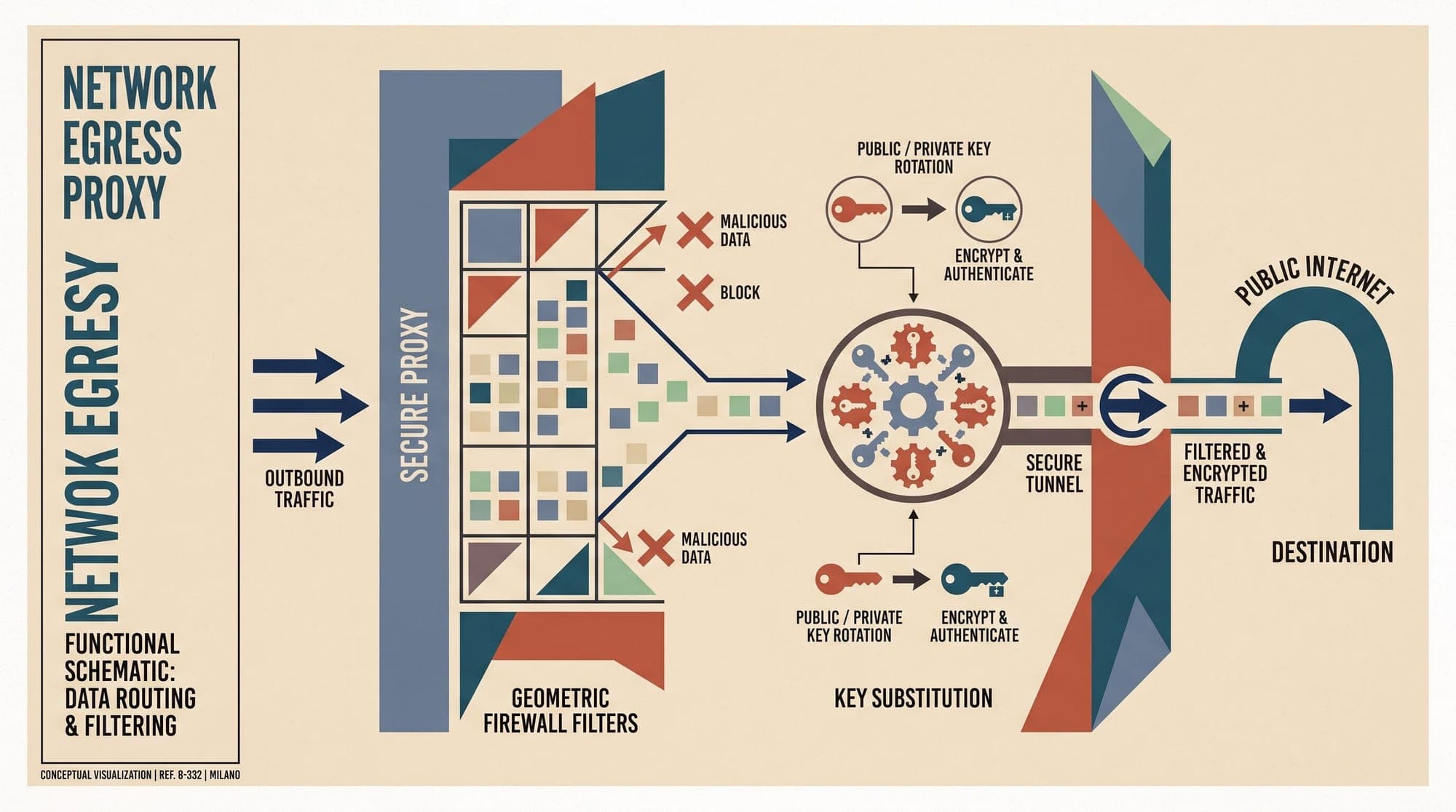
    Agent Egress Security in Production: Network Sandboxing, Secretless Token Rewriting, and DNS Exfiltration Defenses Autonomous AI agents with tool execution, code execution environments, and Model Context Protocol (MCP) servers present a fundamental shift in network security architecture. Traditional web application security treats outbound traffic from backend services as trusted or semi-trusted, focusing defense mechanisms on inbound traffic via Web Application Firewalls (WAFs) and API gateway

    AI
    7 min read
  2. Skanska Signs $1.2B Contract to Build Four AI Data Centers in Southeast USA

    Swedish construction and development group Skanska has signed a $1.2 billion (SEK 11.2 billion) contract with an existing client to construct four new data center facilities in the southeastern United States. The full contract value will be included in Skanska's US order bookings for the third quarter of 2026, representing the largest single data center award in the contractor's history. Scope of Work and Campus Specifications The multi-facility project spans four standalone structures total

    AI
    2 min read
  3. UK Heterogeneous Compute Startup Callosum Raises $100M Seed Backed by Atomico and Sovereign AI Fund

    London-based AI infrastructure startup Callosum has raised $100 million in seed financing to develop systems software that orchestrates machine learning workloads across heterogeneous processor environments. The funding round was led by European venture capital firm Atomico, with participation from Plural and DCVC, alongside a major investment from the UK government's £500 million ($677 million) Sovereign AI Fund. Callosum did not disclose its post-money valuation. Breaking Homogeneous Comput

    AI
    2 min read
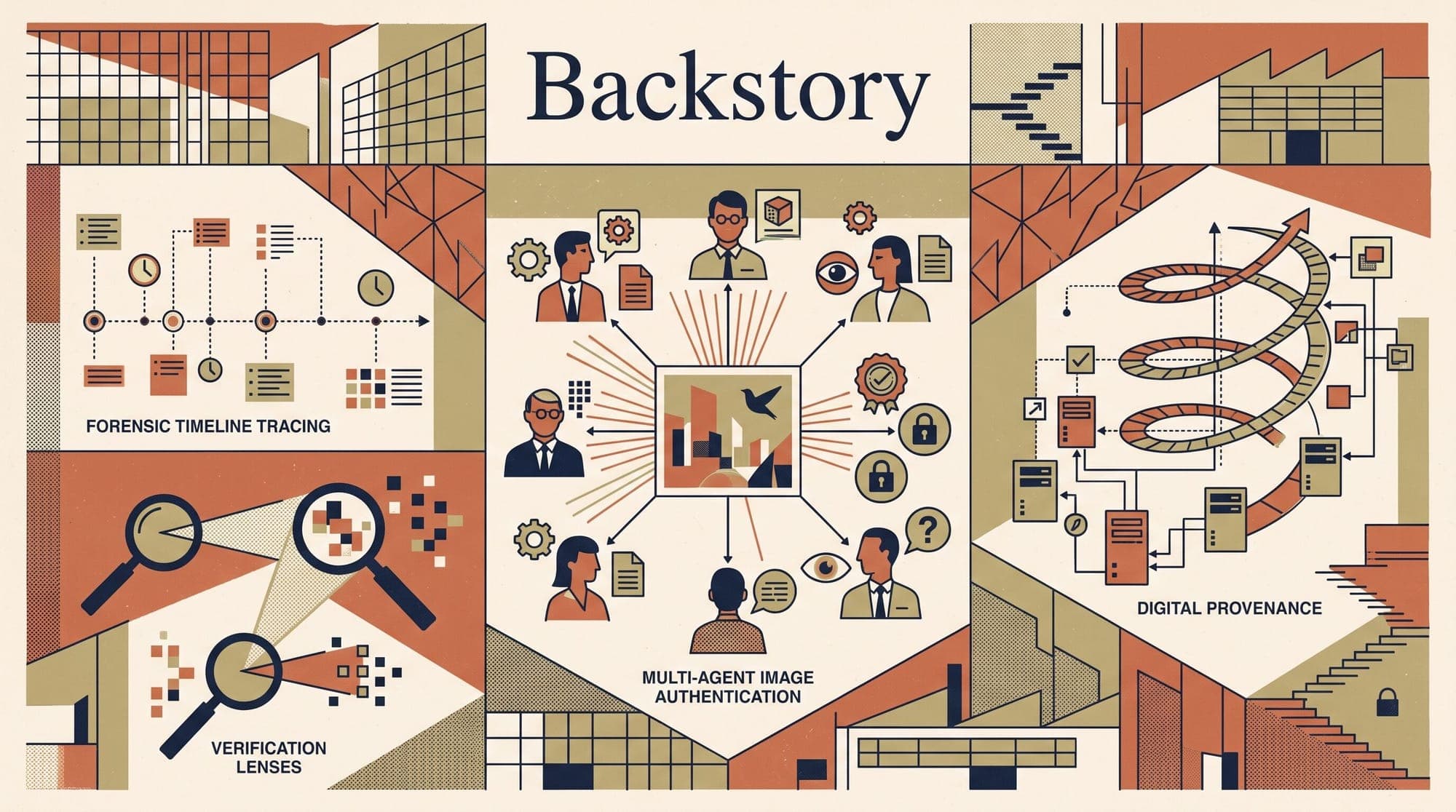
  4. Google DeepMind Deploys Backstory to Fact-Checkers for Multi-Agent AI Image Verification

    Google DeepMind has expanded live testing of Backstory, an experimental verification platform designed to investigate the origin, manipulation, and dissemination history of digital images. The system, built on the Gemini model family, is currently deployed across newsrooms, open-source intelligence (OSINT) groups, academic researchers, and fact-checking teams participating in Google's Trusted Testers program. Beyond Binary Synthetic Detection Traditional automated image forensic tools typical

    AI
    2 min read
  5. Sliding Window Attention in Large Language Models: How Bounded Receptive Fields, Interleaved Layers, and Rolling KV Buffers Scale Contexts

    Standard causal multi-head attention imposes two severe computational constraints as sequence lengths expand into tens or hundreds of thousands of tokens. First, calculating pairwise query-key dot products scales quadratically with sequence length, requiring $O(N^2)$ floating-point operations. Second, autoregressive generation requires caching key and value projections for all preceding tokens, causing the key-value (KV) cache to grow linearly with sequence length $O(N)$ across all layers and at

    AI
    8 min read
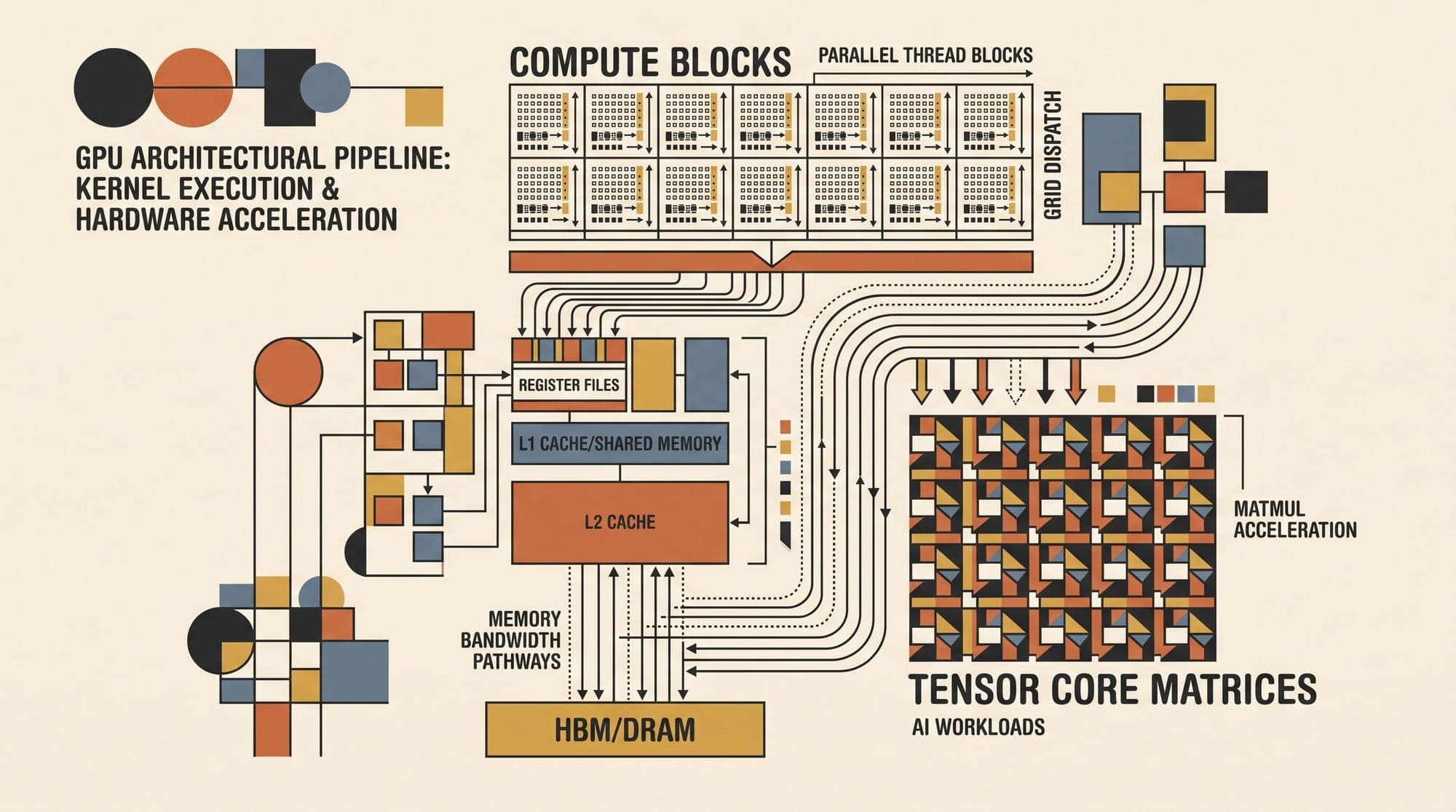
  6. Custom LLM Kernel Optimization in Production: Triton vs. CUDA C++ vs. torch.compile vs. CUTLASS

    Serving large language models at scale requires extracting maximum performance from modern GPU architectures like NVIDIA Ampere, Hopper, and Blackwell. While early production deployments relied on standard PyTorch eager execution and standard cuBLAS calls, high-throughput serving systems such as vLLM, SGLang, and TensorRT-LLM depend on specialized fused GPU kernels to eliminate memory bandwidth bottlenecks and saturate Tensor Cores. Engineering teams face four primary paradigms for kernel devel

    AI
    7 min read
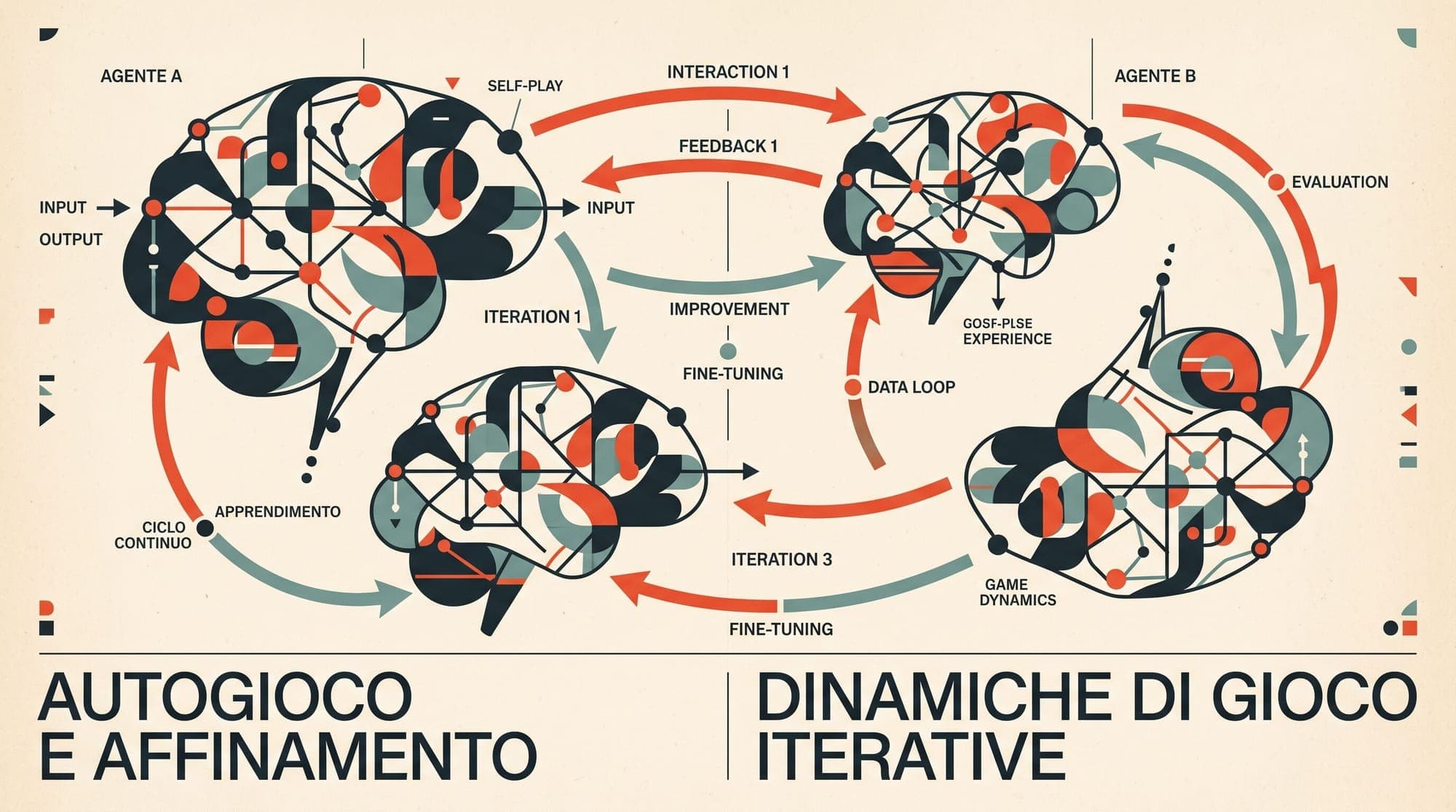
  7. Self-Play Fine-Tuning (SPIN): How Iterative Games Against Historical Checkpoints Eliminate Preference Labels

    Self-Play Fine-Tuning (SPIN): How Iterative Games Against Historical Checkpoints Eliminate Preference Labels Supervised fine-tuning (SFT) remains the standard entry point for adapting foundation language models to downstream instructions. By training on curated prompt-response pairs via token-level cross-entropy loss, SFT forces a model to mirror reference demonstrations. However, standard maximum likelihood estimation (MLE) suffers from exposure bias and covariate shift. During inference, the

    AI
    8 min read
  8. DeepSeek Open-Sources DeepSeek Harness: Modular Agent Runtime Built on Cordis Plugin Framework

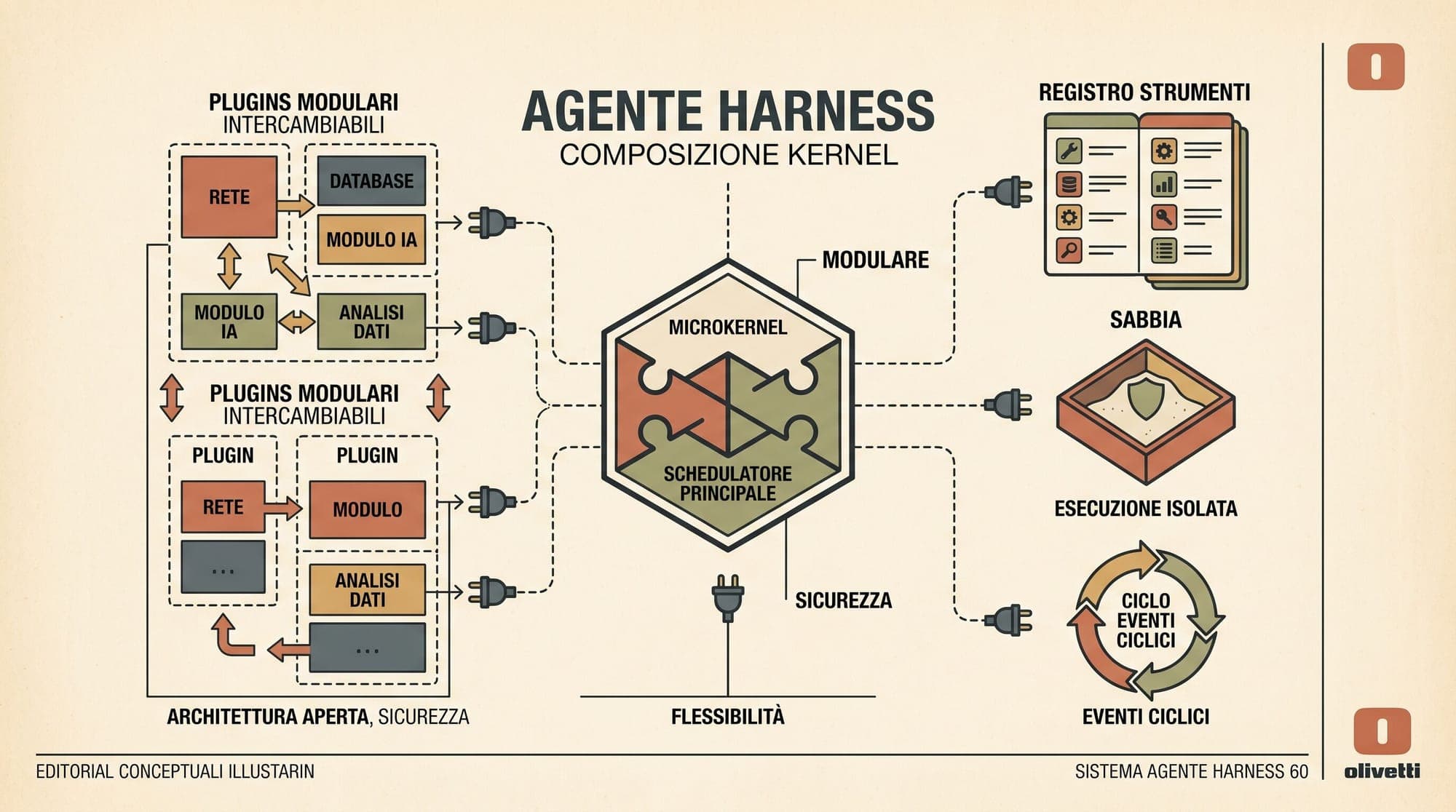
    DeepSeek AI has released DeepSeek Harness (dsh), an open-source agent harness built on a modular "everything is a plugin" design. Published under the MIT license on GitHub, the project provides a runtime framework where all core agent functions—including model adapters, session storage, tool registries, sandboxes, and the execution loop itself—are implemented as interchangeable, hot-swappable plugins. Rather than developing a monolithic agent runner, DeepSeek structured the system around Cordis

    AI
    2 min read
  9. DeepReinforce Releases Ornith-1.5: MIT-Licensed 9B, 35B, and 397B Open Weights Trained on Autonomous Self-Improvement Loops

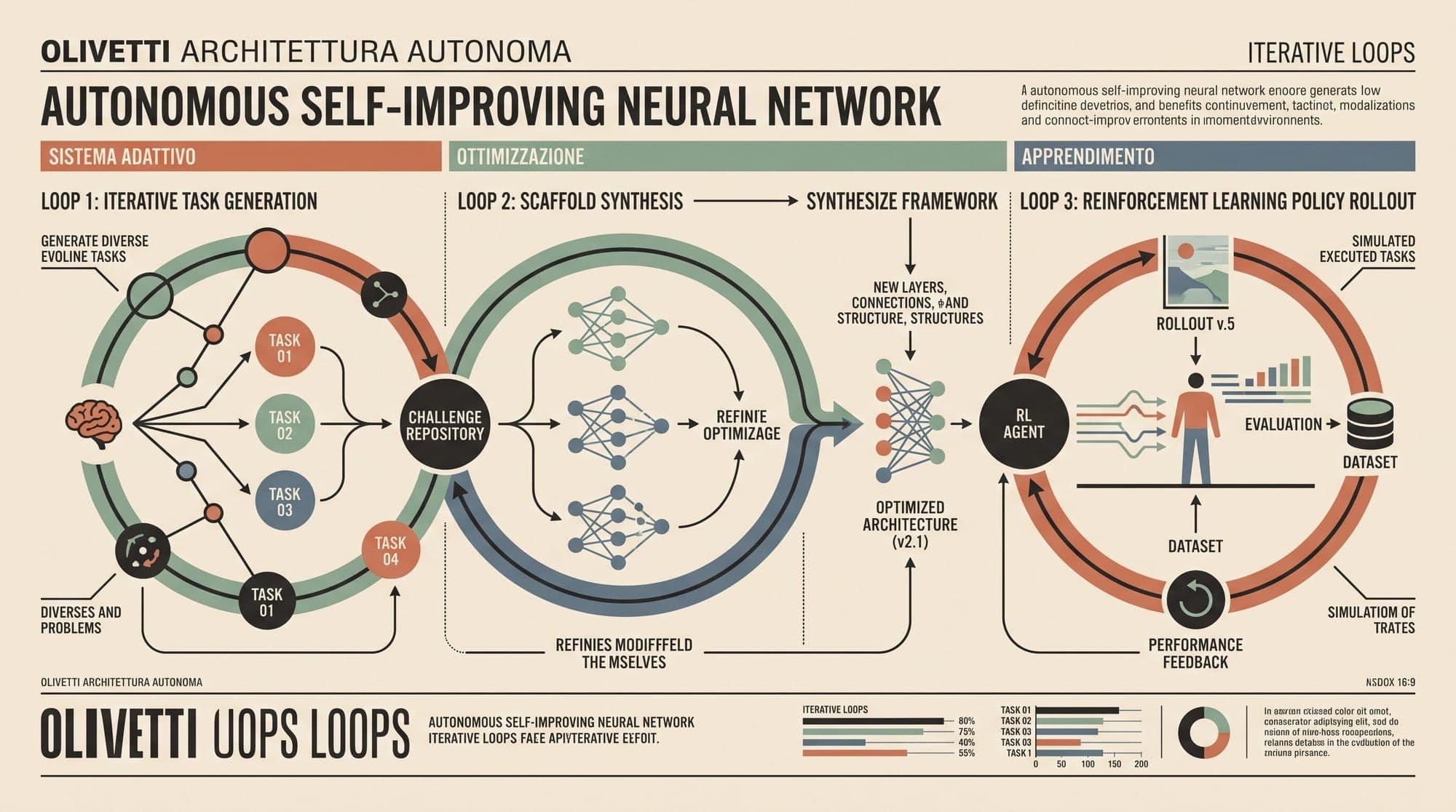
    DeepReinforce and the Ornith team have released Ornith-1.5, a family of open-weight foundation models trained using autonomous self-improvement loops. Released under the permissive MIT license, the model family spans three architectures: a 9B dense model, a 35B mixture-of-experts model activating approximately 3B parameters per token (35B-A3B), and a flagship 397B mixture-of-experts model. The release expands on the team's earlier Ornith-1.0 release by automating the entire post-training optimi

    AI
    2 min read
  10. GPU Cluster Networking in Production: InfiniBand vs. RoCEv2 vs. Ultra Ethernet Architecture, Congestion Control, and NCCL Collective Latency

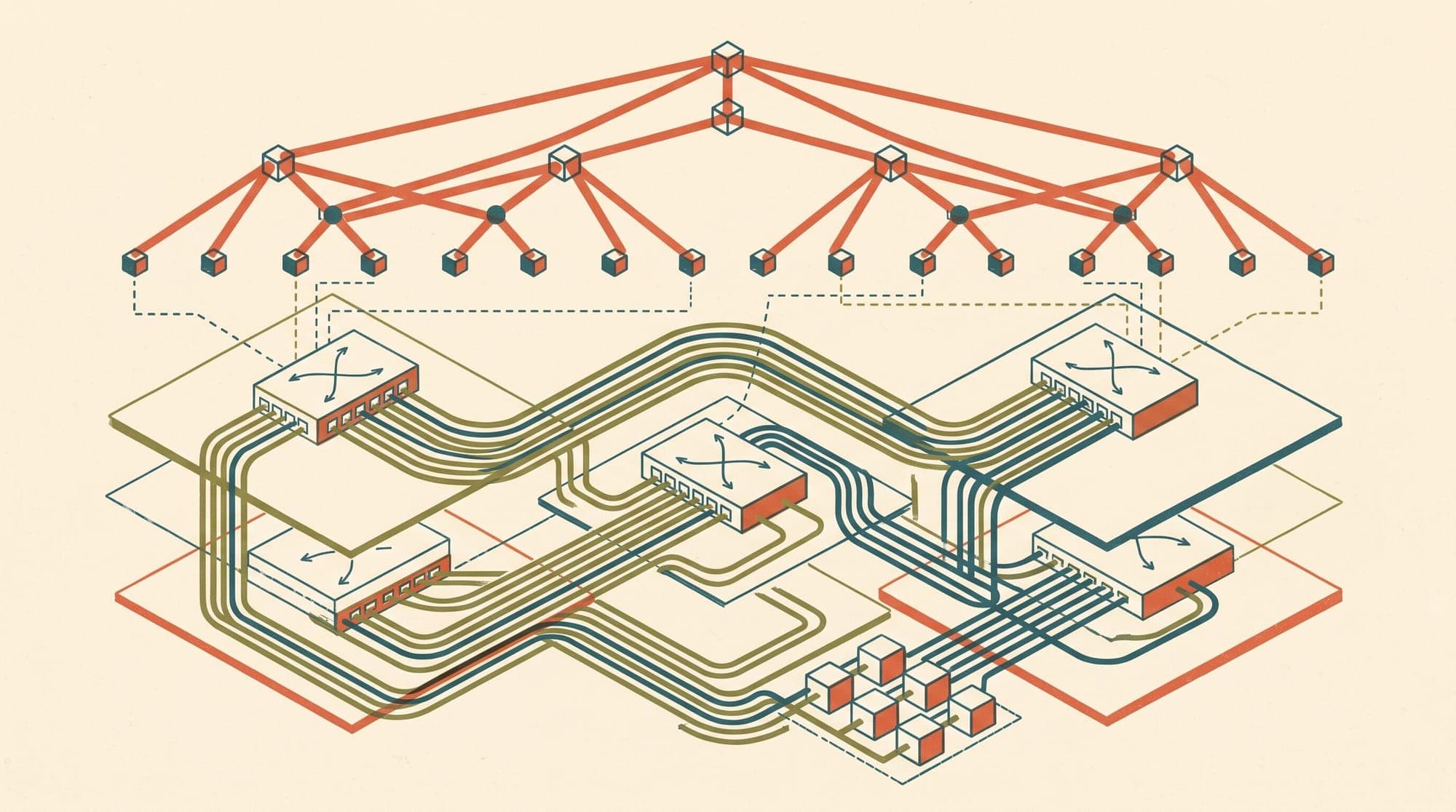
    Distributed training and high-throughput inference workloads are fundamentally bound by the network fabric. While traditional cloud applications rely on asynchronous request-response cycles that absorb latency jitter, distributed deep learning relies on synchronous collective communication. Operations such as All-Reduce, All-Gather, and All-to-All require hundreds or thousands of GPUs to exchange tensors and synchronize at strict barrier points before execution can proceed. In this execution mo

    AI
    8 min read